💥Join UPSC 2027,2028 Mentorship (July Batch) + XFactor Notes & Microthemes PDF

GS Paper: GS2

  • India’s choice between progress and parochialism

    Why in the News?

    India faces a challenge in advancing global technology and promoting cultural nationalism.

    What are the key contradictions between India’s linguistic policies and its ambitions for global technological leadership?

    • Promotion of Global Tech Leadership vs. Linguistic Nationalism: While the government advocates for technological innovation and global collaboration (e.g., PM Modi’s co-chairing of the AI Action Summit in Paris), cultural nationalist groups like the RSS push to reject English and promote indigenous languages. Example: Maharashtra’s mandate to prioritize Marathi in government offices conflicts with the need for English proficiency in global tech and business environments.
    • Dual Education System: Private schools emphasize English, preparing students for global opportunities, while most government schools focus on regional languages, limiting access to global knowledge. Example: Elite private-school graduates secure jobs in multinational tech firms, while students from regional-language schools face barriers in competitive industries like AI and software development.
    • Language as Identity vs. Economic Pragmatism: While India debates language as a cultural marker, other countries treat English as a tool for economic advancement. Example: China and South Korea prioritize English proficiency to foster technological growth, whereas India’s linguistic nationalism hampers similar progress.
    • Global Collaboration vs. Linguistic Isolation: Success in emerging fields like AI requires collaboration in English-led international forums, but domestic policies discourage its widespread adoption. Example: Israel mandates English alongside STEM education, enabling global research participation, while India’s restrictive policies hinder such integration.
    • Access to AI and Digital Technologies: AI technologies are predominantly developed and documented in English, yet linguistic policies limit access for a majority of Indians. Example: Indian startups working on AI and machine learning struggle to scale globally due to the language barrier affecting workforce readiness.

    Why is English proficiency considered crucial for India’s future workforce in the AI-driven economy?

    • Access to Global Knowledge and Innovation: Most research papers, technical documentation, and AI frameworks are published in English. Without proficiency, Indian professionals face barriers to understanding and applying the latest advancements. Example: Cutting-edge AI models like GPT and TensorFlow are primarily documented in English, making it essential for developers to engage with and innovate using these tools.
    • Enhanced Employment Opportunities: English is the dominant language in multinational companies and global tech ecosystems. Proficiency opens doors to better-paying jobs and international collaborations. Example: Indian engineers fluent in English are preferred by global tech giants like Google, Microsoft, and Meta for roles in AI development and data science.
    • Participation in Global AI Governance and Policy: As AI evolves, international regulatory frameworks and ethical discussions are conducted in English. Without linguistic competence, India risks being sidelined in shaping global AI norms. Example: India’s ability to contribute to forums like the Global Partnership on AI (GPAI) depends on having experts who can engage in technical and policy dialogues in English.

    Which regions in India demonstrate better educational and economic outcomes due to their multilingual approach?

    • Southern States (Kerala, Karnataka, Tamil Nadu): These states follow a three-language policy (regional language, Hindi, and English) in schools, ensuring proficiency in English while preserving local identity. Example: Bengaluru in Karnataka is a leading global technology hub, attracting investments in AI and IT due to a highly skilled, multilingual workforce.
    • Western States (Maharashtra, Gujarat): Urban areas in these states emphasize English-medium education alongside regional languages, enabling access to both domestic and international job markets. Example: Mumbai’s multilingual workforce supports thriving sectors like finance, media, and global trade, making it India’s economic powerhouse.
    • Union Territories (Delhi, Chandigarh): The education system here integrates English, Hindi, and local languages, fostering linguistic adaptability and attracting businesses requiring bilingual professionals. Example: Delhi’s multilingual policies contribute to its prominence in sectors like legal services, information technology, and international commerce.

    Way forward: 

    • Balanced Language Policy: Implement a multilingual education framework that promotes regional languages while ensuring universal access to English from an early age to enhance global competitiveness.
    • Inclusive Digital Ecosystem: Invest in translating AI resources and technical content into regional languages while encouraging English proficiency to bridge the linguistic divide in emerging technologies.

    Mains PYQ:

    Q Is diversity and pluralism in India under threat due to globalisation? Justify your answer.” (2019) 

  • [13th March 2025] The Hindu Op-ed: The dangerous illusion cast by development rankings

    PYQ Relevance:

    Q)  It is argued that the strategy of inclusive growth is intended to meet the objectives of inclusiveness and sustainability together. Comment on this statement. (UPSC CSE 2019)


    Mentor’s Comment: UPSC mains have always focused on the strategy of objectives of inclusiveness and sustainability together (2019) and the perspective of inclusive growth and sustainable development. (2020).

    California recently faced devastating wildfires, causing around $250 billion in damage—close to Greece’s GDP in 2023. This reveals the hidden costs of development in wealthy nations. If all countries consumed resources like the U.S. or EU, we would need multiple Earths. Yet, the HDI still promotes these unsustainable models as ideals, ignoring ecological realities.

    Today’s editorial talks about how the Human Development Index (HDI) and the Planetary Pressures-adjusted HDI (PHDI) give a misleading view of progress. This topic is useful for GS Paper 2 and GS Paper 3 in the UPSC Mains exam.

    _

    Let’s learn!

    Why in the News?

    Indicators like the United Nations’ HDI and PHDI overlook the fact that Earth has limited resources, promoting development models that may harm the environment and exceed planetary boundaries.

    How does the Human Development Index (HDI) create a misguided perception of progress?

    • Ignores Environmental Impact: HDI measures life expectancy, education, and income but does not account for the environmental damage caused by development. Example: Countries like the United States and Norway have high HDI scores despite being among the largest carbon emitters and resource consumers.
    • Promotes Unsustainable Consumption Patterns: It celebrates the lifestyles of affluent countries without considering whether these consumption patterns can be replicated globally. Example: If every country consumed resources like the European Union, we would need multiple Earths to sustain global life.
    • Overlooks Inequality and Social Justice: HDI does not reflect internal inequalities within countries, masking disparities in wealth distribution and social justice.
      Example: Despite India’s improving HDI score, significant inequalities exist between rural and urban populations in access to education and healthcare.
    • Creates a One-Size-Fits-All Model of Development: It assumes that higher incomes and longer life expectancy automatically equate to better development, disregarding cultural and ecological diversity. Example: Countries like Costa Rica achieve high life expectancy and literacy with a low ecological footprint, offering a sustainable development model.
    • Fails to Recognize Planetary Boundaries: HDI does not measure whether a country’s development exceeds ecological limits, encouraging a pursuit of progress at the cost of environmental sustainability. Example, Nordic countries maintain top HDI rankings despite consuming resources equivalent to five Earths per capita.

    What is Planetary Pressures-adjusted HDI (PHDI)?

    • The PHDI is a modified version of the Human Development Index (HDI) introduced by the United Nations Development Programme (UNDP) in 2020.
    • It adjusts a country’s HDI score by accounting for the environmental impact of its development, particularly focusing on carbon emissions and material consumption.

    Why did the United Nations introduce the Planetary Pressures-adjusted HDI (PHDI)?

    • To Address Environmental Sustainability: The PHDI was introduced to account for the environmental pressures caused by high levels of human development, such as carbon emissions and resource consumption. Example: Countries with high HDI scores, like the United States and Australia, receive lower PHDI rankings due to their significant carbon footprints.
    • To Provide a More Holistic Measure of Progress: It aims to offer a more comprehensive understanding of development by balancing human well-being with environmental responsibility. Example: While Norway ranks highly on the HDI, its PHDI score is reduced because of its high per-capita ecological impact.
    • To Encourage Sustainable Development Models: The PHDI highlights the need for nations to pursue progress within planetary boundaries, promoting more sustainable policy frameworks.
      Example: Costa Rica, with its focus on renewable energy and forest conservation, maintains a more balanced PHDI compared to other high-income countries.

    What should be the true meaning of progress for developing nations like India?

    • Sustainable Development within Ecological Limits: Progress should balance economic growth with environmental sustainability, ensuring the responsible use of natural resources without depleting them for future generations. Example: India’s National Solar Mission aims to increase renewable energy capacity while reducing dependence on fossil fuels, promoting cleaner and sustainable progress.
    • Inclusive and Equitable Growth: Development must ensure social justice by reducing inequalities and providing access to basic services like healthcare, education, and employment for all sections of society. Example: Aspirational Districts Programme focuses on improving underdeveloped areas by enhancing healthcare, education, and infrastructure, fostering inclusive growth.
    • Quality of Life and Human Dignity: True progress prioritizes human well-being, ensuring that every citizen lives with dignity and has access to a safe, healthy, and fulfilling life. Example: The Swachh Bharat Mission improved sanitation across rural India, enhancing public health and ensuring better living conditions.

    Why should developing countries like India adopt a different vision of progress?

    • Environmental Sustainability and Resource Limits: Following the Western model of high consumption is unsustainable for resource-rich but ecologically vulnerable countries. Developing nations must prioritize sustainable practices to avoid environmental degradation. Example: India’s Green Hydrogen Mission aims to reduce dependence on fossil fuels and promote clean energy, aligning growth with environmental conservation.
    • Addressing Social Inequalities: A different vision of progress focuses on reducing socio-economic disparities by ensuring equitable access to basic services like healthcare, education, and livelihoods. Example: Pradhan Mantri Jan Dhan Yojana promotes financial inclusion by providing banking services to marginalized communities, fostering inclusive development.

    What are the steps taken by the Indian government? 

    • National Action Plan on Climate Change (NAPCC) (2008): Includes eight missions focusing on renewable energy, water conservation, and sustainable agriculture. Example: The National Solar Mission aims to achieve 280 GW of solar power by 2030.
    • Green Hydrogen Mission (2023): Promotes the use of green hydrogen to reduce fossil fuel dependency and cut carbon emissions.
    • Pradhan Mantri Jan Dhan Yojana (PMJDY) (2014): Provides banking access to the unbanked population, enhancing financial inclusion.
    • Ayushman Bharat (PM-JAY) (2018): Provides health coverage to over 500 million people, ensuring access to quality healthcare for low-income groups.
    • Mahatma Gandhi National Rural Employment Guarantee Act (MGNREGA) (2005): This guarantees 100 days of wage employment per year to rural households, ensuring livelihood security.
    • Deendayal Antyodaya Yojana (2014): Focuses on skill development and employment for rural and urban poor.

    Way forward: 

    • Adopt a Balanced Development Approach: Integrate environmental sustainability with social and economic policies, ensuring that progress respects planetary boundaries while addressing socio-economic disparities. Example: Strengthen initiatives like the Green Hydrogen Mission and promote circular economy practices to reduce ecological footprints.
    • Enhance Social Equity and Human Well-being: Prioritize inclusive growth by improving access to quality healthcare, education, and employment for all, especially marginalized communities. Example: Expand programs like Ayushman Bharat and Skill India Mission to ensure equitable opportunities and better living standards.
  • Resolving the vexatious Fishing dispute

    Why in the News?

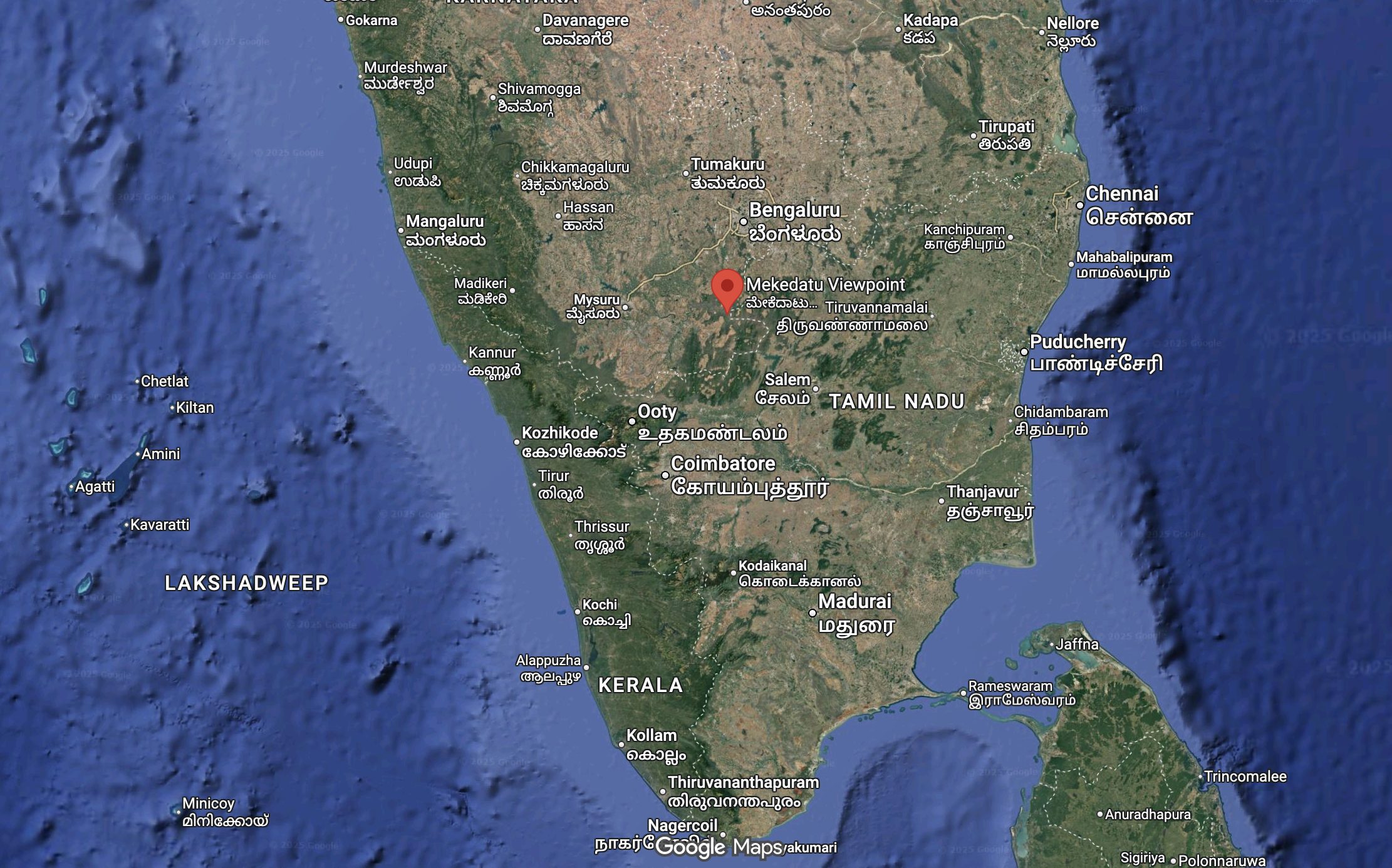
    Last week, Bimal Rathnayake, the Leader of the House in Sri Lanka’s Parliament and the country’s Transport and Highways Minister, urged the Indian and Tamil Nadu governments to take strong action against illegal fishing in Sri Lankan waters.

    How do domestic factors in both India and Sri Lanka influence their respective foreign policies concerning the fishing dispute?

    For India: 

    • Livelihood Dependency and Economic Pressure: Thousands of fishermen in Tamil Nadu and Puducherry rely on fishing in the Palk Bay for their livelihoods. Limited fishing zones and declining fish stocks in Indian waters push them into Sri Lankan territory.
      • Example: Fishermen from districts like Ramanathapuram and Nagapattinam regularly cross the International Maritime Boundary Line (IMBL) due to insufficient catch within Indian waters.
    • Political and Electoral Pressures: Tamil Nadu’s regional parties, such as the DMK and AIADMK, often raise the fishing dispute to secure voter support, pressuring the central government to prioritize the issue in foreign policy.
      • Example: Before elections, Tamil Nadu politicians routinely demand stronger diplomatic efforts to release Indian fishermen detained by the Sri Lankan Navy.
    • Legal and Regulatory Constraints: Indian regulations, like the Tamil Nadu Marine Fishing Regulation Act (1983), restrict the use of mechanized boats close to the shore, limiting fishing areas and driving fishermen toward Sri Lankan waters.
      • Example: The 1983 Act bans trawling within three nautical miles of the Indian coastline, making deeper Sri Lankan waters more attractive despite the legal risks.

    For Srilanka: 

    • Protection of Northern Province Fishermen’s Livelihoods: Sri Lankan Tamil fishermen in the Northern Province rely on traditional fishing methods and face competition from Indian trawlers, which threatens their livelihoods.
    • Post-Civil War Economic Recovery: The Northern Province, which was heavily affected by the civil war, is still recovering economically. Safeguarding local fishing areas is seen as vital for the region’s rehabilitation and economic stability.
      • Example: The Sri Lankan government prioritizes protecting fishing zones to support the economic revival of communities affected by the civil war.
    • Political and Nationalist Sentiments: There is domestic pressure on the Sri Lankan government to take a strong stance against perceived violations of territorial waters, especially from nationalist groups and local political parties.
      • Example: In 2015, then-Prime Minister Ranil Wickremesinghe defended the Sri Lankan Navy’s actions against Indian fishermen, reflecting nationalist sentiments on protecting maritime boundaries.

    Why is resolving the “festering Palk Bay sheries dispute” considered crucial for the Tamil-speaking fishermen of Sri Lanka’s Northern Province?

    • Protection of Livelihoods: Tamil-speaking fishermen in Sri Lanka’s Northern Province depend on local marine resources for their survival. Illegal fishing by Indian trawlers reduces fish stocks, threatening their primary source of income.
      • Example: Frequent incursions by Indian fishermen using bottom trawling disrupt the local fishing economy, making it difficult for Sri Lankan fishermen to sustain their livelihoods.
    • Environmental Sustainability: Bottom trawling by Indian fishermen causes severe damage to marine ecosystems, affecting fish breeding and long-term marine biodiversity.
      • Example: The destruction of fish habitats due to bottom trawling reduces future fish yields, directly impacting the sustainability of fishing communities in the Northern Province.
    • Socio-Economic Recovery Post-Civil War: The Northern Province is still recovering from the socio-economic impacts of Sri Lanka’s civil war. Protecting their fishing waters is vital for long-term economic stability and community rebuilding.
      • Example: Ensuring exclusive access to local waters helps these communities rebuild their economy and strengthens their post-war rehabilitation efforts.

    What role can India play in resolving the Palk Bay fishing dispute? (Way forward)

    • Promoting Sustainable Fishing Practices: India can encourage and support its fishermen to adopt sustainable fishing methods, reducing the harmful impact of bottom trawling in Sri Lankan waters.
      • Example: Expanding the Palk Bay deep-sea fishing scheme and integrating it with the Pradhan Mantri Matsya Sampada Yojana can help Indian fishermen transition to deep-sea fishing, reducing pressure on the Palk Bay region.
    • Facilitating Bilateral Talks: India can work with Sri Lanka to resume and mediate talks between fishermen from both countries, fostering dialogue and finding mutually beneficial solutions.
      • Example: India previously supported fishermen-level talks in 2016, which allowed both sides to voice concerns and seek collaborative solutions. Restarting such discussions can ease tensions.
    • Strengthening Legal and Diplomatic Cooperation: India can strengthen legal frameworks and diplomatic channels to enforce maritime boundaries while ensuring the protection of its fishermen’s rights.
      • Example: The Joint Working Group on Fisheries (established in 2016) provides a platform for both governments to discuss and implement measures to prevent illegal fishing and resolve disputes amicably.

    Mains PYQ: 

    Q In respect of India-Sri Lanka relations, discuss how do mestic factors influence foreign policy. (2013)

  • ‘MAHASAGAR’ vision for Global South

    Why in the News?

    PM Modi has unveiled ‘MAHASAGAR’ (Mutual and Holistic Advancement for Security and Growth Across Regions) during his March 2025 visit to Mauritius, outlining India’s expanded vision for security and development across the Global South.

    What is MAHASAGAR?

    • Mahasagar is India’s expanded strategic vision aimed at enhancing security, trade, and development cooperation across the Global South.
    • It builds on India’s SAGAR (Security and Growth for All in the Region) policy, which focused on the Indian Ocean Region (IOR).
    • Three Core Pillars:
    1. Trade for Development: Enhancing economic ties through technology-sharing and trade facilitation.
    2. Capacity Building for Sustainable Growth: Supporting nations with infrastructure, education, and economic partnerships.
    3. Mutual Security for a Shared Future: Strengthening regional security, maritime cooperation, and defense ties.
    • It seeks to address China’s expanding presence in the Indo-Pacific and Indian Ocean by promoting India-led cooperation models.
    • It aims to position India as a champion of the Global South, amplifying their voice in global policymaking (e.g., G20, IORA, BRICS).

    How Mahasagar builds on SAGAR (2015)?

    • India’s SAGAR policy (2015) was a regional framework focused on maritime security and economic cooperation in the Indian Ocean Region (IOR).
    • Mahasagar broadens this vision to global engagement with the Global South.
    SAGAR (2015) Mahasagar (2025)
    Geographic Scope Indian Ocean Region (IOR) Global South, Indo-Pacific, Africa, Latin America
    Focus Areas Maritime security, economic ties, blue economy, regional stability Trade-driven development, technology-sharing, capacity building, global security
    Strategic Partnerships Mauritius, Seychelles, Maldives, Sri Lanka, IOR countries Expands to Africa, ASEAN, Latin America, Pacific Island Nations
    Security & Defense Cooperation Anti-piracy, maritime domain awareness, EEZ protection Joint naval exercises, cyber security, defense partnerships
    Economic & Developmental Focus Blue economy, infrastructure, trade corridors in IOR Technology transfer, concessional loans, trade in local currencies
    Diplomatic Strategy Regional cooperation through IORA, BIMSTEC Voice of the Global South in G20, BRICS, UN initiatives


    PYQ:

    [2017] Consider the following in respect of Indian Ocean Naval Symposium (IONS):

    1. Inaugural IONS was held in India in 2015 under the chairmanship of the Indian Navy.

    2. IONS is a voluntary initiative that seeks to increase maritime co-operation among navies of the littoral states of the Indian Ocean Region.

    Which of the statements given above is/are correct?

    (a) 1 only

    (b) 2 only

    (c) Both 1 and 2

    (d) Neither 1 nor 2


  • [12th March 2025] The Hindu Op-ed: Building compassion into the health-care structure 

    PYQ Relevance:

    Q)  Besides being a moral imperative of a Welfare State, primary health structure is a necessary precondition for sustainable development.” Analyse. (UPSC CSE 2021)


    Mentor’s Comment: UPSC mains have always focused on the moral imperative of a Welfare State, primary health structure (2021) and Appropriate local community-level healthcare intervention (2018).

    On February 7, 2025, the WHO released the “Compassion and Primary Health Care” report, emphasizing compassion as a transformative force in health care. Based on my interactions with medical pioneers and global advocacy efforts, including the 74th World Health Assembly, I am encouraged to see growing recognition of compassion’s vital role in improving health care worldwide.

    Today’s editorial highlights the importance of compassionate health care, offering valuable insights for GS Papers, particularly in policy-making and ethics discussions.

    _

    Let’s learn!

    Why in the News?

    Compassionate health care should guide the actions of industry leaders, hospitals, and health-care organizations.

    What is the key message of the WHO report “Compassion and Primary Health Care”?

    • Compassion as a Transformative Force: The report highlights compassion as a core value in improving primary health care outcomes. Example: A cancer patient’s recovery improves significantly when doctors spend an extra 40 seconds expressing support, as found in a Johns Hopkins study.
    • Improved Patient Outcomes through Compassion: Compassionate care leads to faster recovery, shorter hospital stays, and reduced patient anxiety.Example: Stanford University’s CCARE research found that patients treated with compassion experience quicker healing and fewer complications.
    • Benefits for Health-Care Providers: Compassion reduces stress, prevents burnout, and increases job satisfaction for medical professionals. Example: Nurses who engage in compassionate care report stronger patient relationships and improved emotional well-being.
    • Distinguishing Compassion from Empathy and Sympathy: Compassion involves mindful problem-solving while maintaining emotional stability, unlike empathy, which may cause emotional fatigue. Example: A compassionate doctor can acknowledge a patient’s suffering while staying emotionally balanced to provide sustained care.
    • Global Call for Compassionate Health Systems: The report urges policymakers to integrate compassion into health systems and decision-making processes. Example: The WHO calls for training programs to equip health workers with compassionate communication skills across nations.

    Why is compassion considered beneficial for both patients and health-care providers?

    • Faster Recovery and Better Patient Outcomes: Compassionate care leads to quicker recovery, reduced pain, and shorter hospital stays for patients. Example: A Johns Hopkins study found that when doctors express solidarity (e.g., saying, “We are in this together”), patient anxiety decreases, improving their healing process.
    • Enhanced Patient Trust and Satisfaction: Patients feel heard, valued, and safe when treated with compassion, which strengthens their trust in the healthcare system. Example: Cancer patients who receive compassionate communication are more compliant with treatment and express higher satisfaction with care.
    • Reduced Stress and Burnout for Health-Care Providers: Compassion reduces emotional exhaustion and prevents burnout by fostering emotional resilience. Example: Nurses trained in compassionate care report lower stress levels and improved emotional well-being.
    • Stronger Patient-Provider Relationships: Compassion fosters deeper connections, improving communication and shared decision-making between patients and healthcare providers. Example: Physicians who practice compassionate care build long-term patient trust, leading to better health outcomes and loyalty.
    • Increased Job Satisfaction and Professional Fulfillment: Compassion enhances job satisfaction by giving healthcare providers a sense of purpose and fulfillment. Example: Doctors who engage in compassionate interactions report feeling more connected to their profession and experience greater personal reward.

    How does compassion differ from sympathy, empathy, and kindness in the context of health care?

    • Compassion: Compassion is the ability to recognize a patient’s suffering and actively take steps to alleviate it. It involves an emotional connection combined with a willingness to help. Example: A nurse notices that a terminally ill patient is in pain despite receiving standard treatment. She advocates for a change in medication to improve the patient’s comfort while offering emotional support to the family.
    • Sympathy: Sympathy is feeling sorrow or concern for someone’s suffering but without deeply sharing their emotional experience. Example: A doctor expresses condolences to a patient’s family after delivering bad news but does not necessarily feel the pain personally.
    • Empathy: Empathy is the ability to understand and share the feelings of another person by mentally putting oneself in their position. Example: A physician listens to a patient with chronic pain, acknowledges the emotional toll, and adjusts treatment plans accordingly while providing reassurance.

    What are the steps taken by the government? 

    • Ayushman Bharat – Pradhan Mantri Jan Arogya Yojana (PM-JAY): Provides free health coverage to economically vulnerable families. Example: Over 50 crore beneficiaries are eligible for ₹5 lakh annual health coverage per family for secondary and tertiary care, reducing financial burdens and ensuring accessible healthcare.
    • National Health Mission (NHM): Strengthens rural and urban healthcare infrastructure and ensures equitable healthcare access. Example: Under NHM, initiatives like Janani Shishu Suraksha Karyakram (JSSK) provide free maternal care during pregnancy, delivery, and postnatal services, ensuring compassionate care for mothers and newborns.
    • Tele-MANAS (Tele Mental Health Assistance and Networking Across States): Provides free tele-mental health services to address rising mental health concerns. Example: Launched in 2022, this initiative provides 24/7 mental health support, helping patients access timely counseling and care, especially in rural areas.
    • Pradhan Mantri National Dialysis Program (PMNDP): Provides free dialysis services to patients with chronic kidney disease. Example: More than 12 lakh dialysis sessions are provided annually across 800+ districts, reducing the financial and emotional stress on patients and their families.
    • Health and Wellness Centers (HWCs): Deliver comprehensive primary healthcare closer to communities. Example: Over 1.6 lakh HWCs have been established nationwide, offering preventive care, maternal health services, and non-communicable disease screenings, fostering compassionate and inclusive healthcare.

    Way forward: 

    • Integrate Compassion Training in Medical Education: Include structured programs to develop compassionate communication and patient-centered care skills for all healthcare professionals, ensuring empathy and emotional resilience.
    • Strengthen Policy Frameworks for Compassionate Care: Implement guidelines that prioritize compassion in healthcare delivery, with regular assessments and incentives to encourage patient-centered, humane practices across public health systems.
  • More signs of overhauling the compliance framework

    Why in the News?

    Despite ongoing efforts to fight corruption, bureaucratic delays and bribery continue to be major obstacles to business growth in India.

    What are the key sectors in India most affected by corruption and red-tapism, according to the “India Business Corruption Survey 2024”?

    •  Persistent Corruption and Bureaucratic Hurdles: Despite ongoing reforms, the India Business Corruption Survey 2024 reveals that 66% of businesses admit to paying bribes, with 54% coerced into doing so to expedite processes or secure necessary permits.
      • Sectors like GST, income tax, and property registration remain particularly vulnerable to corrupt practices, posing significant challenges to business growth.
    • Deterrent to Foreign Investment: According to the EY-FICCI survey, 80% of respondents view corruption as a major obstacle to Foreign Direct Investment (FDI) in India. This highlights the urgent need for comprehensive reforms to establish a transparent and predictable regulatory environment conducive to both domestic and international business.
    • Incomplete Compliance Reforms: While the Jan Vishwas (Amendment of Provisions) Act, 2023 and the proposed Jan Vishwas 2.0 aim to decriminalise a combined total of around 280 provisions, over 20,000 provisions with imprisonment clauses remain unaddressed.

    What are the four new labour codes?

    • Code on Wages (2019): Standardizes wage-related laws, including minimum wages, timely payments, and equal pay for equal work.
    • Industrial Relations Code (2020): Simplifies rules on trade unions, industrial disputes, and employment terms, allowing fixed-term employment.
    • Occupational Safety, Health, and Working Conditions Code (2020): Ensures safe working environments, better health standards, and welfare for all workers across industries.
    • Code on Social Security (2020): Expands social security benefits like provident funds, insurance, and maternity benefits, including gig and platform workers.

    Why is the implementation of the four new labour codes crucial for India’s business environment?

    • Simplification of Labour Laws: The four labour codes consolidate 29 existing laws, reducing complexity and making it easier for businesses to understand and comply with legal requirements. For instance, companies no longer need to navigate multiple regulations for wages, as the Code on Wages standardizes definitions and payment rules across sectors.
    • Enhancing Ease of Doing Business: By reducing regulatory overlaps and streamlining compliance, the labour codes cut down bureaucratic delays and corruption risks. For example, under the Occupational Safety, Health and Working Conditions Code, a single license can cover multiple locations, simplifying operations for large businesses.
    • Greater Workforce Flexibility: The new codes allow for fixed-term employment, enabling businesses to manage workforce needs based on demand without lengthy contractual obligations. For instance, manufacturing firms can now hire temporary workers for seasonal production spikes without facing penalties under outdated laws.
    • Ensuring Social Security for Workers: The Social Security Code extends benefits like provident funds and health insurance to gig and platform workers, expanding the safety net. For example, delivery personnel working for online platforms now qualify for social welfare schemes, improving job security and worker welfare.

    How can a digital-first approach, such as the ‘One Nation, One Business’ identity system, reduce bureaucratic inefficiencies and corruption in India?

    • Simplified Business Registrations and Compliance: Currently, businesses need multiple identifiers like PAN, GSTIN, CIN, and state-specific licenses, leading to duplication and delays.
      • A ‘One Nation, One Business’ system would unify these into a single digital identity, reducing the need for repetitive filings and lowering the chances of officials demanding bribes for faster processing.
    • Reduced Human Discretion and Corruption: Digital systems provide automated checks and real-time tracking of applications, minimizing manual intervention.
      • Businesses applying for pollution control certificates or labour permits could do so online, reducing face-to-face interactions where unofficial payments are often demanded to expedite approvals.
    • Faster Approvals and Increased Transparency: A unified digital platform, similar to DigiLocker, could store pre-verified documents accessible to all regulatory bodies.
      • This would enable faster processing of approvals like property registrations or drug licenses, reducing the delays and informal payments typically required to move applications through bureaucratic bottlenecks.

    What lessons can India learn from global governance models, such as the United States’ Department of Government Efficiency (DOGE)?

    • Streamlined Regulatory Processes: The DOGE focuses on simplifying government procedures by reducing redundant regulations and consolidating compliance requirements.
      • India could adopt a similar approach by rationalizing overlapping laws and implementing a single-window clearance system to minimize delays and reduce the scope for corruption.
    • Enhanced Digital Integration: The DOGE promotes digital platforms for real-time monitoring and automated decision-making. India could enhance its Digital Public Infrastructure (DPI) by integrating regulatory databases.
    • Performance Accountability: The DOGE enforces outcome-based assessments to measure the efficiency of public officials. India could implement performance metrics for government departments.

    Way forward: 

    • Adopt a Unified Digital Governance Framework: Implement a National Business Identity System to integrate all regulatory processes (e.g., taxation, labour compliance, environmental clearances) under a single digital platform.
    • Strengthen Institutional Accountability and Oversight: Establish an Independent Regulatory Oversight Body to monitor public service delivery using performance-based metrics.

    Mains PYQ:

    Q In the integrity index of Transparency International, India stands very low. Discuss briefly the legal, political, economic, social and cultural factors that have caused the decline of public morality in India. (UPSC IAS/2016)

  • PM Schools for Rising India (PM SHRI) Scheme

    Why in the News?

    Union Education Minister comment accusing the Tamil Nadu government of being “dishonest” in implementing the PM SHRI scheme caused disruption in the Lok Sabha.

    What is the PM-SHRI Scheme?

    About  
    • Centrally Sponsored Scheme launched in 2022 to upgrade 14,500 schools as model institutions for NEP 2020 implementation.
    • Objective: To create inclusive, nurturing schools with modern infrastructure, holistic education, and competency-based learning.
    Implementation From 2022-23 to 2026-27. After this, states/UTs will maintain the benchmarks achieved. 

    Funding Pattern:

    1. 60:40 (Centre: State/UTs with legislature, except J&K).
    2. 90:10 for Northeastern & Himalayan States, J&K.
    3. 100% Central funding for UTs without legislature. States must sign an MoU with the Centre to participate.
    Key Features
    • Holistic learning: Focus on communication, collaboration, critical thinking. Experiential, inquiry-driven, learner-centred pedagogy.
    • Modern facilities: Smart classrooms, Computer Labs, Integrated Science Labs, Vocational Labs, Atal Tinkering Labs.
    • Green initiatives: Water conservation, waste recycling, energy efficiency.
    • Competency-based assessments linked to real-life applications.
    Eligible Schools Schools managed by Central/State/UT Governments & local bodies. Kendriya Vidyalayas (KVs) & Jawahar Navodaya Vidyalayas (JNVs) (non-project, with permanent buildings).

    School Quality Assessment Framework (SQAF) ensures performance evaluation & institutional excellence.

    Selection Process Challenge Mode (3-stage process):

    • Stage-1: Signing MoU with the Centre.
    • Stage-2: Identifying eligible schools using UDISE+ data.
    • Stage-3: Schools compete to meet selection criteria, verified by States/UTs/KVS/JNV.

    Final selection by Expert Committee headed by the Education Secretary.


    PYQ:

    [2017] What is the purpose of ‘Vidyanjali Yojana’?

    1. To enable the famous foreign campuses in India.

    2. To increase the quality of education provided in government schools by taking help from the private sector and the community.

    3. To encourage voluntary monetary contributions from private individuals and organizations so as to improve the infrastructure facilities for primary and secondary schools.

    Select the correct answer using the code given below:

    (a) 2 only (b) 3 only (c) 1 and 2 only (d) 2 and 3 only


  • [11th March 2025] The Hindu Op-ed: An India-U.S. trade agreement and the test of WTO laws

    PYQ Relevance:

    Q)  Quadrilateral Security Dialogue (Quad) is transforming itself into a trade bloc from a military alliance, in present times Discuss. (UPSC CSE 2020)


    Mentor’s Comment: UPSC mains have always focused on the Quadrilateral Security Dialogue (Quad) is transforming itself into a trade bloc  (2020) and WTO has to survive in the present context of ‘Trade War’ (2018).

    During Prime Minister Narendra Modi’s U.S. visit on February 13, 2025, India and the U.S. agreed to begin talks on a multi-sector Bilateral Trade Agreement (BTA) by fall 2025. As both countries are WTO members, the agreement must follow WTO rules. While details remain unclear, the agreement’s content matters more than its label.

    Today’s editorial discusses how the ongoing Bilateral Trade Agreement (BTA) negotiations may affect both countries. This information is useful for GS Paper 3 in the UPSC Mains exam.

    _

    Let’s learn!

    Why in the News?

    Since both the U.S. and India are members of the World Trade Organization, their trade agreements must follow WTO rules.

    What are the key legal challenges India and the U.S. may face while negotiating a Bilateral Trade Agreement (BTA) under WTO law?

    • Violation of the Most Favoured Nation (MFN) Principle: WTO law mandates that any trade advantage granted to one member must be extended to all members (Article I of GATT). A BTA providing preferential tariffs only to India or the U.S. may violate this principle.
      • Example: If the U.S. lowers tariffs on Indian textiles under the BTA without extending the same benefit to other WTO members like China, it breaches the MFN principle.
    • Meeting the “Substantially All Trade” Requirement: Article XXIV.8(b) of GATT requires that Free Trade Agreements (FTAs) must cover “substantially all trade.” A limited-scope BTA focusing only on select sectors (e.g., pharmaceuticals or agriculture) may not satisfy this condition.
      • Example: If the India-U.S. BTA only includes technology and defense products while excluding key areas like agriculture, it may not qualify as a valid FTA under WTO law.
    • Notification and Transparency Obligations: WTO members must notify the organization of any new regional trade agreements (RTAs) or BTAs and demonstrate compliance with Article XXIV of GATT. Failure to provide transparent schedules may lead to legal disputes.
      • Example: If India and the U.S. do not submit a clear implementation timeline for tariff reductions under an interim BTA, other WTO members could challenge the agreement.
    • Bound Tariff Commitments: Both countries have pre-committed to maximum tariff limits (bound tariffs) under WTO rules. Any preferential treatment exceeding these limits may violate their commitments.
      • Example: If India agrees to reduce tariffs on American agricultural imports below its bound tariff rates, it could be accused of breaching its WTO commitments.
    • Misuse of the “Interim Agreement” Clause: Article XXIV.5 allows “interim agreements” only if they lead to a full FTA within a reasonable period (usually 10 years). Using an interim BTA to delay full liberalization may face legal scrutiny.
      • Example: If the India-U.S. BTA remains a partial agreement for an extended period without progressing toward an FTA, it could be deemed a violation of WTO norms.

    Why is the “most favoured nation” (MFN) principle significant in evaluating the legality of the proposed India-U.S. BTA?

    • Prevents Discrimination Between Trading Partners: The MFN principle under Article I of GATT ensures that any trade advantage (e.g., lower tariffs) given to one WTO member must be extended to all members. A BTA offering exclusive benefits violates this core principle.
      • Example: If the U.S. reduces tariffs on Indian pharmaceuticals but does not extend the same reduction to other countries like Vietnam, it breaches the MFN rule.
    • Limits Preferential Bilateral Deals: WTO law only allows exceptions to the MFN rule through comprehensive trade agreements covering “substantially all trade” under Article XXIV of GATT. A narrowly focused BTA risks legal challenges.
      • Example: If India and the U.S. sign a BTA that only includes high-tech products while excluding major sectors like agriculture, it may not qualify for an MFN exemption.
    • Ensures Transparency and Fair Competition: The MFN principle promotes a transparent, rule-based trading system where no country receives hidden advantages, ensuring fair market access for all WTO members.
      • Example: If India provides exclusive tariff cuts on American dairy products without offering similar terms to New Zealand, it would violate WTO transparency obligations.
    • Prevents Trade Fragmentation: Upholding the MFN principle avoids trade fragmentation by ensuring consistent rules for all members. Bilateral deals that bypass MFN could undermine the multilateral trade system.
      • Example: If the U.S. grants Indian textiles preferential access through a BTA but not to countries like Bangladesh, it could distort global supply chains.
    • Requires WTO Notification and Review: Any departure from the MFN principle through a BTA must be notified to the WTO and subjected to legal scrutiny under Article XXIV to confirm its compliance.
      • Example: If the India-U.S. BTA is not notified to the WTO or lacks a clear transition plan toward an FTA, it may be legally contested by other members like China or the EU.

    How can the proposed BTA be structured as an “interim agreement” under Article XXIV of the GATT without violating WTO norms?

    • Commitment to Full Free Trade Area (FTA) or Customs Union: The BTA must outline a clear plan to eventually form a Free Trade Area (FTA) or Customs Union within a reasonable time frame (generally within 10 years).
      • Example: The India-Mauritius Comprehensive Economic Cooperation and Partnership Agreement (CECPA) started as an interim agreement with the goal of expanding into a broader trade framework.
    • Transparency and Notification to WTO: The parties must notify the WTO of the interim agreement and submit detailed information on trade coverage, timelines, and implementation steps for review by the Committee on Regional Trade Agreements (CRTA).
      • Example: The European Union (EU)-UK Trade and Cooperation Agreement was notified to the WTO during the Brexit transition, ensuring compliance with Article XXIV.
    • Non-Discriminatory Transition: The interim agreement must not create unjustifiable discrimination against other WTO members, and the removal of trade barriers should cover substantially all trade between the parties.
      • Example: The US-Mexico-Canada Agreement (USMCA) complies with this by covering a broad range of goods and services, ensuring that trade barriers are progressively reduced.

    Way forward: 

    • Ensure Comprehensive Coverage and Timely Transition: Design the BTA to cover substantially all trade sectors with a clear roadmap toward a full Free Trade Area (FTA) within the 10-year WTO guideline to comply with Article XXIV.
    • Enhance Transparency and Legal Compliance: Notify the WTO promptly, providing detailed schedules on tariff reductions and implementation timelines, ensuring non-discrimination and regular compliance reviews by the Committee on Regional Trade Agreements (CRTA).
  • The Indian university and the search for a V-C 

    Why in the News?

    Various groups have raised concerns about the Draft UGC Regulations, 2025, which outline qualifications for appointing and promoting university teachers and aim to maintain standards in higher education.

    What are the primary reservations expressed regarding the Draft UGC Regulations, 2025?

    • Reduced Role of State Executives in V-C Appointments: The draft regulations limit the State government’s involvement in the search-cum-selection process, despite State universities being funded and established by State legislatures. Example: In the Gambhirdan K. Gadhvi vs State of Gujarat (2019) case, the Supreme Court ruled that State executive members cannot be part of the V-C selection committee, reducing their influence.
    • Broadening of Eligibility Criteria for Vice-Chancellors: Expanding the eligibility to include individuals from public policy, government, and private sectors may dilute academic rigor and expertise. Example: Between 2010 and 2018, the UGC regulations required 10 years of professorship or equivalent academic experience, ensuring a focus on research-based qualifications.

    Why has the Supreme Court of India ruled against the involvement of the State executive in the selection process of Vice-Chancellors?

    • Ensuring Compliance with UGC Regulations: The Court upheld the UGC’s 2018 regulations, which specify that only a UGC representative, not a State executive member, should be included in the search-cum-selection committee. Example: In Professor (Dr.) Sreejith P.S vs Dr. Rajasree M.S. (2022), the Court invalidated the V-C’s appointment because the selection process did not follow UGC norms.
    • Preventing Arbitrary Appointments: The Court held that allowing State executives to influence the selection process could lead to biased or politically motivated appointments, compromising merit-based selection. Example: In Dr. Premachandran Keezhoth vs The Chancellor, Kannur University (2023), the Court declared the V-C appointment void due to the involvement of the State executive, reinforcing the need for an independent selection process.
    • Preserving Autonomy and Neutrality: The Court emphasized that the Vice-Chancellor’s appointment process should be free from political or administrative influence to maintain the academic institution’s autonomy and impartiality. Example: In Gambhirdan K. Gadhvi vs State of Gujarat (2019), the Court ruled that State executive members cannot be part of the selection committee to prevent undue influence.

    Who are the key stakeholders affected by the proposed changes in the search-cum-selection process?

    • State Governments and State Universities: The reduced role of State executives limits their ability to shape the leadership of State-funded universities, affecting regional educational priorities and innovation. Example: State governments argue that universities play a critical role in addressing local development needs, which may be overlooked if the selection process is centralized.
    • University Governance Bodies: University executive bodies lose direct influence over the V-C selection, reducing their ability to align leadership with institutional goals and academic vision. Example: Central University statutes follow a similar model where the Chancellor, UGC, and university bodies are key decision-makers, excluding executive government officials.
    • Academic and Non-Academic Professionals: The broadened eligibility criteria open leadership positions to individuals from non-academic backgrounds, changing the traditional focus on academic excellence. Example: The draft regulations allow candidates with experience in public policy or industry, which some argue may dilute the focus on academic scholarship.

    Which options should be suggested to balance the State executive’s concerns? (Way forward)

    • State Nominee with Specific Criteria: Permit the State executive to nominate one member to the search-cum-selection committee, provided the nominee is a distinguished academic with no active government role. Example: Similar to the Union Public Service Commission (UPSC) guidelines, the nominee could be a retired academic leader who is free from political affiliations.
    • Increased Consultation Mechanism: Introduce a pre-selection consultation phase where the State executive provides inputs on regional needs without directly influencing the final selection. Example: The university executive could hold formal discussions with the State to ensure the selected V-C aligns with local educational and developmental goals.

    Mains PYQ:

    Q The quality of higher education in India requires major improvement to make it internationally competitive. Do you think that the entry of foreign educational institutions would help improve the quality of technical and higher education in the country. Discuss.  (UPSC IAS/2015)