Mains Ready By December. Smash Mains & Smash PYQ Admissions Open

GS Paper: GS3-18.Conservation, Environmental Pollution and Degradation, Environmental Impact Assessment.

  • In news: PARIVESH Portal

    Why in the News?

    • Kerala is set to construct a ropeway in Sabarimala by compensating the Forests department with alternative land at Chinnakkanal in Idukki.
    • The 2.7-kilometre-long ropeway aims to transport goods from the Pampa base station to the Sabarimala Sannidhanam.
      • Once the land is transferred for compensatory afforestation, an application will be submitted in the PARIVESH portal for clearance from the Ministry of Environment and Forests.

    What is PARIVESH Portal?

    • PARIVESH, which stands for Pro-Active and Responsive facilitation by Interactive Virtuous & Environmental Single-window Hub.
    • It is an online portal developed by the Ministry of Environment, Forests, and Climate Change.
    • It is designed to streamline and expedite the process of obtaining clearances related to environment, forests, wildlife, and Coastal Regulation Zone (CRZ) from central, state, and district-level authorities.
    • Purpose and Scope:
      • PARIVESH is intended to enhance efficiency, transparency, and accountability in the clearance processes for environment, forests, wildlife, and CRZ.
      • It aims to reduce the turnaround time for obtaining clearances and improve responsiveness through workflow automation and real-time information availability.
    • Functionality:
      • It serves as a role-based, web-based workflow application where user agencies can submit proposals online for clearances.
      • It operates on a Web Architecture using IIS as an Application Server, .NET framework, and SQL Server as a database server.

    Benefits to Users:

    • Allows for online submission and monitoring of compliance reports, including geo-tagged images of sites through a Mobile App, enhancing compliance monitoring.
    • Integrates Geographic Information System (GIS) interface for Appraisal Committees to analyze proposals efficiently.
    • Accessible 24×7 from any PC with internet connectivity, ensuring continuous availability for users across different locations and time zones.

    PYQ:

    [2019] Consider the following statements:

    The Environment Protection Act, 1986 empowers the Government of India to

    1. State the requirement of public participation in the process of environmental protection, and the procedure and manner in which it is sought.
    2. Lay down the standards for emission or discharge of environmental pollutants from various sources

    Which of the statements given above is/are correct?

    (a) 1 only

    (b) 2 only

    (c) Both 1 and 2

    (d) Neither 1 nor 2

  • Striped Caecilian: Limbless Amphibian spotted in Kaziranga’s fauna

    Why in the News?

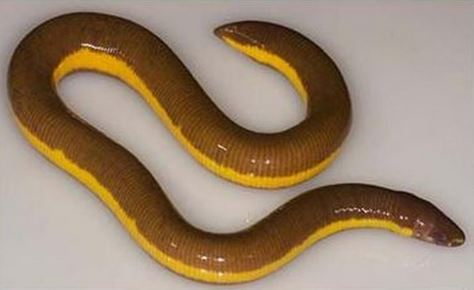
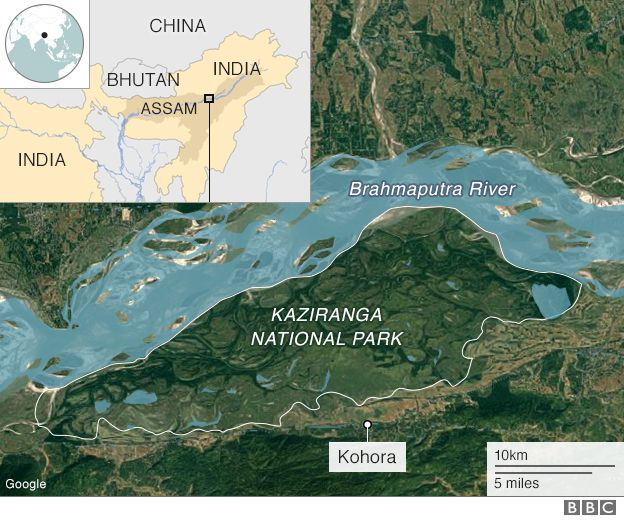
    • A limbless amphibian, the striped caecilian (Ichthyophis spp), has been newly identified within the 1,307.49 sq. km Kaziranga National Park and Tiger Reserve.
      • Assam’s wildlife officials reported its discovery during a herpetofauna survey.

    Back2Basics: Herpetofauna

    • Herpetofauna refers to a group of reptiles and amphibians collectively.
    • The term combines “herpeto-” from the Greek “herpeton,” meaning “creeping animal,” and “fauna,” referring to the animal species found in a particular region or time.
    • Herpetofauna play essential roles in ecosystems:
      • They act as both predators and prey, help regulate insect populations, and serve as indicators of environmental health.
      • They serve as environmental indicators and play significant roles in pest control.

    About Striped Caecilian

    • The Striped Caecilian (Ichthyophis spp.) is a type of limbless amphibian belonging to the family Ichthyophiidae.
    • Caecilians are often mistaken for snakes or worms due to their elongated, cylindrical bodies and lack of limbs.
    • They are primarily found in tropical regions of Africa, Asia, and the Americas.
    • They usually live underground or in moist soil habitats.

    Key features of the Striped Caecilian include:

    1. They have smooth, cylindrical bodies with a ringed or striped pattern, hence the name “striped.”
    2. Caecilians are predominantly fossorial (burrowing), spending most of their lives underground or in leaf litter. This behaviour makes them elusive and difficult to study.
    3. They are carnivorous, feeding on small invertebrates found in soil and leaf litter.
    4. Their eyesight is generally poor, and they rely on chemoreception (sensing chemicals in the environment) to locate prey.
    5. Caecilians are known for their unique reproductive strategies, which can involve live births or laying eggs. Some species exhibit parental care, with adults guarding eggs or young offspring.

    Significance: Kaziranga’s Biodiversity

    • Kaziranga National Park’s diverse ecosystem, encompassing flood plains, wetlands, grasslands, and hill tracts, provides an ideal habitat for herpetofauna.
    • The park hosts 24 amphibian species, 74 reptile species, and 21 of India’s 29 species of tortoises and freshwater turtles.

    About Kaziranga National Park

    Details
    Location Assam, India
    Geographical Features Situated between Brahmaputra River and Karbi (Mikir) Hills
    Significance Eastern Himalayan Biodiversity Hotspot
    Rivers Diphlu River runs through the park
    Highways National Highway 37 passes through the park
    Legal Status
    • Designated as a National Park in 1974.
    • UNESCO World Heritage Site (1985).
    • Important Bird Area by Birdlife International
    Key Conservation Achievements
    • Houses around 2/3rd of the world’s Great Indian One-Horned Rhinoceros.
    • Declared a Tiger Reserve due to high tiger density
    ‘Big Five’ species Great Indian One-Horned Rhino, Asian Elephant, Royal Bengal Tiger, Asiatic Water Buffalo, Swamp Deer
    Aquatic Species Gangetic River Dolphin
    Vegetation Wet Alluvial Grasslands, Tropical Moist Deciduous Forests, Semi-Evergreen

    Forests


    PYQ:

    [2024] The organisms “Cicada, Froghopper and Pond skater are:

    (a) Birds

    (b) Fish

    (c) Insects

    (d) Reptiles

  • What are the findings of the 2024 Hindu Kush Himalayas snow update? | Explained

    Why in the news?

    In 2024, the Hindu Kush Himalaya snow update from the International Centre for Integrated Mountain Development (ICIMOD) reported that the Ganga River basin, India’s largest, experienced its lowest recorded snow persistence.

    What does the report by the International Centre for Integrated Mountain Development highlight?

    • Record Low Snow Persistence: The Ganga River basin, along with the Brahmaputra and Indus basins, reached record low snow persistence in 2024.
    • Significant Declines: The Ganga basin recorded its lowest snow persistence in 22 years, 17% below the long-term historical average. The Brahmaputra basin was 14.6% below normal, and the Indus basin fell 23.3% below normal.
    • Broader Impacts: Similar low snow persistence was recorded in the Amu Darya and Helmand river basins, significantly below normal levels.

    How important is snow persistence?

    • Water Supply: Snow persistence, the fraction of time snow is on the ground, is crucial as its melt provides significant water to streams and ecosystems.
    • Runoff Contribution: Snowmelt contributes 23% of the runoff to the HKH region’s 12 major river basins, supporting nearly one-fourth of the world’s population.
    • Regional Significance: The HKH mountains, known as the “water towers of Asia,” are vital for 10 major river systems, including the Ganga, Brahmaputra, and Indus, which are essential freshwater sources for millions.

    How much of a role does climate change play in river basins receiving low levels of snowmelt this year?

    • Weak Western Disturbances: Lower persistence in 2024 was primarily due to weak Western disturbances, which are low-pressure systems bringing rain and snow to the HKH region.
    • Global Warming Effects: Climate change and global warming destabilize weather patterns, exacerbating prolonged La Niña–El Niño conditions, and influencing the arrival and intensity of western disturbances.
    • High Sea-Surface Temperatures: Persistently high sea-surface temperatures in the regions where western disturbances originate disrupt their formation, leading to reduced snowfall.
    •  Changed the weather system: The pattern of high temperatures and altered weather systems explains both the record low snow persistence in 2024 and similar historical records.

    Way forward:

    • Integrated Water Management: Develop comprehensive water management plans that incorporate predictions of reduced snowmelt. This includes optimising reservoir operations, prioritising water allocation, and implementing efficient irrigation practices to mitigate water scarcity risks.
    • Transboundary Collaboration: Foster regional cooperation among countries sharing river basins affected by declining snow persistence. Develop joint strategies for sustainable water management, disaster risk reduction, and climate change adaptation. This includes sharing hydrological data, coordinating emergency responses, and implementing mutual benefit agreements.
    • Reducing Greenhouse Gas Emissions: Strengthen efforts to mitigate climate change by reducing greenhouse gas emissions at local, national, and international levels. Promote renewable energy sources and sustainable practices to curb global warming, thereby stabilising weather patterns crucial for snowfall.

    Mains PYQ:

    Q Climate change’ is a global problem. How India will be affected by climate change? How Himalayan and coastal states of India will be affected by climate change? (15) (UPSC IAS/2017)

  • In news: Pobitora Wildlife Sanctuary

    Why in the News?

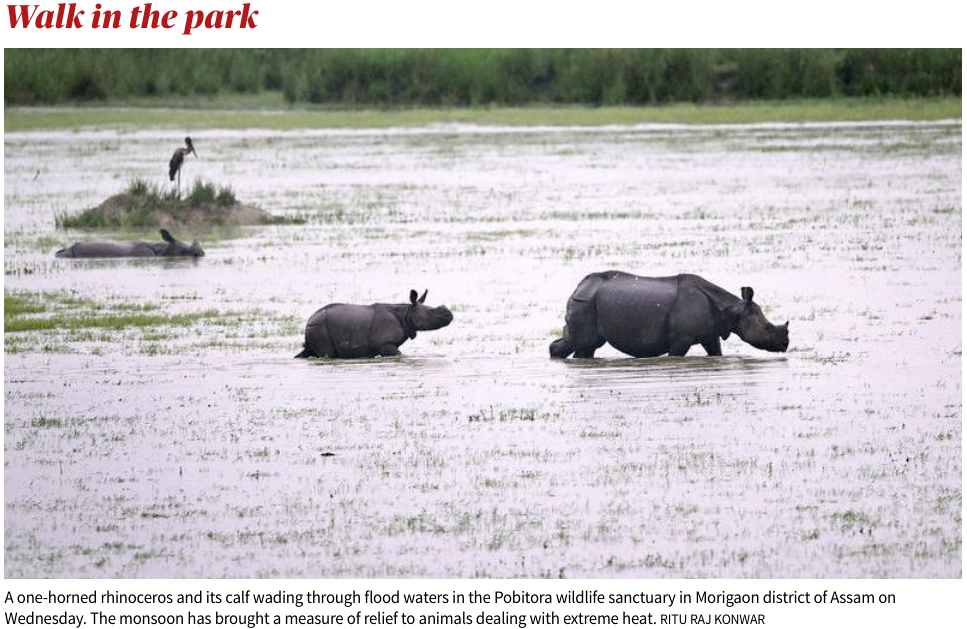
    The monsoon has brought a measure of relief to animals especially the one-horned rhinoceros in Pobitora Wildlife Sanctuary dealing with extreme heat.

    About Pobitora Wildlife Sanctuary 

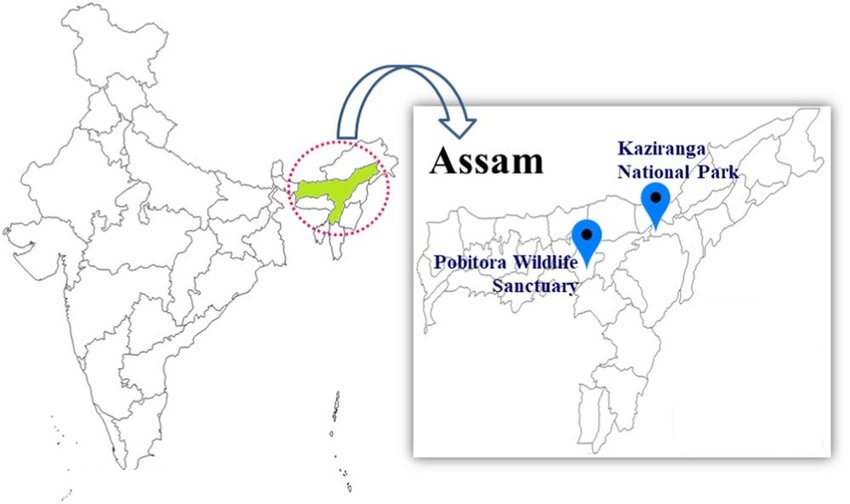
    • Pobitora Wildlife Sanctuary boasts the highest density of one-horned rhinos globally, second only to Kaziranga National Park in Assam.
    • Often dubbed as ‘Mini Kaziranga,’ Pobitora shares a similar landscape and vegetation to its renowned counterpart.
    • The sanctuary shelters various endangered species, including one-horned rhinoceros, leopards, leopard cats, fishing cats, jungle cats, feral buffaloes, wild pigs, and Chinese pangolins.
    • Approximately 72% of Pobitora’s area comprises a wet savannah dominated by Arundo donax and Saccharum grasses, while the rest is covered by water bodies.

    About One-Horned Rhino:

    • IUCN Red List Status: Vulnerable.
    • Habitat– Rhinos are mainly found in Assam, West Bengal and Uttar Pradesh.
      • Assam has an estimated 2,640 rhinos in four protected areas, i.e. Pobitora Wildlife Reserve, Rajiv Gandhi Orang National Park, Kaziranga National Park, and Manas National Park.

    Note: About 2,400 of them are in the Kaziranga National Park and Tiger Reserve (KNPTR).


    PYQ:

    [2019] Consider the following statements:

    1. The Asian lion is naturally found in India only
    2. Double-humped camel is naturally found in India only
    3. One-horned rhinoceros is naturally found in India only

    Which of the statements given above is/are correct?

    (a) 1 only

    (b) 2 only

    (c) 1 and 3 only

    (d) 1, 2 and 3

  • Elephants have names for each other: New study

    Why in the News?

    • Recent studies utilizing Artificial Intelligence (AI) tools have revealed that elephants possess unique names used to address each other, placing them among the select animals with this ability.
      • Unlike animals such as parrots and dolphins, elephants do not imitate the calls of those they address, resembling humans in this communicative trait.

    Naming Behavior in Elephants

    • Unlike humans, elephants do not mimic the calls of the addressee, setting their communication apart from other animals.
    • Published in Nature, the study titled ‘African elephants address one another with individually specific name-like calls’ involved researchers from institutions like Colorado State University and Save The Elephants.

    Study Methodology

    • Communication Methods: Contrary to popular belief, elephants predominantly communicate through low-pitched rumbles rather than trumpets, which are primarily emotional expressions.
    • Data Analysis: Researchers analyzed recordings of wild female African savannah elephants and their offspring’s rumbles across various Kenyan national parks spanning from 1986 to 2022.
    • AI Application: Using AI technology, they scrutinized 469 recorded rumbles to detect patterns indicating specific recipients of the communication.
      • Success Rate: The AI model successfully identified the intended elephant recipient in 27.5% of cases, surpassing chance levels.

    Observations

    • Behavioural Observation: To validate their findings, researchers played back recorded rumbles to 17 elephants and noted heightened reactions when elephants heard their ‘names’, indicating recognition of individual names.
    • Unique Communication: Unlike animals that imitate others’ calls, elephants display no evidence of imitation, suggesting a unique communication strategy.

    Significance of the Study

    • Sophisticated Communication: The study underscores elephants’ advanced communication abilities, challenging previous assumptions about their cognitive prowess.
    • Human-Elephant Parallels: It draws parallels between human and elephant communication, fostering greater admiration for elephants and potentially mitigating human-elephant conflicts crucial for conservation efforts.
    • Future Research: Further investigation is warranted to pinpoint the exact location of elephant names within rumbles and explore whether elephants assign names to objects besides individuals.

    Back2Basics: Elephants in India

    Details
    Population Estimate
    • India hosts the largest population of wild Asian Elephants (Elephas maximus), with around 29,964 individuals,
    • Approximately 60% of the global population (2017 census).
    Leading States Karnataka holds the highest number of elephants, followed by Assam and Kerala.
    Conservation Status
    • IUCN Red List:  Endangered.
    • CMS: Appendix I.
    • Wildlife (Protection) Act, 1972: Listed under Schedule I,
    • CITES: Appendix I.
    Conservation Initiatives
    • ‘Project Elephant’ was launched in 1992, covering 23 states across India.
      • This project contributed to the increase in the wild elephant population from around 25,000 in 1992 to about 30,000 in 2021.
    • Establishment of Elephant Reserves. Total 33 in numbers covering approximately 80,777 Sq.km.


    PYQ:

    [2020] With reference to Indian elephants, consider the following statements:

    1. The leader of an elephant group is a female.
    2. The maximum gestation period can be 22 months.
    3. An elephant can normally go on calving till the age of 40 years only.
    4. Among the States in India, the highest elephant population is in Kerala.

    Which of the statements given above is/are correct?

    (a) 1 and 2 only

    (b) 2 and 4 only

    (c) 3 only

    (d) 1, 3 and 4 only

  • World Crocodile Day 2024: In 50th year of India’s saurian conservation 

    Why in the news?

    The successful Crocodile Conservation Project in Bhitarkanika National Park is escalating the human-crocodile conflicts affecting local communities.

    About the Crocodile Conservation Project

    • Launch and Objective: The Crocodile Conservation Project was launched in 1975 in Bhitarkanika National Park, Odisha. The main objective was to protect the crocodiles’ natural habitat and revive the population through captive breeding due to the low survival rate of hatchlings in nature.
    • Historical Context: Initiated barely three years after the Wild Life (Protection) Act, 1972. The project was launched due to the threat of extinction from indiscriminate killing for commercial purposes and severe habitat loss.
    • Implementation and Success: Centers for breeding and rearing saltwater crocodiles, muggers, and gharials were started in 34 locations across various states in India under the guidance of HR Bustard. The project in Bhitarkanika, started by Sudhakar Kar and HR Bustard, has been the most successful, increasing the population from 95 in 1975 to 1,811 in the latest reptile census.
    • Ongoing Efforts: Sudhakar Kar continues to provide technical expertise and methodology for the annual census of saltwater crocodiles even after retirement. Conservation of crocodiles is described as a lifelong mission by Kar.

    IUCN Status of Crocodiles of India

    • The three crocodiles of India, the Saltwater Crocodile, Mugger Crocodile, and Gharial, are listed as Least Concern, Vulnerable, and Critically Endangered respectively on the IUCN Red List of Threatened Species.

    Bhitarkanika National Park 

    • Bhitarkanika National Park is a 145 km² (56 sq mi) protected area in Odisha, eastern India. It was designated as a national park in 1998 and obtained the status of a Ramsar site in 2002.
    • The park is known for its unique mangrove ecosystem, which is the second largest in India. It is home to a variety of flora and fauna, including the endangered saltwater crocodile, Indian python, king cobra, black ibis, and darters.

    About the Issues Faced by Bhitarkanika

    • Human-Crocodile Conflict: The increasing crocodile population has led to rising human-crocodile conflicts. Sudhakar Kar expressed concern over the conflicts, warning locals to avoid entering rivers, creeks, and waterbodies inhabited by estuarine crocodiles.
    • Impact on Local Communities: Conflicts have led to 50 deaths since 2014. Local villagers have criticized politicians for not addressing the safety issues adequately, affecting political outcomes.
    • Preventive Measures: Forest officials have erected barricades around 120 river ghats in and around Bhitarkanika to prevent crocodile attacks on humans.
    • Political Implications: The human-crocodile conflict has influenced local political dynamics, with villagers expressing dissatisfaction with incumbents over safety concerns related to crocodile attacks.

    Conclusion: Construct and maintain more robust protective barriers around water bodies, such as reinforced barricades and secure river ghats. Additionally, create safe, designated areas for water-related activities to minimize the risk of crocodile attacks.

    Mains PYQ:

    Q How does biodiversity vary in India? How is the Biological Diversity Act,2002 helpful in the conservation of flora and fauna? (UPSC IAS/2018)

  • EU Environmental Council adopts nature restoration law in historic win for continent’s environment

    Why in the news?

    On June 17, 2024, the EU Environmental Council approved the Nature Restoration Law (NRL), marking a significant victory for environmental conservation across the continent.

    Nature Restoration Law (NRL):

    • Objective and Scope: The NRL aims to restore and preserve biodiversity and ecosystem health across Europe. It targets a wide range of habitats including terrestrial, coastal, freshwater, forest, agricultural, and urban areas. Specific ecosystems such as wetlands, grasslands, forests, rivers, lakes, and marine environments like seagrass beds and coral reefs are covered.
    • Targets and Timelines: Member states are required to restore at least 20% of the EU’s land and sea areas by 2030. This includes all ecosystems identified as in need of restoration. The law sets a longer-term goal for the complete restoration of all degraded ecosystems in Europe by 2050.

    About the EU Biodiversity Strategy for 2030

    Objective:

    • The EU Biodiversity Strategy for 2030 aims to halt biodiversity loss and restore ecosystems across Europe. It sets ambitious targets to ensure that biodiversity is conserved, valued, and restored for its intrinsic value and for the benefits it provides to people and the planet.

    Targets and Actions:

    • The strategy includes specific targets for 2030, such as protecting at least 30% of EU land and sea areas, with 10% under strict protection, restoring degraded ecosystems, and integrating biodiversity considerations into agriculture, forestry, fisheries, and urban planning.
    • It emphasizes the importance of promoting green infrastructure, sustainable land use, and enhancing ecosystem services to support biodiversity.

    Policy Instruments and Implementation:

    • The strategy integrates biodiversity considerations into key EU policies and sectors, including agriculture, fisheries, forestry, climate action, and regional development.
    • It encourages the use of innovative financing mechanisms, partnerships with stakeholders, and international cooperation to achieve its goals.

    Monitoring and Review:

    • The EU Biodiversity Strategy for 2030 includes a robust monitoring framework to track progress towards its targets and assess the effectiveness of actions taken.
    • Regular reviews and updates are planned to ensure that the strategy remains relevant and adaptive to new challenges and scientific knowledge..

    Challenges in Nature Restoration Law (NRL)

    • Implementation Complexity: One of the primary challenges is the complexity of implementing the NRL across diverse ecosystems and landscapes within EU member states. Each country may have varying capacities, resources, and existing environmental conditions, making uniform implementation challenging.
    • Cost and Funding Requirements: Restoring 20% of the EU’s land and sea areas by 2030 requires significant financial resources. The NRL involves costs related to restoration projects, monitoring, enforcement, and stakeholder engagement. Securing adequate funding and ensuring sustained financial support over the long term is crucial but challenging.

    Conclusion: Create dedicated funding mechanisms or expand existing EU funds specifically for biodiversity restoration under the NRL. This could include grants, subsidies, and low-interest loans tailored to support restoration projects across member states.

    Mains PYQ:

    Q Environmental Impact Assessment studies are increasingly undertaken before a project is cleared by the Government. Discuss the environmental impacts of coal-fired thermal plants located at coal pitheads. (UPSC IAS/2014)

  • Gandhi Sagar Wildlife Sanctuary: India’s New Cheetah Habitat

    Why in the News?

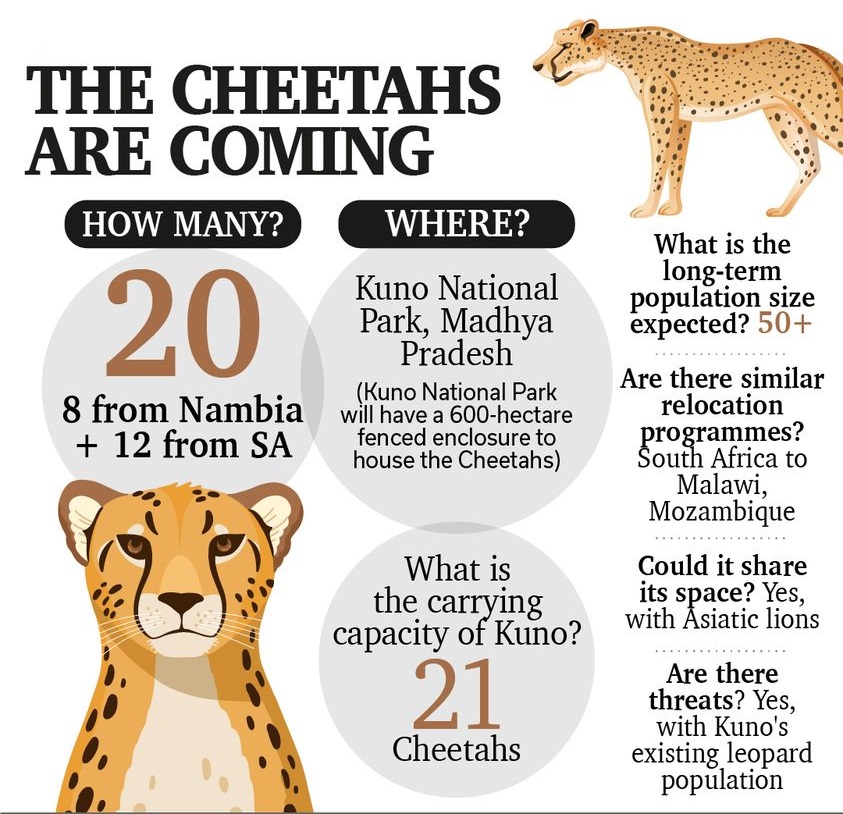
    • Gandhi Sagar Wildlife Sanctuary will become the second home for cheetahs in India, after Kuno National Park. The final decision on importing cheetahs from Namibia and South Africa will be made after the monsoon season to avoid infection risks.

    Cheetah Reintroduction in India:

    • In India, cheetahs disappeared in the early 1950s due to hunting and the loss of their habitat.
    • The ‘Action Plan for Reintroduction of Cheetah in India /Project Cheetah (2022)’ aims to bring cheetahs from African countries to various national parks.
    • It is spearheaded by the National Tiger Conservation Authority (NTCA).
    • Recently, cheetahs from Namibia were reintroduced in Kuno National Park, Madhya Pradesh.

    About Cheetah:

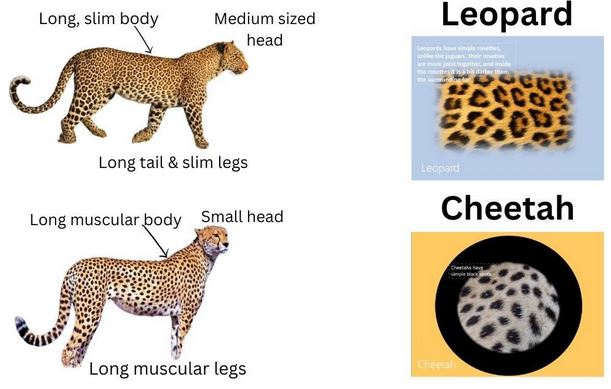
    • The cheetah is a fast-running big cat native to Africa and central Iran, capable of speeds up to 80 to 128 km/h.
    • They live in various habitats like savannahs, arid mountains, and hilly deserts.
    • Cheetahs live in three main groups: females with cubs, male coalitions, and solitary males.
    • They hunt during the day, preferring dawn and dusk.
    • The global cheetah population was 6,500 mature individuals, according to the most recent IUCN assessment in 2021.
    • They are listed as VULNERABLE by the IUCN.
    • The Asiatic Cheetah is one of the five subspecies of cheetah, critically endangered and found only in Iran.


    About Gandhi Sagar Wildlife Sanctuary

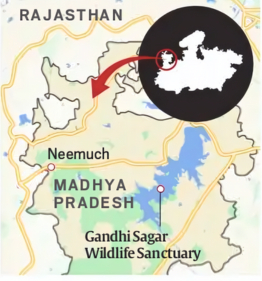
    • Located in western Madhya Pradesh, Gandhi Sagar Wildlife Sanctuary covers an area of 368.62 sq km.
    • It spans the Mandsaur (187.12 sq km) and Neemuch (181.5 sq km) districts, bordering Rajasthan.
    • Situated on a flat rocky plateau characterized by shallow topsoil and exposed sheetrock.
    • It is divided by the Chambal River, with the Gandhi Sagar dam and reservoir within its boundaries.
    • Flora and Fauna:
      • Flora: The sanctuary features a savannah ecosystem with open grasslands interspersed with dry deciduous trees. Riverine valleys within the sanctuary support evergreen vegetation.
      • Fauna: The sanctuary is home to a diverse range of wildlife, including species like leopards, sloth bears, striped hyenas, grey wolves, golden jackals, jungle cats, Indian foxes, and marsh crocodiles.

    Habitat Suitability for Cheetahs

    • Officials cite Gandhi Sagar as having an ideal habitat parallel to Maasai Mara (a National Park) in Kenya, suitable for cheetahs.
    • Plans include expanding the cheetah habitat to around 2,000 sq km, contingent upon cooperation with Rajasthan’s Bhainsrodgarh sanctuary.

    PYQ:

    [2024]  Consider the following statements:

    1. Lions do not have a particular breeding season.

    2. Unlike most other big cats, cheetahs do not roar.

    3. Unlike male lions, male leopards do not proclaim their territory by scent marking.

    Which of the statements given above are correct?

    (a) 1 and 2 only

    (b) 2 and 3 only

    (c) 1 and 3 only

    (d) 1, 2 and 3

    [2012]  Consider the following: (2012)

    1. Black-necked crane
    2. Cheetah
    3. Flying squirrel
    4. Snow leopard

    Which of the above are naturally found in India?

    (a) 1, 2 and 3 only
    (b) 1, 3 and 4 only
    (c) 2 and 4 only
    (d) 1, 2, 3 and 4

  • Formula for Flapping Frequency across Flying and Swimming Animals


    Why in the news?

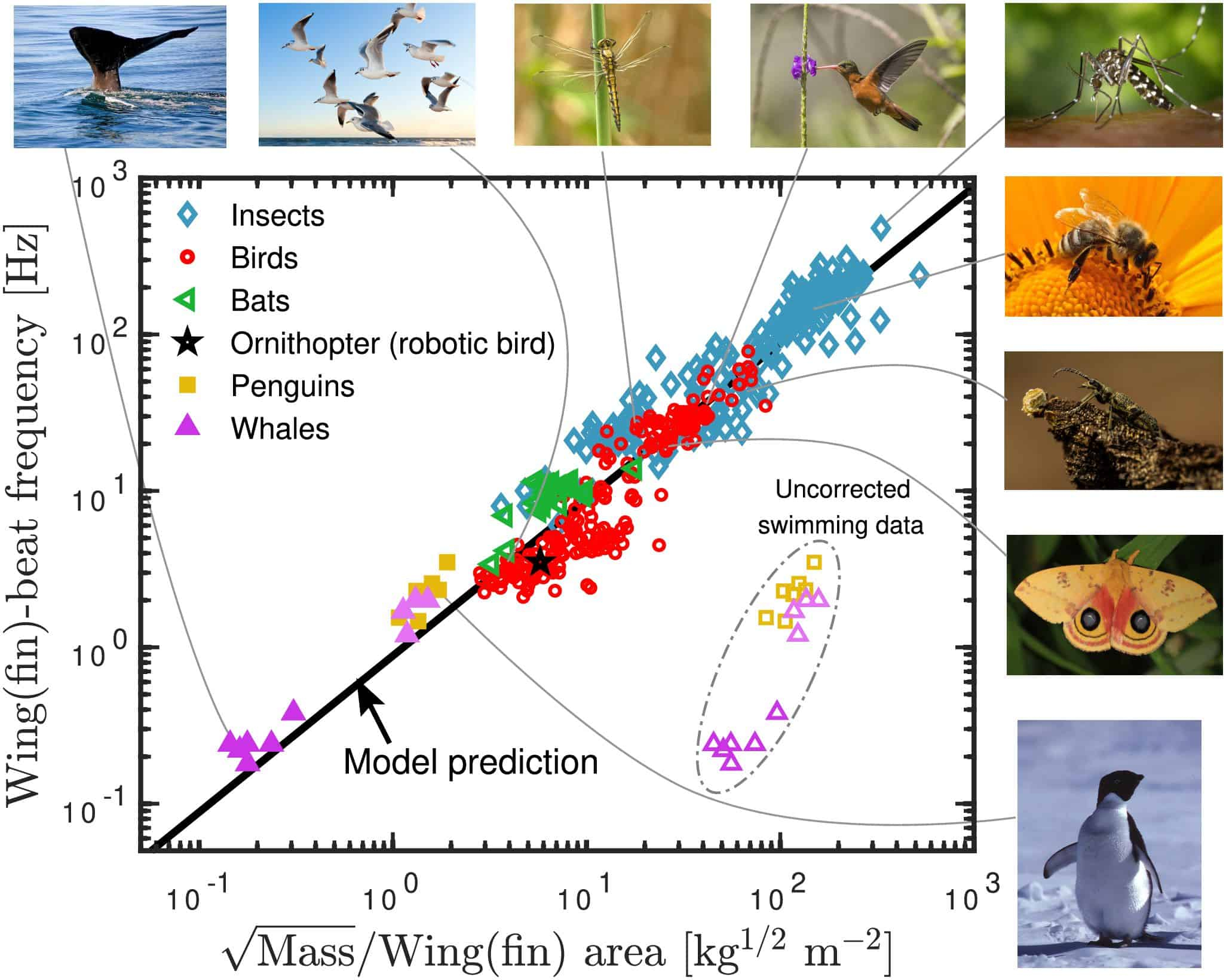
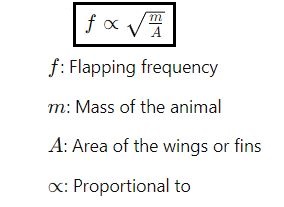
    • Researchers at Roskilde University in Denmark discovered a formula that correlates the flapping frequency of winged and swimming animals to their mass and wing/fins size.
      • The formula applies universally across a diverse range of species, from insects to birds, bats, penguins, whales, and even robotic ornithopters.

    Formula for Flapping Frequency

    • The formula was derived from Newton’s second law (F= mass x acceleration) applied to animals flapping wings to stay airborne.
    • Factors considered in the derivation included air density, wing size, and the forces generated by wing movements.

    Research Methodology

    • The researchers derived the formula theoretically from Newton’s second law, relating the force needed to stay airborne or submerged to the wing/fins’ motion, air/water dynamics, and animal mass.
    • They incorporated empirical observations into a constant C to account for specific shape and flight kinematics variations.

    Application and Validity

    • The formula’s validity was tested across various animals:
      • 176 insect data points (e.g., bees, moths, dragonflies)
      • 212 bird data points (from hummingbirds to swans)
      • 25 bat data points

    Formula Extension to Swimming Animals

    • The formula also predicts the frequency of fin/fluke movements in swimming animals.
    • Adjustments are made for water density and buoyancy effects, excluding fish with swim bladders.

    Limitations and Modifications

    • The formula applies well in conditions with high Reynolds numbers (Re), where fluid flow is streamlined.
    • At low Re values, where viscosity dominates, modifications are needed.
    • The equation holds as long as animal density variations do not exceed a factor of ten.

    Insights and Future Research

    • Insights from the formula include understanding flight efficiency and potential evolutionary pathways for winged animals.
    • Future research aims to explore further insights hidden within the C constant, potentially revealing deeper principles governing animal flight and swimming dynamics.

    PYQ:

    [2024] The organisms “Cicada, Froghopper and Pond skater are:

    (a) Birds

    (b) Fish

    (c) Insects

    (d) Reptiles

  • In news: Nagarhole Tiger Reserve

    Why in the News?

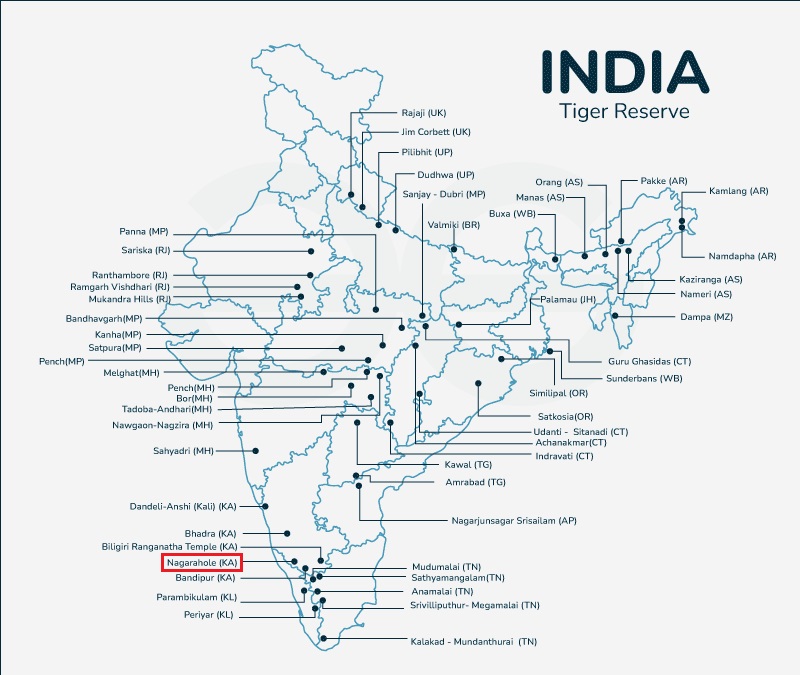
    • Ashwatthama, a 38-year-old elephant, died of electrocution near Karnataka’s Nagarahole Tiger Reserve.
      • The High Court of Karnataka suo motu initiated a PIL petition to inquire about this incident attributed to a lack of care and diligence by concerned authorities.

    Nagarahole Tiger Reserve

    • Located in the Western Ghats in Karnataka; Spans over 643 square kilometers.
    • Declared a wildlife sanctuary in 1955 and a tiger reserve in 1999.
    • Part of the Nilgiri Biosphere Reserve is recognised as an Important Bird Area (IBA) and a Project Tiger, Project Elephant reserve.
    • Managed by the Karnataka Forest Department with efforts focused on conservation, ecotourism, and community engagement.
    • The reserve is crisscrossed by several rivers such as the Kabini River, Lakshmana Tirtha River, and Moyar River.
      • Flora and Fauna: Known for its diverse ecosystem, including tropical and moist deciduous forests, home to a variety of wildlife such as tigers, leopards, elephants, gaur, and several species of deer and birds.

    Protective Measures: Project Elephant

    • It was launched in the year 1992 as a Centrally Sponsored Scheme with the following objectives:
      • To protect elephants, their habitat & corridors
      • To address issues of man-animal conflict
      • The welfare of captive elephants
    • It covers 23 states across India.
    • The Ministry of Environment, Forest and Climate Change provides financial and technical support to major elephant range states in the country through the project.
    • It contributed to the increase in the wild elephant population from around 25,000 in 1992 to about 30,000 in 2021.

    Status of Elephant Conservation in India

    Details
    Population Estimate
    • India hosts the largest population of wild Asian Elephants (Elephas maximus), with around 29,964 individuals,
    • Approximately 60% of the global population (2017 census).
    Leading States Karnataka holds the highest number of elephants, followed by Assam and Kerala.
    Conservation Status
    • IUCN Red List:  Endangered.
    • CMS: Appendix I.
    • Wildlife (Protection) Act, 1972: Listed under Schedule I,
    • CITES: Appendix I.


    PYQ:

    [2020] With reference to Indian elephants, consider the following statements:

    1. The leader of an elephant group is a female.
    2. The maximum gestation period can be 22 months.
    3. An elephant can normally go on calving till the age of 40 years only.
    4. Among the States in India, the highest elephant population is in Kerala.

    Which of the statements given above is/are correct?

    (a) 1 and 2 only

    (b) 2 and 4 only

    (c) 3 only

    (d) 1, 3 and 4 only