At the KAZA 2024 Summit in Livingstone, Zambia, delegates reiterated the urge for member states to withdraw from CITES because they seek approval to trade their plentiful ivory and wildlife items.
About the Convention on International Trade in Endangered Species of Wild Fauna and Flora (CITES):
It is an international agreement adopted in 1973 (entered into force in 1975) between governments.
Aim: To ensure that international trade in wild animals and plants does not threaten their survival.
Headquarters: Geneva, Switzerland.
Although CITES is legally binding on the Parties – in other words, they have to implement the Convention–it does not take the place of national laws.
Representatives of CITES nations meet every two to three years at a Conference of the Parties (COP) to review progress and adjust the lists of protected species, which are grouped into three categories with different levels of protection:
Appendix I: Includes the world’s most endangered plants and animals, such as tigers and gorillas. International commercial trade in these species, or even parts of them, is completely banned, except in rare cases such as scientific research.
Appendix II: Contains species like corals that are not yet threatened with extinction, but which could become threatened if unlimited trade were allowed. Also included are “look-alike” species that closely resemble those already on the list for conservation reasons. Plants and animals in this category can be traded internationally, but there are strict rules.
Appendix III: Species whose trade is only regulated within a specific country can be placed on Appendix III if that country requires cooperation from other nations to help prevent exploitation.
What is Kavango-Zambezi Trans-Frontier Conservation Area (KAZA-TFCA)?
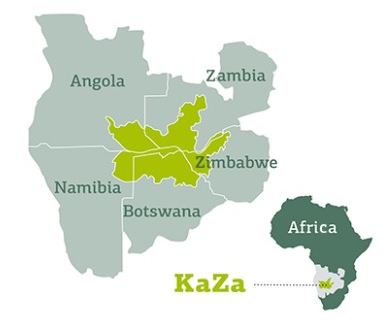
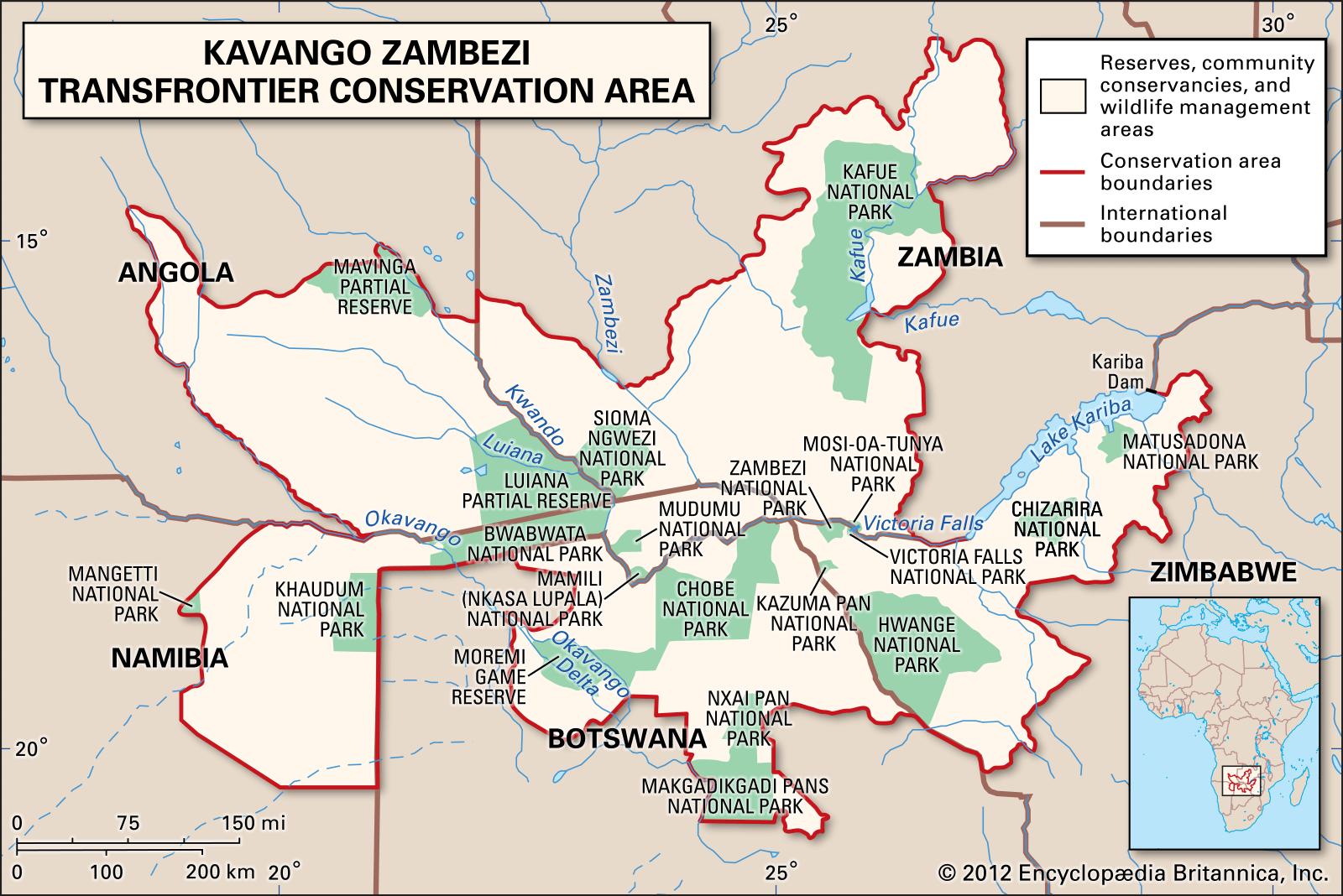
The Kavango-Zambezi Trans-Frontier Conservation Area (KAZA-TFCA) spans 520,000 square kilometers. It covers parts of five southern African nations. These nations are Angola, Botswana, Namibia, Zambia, and Zimbabwe.
The area is centered around the Okavango and Zambezi river basins. The combined elephant population in these nations represents over two-thirds of Africa’s total, estimated at around 450,000.
Botswana has the largest elephant population within the region, with 132,000 elephants. Zimbabwe follows with 100,000 elephants.
Key Objectives of KAZA 2024 Summit :
Conservation: Promote the sustainable management and conservation of wildlife across the five member states: Angola, Botswana, Namibia, Zambia, and Zimbabwe.
Economic Benefit: To explore ways to monetize abundant wildlife resources, particularly elephants, to fund conservation efforts and benefit local economies.
Dominant Issues:
At the 19th meeting of the CITES conference in Panama in 2022, KAZA states and five other southern African countries advocated for opening up trade in ivory and elephant products.
Southern African countries, including those in the KAZA region, argue that their large elephant populations contribute to habitat loss and human-wildlife conflict.
Despite repeated requests, CITES delegates rejected the proposal, leading to frustration among African countries.
Ten countries, including KAZA states and others like Eswatini, Lesotho, Mozambique, South Africa, and Tanzania, declared a dispute with CITES. They criticized CITES for straying from its founding principles and adopting ideologies over science-based conservation strategies.
Way forward:
Lobbying for Change: Advocacy for a more equitable and science-based approach to wildlife trade regulations within international frameworks like CITES.
Regional Cooperation: Enhance collaboration among member states to develop joint conservation strategies and share best practices for managing human-wildlife conflicts.
Diversification of Revenue Streams: Explore alternative sources of funding for conservation efforts, such as ecotourism, carbon credits, and sustainable agriculture.
Mains PYQ:
Q How does biodiversity vary in India? How is the Biological Diversity Act, 2002 helpful in the conservation of flora and fauna? (250 Words, 15 Marks) (UPSC IAS/2018)
In the Terai region of Uttar Pradesh, the farmers are using razor wire and electric fencing to defend their farms against stray cattle.
About the Wildlife Populations in the Biodiverse Terai Areas of Uttar Pradesh
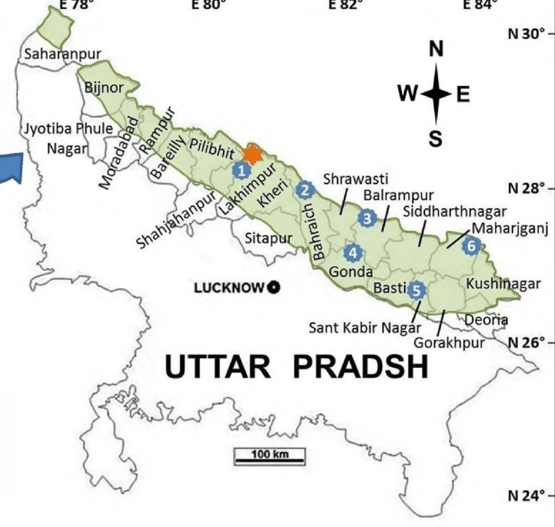
The Terai region in the U.P., encompassing districts like Pilibhit, Lakhimpur Kheri, and Bahraich, is known for its rich biodiversity, thriving sugarcane agriculture, and two tiger reserves.
This area supports endangered species such as tigers, rhinoceros, swamp deer, and the Bengal florican. The landscape blends forests, grasslands, and agriculture, creating a habitat where people and wildlife coexist.
What does the Statistics say?
During the 2022-23 fiscal year, the livestock industry accounted for 30.1% of India’s Agricultural GDP and 4.35% of the national GDP.
India’s farming practices involve a blend of crop farming and livestock rearing. This combined approach offers extra income and job prospects, especially supporting landless workers, small-scale farmers, and women in the workforce.
Constitutional Provision for the Protection of stray cattle:
As per Article 243(W) of the Constitution of India, the local bodies are responsible for cattle pounds and pinjrapole. Therefore, the State may also endow panchayats to establish and run. Cattle Pounds (Kanji Houses)/ Gaushala Shelters (community assets) to keep stray cattle.
Many States have established Gaushalas and Shelter houses for stray cattle and provide for feeding of those animals.
Present Conflicts and Conservation Challenges:
Conflicts between humans and wildlife are common, including tiger attacks and crop damage by herbivores.
Farmers near protected areas sometimes use lethal methods such as razor wire and high-voltage electric fencing along the farm-forest boundaries. The presence of stray cattle, or “chutta jaanwar,” has intensified conflicts and conservation challenges.
Stray cattle disrupt wildlife movement corridors vital for species survival and potentially increase disease transmission risks to wild populations.
The Unvaccinated stray cattle can transmit diseases like bovine tuberculosis and lumpy skin disease to wildlife, with cases reported in various Terai districts.
The degradation of productive grasslands in protected areas further threatens the habitat of imperilled species.
Way Forward:
Providing safe and comprehensive shelters: Construct adequate cow shelters outside protected areas to house stray cattle, preventing them from impacting wildlife habitats and agricultural fields.
Promote and subsidize non-lethal fencing solutions for farmers to protect crops without harming wildlife, such as wildlife-friendly barriers.
Invest in habitat restoration projects in the Terai, focusing on expanding and maintaining productive grasslands within protected areas to support wildlife populations.
Enhanced monitoring and management: Implement comprehensive vaccination and disease monitoring programs for stray cattle to prevent disease transmission to wildlife.
Strengthen enforcement against illegal cattle trade and vigilante activities that disrupt the livestock economy.
Provide economic incentives and support for farmers to adopt alternative livelihoods that do not depend heavily on livestock, reducing the need for cattle rearing.
Community Engagement and Education: Engage with local communities to educate them on the ecological impact of stray cattle and encourage participatory conservation efforts. Foster collaboration between farmers and wildlife authorities to develop sustainable solutions for coexisting with wildlife.
Mains PYQ:
Q Examine the status of forest resources in India and its resultant impact on climate change. (UPSC IAS/2020)
The Kerala state government permitted Kerala Forest Development Corporation (KFDC) to plant eucalyptus for financial reasons in 2024-2025. Environmentalists objected, citing forest impact and potential human-animal conflicts.
Reasons for Allowing KFDC to Plant Eucalyptus Trees:
Financial Sustenance: KFDC was permitted to plant eucalyptus trees to support its financial viability.
Existing Plantations: KFDC manages around 7,000 hectares of plantations, including eucalyptus, which contribute to its revenue generation.
Rotation Age: Plantations like eucalyptus have specific rotation ages for harvesting, ensuring a continuous cycle of revenue generation.
Significance of Eucalyptus
Timber and Fuel: Eucalyptus wood is extensively used in Australia as fuel and for building construction, fencing, and other timber applications.
Paper and Pulpwood: The bark of many eucalyptus species is used in papermaking and tanning, while the wood is used for pulpwood production.
Eucalyptus Oil: The leaves of many eucalyptus species contain aromatic oils, which are used for various purposes such as:
Medicinal Uses: Eucalyptus oil is used in expectorants and inhalants to relieve respiratory issues like asthma and bronchitis.
Insect Repellent: The oil is used as a natural insect repellent.
Antimicrobial Activity: Eucalyptus oil has antimicrobial properties, making it effective against bacteria and fungi
Why were environmentalists and social activists against the order?
Ecological Impact: Environmentalists raised concerns about the adverse effects of eucalyptus plantations on natural forests and ecosystems.
Human-Animal Conflicts: The proliferation of invasive species like eucalyptus was linked to increased human-wildlife conflicts, as animals ventured into human habitats in search of food due to habitat depletion.
Contravention of Eco-Restoration Policy: Activists argued that permitting eucalyptus plantations contradicted the state’s eco-restoration policy, which aimed to phase out exotic species and replace them with natural forests by 2024.
Invasive Species Management: The order was seen as undermining efforts to eradicate invasive species and mitigate their damaging effects on natural habitats and ecosystems.
Government Initiatives for Plant Conservation:
The National Bureau of Plant Genetic Resources (NBPGR) in India operates seed banks to conserve crop diversity and wild plant species.
National Afforestation Programme (NAP) has been implemented since 2000 for the afforestation of degraded forest lands. It is being implemented by the MoEFCC.
Conclusion: The controversy over eucalyptus planting in Kerala reflects the balance between financial sustainability and ecological concerns. While eucalyptus offers economic benefits, it also poses ecological risks and challenges to conservation efforts.
Mains PYQ:
Q Examine the status of forest resources of India and its resultant impact on climate change. (UPSC IAS/2020)
A mass fish kill struck the Periyar River, the ‘Lifeline of Kerala’.
The incident, believed to be caused by industrial pollution from the Edayar Industrial Area, has caused immense loss to fish farmers and disrupted the local ecosystem.
About Periyar River
Details
Length
Approximately 244 kilometers (151 miles)
Source of the river
Originates in the Sivagiri hills of Sundaramala, Western Ghats, Tamil Nadu
Mouth of the River
Empties into the Arabian Sea at Aluva, near Kochi, Kerala
Flow Through
Flows through Idukki, Ernakulam, and Thrissur districts in Kerala
Major Tributaries
Muthirapuzha, Cheruthoni, Edamalayar
Key Hydroelectric Projects
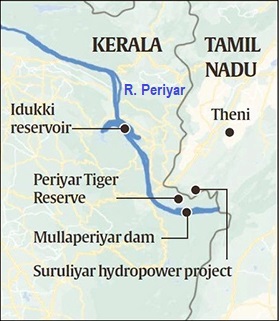
Idukki Dam (one of Asia’s highest arch dams), other significant dams include Mullaperiyar Dam
Ecological Conservation
Supports diverse ecosystems, passes through Periyar Wildlife Sanctuary (notable for elephants and tigers)
Cultural Significance
The ancient port of Muziris, is believed to have been located near the mouth of the Periyar.
Environmental Challenges
Faces pollution from industrial discharge and urban waste; water management disputes, especially related to the Mullaperiyar Dam’s safety and water sharing between Kerala and Tamil Nadu
Threats to Periyar River
The lower reaches of the Periyar are heavily polluted. Industries in the Eloor industrial zone discharge waste into the river.
Greenpeace India describes the lower Periyar as “a cesspool of toxins, which have alarming levels of deadly poisons like DDT, endosulfan, hexa and trivalent chromium, lead, cyanide, BHC”.
Illegal sand mining from the Periyar is another major environmental issue.
PYQ:
[2011] With reference to the Indus river system, of the following four rivers, three of them pour into one of them which joins the Indus direct. Among the following, which one is such river that joins the Indus direct?
The India Meteorological Department (IMD) has recently forecasted that La nina will affect the Indian monsoon in August and September.
What are El nino and La nina?
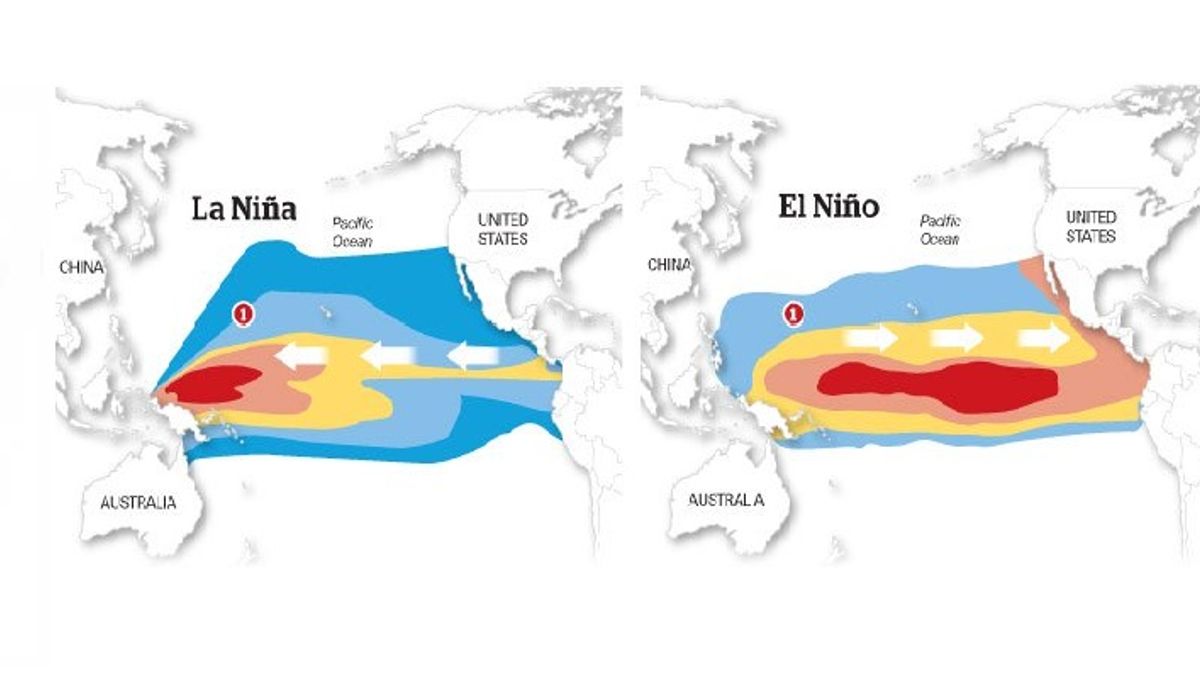
El Nino and La Nina are climate phenomena resulting from ocean-atmosphere interactions in the central and eastern tropical Pacific Ocean, significantly influencing global weather patterns.
El Nino (meaning “little boy” in Spanish) occurs when weak trade winds allow warm surface waters to accumulate near South America, reducing the usual upwelling of cold, nutrient-rich water. This leads to warmer-than-average sea surface temperatures.
La Nina (meaning “little girl” in Spanish) involves strong trade winds pushing warm water towards Asia, increasing upwelling and resulting in cooler-than-average sea surface temperatures along South America.
Together with a neutral phase, they form the El Nino-Southern Oscillation (ENSO) cycle.
How could the incoming La Nina impact global weather?
Temperatures
Global temperatures are likely to decrease compared to the recent record-breaking heat during the 2023-2024 El Nino event.
However, despite the cooling effect of La Nina, temperatures will still be higher than in previous decades due to the long-term warming trend from greenhouse gas emissions.
Rainfall
La Nina typically brings drier conditions to parts of Southeast Asia, Australia, and the southern United States.
Wetter than normal conditions are expected in parts of South America and eastern Africa.
Tropical Storms
La Nina is associated with increased tropical storm activity in the Atlantic Ocean and fewer storms in the Pacific.
The 2023 Atlantic hurricane season could see more intense storms due to La nina conditions.
Economic Impacts
Droughts and floods linked to La nina can negatively impact agriculture, food security, and infrastructure in affected regions.
Fishing communities in the eastern Pacific may face reduced catches due to cooler ocean temperatures.
La nina’s impact on India
Positive Impact on Monsoons
La Nina generally leads to above-average monsoon rainfall in India. Since 1950, out of the 13 droughts India faced, only one was during a La nina year.
The extended La Nina event in 2022 led to a change in wind patterns, with winds blowing from north to south instead of the usual northwesterly direction.
This caused pollutants from agricultural burning in northern states to bypass Delhi and reach southern regions like Mumbai.
Negative Impacts
La Nina can sometimes lead to heavy rains and floods in some parts of India, while the Western Ghats may receive average or below-average rainfall.
Winter rainfall is less than normal in north India, and snowfall over the Western Himalayas is also lower than usual during La Nina years.
Farmers may be at risk of losing their standing Kharif crops if heavy rains occur during this period.
Is climate change affecting EnSO?
El Nino–Southern Oscillation (ENSO) is a global climate phenomenon that emerges from variations in winds and sea surface temperatures over the tropical Pacific Ocean.
Climate change is likely impacting the ENSO cycle, potentially altering the frequency and intensity of El Nino and La Nina events.
Studies suggest that global warming may change mean oceanic conditions in the Pacific, possibly leading to more frequent or intense El Nino events.
The World Meteorological Organization (WMO) has indicated that climate change is expected to influence extreme weather events associated with EnSO, including more severe droughts, floods, and heatwaves.
Way Forward:
Develop more accurate climate models for better prediction of EnSO events and their impacts.
Foster international collaboration to share data, resources, and strategies for managing EnSO-related challenges.
BACK2BASICS
India Meteorological Department (IMD)
The India Meteorological Department (IMD), established in 1875, serves as the national Meteorological Service and is the principal government agency responsible for meteorology and related subjects in India.
Operating under the Ministry of Earth Sciences, IMD is headquartered in New Delhi.
IMD is one of the six Regional Specialized Meteorological Centres of the World Meteorological Organization.
Mains PYQ:
Q Most of the unusual climatic happenings are explained as an outcome of the El-nino effect. Do you agree? (UPSC IAS/2014)
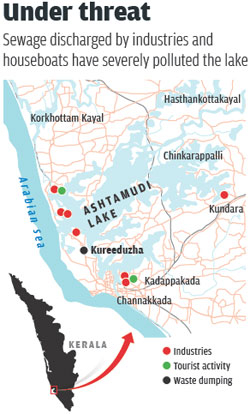
A recent study conducted by the “Department of Aquatic Biology and Fisheries”, University of Kerala, has revealed alarming levels of microplastic pollution in Ashtamudi Lake, a Ramsar wetland in Kollam district.
Back2Basics:Microplastics
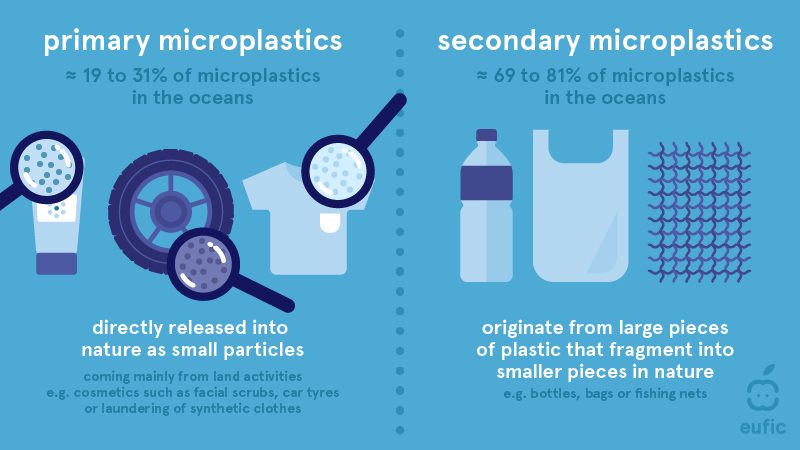
Microplastics are small plastic particles that are less than 5 millimetres (0.2 inches) in size.
They are a type of plastic pollution that originates from the fragmentation of larger plastic debris, as well as from the direct release of small plastic particles in various products and activities.
Types of Microplastics:
About Ashtamudi Lake
Ashtamudi Lake is located in the Kollam district of Kerala.
The lake is also called the “gateway to the backwaters of Kerala”.
Historical Background: The importance of Ashtamudi Kayal dates back to the times of the Romans and Phoenicians in the 14th century.
It is a brackish water lake, meaning it contains a mix of freshwater and saltwater. It covers an area of approximately 61 square kilometres (23.5 square miles).
Kallada River is a major river discharging into the Ashtamudi Lake.
The name “Ashtamudi” translates to “eight coned” in Malayalam, referring to the lakes eight prominent arms or channels.
The lake is surrounded by lush vegetation, including mangrove forests, coconut groves, and palm trees.
Ashtamudi Lake is an integral part of the Kollam-Kottapuram Waterway, which connects the Kerala backwaters to the Arabian Sea.
Notable Islands: Chavara, Munroe
PYQ:
[2022] Consider the following pairs:
Wetland : Lake Location
1. Hokera Wetland : Punjab
2. Renuka Wetland : Himachal Pradesh
3. Rudrasagar Lake : Tripura
4. Sasthamkotta Lake : Tamil Nadu
How many pairs given above are correctly matched?
(a) Only one pair
(b) Only two pairs
(c) Only three pairs
(d) All four pairs
[2019] Why is there a great concern about the ‘microbeads’ that are released into the environment?
(a) They are considered harmful to marine ecosystems.
(b) They are considered to cause skin cancer in children.
(c) They are small enough to be absorbed by crop plants in irrigated fields.
(d) They are often found to be used as food adulterants.
The UN Convention to Combat Desertification (UNCCD) recently published the “Global Land Outlook Thematic Report” on Rangelands and Pastoralists, revealing that up to 50% of Rangelands are degraded.
About UNCCD:
UNCCD adopted in 1994 (effectively from 1996), is a legally binding agreement that aims to protect and restore land and combat desertification and drought.
It is one of the three Rio Conventions (the other two being – the Convention on Biological Diversity (UNCBD) and United Nations Framework Convention on Climate Change (UNFCCC)).
What is the Rangeland?
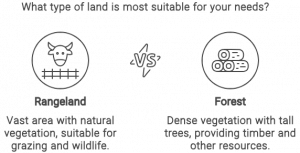
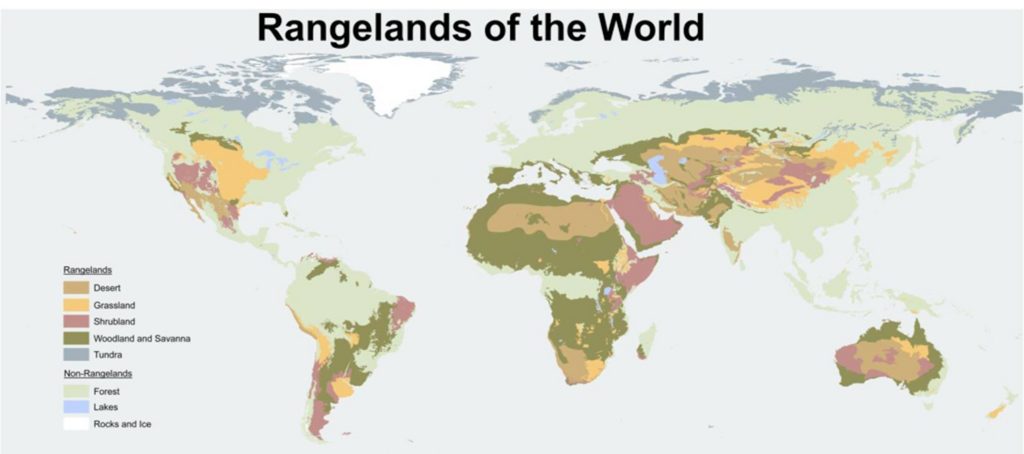
Rangeland, is any extensive area of land that is occupied by native herbaceous or shrubby vegetation which is grazed by domestic or wild herbivores.
It may include tallgrass prairies, steppes (shortgrass prairies), desert shrublands, shrub woodlands, savannas, chaparrals, and tundras.
These lands constitute 54% of all land cover, account for 1/6th of global food production, and represent nearly 1/3rd of the planet’s carbon reservoir.
World areas that are most acutely affected by Rangeland Degradation:
Central Asia, China, Mongolia: The replacement of government management with privatization and agricultural industrialization led to the abandonment of herders and reliance on insufficient natural resources, causing degradation.
North Africa and the Near East: Climate change is pushing pastoralists into poverty and degrading rangelands.
Sahel and West Africa: Conflict, power imbalances, and border issues have disrupted livestock mobility, leading to degradation.
South America: Climate change, deforestation from industrial agriculture, and land use conversion are primary drivers of degradation.
East Africa: Migration and forced displacement due to competing land uses are evicting pastoralists, causing degradation.
North America: Degradation of ancient grasslands and dry rangelands threatens biodiversity in ecosystems like tall-grass prairies and southern deserts.
Europe: Policies favoring industrial farming over pastoralism and misguided incentives are causing the abandonment and degradation of rangelands.
South Africa and Australia: Afforestation, mining, and land conversion are causing degradation and loss of rangelands.
How does it impact the Food chain?
Over two billion people, including small-scale herders, ranchers, and farmers, depend on healthy rangelands for their livelihoods, underscoring the critical link between rangeland health and food chain cycle.
Up to 50% of rangelands are degraded due to various factors including overuse, misuse, climate change, and biodiversity loss, posing a severe threat to food security.
The Economic significance of Rangelands:
Livestock Grazing and Agriculture: Rangelands are crucial for livestock production, providing natural forage for cattle, sheep, goats, and other herbivores. This grazing land supports the meat and dairy industries, which are vital to the global food supply and rural economies.
Eco-tourism and hunting: These areas support a wide range of wildlife, contributing to biodiversity and offering opportunities for eco-tourism and hunting, both of which generate significant income for local economies.
Ecosystem Services: Rangelands provide vital services like water filtration, carbon storage, and soil preservation, yielding economic advantages through climate regulation and conservation.
Income and employment opportunities: Harvesting these resources provides income and employment opportunities for rural populations. The economic contributions made by different countries are as follows:
Ethiopia: Livestock production from rangelands accounts for 19% of the country’s GDP.
India: Livestock from rangelands contributes 4% to the national GDP.
Brazil: As a major beef producer, Brazil generates one-third of its agribusiness GDP from cattle livestock, producing 16% of the world’s beef.
What is the innovative approach presented by the UNCCD Report?
The past estimates by UNCCD of degraded rangeland of roughly 25% are significantly underestimated, where the actual loss of rangeland’s health and productivity was potentially reaching up to 50%.
Conceptual Approach: The report outlines a new conceptual approach designed to help policymakers stabilize, restore, and manage rangelands more effectively.
This new approach is supported by detailed case studies from nearly every world region, which provide important lessons from both the successes and failures in rangeland management.
Core Recommendation – Protect Pastoralism: The report emphasizes the importance of protecting pastoralism a traditional, mobile way of life based on pasture-based livestock production as a key strategy for sustainable rangeland management.
Conclusion: Many countries like the U.S. and Canada makingare trying to reintroduce bison, an animal with significant cultural importance to indigenous peoples. This initiative aims to promote rangeland health and enhance food security.
Mains PYQ:
Q The process of desertification does not have climate boundaries. Justify with examples.(UPSC IAS/2020)
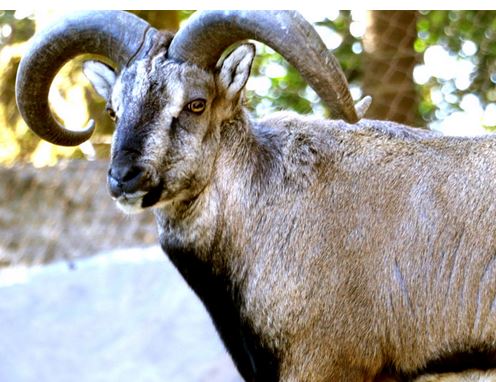
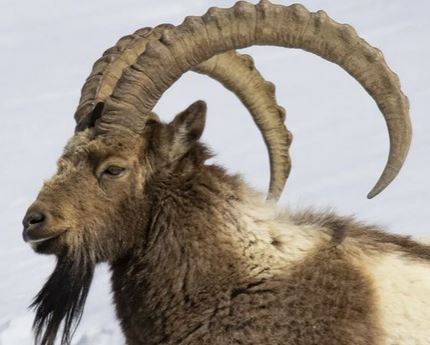
Wildlife authorities in Himachal Pradesh’s Lahaul & Spiti district have initiated surveys to estimate the population of Blue Sheep (bharal) and Himalayan Ibex (Tangor), vital prey species for the iconic snow leopard.
This move aims to assess the region’s biodiversity and promote conservation efforts.
About the Species Mentioned
Bharal (Blue Sheep)
Himalayan Ibex (Tangor)
Scientific Name
Pseudois nayaur
Capra sibirica hemalayanus
Genus
Pseudois
Capra
Distribution
India, Bhutan, China (Gansu, Ningxia, Sichuan, Tibet, Inner Mongolia), Myanmar, Nepal, Pakistan
Himalayan region of India, Pakistan, Tibet, Nepal
Features
Slate grey coat with bluish shine
Horns grow upwards, curve out, and then towards the back
Large curved horns with notches on the front
Light brown to reddish-brown coat, white belly, black and white markings on legs
Thick, woolly coat in winter, shed in early summer
Behavior
Active throughout the day, alternating between feeding and resting on grassy mountain slopes
Usually found in small herds, sometimes around 50 together;
Q) ‘Clean energy is the order of the day.’ Describe briefly India’s changing policy towards climate change in various international fora in the context of geopolitics. (UPSC CSE 2022)
Q) Describe the major outcomes of the 26th session of the Conference of the Parties (COP) to the United Nations Framework Convention on Climate Change (UNFCCC). What are the commitments made by India in this conference? (UPSC CSE 2021)
Prelims: Consider the following statements: (UPSC CSE 2016) 1. The International Solar Alliance was launched at the United National Climate Change Conference in 2015. 2. The Alliance includes all the member countries of the United Nations. Which of the statements given above is/are correct? (a) 1 only (b) 2 only (c) Both 1 and 2 (d) Neither 1 nor 2
Note4Students:
Prelims: Climate change; Policies and Programs in India
Mains: Climate change policies in India;
Mentor comment: India, as one of the most vulnerable countries to climate change, faces significant challenges due to rising temperatures, changing weather patterns, and environmental degradation. The impact of climate change is evident in the reduction of monsoon duration and rainfall levels, melting Himalayan glaciers, and rising sea levels threatening coastal regions. These changes pose risks to agriculture, food security, water availability, and overall environmental sustainability in the country. This article presents the reasons behind the relative lack of political focus on climate change in India and the potential implications for the country’s future.
Let’s learn.
–
Why in the News?
Our Indian politics is overshadowed by merely immediate concerns and political agendas while leaving behind the major challenges like Climate Change and addressing its impacts.
This absence stands out even more when we consider the urgent need for sustainable development amidst worldwide environmental challenges.
Current State of Climate Change in India
According to India’s first-ever Climate Change Assessment Report carried out in 2020, the country’s average temperature is expected to rise by 4.4°C by the end of 2100. A decline in monsoon rainfall since the 1950s has already been observed. A 2°C rise in global average temperatures will make India’s summer monsoon highly unpredictable. At 2.5°C warming, melting glaciers, and loss of snow cover are expected to threaten the stability and reliability of northern India’s glacier-fed rivers. Global sea level has risen about 8 inches in the last century, which is expected to nearly double in this century.
The Present Dilemma: Prioritization of Economic Growth
As a developing nation, India prioritizes economic growth and development as a means to alleviate poverty and improve the standard of living for its citizens.
This focus often leads to a trade-off between environmental protection and industrial expansion, with climate change considerations taking a lower priority in the political discourse.
Challenges associated with generating political will and public support for climate action:
Lack of Immediate Visibility: The effects of climate change are often gradually visible to the general public. This lack of immediate consequences makes it challenging for politicians to garner public support for climate action, as voters tend to prioritize issues that directly impact their daily lives.
Competing Priorities and Short-term Thinking: Indian politics is often characterized by a focus on short-term goals and immediate concerns, such as job creation, infrastructure development, and social welfare schemes. Climate change, with its long-term implications, struggles to gain traction in a political landscape dominated by these pressing issues.
Perceived Conflict with Development Agenda: Some politicians and policymakers view climate action as a hindrance to economic development, fearing that it may limit industrial growth and restrict access to energy resources. This perception creates a barrier to implementing comprehensive climate policies.
Lack of Awareness and Education: Despite growing global awareness of climate change, there is still a need for greater education and understanding of the issue among the general public and political leaders in India.
Government Policies to Address Climate ChangeInternational Solar Alliance (ISA):
India collaborates with solar energy-rich countries to promote solar energy utilization and reduce reliance on non-renewable energy sources. One Sun, One World, One Grid Project: This project seeks to provide energy (SDG 7 – affordable and clean energy) to around 140 countries through a common grid that transfers solar power. By promoting solar energy on a global scale, this initiative addresses energy challenges and supports sustainable development. Swachh Bharat Mission: It focuses on cleanliness and sanitation (SDG 6 – Clean Water and Sanitation) across urban and rural areas in India. By ensuring access to sanitation facilities and promoting cleanliness, this initiative contributes to environmental health and sustainability. COP26 Glasgow Summit Commitments: During the COP26 summit, India made significant commitments to combat climate change, including achieving net zero emissions by 2070, meeting 50% of energy requirements from renewable sources by 2030, reducing carbon emissions, increasing non-fossil energy capacity, and decreasing carbon intensity by 2030. (SDG 13 – mitigating climate change).The Climate Action Tracker gives India an overall rating of “Highly Insufficient” in its policies and actions tracking, based on 2030 projections. Recent Judicial Stance: M.K. Ranjitsinh and Others vs Union of India (March 2024): The Supreme Court of India ruled that the people of India have the right to be free from the adverse effects of climate change by drawing upon Article 21 and Article 14 of the Indian Constitution. Recent Legislations: Some important policies and laws covering the energy sector emerged, which included the National Electricity Plan 2023, the National Green Hydrogen Mission and the Energy Conservation (Amendment) Act, 2022.
The Way Forward: To elevate climate change as a priority in Indian politics, a multi-pronged approach is necessary:
Emphasizing the economic benefits of climate action: Highlighting the potential for green jobs, sustainable development, and long-term cost savings can help align climate action with economic interests.
Promoting public awareness and engagement: Investing in education campaigns and fostering grassroots movements can help raise awareness and generate public pressure for climate action.
Incorporating climate change into political manifestos: Encouraging political parties to include climate change as a key issue in their election manifestos can help mainstream the topic and ensure its prominence in the political discourse.
Fostering cross-party collaboration: Building consensus and cooperation across political parties on climate change can help ensure continuity and long-term commitment to climate action, regardless of which party is in power.
It was formed as part of the Environmental Protocol (Madrid Protocol, 1991) to the Antarctic Treaty, which came into force in 1998.
Aim: To advice and formulate recommendations on environmental protection measures in the Antarctic region.
Composition: It consists of representatives from the consultative parties to the Antarctic Treaty, which includes countries active in Antarctic research and governance.
Functions:
Environmental Impact Assessment (EIA): The CEP oversees the EIA process for activities conducted in the Antarctic region to ensure they minimize environmental impacts.
Site Inspections: It conducts inspections of Antarctic facilities and activities to verify compliance with environmental regulations.
Scientific Research: The CEP promotes scientific research on Antarctic ecosystems and advises on measures to conserve biodiversity.
Waste Management: It develops guidelines for waste management and pollution prevention in the Antarctic, aiming to minimize human impact on the environment.
Policy Formulation: The CEP formulates policies and guidelines related to environmental protection in the Antarctic Treaty.
Back2Basics: Madrid Protocol, 1991
The Madrid Protocol refers to the Protocol on Environmental Protection to the Antarctic Treaty.
It is an international agreement that was adopted in 1991 and entered into force in 1998.
Key aspects of the Madrid Protocol include:
Environmental Principles: The Protocol outlines principles for the protection of the Antarctic environment, including the conservation of living resources, the prevention of pollution, and the protection of wilderness and scientific values.
Designation of Protected Areas: It designates certain areas of Antarctica as specially protected areas (SPAs) and sites of special scientific interest (SSSI), where specific environmental protection measures apply to safeguard their ecological, scientific, and aesthetic values.
Waste Management: It establishes guidelines and regulations for waste management and pollution prevention in Antarctica, aiming to minimize human impact on the environment and prevent pollution of the Antarctic ecosystem.
Prohibition of Mineral Resource Activities: The Protocol prohibits all mineral resource activities, including exploration and exploitation, in Antarctica. This provision aims to preserve the pristine and fragile nature of the Antarctic environment and prevent the potential environmental damage associated with mineral extraction.
Consultative Mechanisms: The Protocol establishes mechanisms for consultation and cooperation. This includes the CEP, which provides advice and recommendations on environmental matters to the Antarctic Treaty Consultative Meeting (ATCM).
PYQs:
[2021] How do the melting of the Arctic ice and glaciers of the Antarctic differently affect the weather patterns and human activities on the Earth? Explain.
[2011] The formation of ozone hole in the Antarctic region has been a cause of concern. What could be the reason for the formation of this hole?
(a) Presence of prominent tropospheric turbulence; and inflow of chlorofluorocarbons.
(b) Presence of prominent polar front and stratospheric clouds; and inflow of chlorofluorocarbons.
(c) Absence of polar front and stratospheric clouds; and inflow of methane and chlorofluorocarbons.
(d) Increased temperature at polar region due to global warming.