💥Join UPSC 2027,2028 Mentorship (July Batch) + XFactor Notes & Microthemes PDF

Author: Staff @CD

  • What are the Memory Techniques to Follow While Studying for UPSC CSE? || Free Q&A Webinar with IAS Officer Vaibhav Rawat (AIR 25, UPSC 2020)|| Limited Slots Open, Register Now

    What are the Memory Techniques to Follow While Studying for UPSC CSE? || Free Q&A Webinar with IAS Officer Vaibhav Rawat (AIR 25, UPSC 2020)|| Limited Slots Open, Register Now

    “Prelims, Mains and Interview are 3 stages of pilgrimages and I found all of them equally challenging”, says Vaibhav Rawat IAS after securing All India Rank 25 in UPSC 2020 Exam.

    He started his preparation in 2018 without any idea of what was civil services or the challenging syllabus of UPSC. Fresh out of his job in Samsung R&D, Vaibhav initially faced umpteen difficulties in understanding or remembering what he had read. However, with daily studies there was an improvement and he was slowly able to master the topics. In his first attempt, Vaibhav reached till interview stage but missed out on the final ranking by a whisker. After this, he took the mentorship of Sajal Sir to score high marks in Mains and Interview. Vaibhav proves the saying that, successful people are not gifted but they work hard.

    Upon finding his name in the final pdf, Vaibhav asserts that his parents are more happier than him. For Vaibhav, there is only relief as he doesn’t have to start the exhausting cycle of UPSC preparation all over again.

    Open to All, Free to Attend—Ask me Anything Session with Vaibhav Rawat IAS

    Vaibhav Rawat is geared up for an Ask me Anything Session with all Civilsdaily UPSC aspirants. For anyone wanting tips on certain topics, preparing for UPSC Mains in the last 3 months or suggestions on improving their marks, this session will be useful. Your questions will be Vaibhav’s answers which are drawn from his own experiences. Just register yourself with us as soon as possible to confirm your presence.

    Key Takeaways of Vaibhav Rawat’s Webinar

    1. Importance of having a role model. Who was Vaibhav Rawat’s idol and how did that help him stay calm and focused towards his goals?

    2. Unpredictability of UPSC . What to study when you are not sure of the type of questions which would come in the exam?

    3. The art of answer writing in Mains. What are few of the common practices Vaibhav followed in the Mains exam?

    4. Memory techniques followed by Vaibhav Rawat. What did he do to recall important dates, names, statistics, conventions for the exam?

    5. First Attempt v/s Second Attempt. How did Vaibhav approach prelims, mains and interview preparation?

    6. Tips for beginners. Why is it better to work for a year or two before preparing for UPSC?

    A major part of the session would be interactive and in Q&A format. This will surely benefit any aspirant who are in midway of their preparation.

    Webinar Details

    If you are studying hard but are unsure that you are studying right, then its time to get some assurance from the topper himself! Register for this free webinar by IAS officer Vaibhav Rawat.

    Date: 22 November 2021 (Monday)

    Time: 7 P.M

  • What are the Memory Techniques to Follow While Studying for UPSC CSE? || Free Q&A Webinar with IAS Officer Vaibhav Rawat (AIR 25, UPSC 2020)|| Limited Slots Open, Register Now

    What are the Memory Techniques to Follow While Studying for UPSC CSE? || Free Q&A Webinar with IAS Officer Vaibhav Rawat (AIR 25, UPSC 2020)|| Limited Slots Open, Register Now

    “Prelims, Mains and Interview are 3 stages of pilgrimages and I found all of them equally challenging”, says Vaibhav Rawat IAS after securing All India Rank 25 in UPSC 2020 Exam.

    He started his preparation in 2018 without any idea of what was civil services or the challenging syllabus of UPSC. Fresh out of his job in Samsung R&D, Vaibhav initially faced umpteen difficulties in understanding or remembering what he had read. However, with daily studies there was an improvement and he was slowly able to master the topics. In his first attempt, Vaibhav reached till interview stage but missed out on the final ranking by a whisker. After this, he took the mentorship of Sajal Sir to score high marks in Mains and Interview. Vaibhav proves the saying that, successful people are not gifted but they work hard.

    Upon finding his name in the final pdf, Vaibhav asserts that his parents are more happier than him. For Vaibhav, there is only relief as he doesn’t have to start the exhausting cycle of UPSC preparation all over again.

    Open to All, Free to Attend—Ask me Anything Session with Vaibhav Rawat IAS

    Vaibhav Rawat is geared up for an Ask me Anything Session with all Civilsdaily UPSC aspirants. For anyone wanting tips on certain topics, preparing for UPSC Mains in the last 3 months or suggestions on improving their marks, this session will be useful. Your questions will be Vaibhav’s answers which are drawn from his own experiences. Just register yourself with us as soon as possible to confirm your presence.

    Key Takeaways of Vaibhav Rawat’s Webinar

    1. Importance of having a role model. Who was Vaibhav Rawat’s idol and how did that help him stay calm and focused towards his goals?

    2. Unpredictability of UPSC . What to study when you are not sure of the type of questions which would come in the exam?

    3. The art of answer writing in Mains. What are few of the common practices Vaibhav followed in the Mains exam?

    4. Memory techniques followed by Vaibhav Rawat. What did he do to recall important dates, names, statistics, conventions for the exam?

    5. First Attempt v/s Second Attempt. How did Vaibhav approach prelims, mains and interview preparation?

    6. Tips for beginners. Why is it better to work for a year or two before preparing for UPSC?

    A major part of the session would be interactive and in Q&A format. This will surely benefit any aspirant who are in midway of their preparation.

    Webinar Details

    If you are studying hard but are unsure that you are studying right, then its time to get some assurance from the topper himself! Register for this free webinar by IAS officer Vaibhav Rawat.

    Date: 22 November 2021 (Monday)

    Time: 7 P.M

  • [Burning Issue] Farm Laws and Farmers Protest

    UPSC 2022 countdown has begun! Get your personal guidance plan now! (Click here)

    Recently, Prime Minister Narendra Modi announced that the central government will repeal all three farm laws. Farmers have been protesting against the farm laws and demanding their rollback since 2020.

    The Modi government has been confrontational with farmers’ organizations, giving so far an impression that it would not repeal the laws as the protesting farmers didn’t represent the “real” farmers. These laws will be repealed in the Winter Session of Parliament.

    Let us look at the topic in detail and try to understand the factors behind the policy retreat of the government.

    Background

    • Long pending reforms: Government wanted to convert the COVID-19 crisis into a reform opportunity by undertaking long pending reforms in agriculture marketing.
    • Out of 11 measures, 3 measures seek to liberalize agricultural marketing and hence hailed as 1991 moment for agriculture.
    • The 3 farms acts ware:  
      1. Act to promote Inter-state and Intra-State Trading
      2. Act to promote Contract farming
      3. Amendments to Essential Commodities Act
    • However, these 3 farm Acts have been opposed by various stakeholders- Farmers, Traders and State Governments on account of various reasons:
      1. Discontinuation of MSP via open-ended procurement
      2. Gradual dismantling of the Public Distribution System (PDS),
      3. Loss of price discovery mechanism established by the APMC mandis
      4. Exploitation by the corporates,
      5. Fear of a reduction in the scope and size of PDS

    In what circumstances were the laws passed?

    • Ordinance route: The government initially cleared them as ordinances in June 2020, there were token protests with the country’s attention gripped by the first wave of Covid-19.
    • Without consultation and haste: In Parliament, there was no thorough scrutiny of the Bills by a parliamentary panel. The government dismissed these demands and pushed the legislation through.
    • Opposition disregard: The Opposition benches were suspended for a week for their “disorderly conduct” while protesting against the rushed passage of the laws.

    The Three Contentious Laws: A quick recap

     (1) Farmers’ Produce Trade and Commerce (Promotion and Facilitation) Act, 2020:

    • It expands the scope of trade areas of farmers produce from select areas to “any place of production, collection, and aggregation”. It allows electronic trading and e-commerce of scheduled farmers’ produce.
    • It prohibits state governments from levying any market fee, cess or levy on farmers, traders, and electronic trading platforms for trade of farmers’ produce conducted in an ‘outside trade area’.

    (2) Farmers (Empowerment and Protection) Agreement on Price Assurance and Farm Services Act, 2020:

    • It creates a national framework for contract farming through an agreement between a farmer and a buyer before the production or rearing of any farm produce.
    • It provides farmers engaging with Agri-business firms, processors, wholesalers, exporters or large retailers for farm services and sale of future farming produce by a mutually agreed price framework.

    (3) Essential Commodities (Amendment) Act 2020:

    • It allows for the center to regulate food items through essential commodities. 
    • It also requires that imposition of any stock limit on agricultural produce be based on price rise.

    Why are farmers fuming over these laws?

    These bills sought to bring much-needed reforms to the agricultural marketing system. However, farmers are apprehensive that the free market philosophy supported by these bills could undermine the MSP system and make farmers vulnerable to market forces.

    Let us look at all their concerns one by one:

    (1) Fear against the end of Mandi System

    • The APMC regulates the mandi (marketplace) where farmers bring their produce, and therefore, guarantees that they receive the MSP.
    • Since the state governments will not be able to regulate the trade outside the APMC markets, farmers believe the laws will gradually end the mandi system and leave farmers at the mercy of corporates.

    (2) Fear over MSPs and procurement guarantee

    • Farmers believe that dismantling the mandi system will bring an end to the assured procurement of their crops at MSP.
    • Similarly, farmers believe the price assurance legislation may offer protection to farmers against price exploitation, but will not prescribe the mechanism for price fixation.
    • They are demanding the government guarantee MSP in writing, or else the free hand given to private corporate houses will lead to their exploitation.

    (3) Fear of Arhatiyas

    • The arhatiyas (commission agents) and farmers enjoy a friendship and bonding that goes back decades.
    • On an average, at least 50-100 farmers are attached with each arhatiyas, who takes care of farmers’ financial loans and ensures timely procurement and adequate prices for their crop.
    • Farmers believe the new laws will end their relationship with these agents and corporates will not be as sympathetic towards them in times of need.

     (4) Fear over the end of subsidized electricity

    • Farmers concerns are also fuelled by the proposed Electricity (Amendment) Bill 2020 which might end their access to subsidized electricity.
    • The bill seeks to create an Electricity Contract Enforcement Authority (ECEA), a move aimed to further centralization.
    • Another concern is the transfer of subsidies through DBT. Farmers will have to pay first from their own pocket, after which they will get subsidies.

    (5) Fear over Contract Farming

    • The FAPA Act formalizes contract cultivation through a “national framework” and explicitly prohibits any sponsor firm from acquiring the land of farmers through purchase, lease or mortgage.
    • But farmers fear over the big corporate players’ monopoly over food processing industry and its supply chain dynamics.
    • They fear that their ownership rights would be at risk as the Act provides for debt instruments for the companies which have their own recovery mechanisms.

    (6) Fear over dispute resolution

    • The FAPA Act provided for a three-level dispute settlement mechanism by the conciliation board, Sub-Divisional Magistrate and Appellate Authority.
    • Since the highest level of appeal for the farmer against any private entity was the Appellate Authority, the farmer is effectively prevented from moving the Court.
    • Thus, they claim that the Act was highly skewed in favor of private entity as the individual farmers did not have the resources that private companies had.

    (7) Fear over EC Amendment Act

    • The original EC Act de-regulated food items including cereals, pulses, potato, onion, edible oilseeds, and oils, and could only be regulated in the extraordinary circumstances.
    • The new law states that government regulation of stocks will be based on rising prices.
    • This stock-limiting puts farmers at the peril of the government and thus prevent them from making from any profit during any extra-ordinary circumstances as most of the time they only have to bear losses.

    How were protests could sustain for so long?

    • Unity: The leaders of farmers unions were very strategic in their approach to the protest and decided to work together very early in the agitation.
    • Finances: The protest sites at the Delhi border needed a steady injection of resources to keep going. Aware of this need, the unions had begun making monthly collections.
    • People: The unions behind the farm stir are well-organised machineries with committees at the level of villages, blocks and districts.
    • Communication: Social media has been central to the scale of this agitation.
    • Engagement: The unions kept the stakeholders engaged by ensuring that there was never a dull moment in this agitation.

    In practical terms, what was the status of the three laws until the repeal?

    • The farm laws were in force for only 221 days — June 5, 2020, when the ordinances were promulgated to January 12, 2021, when the Supreme Court stayed their implementation.
    • The Supreme Court stayed the implementation of the three laws on January 12 this year.
    • Since the stay, the laws have been suspended.
    • The government has used old provisions of the Essential Commodities Act, 1955 to impose stock limits, having amended the Act through one of the three farm laws.

    Reasons for the repeal

    There are contrasting suggestions about the timing of the decision to announce the repeal.

    • Forthcoming elections: There are crucial Assembly elections early next year in five states, including Uttar Pradesh and Punjab.
    • Public appeasement: The PM sought to announce this on Guru Nanak Jayanti probably in a move to appease a community, to which a significant segment of protesting farmers from Punjab belongs.
    • Rising anxiety among Public: There was a risk that anxiety among the protesters could lead to tensions as there had been many deaths since the protests began.
    • Fury over year-long protests: The protest had created a ruckus on the streets of capital due to continuous blockades even after the intervention of Supreme Court.
    • Rising political differences: Given that it took the government a year to realise the socio-political costs, the repeal also signals a weakened political feedback mechanism within the party.

    Significance of the repeal

    • Reflects popularity of the govt: In the immediate term, the repeal exposes the government to charges of being on the wrong path and against popular sentiments, notwithstanding its claims to the contrary.
    • Dedication over farmers cause: The govt moves were increasingly perceived as being not in tune with the needs of rural farming communities.
    • Political stewardship: The PM was clearly balancing his political posture that has thrived on the image of a strong and decisive leadership.

    Implications of the repeal

    • CAA standpoint: Although the anti-CAA protests were called off,almost two years on, the Home Ministry has not yet framed the rules for implementation of the CAA.
    • Statehood for J&K: There is no such unanimity over Article 370. Most of these parties have largely been united for the restoration of statehood to J&K, and early elections.

    An analysis of the enactment-repeal conundrum

    (1) Reforms are must

    • There may be some deficiencies in the exact design and mechanism of the reforms proposed in the three farm laws.
    • However, most advocates of agricultural reform would agree that they were in the right direction.

    (2) Reforms don’t occur overnight

    • These laws could be a great example for passionate reforms.  However, Legislative tapasya (penance) is all about listening to outer world (i.e the farmers), not inner self.
    • It requires listening to those for whose benefit laws and policies are crafted. It can’t be a meditation in isolation and implementation as a divine ordeal.

    (3) Answerability and consultation matters

    • That the government chose to push these reforms through its own set of consultations left many stakeholders feeling left out, and created a backlash.
    • The repeal underlines that any future attempts to reform the rural agricultural economy would require a much wider consultation.

    (4) Success lies in the acceptance of reforms

    • The better design of reforms ensures wider acceptance.
    • The repeal would leave the government hesitant about pursuing these reforms in stealth mode again.

    Way forward

    • Parliamentary scrutiny is must: Parliament approved the laws even as dialogue around them was missing. While the Union government did speak to farmer leaders, it always maintained it would implement the laws.
      • It is very essential to take various stakeholders under consideration including opposition leaders.
    • Consultation with Farmers: There were no dialogues or inputs from farmers. They were simply bulldozed into implementation, fuelling an impression that some vested private interests were guiding them.
      • That could be the reason why many such laws have been brought in as ordinances and were then approved in Parliament using brute majority. Public scrutiny for laws is always treated as seditious.
      • The government has to do away with such forceful imposition of laws on public without giving due consideration to their demands.
    • A lesson for the upcoming legislations: Many similar legislations will be passed in the next few months. Amendments to the Forest Conservation Act will be one of them.
      • Here also there are many stakeholders at the receiving end government must consider their demands.
    • No stopping here: Though not accepted, reforms are necessary and government should strive to bring them with necessary changes. Agriculture is the backbone of the majority of Indian population and their concerns and wellbeing should be the priority of the government.

    UPSC 2022 countdown has begun! Get your personal guidance plan now! (Click here)

  • What are the Memory Techniques to Follow While Studying for UPSC CSE? || Free Q&A Webinar with IAS Officer Vaibhav Rawat (AIR 25, UPSC 2020)|| Limited Slots Open, Register Now

    What are the Memory Techniques to Follow While Studying for UPSC CSE? || Free Q&A Webinar with IAS Officer Vaibhav Rawat (AIR 25, UPSC 2020)|| Limited Slots Open, Register Now

    “Prelims, Mains and Interview are 3 stages of pilgrimages and I found all of them equally challenging”, says Vaibhav Rawat IAS after securing All India Rank 25 in UPSC 2020 Exam.

    He started his preparation in 2018 without any idea of what was civil services or the challenging syllabus of UPSC. Fresh out of his job in Samsung R&D, Vaibhav initially faced umpteen difficulties in understanding or remembering what he had read. However, with daily studies there was an improvement and he was slowly able to master the topics. In his first attempt, Vaibhav reached till interview stage but missed out on the final ranking by a whisker. After this, he took the mentorship of Sajal Sir to score high marks in Mains and Interview. Vaibhav proves the saying that, successful people are not gifted but they work hard.

    Upon finding his name in the final pdf, Vaibhav asserts that his parents are more happier than him. For Vaibhav, there is only relief as he doesn’t have to start the exhausting cycle of UPSC preparation all over again.

    Open to All, Free to Attend—Ask me Anything Session with Vaibhav Rawat IAS

    Vaibhav Rawat is geared up for an Ask me Anything Session with all Civilsdaily UPSC aspirants. For anyone wanting tips on certain topics, preparing for UPSC Mains in the last 3 months or suggestions on improving their marks, this session will be useful. Your questions will be Vaibhav’s answers which are drawn from his own experiences. Just register yourself with us as soon as possible to confirm your presence.

    Key Takeaways of Vaibhav Rawat’s Webinar

    1. Importance of having a role model. Who was Vaibhav Rawat’s idol and how did that help him stay calm and focused towards his goals?

    2. Unpredictability of UPSC . What to study when you are not sure of the type of questions which would come in the exam?

    3. The art of answer writing in Mains. What are few of the common practices Vaibhav followed in the Mains exam?

    4. Memory techniques followed by Vaibhav Rawat. What did he do to recall important dates, names, statistics, conventions for the exam?

    5. First Attempt v/s Second Attempt. How did Vaibhav approach prelims, mains and interview preparation?

    6. Tips for beginners. Why is it better to work for a year or two before preparing for UPSC?

    A major part of the session would be interactive and in Q&A format. This will surely benefit any aspirant who are in midway of their preparation.

    Webinar Details

    If you are studying hard but are unsure that you are studying right, then its time to get some assurance from the topper himself! Register for this free webinar by IAS officer Vaibhav Rawat.

    Date: 22 November 2021 (Monday)

    Time: 7 P.M

  • 19th November 2021| Daily Answer Writing Enhancement(AWE)

    Topics for Today’s questions:

    GS-1    Social Empowerment, Communalism, Regionalism & Secularism.

    GS-2     Executive and Judiciary

    GS-3     Internal Security

    GS-4    Public/Civil Service Values and Ethics in Public Administration: Status and Problems; Ethical Concerns and Dilemmas in Government and Private Institutions; Laws, Rules, Regulations and Conscience as Sources of Ethical Guidance

    Questions:

    Question 1)


    Q.1 What do you understand by the term secularism? Discuss how Indian concept of secularism is broader than western concept? (15 Marks)


    Question 2)

    Q.2 Highlighting the significance of Fast Track Courts (FTCs) in India, discuss the issues plaguing their functioning. Also, suggest some measures to improve their functioning. (10 Marks)

    Question 3)

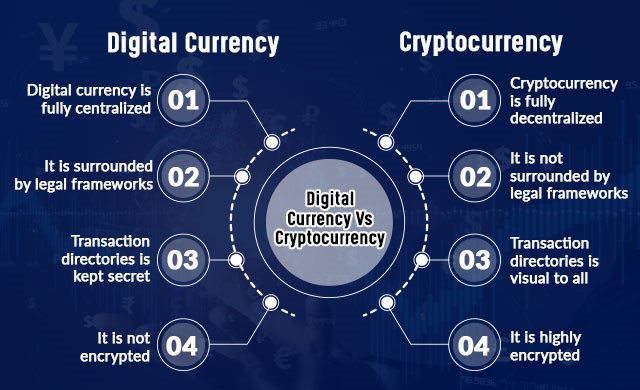
    Q.3 Explain how crypto-currencies can emerge as a new vehicle for money laundering or terrorist financing. (10 Marks)

    Question 4)  

    Q.4 How can organizational culture impact public service motivation and sustain values in administration? (10 Marks)


    HOW TO ATTEMPT ANSWERS IN DAILY ANSWER WRITING ENHANCEMENT(AWE)?

    1. Daily 4 questions from General studies 1, 2, 3, and 4 will be provided to you.

    2. A Mentor’s Comment will be available for all answers. This can be used as a guidance tool but we encourage you to write original answers.

    3. You can write your answer on an A4 sheet and scan/click pictures of the same.

    4.  Upload the scanned answer in the comment section of the same question.

    5. Along with the scanned answer, please share your Razor payment ID, so that paid members are given priority.

    6. If you upload the answer on the same day like the answer of 11th  October is uploaded on 11th October then your answer will be checked within 72 hours. Also, reviews will be in the order of submission- First come first serve basis

    7. If you are writing answers late, for example, 11th October is uploaded on 13th October, then these answers will be evaluated as per the mentor’s schedule.

    8. We encourage you to write answers on the same day. However, if you are uploading an answer late then tag the mentor like @Staff so that the mentor is notified about your answer.

    *In case your answer is not reviewed, reply to your answer saying *NOT CHECKED*. 

    For the philosophy of AWE and payment: 

  • What are the Memory Techniques to Follow While Studying for UPSC CSE? || Free Q&A Webinar with IAS Officer Vaibhav Rawat (AIR 25, UPSC 2020)|| Limited Slots Open, Register Now

    What are the Memory Techniques to Follow While Studying for UPSC CSE? || Free Q&A Webinar with IAS Officer Vaibhav Rawat (AIR 25, UPSC 2020)|| Limited Slots Open, Register Now

    “Prelims, Mains and Interview are 3 stages of pilgrimages and I found all of them equally challenging”, says Vaibhav Rawat IAS after securing All India Rank 25 in UPSC 2020 Exam.

    He started his preparation in 2018 without any idea of what was civil services or the challenging syllabus of UPSC. Fresh out of his job in Samsung R&D, Vaibhav initially faced umpteen difficulties in understanding or remembering what he had read. However, with daily studies there was an improvement and he was slowly able to master the topics. In his first attempt, Vaibhav reached till interview stage but missed out on the final ranking by a whisker. After this, he took the mentorship of Sajal Sir to score high marks in Mains and Interview. Vaibhav proves the saying that, successful people are not gifted but they work hard.

    Upon finding his name in the final pdf, Vaibhav asserts that his parents are more happier than him. For Vaibhav, there is only relief as he doesn’t have to start the exhausting cycle of UPSC preparation all over again.

    Open to All, Free to Attend—Ask me Anything Session with Vaibhav Rawat IAS

    Vaibhav Rawat is geared up for an Ask me Anything Session with all Civilsdaily UPSC aspirants. For anyone wanting tips on certain topics, preparing for UPSC Mains in the last 3 months or suggestions on improving their marks, this session will be useful. Your questions will be Vaibhav’s answers which are drawn from his own experiences. Just register yourself with us as soon as possible to confirm your presence.

    Key Takeaways of Vaibhav Rawat’s Webinar

    1. Importance of having a role model. Who was Vaibhav Rawat’s idol and how did that help him stay calm and focused towards his goals?

    2. Unpredictability of UPSC . What to study when you are not sure of the type of questions which would come in the exam?

    3. The art of answer writing in Mains. What are few of the common practices Vaibhav followed in the Mains exam?

    4. Memory techniques followed by Vaibhav Rawat. What did he do to recall important dates, names, statistics, conventions for the exam?

    5. First Attempt v/s Second Attempt. How did Vaibhav approach prelims, mains and interview preparation?

    6. Tips for beginners. Why is it better to work for a year or two before preparing for UPSC?

    A major part of the session would be interactive and in Q&A format. This will surely benefit any aspirant who are in midway of their preparation.

    Webinar Details

    If you are studying hard but are unsure that you are studying right, then its time to get some assurance from the topper himself! Register for this free webinar by IAS officer Vaibhav Rawat.

    Date: 22 November 2021 (Monday)

    Time: 7 P.M

  • Meeting Link Inside|| Register & Join Now|| Free Webinar by Santosh Gupta Sir who Cleared Prelims 6/6 Times

    Meeting Link Inside|| Register & Join Now|| Free Webinar by Santosh Gupta Sir who Cleared Prelims 6/6 Times

    “Maximize your score in Prelims-2022 through 7 steps” || by Santosh Gupta

    Date & Time: Nov 18, 2021 @07:00 p.m. (start logging in by 06:45 p.m.) India
    Join Zoom Meeting: https://zoom.us/j/99188423499pwd=dklVVVdrRmlRK2dHR2h4eEtTTDhSZz09
    Meeting ID: 991 8842 3499

    Passcode: 534582

    Let’s admit this As much as we have heard our seniors, mentors and toppers advise us to answer fewer questions in Prelims exams due to negative marking, do we want to follow it? All of us wish to answer as many questions as possible correctly. However, post 2014 questions have started getting tougher so much that now –

    Prelims is no longer about selecting the right option. It’s searching for the correct option by eliminating the incorrect ones.”

    Let’s take a sample question from Prelims 2021 Paper —

    Constitutional government means

    1. a representative government of a nation with federal structure
    2. a government whose Head enjoys nominal powers
    3. a government whose Head enjoys real powers
    4. a government limited by the terms of the Constitution

    An average aspirant gets confused between 2-3 options. Option a), b) and d) look equally correct but you have to select only one. The right answer is option d). How can you find out what was the missing criteria in option a) and b) which option d) fulfilled to emerge as the right answer?

    Attend the free webinar by Santhosh sir to get the answer.

    Key Takeaways of Santosh Gupta Sir’s Free Prelims Orientation Webinar

    1. Complete Analysis of the 2021 Prelims Paper. How to change your preparation methods right now?

    2. The 7 Steps of Tackling Prelims 2022. How to maximize revision and minimize study materials?

    3. Significance of Current Affairs. Is it really declining in Prelims?

    4. Important Topics to Cover for Prelims 2022 for every subject. What are the correct study materials for these topics?

    5. Time-Tested Elimination Techniques. How to use these techniques in sample questions?

    Webinar Details

    Prelims question papers have become more or less like a game of Sudoko. Except, in Sudoko you can solve the puzzle at your leisure and over here you are limited by 2 hours. We hope this webinar will help all 2022 aspirants implement the suggestions of Santosh Gupta Sir.

    Date: 18 November 2021 (Thursday)

    Time: 7 P.M

    About Santosh Gupta Sir

    Santosh sir has scored above 140 twice in UPSC prelims and 120 plus in all 6 attempts. He has written all 6 mains and has appeared for Interviews 3 times. He has qualified UPSC EPFO and BPSC 56-59th also. As the Prelims coordinator at Civilsdaily, he has helped 15 out of 25 students clear the prelims examination this year.

  • Starting Today @ 7PM|| Free Webinar by Santosh Gupta Sir who Cleared Prelims 6/6 Times|| Don’t miss out these 7 steps if you want to Score Extra Marks in Prelims 2022|| Limited Slots Open, Register Now

    Starting Today @ 7PM|| Free Webinar by Santosh Gupta Sir who Cleared Prelims 6/6 Times|| Don’t miss out these 7 steps if you want to Score Extra Marks in Prelims 2022|| Limited Slots Open, Register Now

    Let’s admit this As much as we have heard our seniors, mentors and toppers advise us to answer fewer questions in Prelims exams due to negative marking, do we want to follow it? All of us wish to answer as many questions as possible correctly. However, post 2014 questions have started getting tougher so much that now –

    Prelims is no longer about selecting the right option. It’s searching for the correct option by eliminating the incorrect ones.”

    Let’s take a sample question from Prelims 2021 Paper —

    Constitutional government means

    1. a representative government of a nation with federal structure
    2. a government whose Head enjoys nominal powers
    3. a government whose Head enjoys real powers
    4. a government limited by the terms of the Constitution

    An average aspirant gets confused between 2-3 options. Option a), b) and d) look equally correct but you have to select only one. The right answer is option d). How can you find out what was the missing criteria in option a) and b) which option d) fulfilled to emerge as the right answer?

    Attend the free webinar by Santhosh sir to get the answer.

    Key Takeaways of Santosh Gupta Sir’s Free Prelims Orientation Webinar

    1. Complete Analysis of the 2021 Prelims Paper. How to change your preparation methods right now?

    2. The 7 Steps of Tackling Prelims 2022. How to maximize revision and minimize study materials?

    3. Significance of Current Affairs. Is it really declining in Prelims?

    4. Important Topics to Cover for Prelims 2022 for every subject. What are the correct study materials for these topics?

    5. Time-Tested Elimination Techniques. How to use these techniques in sample questions?

    Webinar Details

    Prelims question papers have become more or less like a game of Sudoko. Except, in Sudoko you can solve the puzzle at your leisure and over here you are limited by 2 hours. We hope this webinar will help all 2022 aspirants implement the suggestions of Santosh Gupta Sir.

    Date: 18 November 2021 (Thursday)

    Time: 7 P.M

    About Santosh Gupta Sir

    Santosh sir has scored above 140 twice in UPSC prelims and 120 plus in all 6 attempts. He has written all 6 mains and has appeared for Interviews 3 times. He has qualified UPSC EPFO and BPSC 56-59th also. As the Prelims coordinator at Civilsdaily, he has helped 15 out of 25 students clear the prelims examination this year.

  • 18th November 2021| Daily Answer Writing Enhancement(AWE)

    Topics for Today’s questions:

    GS-1     Population and associated issues

    GS-2     Statutory, Regulatory and various Quasi-judicial Bodies.

    GS-3     Conservation, Environmental Pollution and Degradation, Environmental Impact Assessment.

    GS-4    Case Studies

    Questions:

    Question 1)


    Q.1 Development-induced displacement is a recurring phenomenon in India and the poor and marginalised are hit the hardest by it. Examine. (15 Marks)


    Question 2)

    Q.2 What are the challenges facing the Central Bureau of Investigation? Suggest the measures to help it deal with these challenges. (10 Marks)

    Question 3)

    Q.3 Decarbonising power sector in India holds key to its journey towards decarbonising Indian economy. In context of this, suggest the strategy and approach that needs to be adopted to decarbonising the power sector in India. (10 Marks)

    Question 4)  

    Q.4 Given the rising tide of Covid induced fatalities, the government is under extreme pressure to deliver some vaccine to the population. You are the Cabinet Secretary to the Government of India. You are heading the committee to oversee the process of vaccine development and distribution to fight against the Covid outbreak in the country. You have been asked to expedite the process and come up with a solution at the earliest. Some vaccines are available around the globe, but they are in limited supply and also expensive. One of the indigenously developed vaccine has shown initial positive results, but health experts have raised concerns over its safety, efficacy and the methodology being followed for its approval. Other promising vaccines under development, following a rigorous methodology, may take months to enter the market. In this context: (a) What are the critical issues involved in the case? (b) Explain, with relevant reasons, the course of action that you would take. (20 Marks)


    HOW TO ATTEMPT ANSWERS IN DAILY ANSWER WRITING ENHANCEMENT(AWE)?

    1. Daily 4 questions from General studies 1, 2, 3, and 4 will be provided to you.

    2. A Mentor’s Comment will be available for all answers. This can be used as a guidance tool but we encourage you to write original answers.

    3. You can write your answer on an A4 sheet and scan/click pictures of the same.

    4.  Upload the scanned answer in the comment section of the same question.

    5. Along with the scanned answer, please share your Razor payment ID, so that paid members are given priority.

    6. If you upload the answer on the same day like the answer of 11th  October is uploaded on 11th October then your answer will be checked within 72 hours. Also, reviews will be in the order of submission- First come first serve basis

    7. If you are writing answers late, for example, 11th October is uploaded on 13th October, then these answers will be evaluated as per the mentor’s schedule.

    8. We encourage you to write answers on the same day. However, if you are uploading an answer late then tag the mentor like @Staff so that the mentor is notified about your answer.

    *In case your answer is not reviewed, reply to your answer saying *NOT CHECKED*. 

    For the philosophy of AWE and payment: 

  • Starting Today|| Free Webinar by Santosh Gupta Sir who Cleared Prelims 6/6 Times|| Don’t miss out these 7 steps if you want to Score Extra Marks in Prelims 2022|| Limited Slots Open, Register Now

    Starting Today|| Free Webinar by Santosh Gupta Sir who Cleared Prelims 6/6 Times|| Don’t miss out these 7 steps if you want to Score Extra Marks in Prelims 2022|| Limited Slots Open, Register Now

    Let’s admit this As much as we have heard our seniors, mentors and toppers advise us to answer fewer questions in Prelims exams due to negative marking, do we want to follow it? All of us wish to answer as many questions as possible correctly. However, post 2014 questions have started getting tougher so much that now –

    Prelims is no longer about selecting the right option. It’s searching for the correct option by eliminating the incorrect ones.”

    Let’s take a sample question from Prelims 2021 Paper —

    Constitutional government means

    1. a representative government of a nation with federal structure
    2. a government whose Head enjoys nominal powers
    3. a government whose Head enjoys real powers
    4. a government limited by the terms of the Constitution

    An average aspirant gets confused between 2-3 options. Option a), b) and d) look equally correct but you have to select only one. The right answer is option d). How can you find out what was the missing criteria in option a) and b) which option d) fulfilled to emerge as the right answer?

    Attend the free webinar by Santhosh sir to get the answer.

    Key Takeaways of Santosh Gupta Sir’s Free Prelims Orientation Webinar

    1. Complete Analysis of the 2021 Prelims Paper. How to change your preparation methods right now?

    2. The 7 Steps of Tackling Prelims 2022. How to maximize revision and minimize study materials?

    3. Significance of Current Affairs. Is it really declining in Prelims?

    4. Important Topics to Cover for Prelims 2022 for every subject. What are the correct study materials for these topics?

    5. Time-Tested Elimination Techniques. How to use these techniques in sample questions?

    Webinar Details

    Prelims question papers have become more or less like a game of Sudoko. Except, in Sudoko you can solve the puzzle at your leisure and over here you are limited by 2 hours. We hope this webinar will help all 2022 aspirants implement the suggestions of Santosh Gupta Sir.

    Date: 18 November 2021 (Thursday)

    Time: 7 P.M

    About Santosh Gupta Sir

    Santosh sir has scored above 140 twice in UPSC prelims and 120 plus in all 6 attempts. He has written all 6 mains and has appeared for Interviews 3 times. He has qualified UPSC EPFO and BPSC 56-59th also. As the Prelims coordinator at Civilsdaily, he has helped 15 out of 25 students clear the prelims examination this year.