Sovereign gold bonds provide a safer and more cost-effective alternative to holding physical gold, as they reduce risks and storage expenses. However, the central government is considering discontinuing the SGB scheme.
What is the Sovereign Gold Bond scheme?
About
GOI launched it on October 30, 2015.
Structural Mandate
Nodal Agency:Ministry of Finance;
Issued by RBI on behalf of the GOI.
Aims and Objectives
To reduce dependence on gold imports and shift savings from physical gold to paper form.
Targeted Beneficiaries
Residents of India, including individuals, HUFs, trusts, universities, and charitable institutions.
Funding Mechanism
The Sovereign Gold Bonds are issued by the Reserve Bank of India (RBI) on behalf of the Government of India. This ensures a sovereign guarantee for both the principal and interest payments.
The bonds are made available for subscription in tranches. The RBI notifies the terms and conditions for each tranche, including the subscription dates and issue price, which is based on the average closing price of gold of 999 purity published by the India Bullion and Jewellers Association (IBJA).
SGBs are sold through various channels, including scheduled commercial banks (excluding small finance banks), designated post offices, Stock Holding Corporation of India Limited (SHCIL), and recognized stock exchanges like NSE and BSE.
Features
Sovereign gold Bonds are issued in 1-gram denominations with an 8-year tenure and early exit from the 5th year.
The minimum investment is 1 gram, a maximum 4 kg for individuals, and 20 kg for trusts.
Benefits include security, interest, and loan collateral.
What are the concerns regarding sovereign gold bonds?
High Cost of Financing: The government perceives the cost of financing its fiscal deficit through SGBs as disproportionately high compared to the benefits provided to investors. This perception has led to a significant reduction in the issuance of SGBs, dropping from ten tranches annually to just two.
Limited Issuance in Current Financial Year: In the financial year 2024-25, no new sovereign gold bonds have been issued so far, and net borrowing through these bonds has been significantly reduced from previous estimates.
Market Competition from Physical Gold: The recent reduction in customs duty on gold from 15% to 6% has led to a surge in demand for physical gold. Investors may prefer holding physical gold over waiting for returns from debt securities like SGBs, which require maturity periods before realizing gains.
What are the challenges due to the import of Gold?
Impact on Trade Deficit: Gold imports are a major contributor to India’s trade deficit, with a record $14.8 billion spent in November 2024, which weakened the rupee. Between 2016 and 2020, gold imports made up 86% of the country’s gold supply, leading to significant foreign exchange outflows and economic instability.
Encouragement of Smuggling: High import duties on gold have driven a rise in smuggling, with 65% to 75% of smuggled gold entering India through air routes. This illegal trade undermines government revenue and complicates market regulation.
Way forward:
Increase Liquidity and Accessibility: Similar to gold-backed ETFs in the U.S. and Gold Bullion Securities in Australia, India can enhance the liquidity of SGBs by allowing them to be traded on stock exchanges, providing easy access and better market engagement for investors.
Encourage Regular Investments: Drawing inspiration from Germany’s gold savings plans, India can introduce flexible investment options such as monthly or quarterly contributions, enabling dollar-cost averaging and attracting retail investors over time.
Mains PYQ:
Q Craze for gold in Indian has led to surge in import of gold in recent years and put pressure on balance of payments and external value of rupee. In view of this, examine the merits of Gold Monetization scheme. (UPSC IAS/2015)
Bitcoin surged to a record high of over $107,000 after President-elect Donald Trump reaffirmed plans to create a US bitcoin reserve, boosting investor excitement.
Do you know?
The legal status of cryptocurrency in India is uncertain.
RBI has warned against cryptocurrencies, citing risks to investors and confirming they are not legal tender.
In 2018, the Supreme Courtoverturned an RBI ban on financial institutions dealing with cryptocurrencies.
In the 2022-23 Union Budget, the Government of India announced a 30% tax on cryptocurrency transfers.
A strategic reserve is a stockpile of critical resources, used in times of crisis or disruptions in supply.
Examples:
US Strategic Petroleum Reserve: Largest global emergency oil stockpile, created in 1975 after the 1973-74 oil embargo.
Canada’s Maple Syrup Reserve: The only global strategic reserve for maple syrup.
China’s Reserves: Includes resources like metals, grains, and pork.
How Would a U.S. Strategic Bitcoin Reserve Work?
Establishing the Reserve: Unclear if it would require executive powers or Congress approval. Some suggest an executive order to manage bitcoin through the U.S. Treasury’s Exchange Stabilization Fund.
Content of the Reserve: Includes seized bitcoin (200,000 tokens, worth approx. $21 billion).
Additional Purchases: Possible purchase of more bitcoin from the open market.
Benefits and Risks of a Bitcoin Reserve
Benefits:
Global Market Dominance: Could enhance U.S. control over the global bitcoin market, especially against competitors like China.
Economic Advantages: Could reduce U.S. fiscal deficit and strengthen the U.S. dollar.
Risks:
Volatility: Bitcoin’s value is uncertain due to volatility and lack of intrinsic use.
Security: Vulnerability to cyber-attacks and market fluctuations.
Q) “Besides being a moral imperative of a Welfare State, primary health structure is a necessary precondition for sustainable development.” Analyse. (UPSC CSE 2021)
Mentor’s Comment: UPSC mains have always focused on major issues like the Conflict of interest in the public sector (2017) and Life Expectancy (2022).
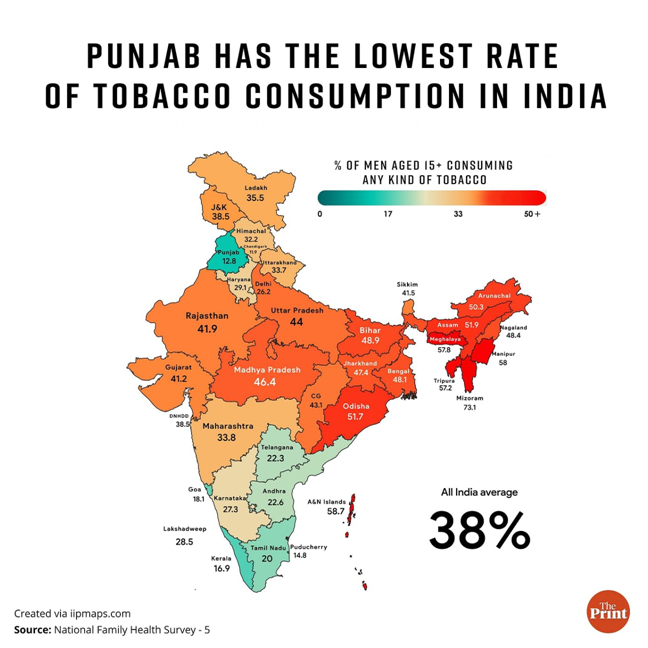
Tobacco is responsible for approximately 1 million deaths annually in India, accounting for about 17.8% of total deaths in the country. This includes deaths from both direct tobacco use and secondhand smoke exposure.
The proposal to levy a higher Goods and Services Tax (GST) rate on tobacco products and sugared beverages has sparked significant discussion in India. This editorial explores the implications of such a move, the current tax structure, and the anticipated outcomes of the proposed changes.
_
Let’s learn!
Why in the News?
The proposal to levy a higher Goods and Services Tax (GST) rate on tobacco products and sugared beverages has sparked significant discussion in India.
What is National Calamity Contingent Duty (NCCD)?
• It is a type of excise duty imposed by the Indian government on specific manufactured goods, particularly those considered harmful to public health, such as tobacco products and certain beverages. • Established under Section 136 of the Finance Act, 2001, NCCD is intended to generate revenue that can be utilized for disaster relief and other national calamity responses. • In the Union Budget for 2023-24, the government proposed increasing NCCD rates by approximately 16% for specified cigarettes, reflecting ongoing efforts to regulate tobacco consumption through higher taxation.
Background of the news:
Over the past seven years since the Goods and Services Tax (GST) was introduced in India, there have been a few significant increases in GST rates for harmful products like tobacco and sugar-sweetened beverages.
Apart from two small hikes in the National Calamity Contingent Duties (NCCD) on tobacco, the tax rates have largely remained unchanged. This lack of increase has made these products more affordable, which undermines efforts to reduce their consumption.
In this context, the recent proposal by the Group of Ministers (GoM) to raise the highest GST rate on tobacco and sugar-sweetened beverages from 28% to 35% is a positive development. This increase could help discourage the consumption of these harmful products.
However, it is important to note that additional tax reforms are necessary to effectively address the public health issues and fiscal challenges associated with tobacco and sugary drinks.
What is the current GST structure?
Under the existing GST framework, tobacco products and aerated beverages are taxed at a base rate of 28%, with additional cess rates that can range significantly.
For tobacco, these cesses can be as high as 290%, making it one of the most heavily taxed sectors in India.
Aerated beverages also face a 12% compensation cess on top of the standard GST rate, leading to a total tax burden that is among the highest globally.
What is the Rationale behind the recent Proposal?
Public Health Concerns: Higher taxes on tobacco and sugary drinks are often justified by their negative health impacts. Increasing GST rates could deter consumption and promote healthier choices among consumers.
Revenue Generation: The Indian government is looking for ways to bolster its revenue streams, especially in light of potential shortfalls from other sectors. By raising taxes on these “sin products,” it aims to offset losses from reductions in taxes on essential goods and services, such as health insurance premiums.
Alignment with Global Practices: Many countries impose high taxes on tobacco and sugary beverages as part of public health strategies. By following suit, India could align itself with global best practices aimed at reducing the consumption of harmful products.
What were the Market reactions to the potential GST Increase?
Stock Price Impact: Following the news, ITC’s shares fell by about 3%, while Varun Beverages dropped by 5%. This decline reflects investor concerns over how higher taxes might affect profitability.
Historical Performance: Both companies had previously enjoyed strong stock performance, with ITC’s stock rising 110% and Varun Beverages increasing by 424% in recent years.
However, the prospect of increased taxation has caused a correction, with both stocks down around 12% from their recent highs.
Analyst Insights: Analysts believe that while higher taxes could reduce sales volumes, they might also boost government revenues if managed well.
Way Forward:
Engage with Stakeholders: Regular consultations with industry stakeholders, including manufacturers and health experts, can provide valuable insights into the potential impacts of tax changes and help create balanced policies that consider both public health and economic factors.
Consider Broader Tax Reforms: The government could explore broader tax reforms that align with health objectives, such as revising tax structures for other products or services that impact public health, ensuring a comprehensive approach to taxation.
Implement the Proposed GST Increase: The government should proceed with the Group of Ministers (GoM) recommendation to raise the GST on tobacco and aerated beverages from 28% to 35%. This move aims to discourage the consumption of these harmful products while increasing government revenue.
Enhance Public Awareness Campaigns: Alongside tax increases, the government can launch public health campaigns to educate citizens about the dangers of tobacco and excessive sugar consumption. This could further support efforts to reduce demand for these products.
The Union Minister of Cooperation has provided crucial information regarding India’s National Cooperative Policy to the Lok Sabha.
The new National Cooperative Policy is almost ready and will be announced in 2-3 months.
Update regarding the New National Cooperative Policy:
Details
National Level Committee Formation
• A 48-member National Level Committee was formed under the chairmanship of Shri Suresh Prabhakar Prabhu.
• The committee includes experts from the cooperative sector, representatives from National, State, District, and Primary level cooperative societies, and officers from Central Ministries/Departments.
• The task of the committee was to formulate the New National Cooperation Policy for the development of the cooperative sector in India.
• 17 meetings and 4 regional workshops were conducted across the country to finalize the draft report of the policy.
Aims and Objectives
• Revitalize the cooperative sector and enhance its efficiency at national, state, district, and primary levels.
• Strengthen the cooperative movement in India by creating a structured policy that fosters growth and sustainability.
• Establish financial viability and governance mechanisms for cooperatives.
• Ensure cooperative federalism by allowing state cooperatives to function autonomously, avoiding undue centralization.
Features of the Policy
• The policy adopts an inclusive approach, including all levels of cooperatives from district to primary.
• Close collaboration with State Governments to promote the cooperative sector and implement cooperative federalism.
• The draft policy was developed after extensive consultations, ensuring broad public and expert participation.
Provisions under the Policy
• Strengthening Cooperative Structure: Set up District Central Cooperative Banks (DCCBs) and district milk producers’ unions in all uncovered districts. NABARD will prepare an action plan for this.
• Expansion of Multipurpose PACS: New multipurpose PACS, primary dairy/fishery cooperative societies will be established in uncovered Panchayats/villages across India within the next five years.
PYQ:
[2011] In India, which of the following have the highest share in the disbursement of credit to agriculture and allied activities?
The Reserve Bank of India (RBI) began its three-day monetary policy review.
There is increasing speculation that the RBI may announce a cut in the Cash Reserve Ratio (CRR) to ease liquidity pressures.
What is Cash Reserve Ratio (CRR)?
CRR is the percentage of a bank’s total deposits that it must maintain as liquid cash with the Reserve Bank of India (RBI) as a reserve.
It is a tool used by the RBI to manage inflation and check excessive lending by banks.
It serves as a safety net during times of banking stress, ensuring banks have enough liquidity for day-to-day operations.
As of now, the CRR is set at 4.5% of a bank’s Net Demand and Time Liabilities (NDTL).
Banks do not earn interest on the amount they maintain as CRR with the RBI.
CRR Requirements for Different Types of Banks:
Scheduled Commercial Banks (SCBs): Includes Public Sector Banks (PSBs), Private Sector Banks (PVBs), Regional Rural Banks (RRBs), Small Finance Banks (SFBs), Payments Banks, Primary (Urban) Co-operative Banks (UCBs), State Co-operative Banks (StCBs), and District Central Co-operative Banks (DCCBs).
Non-Scheduled Co-operative Banks & Local Area Banks: They must maintain CRR with themselves or with the RBI.
Restrictions on CRR Funds
Banks cannot lend the funds held as CRR to corporates or individual borrowers.
The money held under CRR cannot be used for investment purposes by the bank.
No Interest is earned on the funds maintained as CRR by banks with the RBI.
What isIncremental CRR (I-CRR)?
Introduced temporarily on August 10, 2023, to absorb surplus liquidity in the banking system.
Banks were required to maintain 10% I-CRR on the increase in their NDTL between May 19, 2023, and July 28, 2023.
The I-CRR was implemented from August 12, 2023, and applied during periods of excess liquidity in the financial system.
Impacts of Declining CRR on the Economy
Positive Impacts:
Increased Bank Liquidity: A reduction in CRR frees up more funds for banks, improving credit availability and promoting investment and consumption.
Stimulus for Economic Growth: With more funds to lend, businesses can secure loans more easily, boosting economic activity and encouraging growth across sectors.
Lower Interest Rates: As banks have more liquidity, they may lower interest rates on loans, making credit cheaper and encouraging investment and consumer spending.
Negative Impacts:
Potential Inflationary Risks: Increased lending and spending can raise demand, which, if not matched by supply, can lead to inflationary pressures in the economy.
Asset Bubbles: Excess liquidity may result in overvalued assets like stocks or real estate, creating the risk of unsustainable price increases and potential market instability.
PYQ:
[2010] When the Reserve Bank of India announces an increase of the Cash Reserve Ratio, what does it mean?
(a) The commercial banks will have less money to lend
(b) The Reserve Bank of India will have less money to lend
(c) The Union Government will have less money to lend
(d) The commercial banks will have more money to lend
The Lok Sabha passed the Banking Laws (Amendment) Bill, 2024, marking the first piece of legislation to be approved during the Winter Session after the resolution of a week-long impasse.
What are the key features of the Banking Laws (Amendment) Bill, 2024?
Nomination Provisions: The Bill allows bank account holders to nominate up to four individuals for their accounts, with options for either successive or simultaneous nominations. However, locker holders will only have the option for successive nominations.
Redefinition of “Substantial Interest”: The threshold for defining “substantial interest” for directorships is proposed to increase from ₹5 lakh to ₹2 crore, reflecting current economic conditions.
Tenure of Directors: The tenure of directors (excluding chairpersons and whole-time directors) in cooperative banks will be extended from eight years to ten years, aligning with provisions in the Constitution (Ninety-Seventh Amendment) Act, 2011.
Common Directorships: The Bill permits directors of Central Cooperative Banks to serve on the boards of State Cooperative Banks under certain conditions.
Auditor Remuneration: It grants banks greater flexibility in determining the remuneration for statutory auditors, which was previously regulated by the Reserve Bank of India (RBI) and the central government.
Reporting Dates: The reporting dates for regulatory compliance will shift from the second and fourth Fridays to the 15th and last day of every month, streamlining oversight processes.
What are the reasons for this amendment?
Enhancing Governance: The amendments aim to strengthen governance standards within banks, ensuring better protection for depositors and investors while improving audit quality in public sector banks.
Customer Convenience: By allowing multiple nominations, the Bill intends to simplify inheritance processes related to bank deposits and reduce instances of unclaimed deposits after an account holder’s demise.
Alignment with Constitutional Provisions: Increasing director tenures in cooperative banks aligns banking regulations with constitutional amendments that govern cooperative societies.
What would be the significant impact of this amendment?
Improved Customer Experience: The ability to nominate multiple individuals enhances customer convenience and ensures smoother transitions in account management after an account holder’s death.
Strengthened Governance Framework: By redefining substantial interest and increasing director tenures, the Bill aims to foster a more robust governance framework within cooperative banks, potentially leading to better decision-making and accountability.
Regulatory Compliance Efficiency: Changing reporting dates is expected to improve compliance efficiency, allowing banks to better align their reporting practices with regulatory requirements.
What is the criticism faced by the Banking Laws (Amendment) Bill, 2024?
Concerns Over Financial Practices: Opposition leaders raised concerns regarding rising imports from China amid strained relations and questioned broader financial practices like demonetization and electoral bonds.
Banking Fees and Cybersecurity Risks: Critics highlighted issues related to fees for basic banking services such as ATM withdrawals and SMS alerts, particularly emphasizing vulnerabilities faced by senior citizens concerning cyber fraud.
Economic Context: Some opposition members criticized the timing of the Bill against a backdrop of economic challenges such as inflation exceeding growth rates, potentially leading to stagflation. They expressed skepticism about whether these amendments would effectively address underlying economic issues.
Way forward:
Addressing Broader Economic Concerns: The government should focus on macroeconomic reforms to manage inflation and foster sustainable growth. The Banking Laws Amendment should be complemented by policies that address the root causes of economic challenges, ensuring the banking sector thrives amidst broader financial stability.
Strengthening Cybersecurity and Customer Protection: Banks should enhance security measures, especially for senior citizens, to safeguard against rising cyber fraud.
India has been growing well even with global challenges. After growing by 8.2% in 2023-24 and 6.7% in the first quarter of 2024-25, growth slowed down to 5.4% in the second quarter.
Is the Slowdown in GDP Growth a Temporary Setback or a Sign of a Longer-Term Trend?
Current Growth Trends: India’s GDP growth decelerated to 5.4% in the second quarter of FY 2024-25, down from 6.7% in the previous quarter and 8.1% in the same quarter last year. This sharp decline has raised concerns about the sustainability of growth, particularly given that industrial performance has been poor, especially in the mining, manufacturing, and electricity sectors.
Sectoral Performance: The industrial sector’s growth slowed to 3.6% from 8.3%, indicating significant challenges in manufacturing and mining.
While agriculture has shown recovery due to good Kharif harvests, and the services sector remains robust, the overall industrial slowdown suggests vulnerabilities that could impact future growth.
Expectations for Recovery: Despite the current slowdown, there are expectations for GDP growth to rebound in the latter half of the fiscal year due to improved government expenditure and rural consumption. However, this recovery is contingent upon various factors, including global economic conditions and domestic consumption patterns.
Long-Term Concerns: Analysts caution that while some recovery is anticipated, the overall GDP growth for FY 2024-25 is projected to be lower at around 6.5%, which is a decrease from the 7-8% range seen in previous years.
Measures to Stimulate Consumer Sentiment and Boost Household Spending
Tax Benefits for Households: The government could consider implementing tax incentives aimed at increasing disposable income for households, thereby encouraging spending. This could involve direct tax cuts or enhanced deductions for certain expenditures.
Job Creation Initiatives: A strong focus on job creation, especially in sectors vulnerable to automation, could bolster household incomes and consumer confidence. Initiatives could include skill development programs and incentives for businesses that hire more workers.
Support for Agriculture: Given the positive impact of agricultural performance on rural consumption, enhancing support for farmers through subsidies or better access to markets could further stimulate spending in rural areas.
Addressing Inflation Concerns: Moderating food inflation through effective supply chain management and price controls could help ease consumer spending pressures. Ensuring stable prices for essential commodities would improve overall consumer sentiment.
Incentives for Private Investment: Encouraging private sector investment through favorable policies and easing regulatory burdens can lead to increased economic activity and job creation.
How Should Policymakers Respond to Current Economic Challenges? (Way forward)
Enhance Public Investment: Policymakers should prioritize increasing government capital expenditure (capex), which has been weak due to election-related restrictions. A robust public investment strategy can stimulate economic activity and create jobs.
Focus on Deregulation: Continued efforts to deregulate sectors can improve business confidence and attract private investments, fostering a more conducive environment for growth.
Monitor Global Developments: Policymakers need to remain vigilant regarding global economic trends that could impact India’s economy, including potential trade wars or geopolitical tensions. Preparing contingency plans will be crucial in mitigating risks associated with global volatility.
Strengthen Domestic Demand: Given the uncertain global environment, strengthening domestic demand through targeted fiscal policies will be essential for sustainable growth. This includes measures that directly enhance consumer spending power.
Long-Term Growth Strategy: A comprehensive strategy focusing on enhancing productivity across sectors, investing in infrastructure, and fostering innovation will be critical for raising India’s potential GDP growth over the long term.
Mains PYQ:
Q Despite India being one of the countries of Gondwanaland, its mining industry contributes much less to its Gross Domestic Product (GDP) in percentage. Discuss. (UPSC IAS/2021)
The RBI designated SBI, HDFC Bank, and ICICI Bank as Domestic Systemically Important Banks (D-SIBs) for 2024.
Current D-SIBs in India:
As of 2024, the State Bank of India (SBI), HDFC Bank, and ICICI Bank are classified as D-SIBs.
SBI was classified as a D-SIB in 2015, ICICI Bank in 2016, and HDFC Bank in 2017.
What are Domestic Systemically Important Banks (D-SIBs)?
D-SIBs are banks that are critical to the stability of a country’s financial system.
They are often termed “Too Big To Fail” (TBTF) because their failure could lead to significant disruptions in the economy.
The RBI identifies D-SIBs annually.
The framework for recognizing these banks was issued in July 2014.
The RBI has been publishing an annual list of D-SIBs since 2015.
D-SIBs are placed in different buckets based on systemic importance scores. Higher bucket rankings require greater capital requirements to absorb losses.
SBI is in Bucket 4.
HDFC Bank is in Bucket 3.
ICICI Bank is in Bucket 1.
D-SIBs must maintain additional Common Equity Tier 1 (CET1) capital based on their bucket.
SBI: 0.80% of Risk Weighted Assets (RWAs).
HDFC Bank: 0.40%
ICICI Bank: 0.20%
Global Systemically Important Banks (G-SIBs):
On the global stage, G-SIBs are designated by the Financial Stability Board (FSB).
G-SIBs include large international banks such as JP Morgan Chase and HSBC.
Foreign banks in India that qualify as G-SIBs are required to hold additional CET1 capital in India, proportional to their global risk-weighted assets.
Benefits of D-SIB Classification
It ensures financial stability by requiring additional capital buffers for resilience during economic stress.
It increases public confidence through enhanced monitoring and regulation.
It receives improved supervisory attention, leading to better governance and controls.
It prepares D-SIBs for financial shocks with additional CET1 and stress-testing requirements.
It often benefits from higher credit ratings, lowering borrowing costs and improving access to capital.
Q) Explain the rationale behind the Goods and Services Tax (Compensation to States) Act of 2017. How has COVID-19 impacted the GST compensation fund and created new federal tensions? (UPSC CSE 2020) Q) How have the recommendations of the 14th Finance Commission of India enabled the States to improve their fiscal position? (UPSC CSE 2021) Q) “Investment in infrastructure is essential for more rapid and inclusive economic growth.” Discuss in the light of India’s experience. (UPSC CSE 2021)
Mentor’s Comment:
“We cannot build a modern India without addressing the issue of poverty and inequality.”
– Dr. Manmohan Singh
In a nation where the top 10% hold 77% of the wealth, true progress can only be measured by the upliftment of the bottom half. Addressing regional disparities is essential for a harmonious India; without it, growth becomes a privilege of the few rather than a right for all.
Today’s editorial discusses the widening economic disparities among Indian states and the implications of this divide.
_
Let’s learn!
Why in the News?
Household savings and private investments are increasingly concentrated in wealthier states, leadingto a widening gap between rich and poor regions. These increasing economic disparities among Indian states have huge implications for Indian federalism.
Current State of Economic Divide in India:
• Per Capita Income Disparities: Wealthier states, primarily in the south and west, have significantly higher per capita incomes compared to poorer states in the north and east. As of 2019-20, per capita State Domestic Product (SDP) in wealthier states was approximately 2.5 times higher than in poorer states, up from a 1.7 times difference in 1990-91. • Sectoral Growth Gaps: The disparity is particularly pronounced in the manufacturing and services sectors. Wealthier states exhibit a much higher per capita SDP in manufacturing (3.6 times) and services (2.9 times) compared to their poorer counterparts.
Primary factors contributing to the growing economic divide among Indian states
Sectoral Growth Disparities: Wealthier states have significantly higher outputs in manufacturing and services, leading to greater economic growth compared to poorer states.
As income rises, people spend less on food and more on manufactured goods and services. Secondly, India’s services sector has grown, but employment has been more modest.
Investment Patterns: A shift from public to private investment has favored wealthier states, resulting in concentrated resources and opportunities.
Infrastructure Gaps: Poorer states often lack adequate power supply and infrastructure, hindering their ability to attract industries and grow economically.
Educational Disparities: Access to quality education is uneven, with most higher education institutions in wealthier states, limiting skill development in poorer regions.
How does the economic divide affect federalism and governance in India?
Erosion of Federal Principles: Disparities challenge equitable resource distribution, leading to dissatisfaction among wealthier states that feel under-compensated.
Political Centralization: Increased control by the central government limits state autonomy, reducing their ability to address regional economic challenges.
Investment Disparities: Wealthier states attract more private investment, while poorer states struggle due to inadequate infrastructure, perpetuating inequality.
Governance Challenges: Poorer states face corruption and weak institutions, hindering effective policy implementation and further entrenching poverty.
Initiatives taken by the Government:
• Aspirational Districts Programme (ADP): Launched in 2018, this program aims to transform the performance of 112 districts lagging in key social indicators by promoting holistic development through targeted interventions in health, education, and infrastructure. This initiative focuses on blocks within districts that need special attention, aiming to improve governance and service delivery at the grassroots level. • Special Economic Zones (SEZs): The government has established SEZs to attract investment and promote industrial growth in underdeveloped regions, encouraging economic activities and job creation. • Pradhan Mantri Gram Sadak Yojana: It focuses on improving rural road connectivity, which is crucial for economic development in remote areas. • FC Recommendations: The 15th Finance Commission has recommended increasing the share of tax revenues allocated to states, particularly those with greater needs, to help address regional disparities.
What strategies can bridge the Economic Divide and promote Inclusive Growth?
Boost Entrepreneurship and Skill Development: Encourage entrepreneurship in poorer states through targeted support and training programs. Enhance skill development initiatives to equip the workforce with the necessary skills for emerging industries.
Upgrade Infrastructure: Invest in improving power supply and overall infrastructure in economically lagging regions, particularly in the Gangetic and eastern areas, to facilitate industrial growth and attract investment.
Expand Access to Education: Increase access to technical and vocational education in poorer states to improve employability and attract high-tech industries. Focus on creating educational opportunities that cater to local economic needs.
Form Interconnected National Value Chains: Develop value chains that link resources from wealthier states with the potential of poorer ones, fostering balanced economic growth across regions.
On September 30, the Securities and Exchange Board of India (SEBI) launched the liberalized Mutual Funds Lite (MF Lite) framework specifically for passively managed schemes.
What is a Passive Mutual Fund?
A Passive Mutual Fund is a type of investment fund that follows a market index, like Nifty50, trying to match its performance.
They can be easily tracked, whereas, Active Mutual Funds need expert fund managers to actively monitor them and make investments in securities of their choice accordingly.
Since there’s no need for constant research, analysis, or active trading the costs are lower.
Key highlights of the liberalized Mutual Funds Lite (MF Lite) framework:
Separate Framework for Passive Funds: It is tailored for passively managed schemes, which are less risky and require minimal active management.
Relaxed Entry Requirements: Lowered net worth requirement (₹35 crore), simplified criteria for sponsor eligibility (profitability, track record).
Encouraging New Players: It provides easier entry for new AMCs (Asset management companies) and market players in the passive fund segment.
Governance Flexibility: It has reduced oversight for trustees; operational responsibilities shifted to AMC boards, focusing on fees, expenses, and tracking error.
Cost Efficiency Focus: It emphasizes on lowering Total Expense Ratio (TER) and minimizing tracking error for better returns.
Simplified Disclosures: The Scheme Information Documents (SID) are simplified to focus on key metrics like benchmark index, TER, and tracking error.
Risk Management: Audit committees of AMCs can handle risk management duties due to the lower risk profile of passive funds.
Why a Separate Framework for MF Lite is Needed?
Lower Risk Profile: Passively managed funds are generally less risky because they track established benchmarks like BSE Sensex or Nifty50, reducing the need for active decision-making.
Minimal Asset Manager Discretion: Unlike actively managed funds, asset managers of passive funds have limited discretion in asset allocation and investment objectives. They simply mirror the performance of the benchmark index.
Inapplicability of Existing Regulations: The current framework is designed primarily for actively managed funds, which involve more risks and require more oversight. It is less suitable for passive funds, which operate with predefined, transparent rules.
Cost-Effective Market Entry: To encourage new players and make the passive fund industry more competitive, SEBI introduced relaxed regulations regarding eligibility, net worth, and profitability.
What about risks and disclosures?
Success depends on Total Expense Ratio (TER) and tracking error. Lower costs and minimal deviation from the benchmark are crucial for performance.
Scheme Information Documents (SID) focus on key metrics like the benchmark name, TER, and tracking error, leaving out complex strategies.
Risk management responsibilities are streamlined, allowing the audit committee of the AMC to handle oversight, reflecting the lower risks of passive funds.
Way forward:
Enhance Investor Education: Develop targeted educational initiatives to inform retail investors about the benefits, risks, and operational aspects of passive mutual funds, fostering informed investment decisions.
Ongoing Regulatory Evaluation: Establish a framework for periodic assessment and adaptation of the MF Lite regulations to ensure they remain effective and relevant, promoting competition while safeguarding investor interests.