💥Join UPSC 2027,2028 Mentorship (July Batch) + XFactor Notes & Microthemes PDF

GS Paper: PDS, Buffer Stock & Food Security

  • Food Security, Success Story and Challenges Ahead

    Food Security

    Context

    • The Hunger Hotspots Outlook (2022-23) a report by the Food and Agriculture Organization of the United Nations (FAO) and the World Food Programme (WFP) forebodes escalating hunger, as over 205 million people across 45 countries will need emergency food assistance to survive. 16 October is celebrated as World Food Day.

    What is the current situation of Food security worldwide?

    • Adverse impact of COVID 19 pandemic: Globally, food and nutrition security continue to be undermined by the impacts of the COVID 19 pandemic, climate change, spiralling food inflation, conflict, and inequality.
    • Challenge of Severe hunger continues: Today, around 828 million people worldwide do not have enough to eat, and over 50 million people are facing severe hunger.
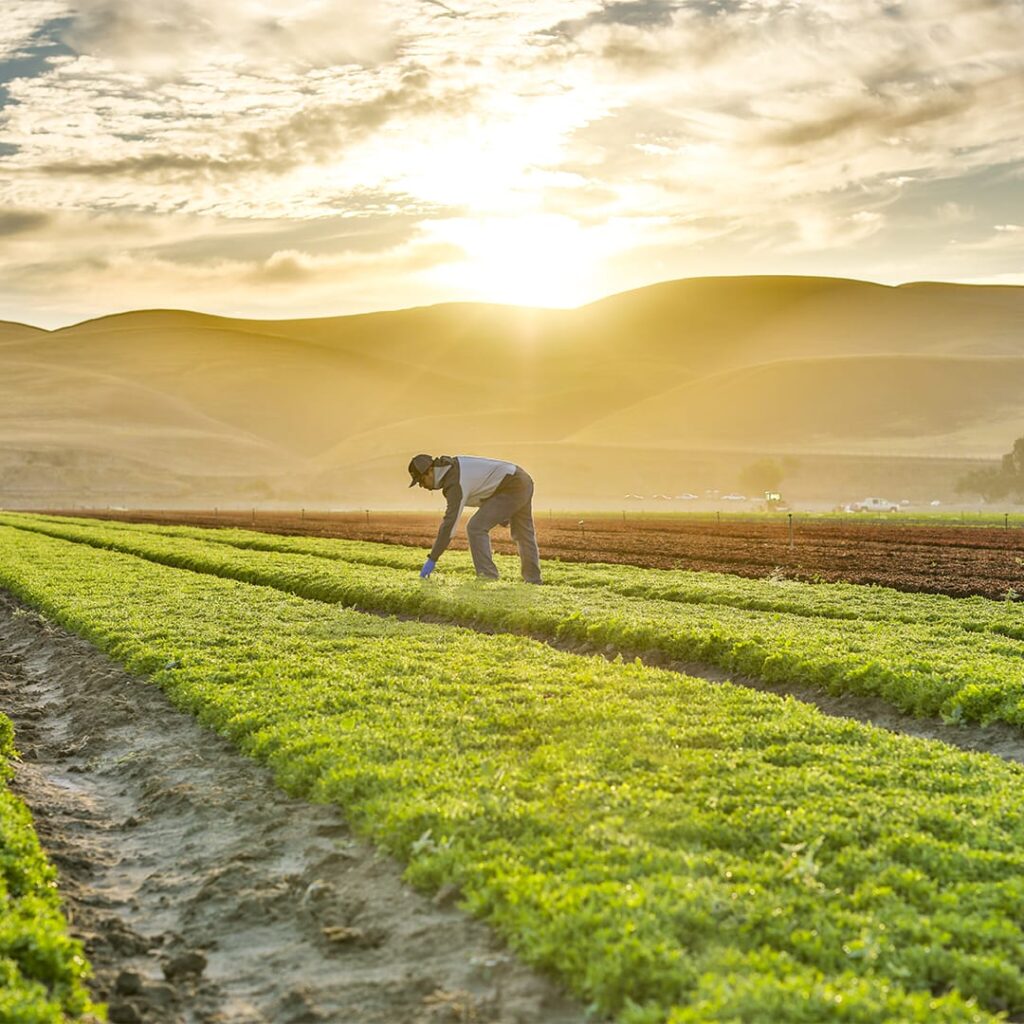
    Food Security

    What are the challenges for ensuring food security?

    • The challenge of Climate change: Recent climate shocks have raised concerns about India’s wheat and rice production over the next year. Therefore, it is important to place a greater focus on climate adaptation and resilience building.
    • Rising population will need more resource: By 2030, India’s population is expected to rise to 1.5 billion. Agro food systems will need to provide for and sustainably support an increasing population.
    • The challenge of Soil degradation: Nutrition and agricultural production are not only impacted by climate change but also linked to environmental sustainability. Soil degradation by the excessive use of chemicals, non-judicious water use, and declining nutritional value of food products need urgent attention.

    How India managed its food security?

    • Constant efforts towards Self-sufficiency: India has had an inspiring journey towards better production and achieving self-sufficiency and is now one of the largest agricultural product exporters. During 2021-22,it recorded $49.6billion in total agriculture exports a 20%increase from 2020-21.
    • Efficient targeted public distribution system: One of India’s greatest contributions to equity in food is its National Food Security Act (NFSA)2013 which anchors the Targeted Public Distribution System (TPDS), the PM POSHAN scheme (earlier known as the Midday Meals scheme), and the Integrated Child Development Services (ICDS).
    • Extensive food safety net: Today, India’s food safety nets collectively reach over a billion people. The WFP works with State and national governments to strengthen these systems to reach the people who need them most.
    • Large scale digitization of programmes: The Government continues to take various measures to improve these programmes with digitisation and measures such as rice fortification, better health, and sanitation.
    • Better buffer stock policy: Food safety nets and inclusion are linked with public procurement and buffer stock policy visible during the global food crisis (2008-12)and the COVID19 pandemic fallout, whereby vulnerable and marginalised families in India continued to be buffered by the TPDS which became a lifeline.
    • Successful implementation of PMGKAY: An International Monetary Fund paper titled ‘Pandemic, Poverty, and Inequality: Evidence from India’ asserted that‘ extreme poverty was maintained below 1% in 2020 due to the Pradhan Mantri Garib KalyanAnna Yojana (PMGKAY

    Food Security

    How India and World can manage food security?

    • Avoiding conventional input intensive agriculture: There is increased recognition to move away from conventional input intensive agriculture towards more inclusive, effective and sustainable agro food systems that would facilitate better production.
    • Promoting sustainable practices: Since 1948, the FAO has continued to play a catalytic role in India’s progress in the areas of crops, livestock, fisheries, food security, and management of natural resources through the promotion of sustainable practices.
    • Focus on millets: Millets have received renewed attention as crops that are good for nutrition, health, and the planet. As climate-smart crops, they are hardier than other cereals. Since they need fewer inputs, they are less extractive for the soil and can revive soil health.
    • India’s Efforts as an example: India has led the global conversation on reviving millet production for better lives, nutrition, and the environment, including at the UN General Assembly, where it appealed to declare 2023 as the International Year of Millets. It is the world’s leading producer of millets, producing around 41% of total production in2020. The national government is also implementing a Sub-Mission on Nutrition-Cereals (Millets) as part of the National Food Security Mission.
    • G20 presidency an opportunity for India: India’s upcoming G20 presidency is an opportunity to bring food and nutrition security to the very centre of a resilient and equitable future.

    Food Security

    Conclusion

    • India can lead the global discourse on food and nutrition security by showcasing home grown solutions and best practices, and championing the principle of leaving no one behind working continuously to make its food system more equitable, empowering, and inclusive.

    Mains Question

    Q.Food security has become increasingly challenging due to unpredictable weather conditions. Illustrate. How India can contribute to the global food security issue.

    UPSC 2023 countdown has begun! Get your personal guidance plan now! (Click here)


  • Free Breakfast Scheme,Healthy Children: Healthy Nation

    Free breakfast schemeContext

    • Under the free breakfast scheme of Tamil Nadu Government, children in government schools from Class I to Class V will get nutritious breakfast provided in their schools every morning. The scheme is aimed at encouraging more children to continue to come to school and help prevent dropouts in primary level.

    CM’s Breakfast Scheme

    • The scheme covers around 1.14 lakh students in 1,545 schools which include 417 municipal corporation schools, 163 municipality schools and 728 taluk and village panchayat-level schools.
    • The inauguration of the scheme marks an important milestone in the State’s history of providing free meals to school students.

    What is the approach for breakfast scheme?

    • Morning Breakfast: Under the morning breakfast scheme, every student is to be provided a cooked meal of 150-500 grams breakfast with sambar with vegetables. With a budget outlay of Rs33.5 crore in the initial phase, the new scheme caters to 1,14,095 primary school students from1,545 government schools.
    • Micronutrients deficiency: School administration will serve hot breakfasts to schoolchildren by 8:30 am before their classes begin. Students will be served upma, kichadi or Pongal from Monday to Friday, while rava kesari or semiya kesari will be added to the menu on Fridays.The local millets available in the area will also be part of the menu for at least two days a week.
    • Aim of the scheme: The scheme mainly aims to help students attend school hunger free and improve their nutritional status.

    Free breakfast schemeWhat do the Critics of the scheme argue?

    • Freebies: The scheme stands at the confluence of three socio-political developments: a fierce but murky political debate on freebies.
    • Mid-day meal scheme: There was no need to supplement the existing mid-day meal scheme. But going by the content of the scheme, it seems unlikely that it will bring any substantial or sustained improvements in the above mentioned aspects of nutrition, especially since T.N. is already doing well in this regard.
    • Populism: This is just a populist scheme by state government for vote bank politics.
    • Questionable outcomes: Though the scheme has the potential to ensure that children attend classes hunger free, reliable and representative data on what proportion of them attend school without having breakfast regularly is scarce. Though the State acknowledges that students tend to skip breakfast because of the school timing and their financial situation, it is important to identify which among these is the significant contributor. The present approach does not distinguish between the two.

    What the Defenders of the scheme argue?

    • Positive outcomes: Studies from other countries suggest that free breakfast schemes might help increase educational outcomes through a likely increase in school attendance and improved concentration on studies.
    • On freebies: The freebie debate strategically deploys fiscal burden as a potent tool to possibly constrain States from discharging this responsibility.

    Free breakfast schemeWhy feeding children in school is important?

    • Welfare state: The States have a responsibility to promote welfare and minimise inequalities in income as well as in facilities and opportunities among individuals and groups (Article38).
    • Global Food Security Index: The welfare responsibility of the States remains undiminished, especially since India is ranked 71out of 113 countries on the Global Food Security Index.
    • Global Hunger Index: India ranked 101 out of 116countries on the Global Hunger Index.
    • Human development index: 132 out of 191 countries on the Human Development Index. India’s mean years of schooling stood at just 6.7 years in 2020-21.
    • Inequality: Additionally, India has among the highest levels of inequality in education. This responds closely with the rising wealth inequality, as brought out by the recent Credit Suisse report.
    • Stunting and wasting: Malnourishment in children (stunting, wasting and underweight) under 5 years has reduced as per National family health survey-5 (2019-21) from 38.4% to 35.5%, 21.0% to 19.3% and 35.8% to 32.1% respectively as compared to NHFS-4 (2015-16). However present scenario is not good as compare to other developing nations in south Asia.

    Free breakfast schemeWhat are the different Existing Scheme?

    • The Midday Meal Scheme: The Midday meal is a school meal programme in India designed to better the nutritional standing of school-age children nationwide.
    • The programme supplies free lunches on working days for children in primary and upper primary classes in government, government aided, local body, Education Guarantee Scheme, and alternate innovative education centres, Madrasa supported under Sarva Shiksha Abhiyan, and National Child Labour Project schools run by the ministry of labour.
    • Serving 120 million children in over 1.27 million schools and Education Guarantee Scheme centres, the Midday Meal Scheme is the largest of its kind in the world.
    • PM-POSHAN: The name of the scheme has been changed to PM-POSHAN (Pradhan Mantri Poshan Shakti Nirman) Scheme, in September 2021, by MoE (Ministry of Education), which is nodal ministry for the scheme.
    • The Central Government also announced that an additional 24 lakh students receiving pre-primary education at government & government-aided schools would also be included under the scheme by 2022.

    Conclusion

    • India’s spending in human development enhancing welfare schemes has been very dismal. There is an urgent need for implementing innovative and effective welfare schemes to address the disruptions caused by the pandemic in the education and nutrition sectors and strengthen these sectors.

    Mains Question

    Q.Malnutrition, under-nutrition and micro-nutrition requires a different approach. Distinguish and suggest the existing policy gaps to address them.

    UPSC 2023 countdown has begun! Get your personal guidance plan now! (Click here)

  • Food security and Climate change:The Interlink

    Food securityContext

    • In pursuance of the earlier announcement of additional food security under PMGKAY, the Union Cabinet has approved the extension for the Pradhan Mantri Garib Kalyan Anna Yojana (PMGKAY-Phase VII) for a further period of 3 months from October to December 2022.

    What is Climate Change?

    • United Nations defines Climate change as long-term shifts in temperatures and weather patterns. These shifts may be natural, such as through variations in the solar cycle. But since the 1800s, human activities have been the main driver of climate change, primarily due to burning fossil fuels like coal, oil and gas

    What is food security?

    • The Food and Agriculture Organization (FAO)defines food security as , when all people, at all times, have physical and economic access to sufficient, safe and nutritious food to meet their dietary needs and food preferences for an active and healthy life.

    Food securityPradhan Mantri Garib Kalyan Anna Yojana?

    • Pradhan Mantri Garib Kalyan Anna Yojana (PM-GKAY) is a scheme as part of Atmanirbhar Bharat to supply free food grains to migrants and poor.
    • Phase-I and Phase-II of this scheme was operational from April to June, 2020 and July to November, 2020 respectively.
    • The PMGKAY scheme for Phase VI from April-September, 2022 would entail an estimated additional food subsidy of Rs. Rs. 80,000 Crore.

    How food security and climate change are interlinked?

    • Extreme events: India is going to have extreme events such as heatwaves, droughts, floods, etc of increasing intensity and frequency.
    • Rising GHGs emission: We may keep blaming developed economies and ask for climate justice, yet we will have to act fast and boldly to correct our own policies that increase GHG emissions and aggravate the situation.
    • Subsidies: Power provided at next-to-nothing prices, free water and highly subsidised fertilisers especially urea are some of the policies that are damaging the natural environment.
    • Food ecosystem: Food security is one of the leading concerns associated with climate change. Climate change affects food security in complex ways. It impacts crops, livestock, forestry, fisheries and aquaculture, and can cause grave social and economic consequences in the form of reduced incomes, eroded livelihoods, trade disruption and adverse health impacts.

    Food securityWhy food security is a matter of concern?

    • Fiscal deficit: The fiscal deficit of the Centre may go higher than provisioned in the Budget for FY23. The finance ministry not supporting the extension of this free food beyond September was, economically, a rational recommendation. More so as Covid-19 is behind us and the economy is back to its normal level of activity.
    • Depleting stocks: The PMGKAY was announced in April 2020 in the wake of the pandemic’s first wave. At that time, it was perhaps necessary to support all those who lost their jobs. But doubling free rations depleted the bulging stocks of grains. Now with wheat procurement having plummeted, there is a concern about whether stocks are enough to curb inflationary expectations in the country.
    • Less harvest: To replenish wheat stocks in FCI godowns, the government will have to raise the minimum support price (MSP) of wheat quite substantially. For rice, the current stocks are ample, but given the monsoon vagaries, the forthcoming rice harvest is estimated to be about 7 million tonnes less.
    • Rising MSP: PMGKAY will be difficult to extend beyond December without putting an undue burden on MSPs and the fiscal deficit.
    • Other reasons:
    1. Inflation: Even though the RBI has raised the repo rate by 50 basis points, the probability of inflation, as measured by the consumer price index (CPI), remaining higher than the central bank’s tolerance band is increasing by the day.
    2. Depreciating Rupee: The RBI has already spent more than $80 billion to support the rupee, and there are limits to which it can go. And, if RBI tries to hold the rupee artificially high, it will adversely hit Indian exports, widening the current account deficit and putting further pressure on the rupee. The best that RBI can and should do is to avoid a sudden and abrupt fall in the rupee, but also let it find its natural level given what is happening globally, especially in the currency markets.
    3. Long haul: The risks of higher inflation from the falling rupee remain and are likely to continue for at least one year, if not more.

    Food securityWhat can we do?

    • Increasing foreign exchange reserves: Government have to have innovative policies to promote exports and attract more foreign direct investment (FDI).
    • Fixing Issue price: fix the issue prices of PDS supplies at half the MSP and limit the PDS coverage to 30 per cent of the bottom population.
    • On rupee fall: The best that RBI can and should do is to avoid a sudden and abrupt fall in the rupee, but also let it find its natural level given what is happening globally, especially in the currency markets.
    • Use of technology: If we have to tame food inflation, we will have to invest more in climate-smart agriculture, in precision farming, with high productivity and less damage to natural resources.
    • Right ecosystem: Science and technologies can, of course, help us, but they cannot be scaled in a perverse policy ecosystem.
    • Adoption of sustainable agricultural practices: India needs to step up public investment in development and dissemination of crop varieties which are more tolerant of temperature and precipitation fluctuations and are more water and nutrient efficient.
    • Management of water resources: A four pronged strategy is recommended for the water sector; Increase irrigation efficiency, Promote micro irrigation in water-deficient areas, Better water resource infrastructure planning, Restoration of water bodies in rural areas, Stronger emphasis on public health.
    • Long-term relief measures in the event of natural disasters: A recent report by NITI Aayog suggests that the government should transfer a minimum specified sum of cash to affected farmers and landless workers as an instant relief. For richer farmers who may want insurance above this relief, the report recommends a separate commercially viable crop insurance programme.

    Conclusion

    • So far India has done well to tame the food inflation as compared to other developed and developing economies. Present policy of RBI burning the FOREX and government increasing the deficit is unsustainable in long run. Food security needs to be insured by climate resilient policies for long term sustenance.

    Mains Question

    Q.Climate change is a growing concern that threatens sustainable development in addition to food security and inflation. Discuss

    UPSC 2023 countdown has begun! Get your personal guidance plan now! (Click here)

  • India’s ‘wheat waiver’ WTO demand is risk-fraught

    Context

    The WTO ministerial meeting in June at Geneva did precious little to address the issue of public stockholding of food.

    Public stockholding issue at WTO

    • India’s PSH policy is based on procuring food from farmers at an administered price (minimum support price or MSP), which is generally higher than the market price.
    • PSH’s’ twin objectives: The PSH policy serves the twin objectives of offering remunerative prices to farmers and providing subsidised food to the underprivileged.
    • Trade distortion subsidy: Under WTO law, such price support-based procurement from farmers is counted as a trade-distorting subsidy, and if given beyond the permissible limit, breaches WTO law.
    • India in the World Trade Organization (WTO) — and rightly so — has been to find a permanent solution to the issue of public stockholding (PSH) of food to protect India’s food security (PSH policy).
    • Peace clause: Currently, India has temporary relief due to a ‘peace clause’ which bars countries from bringing legal challenges against price support-based procurement for food security purposes.
    • The WTO ministerial meeting in June at Geneva did precious little to address this issue.
    •  India’s concerns about the PSH issue have been taken on board.

    India’s concerns

    • For India, the real issue is not about maintaining adequate food stocks, which WTO rules do not prohibit, provided food is stocked by employing non-trade distorting instruments such as providing income support to farmers (cash transfers independent of crop production).
    • Use of MSP: India’s concern is that it should have the policy space to hold public food stocks using the MSP, which is a price support instrument.
    • However, there is no mention of price support in the Geneva declaration.
    • India’s demand for a permanent solution to the PSH policy has acquired a new dimension.
    • India insists that it should also be allowed to export food, most notably wheat, from the pool of the foodgrain procured under the MSP.
    • However, WTO law proscribes countries from exporting foodgrain procured at subsidised prices.
    • Paragraph 4 of the 2013 WTO decision on PSH for food security purposes, clearly states that countries procuring food for food-security purposes shall ensure that such procured food does not “distort trade or adversely affect the food security of other Members”.
    • The same spirit is reflected in paragraph 10 of the Geneva ministerial food security declaration, which states that countries may release surplus food stocks in the international market in accordance with WTO law.
    •  However, it is very unlikely that such a request will be acceded to.
    • As per Article IX.3 of the WTO Agreement, waivers can be adopted only in “exceptional circumstances”.

    Way forward

    • Developed countries have historically opposed India’s PSH programme as they apprehend that India might divert some of its public stock to the international market, thus depressing global prices.
    • India actively pushing for exporting food from its official granaries gives fresh ammunition to the PSH solution opponents.
    • Thus, India should revisit its stand on asking for a waiver for wheat exports from its public stockholding, which, in any case, was not a part of India’s PSH policy.
    • Spending scarce negotiating capital on this issue might dilute India’s core agenda of pushing for a permanent solution for its PSH programme to attain the goal of food security and providing remunerative prices to the farmers.
    • Negotiations at the WTO require crystal clarity of the core objectives that should be relentlessly pursued.
    • Adding newer objectives and shifting goalposts might result in falling between two stools.

    Conclusion

    Instead of asking for the waiver to export wheat from public stockholding, the laudable objective of helping countries facing food crises can be accomplished by strengthening India’s commitment to the United Nations World Food Programme.

    UPSC 2022 countdown has begun! Get your personal guidance plan now! (Click here)

  • Centre to amend Warehousing Act

    The Union Food and Public Distribution Ministry has suggested major amendments to the Warehousing (Development and Regulation) Act of 2007.

    Warehousing Act, 2007

    • The GOI has introduced a negotiable warehouse receipt system in the country by enacting the Warehousing (Development and Regulation) Act, 2007 (37 of 2007).
    • It has been made effective with effect from the 25th October, 2010.
    • The Negotiable Warehouse Receipt (NWR) system was formally launched on the 26th April, 2011.

    Why was this Act enacted?

    • To make provisions for the development and regulation of warehouses, negotiability of warehouse receipts, establishment of a Warehousing Development and Regulatory Authority (WDRA) and related matters.
    • The Negotiable Warehouse Receipts (NWRs) issued by the warehouses registered under this Act would help the farmers to seek loans from banks against NWRs.
    • It will avoid distress sale of agricultural produce.

    What is the amendment about?

    • The aim is to help farmers get access to the services of quality warehouses.
    • The amendment is:
    1. To make registration of godowns compulsory
    2. To raise the penalty for various offences and
    3. To do away the jail term as a punishment for the offences
    • Central government will have powers to exempt any class of warehouses from registration with the Authority.
    • At present, registration with the Warehousing Development and Regulation Authority (WDRA) is optional.
    • After the proposed amendment, which is yet to be cleared by the cabinet, registration of all third party warehouses throughout the country, will be undertaken in a phased manner.
    • The Act wants to establish a system of negotiable and non-negotiable warehouse receipt (NWR), which is now in electronic form.

    Issues

    • Farmers pressure groups fears that the amendments are for bringing back certain provisions of the repealed Farmers’ Produce Trade and Commerce (Promotion and Facilitation) Act through the backdoors.


    UPSC 2023 countdown has begun! Get your personal guidance plan now! (Click here)

  • Rising global food prices: Causes and Solution

    Context

    This increase in global food prices which manifested itself in the three food price crises since the 1960s offers some pertinent lessons for global food systems and the international community.

    Managing year-to-year volatility Vs. periodic spikes in food prices

    • Year-to-year volatility is easily managed by most countries through changes in their trade and domestic policies.
    • But steep and severe periodic price shocks can lead to some sort of a crisis at the global and national levels.
    • Implications: The crisis can emerge in the form of food shortages, trade disruptions, a rise and spread in hunger and poverty levels, depletion of foreign exchange reserves, a strain on a nation’s fiscal resources, a threat to peace, and even social unrest in some places.

    History of food crises after since adoption of Green Revolution

    • Data from Food and Agriculture Organization of the United Nations, the World Bank/International Monetary Fund show that since the onset and the adoption of Green Revolution technology in the early 1960s, the world has been struck thrice by food price crises.
    • First shock-1973-76: The first shock was experienced during 1973-76 when the food price index (based on prices in U.S. dollars) doubled in nominal terms.
    • Declining trend: For the next two decades, food prices in real terms followed a declining trend and were at their lowest around 2002.
    • After this, nominal as well as the real prices of food began rising.
    • Second crisis-2008: This momentum built up to culminate in the next food price crisis of 2008, which was further intensified by 2011.
    • While the price shock began softening after 2014, food prices did not move back to their pre-2006 level.
    • Third crisis-2020: This time the increase in the food price index happened very quickly and it turned out to be very big – it has taken the food price index to its historically highest level.
    • Cause outside agriculture: All the three food price crises were triggered by factors outside agriculture.
    • They were not caused by any serious shortfall in agriculture production.
    • The interval between crises is reducing: The interval between two consecutive price shocks has narrowed down considerably and the severity of shock is turning stronger.

    What are the causes responsible for the recent food price crisis?

    • 1] Covid-19 and Ukraine crisis: It was triggered by supply disruptions due to COVID-19 and further aggravated by the Russia-Ukraine war.
    • The current food price spike first began in vegetable oils and then expanded to cereals.
    • Higher the global trade higher disruption: The effect of global trade disruption will be higher for commodities that are traded more and vice-versa.
    • 2] Diversion of food for biofuel: Another factor underlying the rising trend and spikes in food prices is the diversion of food for biofuel needs.
    • When crude prices increase beyond a certain level it becomes economical to use oilseeds and grains for biodiesel and ethanol, respectively.
    • The second reason for the use of food crops for biofuel is the mandates to increase the share of renewable energy resources.
    • 3] Increased cost of agrochemicals and fertilisers: Food prices are also expected to go up in the current and next harvest season because of an increase in the prices of fertilizer and other agrochemicals.

    Way forward for India

    • Transmission of international prices to domestic prices can be prevented only if there is no trade.
    • 1] Trade policy changes: This transmission of global prices to the domestic market can be moderated through trade policy and other instruments.
    • When international prices go too low, India has checks on cheap imports to protect the interests of producers; and when international prices go too high, the country liberalises imports and imposes checks on exports to ensure adequate availability and reasonable food prices for domestic consumers.
    • 2] Buffer stock: The policy of having a buffer stock of food staples has also been very helpful in maintaining price stability, especially in the wake of global food crises.
    • 3] Strategic liberalisation: India should continue with a policy of strategic liberalisation, as followed in the past, to balance the interests of producers and consumers.
    • 4] Maintain image as a reliable and credible exporter: The importance of agriculture exports to mop up food and agriculture surplus from the country is increasing.
    • Ongoing trends in domestic demand and supply imply that India will be required to dispose of 15% of its domestic food output in the overseas market by 2030.
    • This underscores the need to maintain India’s image as a reliable and credible exporter.
    • However, it is important to differentiate between the two situations: disturbing normal export and regulating exports exceeding the normal level.

    What are the implications for India?

    • Increased prices in India: Export and import in the agriculture sector constituted 13% of gross value added in agriculture during 2020-21.
    • Therefore, some transmission of an increase in global prices on domestic prices is inevitable.
    • Wheat export ban and implications: The recent ban on wheat exports and restrictions on the export of other food commodities by India need to be seen in the light of an abnormal situation created by spikes in international prices.
    • Some experts see it as a setback to India’s image as a reliable exporter as this move is seen to disrupt (regular) export channels.
    • A closer examination of data reveals that India’s action to ban or restrict food exports is not disrupting its normal exports.
    • India was a very small exporter of wheat, with its share in global wheat trade ranging between 0.1% to 1% during 2015-16 to 2020-21.
    • The international market is looking for around 50 million tonnes of wheat to compensate for the disruption in wheat exports from Russia and Ukraine.
    • If India had not imposed a ban on wheat export, it would have resulted in a severe shortage of wheat within the country.

    Global impact and suggestions

    • As the steam of Green Revolution technology slowed down with the start of the 21st century, food prices began increasing in real terms.
    • New breakthroughs required: The world requires new breakthroughs such as Green Revolution technology, for large-scale adoption in order to enable checks on food prices rising at a faster rate.
    • Increase spending on agri-research: This in turn requires increased spending on agriculture research and development (especially by the public sector and multilateral development agencies).
    • Strengthen global agri-research system: There is a need to strengthen and rejuvenate the global agri-research system under the Consultative Group on International Agricultural Research (CGIAR) which is heading towards disarray.
    • Rethink biofuel protocols: Biofuel protocols have contributed to the global food crisis for the second time in the last 15 years.
    • Diversion of land under food crops and food output for biofuel should be carefully calibrated with implications for food availability.

    Conclusion

    • The last three food price crises were primarily caused due to an increase in energy prices and disruptions in the movement of food across borders.
    • Factors related to climate change are going to be an additional source of supply shocks in the years ahead.
    • Therefore, the global community must plan to have a global buffer stock of food in order to ensure reasonable stability in food prices and supply.

    Back2Basics: Consultative Group on International Agricultural Research (CGIAR)

    • CGIAR (formerly the Consultative Group for International Agricultural Research) is a global partnership that unites international organizations engaged in research about food security.
    • CGIAR research aims to reduce rural poverty, increase food security, improve human health and nutrition, and sustainable management of natural resources.
  • For India, a lesson in food security from Sri Lanka

    Context

     India needs to have a strategy of self-reliance in basic foods, including edible oils.

    Contrasting cases of Sri Lanka and Saudi Arabia

    • Sri Lanka, a country with 21.5 million population imported dairy products valued at $333.8 million in 2020 and $317.7 million in 2021.
    • The island nation’s imports of whole milk powder (WMP) alone were 89,000 tonnes and 72,000 tonnes in these two years.
    •  The 89,000 tonnes of powder imported in 2020 would have, thus, “produced” almost 2.1 million litres per day (MLPD) equivalent of milk.
    • This is as against the 1.3 MLPD that Sri Lanka produces from its own cows and buffaloes.
    • It translates into an import dependence of over 60 per cent.
    • At the other end, we have Saudi Arabia, home to over 35 million inhabitants (including immigrants) and also the world’s largest vertically integrated dairy company.
    • Almarai Company has six dairy farms producing more than 3.5 MLPD of milk.
    • The animals are sourced from the US and Europe.
    • The entire feed and also forage given to them are procured from abroad.
    • Why is Saudi Arabia taking such pains to produce its own milk?
    • The answer is food security.
    • The Saudis — other Persian Gulf countries have also copied the Almarai model — are prepared to pay any price when it comes to ensuring the availability of basic food like milk.

    Lessons for India: Reducing import dependence on edible oil

    • India annually imports 13.5-14.5 million tonnes of vegetable oils, again roughly 60 per cent of its total consumption.
    •  Low international prices meant that the import bill, though high, fell from $9.85 billion in 2012-13 to $9.67 billion in 2019-20.
    • However, in the last couple of years, retail prices of most oils more than doubled
    • The value of India’s vegetable oil imports surged to a record $19 billion in 2021-22.

    Conclusion

    As a country with a population many times that of Sri Lanka and Saudi Arabia, India needs to have a strategy of self-reliance in basic foods.

    UPSC 2023 countdown has begun! Get your personal guidance plan now! (Click here)

  • Government lacking a coherent policy of food security

    Context

    The Government of India announced a sudden ban on export of wheat on May 13, 2022, a few days after Prime Minister Narendra Modi had stated that “at a time when the world is facing a shortage of wheat, the farmers of India have stepped forward to feed the world”.

    What led to the sudden wheat export ban?

    • Low public procurement: The sudden turnaround in the export policy appears to be on account of fears that low public procurement would affect domestic food security.
    • This summer, procurement of wheat by the Food Corporation of India (FCI) has been very low.
    • Last year, the FCI and other agencies procured 43.34 million tonnes of wheat.
    • For the current season, procurement has only been 17.8 million tonnes, as of May 10, 2022.
    • Given the low levels of procurement, the Government has reduced the procurement target for the current season from 44.4 to 19.5 million tonnes.
    • Low production: While wheat production this year has been lower than estimated on account of high heat and other factors in March, there is not a big shortfall in production relative to previous years.
    • Wheat production was 103.6 million tonnes in 2018-19, 107.8 million tonnes in 2019-20, and 109.5 million tonnes in 2020-21.
    • The most recent estimate of production for 2021-22, revised downwards from the earlier estimate, is 105.

    Public procurement in India

    • The system of public procurement has been in place since the mid-1960s, and has been the backbone of food policy in India.
    • As part of the liberalisation policy, many other economists suggested that food stocks be run down in India and that needs of food security be met through world trade and the Chicago futures market.

    Need for effective PDS

    • Higher than buffer stock norm: Stocks of wheat in the central pool as of April 30, 2022 were 30.3 million tonnes, much lower than the 52.5 million tonnes of last year, but comfortably higher than buffer stock norms.
    • While the Government procurement in this marketing season has been lower than the previous two years, the stock position so far is similar to 2019, when we had 35.8 million tonnes of stock in April.
    • An important role in pandemic: In the two COVID-19 years (2020-21 and 2021-22), the Public Distribution System (PDS) played a stellar role, and, its role showed the wisdom of not dismantling it.
    • Total offtake of rice and wheat was 102.3 million tonnes in 2021-22 when distribution through the PDS and other welfare schemes is combined.
    • It is essential that the PDS and open market operations be used to cool down food price inflation.
    •  While most States have high inflation rates, States with better PDS, such as Kerala and Tamil Nadu, have low inflation rates.

    Way forward

    • Provide remunerative prices: To promote production, a key aspect of food policy in India has been to provide remunerative prices to farmers.
    • As is well known, after the reports of the National Commission on Farmers, the announced minimum support price (MSP) for wheat has often been inadequate to cover costs of cultivation for several regions and classes of farmers, especially if comprehensive costs (or Cost C2) are taken as the base. 
    • Over the last two years, costs of production have risen sharply, one important component being the spiralling price of fuel.

    Conclusion

    India’s flip-flop on the export of wheat is an example of the Government lacking a coherent policy of food security.

    UPSC 2023 countdown has begun! Get your personal guidance plan now! (Click here)

  • PDS has had a spectacular run. That may not last

    Context

    2020-21 was one of Indian agriculture’s finest moments, as memorable as 1967-68 that inaugurated the Green Revolution. Agriculture was the only sector to grow 3.3 per cent in 2020-21, even as the economy overall contracted by 4.8 per cent.

    Increase in grain offtake under PDS

    • NFSA along with PMGKAY has led to a massive jump in grain offtake through the PDS.
    •  More importantly, this increase has largely taken place in the poorer states.
    • UP, Bihar and Jharkhand together accounted for 21.6 per cent of national grain offtake in 2012-13, which was pre-NFSA.
    • Sales of rice and wheat under various government schemes totalled 92.9 million tonnes (mt) in 2020-21 and 105.6 mt in 2021-22.
    • This was as against an average offtake of 62.5 mt during the first seven years after the implementation of the National Food Security Act (NFSA) in 2013-14 and 48.4 mt in the seven years preceding the legislation.

    Provisions under NFSA

    • The NFSA legally entitles up to 75 per cent of India’s rural and 50 per cent of the urban population — translating into some 813.5 million people — to receive 5 kg of grain per person per month at highly subsidised rates of Rs 2/kg for wheat and Rs 3/kg for rice.
    • In the wake of the Covid-induced economic disruptions, a new Pradhan Mantri Garib Kalyan Anna Yojana (PMGKAY) scheme was launched giving NFSA beneficiaries an extra 5 kg grain per person per month free of cost.
    • PMGKAY was implemented for eight months (April-November) in 2020-21 and 11 months (May-March) of 2021-22.

    PDS reforms in states

    • Only a handful of states — Kerala, Tamil Nadu and Andhra Pradesh — had well-functioning PDS till the early 2000s.
    • In the late-2000s, Chhattisgarh initiated reforms to curb diversion/leakages by entrusting the running of fair price shops to cooperatives and local bodies (as against private licensees), making timely allocation and supplying grain directly to PDS outlets (bypassing middle-level distribution agencies), and using IT to track dispatches right from procurement centres to points of sale.
    • Chhattisgarh’s example was emulated by Odisha, followed by Madhya Pradesh and West Bengal — all by 2015-16.
    • The three poorest states are the latest entrants to the list.
    • The accompanying charts show the offtake of rice and wheat both at the all-India level and for the three poorest states as per the NITI Aayog’s National Multidimensional Poverty Index — Bihar, Jharkhand and Uttar Pradesh (UP).
    • UP particularly has seen its grain offtake soar from 9.5 mt to 17.3 mt in the last two years.
    • Out of the 17.3 mt (10.7 mt wheat and 6.6 mt rice) distributed in 2021-22, 7.8 mt comprised free grains under PMGKAY.
    • The PDS, indeed, turned out to be the only effective social safety net during the pandemic.
    • Some states went beyond rice and wheat.

    Challenges

    •  The expansion of the PDS, especially post-NFSA, was underwritten by the superabundance of rice and wheat in government granaries.
    • Official wheat procurement is likely to halve this time from last year’s record 43.3 mt, because of a poor crop singed by the abnormal spike in March temperatures.
    • Rice stocks are far more comfortable, though the precarious supply situation in fertilisers raises questions about the prospects for the coming kharif season.
    • Looking ahead, the Food Corporation of India’s stocks can probably sustain the pre-2020-21 annual offtake levels of 60-65 mt – enough for NFSA, but certainly not schemes such as PMGKAY.

    Conclusion

    The PDS was originally meant to protect ordinary people from extraordinary price rises. Whether it can do that at a time of renewed global inflation remains to be seen.

    UPSC 2023 countdown has begun! Get your personal guidance plan now! (Click here)

  • Why reforming the system of free food is necessary

    Context

    The release of two new working papers, one from the World Bank and the other from the IMF, has led to a renewed debate on poverty in India.

    A substantial decline in extreme poverty in India

    • Both papers claim that extreme poverty in the country, based on the international definition of $1.90 per capita per day (in purchasing power parity (PPP), has declined substantially.
    • The World Bank paper uses the Consumer Pyramid Household Surveys (CPHS) data to conclude that 10.2 per cent of the country’s population was at extreme poverty levels in 2019.
    • The IMF paper calculates poverty by using the NSO Consumer Expenditure Survey as the base and adjusts it for the direct effect of the massive food grain subsidy given under the National Food Security Act (NFSA, 2013) and PM Garib Kalyan Anna Yojana (PMGKAY) during the pandemic period.
    • It claims that extreme poverty has almost vanished – it was 0.77 per cent in 2019 and 0.86 per cent in 2020.
    • Another estimate of poverty by the NITI Aayog, the multi-dimensional poverty index (MPI), has put Indian poverty at 25 per cent in 2015 based on NFHS data.
    • How MPI is calculated?: This MPI is calculated using twelve key components from areas such as health and nutrition, education and standard of living.

    How much should be the coverage under NFSA, 2013?

    • The offtake of grains under NFSA in FY20 was 56.1 million metric tonnes (MMT).
    • Following the outbreak of Covid-19, the government launched the Pradhan Mantri Garib Kalyan Anna Yojana (PMGKAY) in April 2020 to distribute 25 kg cereals per family per month in addition to food transfers under the NFSA.
    •  That catapulted the offtake to 87.5 MMT (under PMGKAY and NFSA) in FY21.
    • The scheme continued in FY22, and the grain offtake touched 93.2 MMT. 

    Issues with the wide coverage

    • A further extension of free food on top of the NFSA allocations was uncalled for.
    • This will strain the fisc, reduce public investments and hamper potential job creation.
    • A look at the size of food freebies will help understand the gravity of this problem.
    • As of April 1, the Food Corporation of India’s wheat and rice stocks stood at 74 MMT against a buffer stock norm of 21 MMT – there is, therefore, an “excess stock” of 53 MMT. 
    • The cost of excess stock: The economic cost of rice, as given by FCI, is Rs 3,7267.6/tonne and that of wheat is Rs 2,6838.4/tonne (2020/21).
    • The value of “excess stocks”, beyond the buffer norm, is, therefore, Rs 1.85 lakh crore — this, despite a total of 72.2 MMT grains distributed for free under the PMGKAY in FY21 and FY22.
    • Ballooning food subsidy: All this results in a ballooning food subsidy for FY 23, it is provisioned at Rs 2.06 lakh crore, for FY 23, it is provisioned at Rs 2.06 lakh crore.
    • But this amount is likely to go beyond Rs 2.8 lakh crore with the continuing distribution of free food under the PMGKAY.
    • This would amount to more than 10 per cent of the Centre’s net tax revenue (after deducting the states’ share).

    Way forward

    • It is all the more important to change the current policy of free food given the massive leakages in the PDS.
    • As per the High-Level Committee on restructuring FCI, leakages were more than 40 per cent based on the NSSO data of 2011.
    • Ground reports suggest that these leakages hover around 30 per cent or so today.
    • Make PDS more targeted: In reforming this system of free food, wisdom lies in going back to the Antyodaya Anna Yojana (AAY).
    • Under AAy, the “antyodaya” households (the most poor category) get more rations (35 kg per household) at a higher subsidy (rice, for instance, at Rs 3/kg and wheat at Rs2/kg).
    • For the remaining below poverty line (BPL) families, the price charged was 50 per cent of the procurement price and for above poverty line families (APL), it was 90 per cent of the procurement price.
    •  This will make PDS more targeted and lead to cost savings.
    • Use of technology: There could be some problems in identifying the poor. However, technology can help overcome this difficulty.
    • Option of cash transfer: This measure should be combined with giving people the option of receiving cash instead of providing grains to targeted beneficiaries.
    • The savings so generated from this reform can be ploughed back as investments in agri-R&D, rural infrastructure (irrigation, roads, markets) and innovations that will help create more jobs and reduce poverty on a sustainable basis.

    Conclusion

    The government needs to bite the bullet and emulate the Vajpayee  government (which had introduced AAY) in using scarce resources more wisely.

    UPSC 2022 countdown has begun! Get your personal guidance plan now! (Click here)