💥Join UPSC 2027,2028 Mentorship (August Batch) + XFactor Notes & Microthemes PDF

GS Paper: Schemes For Vulnerable Sections

  • Government approves MERITE Scheme 

    Why in the News?

    The Union Cabinet has approved the Multidisciplinary Education and Research Improvement in Technical Education (MERITE) Scheme for implementation in 275 technical institutions across India.

    About MERITE Scheme:

    • Objective: Enhance quality, equity, and governance in technical education across all States and Union Territories, aligned with National Education Policy 2020.
    • Funding: Central Sector Scheme with ₹4,200 crore outlay (2025–26 to 2029–30), including ₹2,100 crore as World Bank loan.
    • Beneficiaries: About 7.5 lakh students; aims to boost institutional capacity in technical education.
    • Collaborations: Works with Indian Institutes of Technology, Indian Institutes of Management, All India Council for Technical Education, and National Board of Accreditation for implementation support.

    Key Features:

    • Institutional Coverage: Includes National Institutes of Technology, State Engineering Colleges, Polytechnics, and Affiliating Technical Universities.
    • Fund Transfer: Direct funding from a Central Nodal Agency to institutions.
    • Academic Focus: Multidisciplinary programs, updated curriculum, faculty training.
    • Gender Inclusion: Special programs for women faculty and reducing gender disparity.
    • Skill Alignment: Launch of labour market-oriented courses and blended learning models.
    [UPSC 2018] With reference to Pradhan Mantri Kaushal Vikas Yojana, consider the following statements:

    1. It is the flagship scheme of the Ministry of Labour and Employment.

    2. It, among other things, will also impart training in soft skills, entrepreneurship, financial and digital literacy.

    3. It aims to align the competencies of the unregulated workforce of the country to the National Skill Qualification Framework.

    Which of the statements given above is/are correct?

    Options: (a) 1 and 3 only (b) 2 only (c) 2 and 3 only* (d) 1, 2 and 3


  • [6th August 2025] The Hindu Op-ed: The technocratic calculus of India’s welfare state

    The promise to deliver social welfare at scale, using data-driven algorithms, may be at the cost of ‘democratic norms’ and ‘political accountability’

    India’s welfare model is undergoing a silent but radical transformation. What was once a deliberative system grounded in rights and citizen needs is now morphing into a technocratic model governed by data, code, and efficiency. This shift raises a key question: Can dignity and justice survive when welfare becomes measurable but impersonal?

    From Entitlement to efficiency: The new welfare playbook

    Over the past decade, India has moved from rights-based entitlements to an algorithm-led delivery model—what scholars call a technocratic calculus.

    • Aadhaar: Over 1 billion enrolled; enables biometric verification to curb duplicate beneficiaries.
    • DBT (Direct Benefit Transfers): 1,206 schemes unified under Aadhaar; ₹3.48 lakh crore saved via leakages plugged.
    • CPGRAMS and grievance portals: 36 digital platforms now streamline complaints.

    That’s the infrastructure. But the implications run deeper. This marks a shift from deliberative welfare (based on rights and dialogue) to calculative welfare (based on metrics like coverage, leakage, speed).

    Promises vs. Perils:

    1. Efficiency vs. Empathy

    Welfare delivery is now fast, traceable, and auditable. But it risks treating citizens as data profiles, not as individuals with needs. Algorithms can’t ask moral questions. Bureaucrats avoid hard choices by letting systems decide.

    2. Political Accountability Diluted

    Leaders now point to dashboards instead of taking responsibility. Decisions on who deserves support are increasingly delegated to code.

    3. Institutions Under Strain

    • RTI backlog: Over 4 lakh pending cases (June 2024)
    • Vacant CIC posts: Weakens transparency
    • CPGRAMS: Acts more like a ticketing system, not a democratic grievance platform. Visibility is centralised, but not responsibility.

    4. Shrinking Social Sector Investment

    • Welfare spending has dropped from 21% to 17% of GDP (2014–2025)
    • For vulnerable groups (SCs, minorities, labour, nutrition), allocations shrank from 11% pre-COVID to just 3%
    • The paradox: as delivery gets smarter, commitments get thinner.

    The Deeper democratic concern:

    When welfare turns technical, it becomes less political. Philosopher Habermas warned of this: expert-rule can silence democratic debate. In India’s case, welfare governance is increasingly auditable, but less answerable.

    What Needs Fixing? 

    1. Embed human judgement in digital systems: Algorithms should aid, not override, political reasoning.
    2. Revive deliberative spaces: Local bodies, gram sabhas, and social audits must regain teeth.
    3. Reinvest in social sector spending: Efficiency must not justify austerity.
    4. Reimagine grievance redressal: Make platforms citizen-centric, not just data-driven.

    Way forward:

    1. Federal Pluralism: Empower States to design context-sensitive welfare regimes, reinforcing federalism and pluralism.
    2. Impact Audits: Institutionalise community-driven impact audits through Rashtriya Gram Swaraj Abhiyan and Gram Panchayat Development Plans.
    3. Platform Cooperatives: Build platform cooperatives in all States with self-help groups as intermediaries, inspired by Kerala’s Kudumbashree.
    4. Civic Engagement: Incentivise civil society to promote grassroots political education and establish legal aid clinics for  stronger community accountability.
    5. Resilience Mechanisms: Strengthen and codify offline fallback systems, human feedback safeguards, and statutory bias audits.
    6. Digital Rights: Embed the “right to explanation and appeal” in digital governance frameworks, in line with UN Human Rights recommendations.

    Digital welfare is not the problem. The problem is when it replaces, not supports, democracy. India must blend technology with trust, efficiency with empathy, and code with conscience. Only then can welfare remain a tool for justice—not just for savings.

    Possible GS2 Mains Question:

    1. India’s welfare governance has shifted from rights-based entitlement to algorithmic delivery. Critically examine the democratic and institutional implications of this shift. Suggest reforms to align technology with constitutional values.
  • [pib] Phase-III of Suposhit Maa Abhiyan

    Why in the News?

    Lok Sabha Speaker launched the third phase of the Suposhit Maa Abhiyan, a campaign aimed at empowering mothers and improving the health of pregnant women and newborns.

    What is Suposhit Maa Abhiyan?

    • The Suposhit Maa Abhiyan is a maternal and child health initiative launched by Lok Sabha Speaker Om Birla in March 2020 in Kota, Rajasthan.
    • It aims to eliminate malnutrition among pregnant women and newborns by providing nutritional support, medical care, and health awareness.
    • Social workers and volunteers identify underprivileged pregnant women. Registration through community outreach programs and online platforms.
    • Key Features:
      • Nutritional Support: Monthly 17 kg nutrition kits for pregnant women.
      • Medical Assistance: Regular health check-ups, blood tests, and medication support.
      • Health Cards: Track maternal health, nutrition levels, and medical history.
      • Adoption Model: One pregnant woman per family can be adopted for support.
      • Awareness Drives: Sessions on maternal care, infant nutrition, and postpartum health.
      • Mortality Rate Reduction: Increased normal deliveries, healthier newborns, and improved maternal health.

    Phases of the Campaign:

    • Phase 1 (March 2020):
      • 1,000 pregnant women received balanced nutrition kits.
      • Medical check-ups, medicines, and delivery support provided.
    • Phase 2 (May 2022):
      • 3,000 women received nutrition kits for 9 months.
      • Expanded health monitoring and medical consultation services.
    • Phase 3 (February 2025):
      • 1,800+ pregnant women identified for continuous health monitoring.
      • Monthly nutrition kits and health card tracking introduced.

    PYQ:

    [2020] In order to enhance the prospects of social development, sound and adequate health care policies are needed particularly in the fields of geriatric and maternal health care. Discuss.

    [2017] Which of the following are the objectives of the ‘National Nutrition Mission’?

    1. To create awareness relating to malnutrition among pregnant women and lactating mothers.
    2. To reduce the incidence of anaemia among young children, adolescent girls and women.
    3. To promote the consumption of millets, coarse cereals and unpolished rice.
    4. To promote the consumption of poultry eggs.

    Select the correct answer using the code given below:

    (a) 1 and 2 only
    (b) 1, 2 and 3 only
    (c) 1, 2 and 4 only
    (d) 3 and 4 only


  • A leap backward for maternity entitlements

    Why in the News?

    All pregnant women in India are entitled to maternity benefits, yet the majority have not received any financial support in recent years.

    What are the legal maternity benefit provisions under the National Food Security Act (NFSA) 2013? 

    • Universal Entitlement (Except Formal Sector): All pregnant and lactating women (excluding those already receiving maternity benefits in the formal sector) are legally entitled to receive ₹6,000 per child to support nutrition and health.
    • Objective of Nutrition and Health Support: The provision aims to improve maternal and child health by ensuring better access to nutrition, rest, and medical care during pregnancy and after childbirth.
    • Legal Obligation for Central Government: It is the legal duty of the central government to ensure maternity benefits are provided without arbitrary reductions or restrictions.

    How do they compare to the benefits provided under the Pradhan Mantri Matru Vandana Yojana (PMMVY)?

    • Coverage Scope
        • NFSA 2013: Provides ₹6,000 per child to all pregnant and lactating women (excluding those in the formal sector).
        • PMMVY: Provides ₹5,000 only for the first child (recently extended to the second child if it is a girl), violating the universal entitlement under NFSA.
    • Implementation Efficiency
      • NFSA 2013: Mandates universal coverage without restrictive conditions to ensure access for all eligible women.
      • PMMVY: Imposes strict conditions (e.g., Aadhaar verification) and complex processes, leading to low disbursement rates and exclusion of many entitled women.

    What are the issues related to Scant information?

    • Minimal Data Disclosure: The Ministry of Women and Child Development provides limited information on PMMVY, violating Section 4 of the RTI Act, which mandates proactive disclosure of public data. For example, basic details like the number of beneficiaries and payment status are not available.
    • RTI-Driven Insights: Information on PMMVY coverage is only accessible through RTI queries. For instance, RTI data revealed that effective coverage dropped from 36% in 2019-20 to just 9% in 2023-24, highlighting the program’s declining reach.
    • Budgetary Secrecy: There is little transparency about financial allocations and expenditures. For example, official records do not openly explain why central government spending fell to ₹870 crore in 2023-24—just one-third of the amount five years earlier.

    Why has the effective coverage of the PMMVY declined sharply since 2019-20?

    • Software-Related Issues and Technical Glitches: In 2023-24, major changes in the PMMVY’s software and implementation processes caused frequent system failures, delaying or blocking payments. Officials admitted to facing software issues “every day,” leading to a reduced disbursement rate despite consistent applications.
    • Restrictive Eligibility and Complex Documentation: PMMVY limits benefits to only the first child (and a second child if a girl), violating the universal entitlement under the NFSA. Strict Aadhaar-based verification and other conditions exclude migrant workers and women in remote areas who struggle to complete the paperwork.
    • Budget Cuts and Reduced Government Spending: Central government spending on PMMVY fell to ₹870 crore in 2023-24, just one-third of the amount five years earlier. This underfunding directly reduced the number of eligible women receiving maternity benefits.

    How do the maternity benefit schemes in Tamil Nadu and Odisha differ from the PMMVY?

    • Higher Financial Assistance: Tamil Nadu provides ₹18,000 per child (with a promise to increase it to ₹24,000), and Odisha offers ₹10,000 per child. In comparison, PMMVY provides only ₹5,000 for the first child (and a second child if a girl), which is below the ₹6,000 mandated by the NFSA.
    • Inclusive Eligibility Criteria: Tamil Nadu and Odisha offer benefits for every childbirth without restrictive conditions. PMMVY, however, limits benefits to the first child (with a recent extension to the second child if a girl), excluding many eligible women.
    • Better Implementation and Coverage: Tamil Nadu achieved 84% coverage in 2023-24, and Odisha covered 64% of births in 2021-22. In contrast, PMMVY’s effective coverage fell to just 9% in 2023-24 due to software glitches, reduced spending, and complex documentation.

    What role did software-related problems play in further reducing disbursements in 2023-24?

    • Frequent System Failures: Major changes in PMMVY’s software and implementation processes in 2023-24 caused regular technical glitches, disrupting the payment system and delaying disbursements. Officials reported encountering software issues daily.
    • Reduced Disbursement Rate: Despite consistent applications, technical problems led to a sharp decline in the actual release of benefits. The disbursement rate dropped significantly, contributing to a fall in effective coverage to just 9% in 2023-24.

    Way forward: 

    • Simplify Implementation and Strengthen Technology Infrastructure: Ensure robust, user-friendly software systems with regular maintenance to prevent glitches. Simplify application processes and reduce bureaucratic hurdles for timely disbursement.
    • Expand Coverage and Increase Funding: Align PMMVY benefits with NFSA provisions by providing ₹6,000 for every child. Increase budgetary allocations to ensure universal access and include marginalized groups like migrant workers.

    Mains PYQ:

    Q What are the salient features of the National Food Security Act, 2013? How has the Food Security Bill helped in eliminating hunger and malnutrition in India? (UPSC IAS/2021)

  • Bharatiya Bhasha Pustak Scheme

    Why in the News?

    In the Union Budget 2025-26, Finance Minister, has introduced the Bharatiya Bhasha Pustak Scheme to provide digital textbooks in Indian languages.

    What is Bharatiya Bhasha Pustak Scheme?

    • Aims and Objectives:
      • It will provide digital textbooks and study resources for students at the school and university levels, promoting regional languages in the education system.
      • The scheme aims to bridge the language gap by providing digital textbooks and study materials in multiple Indian languages.
      • It ensures that students from diverse linguistic backgrounds can study subjects in their mother tongue, improving comprehension and retention.
    • It aligns with the NEP 2020 vision to promote multilingualism in education.
    • It complements the ASMITA (Augmenting Study Materials in Indian Languages through Translation and Academic Writing) initiative.
      • 22,000 books in Indian languages will be developed in the next five years under ASMITA.

    Criteria and Provisions:

    • The scheme will be implemented in schools, colleges, and universities across India.
    • Institutions affiliated with UGC, AICTE, and other regulatory bodies will be part of the initiative.
    • The scheme will focus on STEM (Science, Technology, Engineering, and Mathematics), Social Sciences, Commerce, and Humanities.
    • Special emphasis on technical education in Indian languages.
    • The digital books will be available on government-supported e-learning platforms like DIKSHA, e-PG Pathshala, and National Digital Library of India.
    • AI-based tools will be used to facilitate translations, voice-assisted learning, and personalized study materials.

    PYQ:

    [2016] ‘SWAYAM’, an initiative of the Government of India, aims at:

    (a) Promoting the Self Help Groups in rural areas

    (b) Providing financial and technical assistance to young start-up entrepreneurs

    (c) Promoting the education and health of adolescent girls

    (d) Providing affordable and quality education to the citizens for free

  • A demand that could hamper gender equality

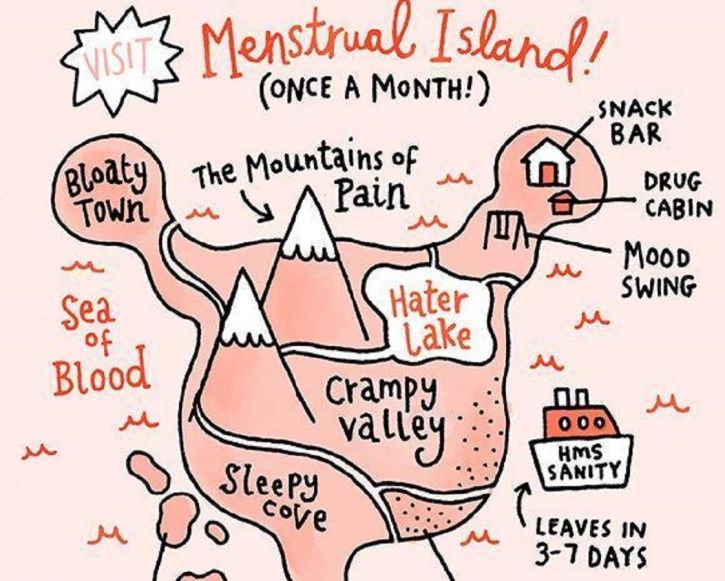
    Two Indian Companies Are Now Endorsing Paid 'Menstrual Leave' For All Their  Women Employees

    Central Idea:

    The article discusses the complex issue of providing paid leave for menstruation, highlighting its potential impact on gender equality and societal perceptions of menstruation. It argues against the implementation of blanket policies, advocating instead for tailored support and inclusivity on a case-by-case basis.

    Key Highlights:

    • Sabrimala Temple Issue: Highlights the struggle against discriminatory practices related to menstruation, emphasizing the need for gender equality.
    • Global Gender Gap: Discusses the widening gender gap globally and its implications on workforce participation and leadership roles for women.
    • Challenges in Implementing Paid Menstrual Leave: Raises concerns about exacerbating gender inequality, social stigma, and potential misuse of leave policies.
    • Case of Japan: Explores the experience of Japan with unpaid menstrual leave and its limited uptake, alongside persisting gender disparities in the workforce.
    • Enforcement Challenges: Cites instances of intrusive enforcement methods and underscores the need for sensitive implementation strategies.
    • Ongoing Struggles for Gender Equality: Highlights various arenas where women continue to fight for equal treatment, including combat roles and pay parity.

    Key Challenges:

    • Social Stigma: Addressing societal taboos and perceptions surrounding menstruation.
    • Gender Equality: Balancing the need for menstrual support with potential impacts on women’s workforce participation and leadership opportunities.
    • Implementation Issues: Ensuring fair and non-intrusive enforcement of leave policies without perpetuating discrimination or abuse.
    • Cultural Sensitivity: Acknowledging diverse experiences and cultural contexts surrounding menstruation.
    • Policy Effectiveness: Assessing the efficacy of paid menstrual leave in addressing menstrual health needs while advancing gender equality.

    Main Terms:

    • Menstruation
    • Gender Gap
    • Paid Leave
    • Gender Equality
    • Social Stigma
    • Workforce Participation

    Important Phrases:

    • “Period shaming”
    • “Blanket biological disadvantage”
    • “Tailoring support”
    • “Inclusivity on a case-by-case basis”
    • “Sensitive implementation strategies”

    Lettering Menstrual Leave In the Constitution

    Did you know?

    • The menstrual cycle can be affected by external factors such as stress, changes in temperature and altitude, and even exposure to certain chemicals and toxins.
    • This can cause changes in the length of the cycle, the intensity of bleeding, and the severity of symptoms.
    • There is also a small percentage of women who experience menorrhagia, which is an excessive bleeding during menstruation. This can be caused by hormonal imbalances, fibroids, endometriosis, and other underlying medical conditions.

    Quotes:

    • “Menstruation is not a disease, but a natural phenomenon.”
    • “Granting special status to menstruation would validate social stigma.”
    • “Recognizing the diverse nature of menstrual experiences is essential.”
    • “Women in Japan are less likely to be employed and often paid lesser.”
    • “Women continue to fight for equal treatment in various arenas.”

    Anecdotes:

    • Sabrimala Temple issue highlighting the struggle against discriminatory practices.
    • Instances of intrusive enforcement methods in Bhuj and Muzzaffarnagar schools.
    • Limited uptake of unpaid menstrual leave in Japan despite its availability for decades.

    Useful Statements:

    • “Paid leave for menstruation could unintentionally widen the gender gap.”
    • “Tailoring support on a case-by-case basis promotes inclusivity and addresses individual needs.”
    • “Sensitive implementation strategies are crucial to prevent discrimination and abuse.”

    Examples and References:

    • Sabrimala Temple issue
    • Global Gender Gap Report 2021
    • Case of Japan and its gender disparities in the workforce
    • Incidents in Bhuj and Muzzaffarnagar schools
    • Ongoing struggles for gender equality in combat roles and pay parity

    Facts and Data:

    • The World Economic Forum’s Global Gender Gap Report 2021.
    • National Family Health Survey (NFHS) report highlighting menstrual health challenges in India.
    • Low uptake of menstrual leave in Japan, with only 0.9% of women availing it.
    • Gender disparities in Japan’s workforce despite higher education levels among women.

    Critical Analysis:

    The article offers a nuanced perspective on the debate surrounding paid menstrual leave, highlighting both its potential benefits and challenges. It critically examines the implications of such policies on gender equality, social stigma, and workforce dynamics, emphasizing the importance of context-sensitive approaches.

    Way Forward:

    • Awareness and Education: Promote awareness and education to combat social stigma and misconceptions surrounding menstruation.
    • Tailored Support: Advocate for tailored support and accommodations for individuals experiencing menstrual challenges, rather than blanket policies.
    • Sensitive Implementation: Develop sensitive implementation strategies to ensure fair and non-discriminatory enforcement of leave policies.
    • Continued Advocacy: Continue advocating for gender equality in all spheres, including combat roles and pay parity, to address systemic inequalities.
  • Uttarakhand UCC is an attempt to control young people’s sexuality

    Uniform Civil Code (UCC): In Uttarakhand

    Central Idea:

    The enactment of the Uniform Civil Code (UCC) in Uttarakhand marks a significant milestone in India, yet it has sparked controversy due to provisions requiring the registration of live-in relationships. This move, while aiming to address concerns over crimes against live-in couples, has raised questions about privacy, personal liberty, and the sanctity of informal relationships.

    Key Highlights:

    • Uttarakhand becomes the first state to implement a Uniform Civil Code under Article 44 of the Constitution.
    • The UCC applies uniformly across religions, excluding tribal populations.
    • Controversial provisions mandate the registration of live-in relationships, blurring the line between informal unions and formal marriages.
    • Critics argue that such provisions infringe upon personal freedom and privacy rights.
    • The law requires partners to register their relationship with the registrar and imposes penalties for non-compliance.
    • The Code extends maintenance rights to women deserted by their live-in partners, similar to married women.
    • Children born in live-in relationships are recognized as legitimate under the proposed law.
    • The UCC applies to Uttarakhand residents both within the state and elsewhere in India.

    Key Challenges:

    • Lack of sufficient discussion and debate in the state legislature and among communities.
    • Potential infringement on individual privacy and personal liberty.
    • Criminalization of non-registration and stringent penalties may discourage young couples from opting for live-in relationships.
    • Misuse of provisions by the registrar and societal interference.
    • Potential infantilization of adult women and erosion of the purpose of informal unions.

    Main Terms:

    • Uniform Civil Code (UCC): A set of laws aimed at standardizing personal laws across different religious communities in India.
    • Live-in Relationship: Cohabitation between partners without formal marriage.
    • Registration: Formal documentation of a live-in relationship with the registrar.
    • Maintenance: Financial support provided by one partner to another after separation or desertion.
    • Legitimate Child: A child born to parents in a legally recognized relationship.
    • Summary Inquiry: An expedited investigation conducted by the registrar to validate live-in relationships.

    Important Phrases:

    • “Relationship in the nature of marriage”: Describes the criteria for a live-in relationship under the UCC.
    • “Deserted by her live-in partner”: Refers to the condition for claiming maintenance under the proposed law.
    • “Summary inquiry”: Procedure conducted by the registrar to validate live-in relationships.

    Quotes:

    • “Concerns over heinous crimes among live-in couples” – State official citing the rationale behind registration provisions.
    • “Protection of youngsters is also important” – Official highlighting the intention to safeguard individuals, particularly women.
    • “When women in relationships ‘in the nature of marriage’ complain of domestic violence, they are entitled to claim maintenance” – Highlighting existing legal provisions for protection.

    Anecdotes:

    • Reports of incidents influencing public opinion during expert committee consultations.
    • Concerns raised by parents and elders during public consultations regarding the need for legal protection.

    Useful Statements:

    • The registration requirement may erode the autonomy of individuals in choosing their relationship structures.
    • Existing legal frameworks, such as the Domestic Violence Act, already provide protection for individuals in live-in relationships.
    • The provision for summary inquiries by registrars raises concerns about potential misuse and infringement on privacy rights.

    Examples and References:

    • Instances of crimes against live-in couples cited as driving factors behind registration provisions.
    • Comparisons drawn between the UCC’s treatment of live-in relationships and existing marriage laws.

    Facts and Data:

    • Uttarakhand is the first state to enact a Uniform Civil Code.
    • Penalties for non-registration and desertion in live-in relationships include fines and imprisonment.
    • The UCC extends maintenance rights to women in live-in relationships.

    Critical Analysis:

    • The UCC’s registration requirements may contradict the essence of informal unions and infringe upon personal liberties.
    • Concerns over misuse of provisions by authorities and societal interference raise questions about the law’s effectiveness and fairness.
    • The proposed UCC may fail to address the root causes of crimes against live-in couples and could deter individuals from opting for such relationships.

    Way Forward:

    • Engage in comprehensive discussions and debates to address concerns and refine provisions of the UCC.
    • Ensure that laws prioritize individual freedoms while providing necessary protections.
    • Consider alternative approaches to addressing crimes against live-in couples, focusing on prevention and support mechanisms rather than punitive measures.

    In conclusion, while the implementation of a Uniform Civil Code in Uttarakhand signifies progress towards legal standardization, provisions regarding the registration of live-in relationships raise complex issues regarding privacy, personal liberty, and the sanctity of informal unions. It is imperative to address these concerns through informed dialogue and thoughtful policymaking to strike a balance between protection and individual autonomy.

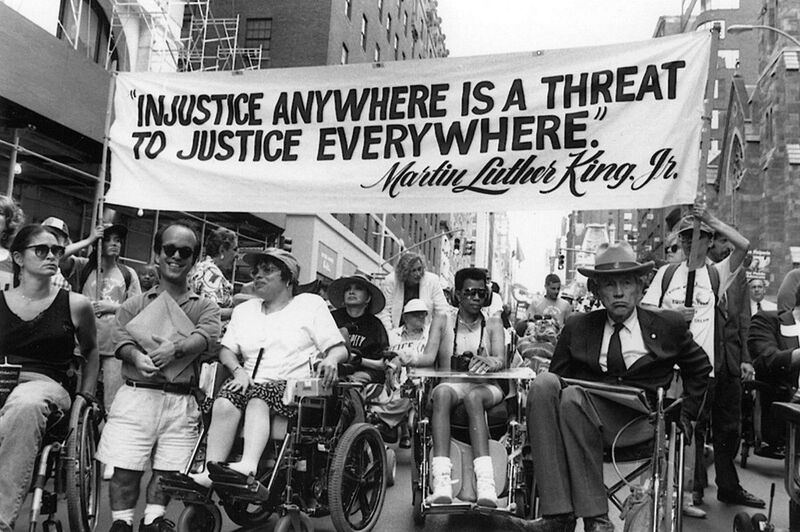
  • Structured negotiation as a boost for disability rights

    Civil and Disability Rights in the USA | Rocky Mountain ADA

    Central Idea:

    Structured negotiation is an effective and collaborative approach for resolving disputes, particularly in disability rights cases. It emphasizes a win-win situation where defaulting service providers avoid the drawbacks of litigation, and complainants achieve barrier-free access to services.

    Key Highlights:

    • Success in addressing issues like inaccessible ATMs, point of sale devices, and websites.
    • Convincing major companies like Walmart, CVS, and Caremark to create accessible prescription bottles.
    • Driving institutional reform for more accessible voting machines and websites.
    • Win-win situation: Service providers avoid litigation costs, complainants gain accessible services.
    • Relies on a strong body of disabled-friendly legal precedents for success.

    Key Challenges:

    • Red tape and bureaucracy in Indian civil courts dissuading traditional dispute resolution methods.
    • PayTM incident highlights the challenge of real-time accessibility and constant vigilance.
    • Success depends on the willingness of service providers to prioritize the needs of persons with disabilities.

    Key Terms:

    • Structured negotiation
    • Disability rights, Litigation
    • Accessibility
    • Compliance
    • Win-win situation
    • PayTM
    • Alternative dispute resolution

    Key Phrases:

    • “Win-win situation”
    • “Barrier-free participation in the marketplace”
    • “Constant vigilance and user inputs”
    • “Level of priority from service providers”
    • “Enormous buying capacity of persons with disabilities”

    Key Quotes:

    • “Optimism is the faith that leads to achievement.” – Helen Keller

    Key Statements:

    • Structured negotiation offers a pathway for businesses to ensure accessibility without litigation.
    • Red tape in Indian civil courts poses a challenge to traditional dispute resolution.

    Key Examples and References:

    • Walmart, CVS, and Caremark creating accessible prescription bottles.
    • CCPD directing PayTM to make its mobile applications accessible.

    Key Facts:

    • Success in addressing issues related to ATMs, point of sale devices, and websites.
    • PayTM incident revealing challenges in real-time accessibility.

    Critical Analysis:

    Structured negotiation’s success relies on creating a strong foundation of disabled-friendly legal precedents. The challenges of bureaucracy and the need for constant vigilance in real-time accessibility highlight the potential limitations. The willingness of service providers to prioritize persons with disabilities is crucial for the model’s effectiveness.

    Way Forward:

    Businesses in India should prioritize the needs of disabled users and consider structured negotiation as a powerful step. The enormous buying capacity of persons with disabilities should be recognized, urging businesses to embrace accessibility for both legal compliance and economic benefits.

  • What Tavleen Singh doesn’t get: Reservation is the oxygen for my uphill journey


    Central idea 

    The article challenges the call for the end of all reservations, emphasizing the nuanced discourse surrounding affirmative action. It highlights the generational struggle and trauma faced by reserved category individuals, countering perceptions of reservations as “freebies.” The central idea revolves around the ongoing need for reservations to address deep-rooted discrimination and foster a more inclusive society.


    Key Highlights:

    • The article challenges the call for the end of all reservations, criticizing the oversimplification of affirmative action discourse as mere controversy.
    • It emphasizes the generational struggle and trauma faced by reserved category individuals, countering the perception of reservations as “freebies.”
    • Dehumanizing language and casual derogatory remarks against those benefiting from reservations are highlighted, underscoring the need for dignity and respect.

    Key Challenges:

    • The article addresses challenges related to the continued discrimination faced by reserved category individuals, both socially and economically.
    • The entrenched influence of caste in societal structures and the unequal distribution of social, cultural, and economic capital pose ongoing challenges.

    Key Terms:

    • Reservations: Affirmative action policies providing opportunities for marginalized communities.
    • Caste Dynamics: The complex interplay of caste-related factors in societal structures.
    • Discrimination: Unfair treatment based on caste, leading to social and economic disparities.

    Key Phrases:

    • “Controversial stance on reservation.”
    • “Generations of struggle and trauma.”
    • “Dehumanizing chatter and derogatory remarks.”
    • “Caste’s embedded influence.”

    Key Quotes:

    • “Reservation is a tool for affirmative action and a historical necessity for India.”
    • “It is about giving respect, not just about ensuring financial or political equality.”
    • “Reservations should continue as long as there is discrimination in society.”

    Anecdotes:

    • Personal stories of individuals facing discrimination and struggles to access educational opportunities are mentioned.
    • Instances of derogatory remarks and social isolation experienced by those benefitting from reservations are highlighted.

    Key Statements:

    • “Reservations are essential tools for creating a more inclusive society.”
    • “Economic criteria alone cannot address the complexity of caste-based discrimination.”
    • “Reservations contribute to breaking the cycle of oppression and fostering upward mobility.”

    Key Examples and References:

    • Examples of individuals from reserved categories making strides in prestigious institutions.
    • Reference to RSS chief Mohan Bhagwat’s stance on the importance of reservations until discrimination ceases in society.

    Critical Analysis:

    • The article provides a nuanced perspective on reservations, challenging stereotypes and advocating for their continued importance.
    • It effectively critiques the oversimplified view of reservations as controversial, emphasizing the deeper societal challenges faced by reserved category individuals.

    Way Forward:

    • The article suggests ongoing discussions on reservation reforms while simultaneously engaging with persisting inequality and discrimination.
    • Advocates for the continued implementation of reservations until discrimination ceases, echoing the sentiment of respecting the dignity of marginalized individuals.
  • Women’s political empowerment — more talk, less action


    Women's Reservation Bill: A Long Road Ahead - Civilsdaily

    Central Idea

    Political empowerment of women in India faces challenges despite the 2023 women reservation Act, with recent Assembly elections showing inadequate efforts by political parties to field more women candidates.

    Key Highlights:

    • Two routes for women’s political empowerment: legislative reservation and quotas within political parties.
    • Examples from Nepal, Bangladesh, and Pakistan using legislative reservation.
    • Countries like Australia, Canada, South Africa, and Sweden achieve women’s representation without legislatively-backed quotas.
    • In India, the 2023 Act reserves 33% seats for women in State Assemblies and Parliament.
    • Despite the Act, recent Assembly elections show insufficient commitment from political parties.

    Key Challenges:

    • In Madhya Pradesh, BJP and Congress fielded 28 and 30 women candidates, respectively, out of 230 seats after the Act.
    • Telangana sees minimal increase, with BJP and Congress fielding 12 women candidates each out of 119 seats.
    • No party in any state reaches the mandated 33% mark for women candidates.
    • Despite innovative moves like Congress reserving 40% seats in UP in 2022, overall progress is lacking.
    • TMC’s success in Odisha and West Bengal suggests regional parties are more proactive in women’s political representation.

    Key Facts and Data:

    • Act passed in Lok Sabha with significant majority, only two opposing members.
    • In Uttar Pradesh 2022 elections, Congress reserved 40% seats for women, a bold move.
    • BJD and TMC’s success in Odisha and West Bengal elections with more women candidates.

    Critical Analysis:

    • The Act, though commendable, looks good on paper due to its linkage with delimitation after 2026.
    • Regional parties like TMC have shown commitment and won with more women candidates, questioning the reluctance of national parties.

    Way Forward:

    • National and regional parties need to demonstrate genuine commitment to women’s political empowerment by increasing the number of women candidates.
    • Learning from the success of regional parties like TMC, other political entities should actively promote and support women in politics.
    • Continuous monitoring and public discourse can encourage political parties to fulfill their commitment to women’s representation.

    While the enactment of the 2023 women reservation Act is a positive step, recent Assembly elections reveal a gap between legislation and action, with political parties showing reluctance to genuinely empower women in politics. Continuous efforts and monitoring are crucial for bridging this gap and ensuring meaningful representation.