💥Join UPSC 2027,2028 Mentorship (July Batch) + XFactor Notes & Microthemes PDF

Category: Burning Issues

  • [Burning Issue] Water Crisis

    India faces worst water crisis: NITI Aayog

    http://www.thehindu.com/sci-tech/energy-and-environment/4s5bm5/article24165706.ece/alternates/FREE_615/TH15Index%20scorescol

    Latest News

    1. The NITI Aayog released the results of a study warning that India is facing its ‘worst’ water crisis in history and that demand for potable water will outstrip supply by 2030 if steps are not taken.
    2. Nearly 600 million Indians faced high to extreme water stress and about 2,00,000 people died every year due to inadequate access to safe water.
    3. Twenty-one cities, including Delhi, Bengaluru, Chennai and Hyderabad will run out of groundwater by 2020, affecting 100 million people, the study noted.
    4. If matters are to continue, there will be a 6% loss in the country’s Gross Domestic Product (GDP) by 2050, the report says.

    Ranking the States

    1. The NITI Aayog’s observations are part of a study that ranked 24 States on how well they managed their water.
    2. Gujarat, Andhra Pradesh and Madhya Pradesh took the top three spots, in that order, and Jharkhand, Bihar and Haryana came in last in the ‘Non-Himalayan States’ category.
    3. Himachal Pradesh — which is facing one of its worst water crises this year — led a separate 8-member list of States clubbed together as ‘North-Eastern and Himalayan.
    4. These two categories were made to account for different hydrological conditions across the two groups.

    Low performers

    1. About 60% of the States were marked as “low performers” and this was cause for “alarm,” according to the report.
    2. Many of the States that performed badly on the index — Uttar Pradesh, Odisha, Chhattisgarh — which accounted for 20-30% of India’s agricultural output.

    Conservation counts, not Scarcity

    1. The index noted, several of the high and medium performers — Gujarat, Madhya Pradesh, Andhra Pradesh, Karnataka, Maharashtra and Telangana — irrespective of droughts in recent years.
    2. Therefore, a lack of water was not necessary grounds for States not initiating action on conservation.
    3. Most of the gains registered by the States were due to their restoration of surface water bodies, watershed development activities and rural water supply provision

    Reasons for scarcity

    Lack of pricing of water: There has been an effort to develop sustainable water supplies in India in recent years with water conservation legislation existing in 80 per cent of the country.

    However, poor data management and an abject failure to properly price water have prevented the country from making any significant progress.

    Drought in better performing states: In what could serve as encouragement to step up the pursuit of policies to better conserve water, several water-scarce states are the best at managing the resource. Some of the best performers in the national composite water index – Gujarat, Madhya Pradesh, Andhra Pradesh, Karnataka, Maharashtra, Telangana – are states that have suffered from severe droughts in recent years.

    Populist policy: “Policies like several states giving free electricity to farmers or giving financial support for groundwater extraction – borewells and tubewells – results in uncontrolled exploitation and wastage of resource.

    Failure of drip irrigation: Drip irrigation, a method that means farmers use drastically less fertiliser and diesel, has failed to become popular and its implementation is expensive for most people with state governments providing limited support.

    Erratic monsoon and climate change:

    https://qph.ec.quoracdn.net/main-qimg-be0227bb1217e1f01a9e3ff12048c561

    1. Climate change is a real global challenge today that is altering the water cycle in the worst way possible.
    2. Increased temperature, droughts, river drying and insufficient monsoon to replenish the groundwater has become one of the greatest cause of water scarcity in India.

    Poor planning and Leakage:

    1. This is one of the greatest reason for the Shimla water crisis happening now as some reports state that around 20–25% of water is wasted due to the leakage in the pipelines.
    2. Delhi wastes around 40% of its water by leakage problems.
    3. India wastes considerably a lot of water as leakage in pumping and distribution.
    4. When water is becoming such a scarce resource, wasting it by sheer negligence in the maintenance of pipelines indeed a big offence.

    Improper wastewater treatment:

    1. In India, there is no policy support for recycling and reuse of the industrial wastewater contrary to other countries that have proper guidelines on wastewater management. Israel uses about 86% of its treated waste water in agriculture.
    2. 70% of urban sewage in India is untreated and is disposed of directly to the water bodies that creates quite a lot of health and environmental concerns.
    3. The National Water Mission aims at increasing the water use efficiency by 20%, but still this is much less than the developed countries of the world.

    The Way Forward

    1. India’s traditional irrigation method involves more water consumption. Drip irrigation which is already in practice in India needs to be practised efficiently across the country which will reduce the water usage in agriculture. A lot of revolutionary methods has to be implemented in Indian agriculture to overcome the water crisis.
    2. Wastewater recycle to save our water bodies: As we know, most of our water bodies are polluted because of wastewater released by textile and industries which in turn got mixed up and resulted in polluting the water bodies. Like Israel, India should also take necessary steps to recycle the wastewater and reuse for agriculture and industrial activities.
    3. Extracting water from air and fog are the futuristic technologies: Indian government should invest in these technologies which can be implemented in suitable areas. For eg: extracting water from fog can be done in Himachal Pradesh, Jammu & Kashmir, Assam etc.
    4. Desalination: We have seen states like Tamil Nadu, worst hit by drought during this summer. Many parts of TN has sea and setting up desalination plants like Israel’s solar-powered desalination plants will help in overcoming the water crisis.
    5. To prevent leakage, a Proper team with skilled workers should be assigned the job of maintenance and repair of the pipelines. Smart metering and leakage detection system should be designed to check the water wastage in the transmission.

    Other steps needed

    • Rainwater harvesting
    • Restoring and maintaining our water bodies
    • Growing trees
    • Mandatory Water recycling in all the apartments, industries and textiles.
    • Reusing the wastewater from RO. During the RO purification process, nearly 70% of water gets wasted. We can store and reuse it.
    • Creating social awareness among the people about the effective use of water.
    • Revolutionize the agriculture practice.

    Question

    1. According to NITI Aayog, India is facing her worst water crisis. Elaborate. What steps can be taken to avert a catastrophe?
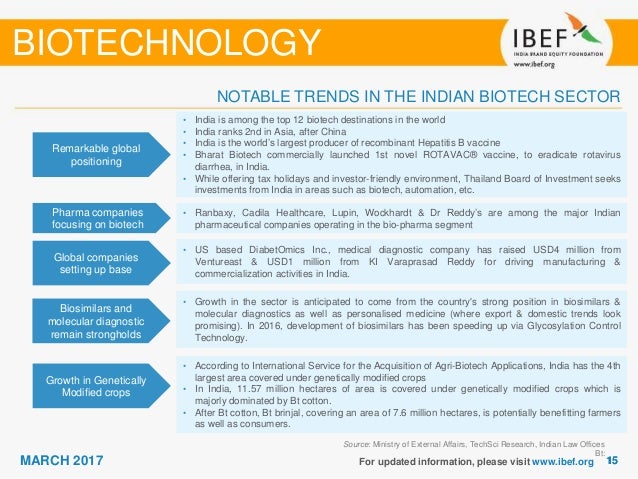
  • [Burning Issue] Applications of Biotechnology in India

    Related image

    What is Biotechnology?

    Biotechnology refers to the industrial use of micro-organism, living plant and animal cells to produce substances useful to the people. It includes the manufacture of antibiotics, vitamins, vaccines, toxic waste disposal systems using microbes etc.

    Biotechnology sector in India

    1. Indian biotechnology sector has crossed the $ 3 billion milestones and is growing at the rate of more than 30% over the last few years.  
    2. There is also a general perspective that India could even achieve the target of attaining $20 billion by 2020.

    Applications of Biotechnology in India

    Image result for applications of biotechnology in india

    Agriculture

    1. Biotechnology revolutionized research activities in agriculture which include tissue culture in plants, the creation of new transgenic plants and animals which eventually used as bio-reactors to produce the drug from their milk, food etc.
    2. Genetic engineering accelerates improvements in plants by increasing the diversity of the gene pool. It has also helped in the production of plants that have
    • a short maturing period
    • higher yield
    • potential to promote food production even in adverse conditions like drought, salinity etc.

    Indian scientists have also come up with an inexpensive algal bio-fertilizer technology for rice.

    Animal husbandry

    1. Biotechnology is used in the production of the physiological system, embryos transfer, health and well-being of animals.
    2. Indian scientists have developed a procedure for producing several identical buffalo by using the nuclear transfer technique.

    Human health

    1. Biotechnology has enabled the production of human insulin through microbes, human growth hormone etc.
    2. Diagnostic kits to diagnose viral infections, hepatitis B etc.

    Industry

    1. In the Industrial sector biotechnology has been used for the production of high fructose corn syrup, sweetening agent for soft drinks, improving the production of alcohol, production of the chemical from agricultural waste etc.

    Environment

    1. Biotechnology applications have been successfully made in the treatment of wastes.
    2. An important achievement was made when the Indian borne Anand Chakraborty designed a bacterium Pseudomonas putida that could feed on oil which is of great economic and environmental importance in the battle against oil slicks.

    Measures taken

    1. The Indian government has been very supportive to the Biotech sector and the National Biotechnology Development Strategy has been approved.
    2. A new patent regime is in place and the regulatory system is being beefed up.
    3. The public involvement in biotech investments has been strengthened through the small business innovation research initiative of the Department of Biotechnology.
    4. The Department of Biotechnology has also committed to spending 30% of its budget on public-private partnership programmes in Biotechnology.  
    5. Biotechnology has also been promoted through emphasizing on higher education, establishing 16 new national level universities, 8 new Indian Institute of Technology and 4 new Indian Institutes of Science, Education and Research etc.
    6. Several new interface programmes to connect academic with industry in order to bridge the knowledge to the market chain.

    Challenges

    1. Companies have not been able to launch new products at a significant pace because of bureaucratic red-tape and multiple regulatory bodies.
    2. Innovative companies face funding constraints since the investors have shied away from early-stage ventures.
    3. Another issue is the lack of trained manpower. While India has a considerable number of graduates and postgraduates in biotechnology and related fields, they are not employable. Thus companies have to invest heavily in their training before incorporating them into the business.
    4. India also suffers from brain drain. Top global biotech companies are able to poach the brightest Indian minds with attractive job profiles and good remuneration.
    5. Lack of manufacturing capacity. Several biotech parks (established through PPPs) are solely focused on providing biotech services and diagnostics rather than pure biotech manufacturing.

    Way forward

    1. India is already facing tough competition from China, Korea, Singapore, and Malaysia in terms of attracting investments. Therefore, it is high time that India should enable better technological and scientific competence, better infrastructure, tax and duty exemptions, better course structure, and easier regulatory procedures in order to remain competitive and spur growth in the industry.
    2. The biotech industry should come up with a concrete action plan to effectively utilize the available infrastructure and resources and focus on strengthening innovation to take the biotech industry to new heights.
    3. The government must promote the domestic biotech industry through steps like venture capital, industry-academia link, entrepreneurship incubation centres etc.

    Practice question

    1. Discuss the various applications of Biotechnology in India and analyse its growth potential with reference to initiatives taken by the government regarding the same
  • [Burning Issue] Double Burden of Malnutrition in India

    Related image

    Double Burden of Malnutrition

    • The increasing income differences have widened the gap between the rich and poor and thus has put India in a position in which it was not before.
    • Malnutrition in India has always been synonymous with undernutrition.
    • But obesity among adults is nearly as big a problem in the country as under-nutrition.
    • Even as under-nutrition continues to remain extraordinarily high in the poorer parts of the country, obesity has reached endemic levels in some of the richer parts of the country
    • Thus the present situation is a perfect example of the paradoxical situation, popularly known as the Double Burden of Malnutrition (DBM).
    • A study by medical journal Lancet has raised concern about this double burden of malnutrition in India.
    • At the same time, a report was also released by the National Nutrition Monitoring Bureau (NNMB) to understand the current nutritional status of urban population in India.
    • India has the second highest number of obese children in the world after China.
    • At the same time, India has the highest number of moderately and severely underweight children and adolescents in the world.
    • The twin problem of high malnutrition and growing obesity may have a common cause: a high proportion of low birth weight babies in India.
    • The stark nutritional divide across the country mirrors the uneven growth and development across the country.

    Lancet Report

    • According to the Lancet, India has the highest number of moderately and severely underweight children and adolescents in the world.
    • In the report, it showed that the prevalence of mild to severe underweight under-20s in India is 22.7% among girls and 30.7% among boys.
    • The number of obese children and adolescents rose from 11 million in 1975 to 124 million in 2016 globally.  
    • In this trend, India will have more obese than underweight children by 2022.  
    • In India deaths due to non-communicable diseases (NCDs) are rising alarmingly.  
    • One in 12 deaths can be prevented with 30 minutes of physical activity 5 days a week.

    NNMB report of India  

    • The states having highest obesity rates are: Rajasthan, Kerala, Gujarat, New Delhi, Tamil Nadu, Puducherry
    • Cases of hypertension, high cholesterol levels, diabetes in urban population are rising.
    • Kerala has the highest prevalence of hypertension as well as high cholesterol in urban men and women while Puducherry has highest prevalence of diabetes.  
    • Only 57% of children between the ages of 1-3 years & 68% of those between 4-6 years consumed adequate amounts of proteins and calories.  
    • 34% of men and 44% of women are overweight in India.
    • 13% of men & 11% of women are underweight in India.  
    • 16% of children were born with low birth weight (LBW) in Urban areas which puts them at risk for infections and even early death.

    Impact of Double Burden of Malnutrition

    • The double malnutrition trap can be particularly dangerous for India, where urban populations are rising, and where people increasingly face a sedentary lifestyle.
    • The World Bank estimated that the annual cost of malnutrition to the world economy is approximately $80 billion.
    • The direct cost to the Indian economy is around $10 billion, and the total costs, direct and indirect, at 2-3% of GDP.
    • It would affect the working conditions of the people.
    • With every case of obesity or malnutrition in children, India is being dragged back in its growth trajectory.
    • The government would need to spend more on health sector which may led to affect other welfare programs.
    • DBM will put pressure on already fragile health systems in India by posing a high risk of chronic diseases such as cardiovascular diseases, diabetes and some cancers (clubbed together as non-communicable diseases, or NCDs).
    • At the same time, we will be losing out on a healthy and well nourished workforce.

    Obesity in India

    Reasons for Obesity

    • Not taking recommended daily intake (RDI) despite improvement in nutritional status  
    • Although cereal consumption has reduced in compared to 3 decades ago but intake of fat, sugar and oil have increased.
    • 63% of men and 72% of women work for 8 hours per day but they lead a sedentary life.  
    • No proper regime of eating, sleeping & doing physical activity is followed.
    • Traditional foods are being replaced with packed & processed foods.  
    • Only 28% of men & 15% of women exercised in the surveyed states.
    • Increasing tobacco & alcohol consumption in men & women.

    Issues related to child obesity 

    • Identification of obesity – in early years is not done as the obese child is often thought of as a healthy child by parents.  
    • Unawareness – about the diet patterns, physical activity habits etc. which leads to developing of an unhealthy environment around children.  
    • Increased income and urbanization – leads to a rise in the consumption of foods high in fats, sugar and salt and low physical activity.  
    • Poor sleep patterns – It also intensifies the effects of genetic risk for obesity  
    • Moderate wasting and stunting – These are also potential risk factors for children becoming overweight or obese.  
    • Major risk of NCDs – such as cardiovascular disease, diabetes, premature death, as well as physical and psychological consequences in childhood.  
    • Economic cost – The annual cost of treating the consequences of obesity will reach a staggering $13 billion in India and $1.2 trillion globally by 2025.

    What Do WHO Guidelines Say:

    • Height-weight measurement – The weight-for-height and their nutritional status of all infants and children aged less than 5 years at primary health-care facilities should be determined to enable comparing with WHO child growth standards.  
    • Counselling – If identified as overweight, counselling should be provided to parents and caregivers on nutrition, eating habits and physical activity including promotion for breastfeeding.  
    • Obesity management plan – If identified as obese, an appropriate management plan should be developed after further assessment by the health worker at the primary health-care level or an adequately trained professional at a referral clinic or local hospital.  
    • Focus on prevention – and not on providing formulated supplementary foods on a routine basis to children who are moderately wasted or stunted until there is a more definitive evidence base.  
    • Tackle obesogenic environment – By preventing high energy intake and inactive behavior and change the social norms in relation to food and physical activity.
    • Improving Public policy formulation such as Hungary does heavy taxation on high salty foods.
    • Regulation of marketing and promotion of unhealthy foods particularly those targeted at children that are high in salt, sugar and fat  
    • Labelling – the role of positive front of pack and standardized global nutrient labelling on packaged foods may help in promotion of healthy foods and lifestyle.

    Malnutrition in India

    Reasons for Malnutrition

    • Extremely low incomes – Many of the rural poor survive at incomes, which are not more than Rs 30 a day. they are unable to afford even two square meals a day.
    • Artificially inflated food prices – The market prices of essential food items are way above actual production costs, primarily on account of supply chain inefficiencies and practices like black marketing, hoarding.
    • Lack of storage facility at centre as well as state level is below standard as a result of which almost 40% of fruits/vegetables and 20% of grains get damaged.
    • With less food in market .the price goes up and the poor finds it difficult to afford it.
    • Neglect of female nutrition – In rural societies, patriarchal norms continues unabated. Thus, young girls, newly married women are overworked and denied access to food, which affects their health and that of their newborns.
    • Failure of government sector schemes – Despite massive government interventions through NFSA, PDS, the benefits have not reached the needy due to leakages, corruption and mistargeting of subsidies.

    Impact of malnutrition

    • Undernourished children have significantly lower chances of survival than children who are well-nourished.
    • They are much more prone to serious infections and to die from common childhood illnesses such as diarrhoea, measles, malaria, pneumonia, and HIV and AIDS.
    • The risk of death increases with the severity of the undernutrition.
    • Nutrition is important to ensure proper brain formation and development, which starts in the womb: development of the brain goes on during early childhood.
    • Evidence suggests that children who are stunted often enrol late in school, complete fewer grades and perform less well in school.
    • This, in turn, affects their creativity and productivity in later life. Iodine deficiency is known to affect a child’s Intelligence Quotient (IQ) adversely.
    • It has also been established that children with deficient growth before age two are at an increased risk of chronic disease as adults, especially if they gain weight rapidly in the later stages of childhood.
    • A low birth weight baby, who is stunted and underweight in its infancy and gains weight rapidly in childhood and adult life, is much more prone to chronic conditions such as cardiovascular disease and diabetes.

    Steps Government is taking to tackle malnutrition

    • Expanded the safety net through ICDS to cover all vulnerable groups (children, adolescent girls, mothers, expectant women).
    • Fortify essential foods with appropriate nutrients (e.g., salt with iodine and/or iron).
    • Popularise low cost nutritious food.
    • Mid-day Meal Programme.
    • Ensure food security through increased production of food grains
    • Improve dietary pattern by promoting production and increasing per capita availability of nutritionally rich food
    • Affecting income transfers (improve purchasing power of landless, rural and urban poor; expand and improve public distribution system)
    • Recently Government has launched the National nutrition mission

    What more is needed

    • Promotion of appropriate infant and young child feeding habits along with timely immunisation.
    • Empower women because they are the best caretakers when it comes to nutrition of their children and they know exactly what is the nutritional requirement of the child.
    • Use of biotechnology with proper safeguards like fortification of grains and promotion of coarse grains and pulses
    • Prevention of anaemia in adolescent girls and pregnant women through nutritional programmes with iron and folic acid and deworming
    • Capacity building of anganwadi workers
    • Child specific growth monitoring cards
    • Introduction of BMI and other index for assessing nutritional status at the anganwadi levels.
    • National health and sanitation committees to monitor nutrition programmes by conducting national health and nutrition days

    Conclusion

    • Tackling obesity benefits the economy and the environment, as healthy and sustainable diets are good for productivity levels and the planet
    • While tackling undernutrition through assurance of adequate nutrition (usually interpreted as dietary calories), we need to ensure that it is also about appropriate nutrition (the right balance of nutrients)
    • Our policy response has to move from “food security” to “nutrition security”.

    There is the need to revisit the existing nutrition action plans to simultaneously address undernutrition and these emerging non-communicable diseases related to obesity

    India is fortunate to have these indicators included in the national health surveys, at a disaggregated enough level to initiate local actions to understand and address this major health challenge

    These guidelines will support achieving the SDGs, the global targets set by the Comprehensive implementation plan on maternal, infant and young child nutrition, and the Global strategy for women’s, children’s and adolescents’ health 2016–2030.

  • [Burning Issue] African Asian Rural Development Organisation (AARDO)

    About AARDO

    1. AARDO was formed in 1962 as an autonomous inter-governmental organization and has 33 members from Asia and Africa.
    2. It is headquartered in New Delhi.
    3. The main objectives of AARDO are
    • Developing understanding among members for better appreciation of each other’s problems
    • To collectively explore opportunities for coordination of efforts in promoting welfare and eradication of thirst, hunger, illiteracy, disease, and poverty amongst rural people.
    1. AARDO also promotes collaboration with various international organizations for the economic and social welfare of the rural community.
    2. It enjoys observer status in FAO, IFAD, UNCTAD, UNESCO, ICA, CIRDAP and UNDP.

    Functions of AARDO

    1. To hold regional and international conferences, workshops, seminars and meetings to enable the exchange of ideas and experiences among the member countries and to find new areas of collaboration.
    2. To organize and facilitate the conduct of regional, international and in-country training programmes to strengthen the institutional capacity of member countries in sustainable agriculture and rural development and promote networking among these countries.
    3. To initiate research and studies of common interest and disseminate data/statistics and information to member countries.
    4. To provide technical and financial support to its member countries for undertaking pilot projects for experimentation and replication.
    5. To promote dissemination of information on agriculture and rural development through the multi-media approach.
    6. To pursue environment and climate changes in the context of rural development.

    India and AARDO

    1. India is one of the founder members of AARDO and is the largest contributor in terms of membership contribution.
    2. India also provided funds for building for AARDO secretariat in Delhi and also significant financial assistance for maintenance of the building.
    3. It also offered 70 fully paid training scholarships for human resource development programme for AARDO under the Indian Technical and Economic Cooperation Programme (ITEC) to the organization.
    4. In 2016, India and AARDO signed MoU under which capacity building programmes for AARDO member countries for the triennium 2015-2017 had been undertaken.
    5. Recently India and AARDO held a workshop in Kochi that focussed on food security, agriculture, and fisheries.

    Way forward

    Considering the growing competition between India and China in the African continent, an effective coordination and cooperation with AARDO will prove to be an effective driver in bringing the mutually beneficial relationship with several African countries and ensure sustainable development for both.

    Practice Questions

    1. Give a brief account on African Asian Rural Development Organisation (AARDO) and evaluate the relationship between India and AARDO.
  • [Burning Issue] IPC Section 377

    Image result for ipc section 377

    Introduction

    1. For most of human history, homosexuality has been considered a sin across religions and was punished severely.
    2. While earlier perceived as a psychological problem, a dominant view emerged  in the 20th century, that homosexuality was inborn and therefore not immoral, and it was not a disease.
    3. However, even in the 21st century, there is still no unanimity on the issues and resistance persists, despite it being decriminalised in many countries.
    4. In India, its Section 377 of the Indian Penal Code, a biblical provision of law in 1861, criminalized sexual activities “against the order of nature”, including homosexual activities.

    Section 377 of the IPC

    1. It reads – Unnatural offences: Whoever voluntarily has carnal intercourse against the order of nature with any man, woman or animal shall be punished with imprisonment for life, or with imprisonment of either description for a term which may extend to ten years, and shall also be liable to fine.
    2. The terms “carnal intercourse” and “against the order of nature” are not defined precisely anywhere in the code.

    Delhi HC exclusion: Naz Foundation Vs. Govt of NCT of Delhi

    1. In a landmark judgement in 2009, the Delhi high court excluded acts of carnal intercourse by consenting adults in private from the purview of Sec 377.
    2. The court found Section 377 to be inconsistent with the fundamental rights under Article 13(1) of the Constitution.
    3. Additionally, it was found to be in violation of the right to privacy and dignity (Article 21), freedom of expression and right to equality (Article 19 (1) and Articles 14 and 15)

    SC upholds the validity of 377 in 2013: Kaushal Kumar vs. Naz Foundation

    1. It set aside the 2009 judgement of the Delhi High Court stating that judicial intervention was not required in this issue. This in effect recriminalized sexual intercourse “against the order of nature”.
    2. The bench took a literal and technical view rather than the wider sweep that the Delhi high court had applied.

    NALSA judgement, 2014

    The SC held that-

    1. ‘Transgenders’, even though insignificant in numbers, are entitled to human rights.
    2. Sec 377 had been an instrument of harassment and abuse.
    3. Advocated the adoption of the Yogyakarta Principles (norms on gender identity and sexual orientation adopted by human rights experts in 2006)
    4. It was unreasonable to advance the view that constitutional protection is available to a group based on its size.

    SC favours Individual Privacy: Puttaswamy vs. Union of India Case

    1. In review petition, the SC ruled that “sexual orientation” is an essential attribute of “identity” and “privacy”.
    2. It termed discrimination on the basis of sexual orientation as “deeply offensive to the dignity and self-worth of the individual”.
    3. It recognised that the rights of India’s sexual minorities are founded on “sound constitutional doctrine” effectively making Section 377 unsustainable.
    4. In principle, it maintains that sexual orientation must be protected and lies at the heart of the fundamental rights guaranteed by the Constitution under Articles 14, 15 and 21.

    Should Sec 377 be repealed?

    Yes, because

    1. It is discriminatory. It violates rights granted under Art. 14, 15 and 21 of the constitution.
    2. A person’s freedom and natural inclination cannot be atrophied unless the restrictions are determined as reasonable.
    3. Public health evidence indicates a clear relationship between lack of social acceptance and legal rights with substance abuse, violence, isolation, and mental illness. This violates a person’s right to a healthy and dignified life.
    4. It causes great humiliation and harassment. LGBTs face a constant threat of blackmail (by acquaintances) and arrest. Life becomes humiliating, as the LGBT are socially ridiculed and mocked at.
    5. Global trends show that many countries, including France, Spain, Canada, the US, Britain, Nepal etc have decriminalised homosexuality. India is among the conservation group including Afghanistan, Pakistan, Saudi Arabia etc.

    No, because

    1. It is against the law of nature, which supports sexual intimacy only between a male and a female.
    2. Many child rights activists claim that Sec 377 is a deterrent against sexual abuse of children.
    3. It violates the moral code of most religions.
    4. Public display of (homosexual) affection can cause great unease in conservative societies like India.

    Way Forward

    1. The argument against Sec 377 must, ideally, be based on the right to equality (and non-discrimination) and not just on the right to privacy.
    2. A rights-based framework is intricately tied up with India’s quest for social and economic development. LGBTs must have equal rights in a democracy. They deserve a dignified life.
    3. Public display of affection should be tempered by reasonable restrictions.
    4. Judiciary needs to expand the ambit of this discussion to include other issues such as the right to form partnerships, inheritance, employment equality, protection from gender-identity-based discrimination etc.
    5. The norms on gender identity and sexual orientation adopted by human rights experts in 2006 in Indonesia, known as Yogyakarta Principles should be adopted.
  • [Burning Issue] Should the Office of Governor be scrapped?

    Image result for abolish governor office india

    Why in news?

    The office of Governor came under scanner recently in Karnataka when instead of inviting the post-poll alliance partners which had the number in the floor of the house, the Governor invited the single largest party which was way short of the majority. The role of Governor also came into the scanner in Goa, Uttarakhand and Arunachal Pradesh.

    Appointment of Governor

    • The governor is head of the state.
    • The governor is neither directly elected by the people nor elected a specially constituted electoral college.
    • The governor is directly appointed by the President. Thus, he is considered to be a nominee of the Central government.
    • The post of the governor is a constitutional post and not an employment under the Central government.
    • The term of the Governor is prescribed as five years. However, the governor is allowed to hold office at the will of the President.
    • The only qualifications for appointment as Governor are that he should be a citizen of India and must have completed the age of thirty-five years.

    Important Constitutional Provisions

    Article 153: It requires a governor to be appointed for every state in India.

    Article 154: Vests the executive power of the State in the Governor

    Article 155: Appointment of the Governor

    Article 156: Term of Office of Governor

    Article 157: Qualifications for appointment as Governor

    Role of Governor in India

    The Governor is the chief executive of a State in India. The governor heads the government’s executive branch in each state or territory and, depending on the individual jurisdiction, may have considerable control over government budgeting, the power of appointment of many officials (including many judges), and a considerable role in legislation.

    The powers and functions of the Governor of Indian State resemble that of the President of the Union Government. Like the President, the Governor is also a constitutional ruler, a nominal figure. He is not a real functionary. Generally speaking, the Governor acts on the advice of the Council of Ministers.

    Under the Constitution of India, the Governor of a State possesses wide powers and functions – executive, legislative, financial and judicial.

    Let us now discuss the powers and functions of the Governor of an Indian State.

    Executive:

    • The Executive power of the State is vested in the Governor. He exercises this power either directly or through the officers who are subordinate to him. All executive actions of the State are taken in the name of the Governor.
    • An important function of the Governor is to appoint the Chief Minister of the State. Other ministers are also appointed by the Governor on the advice of the Chief Minister. The ministers including the Chief Minister hold office during the pleasure of the Governor.
    • He has also the power to appoint the higher officers of the State including the Advocate-General and the members of the State Public Service Commission. He has also a share in the appointment of the Judges of High Court.
    • He is responsible for the administration of the welfare schemes of the scheduled castes and other backward class. He may appoint a minister for this purpose. The Governor has the constitutional right to know the decisions of the Council of Ministers relating to the administrative affairs of the State and the proposals for legislation. But like the President of the Union, the Governor has no diplomatic or military power.

    Legislative:

    • Governor is an integral and indispensable part of the State Legislature. In some States, the State Legislature consists of the Governor and one House, the Legislative Assembly, while in other it consists of the Governor and the two Chambers known as the Legislative Assembly and the Legislative Council. The Governor possesses the powers to summon and prorogue the Houses of the State Legislature. He can also dissolve the Lower House—the Legislative Assembly—before the expiry of its term.
    • The Governor has been authorized by the Constitution to deliver an address to the State Legislature at the commencement of the first session of each year. He has also the power to send message to the State Legislature. The Governor has to nominate one member to Legislature. The Governor has to nominate one member to Legislature Assembly from the Anglo-Indian Community and also members to the Legislative Council (where it exists) from among the persons who have acquired special knowledge in art, literature, science, social service and co-operative movement.
    • In a State, a public bill cannot become an Act without the approval of the Governor. A bill passed by the State Legislature is presented to the Governor for his assent. The Governor may give his assent to the bill. Or he may withhold his assent from the bill. If the bill is again passed by the House or Houses of the State Legislature, the Governor is to give assent to the bill. He may also reserve certain bill for the assent of the President. This is an important function of the Governor of an Indian State.
    • When the State Legislature is not in session, the Governor may issue an Ordinance. It has same force as the law of the State Legislature. But it must be placed before the Legislature when it assembles again. If it is approved by the State Legislature, it will cease to operate after six weeks of the date of meeting of the State Legislature.

    Financial:

    The Governor has also financial powers and functions. No money bill can be originated in the State Legislature without the recommendation of the Governor. In every year, the budget is laid before the State Legislature by the Governor. No proposals for taxation or expenditure can be made without the approval of the Governor.

    Judicial:

    The Governor also exercises judicial powers. He has the power to grant pardons, reprieves or remissions of punishment to any person who has been convicted by courts of law. He has also a great share in the appointment of the judges of the subordinate courts.

    Why should the post of Governor be abolished?

    1. It has become retirement home for politicians: The post has been reduced to becoming a retirement package for politicians for being politically faithful to the government of the day. Consequently, a candidate wedded to a political ideology could find it difficult to adjust to the requirements of a constitutionally mandated neutral seat. This could result in bias, as appears to have happened in Karnataka
    2. Non-neutrality of the office of the Governor: The governors are the agents of the Central Government and since most of them are retired politicians belonging to a particular political party ,they remain loyal to the people, who appoint them. As a result of it, they try to topple the State Government if it happens to be a Government by the opposition party. This is undemocratic and immoral
    3. The circumstances has changed in last 70 years: After almost 70 years since India’s Independence, the need for the position of the governor to act as a unifying body with that the federal system has lessened. When the Constituent Assembly of India was debating and drafting the Constitution, between 1946 and 1949, the country had just been formed. There were fissiparous predispositions amongst many and the governors acted as the eyes and ears of the Central Government in the states through periodic reports. At present, mostly the whole of India is at peace with the identity of a Union and the role of the governor has been substantially reduced, whereby it is used to destabilise the Constitution rather than upholding it
    4. Undemocratic to have an selected head of the state: it is undemocratic to have a nominated person as the head of the State. All the powers should be exercised by the elected head. Chief Minister should be responsible for doing everything and should not be checked by the Governors.

    Why we need the post of Governor?

    1. Manage things in transition phase: To manage things in transition phase like election period and presidential rule in states.
    2. At the time of Government formation: Ever imagined who will decide that which party should be invited to form the Government if there is a hung assembly? Those saying that the post of Governor should be abolished will find it difficult to answer this question. A Governor has to apply his mind to see that a stable Government is formed in a state
    3. To ensure the legal validity of the laws: The Governor looks into the legal validity of the laws passed by state legislature. He can raise an objection and ask the Government to reconsider certain provisions of law which he finds needing change
    4. Act as a bridge: Work not as an agent but as a bridge between union and states on various issues.
    5. A special responsibility in some states: For many states like in North states we have autonomous regions and also the less developed area. Under direct union supervision, governor has a responsibility to ensure the development of these regions.

    Way Forward

    Misuse of a position of power should not serve as a justification for removing the office altogether unless such a position has totally lost its relevance

    • In India, the balance in power is tilted towards the Union. The importance of the Governor’s position arises not from the exceptional circumstances that necessitate the use of his discretion, but as a crucial link within this federal structure in maintaining effective communication between the Centre and a State
    • As a figurehead who ensures the continuance of governance in the State, even in times of constitutional crises, his role is often that of a neutral arbiter in disputes settled informally within the various strata of government, and as the conscience keeper of the community.

    Here are some suggestions to make the post of governor effective again.

    • The post of the Governor be reserved for non-political appointees, and the Supreme Court should lay down the law on how the Governor ought to act when an election yields a fractured verdict
    • The recommendations of the Sarkaria Commission and the Punchhi Commission report need to be examined closely to make proper amendments to the functions of the post of governor.
    • Governorships should go to eminent persons with impeccable credentials rather than these posts becoming dumping grounds for retired politicians.
    • A national panel should be prepared after involving the opposition, ruling party, civil society and the judiciary in the selection process; the governor should be appointed from this panel after consultation with the CM of the state in which he or she is to function.
    • Ideally speaking, a governor should not be posted in his native state and should preferably have been at a distance from active politics for a significant period.
    • The arbitrary dismissals of governors should be stopped at all costs by legislating for a fixed tenure. He should not enjoy office at the pleasure of the President and his removal from office must entail impeachment proceedings in the state assembly. The process of dismissal of the governor should be made as difficult as the removal of high court judges.
    • The governor should not be allowed to acquire political positions for a certain period after relinquishing his post. This will enhance the independence of his office and give him more teeth in functioning.
    • The discretionary powers need to be whittled; there has to be clear-cut guidelines on the appointment of CM i.e. inviting the leader of the largest pre-poll alliance or the party to form the government. No efforts should be made to subvert the mandate and install governments through the back door.
    • As far as power to reserve bills is concerned, this should continue but it should be resorted to in the rarest of rare cases and not on a liberal interpretation or malicious intent. If needed, the Governor should be legally made to enlist the opinion of the High Court before reserving bills.
    • The Punchhi Commission has recommended the localizing of emergency provisions under Articles 355 and 356 of the Constitution. According to it, President’s rule should be imposed in those parts of the state where there is constitutional breakdown of machinery — rather than the whole state. This will go a long way in preventing the dismissal of state governments on petty and manufactured grounds of lawlessness
  • [Burning Issue] E-waste problem in India

    Related image

    Why in News

    According to ASSOCHAM-NEC joint study on “World Environment Day”, India is among the top five e-waste generating countries in the world besides China, the US, Japan and Germany

    E-waste –Statistics

    1. The global volume of e-waste is expected to reach 52.2 million tonnes (MT) or 6.8 kg per inhabitant by 2021 from 44.7 MT in 2016 at a compound annual growth rate of 20%, according to the study
    2. Among states, Maharashtra contributes the largest e-waste of 20% but recycles only about 47,810 tonnes per annum (TPA)
    3. Of the total e-waste produced in 2016, only 20% (8.9 MT) is documented to be collected properly and recycled, while there is no record of the remaining, e-waste, the study said

    What is E-Waste?

    Electronic waste, abbreviated as ‘e-waste’ is a term used to describe old, end-of-life electronic appliances such as computers, laptops, TV’s, radios, refrigerators etc., which have been discarded by users. E-waste comprises of numerous valuable but harmful substances that can cause an adverse effect on human health

    What are the harmful effects?

    1. They contain several hazardous substances, such as mercury, arsenic and other heavy metals.
    2. They emit harmful radiation, degrade the soil, and releases toxins to pollute air and groundwater.
    3. Prolonged exposure to these pollutants can damage the nervous system, kidneys, and brain, and can cause respiratory disorders, lung cancer, skin ailments and other health problems.
    4. 2/3rd of the workers in the unorganised e-waste recycling sector suffer from breathing in difficulties, coughing, irritation etc.

    E-waste disposal policy in India

    1. The country’s e-waste disposal policy is actually robust.
    2. The e-waste management rules, laid down by the environment ministry, even revolve around the judicious concept of “extended producer responsibility” (EPR).
    3. Manufacturers are mandated to take back 30% of the discarded electronic equipment for appropriate disposal in the first two years of the enforcement of these rules.
    4. This level is to be raised to 70% in the next five years.

    Issues related to E-waste in India

    1. India stands fifth in e-waste generation in the world producing around 1.7 lakh metric tons per annum.
    2. About 4.5 lakh child labourers observed to be engaged in various E-waste activities without adequate protection and safeguards.
    3. A huge gap between present recycling and collection facilities and quantum of E-waste that is being generated.
    4. E-waste bearing toxic materials contaminates soil and groundwater, as well as its exposure, causes health issues to the recycler.
    5. No clear guidelines for the unorganized sector to handle E-waste. Also, no incentives provided to lure people engaged to adopt formal path for handling E-waste.
    6. 80 % of E-waste in developed countries meant for recycling is sent to developing countries such as India, China, Ghana and Nigeria.
    7. Lack of coordination between various authorities responsible for E-waste management and disposal including the non-involvement of municipalities.
    8. There is no large-scale organized E-waste recycling facility in India and the entire recycling exists in the unorganized sector.
    9. Management practices are often poorly designed and have a lot of health and environmental repercussions
    10. The lack of public awareness regarding the disposal of electronic goods and inadequacy of policies to handle the issues related to E-waste enhance the problem in India.
    11. People discard E-waste with regular municipal solid waste which is an extremely dicey practice.
    12. End of life computers often contains sensitive personal information and bank account details which, if not deleted leave opportunity for fraud.
    13. The decline in cost of consumer electronics, rise in middle-class incomes, and the increase in frequency at which devices are discarded.

    What needs to be done?

    1. There exists an urgent need for a detailed assessment of the current and future scenario including quantification, characteristics, existing disposal practices, environmental impacts etc.
    2. Institutional infrastructures, including e-waste collection, transportation, treatment, storage, recovery and disposal, need to be established, at national and/or regional levels for the environmentally sound management of e-waste.
    3. Establishment of e-waste collection, exchange and recycling centres should be encouraged in partnership with private entrepreneurs and manufacturers.
    4. Model facilities employing environmentally sound technologies and methods for recycling and recovery are to be established.
    5. Policy level interventions should include the development of e-waste regulation, control of import and export of e-wastes and facilitation in development of infrastructure.
    6. An effective take-back program providing incentives for producers to design products that are less wasteful, contain fewer toxic components and are easier to disassemble, reuse, and recycle may help in reducing the wastes.
    7. End-of-life management should be made a priority in the design of new electronic products.
    8. A circular economy model needs to be  built on the idea of,
    •    Designing out waste and pollution
    •    Keeping products and materials in use
    •    Regenerating natural systems

    Need changes in E-waste policy and regulation

    1. The Policy shall address all issues ranging from production and trade to final disposal, including technology transfers for the recycling of electronic waste.
    2. Clear regulatory instruments, adequate to control both legal and illegal exports and imports of e-wastes and ensuring their environmentally sound management should be in place.
    3. There is also a need to address the loopholes in the prevailing legal framework to ensure that e-waste from developed countries are not reaching the country for disposal.
    4. The Port and the Customs authorities need to monitor these aspects.
    5. The regulations should prohibit the disposal of e-waste in municipal landfills and encourage owners and generators of e-wastes to properly recycle the wastes.
    6. Manufacturers of products must be made financially, physically and legally responsible for their products

    Some Initiatives taken

    1. E-waste Awareness programme under Digital India initiatives
    • Ministry of Electronics and Information Technology, MeitY, has initiated this to along with industry associations from 2015, to create awareness among the public about the hazards of e-waste recycling by the unorganised sector, and to educate them about alternate methods of disposing of their e-waste
    1. E-Waste Mass Awareness Campaign through Cinema has also been initiated for awareness amongst the youth

    Lessons to learn from other countries/institutions  

    1. European Environment Agency aims to establish a recycling rate of at least 50% across the 31 countries.
    2. Sweden recently announced tax breaks for repair related activities.
    3. Hong Kong to start ‘producer pays’ scheme for 70,000 tons generated in city annually
    4. Apple operates a number of free Take back and recycling programs.
    5. Norway has an e-waste take-back system in place for more than a decade now

    Conclusion

    1. In India, the amount of E-waste generated is rising rapidly. With the increasing dependence
      on electronic and electrical equipment, the rise of E-waste generation is well expected in the
      country.
    2. The government schemes offer little relief unless they are implemented and they translate into profitable business there can be no real change.

    Practice questions

    1. What is E-waste? Examine the harmful effects of E-wastes on environment and human health.
    2. Discuss various issues regarding E-wastes in India and give suggestions to solve the same.
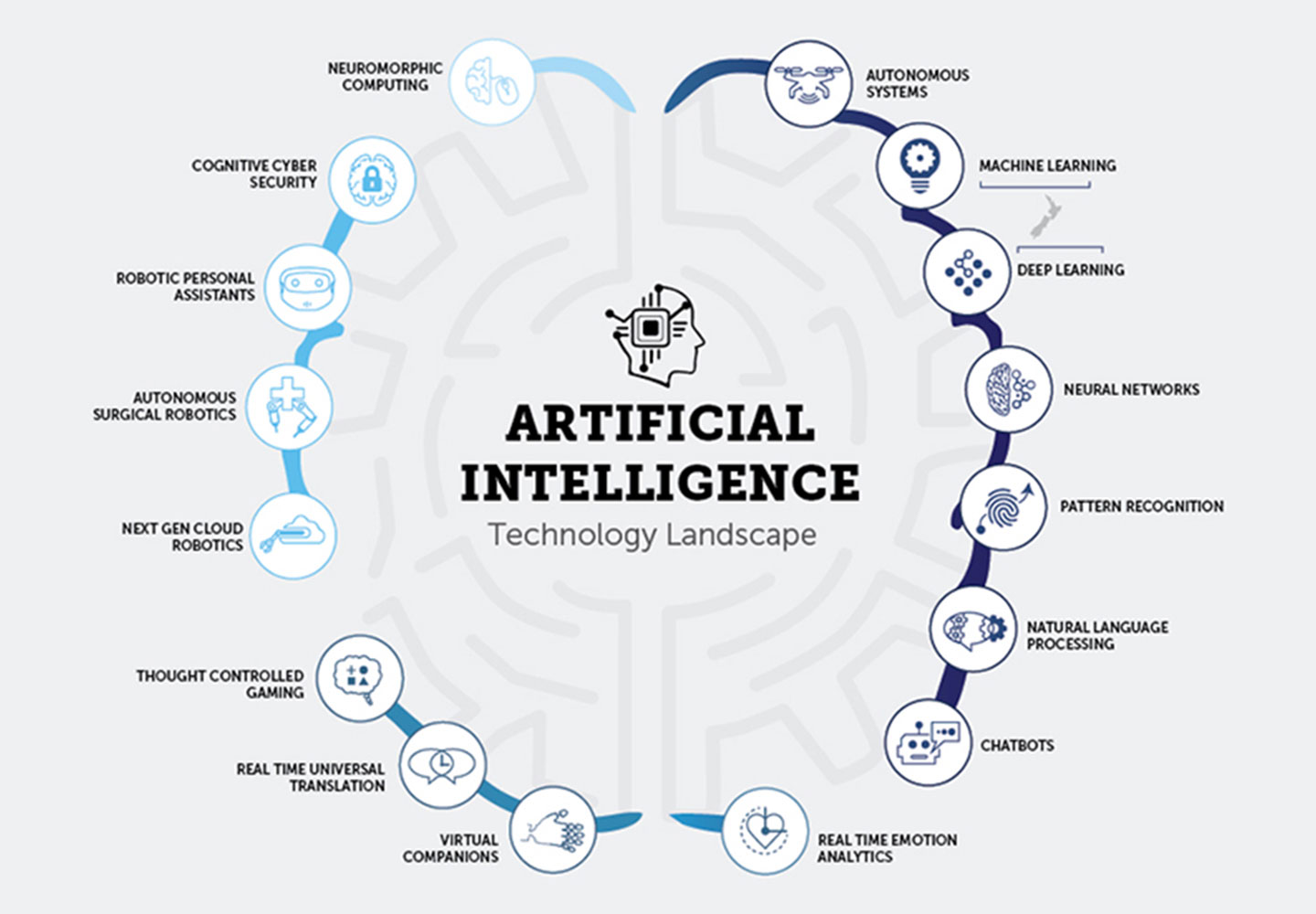
  • [Burning Issue] Artificial Intelligence

    Related image

    Why in News?

    The NITI Aayog has published an ambitious discussion paper on kick-starting the artificial intelligence (AI) ecosystem in India.

    About Artificial Intelligence

    1. AI is a constellation of technologies that enable machines to act with higher levels of intelligence and emulate the human capabilities of sense, comprehend and act. Thus, computer vision and audio processing can actively perceive the world around them by acquiring and processing images, sound and speech.
    2. The natural language processing and inference engines can enable AI systems to analyze and understand the information collected.
    3. An AI system can also take action through technologies such as expert systems and inference engines or undertake actions in the physical world.
    4. These human-like capabilities are augmented by the ability to learn from experience and keep adapting over time.
    5. AI  systems are finding ever-wider application to supplement these capabilities across various sectors.

    Potential of Artificial Intelligence

    Artificial Intelligence has the potential to provide huge value to different sectors and can become a key source of competitive advantage for firms.

    Healthcare

    Helps address the issue of access to healthcare facilities, particularly in rural areas that suffer from poor connectivity and the limited supply of healthcare professionals.

    Agriculture

    1. It can address challenges such as inadequate demand prediction, lack of assured irrigation, and overuse/misuse of pesticides and fertilizers.
    2. Improves crop yield through real-time advisory, advanced detection of pest attacks, and prediction of crop prices to informed sowing practices.

    Smart Mobility, including Transports and Logistics

    1. Autonomous fleets for ride sharing,
    2. Semi-autonomous features such as driver assist, and
    3. Predictive engine monitoring and maintenance.

    Retail

    1. To improve user experience and sale through
      1. personalized suggestions,
      2. preference-based browsing
      3. image-based product search
      4. customer demand anticipation
      5. improved inventory management  
      6. efficient delivery management

    Manufacturing

    To create a flexible and adaptable technical system to automate processes and machinery to respond to unfamiliar or unexpected situations by making smart decisions.

    Energy

    Energy system modeling and forecasting to decrease unpredictability and increase efficiency in power balancing and usage.

    Smart Cities

    Integration of AI in smart cities and infrastructure help meet the demands of a rapidly urbanizing population and provides enhanced quality of life.

    Education and Skilling

    1. Improving the learning experience through personalized learning,
    2. automating and expediting administrative tasks, and
    3. predicting the need for student intervention to reduce dropouts or recommend vocational training.

    Global Developments in AI

    Different countries have identified different focus areas for AI development and deployment

    Japan

    1. Areas of interest include industrial productivity improvement, healthcare, medical care and welfare, mobility and information security.
    2. Japan is focusing on moving from the “Industry 4.0” paradigm to “Society 5.0” through the development of AI for delivering public services

    France

    1. Areas of interest include healthcare, environment, transport, mobility, defence-security. The government is planning to support AI startups through data availability, public spending and talent reskilling.

    USA

    Areas of interest include economic prosperity, educational opportunities, quality of life, national and homeland security.

    China

    1. Areas of interest include education, healthcare, energy, transport, quality of life, city planning /IoT / robotics.
    2. China is focusing on developing and using AI for delivery of public services through financial support, developing talent pipeline, and leveraging international cooperation.

    Artificial Intelligence in India

    A national AI strategy needs to be created on a framework based on India’s unique needs and aspirations, while at the same time capable of achieving the country’s full potential of leveraging AI developments.  

    Impact of AI in India

    1. It will improve the quality of life and access of choice to a large section of the country.
    2. Increased access to quality health facilities (including addressing the locational access barriers)
    3. Inclusive financial growth for large sections of the population who have been excluded from formal financial products.
    4. Providing real-time advisory to farmers and help address unforeseen factors to increase productivity,
    5. Building smart and efficient cities and infrastructure to meet the demands of the rapidly urbanizing population

    Key challenges in adoption of AI in India

    1. Lack of enabling data ecosystems.
    2. Low intensity of AI research
             i. Core research in fundamental technologies
             ii. Transforming core research into market applications.
    3. Inadequate availability of AI expertise, manpower and skilling opportunities
    4. High resource cost and low awareness for adopting AI in business processes
    5. Unclear privacy, security and ethical regulations
    6. Unattractive Intellectual Property regime to incentivize research and adoption of AI

    Way forward

    The way forward is to factor in current strengths and weaknesses in AI and initiate large-scale transformational interventions, primarily led by the government, with the private sector providing able support.

    Practice Questions

    1. Evaluate the benefits of Artificial Intelligence (AI) across different sectors.
    2. Compare and contrast on the development of AI among different countries. How is India faring in the development of AI?
  • [Burning Issue] Operation Greens

    Image result for Operation Greens

    Why in news?

    The govt. proposed to launch Operation Greens scheme in the Budget 2018.

    About Operation Greens scheme

    1. It is a price fixation scheme aims at doubling the farmers’ income by the end of 2022 by ensuring them the right price for their produce.
    2. It focusses on fruits and vegetables, starting with three basic vegetables such as onion, potatoes and tomatoes. It will help in controlling the high fluctuations in the prices of these vegetables.

    Why Operation Greens?

    1. India is the second largest producer of vegetables in the world, next only to China which produces 4x more than India. It means that India has still a long way to go in vegetable production.
    2. The problem with vegetable commodities is that when their production increases sharply, their prices collapse because there is not enough modern storage capacity. Furthermore, the links to processing and organised retailing are very weak and small in India. Consequently, farmers often end up receiving less than 1/4th of what consumers pay for their produce in major cities.
    3. Operation Greens aims at addressing these challenges.

    Arguments favouring the scheme

    1. The scheme will ensure farmers with the right price for their produce and consumers with low price to buy agricultural produce, due to the control in fluctuation of price in the market.
    2. Operation Greens will increase the demand in the economy with its demand forecasting model.
    3. This scheme is modelled on the lines of highly successful Operation Flood scheme which was driven by smallholders.
    4. It will reduce rising incidents of farmers dumping potatoes and tomatoes on roads across the country due to high fluctuation in market prices.
    5. Also, the prices of vegetables were very high to the point that the government put a ban on exports, de-stocking and even enforced income-tax raids on traders.
    6. Income tax concessions to FPOs will help in bringing the much-needed infrastructure in the agro-horticultural sector.
    7. It will create both forward and backward linkages which will promote the agricultural sector.
    8. Due to the focused nature of the program, the scheme will be scalable over space and time, replicating the success of Operation Flood.

    Arguments against the scheme

    1. Linking of MSP with the cost of cultivation is a bad move as the cost of cultivation of crops is different across the country.
    2. Linking of APMCs with the e-NAM market platform is criticized due to the lack of data disclosed on the performance of the e-NAM.
    3. The scheme has no provision for institutional setup in implementing the scheme like the National Dairy Development Board (NDDB) in Operation Flood.

    Key Challenges

    1. How will farmers identify the right markets for their products that can give them the right prices on a sustainable basis?
    2. Investments in storage infrastructure require amendments to the Essential Commodities Act with respect to the storage control order.
    3. There are many different varieties of the produce grown in different climatic conditions and in different seasons, making an intervention in markets more complex.
    4. In the horticultural sector, viable technology options for long-term storage, transport, and processing are underdeveloped. Moreover, the energy intensity of the existing technologies is high which poses an additional challenge, particularly with the rising fuel prices.
    5. There is no ready market seamlessly connecting producers to consumers for those targeted vegetables which are at present very small compared to others.
    6. Operation flood was spearheaded by Verghese Kurien to implement the vision and strategy of the scheme with honesty. Can the government locate another Kurien?

    Way forward

    1. Set a target that farmers must receive at least 60% of what consumers pay. In the case of milk, farmers get more than 75% of what consumers pay under the Operation Flood.
    2. Connecting major consuming centres to the major producing centres with less number of intermediaries.
    3. Farmer Producing Organisations (FPOs) should be effectively utilized as a starting point for aggregation of commodities, assaying, sorting, grading and packing with barcodes for traceability.
    4. The market for the horticultural produces has to be developed through a viable business model.
    5. Apart from controlling the price fluctuations, the government should also encourage every farmer in increasing production of these vegetables under the Operation Greens scheme.

    Practice Question:

    1. The government has launched Operation Greens with high hopes. Given the existing conditions, do you think the scheme will deliver? Critically analyse. 250 Words, 15 Marks.
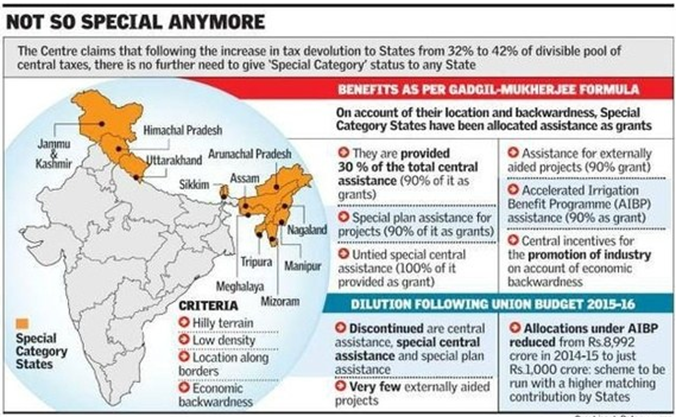
  • [Burning Issue] Special Category States (SCS)

    Image result for Special Category States (SCS)


    Meaning and history of the term SCS

    • SCS is a classification given by Centre to assist in the development of those states that face geographical & socio-economic disadvantages like hilly terrains, strategic international borders, economic & infrastructural backwardness and non-viable state finances.
    • Introduced in 1969.
    • 5th Finance Commission sought to provide certain disadvantaged states with preferential treatment in the form of central assistance and tax breaks.
    • National Development Council grants the status of Special Category States.
    • Initially three states Assam, Nagaland and Jammu & Kashmir.
    • Since then eight more have been included – Arunachal Pradesh, Himachal Pradesh, Manipur, Meghalaya, Mizoram, Sikkim, Tripura and Uttarakhand.
    • Direct transfers subsequently abolished in 2013–14.
    • In 2013, Centrally Sponsored Schemes (CSS) were restructured into 66 schemes, including 17 flagship programmes with significant outlays.
    • In 2016, CSS restructured into only 28 schemes.
    • From 2017–18, the distinction between plan and non-plan expenditure removed,
    • Therefore the Gadgil formula is a thing of the past

    Related image

    The criteria for granting special status:

    • Hilly and difficult terrain
    • Low population density or sizeable share of tribal population
    • Strategic location along borders with neighbouring countries
    • Economic and infrastructural backwardness
    • Non-viable nature of state finances.

    Advantages of getting special category status

    • Preferential treatment in federal assistance and tax break
    • Significant excise duty concessions.
    • An interest-free loan with a rationalization of public expenditure based on the growth enhancing sectoral allocation of resources.
    • SCS don’t have a hard budget constraint as the central transfer is high.
    • SCSs avail the benefit of debt swapping and debt relief schemes (through the enactment of Fiscal Responsibility and Budget Management Act) which facilitate reduction of the average annual rate of interest.
    • 30% of the Centre’s gross budget goes to the SCSs.
    • In centrally sponsored schemes and external aid special category states get it in the ratio of 90% grants and 10% loans.
    • Income tax holidays for 10 years for setting up new industries, extendable by a further period of five years upon “substantial expansion” of the existing units.
    • Unspent money does not lapse and gets carry forward.

    Concerns regarding SCS

    • In the absence of the market, infrastructure, especially power, entrepreneurial skills and local resources, these incentives had hardly helped these states to industrialise.
    • Not much economic progress has been noticed among SCS.
    • Overwhelmingly dependent on central funding.
    • Benefits flow regularly without any accountability or performance monitoring of the states.
    • The amount of proceeds that states receive has increased after the 14th finance commission. So the structure does not seem to have any specific relevance in present context.
    • SCS has been reduced to a political rallying point.
    • Benefit of SCS may act as a stimulus but rest depends on the individual state policy.

    14th Finance Commission on SCS

    • The 14th FC does not make any mention of SCS.
    • Its recommendations have been inferred as removing SCS.
    • FC provided a fixed share of states in the net proceeds of the shareable central taxes at 42%.
    • It has been interpreted as removing the distinction between general states and SCS and grant funds on the basis of backwardness of states.
    • The interstate inequalities to be addressed through adequate tax devolutions and grants.
    • Only SCS status was restricted to the states of North-east and three hill states.
    • Under FC, some states to receive revenue deficit grants.
    • States now have much more fiscal space to spend on their own priorities, instead of depending on the centre.

    Fiscal Cooperative Federalism

    • The taxes are divided among the states on the principles of equity and efficiency.
    • From the 6th FC onwards, the FCs recommended only non-plan grants.
    • The plan component was under the Planning Commission.
    • Most of the discretionary transfers were made via the centrally sponsored schemes (CSS)
    • Large part of the total transfers were made outside the state budgets, by direct transfer of funds from the Consolidated Fund of India to the implementing agencies in the states.
    • Discretionary direct transfers have been abolished now.
    • CSS reduced in number and restructured
    • The distinction between plan and non-plan expenditure is no more.
    • The NCA has also since been done away with.

    Criticism received by the 14th FC

    • The 14th FC attracted severe criticisms on grounds of equity and efficiency.
    • Equalisation, equity and efficiency have always guided FC transfers
    • It ensured that same standards of delivery of public services extended to all states
    • This practice was aimed to prevent economic migrations across states.
    • But there are now no efficiency criteria for the transfers.
    • States, especially poor states, that have kept within their Fiscal Responsibility and Budget Management Act (FRBM) limits, have been made to suffer a cut in their shares instead of being rewarded for maintaining fiscal discipline.
    • Even when these states controlled spending at the cost of limiting their capital
      borrowings despite huge infrastructure deficits.
    • But there were no rewards for resisting populism.

    But are SCSs really suffering?

    • Whether there has been a reduction in the resources of SCSs?
    • Whether SCSs have managed to retain their relative advantages vis-a-vis other states?
    • For the SCSs as a whole, the total transfers during the first year under the XIV-FC over the previous year had actually increased by 24.7%, more than most other states.
    • The tax devolutions for the SCS increased by almost 90%.
    • The shares of SCS did not suffered any cut.
    • They had in fact registered much higher increases than under the previous commissions
    • Regarding the relative advantages enjoyed by the SCS, the latest restructuring of the CSS had made an important distinction between these and the other states, in terms of the funding pattern of these schemes.
    • For the “core of the core” schemes, it envisaged that the existing funding patterns would continue, which is 90:10 for the SCS between the centre and states, while other states have to bear a higher proportion of expenditure on their own.
    • For the “core” schemes, the restructured CSS states that the 90:10 formula between the centre and states would apply “for the 8 North Eastern States and 3 Himalayan States,” while it would be 60:40 for the other states.
    • Thus, the SCS continue to retain their relative advantages over the other states.
    • In other words, the category is far from being a thing of the past.

    Revisiting Special Category

    • The benefits of SCS are still there
    • Therefore it is important to correct the flaws in the mechanism.
    • There is a need to address the deep-rooted structural weaknesses that afflicted SCSs.
    • Re-examine the continuation of the SCS a state in perpetuity.
    • Adopting a target-based, time-bound arrangement that is focused on accountability, performance, and monitoring of achievements, with specific performance goals to be achieved by the beneficiary states for the benefits to continue.
    • We need a strategy in which funding would be just one essential element and not the most important part.
    • SCSs need supporting institutional set-up adequate to guide them towards predefined goals.
    • Monitoring and accountability and granting of the SCS to a state should be through performance expectation.