Mains Ready By December. Smash Mains & Smash PYQ Admissions Open

GS Paper: GS3-18.Conservation, Environmental Pollution and Degradation, Environmental Impact Assessment.

  • Minimal Radioactive Discharges from Indian Nuclear Plants: Study

    radio

    Introduction

    • A recent study conducted by researchers at the Bhabha Atomic Research Centre (BARC), Mumbai, analyzed 20 years of radiological data (2000-2020) from six nuclear power plants in India.
    • The findings highlight the minimal impact of radioactive discharges from these plants on the environment.
    • The study aims to reinforce India’s commitment to its nuclear power program, challenging unfounded beliefs and influencing public and policy perspectives.

    Radiological Analysis and Plant Selection

    • Twenty-Year Data: The analysis covered radiological data from 2000 to 2020 from seven nuclear power plants.
    • Focus on Fission Products: The study focused on concentrations of fission products and neutron-activated nuclides within a 5 km radius of each nuclear plant, considering samples collected up to a maximum radius of 30 km.

    Gaseous and Liquid Discharges

    • Components of Gaseous Waste: The gaseous waste released into the atmosphere included fission product noble gases, Argon-41, radioiodine, and particulate radionuclides (cobalt-60, strontium-90, caesium-137, and tritium).
    • Liquid Discharge Components: Liquid discharge consisted of fission product radionuclides (radioiodine, tritium, strontium-90, caesium-137) and activation products like cobalt-60.
    • Strict Regulatory Compliance: The discharges underwent dilution and dispersion, adhering to strict radiological and environmental regulatory regimes.

    Radiological Measurements and Concentrations

    • Air Particulates: Average gross alpha activity in air particulates across all seven nuclear plants remained below 0.1 megabecquerel (mBq) per cubic meter.
    • Specific Markers: Concentrations of iodine-131, caesium-137, and strontium-90 in air particulates were below 1 mBq per cubic meter for iodine-131, with caesium-137 and strontium-90 concentrations three orders lower and below 10 microbecquerel per cubic meter.

    Water Bodies and Sediments

    • Rivers, Lakes, and Sea Water: Caesium-137 and strontium-90 concentrations in rivers and lakes were below 5 mBq per liter, and sea water near the nuclear plants registered less than 50 megabecquerel per liter.
    • Sediment Analysis: Sediment analysis revealed that caesium-137 concentration was highest at the Rajasthan Atomic Power Station, while strontium-90 concentration peaked at the Narora Atomic Power Station.

    Tritium Detection and Total Doses

    • Tritium Presence: Tritium was detectable at all sites except the Kudankulam Nuclear Power Station, where it was not detected during the study period.
    • Total Doses: Though total doses remained below regulatory limits, Rajasthan, Madras, and Tarapur power plants showed relatively higher total doses. Efforts are being made to further limit doses at these sites to keep them as low as reasonably achievable (ALARA).

    Conclusion

    • The BARC study’s comprehensive analysis concludes that the environmental impact of Indian nuclear power plants, based on 20 years of radiological data, has been minimal.
    • The findings not only emphasize the safe operation of these plants but also contribute to dispelling unwarranted beliefs, supporting India’s commitment to advancing its nuclear power program.
    • The study’s insights are poised to shape public and policy perspectives on nuclear energy in the country.
  • Pradhan Mantri Suryodaya Yojana: India’s Solar Revolution

    solar

    Introduction

    • PM Modi announced the launch of the ‘Pradhan Mantri Suryodaya Yojana,’ a government initiative aimed at providing rooftop solar power systems to one crore households in India.
    • This ambitious scheme builds upon previous efforts to promote rooftop solar installations in the country, addressing the growing demand for clean and sustainable energy sources.

    About Pradhan Mantri Suryodaya Yojana

    • Rooftop Solar Installations: The scheme focuses on the installation of solar power systems on 1 crore residential rooftops.
    • Reduced Electricity Bills: It aims to reduce electricity bills for households, especially benefitting the “poor and middle class.”
    • Energy Self-Reliance: The scheme aligns with India’s goal of achieving self-reliance in the energy sector.

    India’s Current Solar Capacity

    • Total Solar Capacity: As of December 2023, India boasts a total solar power installed capacity of approximately 73.31 GW.
    • Rooftop Solar Capacity: The rooftop solar capacity stands at around 11.08 GW, emphasizing the need for expansion.
    • Leading States: Rajasthan leads in total solar capacity with 18.7 GW, while Gujarat tops the list in rooftop solar capacity with 2.8 GW.

    Importance of Expanding Solar Energy

    • Growing Energy Demand: India is projected to experience substantial energy demand growth over the next 30 years, requiring a reliable energy source.
    • Diversifying Energy Mix: To meet this demand and reduce dependency on coal, India aims to reach 500 GW of renewable energy capacity by 2030.
    • Solar Power Growth: India has significantly increased its solar power capacity, from less than 10 MW in 2010 to 70.10 GW in 2023.

    Existing schemes: Rooftop Solar Programme

    • Launched in 2014: The programme seeks to boost rooftop solar installations in the residential sector.
    • Financial Assistance: It offers Central Financial Assistance and incentives to distribution companies (DISCOMs).
    • Capacity Target: The programme aims to achieve 40 GW of rooftop solar capacity by March 2026, having already grown from 1.8 GW in March 2019 to 10.4 GW by November 2023.
    • Consumer Benefits: Consumers can access the scheme through DISCOM tendered projects or the National Portal. They have the flexibility to select vendors and solar equipment. Subsidies are directly transferred to their bank accounts, and surplus solar power can be exported to the grid, offering monetary benefits.

    Conclusion

    • The news scheme signifies India’s commitment to harnessing solar power as a clean and sustainable energy source for its growing population.
    • With a focus on residential rooftop installations, this scheme aims to reduce electricity bills for millions of households while contributing to India’s energy self-reliance goals.
  • Fired up and plugged in

    Unlocking the co-benefits of decarbonising India's power sector | TERI

    Central Idea:

    India aims to balance economic growth and environmental concerns as it strives to become the fastest-growing economy, focusing on decarbonizing the power sector, ensuring development, and securing energy needs. Coal remains crucial, but strategies involve managing existing assets, enhancing coal fleet flexibility, incentivizing energy storage, and promoting domestic manufacturing of renewable energy technologies.

    Key Highlights:

    • India is actively involved in climate action, reducing fossil fuel subsidies, and planning a threefold increase in renewable power capacity by 2030.
    • Coal, despite being essential, is slated to persist until India attains developed country status.
    • Strategies include better managing thermal plant outages, increasing coal fleet flexibility, incentivizing energy storage, and promoting domestic clean energy manufacturing.

    Key Challenges:

    • Balancing economic growth with the imperative to phase down unabated coal.
    • Uncertainty in predicting India’s coal reliance due to rising electricity demand.
    • Adapting existing coal plants for flexibility in integrating renewable energy.
    • Compensating entities for energy storage services and boosting domestic value and job creation in clean energy.

    Key Terms:

    • COP-28: The 28th Conference of the Parties, relevant to global climate change negotiations.
    • Unabated Coal: Coal burning without a reduction in carbon emissions.
    • Renewable Power Generation: Electricity from sustainable sources like wind, solar, and hydropower.
    • Atmanirbhar: A Hindi term signifying self-reliance, commonly used in promoting domestic manufacturing.

    Key Phrases:

    • “Decarbonizing the power sector while ensuring economic development and energy security.”
    • “Reducing overall fossil fuel subsidies” and “tripling installed renewable power generation capacity by 2030.”
    • “Managing thermal plant outages during peak demand periods.”
    • “Increasing the flexibility of the existing coal fleet to integrate more renewable energy into the grid.”
    • “Indigenizing supply chains for battery storage and renewable energy technologies.”

    Key Quotes:

    • “India has reduced overall fossil fuel subsidies by 76% between FY14 and FY22.”
    • “Coal will remain a vital energy source until India reaches the status of a developed country.”
    • “Entities deploying batteries must be compensated for the value they bring to grid operation.”
    • “Boosting domestic value and job creation in clean energy will mitigate concerns associated with disruptions in the global supply chain.”

    Key Statements:

    • “To keep the economy powered while decarbonizing, India must use existing assets better and invest in energy storage capabilities.”
    • “Improving availability and utilization of existing plants can mitigate the need for investments in new thermal assets.”
    • “Indigenizing supply chains for clean energy will support exports and domestic value additions, mitigating concerns of global supply chain disruptions.”

    Key Examples and References:

    • “In 2023, coal-based power plants in India witnessed unplanned outages during peak demand days.”
    • “The PLI scheme committed funds to solar manufacturing, supporting domestic value additions.”

    Key Facts and Data:

    • “India reduced overall fossil fuel subsidies by 76% between FY14 and FY22.”
    • “India produced coal worth substantial amounts in FY22, providing significant revenues to the government.”
    • “The PLI scheme committed funds to solar manufacturing, supporting potential domestic value addition.”

    Critical Analysis:

    • The article underscores the tension between economic growth and environmental concerns in India’s energy strategy.
    • Emphasizing strategies for managing existing assets and enhancing coal fleet flexibility reflects a pragmatic approach to the transition to renewables.
    • Highlighting the importance of incentivizing energy storage services and promoting domestic manufacturing underscores the need for a comprehensive and sustainable energy policy.

    Way Forward:

    • Prioritize transparent assessments of long-term opportunity costs of conventional power sources.
    • Focus on affordable electricity for all segments of the economy.
    • Build on the success of the PLI scheme to further indigenize supply chains for clean energy.
    • Implement policies encouraging flexibility in the coal fleet and compensating entities for energy storage services.
    • Continue investing in renewable energy and storage technologies to align with global decarbonization commitments while ensuring energy security.
  • Amrit Dharohar Capacity Building Scheme 2023

    Amrit Dharohar

    Introduction

    • The Indian government has launched the ‘Amrit Dharohar Capacity Building Scheme’ 2023 to convert ecologically fragile wetlands, designated as Ramsar sites, into sustainable tourist attractions.
    • This initiative seeks to create jobs and support local communities’ livelihoods in the process.

    ‘Amrit Dharohar Capacity Building Scheme’ 2023

    • Launched in 2023-24 Budget: This scheme was introduced as part of the budget for 2023-24.
    • Objective: It aims to promote the conservation values of Ramsar Sites while creating employment opportunities and supporting local livelihoods.
    • Enhancing Livelihoods: The scheme seeks to enhance livelihoods for local communities by tapping into the nature-tourism potential of Ramsar Sites nationwide.
    • Collaborative Effort: It is being implemented through collaboration with various Central Government ministries, State wetland authorities, and a network of formal and informal institutions and individuals working together for conservation.

    About Ramsar Sites: International Significance

    • Definition: Ramsar sites are wetlands designated as internationally important under an environmental treaty established in 1971 in Ramsar, Iran, under UNESCO’s auspices.
    • Waterfowl Habitat: They are identified for their role as critical waterfowl habitats.
    • Conservation and Sustainable Use: Ramsar encourages national and international efforts for wetland conservation and sustainable resource utilization.
    • India’s Ramsar Sites: India boasts 75 Ramsar sites, showcasing its commitment to wetland conservation.

    Pilot Projects and Skill Development

    • Identified Sites: Among India’s Ramsar sites, 16 have been identified for the mission.
    • Pilot Projects: Five wetlands, including Sultanpur National Park (Haryana), Bhitarkanika Mangroves (Odisha), Chilika Lake (Odisha), Sirpur (Madhya Pradesh), and Yashwant Sagar (Madhya Pradesh), have been selected for the initial pilot phase.
    • Alternative Livelihood Programme (ALP): Participants receive training under ALP to explore alternative livelihood opportunities.
    • Paryatan Navik Certificate: Additionally, a boatman certification program is offered to tourism service providers, ensuring a skilled workforce.

    Ecological Significance of Wetlands

    • “Earth’s Kidneys”: Natural wetlands are often referred to as “earth’s kidneys” due to their ability to filter pollutants from flowing water.
    • Critical Ecosystem Services: Wetlands play a crucial role in maintaining biodiversity, regulating water flow, and providing habitat for numerous species.
  • Saving the Great Indian Bustard

    bustard

    Introduction

    • The Supreme Court has called upon the Centre to unveil its strategy for preserving the critically endangered Great Indian Bustard (GIB) by February.

    Why discuss this?

    • Recognizing the urgent need to safeguard this bird species, the court acknowledges the significant threat posed by high transmission power lines in the natural habitats of Gujarat and Rajasthan.
    • These areas are not only vital for the GIB but also play a crucial role in India’s renewable energy initiatives, particularly solar power.
    • Striking a balance between GIB conservation and international commitments to reduce carbon emissions through renewable energy is the challenge at hand.

    Great Indian Bustard: An Overview

    • Significance: GIBs are the largest among India’s four bustard species and are considered flagship birds of grasslands.
    • Conservation Status: Critically endangered, with historic habitat reduced to just 10 percent.
    • Protection Measures: Listed under CITES Appendix I, IUCN status: Critically Endangered, and under Schedule I of the Wildlife (Protection) Act.
    • Threats: Overhead power transmission, poor vision, windmills, noise pollution, landscape changes, and alterations in cultivation patterns pose significant threats to GIBs.

    Conservation vs. Solar Power Dilemma

    • International Commitments: India has global commitments to reduce carbon emissions and promote alternative energy sources such as solar power.
    • Striking a Balance: The Supreme Court emphasizes the need to find a middle ground that preserves the GIB while ensuring the availability of solar power.
    • Safety Concerns: Underground power lines are deemed dangerous, necessitating innovative solutions.

    Challenges and Concerns

    • Ineffective Bird Diverters: Current bird diverters installed in key GIB habitats are either sub-standard or have failed to prevent collisions.
    • Government’s Role: The Court questioned the government’s intentions and seeks a clear plan to address the GIB’s conservation and the solar power expansion.
    • Data on Bird Diverters: The Chief Justice inquired about authentic data or government-monitored studies on the effectiveness of bird diverters.

    Try this PYQ:

    Q.Consider the following pairs:

    Protected Area: Well-known for

    1. Bhitarkanika, Odisha — Salt Water Crocodile
    2. Desert National Park, Rajasthan — Great Indian Bustard
    3. Eravikulam, Kerala — Hoolock Gibbon

    Which of the pairs given above is/are correctly matched? (CSP 2014)

    (a) 1 only

    (b) 1 and 2

    (c) 2 only

    (d) 1, 2 and 3


    [wpdiscuz-feedback id=”w0xgrf709a” question=”Please leave a feedback on this” opened=”1″]Post your answers here.[/wpdiscuz-feedback]

  • INSAT 3D’s Role in Monitoring Foggy Conditions in North India

    Introduction

    • As large parts of North India, including regions like Bihar, Uttar Pradesh, Uttarakhand, Haryana, Delhi, and Punjab, grapple with heavy fog, the India Meteorological Department (IMD) has been issuing alerts and warnings to keep residents informed about the prevailing conditions.
    • This article seeks to unravel the science behind these warnings and the role of the INSAT 3D satellite in providing crucial data for fog monitoring.

    Fog Situation in North India

    • Persistent Fog: Since December 2023, many parts of North India have been shrouded in heavy fog.
    • IMD Warnings: On January 16, the IMD issued warnings about “very dense fog” in several states, including Haryana, Chandigarh, Delhi, Uttar Pradesh, Punjab, and Madhya Pradesh, with visibility expected to drop below 50 meters during night and morning hours.

    Decoding Satellite Images

    • Insights from INSAT 3D: The INSAT 3D satellite plays a vital role in monitoring foggy conditions through images.
    • Solar Reflectance and Brightness Temperature: The colors in these images are determined by two factors: solar reflectance and brightness temperature.
    • Solar Reflectance: Reflects the amount of solar energy reflected by a surface in relation to the energy it receives.
    • Brightness Temperature: Relates an object’s temperature to the brightness of its surface, measured across various wavelengths.

    Day Microphysics Data

    • Solar Reflectance at Three Wavelengths: INSAT 3D’s ‘day microphysics’ component studies solar reflectance at three wavelengths: 0.5 µm (visible radiation), 1.6 µm (shortwave infrared radiation), and 10.8 µm (thermal infrared radiation).
    • Color Determination: The strength of signals at these wavelengths determines the RGB (red-green-blue) colors in the image.
    • Applications: These images help analyze cloud types, thunderstorm stages, snow identification, and fire detection.

    Night Microphysics Data

    • Complex Color Determination: INSAT 3D’s ‘night microphysics’ component derives two colors from the difference between two thermal infrared signals.
    • Color Variables: Red color depends on the difference between 12 µm and 10 µm signals, green on 10.8 µm and 3.9 µm signals, and blue on the strength of the 10.8 µm signal.
    • Identifying Features: Night microphysics data aids in identifying cloud types and their temperature differences.

    Combining Day and Night Data

    • Comprehensive Insights: Meteorologists combine day and night microphysics data to study moisture droplets, temperature variations, and track the formation, evolution, and depletion of weather events, including cyclones.
    • Advanced Warning Systems: Proposed applications include predicting thunderstorms one to three hours in advance.

    Radiometers and Sounders

    • Satellite Instruments: INSAT 3D and 3DR use radiometers for spectral measurements and atmospheric sounders for temperature, humidity, and water vapor analysis.
    • Improved Technology: These satellites offer significant improvements in spatial resolution and spectral channels compared to their predecessors, enhancing India’s weather monitoring capabilities.

    Future with INSAT 3DS

    • Continued Advancements: The Indian Space Research Organisation plans to launch the INSAT 3DS meteorological satellite in February 2024.
    • Enhanced Capabilities: This satellite will build upon the successes of its predecessors, further enhancing India’s weather monitoring and warning capabilities.

    Conclusion

    • The INSAT 3D satellite, with its ability to capture and analyze day and night microphysics data, plays a pivotal role in monitoring and predicting weather conditions, including foggy scenarios, in North India.
    • By understanding the intricate science behind these satellite images, meteorologists can provide timely warnings and valuable insights to protect public safety and navigate the challenges posed by severe weather conditions.
    • With advancements on the horizon, India’s meteorological capabilities continue to evolve, ensuring better preparedness for weather-related events in the future.
  • Pakke Paga Hornbill Festival

    Pakke Paga Hornbill Festival

    Introduction

    • The 9th edition of the Pakke Paga Hornbill Festival (PPHF) is set to take place in Arunachal Pradesh, highlighting the region’s commitment to wildlife conservation, with a special focus on hornbills.
    • This festival, scheduled from January 18-20, 2024, at Seijosa in the Pakke Kessang district, brings together diverse communities to unite in their efforts to protect these iconic birds and promote environmental awareness.

    Pakke Paga Hornbill Festival

    • Festival’s Theme: “Domutoh Domutoh, Paga hum Domutoh”
    • Meaning: Translating to “Let Our Hornbills Remain” in the Nyishi language, this year’s theme underscores the critical importance of preserving these magnificent birds.
    • Conservation Advocacy: PPHF serves as a platform to advocate for the protection of hornbill populations and their natural habitats.

    Emphasis on Wildlife Conservation

    • Hornbill Species: The Pakke Tiger Reserve (PTR) in Arunachal Pradesh is home to four hornbill species: Wreathed, Great Indian, Oriental Pied, and the endangered Rufous-necked hornbill.
    • Nyishi Tribal Contribution: The festival recognizes the Nyishi, Arunachal Pradesh’s largest tribal group, for their pivotal role in hornbill conservation. They transitioned from hunting hornbills to becoming advocates for their preservation.
    • Alternative Income: PPHF aims to generate alternative sources of income for the region and raise awareness about PTR and its surroundings, fostering economic development while preserving the environment.

    Back2Basics: Great Indian Hornbill

    Hornbill

    • IUCN status: Vulnerable (uplisted from Near Threatened in 2018), CITES: Appendix I
    • The great hornbill (Buceros bicornis) also known as the great Indian hornbill or great pied hornbill, is one of the larger members of the hornbill family.
    • The great hornbill is long-lived, living for nearly 50 years in captivity.
    • It is predominantly fruit-eating, but is an opportunist and preys on small mammals, reptiles and birds.
    • Its impressive size and colour have made it important in many tribal cultures and rituals.
    • A large majority of their population is found in India with a significant proportion in the Western Ghats and the Nilgiris.
    • The nesting grounds of the birds in the Nilgiris North Eastern Range are also believed to support some of their highest densities.
    • Referred to as ‘forest engineers’ or ‘farmers of the forest’ for playing a key role in dispersing seeds of tropical trees, hornbills indicate the prosperity and balance of the forest they build nests.
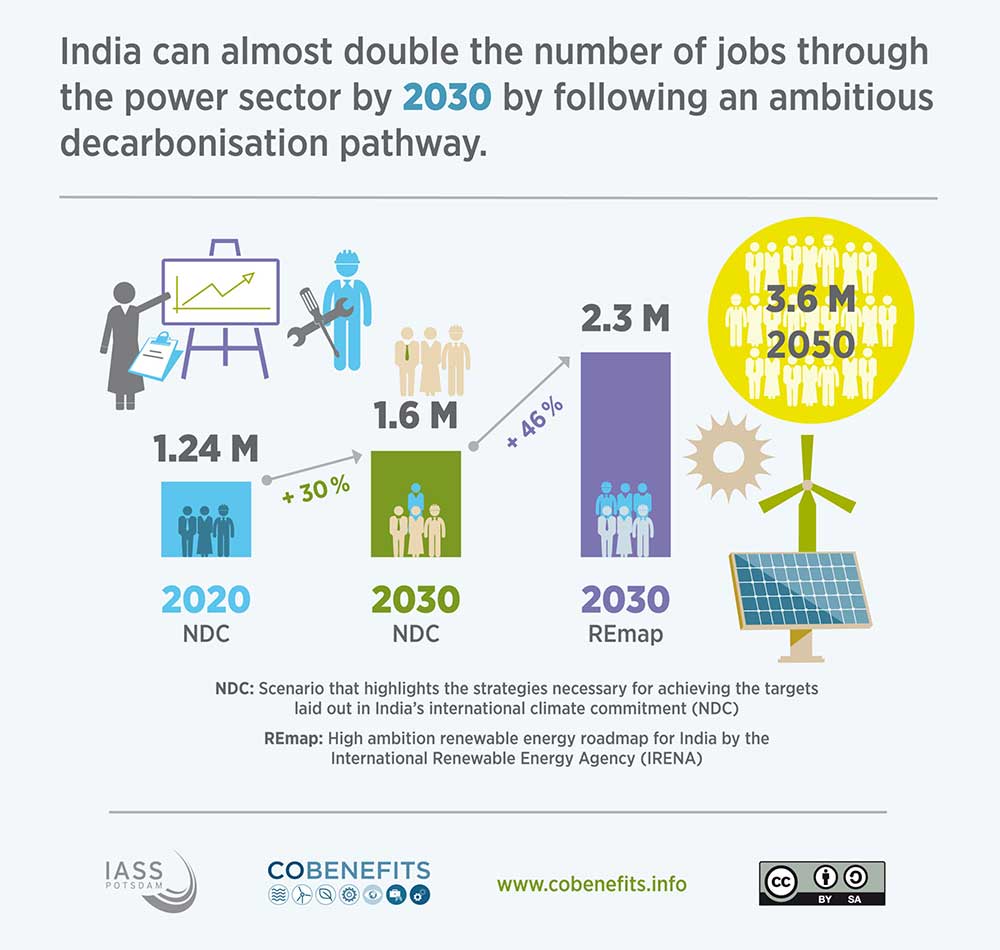
  • For India, the easiest way to decarbonise is to scale up renewable capacity

    Why the Next Decade is Crucial for India to Fulfil Its Emission Goals -  BusinessToday - Issue Date: Feb 20, 2022

    Central Idea:

    The article delves into India’s current carbon emissions landscape, spotlighting the Global Carbon Project’s findings released during COP28. It underscores the imperative for a thoughtful decarbonization strategy, scrutinizing challenges and potential resolutions, particularly in the context of renewable energy, electric vehicles (EVs), and the prospect of green hydrogen.

    Highlights:

    • India’s projected CO2 emissions are poised to surpass 3 gigatons by the close of 2023, reflecting an 8% uptick from 2022.
    • Despite lower per capita and cumulative emissions compared to global averages, India grapples with the task of mitigating emissions in key sectors: energy, agriculture, and industry.
    • The energy sector shoulders 76% of greenhouse gas emissions, necessitating a shift away from fossil fuels, notably in power generation and transportation.

    Challenges:

    • Transport Sector Transition: EV adoption confronts challenges due to dependence on the fossil fuel-reliant power grid and infrastructure gaps, especially for four-wheelers and heavy transport.
    • Industrial Decarbonization: Industries reliant on intense heat, such as iron and steel, face hurdles in substituting fossil fuels, as renewable sources may fall short in meeting their power requirements.
    • Green Hydrogen: Despite being hailed as a solution, global production of green hydrogen remains minimal. Challenges include the need for substantial green power and water, along with issues in transportation and energy-intensive storage methods.

    Key Terms:

    • CO2eq: Carbon dioxide equivalent, a metric expressing the global warming potential of various greenhouse gases.
    • Renewable Capacity: The quantum of energy a country can generate from renewable sources like solar and wind.
    • Green Hydrogen: Hydrogen produced using renewable energy sources, deemed a potential clean fuel.

    Key Phrases:

    • “Low-hanging fruit”: Referring to the simplest or most readily achievable goals, such as scaling up renewable capacity.
    • “Net-zero by 2070”: The aspiration to achieve equilibrium between greenhouse gas emissions produced and removed from the atmosphere by 2070.

    Key Quotes:

    • “Reduction in the use of fossil fuels can be easily done in the case of power generation…”
    • “What is thus evident is that the easiest way to decarbonise is to scale up renewable capacity…”

    Key Statements:

    • “India’s per capita and cumulative emissions notwithstanding, we need to strategize our decarbonization process.”
    • “The best solution for sectors like heavy transport or industries is getting access to green hydrogen.”

    Key Examples and References:

    • Reference to India’s Third National Communication (2023) offering data on greenhouse gas emissions.
    • Mention of the challenges in adopting electric vehicles, especially for heavy transport and four-wheelers.

    Key Facts and Data:

    • India’s total greenhouse gas emissions in 2019 were 3.1 gigatons of CO2eq, with the energy sector contributing 76%.
    • The energy sector, particularly power generation, accounts for 39% of CO2 emissions in India.

    Critical Analysis:

    • The article underscores the intricacies of decarbonization, recognizing the limitations of current solutions like electric vehicles and the hurdles in transitioning industries.
    • It stresses the need for a comprehensive approach, amalgamating renewable energy scaling with advancements in technologies like green hydrogen.
    • The author critiques policy inconsistencies, highlighting the incongruity between announcing new coal-based capacity and a prior commitment to avoid it.

    Way Forward:

    • Prioritize renewable capacity growth by simplifying land acquisition processes, ensuring regular payments to generators, and facilitating access to the grid.
    • Address challenges in the transport sector and industry by promoting research and development in sustainable alternatives like green hydrogen.
    • Maintain policy consistency and focus on achieving the goal of being net-zero by 2070.
  • Madhya Pradesh’s Ken-Betwa River Project

    Ken-Betwa

    Introduction

    Overview of the Project and Violations

    • Project Details: The Lower Orr dam, a part of the Ken-Betwa river interlinking project’s second phase, began construction in 2019.
    • Violation of Clearance Laws: In 2022, an expert appraisal committee (EAC) reported that the project commenced without formal clearance from the Environment Ministry.
    • Incomplete Construction: As of the last report, about 82% of the dam and 33.5% of the canal network were completed without necessary clearances.
    • EAC’s Recent Recommendations: In December 2023, the EAC called for a fresh evaluation and more data on potential damage caused by the construction.

    What is the Ken Betwa Link Project?

    • First of its Kind: This project is the inaugural venture under the National Perspective Plan for interlinking Indian rivers.
    • River Linking: It involves transferring water from the Ken River to the Betwa River, both tributaries of the Yamuna.

    Phases of the Project

    • Phase-I Components: This includes the Daudhan dam complex, Low Level Tunnel, High Level Tunnel, Ken-Betwa link canal, and Power houses.
    • Phase-II Components: The second phase will see the construction of the Lower Orr dam, Bina complex project, and Kotha barrage.

    Utility of the Project

    • Irrigation Benefits: The project aims to irrigate 10.62 lakh hectares annually.
    • Drinking Water Supply: It is expected to provide drinking water to 62 lakh people.
    • Power Generation: The project will generate 103 MW of hydropower and 27 MW of solar power.
    • Regional Development: It promises to bring socio-economic prosperity to the Bundelkhand region through increased agricultural activities and employment.
    • Combating Rural Distress: The project is also seen as a solution to distress migration from this region.

    Ecological Issues with the Project

    • Scientific Basis: Concerns have been raised about the ‘surplus and deficit’ model and the availability of water in the Ken River.
    • Water Sharing Disputes: UP and MP have had disagreements over water sharing, especially during non-monsoonal months.
    • Environmental Impact: The project involves creating a reservoir dam in the Panna National Park and Tiger Reserve, impacting the downstream Ken Gharial Sanctuary.
    • Wildlife Act Compliance: Approval by the National Board for Wildlife, as required under the Wildlife (Protection) Act, 1972, has not been confirmed.

    Issues with the Projects

    • Displacement: The project will lead to significant displacement of people.
    • Topographical Changes: The flat topography of the Ganga basin poses challenges for dam construction.
    • Inundation and Seismic Hazards: Large-scale water transfer risks inundating forests and creating seismic hazards in the Himalayan region.
    • Financial and Political Challenges: The project requires substantial financial investment and political support.
    • Land Acquisition and Ecological Feasibility: Consensus building for land acquisition and ecological concerns are major hurdles.

    Criticisms of Such Projects

    • Questionable Science: Critics argue that these projects are based on outdated water management understanding.
    • Contravention with Nature: They are seen as going against natural processes, posing more threats than opportunities.

    Way Forward

    • Expert Scrutiny: Thorough and independent expert scrutiny during the approval stage is crucial.
    • Independent Hydrological Study: A comprehensive study of these rivers is necessary to assess the feasibility and impact.

    Conclusion

    • Developmental projects like the Ken-Betwa Link should not compromise fragile ecosystems or important wildlife habitats.
    • The potential destructive impact on the flow of water and sanctuary ecosystems, along with legal compliance, needs clear assessment and consideration.
    • Sound environmental governance and due diligence are essential in balancing developmental needs with ecological preservation.
  • Himalayan Wolf Listed as ‘Vulnerable’ on IUCN Red List

    Himalayan Wolf

    Introduction

    • The Himalayan Wolf (Canis lupus chanco), a distinct lupine species inhabiting the Himalayas, has recently been classified as ‘Vulnerable’ on the International Union for Conservation of Nature (IUCN)’s Red List.
    • This classification highlights the urgent need for conservation efforts to protect this unique predator.

    About Himalayan Wolf

    • Taxonomic Status: Long a subject of taxonomic ambiguity, the Himalayan Wolf has been confirmed as a genetically unique lineage of wolves.
    • Population Estimate: The IUCN Red List estimates the population of mature individuals to be between 2,275 and 3,792, acknowledging the uncertainty of this figure.
    • Geographical Range: The Himalayan Wolf is found across the Himalayan range of Nepal and India and extends across the Tibetan Plateau.
    • Population in India: In the Indian Himalayas, the population is estimated to be between 227 and 378 mature individuals, primarily in Ladakh and the Spiti Valley of Himachal Pradesh, with potential small populations in Uttarakhand and Sikkim.

    Conservation Challenges

    • Habitat Decline: The species faces a continuing decline in habitat quality and extent.
    • Conflict with Livestock: Livestock depredation conflicts are significant, exacerbated by habitat modification and depletion of wild prey.
    • Hybridization Threats: Increasing populations of feral dogs in regions like Ladakh and Spiti pose a threat of hybridization.
    • Illegal Hunting: The Himalayan Wolf is hunted illegally for its fur and body parts, contributing to its declining numbers.

    Conservation Strategies Proposed

    • Habitat and Prey Restoration: Securing and restoring healthy wild prey populations and landscapes, and establishing wildlife habitat refuges.
    • Improved Livestock Management: Enhancing livestock guarding methods, including predator-proof corral pens, sustainable herding practices, and holistic management practices.
    • Feral Dog Population Management: Addressing the growing challenge of feral dogs that threaten the Himalayan Wolf through hybridization.
    • Trans-boundary Conservation Efforts: Collaborative efforts among range countries for research, monitoring, and conservation.
    • Herding/Pasture Management: Improving practices in regions where wolves are heavily dependent on livestock, such as in Ladakh.
    • Inclusion in Conservation Programs: Incorporating the Himalayan Wolf in conservation programs to promote public acceptance and reduce persecution.