💥Join UPSC 2027,2028 Mentorship (July Batch) + XFactor Notes & Microthemes PDF

GS Paper: GS1-04.Post-Independence- Consolidation and reorganisation within country

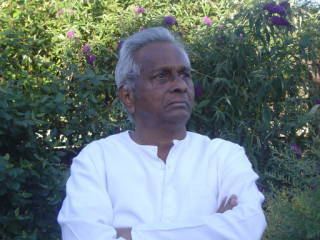
  • MS Swaminathan: Father of the Green Revolution

    Swaminathan

    What’s the news?

    • Monkomb Sambasivan Swaminathan, the legendary agricultural scientist widely regarded as the Father of the Green Revolution, passed away at the age of 98 on September 28. His contributions to agriculture in the 1960s and ’70s transformed India’s farming landscape, ushering in an era of food security.

    Central idea

    • The passing of MS Swaminathan marks the end of an era in Indian agriculture. His unwavering commitment to the welfare of farmers and his pioneering efforts in the Green Revolution have left an indomitable legacy. This op-ed is dedicated to the father of the Green Revolution.

    Early life and education

    • Born on August 7, 1925, in Kumbakonam, Tamil Nadu
    • Initially, I aimed for a career in the civil services and even cleared the civil services examination.
    • He switched to agriculture due to his passion, inspired by the Quit India Movement and the Bengal famine of 1942–43.
    • He enrolled in the Agriculture College in Coimbatore to pursue his interest in agriculture.

    Diverse Roles in Agriculture

    • Swaminathan held various significant positions related to agriculture, both in India and abroad.
    • His roles included Independent Chairman of the Food and Agricultural Organization Council (1981–85), President of the International Union for the Conservation of Nature and Natural Resources (1984–90), and President of the World Wide Fund for Nature (India) from 1989–96.
    • He also served as the Director General of the Indian Council of Agricultural Research (ICAR), among other positions.

    Swaminathan

    The Green Revolution: A Turning Point

    • Swaminathan’s mission was to transform Indian agriculture.
    • Introduced high-yielding crop varieties, improved irrigation facilities, and promoted fertilizer use.
    • Wheat production in India surged from 6 million tonnes in 1947 to 17 million tonnes between 1964 and 1968.
    • The Green Revolution bolstered India’s food security and reduced dependence on imports.

    Swaminathan’s Contributions to the Green Revolution

    • Swaminathan worked on enhancing crop varieties, particularly rice and wheat.
    • He pioneered the development of semi-dwarf wheat varieties to reduce lodging and boost yields.
    • Collaboration with Norman Borlaug resulted in the introduction of dwarfing genes into wheat varieties, leading to the “Wheat Revolution.”
    • Swaminathan recognized the challenges of the Green Revolution, including the displacement of local crop varieties, soil fertility conservation issues, and indiscriminate pesticide use.
    • He also noted the risks of overexploiting groundwater.

    Advocacy for Farmers

    • As the head of the National Commission on Farmers from 2004 to 2006, Swaminathan advocated for the welfare of farmers.
    • He recommended that the Minimum Support Price (MSP) for agricultural produce should be at least 50% more than the cost of production, ensuring fair compensation to farmers.

    Awards and recognition

    • Swaminathan was awarded the first World Food Prize Laureate in 1987 for his contributions to India’s wheat and rice production.
    • He received the Padma Bhushan and Padma Vibhushan, two of India’s highest civilian honors.

    Conclusion

    • As we remember the Father of the Green Revolution, we must also reflect on the challenges that persist in Indian agriculture and work towards a sustainable and equitable future. Swaminathan’s vision and dedication will continue to inspire generations of agricultural scientists and policymakers in their pursuit of a food-secure India.
  • Inauguration of New Parliament House: Shaping the Concept of Aatmanirbhar Bharat

    Parliament

    Central Idea

    • India is on the brink of a historic moment as it celebrates its 75th year of Independence with the inauguration of the new Parliament House on May 28. This remarkable event marks the transition from a century-old colonial-era building to a new structure that reflects India’s vision and aspirations in the post-independence era.

    Challenges and Limitations of the Old Parliament House

    • Space Limitations: As the demands of governance have grown and evolved, the available space has become insufficient to accommodate the increasing number of staff, offices, and facilities required to support the functioning of the legislature. This space constraint has led to multiple additions and retrofits, such as the Parliament Annexe and the Parliament Library, but they have not fully addressed the need for modern and adequate facilities.
    • Infrastructure Constraints: The installation of additional wirings for computers, air conditioners, and security gadgets has cluttered the building and affected its aesthetic appeal. Safety concerns have necessitated measures like safety nettings in the Chambers and Central Hall to prevent the risk of falling tiles and plaster.
    • Technological Obsolescence: With rapid technological advancements, the old Parliament House struggles to meet the technological needs of the modern era. The building lacks state-of-the-art facilities for audio-visual communication, simultaneous interpretations in multiple languages, and efficient information management systems limiting the ability to leverage modern tools for improved legislative output.
    • Functional Limitations: The cramped working spaces, lack of dedicated facilities for MPs, and inadequate access to necessary resources and reports hinder the ability of legislators to perform their duties effectively. These functional constraints can hamper productivity and limit the quality of discussions and debates within the legislative body.
    • Historical Significance: While the old Parliament House holds historical significance and represents the journey of independent India, it also reflects a bygone era. The old building’s colonial-era architecture may not be best suited to symbolize India’s present and future ambitions.

    How the New House is Equipped for the Future?

    • Spacious and Accessible: The new building offers increased space compared to the old Parliament House, allowing for better movement and functionality. It is designed to accommodate the growing number of MPs and staff, ensuring a more comfortable and accessible environment for all.
    • State-of-the-Art Technology: The new Parliament House is equipped with the most updated technology, enabling seamless communication and information sharing among lawmakers. It provides advanced audio-visual communication features, ensuring effective interaction and collaboration during debates and discussions.
    • Simultaneous Interpretation: The new building is equipped with state-of-the-art facilities for simultaneous interpretation. This enables MPs to communicate and understand proceedings in their preferred languages, promoting inclusivity and facilitating effective participation from diverse linguistic backgrounds.
    • E-Library and Digital Resources: The new Parliament House offers access to an e-library and digital resources, providing lawmakers with easy and instant access to important reports, documents, and research materials. This promotes informed decision-making and enhances the capacity of legislators.
    • Energy Efficiency: The new building prioritizes energy efficiency through the use of sustainable design elements and eco-friendly systems. It incorporates renewable energy sources, efficient lighting, and climate control systems, reducing energy consumption and minimizing the ecological footprint.
    • Visitor Facilities: The new Parliament House includes publicly accessible museum-grade galleries and a Constitution Hall that showcase India’s democratic history. These spaces serve as educational resources for visitors, offering a deeper understanding of the country’s democratic values and principles.
    • Future Expansion: The new Parliament House is designed to accommodate future expansions and requirements. As the complex grows and evolves, provisions have been made to ensure that each member will have dedicated spaces for interacting with constituents, fostering closer engagement and representation.

    New Parliament Building: An Opportunity for Efficiency

    • Responsible Parliamentary Conduct: Members of Parliament should prioritize constructive and meaningful debates, fostering a culture of respect, collaboration, and consensus-building. It is essential to move away from disruptive tactics and focus on substantive discussions that address the complex governance challenges of our time.
    • Reducing Disruptions: Long periods of deadlock and disruptions hinder the smooth functioning of Parliament. Efforts should be made to minimize disruptions and ensure that discussions remain focused on key issues. Rules and procedures can be reviewed to encourage more disciplined and productive parliamentary conduct.
    • Enhancing Communication and Participation: The new Parliament building, equipped with modern facilities, offers opportunities for better communication and engagement. Members should utilize these resources effectively to engage with constituents, share information, and seek feedback, fostering a more inclusive and participatory democracy.

    Way forward: Preparing for New Challenges

    • Embracing Technological Advancements: The world is rapidly evolving, driven by advancements in technology. The Parliament should adapt to these changes by harnessing digital tools, promoting e-governance initiatives, and leveraging innovations like machine learning and artificial intelligence.
    • Legislative Reforms: Regular review and reform of existing laws and procedures are crucial to ensure their relevance and effectiveness in a dynamic environment. Parliamentarians should actively engage in legislative reforms, focusing on updating outdated laws, streamlining processes, and addressing emerging issues.
    • Capacity Building: Members of Parliament should be equipped with the necessary skills and knowledge to tackle complex policy challenges. Training programs, workshops, and knowledge-sharing platforms can help enhance their understanding of diverse subjects, enabling them to make informed decisions and contribute effectively to lawmaking.
    • Embracing Innovation and Research: Encouraging research and evidence-based policymaking can lead to more informed and effective legislative outcomes. Parliament should foster collaborations with research institutions, think tanks, and experts to access reliable data, analysis, and innovative solutions to address emerging challenges.

    Parliament

    Facts for prelims

    Important facts about Sengol?

    • Sengol is a historical sceptre that holds significant cultural and historical value in Tamil Nadu.
    • Derived from the Tamil word Semmai, meaning Righteousness, Sengol represents a symbol of justice and good governance and holds cultural significance as recorded in ancient Tamil texts like Silapathikaram and Manimekalai.
    • The presentation of the Sengol aligns with a traditional Chola practice where Samayacharyas (spiritual leaders) led the coronation of kings, sanctifying the transfer of power and symbolically recognizing the ruler.
    • It gained prominence during the transfer of power from the British to the Indian people at the time of India’s independence

    Conclusion

    • The new parliament building symbolizes the journey of our Parliament from its past to the future, shaping the concept of Aatmanirbhar Bharat. As the fountainhead of people’s hopes and aspirations, particularly the younger generations, the new Parliament House will serve as a lighthouse guiding us towards the ambitious journey of building Ek Bharat, Shrestha Bharat. It is an opportunity for serious introspection, aiming to make our parliamentary conduct more efficient and productive.

    Get an IAS/IPS ranker as your personal mentor for UPSC 2024 | Schedule your FREE session and get the Prelims prep Toolkit!

    Must read:

    Historic ‘Sengol’ to be installed in new Parliament


  • Dr. B.R. Ambedkar’s Vision Continues to Inspire Present Day Governance

    B.R. Ambedkar

    Central idea

    • The 132nd birth anniversary of B.R. Ambedkar is an occasion to recognize his ideas and actions which continue to inspire and guide the present and future generations.

    B.R. Ambedkar’s Legacy

    • R. Ambedkar was more than an individual, and his ideas and actions continue to illuminate the present and are a guiding light for the future.
    • He epitomised the spirit of justice and stressed establishing institutions for a just society.

    Ambedkar’s contribution to nation-building

    • Multidimensional contribution: The centenary of Ambedkar’s work, The Problem of Rupee: Its Origin and its Solution, paved the foundation of the Reserve Bank of India in 1934. During that time, the country was trying to come out of the clutches of colonialism, and Ambedkar vigorously advocated for significant nation-building measures in a multidimensional manner.
    • Tirelessly work to safeguarding the interests of the people: From his work on the Simon Commission to representing the Depressed Classes in the Round Table conferences and chairing the Constitution’s drafting committee, Ambedkar tirelessly worked towards safeguarding the interests of the people.

    Quick knowledge box from civilsdaily: Dr. B.R. Ambedkar’s literary work

    Literary Works

    Description

    Castes in India: Their Mechanism, Genesis and Development A paper presented by Ambedkar to an anthropology seminar at Columbia University, which discusses the caste system in India and its origins
    The Problem of the Rupee: Its Origin and Its Solution A work that proposed a solution to the problem of currency fluctuations in India and paved the way for the establishment of the Reserve Bank of India
    Annihilation of Caste A speech delivered by Ambedkar that strongly criticized the caste system in Hindu society and advocated for its annihilation
    What Congress and Gandhi Have Done to the Untouchables A book that criticized the Indian National Congress and Mahatma Gandhi for their treatment of the untouchables in India
    States and Minorities A book that analyzes the relationship between the majority and minority communities in India and argues for the protection of minority rights
    The Untouchables: Who Were They and Why They Became Untouchables? A book that traces the history of the untouchables in India and argues for their social and economic upliftment
    Buddha and His Dhamma A book that describes the life and teachings of the Buddha and how they can be applied to contemporary society
    Who Were the Shudras? A book that examines the origins and history of the Shudra caste in Hindu society

    Present government’s commitment to Ambedkar’s vision

    • Ambedkar’s vision in planning and implementation: The present-day government led by PM Modi has been committed to adhering to Ambedkar’s vision from planning to implementation.
    • People-centric policy measures: The government has taken steps towards the ease of life of citizens, such as the implementation of pro-poor and people-centric policy measures.
    • For instance: Schemes such as Stand-Up India, Start-Up India, PM Awas Scheme, BHIM, Mudra, and JAM trinity, which show that the government is leaving no stone unturned to fulfill the assigned targets and ensure saturation-level implementation.
    • Government’s efforts to preserve Ambedkar’s legacy: Government’s has adopted a sensitive approach towards preserving Ambedkar’s legacy. The National Research for Conservation of Cultural Property has preserved Ambedkar’s belongings for posterity, which will be showcased at the upcoming Dr B R Ambedkar Socio-Economic & Culture Centre. The Centre will serve as a sacred place highlighting glimpses of Ambedkar’s contribution to building the nation.

    Ambedkar’s relevance to present-day India

    • Panch Pran mantra: There are parallels between Ambedkar’s ideas and the Prime Minister’s Panch Pran mantra for making a developed India.
    • Azadi Ka Amrit Mahotsav: Ambedkar believed that the constitutional ideals and social philosophy of liberty, equality, and fraternity have Indian cultural roots, and the government’s initiatives, such as Azadi Ka Amrit Mahotsav, reflect this belief.

    Conclusion

    • India’s commitment to Ambedkar’s vision would have resulted in greater public welfare if earlier governments had accepted him in this manner. On Ambedkar’s 132nd birth anniversary, it is essential to recognize his legacy and commitment to establishing institutions for a just society. The legacy of B.R. Ambedkar is a guiding light for India, and his ideas and actions continue to inspire and provide a moral force for justice.

    Mains Question

    Q. Discuss the relevance of B.R. Ambedkar’s ideas to present-day India. How has the present government committed to adhering to Ambedkar’s vision in planning and implementation of policies?

  • Panch prans for better India

    Context

    • PM Modi’s Independence Day speech outlined agenda for a radical transformation of society and nation.

    What are 5 resolves given by PM?

    • Take pride in India’s history.
    • The power of unity.
    • Duties of citizens, such as those of the PM and CMs.
    • Advance with greater conviction and the determination of a developed India.
    • Get rid of any signs of slavery.

    Detail analysis 5 resolves of pm

    (1)First pran: The first pran is about inculcating a culture of thinking big and at scale.

    • The first vow is for the country to move ahead with a big resolve. And that big resolution is of a developed India; and now we should not settle for anything less than that. Big resolution!
    • Some examples include the world’s largest financial inclusion programme, the largest vaccination drive, the largest health insurance programme and the largest social security schemes.

    (2)Second pran: The second Pran is that in no part of our existence, not even in the deepest corners of our mind or habits should there be any ounce of slavery. It should be nipped there itself.

    • Now, 100 per cent this slavery of hundreds of years has kept us bound, has forced us to keep our emotions tied up, have developed distorted thinking in us.
    • We have to liberate ourselves from the slavery mind set which is visible in innumerable things within and around us. This is our second Pran Shakti.

    (3)Third pran: The third Pran is that we should feel proud of our heritage and legacy.

    • Since it is this same legacy which had given India its golden period in the past. And it is this legacy that has an innate capability of transforming itself with time.
    • It is this rich heritage that transcends tests of tide and times. It embraces the new. And hence we should be proud of this heritage.

    (4)Fourth pran: Fourth pran which is equally important is unity and solidarity.

    • Amongst 130 million countrymen when there is harmony and bonhomie, unity becomes its strongest virtue.
    • “Ek Bharat Shreshtha Bharat” – is one of the unifying initiatives to actuate the dream of the fourth Pran.

    (5)Fifth pran: Fifth Pran is the duty of the citizens, in which even the Prime Minister, Chief Minister cannot be an exclusion.

    • As they are also responsible citizens and have a duty towards the nation. This virtue is going to be the vital life force if we want to achieve the dreams we have for the next 25 years.

    Challenges before India in next 25 years

    • Skill development and employment for the future: workforce According to the World Economic Forum’s report “The Future of Jobs 2018”, more than half of Indian workers will require reskilling by 2022 to meet the talent demands of the future. They will each require an extra 100 days of learning, on average.
    • Socioeconomic inclusion of rural India: By 2030, 40% of Indians will be urban residents. However, there will also be more than 5,000 small urban towns (50,000-100,000 persons each) and more than 50,000 developed rural towns (5,000-10,000 persons each) with similar income profiles, where aspirations are fast converging with those of urban India.
    • A healthy and sustainable future: As India marches forward, it faces new challenges in health and sustainable living, even as it has achieved key health targets such as polio eradication.

    Conclusion

    • The nation should now only be setting big goals. That big goal is a developed India and nothing less.

    Mains question

    Q. What are the challenges India will face in next 25 years? Discuss the panch pran resolves of PM showing how they will address these challenges.

    UPSC 2023 countdown has begun! Get your personal guidance plan now! (Click here)

  • Places in news: Indira Point

    The Swarnim Vijay Varsh Victory Flame was taken to Indira Point, the southernmost tip of the country on August 22, 2021, as part of its voyage to the Nicobar Group of Islands.

    Indira Point

    • Indira Point is the southernmost point of Indian Territory.
    • It is a village in the Nicobar district at Great Nicobar Island of Andaman and Nicobar Islands in India.
    • Rondo Island, Indonesia’s northernmost island in Sabang district of Aceh province of Sumatra, lies 163 km south of Little Andaman Island and 145 km or 80 nautical miles from Indira point.
    • The point was formerly known as Pygmalion Point and Parsons Point. It was renamed in honour of Indira Gandhi during mid-1980s.
    • Galathea National Park and Lighthouse are the major attractions here.

    India and Indonesia are upgrading the deep sea port Sabang under the strategic military and economic collaboration to protect the channel between Great Nicobar Island and Rondo Island which is 612 km or 330 nautical miles from Indira Point.

    What is Swarnim Vijay Varsh?

    • It marks the 50th anniversary of the 1971 India-Pakistan war.
    • Vijay Diwas is celebrated every year on December 16 to mark India`s triumph in liberating Bangladesh.
    • The journey of the Victory Flame is taken from north to south corners of India.