💥Join UPSC 2027,2028 Mentorship (July Batch) + XFactor Notes & Microthemes PDF

GS Paper: Indian Economy

  • Why normative recommendations of finance commissions remain on paper

    finance

    What is the news?

    • This article critically examines the historical outcomes of the 13th FC and underscores the need for realistic expectations regarding the forthcoming 16th FC

    Central idea

    • The Finance Commissions (FC) in India play a crucial role in determining the fiscal framework for resource allocation between the Union and state governments. Established under Article 280 of the Constitution, the FCs provide recommendations on vertical devolution, horizontal distribution, and grants-in-aid. However, the effectiveness of these recommendations in achieving their intended objectives remains a matter of contention

    Purpose and Scope of Finance Commissions

    • Finance Commissions are constituted under Article 280 of the Constitution and their recommendations encompass three key areas: vertical devolution, horizontal distribution, and grant-in-aid.
    • Vertical devolution focuses on Union to state transfers
    • Horizontal distribution involves the allocation of resources between states based on a specific formula.
    • Grant-in-aid, covered under Article 275, provides financial assistance to states deemed in need.
    • It is important to note the distinction between grants and grant-in-aid, as the latter operates at arm’s length and offers more flexibility in terms of control.

    Recommendations of the previous Finance Commission

    13th Finance Commission Recommendations:

    • Increase the number of court working hours using existing infrastructure.
    • Enhance support to Lok Adalats.
    • Provide additional funding to State Legal Services Authorities to enhance legal aid for the marginalized.
    • Promote the use of Alternative Dispute Resolution (ADR) mechanisms.
    • Enhance the capacity of judicial officers and public prosecutors through training programs.
    • Support the creation of a judicial academy in every state for training purposes.
    • Allocate funds for the setting up of specialized courts.

    15th Finance Commission Recommendations:

    • Gather quantifiable data on the level of various services available in different states.
    • Collect corresponding unit cost data to estimate cost disabilities among states.
    • Fill gaps in statistical data through the efforts of the Ministry of Statistics.

    Challenges encountered in the implementation of Finance Commission recommendations

    • Lack of Implementation of Homilies: The recommendations made by Finance Commissions, both at the Union and state levels, are often ignored as mere pious intentions. This indicates a lack of commitment and follow-through in translating the recommendations into concrete actions.
    • Conditionalities and Expenditure Restrictions: The objections raised by some states in the article indicate challenges related to conditionalities attached to grants. Conditionalities may restrict the expenditure options of states, creating obstacles in implementing the recommended reforms.
    • Inadequate Resource Allocation: The allocated funds for specific reforms may not be sufficient, leading to inadequate implementation. Financial constraints and competing budgetary priorities can limit the availability of resources needed to effectively execute the recommended measures.
    • Lack of Coordination: The implementation of Finance Commission recommendations requires cooperation between the Union and state governments. Any lack of coordination or disagreements between these entities can hinder the execution of reforms

    Way forward: Need for realistic expectations regarding the forthcoming 16th FC

    • Acknowledging Implementation Challenges: Recognize the challenges and complexities involved in implementing Finance Commission recommendations, such as coordination issues, administrative capacity, and resistance to change. This understanding will help shape realistic expectations and strategies for addressing these challenges.
    • Strengthening Implementation Mechanisms: Focus on improving the implementation mechanisms and processes. This includes enhancing coordination and cooperation between the Union and state governments, strengthening administrative capacity at all levels, and streamlining the implementation of conditionalities to facilitate smoother execution.
    • Robust Monitoring and Evaluation: Establish effective monitoring and evaluation mechanisms to track the progress and outcomes of implemented reforms. Regular assessment will help identify implementation gaps and provide opportunities for course correction and improvement.
    • Building Stakeholder Consensus: Foster stakeholder engagement and consensus-building to ensure the buy-in and ownership of recommended reforms. Engage relevant stakeholders, including government departments, civil society organizations, and local communities, to create a shared vision and collective commitment towards implementation.
    • Learning from Past Experiences: Analyze past experiences and identify the reasons behind the limited implementation of previous recommendations. This will help inform future strategies, learning from the challenges faced and replicating successful implementation models.
    • Advocacy and Public Awareness: Create awareness among the public about the importance of Finance Commission recommendations and their impact on governance and development. Foster advocacy efforts to generate public support and hold governments accountable for implementing the recommended reforms.

    Conclusion

    • Finance Commissions in India fulfill a critical role in determining fiscal transfers between the Union and state governments. However, the implementation of their recommendations often falls short of expectations due to various challenges and limitations. By critically analyzing the past experiences of Finance Commissions, it becomes evident that a more pragmatic approach is necessary to align expectations with the actual outcomes.

    Also read:

    Finance Commission and the Challenges of Fiscal Federalism

  • Supreme Court seeks SEBI’s explanation FPI Amendments

    sebi

    Central Idea

    • The Supreme Court has asked the Securities and Exchange Board of India (SEBI) to clarify why amendments were made in 2018 to the Foreign Portfolio Investors (FPI) Regulations.
    • These amendments had eliminated crucial clauses aimed at preventing opacity in FPI ownership structures.

    Why discuss this?

    • A judicial inquiry report has stated that SEBI’s investigation into allegations against the Adani Group by Hindenburg Research had been hindered by FPI ownership amendments.
    • The report highlighted the challenges faced by SEBI in determining the “ownership” of 13 overseas entities, including the FPIs mentioned in the Hindenburg report, due to the lack of clarity in their ownership chain.

    What are FPIs?

    • Foreign Portfolio Investments (FPI) refer to investments made by foreign individuals, institutional investors, pension funds, sovereign wealth funds, and other entities in financial instruments of a foreign country.
    • These investments typically involve the purchase of securities such as stocks, bonds, mutual funds, exchange-traded funds (ETFs), and other tradable financial assets.

    Key characteristics of foreign portfolio investments include:

    • Indirect Ownership: FPIs involve indirect ownership of financial instruments rather than direct ownership of physical assets or businesses. Investors hold portfolios of securities issued by companies, governments, or other entities in the target country.
    • Diversification: FPIs allow investors to diversify their investment portfolios internationally. By investing in different countries and asset classes, investors can reduce risks associated with a concentration in a single market or asset type.
    • Liquidity: FPIs offer high liquidity as they involve trading in financial instruments that can be easily bought or sold in the secondary market. Investors have the flexibility to enter or exit their positions quickly based on market conditions or investment objectives.
    • Market Access: FPIs provide foreign investors with access to the securities markets of other countries. This enables them to participate in the economic growth and potential returns of different markets and take advantage of investment opportunities that may not be available domestically.
    • Regulatory Framework: FPIs are subject to regulations and guidelines set by the regulatory authorities of the target country. These regulations may include registration requirements, investment limits, disclosure obligations, and compliance norms to ensure market integrity and investor protection.
    • Market Impact: Large FPI flows can have a significant impact on the target country’s financial markets. They can influence stock prices, bond yields, exchange rates, and overall market sentiment. As a result, FPIs are closely monitored by regulatory bodies and policymakers.

    Key Issue: FPI Regulations Amendment

    The Foreign Portfolio Investors (FPI) Regulations were first introduced in 2014 by the Securities and Exchange Board of India (SEBI).

    • Removal of “opaque structure” provision: The 2018 amendments eliminated provisions in the FPI Regulations that addressed opaque structures and required FPIs to disclose every ultimate natural person in the ownership chain.
    • Justice Sapre panel’s observations: The expert committee report stated that the removal of these provisions had put SEBI in a “chicken-and-egg situation” in its investigation of the 13 overseas entities suspected of having opaque structures.
    • Need for information on ultimate economic ownership: The report emphasized that SEBI’s investigation required information about the ultimate economic ownership, rather than just beneficial owners, of the entities under scrutiny.

    Supreme Court’s Query and SEBI’s Response

    • Court’s inquiry on the amendments: The Chief Justice asked SEBI to explain the circumstances and reasons behind the changes made to the provisions dealing with opaque structures.
    • SEBI’s assertion on ongoing investigation: The Solicitor General, representing SEBI, stated that the investigation was progressing at full speed and that the agency was working diligently to meet the extended deadline set by the court.
    • Petitioners’ arguments on fatal impact: The petitioners argued that the amendments made in 2018 had rendered SEBI’s current investigation ineffective, as the definition of opaque structure was removed. They claimed that these amendments were intended to prevent fraud exposure.

    Court’s Concerns and Request for Explanation

    • Court’s curiosity about the amendments: The Chief Justice expressed the court’s interest in understanding the reasons behind the changes made by SEBI in 2018.
    • Potential impact on the investigation: The court acknowledged the argument that the amendments might restrict SEBI from delving into the layers of transactions, potentially hindering the investigation.

    Conclusion

    • The court seeks clarification on the circumstances surrounding these changes and their impact on SEBI’s investigation into the Adani Group.
    • The court’s concern lies in understanding the potential limitations these amendments may have imposed on SEBI’s ability to explore the ownership chain and layers of transactions.
  • In news: GST Council Decisions

    Central Idea

    • The Goods and Services Tax (GST) Council convened its 50th meeting on July 11, announcing significant revisions and clarifications to tax rates.
    • Additionally, the council discussed the establishment of GST Appellate Tribunals.
    • It sought to address the concerns surrounding inclusion of the GST Network under the Prevention of Money Laundering Act (PMLA).

    What is GST Council?

    • The Goods and Services Tax (GST) Council is a crucial body established under the 101st Constitutional Amendment in 2016 to oversee the implementation of the GST regime in India.
    • Comprised of representatives from the central government and the states, the Council plays a pivotal role in making recommendations and decisions related to GST.

    Composition of the GST Council

    • Joint forum: The GST Council is a joint forum consisting of members from the Centre (Union Finance Minister and Union Minister of State for Finance) and representatives from the states.
    • State representation: Each state nominates a minister in charge of finance, taxation, or any other relevant minister to be a member of the Council.

    Objectives of the GST Council

    • Recommendation-making authority: The Council is responsible for making recommendations to the Union and the states on important GST-related issues. This includes suggestions on the goods and services that should be subjected to or exempted from GST, as well as the formulation of model GST laws.
    • Decision-making on tax rates: The Council determines the various rate slabs under the GST regime. It has the authority to decide the applicable tax rates for different goods and services.

    Recent Tax Rate Changes proposals

    • Uncooked and unfried snack pellets and fish soluble paste: The tax rate on these items was reduced from 18% to 5%.
    • Imitation zari threads or yarn: The GST rate on these items was reduced from 12% to 5%.
    • Food and beverages consumed inside cinema halls: The GST rate for these items was reduced to 5% without any input tax credits, compared to the previous 18% levied on cinema services.
    • Special utility vehicles (SUVs): The tax treatment for SUVs was clarified, ensuring that the higher GST compensation cess does not affect sedans. The conditions for classifying a vehicle as an SUV were revised to exclude the requirement of being popularly seen as an SUV. The ground clearance of 170 mm should now be for an unladen vehicle.
    • Exemption for satellite launch services: The Council offered an exemption on GST for satellite launch services provided by private organizations.

    Other recommendations: GST Appellate Tribunals

    • Proposal for setting up GST Appellate Tribunals: States’ proposals to establish 50 Benches of GST Appellate Tribunals were examined. These tribunals will play a crucial role in resolving GST disputes.
    • Operational timeline: The government aims to make the tribunals operational within four to six months, starting with the establishment of Benches in State capitals and places where High Courts have Benches.
    • Appointment and service conditions: The Council cleared the appointment and service conditions for tribunal members and the president, which will come into effect from August 1.

    Inclusion of GST Network under PMLA

    • Concerns raised by non-BJP ruled states: Representatives from states not governed by the BJP criticized the decision to bring the GST Network under the purview of the Prevention of Money Laundering Act (PMLA) administered by the Enforcement Directorate (ED).
    • Tamil Nadu’s opposition: Tamil Nadu expressed opposition to the move, stating that it is against the interests of taxpayers and goes against the objective of decriminalizing offenses under the GST law.
    • Explanation and clarification: Revenue Secretary presented an explanation of the provision, stating that it is a requirement of the Financial Action Task Force (FATF) and not directly related to the GST law.
    • Information sharing: The GSTN will not share information about private businesses with other law enforcement agencies. The ED will neither receive nor provide information, but the director of the Financial Intelligence Unit may provide information to the GSTN to empower tax authorities in combating tax evasion and money laundering.


  • Bad loans at record low, but write-offs still in the mix

    What is the news?

    • The latest financial stability report released by the Reserve Bank of India (RBI) shows a continuous decline in both Gross Non-performing assets (GNPAs) and Net NPAs, reaching their lowest levels since 2015.

    Central Idea

    • In recent years, the Indian banking sector has witnessed a remarkable turnaround in its non-performing assets (NPA) ratio, marking a significant improvement in its overall health. Just four years ago, Indian banks grappled with the highest NPA ratio among emerging economies.

    What are Bad loans/ Non-Performing Assets (NPA’s)?

    • Bad loans refer to loans that are classified as non-performing assets
    • NPA is a term used to classify loans or advances that are in default. It indicates the inability of borrowers to fulfill their repayment obligations to the lender.
    • In general, a loan is classified as an NPA when the borrower fails to make payments for a specified period, typically 90 days or more.

    There are two key classifications related to NPAs:

    • Gross Non-Performing Assets (GNPA): This refers to the total amount of loans or advances that have been defaulted by borrowers.
    • Net Non-Performing Assets (NNPA): NNPA is derived by deducting the provision amount from the GNPA. Provision refers to the amount set aside by banks or financial institutions as a precautionary measure to cover potential losses arising from NPAs.

    Background and Current Situation

    • During the second quarter of 2019, the NPA ratio in Indian banks stood at a worrisome 9.2%, signifying that nearly one in ten loans had become bad.
    • The severity of the problem was unveiled when the RBI conducted an expansive Asset Quality Review in 2016, exposing the true extent of bad loans.
    • From 2016 to 2019, the NPA ratio remained high, causing apprehension among stakeholders.
    • However, subsequent years witnessed a decline in the NPA ratio, a trend that persisted even during the challenging times of the COVID-19 pandemic.

    Factors contributing to the decline in NPAs

    • Insolvency and Bankruptcy Code (IBC): The implementation of the Insolvency and Bankruptcy Code in 2016 played a crucial role in the recovery of sick loans. It provided a structured and time-bound framework for resolving distressed assets, leading to improved NPA management and recovery.
    • Shift towards personal loans: Banks shifted their lending focus from industries to personal loans. This strategic move reduced the exposure to sectors heavily impacted by the pandemic, potentially mitigating the risks of loan defaults and lowering the NPA ratio.
    • Impact of COVID-19-related moratoriums: There were concerns about the potential increase in NPAs resulting from the COVID-19-related moratoriums. However, the data indicated that the moratoriums did not lead to a significant bump in NPAs, as initially expected. This suggests that the measures implemented to support borrowers during the pandemic were effective in preventing a major NPA crisis.
    • Write-offs: The reduction in NPAs, particularly in FY20, can be attributed to the practice of writing off bad loans. Banks voluntarily wrote off NPAs to maintain healthy balance sheets, which had a positive impact on the overall NPA ratio. However, the continued reliance on write-offs raises concerns about the sustainability of this approach in the long run.

    What are Write-Offs?

    • Write-offs refer to the practice of removing non-performing assets (NPAs) from a bank’s balance sheet. When a loan becomes irrecoverable and the borrower is unable to repay, the bank may decide to write off the loan as a loss.
    • This means that the bank no longer considers the loan as an asset and removes it from its books.
    • Write-offs are typically done to maintain accurate financial records and reflect the true value of the bank’s assets

    Concerns highlighted regarding write-offs

    • Sustainability of NPA Reduction: Write-offs may artificially lower NPAs, but heavy reliance raises doubts about sustainable NPA reduction without effective recovery measures.
    • Adequacy of Provisioning: Insufficient provisions to cover losses due to write-offs can weaken a bank’s financial position and ability to absorb future shocks.
    • Transparency and Accountability: Ensuring transparent and accountable write-off processes is crucial to prevent misuse and maintain trust in the banking system.
    • Impact on Lending Capacity: Write-offs reduce available capital, limiting a bank’s ability to lend and support economic growth. Inadequate replenishment may further constrain lending.

    Decline in NPAs: Implications for the banks

    • Improved Asset Quality: A decrease in NPAs indicates an improvement in the asset quality of banks. It suggests that a lower proportion of loans are in default or arrears, reflecting healthier lending practices and reduced credit risk. Banks with lower NPAs are better positioned to maintain stability and profitability in their loan portfolios.
    • Enhanced Financial Health: Declining NPAs contribute to the overall financial health of banks. As the burden of bad loans decreases, banks can allocate resources more efficiently and utilize capital for productive purposes. This improves the banks’ ability to generate profits and strengthens their financial position.
    • Increased Profitability: Lower NPAs positively impact banks’ profitability. When the proportion of bad loans decreases, banks experience fewer loan write-offs and provisioning requirements. This results in lower expenses associated with NPA resolution and provisioning, thereby enhancing profitability and improving the bottom line.
    • Strengthened Capital Position: A decline in NPAs can lead to a strengthened capital position for banks. As they recover or resolve NPAs, banks can allocate capital more effectively and build buffers against potential losses. A stronger capital position provides resilience and stability to the banks, ensuring they can absorb shocks and maintain sustainable lending practices.
    • Improved Investor Confidence: Decreasing NPAs can boost investor confidence in the banking sector. It demonstrates efficient risk management and sound lending practices, attracting investors and potentially leading to increased investments in banks. Enhanced investor confidence can contribute to the stability and growth of the banking sector.
    • Enhanced Lending Capacity: With lower NPAs, banks can allocate more funds towards fresh lending and credit expansion. As the burden of bad loans reduces, banks have more capital available to extend credit to productive sectors of the economy, supporting economic growth and development

    Conclusion

    • Indian banks have made remarkable progress in reducing NPAs, as evident from the declining NPA ratios and improved profitability. However, the reliance on write-offs raises concerns about the sustainability of this trend. To ensure long-term stability, banks must prioritize prudent lending practices and effective risk management.

    Also read:

    Sansad TV Perspective: Health of India’s Banking System

  • Internationalising the rupee without the ‘coin tossing’

    Central Idea

    • The recent announcement by the Indian government regarding a long-term road map for the internationalization of the rupee holds immense potential for the country’s economic growth. This move aims to revive the rupee’s historical prominence as a widely accepted currency in the Gulf region and strengthen its position in the global foreign exchange market.

    *Relevance of the topic*

    The Indian government has been consistently focused on promoting the internationalization of the rupee.

    India has been exploring the use of the rupee for bilateral trade settlements with its trading partners, for instance amidst Russian oil ban, India explored Rupee-Rubel settlement for oil imports.

    China, Russia and a few other countries have become more vocal in questioning the US dollar-dominated global currency system

    Historical Context

    • Indian Rupee as Legal Tender in the Gulf Region: In the 1950s, the Indian rupee held the status of legal tender in several Gulf countries, including the United Arab Emirates, Kuwait, Bahrain, Oman, and Qatar. It was widely used for various transactions, and these Gulf monarchies purchased rupees using the pound sterling.
    • Introduction of the Gulf Rupee: To tackle challenges related to gold smuggling, the Reserve Bank of India (Amendment) Act was enacted in 1959. This legislation led to the creation of the Gulf Rupee, which was intended for circulation only in the West Asian region. The central bank issued notes specific to the Gulf region, and individuals holding Indian currency were given a six-week window to exchange their rupees for the new Gulf rupee.
    • Devaluation of Indian Rupee and Transition to Local Currencies: In 1966, India devalued its currency, which eventually had repercussions on the acceptance of the Gulf rupee. The devaluation eroded confidence in the stability of the Indian rupee, prompting some West Asian countries to replace the Gulf rupee with their own sovereign currencies. The introduction of sovereign currencies in the region was driven by both economic factors and concerns about the Indian rupee’s stability.
    • Impact of Demonetisation: In 2016, the Indian government implemented a demonetisation exercise, which involved invalidating high-value currency notes, including the ₹1,000 and ₹500 denominations. This move aimed to curb black money, corruption, and counterfeit currency. However, it also had an impact on the confidence in the Indian rupee, both domestically and among neighboring countries such as Bhutan and Nepal.
    • Withdrawal of ₹2,000 Note: In recent times, the decision to withdraw the ₹2,000 note from circulation has further affected confidence in the rupee. This move has led to concerns and uncertainties among the public and businesses, particularly regarding the stability and continuity of currency denominations.

    What does it mean by Internationalizing the Indian Rupee?

    • Internationalizing the Indian Rupee refers to the process of increasing the acceptance, use, and recognition of the Indian rupee as a global currency. It involves making the rupee more widely used and traded in international markets, increasing its convertibility, and promoting its adoption for cross-border transactions, trade settlements, and investment activities

    Advantages of internationalization of the rupee

    • Enhanced Trade and Investment: Internationalization of the rupee can facilitate smoother trade transactions between India and other countries. This can lead to increased bilateral trade, attract foreign investment, and boost economic growth.
    • Reduced Exchange Rate Risks: Internationalisation reduces exchange rate risks associated with fluctuations in major global currencies. When the rupee becomes more widely accepted and used in international transactions, it reduces the vulnerability of the Indian economy to external currency volatility.
    • Lower Transaction Costs: Greater international acceptance of the rupee can reduce transaction costs for businesses and individuals engaged in cross-border trade and remittances.
    • Strengthening Financial Markets: A more internationalized rupee would lead to the development of deeper and more liquid rupee-denominated financial markets. This includes rupee bond markets and derivatives markets. It helps diversify funding sources and provide greater stability and opportunities for investors and businesses.
    • Reserve Currency Status: The internationalisation of the rupee can potentially lead to its recognition as a reserve currency. Reserve currency status enhances a country’s monetary and financial influence globally and promotes stability in international financial systems.
    • Boosting India’s Global Standing: Internationalisation of the rupee signals the country’s economic strength, reforms, and openness to international trade and investment. It can improve India’s reputation as an attractive investment destination and strengthen its role in regional and global economic decision-making forums.

    The Challenge of International Demand for the rupee

    • Low Daily Average Share: The daily average share of the rupee in the global foreign exchange market is approximately 1.6%. This indicates that the rupee is not extensively traded or widely used for international transactions compared to currencies like the US dollar or the euro.
    • Limited International Transactions: Although India has taken steps to promote the internationalisation of the rupee, such as enabling external commercial borrowings in rupees and encouraging trade in rupees with select countries, the volume of such transactions is still limited. For instance, India continues to purchase oil from Russia in dollars, and efforts to settle trade in rupees with Russia have faced challenges.
    • Capital Account Convertibility Constraints: India imposes significant constraints on capital account convertibility, which refers to the movement of local financial investments into foreign assets and vice versa. These restrictions are in place to mitigate risks of capital flight and exchange rate volatility, given India’s current and capital account deficits. However, they limit the ease of converting rupees into other currencies, reducing international demand.
    • Lack of Reserve Currency Status: For a currency to be considered a reserve currency, it needs to be fully convertible, readily usable, and available in sufficient quantities. The rupee does not currently enjoy reserve currency status, and its limited convertibility and usage hinder its attractiveness for central banks and international institutions to hold significant amounts of rupees as part of their foreign exchange reserves.

    Learning from China’s Experience

    • Phased Approach: China adopted a phased approach to internationalise the Renminbi (RMB). It initially allowed the use of RMB outside China for current account transactions, such as commercial trade and interest payments, and gradually expanded it to select investment transactions. This gradual approach helped in managing risks and ensuring a smooth transition.
    • Offshore Markets and Clearing Banks: China established offshore markets, such as the “Dim Sum” bond and offshore RMB bond market, which allowed financial institutions in Hong Kong to issue RMB-denominated bonds. Additionally, China permitted central banks, offshore clearing banks, and offshore participating banks to invest excess RMB in debt securities. These measures enhanced the RMB’s liquidity and facilitated its usage in international transactions.
    • Currency Swap Agreements: China entered into currency swap agreements with several countries, including Brazil, the United Kingdom, Uzbekistan, and Thailand. These agreements enabled the exchange of equivalent amounts of money in different currencies, facilitating trade and investment transactions in RMB and reducing reliance on other currencies.
    • Free Trade Zones: China launched the Shanghai Free Trade Zone, which facilitated free trading between non-resident onshore and offshore accounts. This zone provided a platform for international businesses to transact in RMB and boosted the currency’s international usage.
    • Reserve Currency Status: China’s efforts towards internationalisation of the RMB led to its recognition as a reserve currency. By the second quarter of 2022, the RMB’s share of international reserves reached approximately 2.88%. This status further solidified the RMB’s acceptance and usage in global financial markets.

    Way forward: Reforms for Rupee Internationalisation

    • Full Convertibility: The rupee should be made more freely convertible, with a goal of achieving full convertibility by 2060. This would involve allowing financial investments to move freely between India and abroad, removing significant restrictions on currency exchange and capital flows.
    • Deeper and More Liquid Rupee Bond Market: The Reserve Bank of India (RBI) should focus on developing a deeper and more liquid rupee bond market. This would enable foreign investors and Indian trade partners to have more investment options in rupees, enhancing the attractiveness and usage of the currency.
    • Trade Settlement in Rupees: Indian exporters and importers should be encouraged to invoice their transactions in rupees. Optimising the trade settlement formalities for rupee import/export transactions would facilitate greater usage of the rupee in international trade, reducing reliance on foreign currencies.
    • Currency Swap Agreements: India can establish additional currency swap agreements with trading partners. These agreements would allow India to settle trade and investment transactions in rupees, eliminating the need for reliance on reserve currencies like the US dollar.
    • Tax Incentives for Foreign Businesses: The government can provide tax incentives to foreign businesses operating in India, encouraging them to utilize the rupee in their operations. This would boost the demand for the rupee and promote its usage in international transactions.
    • Currency Management Stability: The RBI and the Ministry of Finance should ensure consistent and predictable issuance and retrieval of notes and coins, promoting currency management stability. This stability is crucial for building confidence in the rupee’s value and maintaining trust among market participants.
    • Exchange Rate Regime Improvement: Improving the exchange rate regime by adopting transparent and market-based mechanisms can enhance the stability and credibility of the rupee’s exchange rate. This would instill confidence among investors and businesses dealing in rupee-denominated transactions.
    • Higher Profile in International Organizations: Efforts should be made to push for making the rupee an official currency in international organizations. This would raise the profile and acceptability of the rupee globally, contributing to its internationalisation.
    • Pursuing Expert Committee Recommendations: Recommendations from expert committees, such as the Tarapore Committees, should be pursued. These recommendations include reducing fiscal deficits, lowering gross inflation rates, and addressing banking non-performing assets. Implementing these measures would enhance macroeconomic stability and strengthen the rupee’s attractiveness.

    Conclusion

    • The government’s road map for the internationalisation of the rupee holds immense potential for Indian businesses, financial stability, and the government’s ability to finance deficits. With predictable currency management policies and a phased approach, the rupee’s journey towards internationalisation can contribute to India’s economic growth and strengthen its position in the global economy.

    Also read:

    Using a rupee route to get around a dominating dollar

  • A macro view of the fiscal health of States

    Central Idea

    • In India, the States play a crucial role in revenue mobilization, government expenditure, and borrowing. Understanding their fiscal situation is essential for drawing evidence-based conclusions about the country’s overall fiscal health.

    Relevance of the topic

    Despite the decrease in fiscal deficits, it remains important to address the challenges associated with fiscal imbalances, including persistence of revenue deficits in many States

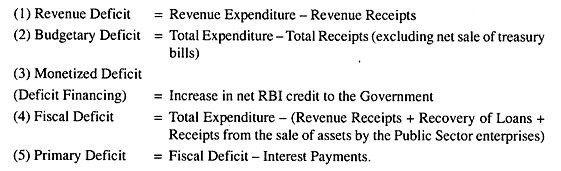
    Revise key concepts Fiscal deficit, revenue deficit, Debt-to-GDP ratio etc

    Fiscal imbalance and its impact on an economy and thereby social welfare.

    The fiscal imbalance at present

    1. Reduction in Fiscal Deficit:
    • There has been a significant reduction in fiscal deficits at both the Union and State levels. The Union’s fiscal deficit decreased from 9.1% of GDP in 2020-21 to 5.9% in 2023-24 (BE).
    • The aggregate State fiscal deficit also decreased from 4.1% of GDP in 2020-21 to 3.24% in 2022-23 (RE).
    • Major States are expected to achieve a fiscal deficit of 2.9% of GDP in 2023-24 (BE).
    1. Revenue Deficit Challenge:
    • Despite the reduction in fiscal deficits, there is persistence of revenue deficits in many States.
    • Out of the 17 major States analyzed, 13 have a deficit in the revenue account for the fiscal year 2023-24 (BE).
    • Seven States, namely Andhra Pradesh, Haryana, Kerala, Punjab, Rajasthan, Tamil Nadu, and West Bengal, experience fiscal deficits primarily driven by revenue deficits.
    1. High Debt-to-GSDP Ratios: Some of the States with revenue deficits also have high debt-to-GSDP ratios. This indicates that these States have accumulated significant levels of debt relative to their Gross State Domestic Product (GSDP).

    The Impact of fiscal imbalance on an Economy

    • Macroeconomic Instability: Fiscal imbalances, such as high fiscal deficits and revenue deficits, can lead to macroeconomic instability. Large deficits may increase government borrowing, which can put upward pressure on interest rates, crowd out private investment, and potentially lead to inflationary pressures. This instability can hinder economic growth and create uncertainty in the business environment.
    • Increased Debt Burden: Persistent fiscal imbalances often result in increased government debt levels. High levels of public debt can have adverse consequences, including increased debt servicing costs, reduced fiscal flexibility, and potential credit rating downgrades. A higher debt burden can also limit the government’s ability to invest in critical areas such as infrastructure, education, and healthcare.
    • Reduced Public Investments: Fiscal imbalances may necessitate fiscal consolidation measures, such as expenditure cuts and reduced public investments. This can impact critical areas of public spending, including infrastructure development, social welfare programs, and public services. Reduced investments can hinder long-term economic growth and development.
    • Limited Policy Space: Fiscal imbalances can limit the government’s ability to implement countercyclical fiscal policies during economic downturns. A high debt burden or constrained fiscal capacity may prevent the government from effectively using fiscal stimulus measures to boost aggregate demand and support economic recovery.
    • Pressure on Social Welfare: Fiscal imbalances may lead to reductions in social welfare programs and public services. Austerity measures implemented to address fiscal imbalances can disproportionately affect vulnerable populations and hinder efforts to address income inequality and social welfare needs.
    • Investor Confidence and Credit Ratings: Persistent fiscal imbalances can erode investor confidence and negatively impact the country’s credit ratings. A lower credit rating can increase borrowing costs, discourage foreign investment, and limit access to international capital markets.
    • Inter-Generational Equity: Fiscal imbalances, particularly when driven by high levels of public debt, can have inter-generational equity implications. The burden of repaying debt and managing fiscal imbalances may fall on future generations, impacting their ability to invest, save, and achieve sustainable economic growth.

    Reducing Revenue deficit: Way forward

    • Link Interest-Free Loans to Revenue Deficit Reduction: Implement a mechanism where interest-free loans provided by the Union Government to States are linked to a reduction in revenue deficits. This incentivizes States to prioritize revenue generation and reduce reliance on borrowed funds for revenue expenditure.
    • Defined Time Path for Revenue Deficit Reduction: Establish a clear timeline and targets for reducing revenue deficits in States. This includes setting specific goals for revenue deficit reduction and developing a credible fiscal adjustment plan to achieve those targets.
    • Performance Incentive Grants: Introduce performance incentive grants to reward States that effectively reduce their revenue deficits. The grants can be designed based on the recommendations of previous Finance Commissions, considering factors such as the extent of deficit reduction, fiscal discipline, and efficient revenue management.
    • Fiscal Adjustment and Expenditure Rationalization: Encourage States to undertake fiscal adjustment measures to align revenue and expenditure. This involves conducting a detailed analysis of expenditure patterns, prioritizing essential spending, and identifying areas for rationalization and efficiency gains.
    • Strengthen Revenue Mobilization: Enhance efforts to improve revenue mobilization by implementing measures such as broadening the tax base, improving tax administration and compliance, and exploring new revenue sources. This includes ensuring effective collection of Goods and Services Tax (GST) and non-GST revenues.
    • Public Financial Management Reforms: Strengthen public financial management systems to enhance transparency, accountability, and efficient utilization of resources. This includes improving budgeting processes, expenditure tracking, and financial reporting mechanisms to monitor and control revenue and expenditure.
    • Long-Term Revenue Planning: Develop a comprehensive long-term revenue plan that aligns with the country’s development goals. This involves forecasting revenue trends, identifying potential revenue sources, and implementing policies that support sustainable revenue generation over the long term.
    • Capacity Building: Invest in building the capacity of State governments in revenue management, tax administration, and expenditure control. This includes providing training and technical assistance to enhance their skills and capabilities in managing revenue deficits effectively.
    • Public Awareness and Participation: Conduct public awareness campaigns to educate citizens about the importance of revenue generation, fiscal discipline, and the impact of revenue deficits on public services. Foster public participation in budgeting processes to promote transparency and accountability.
    • Regular Monitoring and Reporting: Establish a robust monitoring and reporting mechanism to track the progress of revenue deficit reduction efforts. Regularly assess and report the performance of States in revenue mobilization and deficit reduction to ensure accountability and facilitate necessary corrective actions.

    Prelims mark enhancerDeficit Financing in India | Financing | EconomicsDebt to GDP Ratio - What Is It, Formula & Calculation

    Conclusion

    • Effectively managing revenue deficits is crucial for achieving fiscal balance and sustainable economic growth. By adopting a macro view and implementing appropriate measures and incentives, India can consolidate revenue deficits in its States. This would ensure fiscal stability, stimulate State-specific growth, and maintain macroeconomic stability at the national level
  • GIFT NIFTY: Connecting India and Singapore’s Capital Markets

    gift

    Central Idea

    • GIFT NIFTY (formerly known as SGX NIFTY) commenced trading from GIFT City in Gujarat, marking the first cross-border initiative between India and Singapore’s capital markets.
    • The trading session witnessed over 30,000 trades, signifying the growing significance of this collaboration.

    What is GIFT NIFTY?

    • The migration to GIFT NIFTY was initiated by PM Modi in July 2022.
    • GIFT NIFTY plays a crucial role in expanding GIFT IFSC’s reach to foreign investors and enhancing the capital market ecosystem in GIFT City.
    • The collaboration between SGX and NSE strengthens the connection between two rapidly growing economies.
    • NSE IX is restricted from entering similar arrangements with other exchanges, providing stability to the partnership.
    • The initial five-year contract can be extended for an additional two years.

    Operating time

    • GIFT NIFTY establishes a trading link where trading and matching take place in India, while clearing and settlement occur in Singapore.
    • It operates from 6:30 am to 3:40 pm in the Asia time zone.
    • The second session, from 4:35 pm to 2:45 am (next day), targets investors from the United States and Europe.

    Deal between SGX and NSE

    • Revenue sharing: The five-year contract establishes a 50:50 revenue-sharing arrangement between Singapore Exchange (SGX) and NSE International Exchange (NSE IX).
    • Initial revenue split: For Singapore-generated business, SGX will receive 75% of the revenue, while NSE will receive the remaining 25%.
    • IFSC business: NSE will retain 75% of the International Financial Service Centre (IFSC) business, with the remaining 25% going to SGX.
    • Future volume-based sharing: Once a “threshold volume” is reached, the revenue sharing will be equally split between both entities.

    Shift to GIFT NIFTY

    • Ceasing SGX NIFTY: On June 30, trading on SGX NIFTY in Singapore ended, with the entire trading volume and liquidity transitioning to GIFT IFSC.
    • Rechristened GIFT NIFTY: The trading platform was renamed GIFT NIFTY, offering four products: GIFT Nifty 50, GIFT Nifty Bank, GIFT Nifty Financial Services, and GIFT Nifty IT derivatives contracts.

    Back2Basics: GIFT City, Gandhinagar

    • GIFT city is India’s first operational smart city and international financial services centre (much like a modern IT park).
    • The idea for GIFT was conceived during the Vibrant Gujarat Global Investor Summit 2007.
    • The initial planning was done by East China Architectural Design & Research Institute (ECADI).
    • Currently approximately 225 units/companies are operational with more than 12000 professionals employed in the City.

    Key features

    • The entire city is based on the concept of FTTX (Fibre to the home/office).
    • The fiber optic is laid in fault-tolerant ring architecture so as to ensure maximum uptime of services.
    • Every building in GIFT City is an intelligent building.
    • There is piped supply of cooking gas. India’s first city-level DCS (district cooling system) is also operational at GIFT City.


  • Greedflation and its Counter Arguments

    greedflation

    Central Idea: Greedflation

    • The concept of “Greedflation” has emerged, suggesting that corporate greed for higher profits is a significant cause of the high inflation experienced in the United States since the pandemic.
    • Proponents of this theory argue that increased corporate profit margins have contributed to rising prices.
    • However, many economists question the validity of this narrative and offer alternative explanations for inflation.

    Inflation and Business Pricing

    • Pricing Dynamics: Businesses set prices based on consumer willingness to pay, aiming to maximize profits.
    • Consumer Influence: Consumers ultimately determine the market price through their buying decisions.
    • Market Competition: Businesses unable to sell products at high prices must lower prices to clear their stock.

    Inflation as a Macro-Level Phenomenon

    • Widespread Price Rise: Inflation refers to a general increase in the price level across the economy.
    • Corporate Influence on Prices: Corporations can impact overall prices by reducing supply, but there is no evidence of deliberate output reduction.
    • Monetary Policy and Inflation: The expansionary monetary policy of the U.S. Federal Reserve, combined with supply-chain disruptions, explains recent inflation.

    Rising Corporate Profit Margins

    • Rising Costs vs. Consumer Prices: Input costs have risen faster than consumer goods prices, leading to unexpected profit margin growth.
    • Corporate Profits vs. Wider Economy: Large corporations may have benefited from smaller business closures during the pandemic, but they represent a small portion of the overall economy.
    • Profit Margins and Inflation: Rising profit margins do not directly cause high inflation; prices are determined by buyers, not sellers.

    Critique of “Greedflation” as Cost-Push Inflation

    • Cost-Push Inflation Comparison: Greedflation is likened to cost-push inflation theories that attribute price increases to rising input costs.
    • Consumer Influence on Costs: The cost of inputs is indirectly determined by consumers through competitive bidding in the market.

    Conclusion

    • The notion of greedflation, attributing high inflation to corporate greed, lacks support from economists who emphasize the influence of consumer behaviour and macroeconomic factors.
    • While rising profit margins of corporations may indicate market dominance, they do not directly drive inflation.
    • Instead, factors such as monetary policy and supply disruptions better explain the recent inflationary pressures experienced in the United States.
  • What the Indian economy needs to complete with China

    Central Idea

    • The Indian economy has reached a milestone, surpassing $3.5 trillion in size, reminiscent of China’s position in 2007. While India shows similarities with China, such as comparable per capita income, the two countries diverge significantly in their growth drivers. This divergence has implications for India’s growth trajectory and its ability to achieve upper middle-income status.

    Relevance of the topic

    India lags behind China on multiple fronts such as investment ratios, export performance, labor force participation, and manufacturing employment. For instance, Female Labor Force Participation of China is 61% (2022) whereas in India it stands at 24% (2022).

    The stark disparities provide valuable insights to analyze and propose strategies for India’s future development in areas like investment promotion, export competitiveness, and inclusive growth.

    India’s positive growth

    • Economic Size: The Indian economy has recently crossed $3.5 trillion in size, according to Moody’s. This indicates a significant expansion of the economy and reflects positive growth.
    • Per Capita Income: India’s per capita income is projected to rise from $2,379 in 2022 to $2,601 in 2023, as estimated by the International Monetary Fund (IMF). This upward trend indicates an improvement in individual income levels and suggests positive growth in the economy.
    • Exports: India’s exports of goods and services exceeded $770 billion in 2022-23. This demonstrates the country’s ability to compete in the global market and generate revenue through international trade.
    • Investment Momentum: While India’s investment ratio has been lower than China’s, there are signs of activity picking up in certain sectors after a slowdown induced by the twin balance sheet problem. This indicates positive momentum in investment and the potential for future growth.
    • Services Sector: India has witnessed a growth in the services sector, particularly in areas such as IT and business process outsourcing (BPO). The expansion of the services sector contributes to economic growth and job creation.
    • Increase in Formal Manufacturing: India aims to boost formal manufacturing, which has higher productivity compared to other sectors. The focus on manufacturing can lead to increased employment opportunities and overall economic growth.
    • Rise in Female Labor Force Participation: Although India’s female labor force participation rate remains lower than China’s, there have been efforts to increase women’s participation in the workforce. This can contribute to enhanced productivity, economic empowerment, and overall growth

    Comparison: India’s economic position with China

    Aspect China (2007) India (2023)
    GDP Size Comparable to India $3.5 trillion
    Per Capita Income $2,694 $2,601 (estimated)
    Investment-to-GDP Ratio Average 40% Average around 33%
    Exports $1.2 trillion (goods) $770 billion (goods and services)
    Tariff Rate 10.69% (2003) to 5.32% (2020) 25.63% (2003) to 8.88% (2017)
    Labor Force Participation Rate Almost 73% Estimated around 50% (2022)
    Female Labor Force Participation 66% (2007) to 61% (2022) 30% (2007) to 24% (2022)
    Passenger Car Sales 6.3 million 3.8 million
    Manufacturing Productivity Twice as productive as transport Less productive than industry and construction

    The disparities between India and China

    • Investment Ratio: China’s investment-to-GDP ratio averaged 40% between 2003 and 2011, while India’s investment ratio during the same period averaged around 33%. This indicates that China had a higher level of investment, which contributed to its rapid economic growth.
    • Export Performance: In 2022-23, India’s exports of goods and services surpassed $770 billion, while China’s exports had already crossed $1.2 trillion in 2007. China’s deeper integration with the global economy and higher export volumes indicate a more robust export-driven growth model compared to India.
    • Tariff Rates: China experienced a decline in tariff rates, with the simple mean falling from 10.69% in 2003 to 5.32% in 2020. In contrast, India’s tariff rate decreased from 25.63% in 2003 to 8.88% in 2017 but has risen thereafter. China’s lower tariff rates have facilitated its emergence as a global supply chain hub.
    • Labor Force Participation: China had a considerably higher labor force participation rate, with almost 73% in 2007, while India’s rate stood at around 50% in 2022. The disparity, primarily driven by female labor force participation, impacts spending capacity and economic growth potential.
    • Sectoral Employment: Both countries have similar sectoral distribution, but China experienced a faster decline in agricultural employment compared to India. India’s challenge lies in finding alternative employment opportunities for its declining agricultural workforce, with the construction and service sectors historically providing more jobs than formal manufacturing.

    Implications of these disparities for future development of India

    • Growth Trajectory: The disparities in investment ratios indicate that India may face challenges in achieving rapid economic growth and reaching its developmental goals without increasing investment levels.
    • Export Competitiveness: The disparities in export performance suggest that India needs to enhance its global competitiveness to expand its export base and capitalize on international trade opportunities.
    • Job Creation: The disparities in labor force participation rates, particularly the low female participation rate, have implications for employment generation and inclusive growth in India.
    • Sectoral Shift: The slower decline in agricultural employment compared to other sectors raises concerns about the need for alternative employment opportunities for the declining agricultural workforce
    • Investment Climate: The disparities in investment ratios underscore the importance of creating a favourable investment climate in India to attract domestic and foreign investments necessary for sustained economic growth.

    Lessons learned from China

    • Emphasis on Investment: China’s high investment-to-GDP ratio played a crucial role in its rapid economic growth. India can benefit from prioritizing investments in infrastructure, industries, and human capital development to drive economic expansion and productivity.
    • Export-Led Growth: China’s success in becoming a global manufacturing and exporting powerhouse highlights the importance of export-led growth. India can focus on enhancing its export competitiveness, diversifying export markets, and promoting value-added exports to boost economic growth and job creation.
    • Trade Liberalization: China’s gradual reduction of tariffs and its efforts to integrate into global supply chains helped it become a major player in international trade. India can learn from this and work towards reducing trade barriers, improving trade infrastructure, and actively participating in regional and global trade agreements to enhance its integration into the global economy.
    • Manufacturing Development: China’s strategic focus on developing its manufacturing sector contributed significantly to its economic growth and job creation. India can prioritize the growth of formal manufacturing, foster a business-friendly environment, and provide targeted support to enhance manufacturing capabilities and competitiveness.
    • Infrastructure Development: China’s investments in infrastructure, such as transportation networks, energy systems, and telecommunications, played a vital role in supporting its economic growth. India can invest in modernizing and expanding its infrastructure to create a solid foundation for economic development and attract further investments.
    • Human Capital Development: China’s emphasis on education, skills training, and research and development (R&D) has contributed to its technological advancement and innovation capabilities. India can focus on improving the quality of education, enhancing vocational training programs, and promoting research and development to nurture a skilled workforce and foster innovation.
    • Long-Term Planning: China’s long-term development plans, such as its Five-Year Plans, provided a roadmap for sustained economic growth and policy continuity. India can develop comprehensive and strategic plans that align with its development goals and ensure consistent implementation of economic policies.
    • Infrastructure for Special Economic Zones (SEZs): China’s establishment of SEZs played a pivotal role in attracting foreign direct investment and promoting export-oriented manufacturing. India can learn from this model and develop specialized zones with the necessary infrastructure, incentives, and supportive policies to attract investments and promote targeted sectors.

    Conclusion

    • In the coming years, India’s growth may continue at a moderate pace, even if low- and semi-skilled job creation in manufacturing falls short. However, achieving the explosive growth witnessed by China between 2007 and 2021 would require increased investment activity, a resurgence in exports (particularly goods), a rise in female labor force participation, and greater employment opportunities in formal manufacturing. India must strive to replicate the success story of its neighbor if it aims to achieve rapid economic advancement.
  • Why are Indian Drugmakers under scrutiny?

    Central Idea

    • The Indian pharmaceutical industry has faced international scrutiny for exporting allegedly contaminated drugs, leading to adverse health outcomes and deaths in several countries.
    • Instances of sub-standard drugs, including cough syrups and anaesthetic medications, have raised concerns about the quality and safety of Indian pharmaceutical products.

    Lack of Regulatory Action

    • Probing Contamination: Despite reports of deaths and adverse reactions linked to contaminated drugs, the Ministry of Health and Family Welfare has not provided information on the investigations launched.
    • Regulatory Responsibility: The Central Drugs Standard Control Organisation (CDSCO) is responsible for licensing and prosecuting pharma companies, while State governments handle regulatory enforcement.

    Loss of Confidence and Independent Assessments

    • Loss of Confidence: Countries like Gambia, Nigeria, Sri Lanka, and Cameroon have raised red flags on drugs manufactured in India due to safety concerns and sub-standard quality.
    • Independent Assessments: Some countries, such as Mozambique, have established independent systems to check drug samples before export, highlighting the need for rigorous inspections.

    Punishment and Prosecution

    • Inadequate Punitive Measures: Merely suspending or cancelling manufacturing licenses is deemed insufficient to deter pharmaceutical companies from non-compliance.
    • Legal Provisions: The Drugs and Cosmetics Act allows for imprisonment for life for manufacturers violating good manufacturing practices, but prosecutions are often delayed and convictions are rare.

    Challenges in Drug Regulation

    • Shortage of Drug Inspectors: The CDSCO faces a shortage of drug inspectors, hindering effective oversight and inspections.
    • Administrative Errors: Errors committed by drug inspectors, such as incomplete testing processes and improper documentation, contribute to poor conviction rates.

    Conclusion

    • To restore its reputation and ensure the safety of pharmaceutical products, India needs to strengthen its regulatory framework and inspection processes.
    • Robust inspections, timely reporting of non-compliance, and effective prosecution of offenders are necessary to address the concerns regarding contaminated drugs.
    • Adequate allocation of resources and addressing the shortage of drug inspectors will play a crucial role in enhancing the effectiveness of drug regulation in India.

    Also read:

    [Sansad TV] Perspective: Common Drugs Standards