💥Join UPSC 2027,2028 Mentorship (July Batch) + XFactor Notes & Microthemes PDF

Author: Explains

  • 18 August 2018 | High Relevance vs Low Relevance News

    Reading News for UPSC is utmost important and rising number of questions year on year in UPSC Prelims is a testimony of this

    We are starting a daily series where we will analyze news covered in The Hindu, Indian Express and other newspapers which are important from exam perspective and which are not

    Important news would have been covered in our daily news coverage in form of newscards.

    Unimportant ones will be mentioned here and a short description regarding why it is not relevant for the exam

    Click on news headlines to read the full news

    High relevance news

    Scientists to test land for LIGO

    https://www.civilsdaily.com/news/scientists-to-test-land-for-ligo/

    LIGO project is an important breakthrough and its extension to India is a big news. Important for Pre as well as Mains.


    Odisha to showcase its biodiversity

    https://www.civilsdaily.com/news/odisha-to-showcase-its-biodiversity/

    Make notes about Bhitarkanika national park & its important features. Can be asked in Prelims.

    [op-ed snap] How WHO’s Essential Diagnostics List Can Spur Innovation, Quality Assurance

    https://www.civilsdaily.com/news/op-ed-snap-how-whos-essential-diagnostics-list-can-spur-innovation-quality-assurance/

    A good editorial highlighting the status of the diagnostic sector as well as possible solutions for increasing access to healthcare. Important for Mains.

    Low Relevance News

    Kerala floods: Mobilisation of additional Central resources discussed in high-level meeting

    A high-level committee headed by cabinet secretary met to discuss the Kerala floods.

    It was decided to mobilise additional resources of all agencies including Army, Navy, Air Force, Coast Guard and National Disaster Response Force (NDRF) to provide the required assistance to Kerala

    No important points in news from the exam perspective

  • 17 August 2018 | Prelims Daily with Previous Year Questions

    Q.1) The Medical Termination of Pregnancy (MTP) Act, 1971 seeks to legalize abortion in India with certain limitations.

    Which of the following statements about MTP Act is/are correct?

    1. It provides for abortion upto 20 weeks of gestation.
    2. This can be extended to 24 weeks in case of a rape victim considering the social stigma associated with pregnancy.
    3. Foetal abnormalities cannot be cited as legitimate reason of abortion.

    a) Only 1

    b) 2 and 3

    c) 1 and 3

    d) All are incorrect

    Inspired by: [op-ed snap] A Law Past Its Sell-by Date

    https://www.civilsdaily.com/news/op-ed-snap-a-law-past-its-sell-by-date/


    Q.2) Which of the following states share the largest boundary with Caspian Sea?

    a) Russia

    b) Kazakhstan

    c) Turkmenistan

    d) Iran

    Inspired by: Caspian Sea breakthrough treaty set to boost oil, pipeline plans

    https://www.civilsdaily.com/news/caspian-sea-breakthrough-treaty-set-to-boost-oil-pipeline-plans/


    Q.3) Consider the following statements about Unified Payments Interface (UPI) 2.0:

    1. It will enable overdraft facilities where account balance is debited below zero balance.
    2. It is developed by National Payments Corporation of India (NPCI).

    Which of the given statements is/are correct?

    a) Only 1

    b) Only 2

    c) Both 1 and 2

    d) None of the above

    Inspired by: NPCI launches UPI 2.0 with overdraft facility

    https://www.civilsdaily.com/news/npci-launches-upi-2-0-with-overdraft-facility/


    Q.4) Consider the following statement about the chemical element Helium.

    1. It was first detected from the coasts of Guntur, in Andhra Pradesh during a solar eclipse.
    2. It is the second most abundant element found in atmosphere after hydrogen.
    3. Helium-4 an isotope is formed on the sun due to nuclear fission reaction only, from Helium.

    Which of the given statements is/are correct?

    a) 1 and 2

    b) 2 and 3

    c) 1 only

    d) All are correct

    Inspired by: Helium turns 150 on August 18, 2018!

    The Hindu


    Q.5) India is party to the St. Petersburg Declaration, 2010.

    This declaration is related to the conservation of which of the following species in Wild?

    a) Elephant

    b) Tiger

    c) Asiatic Lion

    d) Migratory Birds

    Inspired by: Supreme Court said no to highway in Jim Corbett but MoEF institute agrees to help clear it

    Indian Express


    For Solutions – Click Here

    Prelims Daily Archive – Click here

  • [Burning Issue] Should the Office of Governor be scrapped?

    Image result for abolish governor office india

    Why in news?

    The office of Governor came under scanner recently in Karnataka when instead of inviting the post-poll alliance partners which had the number in the floor of the house, the Governor invited the single largest party which was way short of the majority. The role of Governor also came into the scanner in Goa, Uttarakhand and Arunachal Pradesh.

    Appointment of Governor

    • The governor is head of the state.
    • The governor is neither directly elected by the people nor elected a specially constituted electoral college.
    • The governor is directly appointed by the President. Thus, he is considered to be a nominee of the Central government.
    • The post of the governor is a constitutional post and not an employment under the Central government.
    • The term of the Governor is prescribed as five years. However, the governor is allowed to hold office at the will of the President.
    • The only qualifications for appointment as Governor are that he should be a citizen of India and must have completed the age of thirty-five years.

    Important Constitutional Provisions

    Article 153: It requires a governor to be appointed for every state in India.

    Article 154: Vests the executive power of the State in the Governor

    Article 155: Appointment of the Governor

    Article 156: Term of Office of Governor

    Article 157: Qualifications for appointment as Governor

    Role of Governor in India

    The Governor is the chief executive of a State in India. The governor heads the government’s executive branch in each state or territory and, depending on the individual jurisdiction, may have considerable control over government budgeting, the power of appointment of many officials (including many judges), and a considerable role in legislation.

    The powers and functions of the Governor of Indian State resemble that of the President of the Union Government. Like the President, the Governor is also a constitutional ruler, a nominal figure. He is not a real functionary. Generally speaking, the Governor acts on the advice of the Council of Ministers.

    Under the Constitution of India, the Governor of a State possesses wide powers and functions – executive, legislative, financial and judicial.

    Let us now discuss the powers and functions of the Governor of an Indian State.

    Executive:

    • The Executive power of the State is vested in the Governor. He exercises this power either directly or through the officers who are subordinate to him. All executive actions of the State are taken in the name of the Governor.
    • An important function of the Governor is to appoint the Chief Minister of the State. Other ministers are also appointed by the Governor on the advice of the Chief Minister. The ministers including the Chief Minister hold office during the pleasure of the Governor.
    • He has also the power to appoint the higher officers of the State including the Advocate-General and the members of the State Public Service Commission. He has also a share in the appointment of the Judges of High Court.
    • He is responsible for the administration of the welfare schemes of the scheduled castes and other backward class. He may appoint a minister for this purpose. The Governor has the constitutional right to know the decisions of the Council of Ministers relating to the administrative affairs of the State and the proposals for legislation. But like the President of the Union, the Governor has no diplomatic or military power.

    Legislative:

    • Governor is an integral and indispensable part of the State Legislature. In some States, the State Legislature consists of the Governor and one House, the Legislative Assembly, while in other it consists of the Governor and the two Chambers known as the Legislative Assembly and the Legislative Council. The Governor possesses the powers to summon and prorogue the Houses of the State Legislature. He can also dissolve the Lower House—the Legislative Assembly—before the expiry of its term.
    • The Governor has been authorized by the Constitution to deliver an address to the State Legislature at the commencement of the first session of each year. He has also the power to send message to the State Legislature. The Governor has to nominate one member to Legislature. The Governor has to nominate one member to Legislature Assembly from the Anglo-Indian Community and also members to the Legislative Council (where it exists) from among the persons who have acquired special knowledge in art, literature, science, social service and co-operative movement.
    • In a State, a public bill cannot become an Act without the approval of the Governor. A bill passed by the State Legislature is presented to the Governor for his assent. The Governor may give his assent to the bill. Or he may withhold his assent from the bill. If the bill is again passed by the House or Houses of the State Legislature, the Governor is to give assent to the bill. He may also reserve certain bill for the assent of the President. This is an important function of the Governor of an Indian State.
    • When the State Legislature is not in session, the Governor may issue an Ordinance. It has same force as the law of the State Legislature. But it must be placed before the Legislature when it assembles again. If it is approved by the State Legislature, it will cease to operate after six weeks of the date of meeting of the State Legislature.

    Financial:

    The Governor has also financial powers and functions. No money bill can be originated in the State Legislature without the recommendation of the Governor. In every year, the budget is laid before the State Legislature by the Governor. No proposals for taxation or expenditure can be made without the approval of the Governor.

    Judicial:

    The Governor also exercises judicial powers. He has the power to grant pardons, reprieves or remissions of punishment to any person who has been convicted by courts of law. He has also a great share in the appointment of the judges of the subordinate courts.

    Why should the post of Governor be abolished?

    1. It has become retirement home for politicians: The post has been reduced to becoming a retirement package for politicians for being politically faithful to the government of the day. Consequently, a candidate wedded to a political ideology could find it difficult to adjust to the requirements of a constitutionally mandated neutral seat. This could result in bias, as appears to have happened in Karnataka
    2. Non-neutrality of the office of the Governor: The governors are the agents of the Central Government and since most of them are retired politicians belonging to a particular political party ,they remain loyal to the people, who appoint them. As a result of it, they try to topple the State Government if it happens to be a Government by the opposition party. This is undemocratic and immoral
    3. The circumstances has changed in last 70 years: After almost 70 years since India’s Independence, the need for the position of the governor to act as a unifying body with that the federal system has lessened. When the Constituent Assembly of India was debating and drafting the Constitution, between 1946 and 1949, the country had just been formed. There were fissiparous predispositions amongst many and the governors acted as the eyes and ears of the Central Government in the states through periodic reports. At present, mostly the whole of India is at peace with the identity of a Union and the role of the governor has been substantially reduced, whereby it is used to destabilise the Constitution rather than upholding it
    4. Undemocratic to have an selected head of the state: it is undemocratic to have a nominated person as the head of the State. All the powers should be exercised by the elected head. Chief Minister should be responsible for doing everything and should not be checked by the Governors.

    Why we need the post of Governor?

    1. Manage things in transition phase: To manage things in transition phase like election period and presidential rule in states.
    2. At the time of Government formation: Ever imagined who will decide that which party should be invited to form the Government if there is a hung assembly? Those saying that the post of Governor should be abolished will find it difficult to answer this question. A Governor has to apply his mind to see that a stable Government is formed in a state
    3. To ensure the legal validity of the laws: The Governor looks into the legal validity of the laws passed by state legislature. He can raise an objection and ask the Government to reconsider certain provisions of law which he finds needing change
    4. Act as a bridge: Work not as an agent but as a bridge between union and states on various issues.
    5. A special responsibility in some states: For many states like in North states we have autonomous regions and also the less developed area. Under direct union supervision, governor has a responsibility to ensure the development of these regions.

    Way Forward

    Misuse of a position of power should not serve as a justification for removing the office altogether unless such a position has totally lost its relevance

    • In India, the balance in power is tilted towards the Union. The importance of the Governor’s position arises not from the exceptional circumstances that necessitate the use of his discretion, but as a crucial link within this federal structure in maintaining effective communication between the Centre and a State
    • As a figurehead who ensures the continuance of governance in the State, even in times of constitutional crises, his role is often that of a neutral arbiter in disputes settled informally within the various strata of government, and as the conscience keeper of the community.

    Here are some suggestions to make the post of governor effective again.

    • The post of the Governor be reserved for non-political appointees, and the Supreme Court should lay down the law on how the Governor ought to act when an election yields a fractured verdict
    • The recommendations of the Sarkaria Commission and the Punchhi Commission report need to be examined closely to make proper amendments to the functions of the post of governor.
    • Governorships should go to eminent persons with impeccable credentials rather than these posts becoming dumping grounds for retired politicians.
    • A national panel should be prepared after involving the opposition, ruling party, civil society and the judiciary in the selection process; the governor should be appointed from this panel after consultation with the CM of the state in which he or she is to function.
    • Ideally speaking, a governor should not be posted in his native state and should preferably have been at a distance from active politics for a significant period.
    • The arbitrary dismissals of governors should be stopped at all costs by legislating for a fixed tenure. He should not enjoy office at the pleasure of the President and his removal from office must entail impeachment proceedings in the state assembly. The process of dismissal of the governor should be made as difficult as the removal of high court judges.
    • The governor should not be allowed to acquire political positions for a certain period after relinquishing his post. This will enhance the independence of his office and give him more teeth in functioning.
    • The discretionary powers need to be whittled; there has to be clear-cut guidelines on the appointment of CM i.e. inviting the leader of the largest pre-poll alliance or the party to form the government. No efforts should be made to subvert the mandate and install governments through the back door.
    • As far as power to reserve bills is concerned, this should continue but it should be resorted to in the rarest of rare cases and not on a liberal interpretation or malicious intent. If needed, the Governor should be legally made to enlist the opinion of the High Court before reserving bills.
    • The Punchhi Commission has recommended the localizing of emergency provisions under Articles 355 and 356 of the Constitution. According to it, President’s rule should be imposed in those parts of the state where there is constitutional breakdown of machinery — rather than the whole state. This will go a long way in preventing the dismissal of state governments on petty and manufactured grounds of lawlessness
  • 17 August 2018 | High Relevance vs Low Relevance News

    Reading News for UPSC is utmost important and rising number of questions year on year in UPSC Prelims is a testimony of this

    We are starting a daily series where we will analyze news covered in The Hindu, Indian Express and other newspapers which are important from exam perspective and which are not

    Important news would have been covered in our daily news coverage in form of newscards.

    Unimportant ones will be mentioned here and a short description regarding why it is not relevant for the exam

    Click on news headlines to read the full news

    High relevance news

    Caspian Sea breakthrough treaty set to boost oil, pipeline plans

    https://www.civilsdaily.com/news/caspian-sea-breakthrough-treaty-set-to-boost-oil-pipeline-plans/

    Caspian sea dispute was pending from years and it now seems to be resolved. Note details of the Caspian Sea & surrounding nations. Important for Prelims.

    FSSAI unveils initiative to collect, convert used cooking oil into biofuel

    https://www.civilsdaily.com/news/fssai-unveils-initiative-to-collect-convert-used-cooking-oil-into-biofuel/

    Note details about RUCO & its possible uses. Important for Prelims.

    NPCI launches UPI 2.0 with overdraft facility

    https://www.civilsdaily.com/news/npci-launches-upi-2-0-with-overdraft-facility/

    Digital payments have been in focus recently. Can be asked in Pre as well as Mains.

    Low Relevance News

    SC asks Delhi Lieutenant Governor to take effort to clear garbage

    The Supreme Court has asked the Lieutenant Governor (LG) of Delhi to make a collaborative effort with the help of civil society and resident welfare associations to clear Delhi of its garbage

    No important points from exam perspective.

  • [Burning Issue] E-waste problem in India

    Related image

    Why in News

    According to ASSOCHAM-NEC joint study on “World Environment Day”, India is among the top five e-waste generating countries in the world besides China, the US, Japan and Germany

    E-waste –Statistics

    1. The global volume of e-waste is expected to reach 52.2 million tonnes (MT) or 6.8 kg per inhabitant by 2021 from 44.7 MT in 2016 at a compound annual growth rate of 20%, according to the study
    2. Among states, Maharashtra contributes the largest e-waste of 20% but recycles only about 47,810 tonnes per annum (TPA)
    3. Of the total e-waste produced in 2016, only 20% (8.9 MT) is documented to be collected properly and recycled, while there is no record of the remaining, e-waste, the study said

    What is E-Waste?

    Electronic waste, abbreviated as ‘e-waste’ is a term used to describe old, end-of-life electronic appliances such as computers, laptops, TV’s, radios, refrigerators etc., which have been discarded by users. E-waste comprises of numerous valuable but harmful substances that can cause an adverse effect on human health

    What are the harmful effects?

    1. They contain several hazardous substances, such as mercury, arsenic and other heavy metals.
    2. They emit harmful radiation, degrade the soil, and releases toxins to pollute air and groundwater.
    3. Prolonged exposure to these pollutants can damage the nervous system, kidneys, and brain, and can cause respiratory disorders, lung cancer, skin ailments and other health problems.
    4. 2/3rd of the workers in the unorganised e-waste recycling sector suffer from breathing in difficulties, coughing, irritation etc.

    E-waste disposal policy in India

    1. The country’s e-waste disposal policy is actually robust.
    2. The e-waste management rules, laid down by the environment ministry, even revolve around the judicious concept of “extended producer responsibility” (EPR).
    3. Manufacturers are mandated to take back 30% of the discarded electronic equipment for appropriate disposal in the first two years of the enforcement of these rules.
    4. This level is to be raised to 70% in the next five years.

    Issues related to E-waste in India

    1. India stands fifth in e-waste generation in the world producing around 1.7 lakh metric tons per annum.
    2. About 4.5 lakh child labourers observed to be engaged in various E-waste activities without adequate protection and safeguards.
    3. A huge gap between present recycling and collection facilities and quantum of E-waste that is being generated.
    4. E-waste bearing toxic materials contaminates soil and groundwater, as well as its exposure, causes health issues to the recycler.
    5. No clear guidelines for the unorganized sector to handle E-waste. Also, no incentives provided to lure people engaged to adopt formal path for handling E-waste.
    6. 80 % of E-waste in developed countries meant for recycling is sent to developing countries such as India, China, Ghana and Nigeria.
    7. Lack of coordination between various authorities responsible for E-waste management and disposal including the non-involvement of municipalities.
    8. There is no large-scale organized E-waste recycling facility in India and the entire recycling exists in the unorganized sector.
    9. Management practices are often poorly designed and have a lot of health and environmental repercussions
    10. The lack of public awareness regarding the disposal of electronic goods and inadequacy of policies to handle the issues related to E-waste enhance the problem in India.
    11. People discard E-waste with regular municipal solid waste which is an extremely dicey practice.
    12. End of life computers often contains sensitive personal information and bank account details which, if not deleted leave opportunity for fraud.
    13. The decline in cost of consumer electronics, rise in middle-class incomes, and the increase in frequency at which devices are discarded.

    What needs to be done?

    1. There exists an urgent need for a detailed assessment of the current and future scenario including quantification, characteristics, existing disposal practices, environmental impacts etc.
    2. Institutional infrastructures, including e-waste collection, transportation, treatment, storage, recovery and disposal, need to be established, at national and/or regional levels for the environmentally sound management of e-waste.
    3. Establishment of e-waste collection, exchange and recycling centres should be encouraged in partnership with private entrepreneurs and manufacturers.
    4. Model facilities employing environmentally sound technologies and methods for recycling and recovery are to be established.
    5. Policy level interventions should include the development of e-waste regulation, control of import and export of e-wastes and facilitation in development of infrastructure.
    6. An effective take-back program providing incentives for producers to design products that are less wasteful, contain fewer toxic components and are easier to disassemble, reuse, and recycle may help in reducing the wastes.
    7. End-of-life management should be made a priority in the design of new electronic products.
    8. A circular economy model needs to be  built on the idea of,
    •    Designing out waste and pollution
    •    Keeping products and materials in use
    •    Regenerating natural systems

    Need changes in E-waste policy and regulation

    1. The Policy shall address all issues ranging from production and trade to final disposal, including technology transfers for the recycling of electronic waste.
    2. Clear regulatory instruments, adequate to control both legal and illegal exports and imports of e-wastes and ensuring their environmentally sound management should be in place.
    3. There is also a need to address the loopholes in the prevailing legal framework to ensure that e-waste from developed countries are not reaching the country for disposal.
    4. The Port and the Customs authorities need to monitor these aspects.
    5. The regulations should prohibit the disposal of e-waste in municipal landfills and encourage owners and generators of e-wastes to properly recycle the wastes.
    6. Manufacturers of products must be made financially, physically and legally responsible for their products

    Some Initiatives taken

    1. E-waste Awareness programme under Digital India initiatives
    • Ministry of Electronics and Information Technology, MeitY, has initiated this to along with industry associations from 2015, to create awareness among the public about the hazards of e-waste recycling by the unorganised sector, and to educate them about alternate methods of disposing of their e-waste
    1. E-Waste Mass Awareness Campaign through Cinema has also been initiated for awareness amongst the youth

    Lessons to learn from other countries/institutions  

    1. European Environment Agency aims to establish a recycling rate of at least 50% across the 31 countries.
    2. Sweden recently announced tax breaks for repair related activities.
    3. Hong Kong to start ‘producer pays’ scheme for 70,000 tons generated in city annually
    4. Apple operates a number of free Take back and recycling programs.
    5. Norway has an e-waste take-back system in place for more than a decade now

    Conclusion

    1. In India, the amount of E-waste generated is rising rapidly. With the increasing dependence
      on electronic and electrical equipment, the rise of E-waste generation is well expected in the
      country.
    2. The government schemes offer little relief unless they are implemented and they translate into profitable business there can be no real change.

    Practice questions

    1. What is E-waste? Examine the harmful effects of E-wastes on environment and human health.
    2. Discuss various issues regarding E-wastes in India and give suggestions to solve the same.
  • 16 August 2018 | Prelims Daily with Previous Year Questions

    Q.1) Consider the following statements about Aerogel:

    1. It is made up of plant cellulose sugar.
    2. Almost 90% of its weight is gas, particularly the air.
    3. It is a good conductor of heat.
    4. All above properties make it a denser and heavier material than glass.

    Which of the given statements is/are incorrect?

    a) 2 and 3

    b) 2 and 4

    c) 1 and 2

    d) 3 and 4

    Inspired by: Super-insulating gel could help build Mars habitats

    https://www.civilsdaily.com/news/super-insulating-gel-could-help-build-mars-habitats/

    Q.2) The Interstate River Water Disputes (IRWD) Act, 1956 enacted under Article 262 of Constitution of India provides for dispute resolution for the distribution of Inter-state River waters in the form of Tribunal created in the case.

    Which of the following statements about IRWD Act is/are not correct?

    1. River water use is included in State List; hence Centre has no say in the resolution of such dispute.
    2. This act is confined to states of India and not applicable to union territories.
    3. The award of Tribunals under this act is equal to a High Court Verdict and can be challenged in Supreme Court.

    Select the correct codes from the following options:

    a) 1 and 2

    b) 1 and 3

    c) 2 only

    d) All are correct

    Inspired by: Verdict of Mahadayi Water Disputes Tribunal Comes

    https://www.civilsdaily.com/news/verdict-of-mahadayi-water-disputes-tribunal-comes/

    Q.3) Global Liveability Index is released by which of the following organizations?

    1. WHO
    2. UN-ECOSOC
    3. The Economist Intelligence Unit
    4. Amnesty International

    Inspired by: India fares poor on Global Liveability

    https://www.civilsdaily.com/news/india-fares-poor-on-global-liveability/

    Q.4) Maharshi Badrayan Vyas Samman is conferred to the scholars of which of the following languages?

    1. Classical Tamil
    2. Classical Kannada
    3. Persian
    4. Urdu
    5. Bengali

    Select the correct codes from the following options:

    a) 1, 2, 3, 4,5

    b) 2, 3, 4, 5

    c) 2 and 3 only

    d) 1 and 2 only

    Inspired by: PIB

    http://pib.nic.in/newsite/PrintRelease.aspx?relid=181915


    Q.5) The famous Dudhsagar Fall is located on which of the following rivers?

    1. Mandovi
    2. Krishna
    3. Tungabhadra
    4. Cauvery

    Inspired by: Verdict of Mahadayi Water Disputes Tribunal Comes

    https://www.civilsdaily.com/news/verdict-of-mahadayi-water-disputes-tribunal-comes/

    For Solutions – Click Here

    Prelims Daily Archive – Click here

  • 16 August 2018 | High Relevance vs Low Relevance News

    Reading News for UPSC is utmost important and rising number of questions year on year in UPSC Prelims is a testimony of this

    We are starting a daily series where we will analyze news covered in The Hindu, Indian Express and other newspapers which are important from exam perspective and which are not

    Important news would have been covered in our daily news coverage in form of newscards.

    Unimportant ones will be mentioned here and a short description regarding why it is not relevant for the exam

    Click on news headlines to read the full news

    High relevance news

    [op-ed snap] Questioning a crackdown

    https://www.civilsdaily.com/news/op-ed-snap-questioning-a-crackdown/

    A good editorial on the relevance of Oxytocin ban and why its a bad decision on government’s part. Make notes for Mains.

    India fares poor on Global Liveability

    https://www.civilsdaily.com/news/india-fares-poor-on-global-liveability/

    Every index is important from UPSC perspective. Must read for Prelims.

    Verdict of Mahadayi Water Disputes Tribunal Comes

    https://www.civilsdaily.com/news/verdict-of-mahadayi-water-disputes-tribunal-comes/

    After Kaveri, another major river dispute going on since years. Read and note details of tribunal’s verdict.

    Super-insulating gel could help build Mars habitats

    https://www.civilsdaily.com/news/super-insulating-gel-could-help-build-mars-habitats/

    Read about Aerosol & its uses. Can be asked in Prelims.

    Explained: How to send an Indian into space?

    https://www.civilsdaily.com/news/explained-how-to-send-an-indian-into-space/

    Gaganyaan is now a hot topic and very important for Pre as well as Mains. Note India’s manned space mission history and future prospects.

    Low Relevance News

    Centre may relax NRC guidelines

    The Centre is mulling relaxed guidelines for migrant workers and labourers from other States who were not included in the final draft of the National Register of Citizens (NRC) in Assam that was published on July 30

    No important points from the exam point of view.

    CJI launches mobile apps for e-filing of cases

    In a “giant leap” towards a litigant-friendly court system, Chief Justice of India Dipak Misra on Tuesday heralded the launch of a host of smartphone apps to help litigants, including convicts, from all parts of the country file cases and even make e-payments to courts

    No name of apps given nor any other important info. Not relevant for the exam.

  • [Burning Issue] Artificial Intelligence

    Related image

    Why in News?

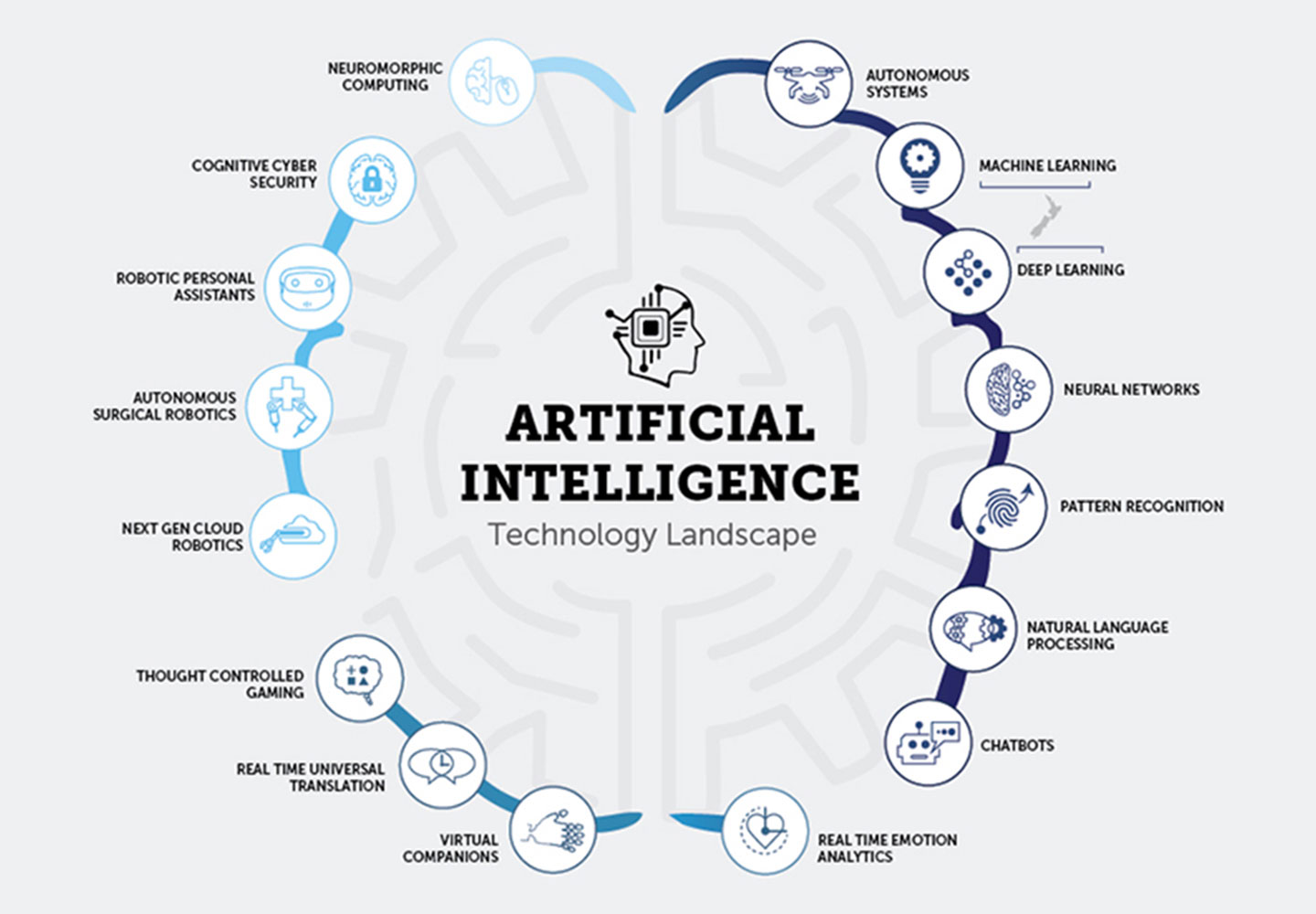
    The NITI Aayog has published an ambitious discussion paper on kick-starting the artificial intelligence (AI) ecosystem in India.

    About Artificial Intelligence

    1. AI is a constellation of technologies that enable machines to act with higher levels of intelligence and emulate the human capabilities of sense, comprehend and act. Thus, computer vision and audio processing can actively perceive the world around them by acquiring and processing images, sound and speech.
    2. The natural language processing and inference engines can enable AI systems to analyze and understand the information collected.
    3. An AI system can also take action through technologies such as expert systems and inference engines or undertake actions in the physical world.
    4. These human-like capabilities are augmented by the ability to learn from experience and keep adapting over time.
    5. AI  systems are finding ever-wider application to supplement these capabilities across various sectors.

    Potential of Artificial Intelligence

    Artificial Intelligence has the potential to provide huge value to different sectors and can become a key source of competitive advantage for firms.

    Healthcare

    Helps address the issue of access to healthcare facilities, particularly in rural areas that suffer from poor connectivity and the limited supply of healthcare professionals.

    Agriculture

    1. It can address challenges such as inadequate demand prediction, lack of assured irrigation, and overuse/misuse of pesticides and fertilizers.
    2. Improves crop yield through real-time advisory, advanced detection of pest attacks, and prediction of crop prices to informed sowing practices.

    Smart Mobility, including Transports and Logistics

    1. Autonomous fleets for ride sharing,
    2. Semi-autonomous features such as driver assist, and
    3. Predictive engine monitoring and maintenance.

    Retail

    1. To improve user experience and sale through
      1. personalized suggestions,
      2. preference-based browsing
      3. image-based product search
      4. customer demand anticipation
      5. improved inventory management  
      6. efficient delivery management

    Manufacturing

    To create a flexible and adaptable technical system to automate processes and machinery to respond to unfamiliar or unexpected situations by making smart decisions.

    Energy

    Energy system modeling and forecasting to decrease unpredictability and increase efficiency in power balancing and usage.

    Smart Cities

    Integration of AI in smart cities and infrastructure help meet the demands of a rapidly urbanizing population and provides enhanced quality of life.

    Education and Skilling

    1. Improving the learning experience through personalized learning,
    2. automating and expediting administrative tasks, and
    3. predicting the need for student intervention to reduce dropouts or recommend vocational training.

    Global Developments in AI

    Different countries have identified different focus areas for AI development and deployment

    Japan

    1. Areas of interest include industrial productivity improvement, healthcare, medical care and welfare, mobility and information security.
    2. Japan is focusing on moving from the “Industry 4.0” paradigm to “Society 5.0” through the development of AI for delivering public services

    France

    1. Areas of interest include healthcare, environment, transport, mobility, defence-security. The government is planning to support AI startups through data availability, public spending and talent reskilling.

    USA

    Areas of interest include economic prosperity, educational opportunities, quality of life, national and homeland security.

    China

    1. Areas of interest include education, healthcare, energy, transport, quality of life, city planning /IoT / robotics.
    2. China is focusing on developing and using AI for delivery of public services through financial support, developing talent pipeline, and leveraging international cooperation.

    Artificial Intelligence in India

    A national AI strategy needs to be created on a framework based on India’s unique needs and aspirations, while at the same time capable of achieving the country’s full potential of leveraging AI developments.  

    Impact of AI in India

    1. It will improve the quality of life and access of choice to a large section of the country.
    2. Increased access to quality health facilities (including addressing the locational access barriers)
    3. Inclusive financial growth for large sections of the population who have been excluded from formal financial products.
    4. Providing real-time advisory to farmers and help address unforeseen factors to increase productivity,
    5. Building smart and efficient cities and infrastructure to meet the demands of the rapidly urbanizing population

    Key challenges in adoption of AI in India

    1. Lack of enabling data ecosystems.
    2. Low intensity of AI research
             i. Core research in fundamental technologies
             ii. Transforming core research into market applications.
    3. Inadequate availability of AI expertise, manpower and skilling opportunities
    4. High resource cost and low awareness for adopting AI in business processes
    5. Unclear privacy, security and ethical regulations
    6. Unattractive Intellectual Property regime to incentivize research and adoption of AI

    Way forward

    The way forward is to factor in current strengths and weaknesses in AI and initiate large-scale transformational interventions, primarily led by the government, with the private sector providing able support.

    Practice Questions

    1. Evaluate the benefits of Artificial Intelligence (AI) across different sectors.
    2. Compare and contrast on the development of AI among different countries. How is India faring in the development of AI?
  • 14 August 2018 | Prelims Daily with Previous Year Questions

    Q.1) Consider the following statements with respect to Global Financial Inclusion (Global Findex) Database:

    1. It is launched by World Bank with the help of Bill and Melinda Gates Foundation.
    2. It measures how adults around the world – including the poor, women, and rural residents – manage their finances and plan for the future.
    3. According to this, India has made rapid progress in improving access to formal financial services.

    Which of the given statements is/are correct?

    a) 1 and 2

    b) 2 and 3

    c) 1 and 3

    d) All are correct

    Inspired by: [op-ed snap] How India should close the financial gender gap

    https://www.civilsdaily.com/news/op-ed-snap-how-india-should-close-the-financial-gender-gap/

    Q.2) Idukki Dam in Kerala was recently in news as its gates were opened for the first time due to heavy floods. This dam is built on which of the following river?

    a) Bharathappuzha

    b) Chalakudy

    c) Periyar

    d) Pamba

    Inspired by: [op-ed snap] Keeping dry: On Kerala floods

    https://www.civilsdaily.com/news/op-ed-snap-keeping-dry-on-kerala-floods/

    Q.3) Consider the following statements about Laboratory for the Conservation of Endangered Species (LaCONES):

    1. It is a dedicated laboratory of the CSIR-Centre for Cellular and Molecular Biology (CCMB), Hyderabad.
    2. It is the only laboratory in India that has developed methods for collection and cryopreservation of semen and oocytes from wildlife.
    3. It has successfully reproduced endangered blackbuck, spotted deer and Nicobar pigeons.

    Which of the given statements is/are incorrect?

    a) Only 2

    b) Only 3

    c) 2 and 3

    d) All are correct.

    Inspired by: National Wildlife Genetic Resource Bank dedicated to nation

    https://www.civilsdaily.com/news/national-wildlife-genetic-resource-bank-dedicated-to-nation/

    Q.4) Which of the given statements about “Ease of Living index 2018”, the data-driven approach to urban planning and management is correct?

    1. The index is released by NITI Aayog.
    2. It is a measure of a city’s ability to provide data on various spheres of performance in real time.
    3. A low score reflects poor state of livability in those cities.
    4. Pune and Mumbai sub-urban are the leading rank holders of the index.

    Select the correct codes from the following options:

    a) 1, 2 and 4

    b) 2 and 4

    c) 2, 3 and 4

    d) All are Correct

    Inspired by: Pune tops Ease of Living index; Patna ranked lowest of 111 cities

    https://www.civilsdaily.com/news/pune-tops-ease-of-living-index-patna-ranked-lowest-of-111-cities/

    Q.5) With an aim to harness India’s rich cultural, historical, religious and natural heritage in boosting tourism and job creation, Swadesh Darshan Scheme was launched in the country.

    Which of the following statements is/are correct with respect to the Swadesh Darshan Scheme?

    1. It is a Centrally Sponsored Scheme under Ministry of Tourism.
    2. It aims to develop theme-based tourist circuits in the country which are unique and specific to the area including beaches, culture, heritage, wildlife etc.
    3. “North East Circuit: Imphal & Khongjom” is the first project developed under the scheme.

    Select the correct codes from the following options:

    a) All are correct

    b) 1 and 3

    c) 2 and 3

    d) 3 only

    Inspired by: [pib] First project under the Swadesh Darshan Scheme the ‘North East Circuit to be inaugurated

    https://www.civilsdaily.com/news/pib-first-project-under-the-swadesh-darshan-scheme-the-north-east-circuit-to-be-inaugurated/


    For Solutions – Click Here

    Prelims Daily Archive – Click here

  • [Burning Issue] Operation Greens

    Image result for Operation Greens

    Why in news?

    The govt. proposed to launch Operation Greens scheme in the Budget 2018.

    About Operation Greens scheme

    1. It is a price fixation scheme aims at doubling the farmers’ income by the end of 2022 by ensuring them the right price for their produce.
    2. It focusses on fruits and vegetables, starting with three basic vegetables such as onion, potatoes and tomatoes. It will help in controlling the high fluctuations in the prices of these vegetables.

    Why Operation Greens?

    1. India is the second largest producer of vegetables in the world, next only to China which produces 4x more than India. It means that India has still a long way to go in vegetable production.
    2. The problem with vegetable commodities is that when their production increases sharply, their prices collapse because there is not enough modern storage capacity. Furthermore, the links to processing and organised retailing are very weak and small in India. Consequently, farmers often end up receiving less than 1/4th of what consumers pay for their produce in major cities.
    3. Operation Greens aims at addressing these challenges.

    Arguments favouring the scheme

    1. The scheme will ensure farmers with the right price for their produce and consumers with low price to buy agricultural produce, due to the control in fluctuation of price in the market.
    2. Operation Greens will increase the demand in the economy with its demand forecasting model.
    3. This scheme is modelled on the lines of highly successful Operation Flood scheme which was driven by smallholders.
    4. It will reduce rising incidents of farmers dumping potatoes and tomatoes on roads across the country due to high fluctuation in market prices.
    5. Also, the prices of vegetables were very high to the point that the government put a ban on exports, de-stocking and even enforced income-tax raids on traders.
    6. Income tax concessions to FPOs will help in bringing the much-needed infrastructure in the agro-horticultural sector.
    7. It will create both forward and backward linkages which will promote the agricultural sector.
    8. Due to the focused nature of the program, the scheme will be scalable over space and time, replicating the success of Operation Flood.

    Arguments against the scheme

    1. Linking of MSP with the cost of cultivation is a bad move as the cost of cultivation of crops is different across the country.
    2. Linking of APMCs with the e-NAM market platform is criticized due to the lack of data disclosed on the performance of the e-NAM.
    3. The scheme has no provision for institutional setup in implementing the scheme like the National Dairy Development Board (NDDB) in Operation Flood.

    Key Challenges

    1. How will farmers identify the right markets for their products that can give them the right prices on a sustainable basis?
    2. Investments in storage infrastructure require amendments to the Essential Commodities Act with respect to the storage control order.
    3. There are many different varieties of the produce grown in different climatic conditions and in different seasons, making an intervention in markets more complex.
    4. In the horticultural sector, viable technology options for long-term storage, transport, and processing are underdeveloped. Moreover, the energy intensity of the existing technologies is high which poses an additional challenge, particularly with the rising fuel prices.
    5. There is no ready market seamlessly connecting producers to consumers for those targeted vegetables which are at present very small compared to others.
    6. Operation flood was spearheaded by Verghese Kurien to implement the vision and strategy of the scheme with honesty. Can the government locate another Kurien?

    Way forward

    1. Set a target that farmers must receive at least 60% of what consumers pay. In the case of milk, farmers get more than 75% of what consumers pay under the Operation Flood.
    2. Connecting major consuming centres to the major producing centres with less number of intermediaries.
    3. Farmer Producing Organisations (FPOs) should be effectively utilized as a starting point for aggregation of commodities, assaying, sorting, grading and packing with barcodes for traceability.
    4. The market for the horticultural produces has to be developed through a viable business model.
    5. Apart from controlling the price fluctuations, the government should also encourage every farmer in increasing production of these vegetables under the Operation Greens scheme.

    Practice Question:

    1. The government has launched Operation Greens with high hopes. Given the existing conditions, do you think the scheme will deliver? Critically analyse. 250 Words, 15 Marks.