Mains Ready By December. Smash Mains & Smash PYQ Admissions Open

GS Paper: GS3-18.Conservation, Environmental Pollution and Degradation, Environmental Impact Assessment.

  • Antarctic Parliament meets in Kochi: What’s on the table?

    Why in the News?

    • India is hosting the 46th Antarctic Treaty Consultative Meeting (ATCM 46), also known as the Antarctic Parliament, from May 20-30 in Kochi.
      • The National Centre for Polar and Ocean Research, Goa, through the Ministry of Earth Sciences (MoES), has organised the meeting, which will be attended by the 56 member countries of the Antarctic Treaty.

    What is the Antarctic Treaty Consultative Meeting (ATCM)?

    • ATCM is the primary forum for discussing and coordinating activities related to the Antarctic Treaty System.
    • It was established under the Antarctic Treaty, which was signed in 1959 and entered into force in 1961.
      • It serves as the annual meeting of the parties to the Antarctic Treaty, known as Consultative Parties.
      • The ATCM adopts legally binding agreements, known as Antarctic Treaty Measures (ATMs), as well as non-binding recommendations on various matters.
      • Decisions within the ATCM are made by consensus among the Consultative Parties.
    • The ATCM established the Committee for Environmental Protection (CEP) as a subsidiary body to provide advice and recommendations on environmental matters.
    • India had last hosted the ATCM in New Delhi in 2007.

    India’s Agenda at ATCM 46

    • During the Kochi meet, India will table its plan to construct Maitri II before the members.
    • Any new construction or initiative in Antarctica requires the ATCM’s approval.

    About Antarctic Treaty

    Details
    Signing and Entry into Force
    • Signed on December 1, 1959 at Washington DC.
    • Entered into force on June 23, 1961.
    • 12 Initial Countries: Argentina, Australia, Belgium, Chile, France, Japan, New Zealand, Norway, South Africa, the USSR, the UK, and the US.
    Objective Ensure Antarctica remains exclusively for peaceful purposes, free from international discord.
    Key Provisions
    • Art. I: Antarctica shall be used for peaceful purposes only
    • Art. II: Freedom of scientific investigation in Antarctica and cooperation
    • Art. III:  Scientific observations and results from Antarctica shall be exchanged and made freely available
    Territorial Claims
    • Prohibits new territorial claims.
    • Preserves existing territorial sovereignty claims.
    Disarmament
    • Prohibits testing of nuclear weapons.
    • Prohibits disposal of radioactive waste
    Consultative Meetings
    • Antarctic Treaty Secretariat (ATS), established in 2004, serves as the administrative hub for the Antarctic Treaty System.
    • Annual Antarctic Treaty Consultative Meetings (ATCM) where member states discuss treaty implementation and cooperation.
    Environmental Protection
    • Promotes protection of the Antarctic environment.
    • Prohibits activities causing pollution or environmental damage
    Mineral Resource Exploitation
    • Bans mining activities until at least 2048.
    • Requires consensus for any review or modification
    Membership
    • 54 parties as of 2024.
    • 29 Consultative Parties actively participate in decision-making.
    • 25 Non-Consultative Parties.
    • India ratified the treaty in 1983.
    Madrid Protocol
    • Adopted in 1991.
    • Entered into force in 1998.
    • Strengthens environmental protection measures in Antarctic.

    India in Antarctica

    1. Governance:

    • Since 1983, India has been a consultative party to the Antarctic Treaty.
    • Of the 56 nations that are part of the Antarctic Treaty, 29 have consultative party status.
    • In this capacity, India votes and participates in all key decision-making processes regarding Antarctica.
    • India has undertaken scientific research in Antarctica since 1981.

    2. Scientific Expeditions:

    • The first Indian Antarctica research station, Dakshin Gangotri, was set up in 1983, some 2,500 km from the South Pole in Queen Maud Land. The station operated till 1990.
    • In 1989, India set up its second Antarctica research station, Maitri, in the Schirmacher Oasis, a 3-km wide ice-free plateau with over 100 freshwater lakes.
    • It is still operational and located about 5 km from Russia’s Novolazarevskaya Station, and 90 km from Dakshin Gangotri.
    • In 2012, India inaugurated Bharati, its third Antarctica research station, located around 3,000 km east of Maitri, on the Prydz Bay coast.
    • Although the station focuses on oceanographic and geologic study, the Indian Space Research Organisation (ISRO) utilises it for receiving Indian Remote sensing Satellite (IRS) data.
    • India plans to open a new station, Maitri II, a few kilometres from the ageing Maitri station. Operations are set to begin by 2029.
    • In 2022, India enacted the Antarctic Act, reaffirming its commitment to the Antarctic Treaty.

    About the National Centre for Polar and Ocean Research (NCPOR)

    • NCPOR is an Indian research and development institution, situated in Vasco da Gama, Goa.
    • It is an autonomous institution of the Department of the Ministry of Earth Sciences, established in 1998.
    • It is responsible for scientific and strategic endeavors in the Polar Regions (Arctic and Antarctic), the Himalayas, and the Southern Ocean.

    PYQ:

    [2015] The term ‘IndARC’ sometimes seen in the news is the name of

    (a) An indigenously developed radar system inducted into Indian Defence.

    (b) India’s satellite to provide services to the countries of Indian Ocean Rim.

    (c) A scientific establishment set up by India in Antarctic region.

    (d) India’s underwater observatory to scientifically study the Arctic region.

  • 10th World Water Forum

    Why in the News?

    • The World Bank report, titled “Water for Shared Prosperity,” was released at the 10th World Water Forum in Bali, Indonesia.
      • It underscores the widening gap in access to water resources and services, exacerbated by factors like population growth, urbanization, and climate change.

    Water for Shared Prosperity: Key Highlights of the Report

    • In 2022, 2.2 billion people lacked access to safely managed drinking water services, while 3.5 billion lacked access to safely managed sanitation.
    • Over 800 million people globally are at high risk of drought, with double that number living in flood-prone areas.
    • Low-income countries have seen a regression in access to safe drinking water, with an additional 197 million people lacking access since 2000.
    • Rural-urban access gaps in low-income countries have remained largely unchanged over the last two decades.
    • Hotspots in regions like the Sahel, Southeastern Africa, and South and Central Asia experience the highest water stress.
    • The Democratic Republic of the Congo holds over half of Africa’s total water resources.

    About World Water Forum:

    • It is a large-scale international event that focuses on the discussion and development of solutions to global water-related challenges. 
    • It is held every three years. The first forum took place in took place in Marrakesh, Morocco in March 1997.
    • It is organized by the World Water Council, an international organization.
    • It brings together stakeholders from various sectors including governments, organizations, businesses, and academia to promote awareness, build political commitment, and trigger action on critical water issues at all levels.

    What is the World Water Council (WWC)?

    • The World Water Council was founded in 1996.
    • The idea for the WWC emerged from discussions during the International Water and Sanitation Congress & Exhibition in 1994 and the subsequent Ministerial Conference on Drinking Water and Environmental Sanitation in 1996.
    • WWC’s activities focus on targets related to SDG 6 (Clean Water and Sanitation), among others.
    • The Council was established by renowned water specialists and international organizations, including academic institutions, private companies, governments, and NGOs etc.
    • Objective: The primary aim of the Council is to raise awareness about critical water issues at all levels, including the highest decision-making levels, to facilitate efficient conservation, protection, development, planning, management, and use of water resources globally.
    • Membership: The WWC boasts a diverse membership base comprising over 300 member organizations in approximately 50 countries.

    Key Functions and Contributions:

    • World Water Forums:  It is the world’s largest event on water and gathers participants from various sectors to discuss and collaborate on water issues.
    • Policy Influence: The WWC works to influence policy by facilitating discussions among political and economic decision-makers.
    • Research and Advocacy: Through its publications, policy papers, and strategic projects, the WWC fosters greater understanding and awareness of water issues.

    PYQ:

    [2016] The effective management of land and water resources will drastically reduce the human miseries. Explain.

    [2012] If National Water Mission is properly and completely implemented, how will it impact the country?

    1. Part of the water needs of urban areas will be met through recycling of waste water.
    2. The water requirement of coastal cities with inadequate alternative sources of water will be met by adopting appropriate technologies that allow for use of ocean water.
    3. All the rivers of Himalayan origin will be linked to the rivers of peninsular India.
    4. The expenses incurred by farmers for digging bore wells and for installing motors and pump sets to draw groundwater will be completely reimbursed by the Government.

    Select the correct answer using the codes given below:

    (a) 1 only

    (b) 1 and 2 only

    (c) 3 and 4 only

    (d) 1, 2, 3 and 4

  • Key Highlights of World Migration Report, 2024

    Why in the News?

    The International Organization for Migration (IOM) has recently launched the World Migration Report 2024.

    Back2Basics: International Organization for Migration (IOM)

    Details
    About
    • Originated in 1951 as the Provisional Intergovernmental Committee for the Movement of Migrants from Europe (PICMME) after World War II’s upheavals.
    • In 2016, IOM agreed with the United Nations, becoming a related organization.
    Headquarters Geneva, Switzerland
    Members
    • Currently has 175 Member States and 8 states with Observer status.
    • India became an IOM Member State on 18th June 2008.

    Key Highlights of the Report:

    • Climate Change Impacts on Migration
    • The report highlights a significant increase in global migration due to environmental impacts and climate change, with more than 216 million people projected to be on the move within their countries by 2050.
    • Migration is being used as a strategy to cope with and adapt to the adverse effects of climate change, although its effectiveness varies based on individual circumstances and active involvement of migrants.

    Specific Regional Insights:

    • Africa:
    • Climate change has led to severe weather changes, including decreased rainfall and increased temperatures in North Africa, contributing to migration.
    • Countries like Libya, Algeria, and Morocco have seen migration due to reduced rainfall and increased drought conditions.
    • Asia:
      • In South Asia, particularly Pakistan and Bangladesh, extreme weather events like floods have led to substantial displacement.
      • The 2022 floods in Pakistan resulted in nearly 1.7 million displacements and in Bangladesh, record-breaking floods in 2022 triggered over 1.5 million displacements.
      • In India, strong influence of climate impacts on internal migration from Rajasthan, Uttar Pradesh and Madhya Pradesh.

    Remittances Inflows in India

    • According to the Report, India has consistently been the top recipient of remittances globally. In 2022, India received a record-breaking $111.22 billion in remittances.

    Remittance Inflows:

    • India is way ahead of its closely ranked peers Mexico ($61.1 billion), China ($51 billion), Philippines ($38.05 billion) and France ($30.04 billion).
    • This is the first time any country has crossed the USD 100 billion mark in remittance inflows.
    • The largest contributions to India’s remittances come from the UAE, USA, and Saudi Arabia, reflecting the extensive Indian diaspora in these regions.

    Migration Statistics:

    • With 18 million international migrants residing primarily in the UAE, USA, and Saudi Arabia, India hosts the world’s largest number of international migrants.
    • This large diaspora plays a crucial role in the economic linkage between India and these countries through remittances.
    • India came in 13th as the destination country for immigrants, with 4.48 million.

    PYQ:

    [2015] Discuss the changes in the trends of labour migration within and outside India in the last four decades.

  • What is the New Collective Quantitative Goal?

    Why in the News?

    At the upcoming COP29 in Baku in November this year, Azerbaijan, the primary discussion will center on the New Collective Quantitative Goal (NCQG) for climate finance.

    Recent Climate Conferences and Decisions:

    • 2022 Sharm el-Sheikh Conference: A Loss and Damage Fund was established to assist developing countries in recovering from climate disasters.
    • Dubai Conference: The focus was on the Global Stocktake (GST) of climate actions, acknowledging the need to transition away from fossil fuels and tripling global renewable energy capacity by 2030.

    What is the New Collective Quantitative Goal (NCQG)?

        • All the parties of the Paris Agreement participate and review the implementation of the Agreement and make decisions. CMA is held once a year.
    • This goal will start with a target of at least $100 billion per year, focusing on the requirements and priorities of developing countries.
    • It will replace the previous commitment of USD 100 billion per year that developed nations had pledged in 2009 but never delivered.

    NCQG: A timeline

    • In 2009: The developed countries agreed to provide approximately $30 billion in ‘new and additional’ financial resources to developing countries from 2010 to 2012.
        • Additionally, these countries committed to collectively raising $100 billion annually by 2020 to support climate action in developing countries.
    • In 2015: It was decided to continue this collective goal of mobilizing $100 billion yearly by developed countries up to 2025.
    • A new climate finance target is to be set before 2025, maintaining at least $100 billion per year and considering the needs and priorities of developing countries. This is referred to as the NCQG or the new goal for post-2025.

    Financial Requirements for Effective Climate Action:

    • Current Funding Gaps: The scale of annual climate finance has consistently fallen short of the $100 billion promised by developed countries.
    • Projected Needs: Developing countries require about $6 trillion annually until 2030 to implement their climate action plans, according to a 2021 UN Climate Change report. An updated version of this report is expected to raise this figure even higher.
    • Global Transition Costs: A global transition to a low-carbon economy is estimated to require about $4-6 trillion every year until 2050.
    • Renewable Energy Expansion: Tripling renewable energy capacity, as agreed in Dubai, is estimated to cost $30 trillion until 2030, per the International Renewable Energy Association (IRENA).

    Prospects for Meeting Financial Targets:

    • Realistic Expectations: Discussions are ongoing, with India suggesting a target of at least $1 trillion per year, primarily through grants and concessional finance.
    • Challenges: Developed countries have historically fallen short of even lesser goals, and achieving trillions in finance is seen as ambitious.

    Back2Basics: Global Initiatives for Financing Climate Action

    Established Purpose How it Works
    Green Climate Fund (GCF) 2010 To support developing countries in adaptation and mitigation to counter climate change. Mobilizes funding from developed to developing countries to reduce greenhouse gas emissions and enhance climate resilience. Operates under the UNFCCC financial mechanism.
    Global Environment Facility (GEF) 1991 To tackle global environmental issues while supporting national sustainable development. Provides grants for projects related to environmental conventions (biodiversity, climate change, international waters, land degradation, ozone layer, organic pollutants). Functions as a financial mechanism for multiple conventions including the UNFCCC.
    Climate Investment Funds (CIF) 2008 To bridge funding and learning gaps for cleaner technology transformations. Offers scaled-up financing to middle-income countries to initiate cleaner technology transformations. Includes funds like the Clean Technology Fund (CTF) and the Strategic Climate Fund (SCF).
    Adaptation Fund 2001 To finance concrete adaptation projects in developing countries party to the Kyoto Protocol. Financed by a share of proceeds from CDM project activities, it supports concrete adaptation projects in vulnerable communities.
    Special Climate Change Fund (SCCF) 2001 To finance projects in adaptation, technology transfer, and various management sectors. Managed by the GEF, supports projects in sectors not directly funded through other funds such as energy, transport, and waste management.
    Least Developed Countries Fund (LDCF) 2001 To support the least developed countries (LDCs) in their climate change initiatives. Finances the preparation and implementation of National Adaptation Programmes of Action (NAPAs) which identify priority activities for LDCs to adapt to climate change.
    Carbon Pricing Mechanisms NA To internalize the cost of GHG emissions, incentivizing emission reductions. Involves setting a price on carbon emissions either through carbon taxes or emissions trading schemes (ETS), encouraging businesses to reduce emissions.
    Nationally Determined Contributions (NDC) Partnership 2016 To enhance cooperation to achieve NDC goals under the Paris Agreement. Facilitates technical and financial support to help countries implement and enhance their NDC commitments for reducing emissions.


    PYQ:

    [2016] With reference to the Agreement at the UNFCCC Meeting in Paris in 2015, which of the following statements is/are correct?

    1. The Agreement was signed by all the member countries of the UN, and it will go into effect in 2017.
    2. The Agreement aims to limit the greenhouse gas emissions so that the rise in average global temperature by the end of this century does not exceed 2ºC or even 1.5ºC above pre-industrial levels.
    3. Developed countries acknowledged their historical responsibility in global warming and committed to donate $ 1000 billion a year from 2020 to help developing countries to cope with climate change.

    Select the correct answer using the code given below:

    (a) 1 and 3 only
    (b) 2 only
    (c) 2 and 3 only
    (d) 1, 2 and 3

  • Phtheirospermum Lushaiorum: Hemiparasite Plant Species named after Lushai Tribe  

    Why in the News?

    • A rare hemi-parasitic terrestrial plant has been found in Phawngpui National Park of Mizoram.
      • It has been named ‘Phtheirospermum Lushaiorum’ after the Lushai tribe of Mizoram, honoring their commitment to biodiversity conservation.

    About  Lushai Tribe

      • Lushai is another tribe under the Kuki-chin group (racially from Mongolia) of tribes.
        • They are commonly known as Mizos.
        • In Tripura there are 5,384 persons (as per 2011 Census).
      • Occupation: They mostly reside in the Jampui Hills area of Tripura and have Jhum Cultivation and hunting of wild animals as their main occupation.
    • Culture and belief:
      • converted to Christianity and still follow Christianity as their religion.
      • Their Cheraw Dance (Bamboo Dance) is quiet famous.

    About Phtheirospermum Lushaiorum

    • This plant lacks a fully developed root system and taps into the sap of host plants through specialized structures known as haustoria.
    • Despite its parasitic nature, it contains chlorophyll and can produce its food, showing some independence from its host.
    • It flowers from July to September, with fruit production occurring from August to October.
    • The plant grows near a popular trekking route in Phawngpui National Park, facing threats from both anthropogenic activities and natural factors.

    Back2Basics: Phawngpui National Park

      • Also known as Blue Mountain National Park, it is one of the two national parks in Mizoram (the other being Murlen NP).
    • Geographical location:
        • Close to the border with Burma (Myanmar).
        • The park overlooks the Chhimtuipui River, which flows toward Burma.
        • The geography of Phawngpui is characterized by its cloud-covered mountain area, which gives it a distinctive blue appearance from a distance.
    • Flora and Fauna:
        • Bird species:Blyth’s tragopan, falcons, sunbirds, dark-rumped swifts, and the Mizoram state bird, Mrs. Hume’s pheasant.
        • Mammals: Mountain goat, slow loris, tiger, leopard, leopard cat, serow, goral, Asiatic black bear, stump-tailed macaque, and capped langur. 
    • Flora: Grassy meadows, orchids, rhododendrons, and bamboo groves.


    PYQ:

    [2016] Recently, our scientists have discovered a new and distinct species of banana plant which attains a height of about 11 meters and has orange-coloured fruit pulp. In which part of India has it been discovered?

    (a) Andaman Islands

    (b) Anaimalai Forests

    (c) Maikala Hills

    (d) Tropical rain forests of Northeast

  • National Endangered Species Day, 2024

    Why in the News?

    • National Endangered Species Day is an annual event that strives to raise awareness about the significance of safeguarding endangered species and their habitats.
    • This year, National Endangered Species Day was celebrated on May 17.

    What is National Endangered Species Day?

    • National Endangered Species Day is observed every year on the 3rd Friday of May.
    • This day was co-founded in 2006 by the Endangered Species Coalition and David Robinson.
    • Robinson defines Endangered Species Day as a “worldwide day of action to rescue species and celebrate conservation triumphs”.
    • Theme for 2024: “Celebrate Saving Species”.
    • According to the IUCN Red List Analysis 2020, over 500 land animal species will likely go extinct in the next two decades if current trends continue.

    Flagship species in India that are Endangered and often seen in the News:

    Species

    Conservation Status

    Key Information

    Asian Elephant


    • IUCN: Endangered
    • CITES Appendix I;
    • Schedule I (WPA, 1972)
    • Symbol of Heritage: Plays a key role in forest and grassland ecosystems.
    • Threats: Habitat loss, human-wildlife conflict, and poaching for tusks.
    • Conservation Needs: Sustained efforts are crucial to ensure their survival and maintain biodiversity.
    Ganges River Dolphin

    • IUCN: Endangered
    • CITES: Appendix I;
    • Schedule I (WPA, 1972)
    • Critical Habitat: Found in the Ganges-Brahmaputra-Meghna and Karnaphuli-Sangu river systems.
    • Challenges: Water extraction, pollution, and river traffic.
    • Population Decline: Less than 2,000 individuals remain in India.
    Bengal Tiger

    • IUCN: Endangered
    • CITES Appendix I;
    • Schedule I (WPA, 1972)
    • Iconic Predator: Represents a significant part of India’s wildlife.
    • Current Status: Numbers are increasing, but threats like poaching and habitat loss persist.
    • Habitat: Found across varied ecosystems, from forests to mangroves.
    Red Panda

    • IUCN: Endangered
    • CITES: Appendix I
    • Schedule I (WPA, 1972)
    • Status: Significant decline due to habitat loss and poaching.
    • Habitat Zones: Found in the eastern Himalayas and parts of Northeast India.
    • Conservation Importance: Serves as an indicator species for the health of the Himalayan forests.
    Asiatic Lion

    • IUCN: Endangered
    • CITES: Appendix I
    • Schedule I (WPA, 1972)
    • Last Refuge: Exclusively found in Gir National Park, Gujarat.
    • Population Challenges: Threats include poaching and accidental deaths from open wells and fences.
    • Conservation Strategies: Involves habitat restoration and stricter anti-poaching laws.
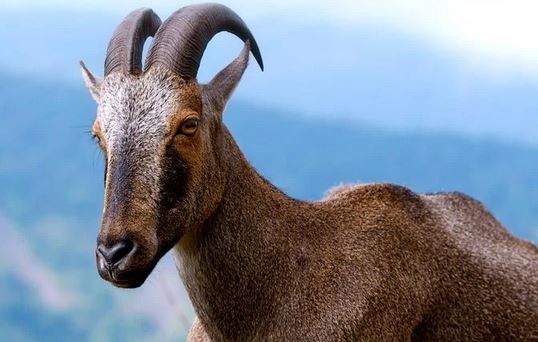
    Nilgiri Tahr

    • IUCN: Endangered
    • Schedule I (WPA, 1972)
    • Mountain Inhabitant: Lives in the mountainous regions of Kerala and Tamil Nadu.
    • Population Pressure: Climate change and human interference are major threats.
    • Survival Strategies: Requires focused conservation to stabilise its declining population.
    Lion-tailed Macaque


    • IUCN: Endangered
    • CITES Appendix I;
    • Schedule I (WPA, 1972)
    • Distinct Appearance: Notable for its silver mane, found in the Western Ghats.
    • Critical Decline: Population affected by habitat fragmentation and human interaction.
    • Behavioural Changes: Adjustments in their natural behaviours due to human activities are concerning.
    Great Indian Bustard (GIB)

    • IUCN: Critically Endangered
    • CITES Appendix I;
    • Schedule I (WPA, 1972)
    • IBs are the largest among India’s four bustard species and are considered flagship birds of grasslands.
    • Habitat reduced to just 10 per cent.
    • Overhead power transmission, poor vision, windmills, noise pollution, landscape changes, and alterations in cultivation patterns pose significant threats to GIBs.
    Golden Langur

    • IUCN: Endangered
    • CITES Appendix I;
    • Schedule I (WPA, 1972)
    • Approximately 7,396 Golden Langur (Trachypithecus geei) in India as per a census conducted by Assam Forest Department.
    Hangul (Kashmir Stag)

    • IUCN: Critically Endangered
    • CITES: Appendix I;
    • Kashmir’s Hangul, a shy and endangered species of deer, has exhibited a robust breeding season, suggesting a hopeful future for its population in the Dachigam National Park.
    • The Hanguls population could surpass 300 this spring, marking the first time in over 30 years.


    PYQ:

    [20I2] Which one of the following groups of animals belongs to the category of endangered species?

    (a) Great Indian Bustard, Musk Deer, Red Panda and Asiatic Wild Ass

    (b) Kashmir Stag, Cheetal, Blue Bull and Great Indian Bustard

    (c) Snow Leopard, Swamp Deer, Rhesus Monkey and Saras (Crane)

    (d) Lion-tailed Macaque, Blue Bull, Hanuman Langur and Cheetal

  • Going glacier gone: How Venezuela lost its last glacier, why this matters?

    Why in the News?

    Venezuela has likely become the first country to lose all its glaciers, with its last Humboldt glacier melting faster than anticipated. While scientists projected it to last another decade, its rapid melting exceeded expectations.

    Background:

    • Venezuela was home to six glaciers about 5,000 meters above sea level in the Andes mountains.
    • By 2011, five of them had vanished. Scientists expected the Humboldt glacier to last another decade.

    What are glaciers?

    • Glaciers are large masses of ice that form on land over long periods through the accumulation and compaction of snow. They flow like slow rivers and typically develop in regions with near-freezing temperatures, significant snowfall, and minimal summer melting.
    • According to the United States Geological Survey (USGS), they usually exist and form in areas where mean annual temperatures reach near the freezing point; winter precipitation leads to significant snow accumulations; and temperatures throughout the remaining year do not cause the complete loss of the previous winter’s snow accumulation.

    Why are Glaciers disappearing?

    • Greenhouse Gas Emissions: The burning of fossil fuels since the Industrial Revolution have released large amounts of GHGs like carbon dioxide and methane into the atmosphere.
    • Heat Trapping: The greenhouse gases act as a blanket, trapping heat in the atmosphere. While they allow sunlight to pass through, they prevent the heat from escaping back into space, leading to a rise in global temperatures.
      • The global average temperature has increased by at least 1.1 degrees Celsius since 1880 due to the skyrocketing emissions of GHGs in recent decades.
    • Consequences of Temperature Rise: The temperature rise has resulted in devastating consequences such as more frequent and intense heatwaves, floods, droughts, and a rise in sea levels.
    • Accelerated Melting: Glaciers, like ice cubes exposed to heat, are melting at accelerated rates due to the warmer temperatures caused by global warming.
    • Natural Climate Phenomena: Natural climate phenomena like El Nino can exacerbate glacier melting by causing abnormal warming of surface waters, as observed in the case of the Humboldt glacier in Venezuela.

    What are the impacts of Glacier Loss?

    • Freshwater Source: Glaciers are crucial sources of freshwater, especially during hot and dry periods, providing water for local communities, plants, and animals. Their disappearance would increase dependence on sporadic rainfall for freshwater supply.
    • Temperature Regulation: Glacial runoff helps regulate downstream water temperatures, particularly keeping them cooler. This is essential for many aquatic species that require cold water temperatures to survive, impacting the entire ecosystem.
    • Ecosystem Impact: Glacier loss directly affects aquatic species, disrupting the food web and potentially leading to declines in biodiversity.
    • Contribution to Sea Level Rise: Melting glaciers contribute to rising sea levels, although smaller glaciers like Venezuela’s Humboldt glacier may not substantially impact sea levels.
    • Cultural Impact: The loss of glaciers has significant cultural implications, particularly for communities where glaciers are part of their cultural identity. Activities such as mountaineering and tourism, which rely on glaciers, would be affected.
    • Tourism and Recreation: Glaciers are often major tourist attractions, drawing visitors for activities like mountaineering and sightseeing. The disappearance of glaciers would impact tourism and recreational activities in affected regions.

    Way Forward: 

    • International Cooperation: Foster collaboration among countries to tackle climate change on a global scale. Support international agreements such as the Paris Agreement, aimed at limiting global warming and reducing greenhouse gas emissions.
    • Protect and Preserve Glacier Areas: Establish and enforce conservation measures to protect glacier regions from further degradation. This can involve creating protected areas, implementing zoning regulations, and promoting sustainable tourism practices.

    Mains PYQ:

    Q Bring out the relationship between the shrinking Himalayan glaciers and the symptoms of climate change in the Indian sub-continent. (UPSC IAS/2014)

  • New Study Unveils the Origins and Challenges of Baobab Trees

    Why in the News?

    A recent study uncovers the origins and evolution of Baobabs, uniquely shaped trees in Madagascar, with species also native to Africa and Australia.

    Do you know?

    • Mandu, in the Dhar district of Madhya Pradesh, is perhaps the only place in India where baobab trees are found in abundance, with an estimated 1,000 trees in the periphery of the town.
    • Madhya Pradesh state government has plans to apply for a GI (Geographical Indication) tag for the Khorasani Imli or the fruit of the baobab.
    • A Baobab tree near the Golconda Fort in Andhra Pradesh is believed to be more than 400 years old.
    • Aside from Mandu, baobab trees have been recorded in Prayagraj (formerly Allahabad) in Uttar Pradesh, Wai in Maharashtra, and some places in Gujarat and Andhra Pradesh.

    About Baobab Trees

    • Baobabs are deciduous trees (that lose their leaves in autumn) belonging to the genus Adansonia. It comprises 8 distinct species:
      • Adansonia digitata in continental Africa.
      • Adansonia gregorii in Northwestern Australia.
      • 6 other species endemic to Madagascar.
    • Baobabs are known for:
      • Great heights, with some extending up to 50 metres.
      • Exceptionally long lifespans, going up to 2,000 years.
    • They have trunks with large circumferences; thin, spindly branches.
    • Nicknamed “upside down” trees because their tops resemble uprooted plants turned upside down.

    Conservation Status:

    • ‘Threatened’ with extinction according to the IUCN Red List of Threatened Species.
    • ‘Least Concern’ category but still faces threats such as residential and commercial development and livestock farming and ranching.

    Importance of Conservation:

    • The study emphasized the conservation of the baobab as a keystone species:
      • Keystone species provide essential resources, such as food or shelter, for a guild of animals.
      • In return, these animals provide essential services, such as pollination or diaspore dispersal.

    Why Baobab tree is called the “Mother of Forests”?

    • They can store large amounts of fresh water in their extraordinary trunks.
    • It also allows the baobab tree to produce nutritious fruits even during the driest years.
    • This makes them true life savers during times when water is scarce.
    • In local cultures, they are revered for multiple uses:
      • Edible fruits and seeds.
      • Seed oil used for cooking.
      • Bark fibre used for clothing.


    PYQ:

    [2021] “Leaf litter decomposes faster than in any other biome and as a result the soil surface is often almost bare. Apart from trees, the vegetation is largely composed of plant forms that reach up into the canopy vicariously, by climbing the trees or growing as epiphytes, rooted on the upper branches of trees.” This is the most likely description of​-

    (a) Coniferous forest

    (b) Dry deciduous forest

    (c) Mangrove forest

    (d) Tropical rain forest

  • Scientists document Sperm Whales ‘Phonetic Alphabet’

    Why in the news?

    • A recent study has uncovered the intricate structure of their communication system, which appears to possess a “phonetic alphabet,” offering new insights into the depth of their social interactions.
      • Sperm whales, the largest toothed whales, utilize a diverse array of vocalizations to communicate, including bursts of clicking noises known as ‘codas’.

    About Sperm Whales (Physeter macrocephalus)).

    • Sperm whales, the largest toothed whales
    • It has a series of vertical creases or wrinkles on its body and a small, inconspicuous dorsal fin located near the rear of its back.
    • The sperm whale uses ‘echolocation’ to navigate and locate prey during these deep dives.
      • Prey: Sperm whales primarily feed on squid (including the giant squid) sharks and deep-sea fish.
      • Habitat: Sperm whales are found in deep oceanic waters worldwide, from the equator to the edges of the pack ice in the Arctic and Antarctic.
      • Behavior: Known for their exceptional diving capabilities, sperm whales can dive to depths of over 2,000 meters (6,560 feet) and stay submerged for up to 90 minutes. They are social animals, typically found in groups called ‘pods’, which can contain up to twenty individuals.
    • Conservation Status: Listed as ‘VULNERABLE’ by the IUCN.
      • Threats cause: Collisions with ships, entanglement in fishing gear, and noise pollution.

    Insights from the Study:

    • Expressivity: The study, which utilized data from Project CETI demonstrated that sperm whale calls exhibit a broader range of expressivity than previously recognized, hinting at a nuanced mode of communication.
    • Social Dynamics: Like all marine mammals, sperm whales rely heavily on vocalizations as an integral aspect of their social interactions.
    • Contextual Analysis: The next phase of research aims to decipher the behavioural context surrounding sperm whale vocalizations, shedding light on their potential meanings.

    About Project CETI (Cetacean Translation Initiative)

    • Project CETI is a non-profit, interdisciplinary scientific and conservation initiative on a mission to listen to and translate the communication of sperm whales off the island of Dominica in the Eastern Caribbean.


    PYQ:

    [2013] Consider the following animals

    1. Sea cow
    2. Sea horse
    3. Sea lion

    Which of the above is/are mammal/mammals?

    (a) 1 only

    (b) 1 and 3 only

    (c)  2 and 3 only

    (d) 1, 2 and 3

  • Explained Climate: Heatwaves and Climate Change

    Why in the News? 

    According to the Indian Meteorological Department (IMD), heatwave conditions are affecting either the smaller regions or the larger geographical areas in India at every 26 days of the month.

    What are the Heat Waves?

    • The “World Meteorological Organization” defines a heat wave as five or more consecutive days during which the daily maximum temperature exceeds the average maximum temperature by five degrees Celsius.
    • If the maximum temperature of any place continues to be more than 45 Degree Celsius consecutively for two days, it is called a heat wave condition.

    Heatwaves in India:       

    • Regional Observations: A place with a normal temperature of 40°C in summer is not experiencing a heatwave at 42-43°C, but another location with a normal temperature of 27-28°C is in a heatwave at 35°C.
      • Heatwaves are common in northern, central, and eastern India during summer. Heatwaves are becoming more frequent, intense, and prolonged due to climate change.
      • In February 2023 (winter month for India), several regions experienced heatwaves with maximum temperatures 5 to 11 degrees higher than normal. (with a mean temperature 1.36°C higher than normal)
    • Predictions and Records: The outlook for heatwaves this year is grim, with predictions of prolonged heatwaves lasting 10 to 20 days in some areas, compared to the usual 4 to 8 days.
      • In April 2023, Odisha experienced an 18-day heatwave, the second-longest in the state’s history.
      • Gangetic West Bengal recorded the highest number of heatwave days in any month over the last 15 years. Eastern India recorded its warmest April ever.
    • Upcoming Heatwave: The India Meteorological Department (IMD) forecasted a fresh spell of heatwaves starting over northwest India.

    Impact of Heatwaves:

    • Impact on Resource Availability:
      • Water Resources: It exacerbates water scarcity by drying up of water bodies, reducing water availability for agriculture and domestic use, and increasing competition for resources. This can lead to conflicts over water, affect irrigation practices, and impact water-dependent industries.
      • Energy Resources: It increases electricity demand for cooling purposes, leading to strain on power grids and potential blackouts. This can disrupt economic activities, affect productivity, and impact vulnerable populations.
    • Impact on Health:
      • Prolonged exposure to heat can lead to Dehydration and Cardiovascular and Respiratory diseases.
      • Rapid rises in heat gain can compromise the body’s ability to regulate temperature and can result in a cascade of illnesses, including heat cramps, heat exhaustion, heatstroke, and hyperthermia.
      • Health Ministry reported 264 heat-related deaths in the first six months of 2023. NCRB reported 730 heat-related deaths in the same year.

    However, data collected and maintained by IMD and NDMA (National Disaster Management Authority) showed a sharp decline in heat-related deaths ever since state governments and district administrations began implementing heat action plans.

    Mitigation of Heatwaves:

    • Need to establish an Early Warning System: The Inter-Agency Coordination needs to alert residents on predicted high and extreme temperatures. Who will do what, when, and how is made clear to individuals and units of key departments, especially for health.
    • Increase Public Awareness and Community Outreach: Disseminating public awareness messages on how to protect against the extreme heat – wave through social media and advertisements. Additionally, the government needs to aware the general public through Television programs the Do’s and Dont’s for heat-related illnesses.

    Conclusion: Need to improve collaboration with Non-governmental organizations and Civil society organizations to improve public spaces wherever necessary, improve water delivery systems in public areas, and other innovative measures to tackle heatwave conditions.

    Mains PYQ: 

    Q ‘Climate change’ is a global problem. How India will be affected by climate change? How Himalayan and coastal states of India will be affected by climate change? (UPSC IAS/2017)