💥Join UPSC 2027,2028 Mentorship (July Batch) + XFactor Notes & Microthemes PDF

GS Paper: GS2-19.Effect of policies and politics of developed and developing countries on India’s interests, Indian diaspora.

  • Big deal: On the U.S.-China trade deal

    Why in the News?

    Recently, the U.S. has agreed to temporarily reduce its tariffs on Chinese goods from 145% to 30% for 90 days, while China will lower its tariffs on American products from 125% to 10%.

    What are the key terms of the U.S.-China trade truce?

    • Tariff Reductions: The U.S. has temporarily lowered tariffs on Chinese goods from 145% to 30%, and China has reduced its duties on American imports from 125% to 10%.
    • 90-day Breather: The reprieve is limited to 90 days, giving both sides a window for further negotiations.
    • Global Market Response: The announcement led to a 2%-3.8% rise in markets worldwide, reflecting investor relief.
    • Exclusion from Previous Pause: Earlier, in April, the U.S. had excluded China from a 90-day reciprocal tariff pause, indicating that this thaw represents a strategic pivot.

    Why has the U.S. trade deficit with China remained unresolved despite the tariff rollback?

    • Temporary and Limited Rollback of Tariffs: The U.S. reduced tariffs from 145% to 30% only for 90 days, which is not a permanent structural solution. Eg: Such short-term measures may ease tensions but do not address long-term trade imbalances rooted in production and consumption patterns.
    • Core Issue of Trade Imbalance Not Addressed: The agreement focuses on reducing tariffs but does not compel China to increase imports of U.S. goods or alter its export-driven model. Eg: The U.S. continues to import large volumes of electronics, machinery, and pharmaceuticals from China while exporting relatively fewer goods.

    How might the U.S.-China agreement affect India’s position in the China+1 manufacturing strategy?

    • Reduced Urgency for Diversification: The easing of tensions may lead global firms to reconsider shifting away from China, reducing momentum behind the China+1 strategy. Eg: Companies that were exploring alternatives like India or Vietnam may delay or reverse their relocation plans.
    • India’s Limited Gains from China+1 Exposed: India has not fully leveraged the China+1 opportunity due to infrastructure and policy bottlenecks, making it less competitive. Eg: Despite global supply chain shifts during the trade war, India attracted far less investment than Vietnam or Indonesia in electronics and apparel sectors.
    • Renewed Focus on China’s Scale and Efficiency: Investors might return to China due to its unmatched manufacturing scale, efficient logistics, and mature supply chains. Eg: Apple’s decision to continue manufacturing a large share of its products in China despite exploring India illustrates the challenge India faces in replacing China.
    Note: China+1 is a business strategy adopted by multinational companies to diversify their manufacturing operations and supply chains beyond China, by adding at least one other country—hence “China plus one”.

    What challenges does India face in its trade negotiations with the U.S.?

    • Retaliatory Tariff Pressures: India has had to respond to U.S. tariff hikes on steel and aluminium with potential reciprocal measures, increasing trade tension. Eg: After the U.S. imposed duties under Section 232, India notified the WTO of its plan to raise tariffs on American products like almonds and apples.
    • Pending Comprehensive Trade Agreement: Despite ongoing talks, both countries have struggled to finalize a broad-based trade deal due to divergent priorities and domestic pressures. Eg: Disagreements over market access for U.S. dairy products and medical devices have repeatedly stalled progress on a bilateral trade pact.
    • Impact of U.S.-China Trade Developments: A thaw in U.S.-China trade ties may reduce Washington’s interest in deepening trade relations with India, limiting India’s leverage. Eg: If U.S. firms regain confidence in China post-agreement, India may lose the strategic advantage it gained during earlier trade disruptions.

    Why must Indian States implement labour and land reforms to reduce dependence on Chinese imports?

    What are the steps taken by the Indian government? 

    • Labour Law Reforms to Boost Ease of Doing Business: The Indian government has amended labour laws to make it easier for industries to hire and fire workers, fostering a more flexible labour market. Eg: The Code on Industrial Relations (2020) consolidates multiple labour laws and provides greater flexibility for businesses to operate efficiently.
    • Land Acquisition and Infrastructure Development: The government has streamlined land acquisition processes and enhanced infrastructure to attract investments in manufacturing. Eg: The National Industrial Corridor Development Corporation (NICDC) is developing dedicated industrial zones with improved connectivity and land acquisition processes to boost manufacturing.

    Way forward: 

    • Enhance Policy Frameworks: India should strengthen its infrastructure, labor, and land reforms to offer a more competitive and attractive environment for global companies, ensuring it can capitalize on the China+1 strategy.
    • Focus on Technology and Skill Development: India must invest in advanced manufacturing technologies and skill development to match China’s scale and efficiency, thus making itself a more viable alternative for global supply chains.

    Mains PYQ:

    [UPSC 2018] How would the recent phenomena of protectionism and currency manipulations in world trade affect macroeconomic stability of India?

    Linkage: The US-China trade deal, as described in the article arose from a “tense global trade environment” involving “tariffs being ratcheted up by both sides”. This context of rising protectionism and trade tensions between major powers directly relates to the “phenomena of protectionism” mentioned in this PYQ and its potential impact on India’s macroeconomic stability.

  • [7th May 2025] The Hindu Op-ed: The fragmentation in the global fight against terror

    PYQ Relevance:

    [UPSC 2016] Present an account of the Indus Water Treaty and examine its ecological, economic and [UPSC 2024] Terrorism has become a significant threat to global peace and security’. Evaluate the effectiveness of the United Nations Security Council’s Counter-Terrorism Committee (CTC) and its associated bodies in addressing and mitigating this threat at the international level.

    Linkage:  Terrorism as a global threat and asks about the effectiveness of an international institution (UNSC’s CTC) in addressing it. This directly relates to the article which discusses the lack of a collective fight against terror and highlights how actions within the UN Security Council (like China blocking proposals against Pakistan-based terrorists) demonstrate the challenges and fragmentation in international cooperation against terrorism.


    Mentor’s Comment:  The Pahalgam terror attack on April 22 has once again revealed the lack of unity in the global fight against terrorism, as well as Pakistan’s tendency to use terrorism whenever there is a possibility of peace returning to Jammu and Kashmir. Although many countries have condemned the attack, they have also urged both India and Pakistan to show restraint. U.S. Secretary of State Marco Rubio asked both nations to find a peaceful solution that ensures long-term peace and stability in South Asia. U.S. Vice-President J.D. Vance expressed hope that India’s reaction would not lead to a larger conflict in the region. Russian Foreign Minister Sergey Lavrov said that any issues between India and Pakistan should be resolved through political and diplomatic talks. Meanwhile, the EU’s foreign policy chief, Kaja Kallas, didn’t even describe the incident as a terror attack.

    Today’s editorial talks about how the world is not united in fighting terrorism and highlights how Pakistan often uses terrorism as a tool. This topic is useful for GS Paper II (International Relations) and GS Paper III (Internal Security).

    _

    Let’s learn!

    Why in the News?

    In the past, there was a strong global consensus and zero tolerance towards terrorism. However, in the case of India, which continues to be a victim of state-sponsored terrorism, the international response often seems to follow a different set of standards.

    What does the Pahalgam terror attack reveal about the global fight against terrorism?

    • Fragmentation and Hypocrisy in the Global Anti-Terror Stand: The unified global stance post-9/11 has weakened; countries now view terrorism through selective lenses based on their strategic interests. Eg: While the Pahalgam attack was clearly a terrorist act targeting Hindu pilgrims, the EU failed to call it a “terror attack” and instead used vague diplomatic language, showcasing diplomatic double standards.
    • “Your Terrorist vs My Terrorist” Mindset Prevails: Different regions prioritize different types of terrorism, undermining a collective global response. Eg: The U.S. focuses on REMVE (racially and ethnically motivated violent extremism), while Canada ignores pro-Khalistan threats against India, citing freedom of expression.
    • Global Inaction Against State-Sponsored Terrorism: Despite clear evidence of Pakistan’s role in cross-border terrorism, major powers avoid taking concrete action, fearing geopolitical consequences. Eg: China has blocked UN sanctions against terrorists operating from Pakistani soil, and the West emphasizes “regional stability” over punishing the perpetrator.

    Why are global powers urging restraint between India and Pakistan after the attack?

    • Fear of Nuclear Escalation in South Asia: Global powers are wary of any confrontation between two nuclear-armed nations, especially in a volatile region. Eg: Despite India’s position as the victim, the U.S. Secretary of State Marco Rubio urged both India and Pakistan to maintain “long-term peace and regional stability”, placing equal responsibility on both sides.
    • Geopolitical Fatigue Due to Multiple Ongoing Conflicts: With active wars in Ukraine, Gaza, and West Asia, there is a limited appetite among global powers for another escalation in Asia. Eg: U.S. Vice-President J.D. Vance expressed hope that India’s response would not trigger a regional conflict, reflecting global fatigue and risk-aversion.
    • Pakistan’s Manipulative Use of the ‘Nuclear Threat’ Narrative: Pakistan has long used the “nuclear war” bogey to deter international support for strong Indian countermeasures. Eg: Even as Western powers support Ukraine in a war against nuclear-armed Russia, they urge Indian restraint to avoid a similar escalation with Pakistan.

    How has Pakistan’s role in terrorism affected its relations with India and the UN?

    • Strained Bilateral Relations with India: Terror attacks traced back to Pakistan-based groups have derailed peace processes and led to diplomatic isolation. Eg: After the Pulwama attack (2019), India withdrew the Most Favoured Nation (MFN) status from Pakistan and suspended bilateral talks.
    • Global Censure and Blacklisting Threats by the UN and FATF: Pakistan has been repeatedly flagged by international watchdogs like the UN and FATF for harbouring terror networks. Eg: In 2018, the FATF grey-listed Pakistan due to insufficient action against terror financing, affecting its global financial credibility.
    • Reduced Legitimacy in Global Forums: Its credibility at the UN is undermined by its ambivalence towards terror groups, weakening its case on Kashmir and other issues. Eg: India has consistently blocked Pakistan’s attempts to internationalize the Kashmir issue at the UN by highlighting its support for cross-border terrorism.

    Why is there a double standard in addressing terror attacks on Hindus?

    • Global Narrative Often Selective Based on Identity Politics: Attacks on Hindus are sometimes downplayed in international media and forums due to fears of appearing biased or anti-minority. Eg: The 2023 Pakistan Hindu temple attacks received minimal global coverage compared to similar attacks on other communities.
    • Lack of Institutional Recognition for Hindu Persecution: Unlike other religious groups, Hindus often lack dedicated international forums or recognition as victims of targeted violence. Eg: The Kashmiri Hindu exodus in the 1990s remains largely absent from global human rights discussions, unlike similar ethnic cleansings.
    • Geopolitical Considerations Overshadow Justice: Nations avoid condemning attacks on Hindus in countries like Pakistan or Bangladesh to maintain strategic ties, even at the cost of justice. Eg: Western powers rarely impose sanctions or raise strong objections to sectarian violence against Hindus in South Asia.

    What actions should India take against state-sponsored terrorism from Pakistan? (Way forward)

    • Strengthen Diplomatic Pressure through Global Alliances: India should leverage platforms like the UN, G20, and Quad to diplomatically isolate Pakistan and expose its terror links. Eg: After the Uri and Pulwama attacks, India launched diplomatic campaigns leading to Pakistan’s continued presence on the FATF grey list.
    • Enhance Intelligence and Surgical Response Capabilities: India must invest in real-time intelligence and conduct targeted counter-terror operations across the Line of Control when credible evidence exists. Eg: The 2016 Surgical Strikes and 2019 Balakot air strikes demonstrated India’s shift to proactive defense strategies.
    • Cut Economic and Water Leverage: India can revisit the Indus Waters Treaty and limit trade relations to exert pressure without crossing into full-scale conflict. Eg: Post-Pulwama, India reviewed the Indus treaty and imposed 100% customs duty on Pakistani imports.
  • [3rd May 2025] The Hindu Op-ed: A profound shift in the global order

    PYQ Relevance:

    [UPSC 2019] ‘The long-sustained image of India as a leader of the oppressed and marginalised Nations has disappeared on account of its new found role in the emerging global order”. Elaborate.

    Linkage: India is at a turning point, and the world is becoming more equal, moving away from old colonial ways. As Asia becomes more important again, this change is also affecting how India is seen and positioned globally.


    Mentor’s Comment:  India is at another turning point, similar to when Vasco da Gama arrived in Kozhikode in 1498 and the local ruler, the Zamorin, failed to act strategically. But this time, it’s not about sea trade routes—it’s about how global value chains are being reshaped through power and influence. This is a crucial moment for India, which is on track to become the world’s third-largest economy. For the past 75 years, the world has followed a post-colonial order known as globalisation. It was based on countries following common rules for the greater good, and divided the world into “donors” and “recipients.” But this idea no longer works, especially after China overtook the U.S. in foreign aid, manufacturing, and global trade share. As a result, institutions like the WTO, UN, and various treaties have become less useful to powerful countries, leading to U.S. pullouts.

    Today’s editorial analyses global value chains as being reshaped through power and influence. This content would help in the GS Paper II (International Relations).

    _

    Let’s learn!

    Why in the News?

    President Donald Trump is not acting randomly. He is reacting to a world where countries are becoming more equal and breaking free from old colonial ideas, while still trying to keep their fading advantages.

    What shift in global trade is compared to Vasco De Gama’s arrival?

    • Transition from Trade Routes to Value Chains: Vasco De Gama’s 1498 voyage opened sea-based trade routes connecting India to Europe. Today, the world is witnessing a shift from traditional trade to technology-driven global value chains (GVCs), reshaped by geopolitical forces rather than free markets. Eg: The semiconductor supply chain, where countries like Taiwan, South Korea, and the U.S. dominate chip design and fabrication, reflecting value chain complexity over simple trade.
    • Strategic Inertia vs Strategic Foresight: The Zamorin’s complacency during Vasco’s arrival represents a lack of strategic foresight in seizing global opportunities. India now faces a similar moment and must act strategically to capitalize on the global trade realignment and not miss out like in the colonial past. Eg: India’s PLI (Production Linked Incentive) schemes in electronics and pharmaceuticals are efforts to plug into global manufacturing chains proactively.
    • Geopolitically Driven Trade Structures: Earlier global trade was commercially motivated, but today it is increasingly geopolitically driven, with blocs forming and multilateralism weakening. Eg: The U.S.-China trade war and decoupling from Chinese supply chains are forcing countries like India to reposition themselves in new GVCs.

    Why is the post-colonial global order losing relevance?

    • Shift from Multilateralism to Bilateralism and Power Politics: The post-colonial world order was built on rule-based multilateral institutions (e.g., WTO, UN), promoting equal participation. Now, major powers prefer bilateral deals that prioritize national interest over global consensus. Eg: The U.S. withdrawing from multilateral agreements like the Paris Climate Accord and WTO dispute mechanisms.
    • Obsolescence of Donor-Recipient Hierarchy: The older order assumed a world divided into ‘donors’ (developed nations) and ‘recipients’ (developing nations). This has become irrelevant as emerging powers like China now surpass traditional Western powers in aid and trade influence. Eg: China’s Belt and Road Initiative (BRI) has made it a larger global lender than the World Bank in many regions.
    • Erosion of Trust During Global Crises: Global institutions failed to uphold equitable principles during emergencies, revealing self-serving behavior by developed nations. Eg: During the COVID-19 pandemic, G-7 countries hoarded vaccines and medical supplies, sidelining poorer nations and weakening trust in global cooperation.

    Who should lead India’s push for new global governance principles?

    • India’s World-Class Diplomats: India should empower its skilled and experienced diplomatic corps to frame and advocate new governance principles suited to a multipolar world. Eg: Indian diplomats played a key role in shaping the International Solar Alliance, showing leadership in global climate governance.
    • Cooperation Between Political Leadership and Policy Experts: A coordinated approach involving political vision (e.g., Prime Minister’s “Asian Century” narrative) and strategic policy institutions can guide India’s global engagement. Eg: NITI Aayog and MEA’s policy think tanks can jointly shape proposals for reforms in multilateral institutions like the WTO and UN.
    • Engagement with Global South and Emerging Institutions: India must lead with inclusive principles by aligning with BRICS, ASEAN, and the African Union, promoting a fair and tech-driven global order. Eg: India’s BRICS presidency and advocacy for the Global South Voice at G-20 summits shows readiness for leadership beyond the West-dominated system.

    How can India become a global leader in AI and technology?

    • Leverage Human Capital and Digital Infrastructure: India must build on its skilled workforce, vast datasets, and proven digital stack (like Aadhaar, UPI) to drive AI innovation. Eg: IndiaStack enabled large-scale digital public goods, which can now serve as the foundation for developing large language models (LLMs) and AI applications.
    • Promote Open-Source and Indigenous Innovation: Focusing on open-source technologies and encouraging local R&D will allow India to innovate independently and at scale. Eg: India can emulate models like DeepSeek (an open-source AI rivaling U.S. models) to build affordable, accessible AI tools.
    • Create National Consensus and Industry-Academia Collaboration: A national policy consensus involving all stakeholders—governments, academia, and industry—must be built to focus on AI, chips, and deep tech. Eg: China’s rise in hardware was driven by state-industry coordination; India needs similar programs for semiconductors and AI research centers.

    Which regions should India partner with for a new economic framework?

    • ASEAN (Association of Southeast Asian Nations): India should collaborate with ASEAN to build an Asian Common Market and leverage regional complementarities in trade, manufacturing, and digital economy. Eg: India’s Act East Policy and its trade agreements with Singapore and Thailand provide a base for deeper economic integration.
    • African Union: Africa offers a growing consumer base and untapped potential for investment in infrastructure, technology, and education. Eg: India’s Pan-African e-Network Project and growing pharma exports make Africa a strategic partner in India’s south-south cooperation.
    • BRICS and Emerging Economies: Collaborating within BRICS helps India shape multipolar global governance and alternative trade norms. Eg: India’s proposal for a BRICS currency system and its role in the New Development Bank demonstrate long-term strategic engagement.
    • Middle East (West Asia): Strong energy ties and growing interest in tech cooperation make the Middle East a key partner in India’s economic future. Eg: The India-UAE CEPA and I2U2 group (India-Israel-UAE-USA) promote trade, food security, and innovation-led partnerships.
    • Latin America and Caribbean (LAC): This region provides opportunities for trade diversification, agricultural cooperation, and technology exchange. Eg: India’s investments in pharmaceuticals and IT sectors in Brazil and Mexico mark a growing footprint in the LAC region.

    Way forward: 

    • Institutionalise Strategic Partnerships: India should formalise economic and technology alliances through frameworks like FTAs, digital cooperation pacts, and regional value chains with emerging regions (ASEAN, Africa, LAC).
    • Champion Inclusive Global Norms: Lead the Global South in advocating reforms in global governance institutions, emphasising equity, sustainability, and tech sovereignty to shape a multipolar, resilient global order.
  • From a rules-based world to shambolic disorder

    Why in the News?

    Even before Donald Trump’s time in office, there were clear signs that the world was becoming more uncertain in many areas. This was a warning of trouble in different parts of the world, and leaders in government, business, and strategy had already started getting ready for tougher times.

    What are the main global disruptions contributing to geopolitical and economic instability?

    • Leader-led Disruption and Geopolitical Tensions: Authoritarian leaders such as Xi Jinping, Vladimir Putin, and Donald Trump are reshaping global politics. Eg: Russia’s invasion of Ukraine and U.S. trade wars under Trump have strained international alliances.
    • Rise of Protectionism and Trade Wars: Economic nationalism and tariff barriers have disrupted global trade. Eg: Trump’s tariff war with China reduced U.S. GDP growth and disrupted global supply chains.
    • Technological Disruption and Cyber Threats: Rapid tech changes and cyber warfare are causing instability in national security and job markets. Eg: Growing reliance on disruptive technologies without governance frameworks leads to digital vulnerabilities.
    • Regional Conflicts and Expanding Military Influence: Conflicts in West Asia, increasing military presence, and border tensions are destabilizing regions. Eg: Israel’s offensive in Gaza, tensions in Syria, and China’s naval expansion in the Indian Ocean.
    • Resurgence of Terrorism and Non-State Actors: Groups like ISIS are re-emerging in Africa and South Asia, causing fresh security challenges. Eg: Recent terror attacks in Kashmir and IS activity in Mozambique and Congo signal renewed threats.

    Why is the United States, once a model of democratic stability, now perceived as a deeply divided nation?

    • Deepening Political Polarization: Internal divisions between conservative and liberal ideologies have intensified, weakening national unity. Eg: Sharp divide over Trump’s policies and Capitol Hill riots in January 2021 reflect erosion of democratic consensus.
    • Transactional Foreign Policy Approach: U.S. foreign relations have become self-serving, leading to fractured alliances. Eg: Trump’s tariff wars and criticism of NATO allies strained transatlantic relations.
    • Targeting of Educational and Immigration Systems: Policies against foreign students and elite institutions hurt America’s soft power and economy. Eg: Restrictions on student visas under Trump threatened $40 billion in economic contribution.
    • Economic Protectionism and Declining Global Trade Role: Shift from free trade to protectionist policies reduced U.S. leadership in global economic governance. Eg: Imposition of tariffs led to decline in U.S. GDP growth and disrupted global supply chains.

    How is China capitalising on the shifting geopolitical landscape in Asia?

    • Expanding Influence through the Belt and Road Initiative (BRI): China is using infrastructure projects to create economic dependencies and increase political leverage across Asia. Eg: China’s investment in the China-Pakistan Economic Corridor (CPEC) strengthens its hold in South Asia and secures a vital trade route.
    • Exploiting U.S. Retreat and Growing Global Uncertainty: As the U.S. retreats from global leadership, China has stepped in as a key player, especially in the Indo-Pacific. Eg: China’s leadership in the Regional Comprehensive Economic Partnership (RCEP), the world’s largest free trade bloc, contrasts with U.S. absence under Trump.
    • Enhancing Military and Naval Presence in Key Regions: China is expanding its military presence, particularly in maritime zones crucial for trade and regional security. Eg: China’s aggressive stance in the South China Sea, including artificial island building and military installations, asserts control over disputed waters.
    • Strengthening Bilateral and Multilateral Ties with Neighboring Countries: China is forging strategic alliances with neighboring countries to offset U.S. influence and enhance regional dominance. Eg: China’s growing ties with Southeast Asian countries like Cambodia and Laos, as well as influence in Sri Lanka through infrastructure projects like the Hambantota Port.
    • Leveraging the China-India Rivalry to Expand Influence: China is exploiting tensions between India and its neighbors to increase its regional influence. Eg: China’s increasing influence over Nepal, Sri Lanka, and Bangladesh, alongside tensions at the India-China border, shifts regional power dynamics in China’s favour

    What implications could this have for India?

    • Strategic Encirclement and Security Concerns: China’s increasing presence in India’s neighborhood (Pakistan, Nepal, Sri Lanka) creates strategic pressure and challenges India’s regional dominance.Eg: The development of the Hambantota Port in Sri Lanka under China’s BRI is seen as part of a “String of Pearls” strategy encircling India.
    • Economic Competition and Trade Imbalance: China’s dominance in Asian trade frameworks like RCEP and its export power pose risks to Indian manufacturing and trade sovereignty. Eg: India opted out of RCEP over concerns that cheap Chinese imports would harm Indian MSMEs.
    • Border Tensions and Military Confrontation: Persistent border disputes, particularly along the Line of Actual Control (LAC), escalate military spending and diplomatic tensions. Eg: The 2020 Galwan Valley clash led to casualties on both sides and worsened India-China relations..

    Way forward: 

    • Strengthen Strategic Partnerships: India should deepen ties with like-minded nations through forums like Quad and ASEAN to counterbalance China’s regional dominance. Eg: Enhanced defense and technology cooperation with Japan, Australia, and the U.S.
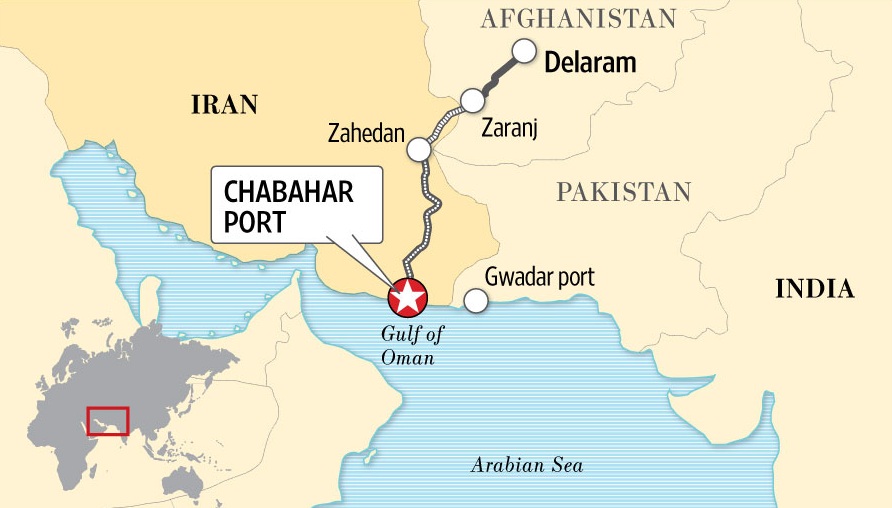
    • Boost Domestic Capabilities and Connectivity: Accelerate infrastructure development, self-reliant manufacturing (Atmanirbhar Bharat), and regional connectivity with neighbors to reduce Chinese influence. Eg: Development of the Chabahar Port to bypass China-influenced trade routes.

    Mains PYQ:

    [UPSC 2021] The USA is facing an existential threat in the form of a China, that is much more challenging than the erstwhile Soviet Union.” Explain.

    Linkage: Major shift in the global power balance and a challenge to the established international order (historically dominated by the US post-Cold War).

  • Amidst regional ferment, Kurds’ quest for statehood

    Why in the News?

    The chances of Kurds achieving statehood have improved, but they are still divided by national, tribal, and internal ethnic differences.

    What is the current geopolitical situation in West Asia?

    • Rising Tensions Between Israel and Arab States: The Israeli government’s hardline stance on the Palestinian issue is at odds with Arab nations’ insistence on a two-state solution. The expansion of the Abraham Accords, which normalized relations between Israel and certain Arab countries, is now being challenged by this conflict. Eg, the Israeli government’s policies have led to a strained relationship with countries like Saudi Arabia and Egypt, who continue to push for Palestinian statehood.
    • Weakened Iran and Resumption of U.S. Pressure: Iran’s geopolitical influence is diminishing due to both internal instability and external pressure from the U.S., including sanctions and military threats. Iran has agreed to negotiate its nuclear program as part of this dynamic. Eg, the U.S. has imposed “maximum pressure” tactics, leading to renewed discussions on Iran’s nuclear capabilities, showing a shift in regional power balances.
    • Economic Instability Due to Declining Oil Prices: The decline in oil prices by 20% in 2025 has raised concerns about the economic stability of the region, which heavily depends on oil exports. This has already caused volatility in the economies of Gulf countries, impacting countries like Saudi Arabia and the UAE, where the oil sector is a significant source of revenue.

    How is it impacting the Kurdish quest for statehood?

    • Weakened Regional Powers Create Opportunities for Kurdish Autonomy: The instability and weakening of central authorities in Iraq, Syria, and Iran have created opportunities for Kurdish groups to assert autonomy and establish a foothold in the region. Eg, the Kurdish Regional Government (KRG) in Iraq has gained considerable autonomy since the 1990s, and the Kurdish Self Defense Forces (SDF) control significant portions of northern Syria, both reflecting a push for Kurdish statehood amidst regional chaos.
    • Absence of a Unifying Kurdish National Movement: Despite these opportunities, the Kurds lack a unifying ideology or transnational political entity to consolidate their ambitions for statehood. Eg, while some Kurdish factions in Iraq and Syria have made strides towards self-governance, the absence of a coordinated regional Kurdish political structure has hindered their ability to form a fully recognized Kurdish state.

    Why did the Kurds fail to achieve statehood after the 1920 Treaty of Sevres?

    • Opposition from the Turkish Nationalists: The Treaty of Sevres in 1920 promised the Kurds an autonomous state in eastern Turkey, but it was thwarted by the rise of Turkish nationalism under Mustafa Kemal Atatürk. Eg, the Turkish nationalist movement rejected the idea of a Kurdish state, and Atatürk’s forces succeeded in establishing the Republic of Turkey, which vehemently opposed Kurdish autonomy.
    • Geopolitical Interests of Western Powers: The Western powers, who supported the Treaty of Sevres, were more focused on dismantling the Ottoman Empire and securing their own geopolitical interests in the region, rather than prioritizing Kurdish self-determination. Eg, the Treaty was eventually replaced by the Treaty of Lausanne in 1923, which ignored Kurdish aspirations and reinforced the territorial integrity of Turkey, sidelining the Kurds.

    How has Turkish repression of Kurds led to the formation of the PKK (Kurdistan Workers’ Party)?

    • Suppression of Kurdish Identity: Turkish repression of Kurdish culture, language, and political rights led to widespread resentment among the Kurdish population. Eg, in the 1980s, the Turkish government officially classified Kurds as “mountain Turks” and banned the use of the Kurdish language, which prompted a reaction from Kurdish activists.
    • Formation of the PKK (Kurdistan Workers’ Party): In 1978, Abdullah Öcalan founded the PKK to demand Kurdish independence through armed struggle, responding to decades of discrimination and oppression. Eg, the PKK launched an insurgency in 1984, which led to a prolonged conflict with the Turkish state, causing tens of thousands of deaths.

    What role has the Kurdish Self-Defence Force (SDF) played in Syria? 

    • Fighting Against Terrorist Groups: The Kurdish Self Defence Force (SDF) played a crucial role in fighting against ISIS and al-Qaeda in Syria, particularly in the northern regions. Eg, the SDF, with support from the U.S., was instrumental in the liberation of Raqqa, the de facto capital of ISIS, in 2017.
    • Control Over Syrian Territories: The SDF currently controls nearly 40% of Syria, establishing significant political and military influence. Eg, the SDF’s control over areas like Kobani and Manbij has been a source of tension with Turkey, which accuses the SDF of having links to the PKK.

    How is the potential reduction of American military presence affecting their future?

    • Loss of Strategic Support for Kurdish Forces: The reduction of American military presence in Syria could undermine the Kurdish Self-Defense Forces (SDF), who have heavily relied on U.S. military support in their fight against groups like ISIS. Without this backing, the SDF may face greater vulnerability to Turkish military operations, which view the Kurdish forces as aligned with the PKK. Eg: The SDF’s influence in Syria could diminish, particularly in regions where they have fought hard to establish autonomy, such as in the northeast of the country.
    • Increased Regional Instability: The pullback of U.S. forces could embolden regional powers like Turkey, Iran, and Syria to exert more control over Kurdish regions, weakening their position in any future negotiations for statehood or autonomy. It could lead to more internal conflict and repression within Kurdish-majority areas. Eg: Turkey, already critical of the SDF’s alignment with PKK, could launch more aggressive military operations, further displacing Kurdish communities in Syria.

    How can India take advantage of it? (Way Forward)

    • Strategic Partnerships and Influence in West Asia: India can leverage the evolving geopolitical dynamics in West Asia to strengthen its strategic ties with Kurdish regions, particularly in Iraq and Syria. India can increase its diplomatic and economic engagement with Kurdish political entities to gain influence in the region. Eg: India can build stronger relations with the Kurdistan Regional Government (KRG) in Iraq, offering support in areas like education, healthcare, and infrastructure, which may enhance India’s influence in the region.
    • Energy and Trade Opportunities: As Kurdish regions, especially in Iraq, are rich in oil resources, India can increase its energy imports from Kurdish-controlled areas. Securing energy deals with the KRG could help India diversify its energy supply sources and reduce reliance on traditional suppliers. Eg: India could expand its participation in oil exploration and infrastructure projects in the Kurdish region, similar to its involvement in the development of oil fields in Iraq.

    Mains PYQ:

    [UPSC 2019] Explain how the foundations of the modern world were laid by the American and French revolution.

    Linkage: Both the American and French Revolutions championed the ideals of self-determination and nationalism, which have been significant drivers for various ethnic groups, including the Kurds, seeking statehood. Understanding the impact of these revolutions on the formation of the modern nation-state system provides a broader context for the Kurdish quest.

  • [17th April 2025] The Hindu Op-ed: How China is fighting U.S. tariffs

    PYQ Relevance:

    [UPSC 2018] What are the key areas of reform if the WTO has to survive in the present context of ‘Trade War’, especially keeping in mind the interest of India?

    Linkage: A “trade war” means a situation where countries, like the U.S. and China, put extra taxes (tariffs) on each other’s products. In this article, we saw how Trump delayed these reciprocal tariffs for most countries but kept them in place for China.


    Mentor’s Comment:  In the three months since U.S. President Donald Trump introduced his “America First” trade policy—using trade measures to pressure other countries into giving concessions—there are signs it could seriously harm the global economy. A key part of this plan was the introduction of “reciprocal tariffs” to counter what Trump saw as unfair trade practices by other nations. However, on April 9, the day these tariffs were supposed to begin, Trump changed his mind and delayed their implementation by 90 days for all 57 target countries—except China.

    Today’s editorial discusses how Trump’s views on reciprocal tariffs have changed over time. This topic is useful for General Studies Paper 2 (International Relations) and Paper 3 (Indian Economy).

    _

    Let’s learn!

    Why in the News?

    Recently, China’s unexpected response to Trump’s trade war showed its smart long-term planning. By preparing for risks from aggressive trade partners, it managed to handle one of the worst trade tensions ever.

    What are the main features of Trump’s “America First” trade policy?

    • Imposition of Reciprocal Tariffs: The U.S. aimed to impose tariffs on imports from countries that had higher duties on American goods. Eg: A 34% tariff was imposed on Chinese goods, leading to retaliation from China.
    • Push for Bilateral Trade Deals: Trump preferred one-on-one negotiations over multilateral agreements to secure favorable terms. Eg: He delayed tariffs for 90 days to pressure 57 countries into bilateral deals.
    • Targeting Trade Deficits: The policy aimed to reduce U.S. trade deficits by demanding more access to foreign markets. Eg: The U.S. demanded that India open its agricultural market and relax patent laws.

    Why was the implementation of “reciprocal tariffs” postponed?

    • Facilitating U.S.-India Trade Negotiations: The U.S. paused the tariffs to create a conducive environment for bilateral trade discussions with India. Both nations aim to finalize the first phase of a trade agreement by autumn 2025, targeting a bilateral trade volume of $500 billion by 2030. Eg: India is contemplating significant tariff reductions on over half of its $23 billion worth of U.S. imports, marking its most substantial tariff cut in years.
    • Avoiding Economic Disruption for Indian Exporters: The tariff pause offers relief to Indian exporters, particularly in sectors like seafood, which would have been adversely affected by increased duties. Eg: Indian shrimp exporters, who rely heavily on the U.S. market, benefit from the temporary suspension, allowing continued access without additional tariffs.
    • Strategic Focus on U.S.-China Trade Tensions: By postponing tariffs on India and other countries, the U.S. can concentrate its trade enforcement efforts on China, where it has imposed tariffs as high as 125%. Eg: The U.S. maintains a 10% reciprocal tariff on Indian goods, contrasting with the significantly higher tariffs on Chinese imports.
    • Encouraging Indian Concessions in Trade Talks: The delay serves as an incentive for India to make concessions in ongoing trade negotiations, such as reducing tariffs and increasing imports of U.S. goods. Eg: India has agreed to lower tariffs on products like motorcycles and whiskey and to increase purchases of American defense and energy goods.
    •  Preventing Market Volatility and Economic Uncertainty: Immediate implementation of reciprocal tariffs could have led to market instability and economic uncertainty. The pause allows for a more measured approach to trade policy. Eg: Following the announcement of the tariff pause, Indian stock markets rebounded, with the Nifty 50 and BSE Sensex indices experiencing significant gains.

    What hurdles does the U.S. face in negotiating trade deals with countries like India?

    • Tariff and Regulatory Differences: India maintains higher tariffs on several U.S. goods, and there are strict regulations in sectors like agriculture, dairy, and e-commerce that clash with U.S. interests. Eg: The U.S. has long pushed for greater market access for its dairy products, but India restricts imports based on religious and cultural norms around animal feed.
    • Concerns Over Intellectual Property (IP) and Data Localization: The U.S. demands stronger IP protection and opposes India’s data localization rules that require storing data within Indian borders—citing it as a barrier to digital trade. Eg: U.S. tech giants like Amazon and Mastercard have raised concerns over India’s personal data protection policies impacting cross-border data flows.
    • Divergent Strategic and Economic Priorities: India prioritizes strategic autonomy and developmental needs, which often conflict with U.S. demands for liberalized trade and investment norms. Eg: India walked out of the RCEP partly due to fears of opening up markets too quickly, showing its cautious stance in trade liberalization.

    How can global economies respond to U.S. trade unilateralism?

    • Strengthening Regional Trade Blocs and Multilateral Agreements: Countries can reduce dependence on the U.S. by forming or deepening trade alliances within regions to maintain economic stability. Eg: The EU signed trade agreements with Japan and Mercosur to diversify away from U.S.-centric trade after tariff tensions.
    • Filing Disputes Through the WTO Framework: Nations can challenge unfair U.S. tariffs or trade actions at the World Trade Organization to uphold rules-based trade. Eg: The EU, China, and others filed WTO complaints against U.S. steel and aluminum tariffs imposed under national security grounds.
    • Promoting Strategic Bilateral Partnerships: Economies can build stronger bilateral trade ties with other major players to counterbalance U.S. influence and create alternative economic hubs. Eg: China and ASEAN deepened trade through the Regional Comprehensive Economic Partnership (RCEP), enhancing trade flows in Asia-Pacific.

    Way forward: 

    • Revitalise Multilateralism and WTO Reforms: Global economies should work together to strengthen the rules-based trading system and push for WTO reforms to address dispute resolution and emerging trade challenges.
    • Promote Inclusive and Balanced Trade Partnerships: Encourage fair, equitable trade agreements that consider development concerns of the Global South, ensuring that trade fosters mutual growth rather than unilateral advantage.
  • This Word Means: Semiconductor

    Why in the News?

    During the ongoing U.S.-China tariff war, the Trump administration announced that smartphones, computers, and some electronics would be excluded from the 125% tariffs, easing concerns for firms like Apple.

    What decision did the Trump administration make regarding smartphones and computers in the tariff war with China?

    • Exemption from High Tariff Slab: The Trump administration decided that smartphones, computers, and certain other electronics would not be subjected to the 125% reciprocal tariffs on China. Eg: Apple products like iPhones and MacBooks were spared from the highest tariff bracket.
    • Reclassification to Lower Tariff Bucket: These items were instead moved to a lower tariff category of 20%, which was presented as a strategic decision, not a full exemption. Eg: Laptops and other consumer electronics faced a reduced tariff rate instead of the originally proposed higher one.

    Why are semiconductors considered critical for the United States’ national security and economy?

    • Foundation of Modern Technology: Semiconductors power essential devices from smartphones and laptops to defense systems and AI tools, making them indispensable to both daily life and strategic operations. Eg: Military drones and radar systems rely on advanced microchips for data processing.
    • Supply Chain Vulnerability: Heavy reliance on a few countries, especially Taiwan, for chip manufacturing exposes the U.S. to supply disruptions and geopolitical risks. Eg: The COVID-19 pandemic highlighted global chip shortages, affecting car and electronics industries.
    • Need for Technological Sovereignty: Boosting domestic semiconductor production ensures technological leadership, economic resilience, and reduces dependence on potentially hostile nations. Eg: New tariffs and subsidies aim to encourage U.S.-based chip manufacturing to reduce reliance on China.

    Where is most of the world’s semiconductor manufacturing currently concentrated?

    • Taiwan: Taiwan leads global semiconductor manufacturing, especially in advanced chips, due to companies like TSMC (Taiwan Semiconductor Manufacturing Company). Eg: TSMC produces over 50% of the world’s advanced semiconductors.
    • South Korea: A major player in memory chip production, with giants like Samsung and SK Hynix dominating the market. Eg: Samsung is a global leader in DRAM and NAND flash memory chips.
    • China: Rapidly expanding its semiconductor industry through state support, though still dependent on foreign technology for advanced manufacturing. Eg: SMIC (Semiconductor Manufacturing International Corporation) is China’s largest chipmaker but faces U.S. export restrictions.

    When did the US’s share in global semiconductor manufacturing decline significantly? 

    • Since the 1990s: The U.S. share fell from 37% in 1990 to 12% by 2020, as production increasingly shifted to Asia due to lower costs and better infrastructure. Eg: Companies like TSMC (Taiwan) and Samsung (South Korea) became dominant players.
    • Post-globalization era: With the rise of global supply chains and outsourcing, the U.S. focused more on chip design than manufacturing, leading to a production gap. Eg: Firms like Intel design chips in the U.S. but get them manufactured overseas.

    Can India grab the semiconductor supply chain?

    India has strong potential to become a major player in the global semiconductor supply chain.

    • Government Push & Incentives: India has launched a ₹76,000 crore (US $10 billion) semiconductor incentive scheme to attract global chipmakers and boost domestic production. Eg: Micron is investing $2.75 billion in a chip assembly plant in Gujarat under this scheme.
    • Strategic Location & Talent Pool: India offers a large, skilled workforce in electronics and IT, and is strategically located between key markets like Southeast Asia and Europe. Eg: Tata Group is setting up a semiconductor assembly and testing unit in Assam to tap both local and export markets.
    • Global Diversification Needs: Countries and companies want to reduce reliance on Taiwan and China due to geopolitical tensions. India is being seen as a reliable alternative. Eg: U.S. firm Lam Research plans to train 60,000 Indian engineers and invest $1 billion to strengthen India’s semiconductor ecosystem.

    Way forward: 

    • Accelerate Ecosystem Development: Strengthen infrastructure for fabs, ensure reliable electricity and water supply, and support R&D and design capabilities to build a complete semiconductor ecosystem.
    • Foster Global Collaborations: Partner with global semiconductor leaders for technology transfer, workforce training, and joint ventures to fast-track domestic capability and integration into the global supply chain.

    Mains PYQ:

    [UPSC 2018] How would the recent phenomena of protectionism and currency manipulations in world trade affect macroeconomic stability of India?

    Linkage:  The basic idea behind a tariff war is protectionism, where countries impose taxes on imports to shield their own industries from foreign competition. In this case, India’s manufacturing sector could benefit from the trade war between the USA and China.

  • [14th April 2025] The Hindu Op-ed: Will Trump’s tariffs bring in a recession?

    PYQ Relevance:

    [UPSC 2018] How would the recent phenomena of protectionism and currency manipulations in world trade affect macroeconomic stability of India?

    Linkage:  Trump’s administration was known for implementing protectionist trade policies, primarily through tariffs, starting around that period as discussed in the article. The question asks about the impact of “protectionism” on “macroeconomic stability,” which is directly linked to concerns about a potential recession.


    Mentor’s Comment:  The U.S. has been a strong supporter of free trade and a key driver of globalization since the mid-20th century. However, in a surprising shift, President Donald Trump took drastic action on April 2, calling it “Liberation Day,” by drastically changing U.S. trade policy. Until 2024, the U.S. had a low tariff rate of 2 to 3% on imports for two decades. But on April 2, Trump announced that the U.S. would now charge a minimum of 10% tariff on all imports. For imports from around 60 countries, the tariffs would be much higher, called “reciprocal” tariffs. These include a 20% tariff on the European Union (EU), 27% on India, and 46% on Vietnam.

    Today’s editorial analyzes how the U.S. tariffs will affect India and the rest of the world. This topic is useful for GS Paper 2 and 3 in the UPSC Mains exam.

    _

    Let’s learn!

    Why in the News?

    On April 2, U.S. President Trump announced that the U.S. would start charging at least 10% tariffs on all imports.

    What change did Trump announce on April 2 regarding U.S. tariffs?

    • Introduction of a Minimum 10% Tariff on All Imports: Trump declared that the U.S. would levy a minimum 10% tariff on all imported goods, ending decades of low tariff policy. Eg: A previously tariff-free $100 imported item would now cost $110 with the new 10% tariff.
    • “Reciprocal” Tariffs for Select Countries: Tariffs would be significantly higher for around 60 countries, based on what the U.S. perceives as unfair trade practices. Eg: Imports from India now face a 27% tariff, Vietnam 46%, and China a staggering 145%.
    • Highest Tariffs Targeted at China: China, the largest source of U.S. imports, was hit hardest — facing 145% tariffs, as part of an aggressive move to reduce trade deficits and pressure China economically. Eg: A $100 Chinese product would now cost $245 after the new tariff.

    How did markets respond?

    • Stock Markets Nosedived: The announcement caused panic among investors, leading to sharp declines in stock markets around the world. Eg: The U.S. stock market dropped significantly, with major indices like the Dow Jones and S&P 500 seeing large declines as investors feared the impact of the tariffs.
    • Increased Economic Uncertainty: The abrupt tariff increases created a sense of economic uncertainty, particularly regarding trade relations and the global supply chain. Eg: The value of the U.S. dollar fluctuated, with the dollar weakening against several currencies as concerns about a trade war heightened.
    • Commodity Prices Rose: The market anticipated higher costs for goods, especially imported items, leading to a rise in the price of key commodities. Eg: Goods like electronics and consumer products became more expensive, reflecting the expected rise in tariffs and trade barriers.

    What could be the chance of recession after US tariffs? 

    • Reduced Consumer Spending Due to Higher Prices: Higher tariffs make imported goods more expensive, which can lead to inflation and reduced purchasing power among consumers. This slowdown in consumer spending—a key driver of the U.S. economy—can drag growth. Eg: A $1,000 smartphone imported from China may now cost $2,450 due to 145% tariffs, making consumers delay or avoid big purchases.
    • Strained Global Supply Chains and Business Uncertainty: Companies reliant on international supply chains may face higher input costs and uncertainty, leading to reduced investments, production delays, and job cuts.Eg: U.S. auto manufacturers sourcing parts from Asia may cut production or delay expansion due to rising costs and disrupted logistics.
    • Global Retaliation and Slowing Trade: Other countries may retaliate with their own tariffs, triggering a trade war that slows global trade and weakens demand for U.S. exports, increasing the risk of a global economic downturn. Eg: If the EU or China impose counter-tariffs on U.S. agricultural or tech exports, American farmers and companies may face losses, increasing joblessness and recession risk.

    Why is China better prepared for a trade war?

    Reason Why China Is Better Prepared Example
    Diversified Export Markets Reduced reliance on U.S. by expanding trade with Asia, Europe, and Africa. U.S. share in China’s exports dropped from 21% (2006) to 16.2% (2022).
    Lower Export Dependence on GDP Exports now form a smaller part of China’s economy, reducing vulnerability. Export-to-GDP fell from 35% (2012) to 19.7% (2023).
    Focus on Tech & Innovation Heavy investment in AI, EVs, and domestic tech industries to cut foreign dependence. Made in China 2025 boosted self-reliance in high-tech sectors.
    Manufacturing Shift to Neighbors Relocating production to East Asia (e.g., Vietnam) to bypass U.S. tariffs. Maintains supply chains while avoiding direct U.S. tariffs.
    Strong Forex Reserves & Bond Holdings Large reserves used to buy U.S. treasury bonds, ensuring financial strength. U.S. dollar assets reduce trade/finance risks and secure China’s position.

    How will higher U.S. tariffs impact India’s exports? 

    • Reduced Export Earnings: Higher U.S. tariffs could decrease India’s export earnings as Indian goods would become more expensive for U.S. consumers, potentially leading to lower demand. Eg: Products like textiles and gems & jewelry, which are major export items to the U.S., might see a drop in sales due to increased tariffs.
    • Impact on Key Sectors: India’s manufacturing sectors, such as automobiles and electrical machinery, might face stiffer competition due to higher tariffs, reducing their ability to compete in the U.S. market. Eg: Indian automobile exports, especially in segments like small cars, might struggle as U.S. tariffs raise the prices and reduce competitiveness.
    • Diversification of Export Markets: Since the U.S. accounts for 21.8% of India’s total exports, any tariff hike could push India to explore new markets outside the U.S., reducing the impact of the tariff increase. Eg: India might increase its focus on the European Union or Southeast Asian markets, where demand for Indian goods remains strong.
    • Pharmaceutical and Service Exports Unaffected: Higher tariffs on goods may not impact India’s pharmaceutical and services exports as significantly, as they are major contributors to India’s trade surplus with the U.S. Eg: Generic medicines and IT services, such as software development, will likely continue to thrive in the U.S. market despite higher tariffs on other goods.
    • Pressure on Domestic Industry: Increased tariffs could also drive higher production costs in India, as it may face higher input costs for raw materials imported from the U.S. This could hurt the competitiveness of India’s export products. Eg: Sectors like steel and chemicals, which rely on U.S. exports for raw materials, may see a rise in production costs, potentially reducing profit margins.

    When did the U.S. maintain low tariffs?

    • Post-World War II Period (1945–1970s): After World War II, the U.S. championed free trade and maintained low tariffs to encourage global economic recovery and integrate global markets. During this period, the U.S. was seen as the chief architect of globalization. Eg: The General Agreement on Tariffs and Trade (GATT), established in 1947, played a crucial role in reducing global tariffs, and the U.S. led many rounds of negotiations to lower its own import duties.
    • 1980s to Early 2000s: During this period, particularly under the Clinton administration, the U.S. kept tariffs low to support global trade liberalization and its dominant position in the world economy. This made the U.S. an attractive market for exports and facilitated the growth of international trade. Eg: The North American Free Trade Agreement (NAFTA) signed in 1994 between the U.S., Canada, and Mexico aimed to eliminate tariffs and increase trade between the countries, further reinforcing the U.S.’s low-tariff approach.

    Why was it seen as the chief architect of globalisation during that time?

    • Promotion of Free Trade Agreements: The U.S. led the establishment of various international trade agreements to reduce tariffs and promote open markets. It actively negotiated trade deals that facilitated the movement of goods, services, and capital across borders. Eg: The General Agreement on Tariffs and Trade (GATT), later replaced by the World Trade Organization (WTO) in 1995, was strongly influenced by the U.S. and aimed at creating a more liberalized global trade system.
    • Economic Influence and Dollar Dominance: The U.S. played a dominant role in global finance, with the dollar as the primary global reserve currency. This position helped facilitate international trade and investment, as countries around the world held U.S. dollars for foreign exchange and international transactions. Eg: Countries like China and Japan invested heavily in U.S. Treasury bonds, reinforcing the U.S.’s economic influence and fostering the expansion of global markets.
    • Technological and Industrial Leadership: The U.S. led technological innovation and industrial development, particularly in sectors like technology, finance, and manufacturing. This leadership helped drive global supply chains, with many countries relying on the U.S. for both innovation and as a key export market. Eg: U.S. tech giants such as Microsoft, Apple, and Google set the global stage for the digital economy, helping integrate economies worldwide into a globalized tech ecosystem.

    Way forward: 

    • Diversify Export Markets: India and other countries should explore new markets outside of the U.S., especially in emerging economies and regional trade agreements, to reduce dependency on the U.S. and mitigate the effects of tariff hikes. Eg: Strengthening ties with the European Union, Southeast Asia, and Africa could help reduce reliance on the U.S. market.
    • Enhance Domestic Innovation and Self-Sufficiency: Countries should focus on boosting domestic production, innovation, and technological advancements to reduce vulnerability to external trade barriers and tariffs. Eg: India could prioritize self-reliance in sectors like pharmaceuticals, electronics, and renewable energy to counter tariff pressures.
  • [5th April 2025] The Hindu Op-ed: A case for the Global South in securing Ukraine peace

    PYQ Relevance:

    [UPSC 2019] The long-sustained image of India as a leader of the oppressed and marginalised Nations has disappeared on account of its new found role in the emerging global order”. Elaborate.

    Linkage:  India’s historical role as a voice for the “Global South” and how its current global positioning might be perceived differently. This article argues for the Global South to take a leading role, which resonates with India’s past image.


    Mentor’s Comment:  As the Ukraine war moves toward a fragile ceasefire, the big question is who will ensure lasting peace. Western countries suggest a European-led peacekeeping force, but Russia rejects NATO troops. Instead, nations from the Global South—Africa, Asia, and Latin America—could lead a neutral UN mission, showing they can help maintain global peace and stability.

    Today’s editorial looks at how countries from the Global South could lead a peacekeeping mission in the Ukraine war. This topic is useful for General Studies Paper 2 in the UPSC mains exam.

    _

    Let’s learn!

    Why in the News?

    The war in Ukraine gives the Global South a chance to show it can be a fair and trusted force in bringing peace and stability to the world.

    Why is a Global South-led peacekeeping mission preferred over a European-led one in Ukraine?

    • Neutrality and Trustworthiness: Global South countries are not directly involved in the Ukraine war and have largely remained neutral, making them more acceptable to both parties Example: India maintains diplomatic ties with both Russia and Ukraine — PM Modi met both leaders within weeks, signalling impartiality.
    • Avoiding NATO-Russia Tensions: European-led missions are viewed by Russia as NATO extensions, which could escalate rather than resolve the conflict. Example: Russian Foreign Minister Lavrov warned that European troops would “fuel the conflict,” not ease it.
    • Strong UN Peacekeeping Experience: Global South nations have a proven record in UN peacekeeping across various conflict zones. Example: The African Union has led missions in Somalia and Sudan; India has contributed over 2,90,000 peacekeepers to UN missions.
    • Public Opposition in Europe: European populations are reluctant to support troop deployments in Ukraine, limiting the viability of a European-led mission. Example: French citizens largely opposed Macron’s suggestion to send French troops for peacekeeping earlier this year.
    • Symbol of Multipolar Global Order: A Global South-led mission would demonstrate their growing role in global governance and diplomacy. Example: Countries like Brazil, Indonesia, and South Africa are part of BRICS and actively engage in UN initiatives, signalling rising influence.

    Why does Russia oppose European or NATO-led peacekeeping forces in Ukraine?

    • Perceived NATO Expansion: Russia sees any European-led force as a cover for NATO expansion, violating its red lines on NATO’s eastward movement. Example: Moscow described a European-led mission as a “NATO Trojan horse” — a disguised attempt to increase NATO’s footprint in Ukraine.
    • Threat to Russian Security: A European or NATO presence near Russian borders is seen as a direct security threat, escalating tensions. Example: Russia strongly reacted when NATO troops were deployed in Eastern Europe after 2014, citing encirclement fears.
    • Lack of Impartiality: Russia considers NATO countries partial and hostile, incapable of mediating fairly between Ukraine and Russia. Example: NATO nations have supplied Ukraine with weapons and intelligence, eroding their neutrality in Russia’s view.
    • Potential for Escalation: Deploying NATO-aligned forces could turn peacekeepers into targets, risking direct confrontation between Russia and NATO. Example: Russian Foreign Minister Sergei Lavrov warned that NATO troops in Ukraine would “further fuel the conflict.”
    • Undermining Diplomatic Efforts: Russia believes a NATO role in peacekeeping would delegitimize any ceasefire, making negotiations harder. Example: Russia has supported talks in neutral venues like Riyadh, avoiding NATO-influenced settings for peace discussions.

    Which Global South countries are suited for peacekeeping in Ukraine, and what proves their capability?

    • India has vast experience in UN peacekeeping, having contributed over 2,90,000 troops to 50+ UN missions. Example: In 2007, India deployed the first all-women peacekeeping contingent to Liberia, showcasing professionalism and inclusivity.
    •  Brazil has led several UN missions, especially in Latin America and Africa, and is known for diplomatic balance. Example: Brazil commanded the UN Stabilization Mission in Haiti (MINUSTAH) from 2004 to 2017, showing leadership in volatile environments.
    •  South Africa: With deep regional peacekeeping experience via the African Union and UN, South Africa balances diplomacy with force. Example: South Africa has contributed troops to peacekeeping missions in the Democratic Republic of Congo (MONUSCO) under challenging conditions.
    • Indonesia has a consistent record of contributing troops and police to UN missions, emphasizing neutrality and professionalism. Example: It currently contributes forces to UN missions in Lebanon (UNIFIL) and the Central African Republic (MINUSCA).
    • Chile specializes in demining and post-conflict reconstruction, vital for Ukraine’s recovery. Example: Chilean experts have worked with UN missions on landmine removal in post-war zones, a skill urgently needed in Ukraine.

    How can India’s peacekeeping legacy support a UN mission in Ukraine?  

    • Reputation for Neutrality: India maintains balanced diplomatic relations with Russia, Ukraine, and the West, making it a credible and neutral peacekeeping leader. Example: PM Modi’s meetings with both President Putin and President Zelenskyy within weeks reflect India’s impartial diplomatic posture.
    • Extensive Peacekeeping Experience: India is one of the largest contributors to UN peacekeeping, with over 2,90,000 troops having served in 50+ missions worldwide. Example: India’s leadership in UN missions in South Sudan (UNMISS) and Congo (MONUSCO) shows operational effectiveness in complex conflict zones.
    • Pioneering Gender-Inclusive Peacekeeping: India was the first country to deploy an all-women police contingent in a UN mission. Example: In 2007, Indian women peacekeepers served in Liberia, enhancing community trust and addressing gender-based issues in post-conflict societies.

    Way forward:

    • Leverage India’s Neutral Diplomatic Standing: India can lead or coordinate a Global South-led mission due to its balanced ties with Russia, Ukraine, and the West — ensuring credibility and acceptance by all parties. e.g. India’s PM meetings with both Putin and Zelenskyy show diplomatic neutrality.
    • Utilize India’s Peacekeeping Expertise:
      India should offer experienced troops, including women contingents, to promote trust, inclusivity, and effectiveness in conflict zones. e.g. India’s success in UNMISS and the all-women unit in Liberia reflect its capability.
  • Heard and McDonald Islands

    Why in the News?

    Donald Trump imposed a 10% tariff on imports from the Heard and McDonald Islands, despite no human presence there for nearly a decade.

    About the Heard and McDonald Islands

    • The Heard and McDonald Islands are located in the Southern Ocean, approximately 4,100 km south-west of Perth, Australia, and 1,600 km to the north of the Antarctic coast.
    • The islands are unincorporated external territories of Australia, meaning they are not part of any Australian state but are directly administered by the Australian government.
    • The islands are home to seals, penguins, and albatrosses, and serve as crucial breeding grounds for these species.
    • The islands have been designated as UNESCO World Heritage Sites due to their ecological significance, particularly their rich biodiversity.
    • Heard Island:
      • Heard Island spans an area of approximately 368 square kilometers.
      • The island’s highest point is Mawson Peak, an active volcano standing 2,745 meters (9,006 feet) above sea level.
      • Mawson Peak is one of the most active volcanoes in the southern hemisphere, with eruptions as recent as 2016.
    • McDonald Islands:
      • It is much smaller, covering only 2.5 square kilometers.
      • Geological Nature: These islands are volcanic and part of the same volcanic chain as Heard Island.
      • Climate
      • Both islands experience an extremely cold subantarctic climate, with heavy winds, snow, and ice for much of the year.
      • Temperatures rarely exceed 5°C (41°F) even in summer.

    Strategic Significance

    • The islands are strategically located between Australia and Antarctica, important for monitoring the Southern Ocean, vital for global biodiversity and climate studies.
    • They play a key role in scientific research, particularly in volcanology, glaciology, and climate change, with Australia operating a research station on Heard Island.
    • The islands are protected under the Antarctic Treaty System, ensuring no military activity or commercial exploitation in the region.
    • Rich in marine resources, the surrounding waters are also safeguarded to prevent overfishing and environmental harm.
    • Their geopolitical importance grows as international competition and territorial claims around Antarctica and the Southern Ocean increase.