💥Join UPSC 2027,2028 Mentorship (August Batch) + XFactor Notes & Microthemes PDF

GS Paper: GS3-18.Conservation, Environmental Pollution and Degradation, Environmental Impact Assessment.

  • What are Deemed Forests?

    deemed forest

    Central Idea

    • The Odisha government has rescinded a contentious order that declared the discontinuation of the ‘deemed forests’ category under the amended Forest Act.
    • This reversal comes after concerns were raised regarding the implications of the order on forest classification and protection.

    Understanding ‘Deemed Forests’

    • Definition: ‘Deemed forests’ refer to areas that are not formally classified as forests by central or state authorities in official records.
    • Legal Ambiguity: The term ‘deemed forests’ lacks a clear legal definition, including under the Forest Conservation Act of 1980.
    • Broad Interpretation: The Supreme Court’s T N Godavarman Thirumulpad Case (1996) embraced an expansive interpretation of forests. It encompassed statutorily recognized forests, irrespective of their reservation status, under the Forest Conservation Act.
    • Inclusive Scope: ‘Forest land’ within Section 2 of the Act extends beyond the dictionary meaning to include areas recorded as forests in government records, regardless of ownership, according to the court.

    Recent Relevance and Controversy

    • News Spotlight: The issue of ‘deemed forests’ has gained attention, particularly in Odisha and Karnataka, where allegations of unscientific classification and impact on agriculture and mining persist.
    • Calls for Reclassification: Advocates assert that ‘deemed forests’ should adhere to the dictionary meaning of forests, irrespective of ownership. Concerns have been raised about arbitrary classifications affecting farmers and mining activities.
    • Classification Challenges: Critics argue that the existing subjective classification lacks a well-defined scientific criterion, leading to conflicts and hardships for communities.

    Forest Classification in India


    The Forest Survey of India (FSI) classifies forest cover in 4 classes:

    1. Very Dense forest: All lands with tree cover (including mangrove cover) of canopy density of 70% and above.
    2. Moderately dense forest: All lands with tree cover (including mangrove cover) of canopy density between 40% and 70%.
    3. Open forests: All lands with tree cover (including mangrove cover) of canopy density between 10% and 40%.
    4. Scrubs: All forest lands with poor tree growth mainly of small or stunted trees having canopy density less than 10%.

     Motivations behind Reclassification

    • Reassessment in 2014: The Centre initiated a review of forest categorization in 2014 to address the classification process’s shortcomings.
    • Need for Objective Criteria: While the dictionary definition guided initial classifications, a lack of objective criteria resulted in subjective designations that hindered clarity and fairness.
    • Addressing Hardships: Officials classified land as ‘deemed forest’ without considering local needs, leading to difficulties for farmers and communities dependent on such lands.
    • Commercial Demands: Some regions categorized as ‘deemed forests’ hold commercial value for mining, prompting calls for reclassification.

    Implications in Odisha

    • State-Level Identification: Since 1996, Odisha had designated nearly 66 lakh acres as ‘deemed forest’ with the assistance of district-level expert committees. However, many of these areas were not officially recognized as forests in government records.
    • Controversy and Debate: The decision sparked controversy as experts and activists raised concerns about the potential ramifications of discontinuing the ‘deemed forest’ classification. The move could impact conservation efforts and the legal status of these lands.

    Conclusion

    • The Odisha government’s decision to reverse the order discontinuing the ‘deemed forests’ category underscores the significance of clear forest classification and protection policies.
    • The episode emphasizes the intricate balance between legal interpretations, conservation imperatives, and policy implementation in the realm of environmental protection.
    • Moving forward, it is essential for authorities to align policies with legal frameworks to ensure sustainable forest management and safeguard the delicate ecological balance.
  • Exploring Distance Tax: Transition from Oil-Dependent Revenue

    Central Idea

    • With the shift towards cleaner energy sources and the decline in oil consumption, governments are seeking alternative revenue sources to compensate for the loss of fuel tax income.
    • One such solution is the implementation of distance tax, a mileage-based user fee that can potentially mitigate revenue loss while encouraging sustainable transportation practices.

    Understanding Distance Tax

    • Concept: Distance tax, also known as mileage-based user fees or road-user charges, is a taxation method based on motorists’ road usage and mileage. The tax is proportional to the distance driven, incentivizing responsible vehicle usage.
    • Variable Rates: Distance tax rates can be flat, calculated per kilometer, or variable based on factors such as location and time. It can also vary according to the vehicle type.
    • Technology Implementation: Distance tax can be tracked through various technologies like automatic number plate recognition, radio frequency identification, or GPS-based systems. The latter, especially using the GPS-based toll collection system, holds promise for implementation in India.

    Advantages of Distance Tax

    distance tax

    • Revenue Recovery: As fuel consumption decreases due to the adoption of cleaner energy sources, distance tax offers a fuel-neutral method to recover lost tax revenue.
    • Encouraging Efficient Behavior: Distance tax promotes efficient vehicle usage, rewarding those who drive less and opting for environmentally friendly vehicles.
    • Managing Congestion: The tax can help manage traffic congestion by encouraging the use of small vehicles with lower carbon footprints.

    Comparing with Other Alternatives

    • Fuel Tax Increase: Raising fuel tax rates is an option, but it might not align with the transition to cleaner energy sources and could negatively impact consumers.
    • Annual Fees on EVs: Imposing annual fees on electric vehicles (EVs) could hinder the EV adoption rate.
    • GST and Toll Tax Increase: Hiking GST on EVs or increasing toll tax and electricity tax is politically challenging.

    Impact on Government Revenue

    • Oil Tax Dependency: Governments heavily rely on fuel tax revenues. In India, petroleum contributed to over 17.5% of the Centre’s revenue in 2022–23, and VAT on petroleum products accounted for 15% of all states’ and UTs’ revenue.
    • EV Transition Effects: The transition to EVs is predicted to reduce government revenue by 10.2%, equivalent to ₹1,457 crore, for Delhi by 2030. The Centre is also projected to lose 10% of its fuel tax revenue in Delhi due to EV adoption.

    Way Forward

    • Gamification and Rewards: Develop a smartphone app that tracks a user’s distance traveled and calculates their distance tax.
    • Dynamic Pricing Based on Emission Levels: Implement a tiered distance tax system that charges vehicles with higher emissions more than those with lower emissions.
    • Green Corridors and Bonus Miles: Designate certain routes as “green corridors” with reduced or waived distance tax rates and offer bonus miles or credits to users who choose these routes.
    • Voluntary Reduction Challenges: Launch voluntary challenges where users commit to reducing their mileage for a set period.
    • Carbon Offset Integration: Provide users with the option to use a portion of their distance tax payments to support carbon offset projects, such as reforestation or renewable energy initiatives.

    Conclusion

    • Distance tax stands out as a viable solution to balance revenue streams while encouraging responsible driving behavior and greener vehicle choices.
    • It addresses the challenge of declining oil tax income while promoting a shift towards cleaner transportation methods.
  • Species in news: Indian Eagle Owl

    indian owl

    Central Idea

    • The Indian eagle owl was recently classified species distinct from the Eurasian eagle owl.

    Indian Eagle-Owl

    • The Indian eagle-owl or rock eagle-owl, is a large horned owl species native to hilly and rocky scrub forests in the Indian Subcontinent.
    • It is splashed with brown and grey, and has a white throat patch with black small stripes.
    • Conservation Status: Least Concerned (IUCN), Appendix II (CITES)

    Key features

    • Distinct Species: Classified separately from the Eurasian eagle-owl, the Indian eagle-owl stands out with its imposing size, reaching up to two and a half feet in length and six feet in wingspan.
    • Nocturnal Secrets: Due to its nocturnal nature, limited knowledge is available about the bird, contributing to its aura of mystery.
    • Menacing Appearance: Prominent ear tufts resembling horns may have evolved to deter predators, giving the bird a threatening appearance.

    Threats from Superstitions

    • In rural India, the bird is considered a bearer of ill omens, and its loud double-hoot calls are linked to superstitions.
    • Folklore suggests that when trapped and starved, the Indian eagle-owl could speak in a human voice, foretelling the future of its listeners.

    Ecological significance

    • The Indian eagle owl’s diet of rodents, including rats and bandicoots, aligns well with open scrublands and agricultural regions, making it beneficial for farmers.
    • Owls nesting near agricultural lands have shown higher numbers of healthier owlets due to the abundance of rodents.
  • Species in news: Clouded Leopards

    clouded leopard

    Central Idea

    • International Clouded Leopard Day has been celebrated on 4th August since 2018.
    • Scientists from the Wildlife Institute of India (WII) have conducted a study on clouded leopards in Manas National Park and Tiger Reserve in western Assam.

    About Clouded Leopard

    • The clouded leopard (Neofelis nebulosa) is a wild cat found in dense forests from the foothills of the Himalayas to mainland Southeast Asia and South China.
    • It has large dusky-grey blotches and irregular spots and stripes on a dark grey or ochreous fur, resembling clouds, hence its name.
    • It is the first cat that genetically diverged from the common ancestor of the pantherine cats around 9.32 to 4.47 million years ago.
    • Currently, the clouded leopard is listed as Vulnerable on the IUCN Red List.
    • It is listed in CITES Appendix I, and protected in most of its range.

    Habitat in India

    • It inhabits dense forests in states such as Sikkim, northern West Bengal, Tripura, Mizoram, Manipur, Assam, Nagaland, and Arunachal Pradesh.
    • It is the State animal of Meghalaya (Note: Clouded Leopard National Park is located in Tripura).

    Features of Clouded Leopards

    • The mainland clouded leopard is agile and strong, often compared to the Ice Age sabretooth due to its large canines.
    • It has rotating rear ankles that enable it to climb down headfirst from trees, distinguishing it from other felines.
    • The cat has cloud-like spots on its hide, making it easily identifiable.
  • Cheetah deaths are a setback for the reintroduction project but they do not signal a failure

    What’s the news?

    • Tblisi, a female cheetah translocated from Namibia, has died at Kuno National Park. This is the ninth cheetah to die at Kuno, including three of the four cubs born there. With 30% of the 20 translocated cheetahs dead in just over four months, the alarm bells are ringing.

    Central idea

    • To safeguard our natural heritage, societies endowed with ethics and financial resources often reintroduce locally extinct species to benefit from the ecosystem services they provide. The cheetah’s historical presence in India, its role as an evolutionary force, and its potential as a flagship species for conservation highlight the importance of this reintroduction effort.

    Historical Presence of Cheetahs in India

    • The historical presence of cheetahs in India can be traced back to ancient times.
    • Prehistoric cave paintings, ancient texts, and the Sanskrit origin of the name cheetah provide evidence of its indigenous nature in the Indian subcontinent.
    • Recent genetic analysis has also confirmed that the extinct Indian cheetah originated in Persia.
    • Several Ethiopian fauna, such as the lion, the striped hyena, honey badger, caracal, and gazelles including the cheetah, are believed to have colonized India through Persia during ancient periods.

    Cheetah’s Role as an Evolutionary Force

    • Prey Population Control: By chasing and catching its prey, the cheetah naturally removes weak, sick, and young individuals from the population. This process ensures that only the fittest individuals survive, leading to a healthier and stronger prey population.
    • Maintaining Biodiversity: As a top carnivore, the cheetah plays a vital role in regulating the population of herbivores, such as the blackbuck, which is its major prey species. By controlling herbivore populations, the cheetah indirectly influences the abundance and distribution of other plant and animal species in the ecosystem, thereby contributing to biodiversity.
    • Balancing Ecosystem Dynamics: The cheetah’s presence helps maintain a balance between predator and prey species. This ecological equilibrium is essential for the overall stability and health of the ecosystem.
    • Ecosystem Services: Cheetahs, like other top carnivores, provide ecosystem services by influencing the behavior and distribution of their prey species. This, in turn, affects vegetation dynamics and nutrient cycling, contributing to the overall functioning of the ecosystem.

    Economic Benefits of Reintroduction

    • Ecotourism Revenue: Reintroducing cheetahs can boost ecotourism in the regions where they are present. Tourists from India and around the world are likely to visit these areas to witness the magnificent cheetahs in their natural habitat.
    • Employment Opportunities: The growth of ecotourism and wildlife-related activities creates employment opportunities for local residents. Jobs in hospitality, guiding, park management, and conservation efforts can improve the livelihoods of nearby communities.
    • Community-Based Ecotourism: The presence of cheetahs can encourage the development of community-based ecotourism initiatives. Local communities can actively participate in tourism ventures, leading to a sense of ownership and empowerment.
    • Sharing of Gate Receipts: Revenue generated from ecotourism and wildlife tourism can be shared with nearby buffer zone villages. This revenue-sharing model incentivizes local communities to support and protect the cheetah population, fostering positive attitudes towards conservation.
    • Increase in Real Estate Value: Areas surrounding national parks and wildlife reserves with cheetah populations may experience an increase in real estate value due to their proximity to these ecologically significant regions.
    • Research and Education Opportunities: The reintroduction of cheetahs presents opportunities for research and educational programs. Institutions and researchers can conduct studies on cheetah behavior, ecology, and conservation, contributing to scientific knowledge and environmental education.
    • Wildlife-Based Enterprises: The presence of cheetahs can encourage the development of wildlife-based enterprises, such as handicrafts, souvenirs, and local products, catering to tourists interested in supporting local communities and conservation efforts.
    • Positive Perception: Successful reintroduction projects can enhance India’s international image as a country committed to wildlife conservation and ecological restoration. This positive perception can attract international support and collaborations for further conservation initiatives

    Challenges in Reintroduction and Conservation

    • Mortality Risks: During the reintroduction process, cheetahs may face various mortality risks, such as snaring, attacks by leopards and feral dogs, starvation, disease, and road kills.
    • Adaptation to Indian Conditions: The cheetahs being reintroduced are originally from Southern Africa, which has a different climate and photoperiod than India.
    • Enclosed Protected Areas: Some cheetahs have experienced management-related deaths within enclosed protected areas, such as cubs dying due to malnourishment and females being killed by males.
    • Disease Management: Cheetahs may be susceptible to certain diseases in the Indian environment.
    • Genetic Diversity: The reintroduced population may suffer from reduced genetic diversity due to the small number of individuals initially brought in. A lack of genetic diversity can lead to inbreeding depression and hamper the long-term viability of the population.
    • Interactions with Livestock: Cheetahs may occasionally prey on livestock, leading to conflicts with local communities.

    Way forward

    • Scientific Research and Planning: Conduct thorough scientific research to understand the ecological requirements of cheetahs, their prey species, and the potential habitats for reintroduction. Develop a detailed plan that addresses the challenges, risks, and opportunities involved in the reintroduction process.
    • Habitat Restoration and Protection: Identify and restore suitable habitats for cheetahs, ensuring sufficient prey availability and minimizing human-wildlife conflicts. Implement measures to protect these habitats from further fragmentation and encroachment.
    • Disease Management: Implement disease surveillance and management protocols to monitor the health of reintroduced cheetahs and prevent the spread of diseases to other wildlife and domestic animals.
    • Genetic Diversity: Ensure genetic diversity among the reintroduced cheetah population by carefully selecting individuals from different sources and considering genetic health in the reintroduction process.
    • International Collaboration: Foster collaboration with other countries, such as Namibia and South Africa, from where the cheetahs are sourced, to ensure the welfare and continued support for the reintroduced cheetahs.
    • Public Awareness: Raise public awareness about the importance of cheetah conservation and the ecological role of these majestic animals. Educate people about the benefits of coexisting with cheetahs and supporting their reintroduction.

    Conclusion

    • Reintroducing cheetahs to India is a crucial step towards ecological security. With continued efforts, support from the government, and active involvement of local communities, the cheetah’s return to the Indian landscape can become a symbol of successful conservation and sustainability.

    Also read:

    Radio collars are killing the cheetahs in Kuno. Here is how — and why

  • Experts laud Centre’s move to ban aceclofenac, ketoprofen

    What’s the news?

    • The Union Ministry of Health and Family Welfare banned the manufacture, sale, and distribution of ketoprofen and aceclofenac and their formulations for animal use under Section 26A of the Drugs and Cosmetics Act, 1940 (23 of 40) in a notification dated July 31, 2023

    Central idea

    • Experts dedicated to vulture conservation have warmly welcomed this initiative, recognizing it as a game changer for India’s beleaguered vulture population. However, the true test lies in the effective implementation of the ban, while the experts also advocate for extending similar protective measures to other raptors (birds of prey).

    What are Ketoprofen and Aceclofenac?

    • Ketoprofen and Aceclofenac are both non-steroidal anti-inflammatory drugs (NSAIDs) commonly used to relieve pain, reduce inflammation, and alleviate fever. They belong to the same class of medications, but have slight differences in their chemical structures and properties.

    Background

    • In the 1990s, India witnessed a sharp decline in its vulture populations due to the use of diclofenac, a pain reliever administered to cattle.
    • Vultures feeding on cattle carcasses ingested the drug, leading to their painful deaths.
    • The alarming revelation in 2004 showed that 97% of the vulture population had been lost, primarily affecting species like oriental white-backed vultures, long-billed vultures, and slender-billed vultures.

    The Vulture Recovery Plan

    • In response to the crisis, the Indian government and various agencies formulated a Vulture Recovery Plan in 2004.
    • The plan aimed to ban the veterinary use of diclofenac, find safer substitutes, and establish conservation breeding centers for vultures.
    • Since vultures are slow breeders and have long lifespans, any increase in the annual mortality rate above 5% could threaten their survival.
    • In 2006, the use of diclofenac as a veterinary drug was banned and later gazetted in 2008.
    • The ban prompted the recommendation to use the safer drug, meloxicam, as an alternative.
    • Despite this progress, other non-steroidal anti-inflammatory drugs (NSAIDs), such as ketoprofen and aceclofenac, still pose a threat to vultures.

    Threats posed by Ketoprofen and Aceclofenac to vultures

    • Conversion to Toxic Metabolites: When cattle or other livestock are treated with ketoprofen or aceclofenac, these drugs can be metabolized and converted into toxic compounds, such as diclofenac. Diclofenac is extremely harmful to vultures and can cause kidney failure and death when they consume the carcasses of treated animals.
    • Slow Metabolism in Vultures: Vultures have a slow metabolism compared to other birds, which makes them more susceptible to the harmful effects of these drugs. The accumulation of toxic metabolites in their bodies over time can lead to severe health issues and fatalities.
    • Scavenging Behavior: Vultures are obligate scavengers, meaning they primarily feed on carrion (dead animals). However, this scavenging behavior makes them highly vulnerable to ingesting contaminated animal remains.

    Challenges in Implementation

    • Conflicting Situations on the Ground: One of the key challenges in implementing the ban is the presence of conflicting situations on the ground. While many experts and organizations support the ban to protect vultures, there may be opposing views from stakeholders who have vested interests in the use of these drugs.
    • Role of State and Central Governments: While the ban decision comes from the central government, it is essential to observe how the state and central governments collaborate to enforce the prohibition effectively.
    • Immediate Implementation and Awareness: The ban has been introduced without a specified date for implementation, making it an immediate measure. This calls for swift action from state authorities and relevant agencies to ensure that the ban is followed promptly.
    • Potential Opposition to the Ban: Given the significance of livestock and agriculture in India, there may be opposition to the ban from certain quarters, who rely on the use of Ketoprofen and Aceclofenac for animal treatment.
    • Extending Safety Measures to Other Raptors: Ensuring the safety of drugs for other raptors might require additional research and testing to understand potential risks and adverse effects on these birds.

    Way Forward

    • Strengthen Enforcement: Collaborate closely between state and central governments to ensure effective enforcement of the ban. Implement regular inspections and penalties for non-compliance to deter violations.
    • Public Awareness Campaigns: Conduct comprehensive awareness campaigns to educate veterinarians, farmers, drug suppliers, and the public about the ban’s importance for vulture conservation.
    • Monitor and Evaluate Impact: Set up a robust monitoring system to assess the ban’s effectiveness in curbing drug usage and its impact on vulture populations.
    • Research and Safe Alternatives: Explore safer alternatives to Ketoprofen and Aceclofenac for veterinary use that do not harm vultures or the environment.
    • Extend Safety Measures to Other Raptors: Conduct studies to determine the safety of drugs for other raptor species and consider their conservation needs in regulatory measures.
    • International Collaboration: Engage in international collaborations to share knowledge and experiences in vulture conservation and protect these birds globally

    Conclusion

    • The ban on ketoprofen and aceclofenac marks a positive development in vulture conservation efforts in India. To ensure success, immediate action is required, and public awareness should be raised. The collective efforts of the government, experts, and stakeholders are essential to safeguard India’s vultures and preserve their ecological importance

    Also read:

    Efforts for Vulture Conservation

  • Captive breeding of Himalayan Vultures achieved

    vulture

    Central Idea

    • In a remarkable achievement for conservation efforts, researchers have successfully recorded the first instance of captive breeding of the Himalayan vulture (Gyps himalayensis) in India.

    About Himalayan Vultures

    Scientific Name Gyps himalayensis
    Range and Habitat Found in the Himalayan region and adjoining areas of India, Nepal, Bhutan, China, and Pakistan. Inhabit high-altitude mountainous regions.
    Feeding Habits Scavengers that feed on carrion, playing a crucial role in the ecosystem by cleaning up carcasses and preventing the spread of diseases.
    Conservation Status Near Threatened (IUCN)

    Schedule-IV (WPA)

    Breeding Behavior Build nests on cliffs and rocky ledges. Monogamous and form long-term pair bonds.
    Cultural Significance Hold cultural and religious importance in some Himalayan cultures as symbols of purification and spiritual significance.

    Details of the Breeding Process

    • Date and Nestling: The successful hatching of a Himalayan vulture nestling was observed on March 14, 2022, at the Assam State Zoo, Guwahati. The nestling was later moved to an artificial brooding facility on March 15.
    • Observations: Researchers closely observed the housing, feeding, frequency of feed, and the growth and coloration of the nestling.
    • Vulture Conservation Breeding Centers: India has established four Vulture Conservation Breeding Centers (VCBC) in Haryana, Madhya Pradesh, Assam, and West Bengal. These centers focus on conserving White-rumped vultures, Slender-billed vultures, and Indian vultures, all of which are categorized as ‘Critically Endangered.’
  • Hybrid EVs: A Viable Path to Net-Zero Mobility

    ev hybrid net-zero

    Central Idea

    • The global transition towards net-zero emissions is a critical aspect of combating climate change, and electric vehicles (EVs) play a pivotal role in this endeavour.
    • In economically developing countries, hybrid EVs offer a significant opportunity to kickstart the transition, considering challenges related to power generation, grid capacity, and fast-charging infrastructure.

    Understanding Net-Zero for Vehicles

    • “Net-zero for vehicles” refers to the concept of achieving carbon neutrality or net-zero carbon emissions in the transportation sector.
    • This goal involves reducing the overall carbon footprint of vehicles to balance the emissions they produce with equivalent carbon removal or offsetting measures.

    Achieving Net-Zero for Vehicles:

    • Decarbonization of Vehicles: This includes transitioning from conventional internal combustion engines (ICE) that rely on fossil fuels to electric vehicles (EVs) that run on electricity generated from renewable energy sources.
    • Electrification: This involves increasing the adoption of battery electric vehicles (BEVs) and plug-in hybrid electric vehicles (PHEVs) that produce zero tailpipe emissions when operating on electricity.
    • Renewable Energy Integration: To ensure that EVs are truly net-zero, the electricity used to charge them must come from renewable energy sources such as solar, wind, hydro, and geothermal power.
    • Sustainable Fuels: For certain types of vehicles that may not be easily electrifiable, such as heavy-duty trucks and aviation, the use of sustainable fuels can play a role in achieving net-zero emissions.
    • Infrastructure Development: Building and expanding charging infrastructure for electric vehicles is essential to support the widespread adoption of EVs.
    • Carbon Offsetting: Carbon offsetting involves supporting projects that remove or reduce an equivalent amount of carbon dioxide from the atmosphere, such as afforestation, reforestation, or renewable energy projects.
    • Policy Support: Incentives, subsidies, emissions standards, and carbon pricing mechanisms can encourage consumers and industries to adopt cleaner transportation options.

    Types of Electric Vehicles

    • Electric Vehicle (EV): Any vehicle using an electric drivetrain powered by a portable electrical energy source.
    • Hybrid EV: Combines an internal combustion engine (ICE) with an electrical generator to produce electricity. It utilizes a small battery (1-5kWh) as an energy buffer but cannot be charged from the grid.
    • Full EV: Also known as a battery EV or plug-in EV, it lacks an ICE, resulting in no tailpipe emissions. It has a larger battery (20-120 kWh) charged solely from the grid.
    • Plug-in Hybrid EV: A hybrid EV with a larger battery (5-15 kWh) that can be charged from the grid, operating in full electric mode as long as there is energy in the battery.
    • Fuel-Cell EV: Utilizes a fuel cell and a small battery buffer to produce electricity for the drivetrain.

    Fuel Economy and Emissions of Hybrid and Fully Electric EVs

    • Hybrid EVs: With the combination of an ICE, generator, and battery, hybrid EVs exhibit 1.5-2x higher fuel economy than conventional ICE vehicles in city driving and 1-1.5x higher in highway driving.
    • Plug-in Hybrid EVs: Combine the advantages of hybrid and full EVs, covering 80-90% of short commutes in fully electric mode with 3-4x higher fuel economy than conventional vehicles.
    • Life-Cycle Emissions: A comprehensive index considering well-to-wheel emissions, vehicle, and battery production, maintenance, and end-of-life recycling. Full EVs result in 19-34% lower emissions for sedans and 38-49% for SUVs compared to conventional vehicles, even with fossil-fuel-dominated energy mix in India.

    Challenges in Transitioning to Electric Mobility

    • Fast-Charging Infrastructure: Successful transition requires fast-charging infrastructure along highways to alleviate range anxiety and encourage full EV adoption.
    • Grid Access and Reliability: Many regions lack access to a reliable grid, posing challenges for slow and fast-charging capabilities.
    • Vehicle Costs: Mass-market EV prices are much lower in economically developing countries, hindering widespread adoption due to high battery costs.

    Hybrid and Plug-in Hybrid EVs: Decarbonizing the Interim

    • Hybrid EVs present an opportunity to lower emissions until full EVs become viable options in the long term.
    • Plug-in hybrids, with their all-electric range, offer many benefits, reducing fuel costs, emissions, and oil imports.
    • Regenerative braking and engine start-stop mechanisms improve fuel economy in hybrid EVs.
    • Hybrid cars’ purchase price is only slightly higher than conventional vehicles, irrespective of the vehicle range.

    Conclusion

    • Hybrid Electric Vehicles serve as a bridge to the net-zero future, offering a practical and efficient solution for economically developing countries.
    • While full EVs are the ultimate goal, the adoption of hybrid and plug-in hybrid EVs can significantly reduce emissions and fuel costs in the interim.
    • A coordinated effort to address infrastructure challenges and enhance grid reliability will pave the way for a sustainable transition towards a net-zero mobility landscape powered by renewable energy sources.
  • In news: International Tiger Day

    tiger

    Central Idea

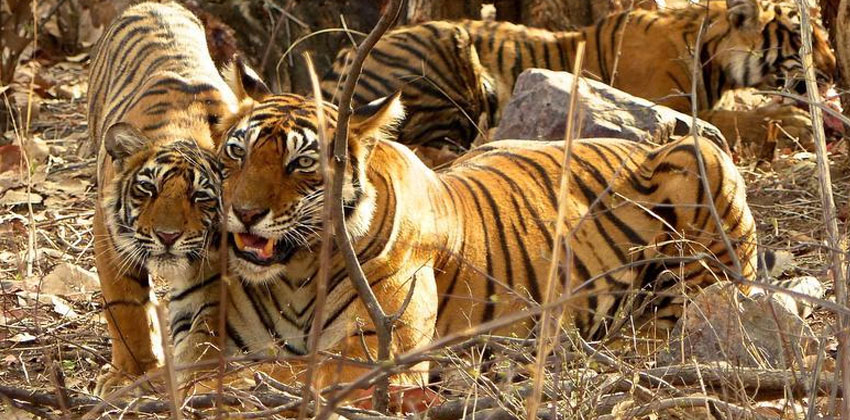
    • July 29th was celebrated the world over as International Tiger Day in a bid to raise awareness on various issues surrounding tiger conservation.
    • India’s tiger population has witnessed significant growth over the past decade, owing to successful conservation efforts under the Project Tiger initiative.

    About International Tiger Day

    It was first instituted in 2010 at the Tiger Summit in St Petersburg, Russia when the 13 tiger range countries came together to create Tx2, the global goal to double the number of wild tigers by the year 2022.

    Celebrating 50 Years of Project Tiger

    • Historical Context: Project Tiger was launched in 1973 to promote the conservation of tigers when their population was alarmingly low, hovering around 2,000 due to hunting and habitat destruction.
    • Landmark Achievement: Over the past 50 years, India’s tiger population has made a remarkable recovery, standing at 3,167 in 2022 as compared to just 268 in 1973.

    tiger

    Population Growth and Distribution

    • Decade-wise Growth: The tiger population has shown a remarkable growth trajectory in recent years. In 2010, there were 1,706 tigers, which increased to 2,226 in 2014 and further rose to 3,582 in 2022.
    • Regional Distribution: In 2022, the states with the highest tiger populations were Madhya Pradesh (785), Karnataka (563), Uttarakhand (560), and Maharashtra (444). Nearly 25% of the tigers were reported outside protected areas.

    Conservation Efforts and Successes

    • Tiger Reserves: India’s tigers are mainly concentrated in 53 dedicated tiger reserves covering about 75,796 square km, which accounts for approximately 2.3% of the country’s total land area.
    • Successful Reserves: Reserves like Corbett National Park in Uttarakhand (260 tigers), Bandipur (150), and Nagarhole (141) in Karnataka have shown commendable success in tiger conservation.
    • Project Tiger: Launched in 1973, Project Tiger played a crucial role in conserving the species, ensuring not just the protection of tigers but also preserving their natural habitats.

    Challenges and Concerns

    • Habitat Fragmentation: The growing human population and developmental activities have led to the fragmentation of tiger habitats, affecting their dispersal and increasing human-tiger conflicts.
    • Quality of Forest Cover: The degradation of forest cover can impact prey availability and contribute to human-wildlife conflict, especially in regions like Central India and the Eastern Ghats.
    • Human-Wildlife Conflict: As tiger habitats shrink and corridors get disrupted, encounters between tigers and humans have increased, leading to conflicts and potential danger to both tigers and people.
    • Legal Framework Dilution: Some proposed amendments to environmental acts and the approval of projects in protected areas have raised concerns about the dilution of the legal framework supporting tiger conservation.

    Way forward

    • Development with Ecological Sensibility: Upcoming infrastructure projects, like highways, are being planned with safe passageways for tigers and other animals to ensure minimal disruption to their movement.
    • Relocation and Rehabilitation: Relocation of human settlements from core areas of tiger reserves is incentivized to increase protected land and improve tribal livelihoods.

    Conclusion

    • Conservation Commitment: The success of tiger conservation in India has come through the commitment of people, political will, and strong legal and policy frameworks.
    • Sustained Efforts: Despite the successes, continued efforts and vigilance are essential to ensure the continued growth of the tiger population and its harmonious coexistence with human communities.
  • Resource Efficiency Circular Economy Industry Coalition (RECEIC)

    Central Idea

    • The Resource Efficiency Circular Economy Industry Coalition (RECEIC) was launched with 39 multinational corporations committing to resource efficiency and circular economy principles.

    What is RECEIC?

    • Foundation: The RECEIC, conceived during India’s G20 Presidency, is an industry-led initiative with a global focus on promoting resource efficiency and circular economy practices
    • Objectives: It aims to address environmental issues arising from waste, such as plastics, microplastics, e-waste, and chemical waste.
    • Participation: 39 multinational corporations from sectors such as steel, FMCG, and electronics joined RECEIC’s launch.
    • Leadership: The coalition will be industry-led, with the government playing a supporting role.
    • Focus: The coalition aims to address environmental challenges arising from different types of waste through resource efficiency and circular economy principles.
    • Presence: Ministers from Mauritius, Denmark, Italy, Canada, UAE, France, and the European Union attended the event.

    India’s measures in this regard

    • In 2021-22, India generated around 41 lakh tonnes of plastic waste, with 30 lakh tonnes allocated to registered recyclers and plastic waste processing units.
    • The Plastic Waste Management (Amendment) Rules, 2022, established Extended Producers’ Responsibility (EPR) guidelines to manage plastic waste effectively.
    • Plastic waste processors generated 2.6 million tonnes of EPR certificates, and purchased approximately 1.51 million tonnes of those certificates for 2022-23 obligations.

    Also read:

    [RSTV Archive] Circular Economy: Concept & Challenges