💥Join UPSC 2027,2028 Mentorship (August Batch) + XFactor Notes & Microthemes PDF

GS Paper: Governance, Transparency & Accountability, Citizens Charters

  • Law Commission Report on Adverse Possession

    adverse possession

    Central Idea

    • The recent report by the Law Commission on the law of adverse possession provides an overview of adverse possession, its historical origins, and its current provisions under the Limitation Act of 1963.

    Adverse Possession

    DEFINITION It refers to the hostile possession of property, which must be continuous, uninterrupted, and peaceful.
    Historical Background Historical roots dating back to the Hammurabi Code and developed through statutes of limitation in England.

    The first attempt to introduce the law of limitation in India was through the “Act XIV of 1859,” regulating civil suits.

    Provisions of the Limitation Act, 1963 The burden of proof for adverse possession shifted to the claimant, who must show continuous possession for a specified period.
    SC Recommendations for Changes in the Law Hemaji Waghaji Jat v. Bhikhabhai Khengarbhai Harijan and Others (2008) case: The SC criticized the law of adverse possession as irrational and placing a premium on dishonesty.

    • The SC recommended a fresh look at the law and urged the government to make suitable changes.
    Recent Law Commission Report
    • There is no justification for changing the law on adverse possession.
    • Two ex officio members of the Commission filed a dissent note, arguing that the law promotes false claims and should be struck off.
    Dissenting Opinions and Criticisms
    • It questioned the contradictory requirement of peaceful and hostile possession in adverse possession cases.
    • It argued that the law burdens the courts with unnecessary litigation and promotes false claims.


  • Sedition Law in India

    Central Idea

    • In a recent development, the Lahore High Court in Pakistan annulled the offence of sedition in their penal code, raising questions about India’s similar provision under Section 124A. While a challenge to this law is pending before the Indian Supreme Court, the underlying logic of sedition persists and has found its way into various provisions that criminalize speech.

    What is Sedition?

    • The Section 124A defines sedition as, an offence committed when any person by words, either spoken or written, or by signs, or by visible representation, or otherwise, brings or attempts to bring into hatred or contempt, or excites or attempts to excite disaffection towards the government established by law in India.
    • Disaffection includes disloyalty and all feelings of enmity. However, comments without exciting or attempting to excite hatred, contempt or disaffection, will not constitute an offense.
    • Sedition is a non-bailable offense. Punishment under Section 124A ranges from imprisonment up to three years to a life term with/without a fine.
    • Sedition was made a cognizable offense for the first time in history in India during the tenure of Prime Minister Indira Gandhi in 1973, that is, arrest without a warrant was now permissible.

    How the offensive speech reinforces existing social hierarchies and inequality?

    • Reinforcing Dominant Narratives: Offensive speech often aligns with the dominant narratives propagated by those in power. It reinforces and upholds the existing social order by validating and amplifying the perspectives and ideologies of the privileged groups.
    • Perpetuating Stereotypes and Prejudices: Offensive speech often relies on stereotypes and prejudices that are deeply rooted in social hierarchies. By perpetuating these stereotypes, offensive speech reinforces the existing inequalities and discriminates against individuals based on their identities, such as caste, race, gender, religion, or socioeconomic status.
    • Suppressing Dissent and Alternative Voices: Offensive speech can be used as a tool to suppress dissent and alternative viewpoints. It creates an environment of fear and intimidation, discouraging individuals from challenging the status quo or speaking out against injustice.
    • Creating Emotional and Psychological Harm: Offensive speech reinforces negative self-perceptions, perpetuates feelings of inferiority, and reinforces internalized oppression. This can lead to a lack of confidence, self-censorship, and a reluctance to participate in public discourse, further perpetuating existing social hierarchies.
    • Unequal Consequences and Legal Frameworks: Offensive speech often faces unequal consequences based on the social position of the speaker and the target. Marginalized individuals are more likely to face severe repercussions for their speech, while privileged individuals often enjoy greater impunity.

    How entrenched Hierarchies manifest in the law in India?

    • Caste-Based Discrimination: The deeply rooted caste system in India influences the legal framework. Despite constitutional safeguards and affirmative action policies, lower-caste individuals continue to face discrimination and marginalization.
    • Unequal Access to Justice: Marginalized communities, including lower castes, tribal communities, and economically disadvantaged groups, often encounter barriers in accessing justice. Limited legal awareness, inadequate legal aid services, and bias within the judiciary can result in unequal access to justice.
    • Discriminatory Laws and Practices: Personal laws based on religious or customary practices can reinforce gender inequality and restrict the rights of women. Similarly, laws related to land ownership, inheritance, and labor rights may disproportionately affect marginalized communities, reinforcing existing social disparities.
    • Limited Representation and Diversity: The underrepresentation of individuals from lower castes, tribal backgrounds, and other marginalized groups in positions of power within the legal system can lead to biases and insensitivity towards their concerns and needs. This lack of diversity can perpetuate hierarchical power structures and hinder efforts to address social inequalities.
    • Selective Enforcement and Impunity: The enforcement of laws in India can be selective, leading to unequal treatment based on social, economic, or political factors. Marginalized communities may experience higher rates of arrests, police brutality, and arbitrary detention. Meanwhile, individuals with social and economic power may enjoy impunity for their actions, perpetuating social hierarchies within the legal system.

    Facts for prelims

    Case Key Points
    Kedar Nath Singh v. State of Bihar, 1962 – Upheld the constitutionality of Section 124A (sedition) of the IPC. – Clarified that criticism of the government without incitement to violence is not sedition.
    Balwant Singh v. State of Punjab, 1995 – Stated that sedition requires a clear intention to incite violence or public disorder. – Holding opinions or raising slogans against the government without violent intent is not sedition.
    Shreya Singhal v. Union of India, 2015 – Struck down Section 66A of the IT Act, which criminalized offensive online speech. – Emphasized the importance of protecting freedom of speech in the digital age.
    Common Cause v. Union of India, 2016 – Expressed concerns about the misuse of sedition laws. – Called for a narrow and precise interpretation of the offense.
    Maneka Gandhi case, 1978 – Expanded the interpretation of the right to personal liberty and due process under Article 21 of the Constitution. – Emphasized that laws must be reasonable, fair, and just.
    Vinit Kumar v. CBI, 2019 – Reiterated that criticism of the government, unless inciting violence, does not amount to sedition. – Emphasized the need to prevent the misuse of sedition laws.

    Evolving nature of the interpretation and application of sedition laws

    • Striking Down Sedition Laws: In recent years, there have been calls to strike down or reform sedition laws, questioning their compatibility with democratic principles and the right to free expression. The Lahore High Court’s decision to annul the offence of sedition in Pakistan’s penal code exemplifies this growing debate.
    • Constitutional Challenges: The Supreme Court of India has examined the validity and scope of Section 124A in several cases. While the law may remain in abeyance without being formally struck down, these constitutional challenges create an opportunity to redefine the boundaries of sedition and ensure its alignment with constitutional principles.
    • Expansion of Speech Offenses: The logic of sedition has extended beyond the specific offense itself and transplanted into other provisions of law that criminalize speech. In the Indian context, laws that criminalize hurting religious sentiments or sentiments of particular communities share similarities with sedition.
    • Chilling Effect on Freedom of Speech: The fear of prosecution and the potential consequences, such as arrests, imprisonment, or social repercussions, may lead individuals to self-censor or refrain from expressing dissenting opinions.
    • Judicial Pronouncements: Judicial pronouncements play a crucial role in shaping the mutating logic of sedition. Courts have an opportunity to interpret and apply sedition laws in a manner that upholds freedom of speech, safeguards democratic values, and ensures a reasonable balance between the state’s legitimate interests and citizens fundamental rights.
    • For example: Recent judgment such as the Media One case have emphasized the importance of protecting freedom of speech, criticizing the misuse of sedition for curbing dissent and censoring speech.

    Way forward

    • Narrowing the Definition of Sedition: Refining and narrowing the definition of sedition can help prevent its misuse. The focus should be on acts or speech that directly incite violence or pose a genuine threat to the territorial integrity or sovereignty of the country. This would help avoid undue restrictions on dissent and criticism of the government.
    • Safeguarding Freedom of Speech: It is crucial to ensure that the sedition law is not misused as a tool to suppress legitimate criticism, dissent, or peaceful protests. Safeguards should be put in place to protect individuals’ right to free speech and expression, while allowing for robust public debate and the peaceful expression of dissenting opinions.
    • Transparency and Accountability: Establish mechanisms to promote transparency and accountability in the application of sedition laws. This includes clear guidelines for law enforcement agencies, regular review of cases, and strict consequences for misuse of the law. Proper oversight and monitoring can help prevent arbitrary arrests and protect individuals from wrongful prosecution.
    • Public Awareness and Legal Education: Promote public awareness and legal education about the scope and limitations of the sedition law. This can help individuals understand their rights and responsibilities, empowering them to exercise their freedom of speech responsibly while avoiding unlawful acts.
    • Focus on Alternative Measures: Emphasize the use of alternative legal measures, such as laws related to defamation, incitement to violence, or hate speech, to address genuine threats to public order or national security. These laws should be effectively enforced to protect individuals without infringing upon their fundamental rights.

    Conclusion

    • Beyond the formal striking down of Section 124A, it is essential to address the underlying logic of sedition and its influence on various provisions that curtail freedom of speech. Recognizing the entangled relationship between law and society, and the hierarchical power dynamics that shape the prosecution of speech offenses, is paramount in safeguarding democratic values and upholding freedom of expression.

    Get an IAS/IPS ranker as your personal mentor for UPSC 2024 | Schedule your FREE session and get the Prelims prep Toolkit!

    Also read:

    Re-examination of Sedition Law in motion: Govt informs SC


  • What is Narco Analysis Test?

    narco test

    Central Idea

    • Wrestlers at Jantar Mantar expressed their willingness to undergo narco analysis test.
    • One of them emphasized that the test should be monitored by the Supreme Court.

    What is a Narco Test?

    • In a ‘narco’ or narcoanalysis test, a drug called sodium pentothal is injected into the body of the accused.
    • This transports the accused to a hypnotic or sedated state, in which their imagination is neutralised.
    • In this hypnotic state, the accused is understood as being incapable of lying, and is expected to divulge information that is true.
    • Sodium pentothal or sodium thiopental is a fast-acting, short duration anaesthetic, which is used in larger doses to sedate patients during surgery.
    • It belongs to the barbiturate class of drugs that act on the central nervous system as depressants.

     Difference from Polygraph Tests

    • It is important to differentiate narco-analysis tests from polygraph tests, as they serve different purposes.
    • Polygraph tests rely on physiological responses to detect lies, measuring variables such as blood pressure, pulse rate, respiration, and sweat gland activity while the suspect is being questioned.
    • In contrast, narco-analysis tests induce a hypnotic state through the administration of drugs, aiming to weaken the subject’s resolve to lie.

    Reasons to use such tests

    • In recent decades, investigating agencies have sought to employ these tests in investigation, which are sometimes seen as being a “softer alternative” to torture or “third degree” to extract the truth from suspects.
    • However, neither method has been proven scientifically to have a 100% success rate, and remain contentious in the medical field as well.

    Restrictions on these tests

    • No self-incrimination: The Bench took into consideration international norms on human rights, the right to a fair trial, and the right against self-incrimination under Article 20(3) of the Constitution.
    • Consent of the accused: In ‘Selvi & Ors vs. State of Karnataka & Anr’ (2010), a Supreme Court Bench comprising then CJI ruled that no lie detector tests should be administered “except on the basis of consent of the accused”. The subject’s consent should be recorded before a judicial magistrate, the court said.
    • Legal assistance to such convicts: Those who volunteer must have access to a lawyer, and have the physical, emotional, and legal implications of the test explained to them by police and the lawyer.
    • Guidelines at place: It said that the ‘Guidelines for the Administration of Polygraph Test on an Accused’ published by the National Human Rights Commission in 2000, must be strictly followed.

    Previous Cases and Supreme Court Ruling

    • Narco analysis tests have been employed in significant cases like the 2002 Gujarat riots, the Abdul Karim Telgi fake stamp paper scam, the Nithari killings case in 2007, and the 26/11 Mumbai terror attack case involving Ajmal Kasab.
    • However, it was in 2010 that the Supreme Court delivered a ruling addressing the legality and admissibility of narco tests.
    • According to the Supreme Court ruling in “Selvi & Ors vs State of Karnataka & Anr” (2010), lie detector tests should not be administered without the consent of the accused.
    • The ruling emphasized that those who volunteer for the test must have access to legal counsel and be fully informed about the physical, emotional, and legal implications of the test.

    Court Decisions and Examples

    • The Supreme Court, relying on its 2010 ruling, rejected a petition to produce narco-test reports in the case of Aarushi Talwar, deeming it an attempt to delay the trial proceedings.
    • In 2019, the Central Bureau of Investigation (CBI) wanted to conduct narco-analysis tests on a former Punjab National Bank (PNB) staffer involved in an alleged fraud case, but the manager did not provide consent.
    • Last year, a Delhi court allowed a narco test on Aaftab Poonawalla, a murder suspect, after he voluntarily consented and acknowledged the potential consequences.

    Legal Position before Supreme Court Ruling

    • In 2006, the Madras High Court stated that scientific tests could be used by investigating agencies when the accused did not come forward with the truth, as it did not violate testimonial compulsion.
    • Similarly, the 2008 Delhi High Court ruling in “Sh. Shailender Sharma vs State & Another” acknowledged the need for thorough investigations and stated that narco-analysis tests do not suffer from constitutional infirmities.

    Can the results of these tests be considered as “confessions”?

    • Not a confession: Because those in a drugged-induced state cannot exercise a choice in answering questions that are put to them.
    • Assumed as evidence: However, any information or material subsequently discovered with the help of such a voluntarily-taken test can be admitted as evidence.
    • Supports investigation: It reveals the location of, say, a physical piece of evidence (which is often something like a murder weapon) in the course of the test.

    Way Forward

    • Evaluate the demand and implications of narco analysis tests in legal proceedings, considering both the benefits and ethical concerns.
    • Engage in a broader discussion on the forced intrusion into an individual’s mental processes and its impact on human dignity and rights.
    • Explore alternative methods of gathering evidence while ensuring constitutional rights are respected and upheld.


    Get an IAS/IPS ranker as your personal mentor for UPSC 2024

  • 73% projects completed under Smart Cities Mission

    Smart Cities Mission

    Central Idea

    • The Union Urban Affairs Ministry announced that significant progress has been made under the Smart Cities Mission, with more than 90% of the allocated funds being utilized and 73% of the projects already completed.

    Why discuss this?

    • The projects were supposed to be completed within five years of the selection of the city.
    • However, in 2021 the Ministry changed the deadline for all cities to June 2023, which was earlier the deadline for Shillong alone.

    What is Smart Cities Mission?

    • The Smart Cities Mission is an initiative of the Union Housing and Urban Affairs Ministry that was launched by PM on June 25, 2015.
    • Cities across the country were asked to submit proposals for projects to improve municipal services and to make their jurisdictions more liveable.
    • Between January 2016 and June 2018 (when the last city, Shillong, was chosen), the Ministry selected 100 cities for the Mission over five rounds.

    How does it work?

    • Each smart city has created a Special Purpose Vehicle (SPV) responsible for planning, appraising, approving, releasing funds, implementing, and managing, operating, monitoring, and evaluating development projects.
    • The SPV is led by a full-time CEO and includes nominees from the Central and State governments, as well as the Urban Local Bodies (ULBs) on its Board.

    Monitoring and Reporting

    • The implementation of the SCM is overseen by an Apex Committee, led by the Secretary of the Ministry of Housing and Urban Affairs.
    • The committee utilizes the Real Time Geographical Management Information System (GMIS) to provide regular reports on project progress.

    Features of the mission

    • Smart Infrastructure: Upgrading urban systems, including transportation, water, and waste management.
    • E-Governance: Digital platforms for transparent government services and citizen engagement.
    • Smart Solutions: Integration of IoT and data analytics to optimize urban systems.
    • Sustainability: Green initiatives, renewable energy, and eco-friendly practices.
    • Social and Economic Development: Affordable housing, healthcare, and fostering entrepreneurship.
    • Data-Driven Decision Making: Utilizing data for evidence-based planning and resource allocation.

    Progress status

    (1) Funds Utilization

    • As of May 1, a total of ₹38,400 crore was released for the Smart Cities Mission.
    • Out of this amount, ₹35,261 crore has already been utilized for various projects.
    • The utilization of funds accounts for over 90% of the allocated budget.

    (2) Project Completion

    • The Smart Cities Mission encompasses approximately 7,800 projects, valued at ₹1.8 lakh crore.
    • Among these projects, more than 5,700, valued at ₹1.1 lakh crore, have been completed.
    • The remaining projects are expected to be completed by June 30, 2024.
    • Currently, only 22 out of the 100 designated cities have successfully concluded all projects under the mission.

    Conclusion

    • By emphasizing effective funds utilization and project completion, the government intends to transform cities into smarter, more sustainable, and citizen-centric urban spaces.


    Get an IAS/IPS ranker as your personal mentor for UPSC 2024

  • Revisiting the Anti-Defection Law: Upholding Accountability in Parliamentary Democracy

    Central idea

    • Two recent judgments by the Supreme Court of India have brought attention to the constitutional framework governing the relationship between the executive, legislature, and political parties. While the judgments were unanimous, they present a contradiction in their application. The Delhi case emphasized the importance of accountability of civil services to the elected government, while the Maharashtra case upheld the power of party leadership over legislators, undermining the principles of parliamentary democracy.

    Delhi Case: Reinforcing the Importance of Accountability

    • Importance of Accountability: The case underscores the significance of accountability in a democratic system. It reaffirms the idea that a government elected by the people must be answerable to them through a triple chain of command: civil service officers being accountable to ministers, ministers being accountable to the legislature, and the legislature being accountable to the electorate.
    • Power Distribution: The judgment clarifies the delineation of powers between the Delhi government, headed by the Chief Minister, and the Lieutenant Governor appointed by the central government. It establishes that in matters concerning civil services, the elected government of Delhi should have control and authority, emphasizing the democratic principle of decentralization of power.
    • Constitutional Provisions and Democratic Values: The case highlights the significance of adhering to the constitutional provisions and demarcation of powers in a Union Territory like Delhi. It upholds the principles of parliamentary democracy, emphasizing the importance of a government accountable to the people it serves.
    • Strengthening Democratic Institutions: The judgment emphasizes the role of institutions in upholding democratic values enshrined in the Constitution. By safeguarding accountability and appropriately allocating powers, it sets a precedent for future cases and reinforces the role of institutions in maintaining a robust democratic system.

    What is triple chain of accountability?

    1. Civil Service Officers to Ministers: The first link in the chain is the accountability of civil service officers to the Ministers. Civil service officers are responsible for implementing government policies and carrying out administrative tasks. They are answerable to the Ministers who oversee their work and provide directions.
    2. Ministers to the Legislature: The second link in the chain is the accountability of Ministers to the legislature. Ministers are accountable for their decisions, actions, and policies to the legislature, which represents the voice of the people. They are expected to participate in debates, answer questions, present bills, and seek approval or support for government initiatives from the elected representatives.
    3. Legislature to the Electorate: The third link in the chain is the accountability of the legislature to the electorate. The elected representatives in the legislature are accountable to the people who have chosen them through the electoral process. Legislators are expected to represent the interests and concerns of their constituents, work towards their welfare, and ensure that their voices are heard in the decision-making process.

    Maharashtra Case: Undermining the Triple Chain of Accountability

    • Interpretation of the Tenth Schedule: The case revolves around the interpretation and application of the Tenth Schedule of the Constitution, which deals with the anti-defection law. The judgment focuses on the distinction between the legislature party and the political party, clarifying the power to issue binding directions to members of the legislature.
    • Role of Party Leadership: The judgment reinforces the authority of the political party leadership over the legislature. It establishes that the person in charge of the political party holds the power to issue directions to the members of the party, including MLAs/MPs, and failure to comply can result in disqualification.
    • Limitation on Legislators’ Accountability: The judgment raises concerns regarding the accountability of legislators to their voters. By upholding the authority of the political party leadership, it potentially weakens the accountability of legislators to the electorate and emphasizes their accountability solely to the party that fielded them in the election.
    • Triple Chain of Accountability: The judgment diverges from the principles outlined in the Delhi case concerning the triple chain of accountability. It suggests that legislators should adhere to the directions of the political party, potentially undermining the daily assessment of the government by the legislature and diluting the accountability of the government to the people.
    • Need for Re-evaluation: The judgment indicates the need for re-evaluating the anti-defection law and its compatibility with the principles of parliamentary democracy. It raises questions about the anti-defection law violating the basic structure of the Constitution, calling for a larger bench to examine this issue.

    Facts for prelims: Basics

    Anti-defection Law

    • The Anti-Defection Law under the Tenth Schedule of the Constitution punishes MPs/ MLAs for defecting from their party by taking away their membership of the legislature.
    • It gives the Speaker of the legislature the power to decide the outcome of defection proceedings.
    • It was added to the Constitution through the Fifty-Second (Amendment) Act, 1985 when Rajiv Gandhi was PM. The law applies to both Parliament and state assemblies.

    Contradictory Conclusions: The Problem of the Anti-Defection Law

    • The contradictory conclusions arising from the application of the anti-defection law in both the cases:
    • Constitutional Position: While the Delhi case emphasizes the accountability of civil services to the Delhi government and upholds the triple chain of command, the Maharashtra case highlights the power of the political party leadership over legislators, as dictated by the Tenth Schedule.
    • Incompatibility with Parliamentary Democracy: The Maharashtra case raises concerns about the anti-defection law, which is at the core of the Tenth Schedule, and its compatibility with the structure underlying parliamentary democracy. The anti-defection law’s assumption that any vote against the party direction is a betrayal of the electoral mandate contradicts the principle of representative democracy.
    • Legislative Accountability: The Maharashtra judgment reinforces the authority of the political party leadership, implying that legislators are primarily accountable to the party that fielded them, rather than to the electorate. This breaks the triple chain of accountability.
    • Impact on Daily Assessment: The Maharashtra judgment’s emphasis on party directions limits the daily assessment of the government by the legislature. If legislators of the party with a majority are bound by party directions, it undermines the meaningfulness of debates, resolutions, and no-confidence motions, as the party leadership controls the votes on every issue, ensuring the government’s victory.
    • Electoral Mandate and Voter Decision: The anti-defection law assumes that voters prioritize party affiliation, disregarding other factors such as candidates’ criminal records, assets and liabilities, and educational qualifications. However, voters’ decisions in elections often contradict this assumption, as demonstrated by instances of legislators winning by-elections after switching parties.

    Way forward

    • Re-evaluation of the Anti-Defection Law: It is crucial to revisit the anti-defection law and assess its compatibility with the basic principles of parliamentary democracy. A thorough examination by a larger Bench of the Supreme Court can help determine if the law violates the basic structure of the Constitution.
    • Reviewing the Tenth Schedule: The Tenth Schedule, which forms the basis of the anti-defection law, should be subject to a critical review. This includes analyzing its impact on the accountability of legislators to their constituents and evaluating whether it aligns with the principles of representative democracy.
    • Strengthening Legislative Accountability: Efforts should be made to reinforce the accountability of legislators to the electorate. This can be achieved by ensuring that legislators prioritize their constituents’ interests over party directives, thereby fostering a stronger connection between legislators and the people they represent.
    • Promoting Informed Voting: Emphasizing the importance of informed voting can help voters make decisions based on factors beyond party affiliation. Providing comprehensive information about candidates, including their track records, assets and liabilities, and educational qualifications, will enable voters to make more informed choices during elections.
    • Balancing Party Discipline and Individual Freedom: Striking a balance between party discipline and individual freedom of legislators is crucial. There should be mechanisms in place that encourage healthy debate, dissent, and the ability of legislators to vote based on their own judgment, while still respecting party affiliations.
    • Enhancing Parliamentary Debates and Oversight: Efforts should be made to strengthen the role of legislatures in holding the government accountable. This can be achieved through robust parliamentary debates, effective question hour sessions, and rigorous scrutiny of government actions and policies.

    Conclusion

    • The contradiction between the Delhi and Maharashtra cases underscores the need to revisit the anti-defection law. A larger Bench should re-examine the law’s compatibility with the basic structure of the Constitution, reaffirming the centrality of accountability in parliamentary democracy. This step is crucial to restore the balance between party loyalty and the representatives’ duty to serve their constituents and uphold democratic values.

    Get an IAS/IPS ranker as your personal mentor for UPSC 2024 | Schedule your FREE session and get the Prelims prep Toolkit!

    Also read:

    [Burning Issue] Shiv Sena Party Symbol Conundrum


  • Misleading food ads and regulations to curtail them

    Central idea: Misleading claims

    • FSSAI flagged 32 cases of food business operators (FBOs) making misleading claims and advertisements in contravention of the Food Safety and Standards (Advertisements & Claims) Regulations, 2018.
    • The cumulative count of such offences has shot up to 170 in the last six months.
    • FBOs urged to avoid making unscientific and exaggerated claims for larger consumer interest.

    Regulations for tackling misleading ads and claims

    • Regulations include-
    1. FSSAI’s Food Safety and Standards (Advertisements & Claims) Regulations, 2018
    2. CCPA’s regulations, and Cable Television Network Rules, 1994.
    • FSSAI seeks truthful, unambiguous, meaningful, and scientifically substantiated claims.
    • Claims suggesting suitability for prevention, alleviation, treatment, or cure of a disease, disorder, or particular psychological condition prohibited unless permitted under the regulations of the FSS Act, 2006.

    Response of FSSAI

    • Scrutinized products in categories such as health supplements, organic products, fast-moving consumer goods (FMCG) products, and staples endorsing certain health and product claims.
    • Alleged violators include manufacturers and/or marketers of nutraceutical products, refined oils, pulses, flours, millet products, and ghee.
    • Cases referred to concerned licensing authorities to issue notices and withdraw the misleading claims or scientifically substantiate them.
    • Failure to comply would invite penalties of up to Rs 10 lakh, suspension, or cancellation of licenses for repeated offenses.

    Recent observations in the food advertising ecosystem

    • Non-disclosure: Close to 788 ads processed against food advertising, about 299 related to non-disclosure by food influencers, and 490+ ads found to be misleading.
    • Fairly violative sector: Violations across different food categories and food.

    Definitions of various terms

    • Natural food product: A single food derived from a recognized natural source with no additives or chemicals.
    • Fresh: This reference is allowed only for products not processed except washing, peeling, chilling, trimming, cutting, or low-dose irradiation.
    • Pure: It is used for single-ingredient foods with nothing added and devoid of all avoidable contamination.

    Expectations from a consumer’s point of view

    • Clinical data: Companies need to provide clinical data about the outcomes pertaining to the control group, the administered group, and the observed period of the claimed outcomes.
    • Interpretable ads: Advertisements need to be modified in a way a consumer can interpret.


    Get an IAS/IPS ranker as your personal mentor for UPSC 2024 | Schedule your FREE session and get the Prelims prep Toolkit!

  • Legalizing Cannabis Cultivation and Decriminalizing Drug Use

    Cannabis

    Central Idea

    • Himachal Pradesh is reportedly considering legalizing cannabis cultivation, joining Uttarakhand, Gujarat, and Madhya Pradesh. The criminalisation of cannabis cultivation and drug use in India under the Narcotic Drugs and Psychotropic Substances (NDPS) Act 1985 has resulted in long pre-trial incarceration, stigmatisation of users, and poor rehabilitation prospects. A public health approach could help address drug dependence and reduce the burden on the criminal justice system.

    What is Cannabis?

    • Cannabis, also known as marijuana among other names, is a psychoactive drug from the Cannabis plant used primarily for medical or recreational purposes.
    • The main psychoactive component of cannabis is tetrahydrocannabinol (THC), which is one of the 483 known compounds in the plant, including at least 65 other cannabinoids, including cannabidiol (CBD).
    • It is used by smoking, vaporizing, within the food, or as an extract.

    Prospects of legalizing Marijuana

    1. Health benefits:
    • The cannabinoids found in Cannabis is a great healer and has found mentioned in Ayurveda.
    • It can be used to treat a number of medical conditions like multiple sclerosis, arthritis, epilepsy, insomnia, HIV/AIDS treatment, and cancer.
    1. Ecological benefits:
    • The cannabis plant and seeds apart from being labelled a super-food as per studies is also a super-industrial carbon-negative raw material.
    • Each part of the plant can be used for some industry. Hemp currently is also being used to make bio-fuel, bio-plastics and even construction material in certain countries. The cosmetic industry has also embraced Hemp seeds.
    1. Marijuana is addiction-free:
    • An epidemiological study showed that only 9% of those who use marijuana end up being clinically dependent on it.
    • The ‘comparable rates’ for tobacco, alcohol and cocaine stood at 32%, 15% and 16% respectively.
    1. Good source of Revenue:
    • By legalizing and taxing marijuana, the government will stand to earn huge amounts of revenue that will otherwise go to the Italian and Israeli drug cartels.
    • In an open letter to US President George Bush, around 500 economists, led by Nobel Prize winner Milton Friedman, called for marijuana to be “legal but taxed and regulated like other goods.
    1. A potential cash crop:
    • The cannabis plant is something natural to India, especially the northern hilly regions. It has the potential of becoming a cash crop for poor marginal farmers.
    • If proper research is done and the cultivation of marijuana encouraged at an official level, it can gradually become a source of income for poor people with small landholdings.
    1. Prohibition was ineffective:
    • In India, the consumption of synthetic drugs like cocaine has increased since marijuana was banned, while it has decreased in the US since it was legalized in certain states.
    • Moreover, these days, it is pretty easy to buy marijuana in India and its consumption is widespread among the youth. So it is fair to say that prohibition has failed to curb the problem
    1. Marijuana is less harmful:
    • Marijuana consumption was never regarded as a socially deviant behaviour any more than drinking alcohol was. In fact, keeping it legal was considered as an enlightened view.
    • It is now medically proven that marijuana is less harmful than alcohol.

    All you need to know about Narcotic Drugs and Psychotropic Substances (NDPS) Act 1985

    • The Narcotic Drugs and Psychotropic Substances (NDPS) Act is an Indian law that prohibits the production, manufacture, possession, transportation, sale, and consumption of narcotic drugs and psychotropic substances.
    • The Act was enacted in response to the US-led global war on drugs in the 1970s.
    • The NDPS Act has been amended several times since its enactment, with the most recent amendment being in 2014.
    • The Act defines different categories of drugs and prescribes different punishment for different offenses.
    • The Act has been criticized for its strict provisions, especially for small-scale drug users, who are often imprisoned and face difficulty accessing rehabilitation and de-addiction centers. In recent years, there have been calls for decriminalizing small-scale drug use and treating drug consumers as victims rather than offenders.

    Why criminalizing drug users is not a good option?

    • Pre-trial incarceration and stigmatization: Criminalization means long pre-trial incarceration and stigmatization of drug users, who are often from socially and economically vulnerable backgrounds.
    • Lack of access to de-addiction centres: Many drug users lack access to de-addiction centres, which makes their rehabilitation difficult.
    • Difficulty in rehabilitation: Putting drug users behind bars makes their rehabilitation difficult and exposes them to the risk of becoming peddlers.
    • Overburdened criminal justice system: Over-criminalisation of drug users clogs already burdened courts and adds to the workload of overworked investigating agencies.
    • Squandering public resources: Public resources that could have been deployed to set up a robust rehabilitation network are squandered away in the process.
    • Ineffective in deterring drug use: Criminalisation was intended to deter the use of drugs. However, drug dependence has increased over the years across the world.
    • Undermining social well-being: The over-criminalisation of drug users undermines their social well-being, which perpetuates the cycle of addiction and crime.

    Steps to address the negative impact of criminalizing drug users

    • Decriminalization: The government should consider decriminalizing the possession of small quantities of drugs for personal consumption, as recommended by the Ministry of Social Justice and Empowerment. This will treat drug users as victims rather than culprits and facilitate their rehabilitation.
    • Public health approach: The government should adopt a public health approach to address drug use as a public health issue. This involves providing healthcare services to drug users, focusing on their well-being and rehabilitation, rather than just punishing them.
    • Differentiating between peddlers and consumers: The government should differentiate between drug peddlers and drug consumers and take different approaches to dealing with them. While drug peddlers should be punished, drug users should be treated as victims and provided with rehabilitation services.
    • Setting up a robust rehabilitation network: The government should allocate resources to set up a robust rehabilitation network for drug users. This will help address the root cause of drug use and reduce its negative impact on society.
    • Public awareness campaigns: The government should conduct public awareness campaigns to educate people about the negative impact of drug use on health and well-being. This will help reduce the demand for drugs and prevent drug use among the population.

    Facts for prelims

    What is CBD oil?

    • CBD oil is a type of oil that contains cannabidiol (CBD), a non-psychoactive compound found in the cannabis plant.
    • CBD oil is made by extracting CBD from the plant and diluting it with a carrier oil such as hemp seed oil or coconut oil.
    • It is used for a variety of purposes, including reducing anxiety, relieving pain, and improving sleep.

    Conclusion

    • The criminalization of drug use in India has not deterred drug dependence and has resulted in a burden on the criminal justice system. A public health approach could help address drug dependence and reduce the stigma associated with drug use. India could learn from the examples of countries like Portugal and Canada and the state of Sikkim.

    Mains Question

    Q. Recently more and more states are considering legalizing cannabis cultivation. In light of this discuss the benefits of its cultivation and impact of criminalizing drug users in India.

    Get an IAS/IPS ranker as your personal mentor for UPSC 2024 | Schedule your FREE session and get the Prelims prep Toolkit!

    Also read:

    Himachal Pradesh considering legalizing Cannabis Cultivation
  • Link between poor Solid Waste Management and Stray Dog Attacks

    stray dog

    Central idea: Several incidents of stray dog attacks in Indian cities have shed light on the link between urban solid waste management and the issue of stray dogs.

    Stray Dog Attacks in India

    • Cities have witnessed a sharp increase in the stray dog population, which as per the official 2019 livestock census stood at 1.5 crore.
    • However, independent estimates peg the number to be around 6.2 crore.
    • The number of dog bites has simultaneously doubled between 2012 and 2020.
    • Experts agree there may be a correlation between urbanisation and solid waste production, made visible due to the mismanagement of waste disposal.
    • Tepid animal birth control programmes and insufficient rescue centres, in conjunction with poor waste management, result in a proliferation of street animals in India.

    Reasons behind

    • Poor waste management: Inadequate waste disposal facilities and the mismanagement of solid waste often lead to the congregation of stray dogs around garbage dumps and landfills, where they scavenge for food.
    • Unplanned urbanization: The population boom in Indian cities has led to a sharp increase in the stray dog population. Rapid urbanization has led to the creation of slums and unmanaged solid waste, which attract dogs.
    • Lack of food and shelter: The availability of food and shelter determines the carrying capacity of a city. In the absence of these facilities, free-ranging dogs become scavengers that forage around for food, eventually gravitating towards exposed garbage dumping sites.
    • Territoriality: Stray dogs often become territorial and aggressive about public spaces where they are fed, leading to increased attacks on humans.
    • Improper sterilization and rescue centres: Tepid animal birth control programmes and insufficient rescue centres, in conjunction with poor waste management, result in a proliferation of street animals in India.

    Food wastage in India

    • A population boom in Indian cities has contributed to a staggering rise in solid waste production. Indian cities generate more than 150000 metric tonnes of urban solid waste every day.
    • According to a 2021 UNEP report, an estimated 931 million tonnes of food available to consumers ended up in households, restaurants, vendors and other food service retailers’ bins in 2019.
    • Indian homes on average also generated 50 kg of food waste per person.
    • The presence of free-roaming dogs in urban areas is determined by the “carrying capacity” of a city, which is the availability of food and shelter.

    Urban Stray Dogs and Waste Disposal

    • Food and shelter: The wastage food often serves as a source of food for hunger-stricken, free-roaming dogs that move towards densely-populated areas in cities, such as urban slums which are usually located next to dumping sites.
    • Sanitation assists food hunt: In the absence of proper sanitation and waste disposal facilities, stray dogs become scavengers that forage for food around exposed garbage dumping sites.

    Impact of Unplanned and Unregulated Urban Development

    • ABC Program: Under Animal Birth Control (ABC) program, municipal bodies trap, sterilize, and release dogs to slow down the dog population. This approach aims to control the number of strays while avoiding the inhumane practice of killing them.
    • Rabies Control Measures: Another anchor of India’s response is rabies control measures, including vaccination drives. Rabies is a fatal disease that can be transmitted to humans through dog bites. Thus, preventing rabies is essential in addressing the issue of stray dogs.
    • Informal Measures: These include mass killing of dogs in states like Kerala, which is a controversial practice as it is often inhumane and does not address the root causes of the issue. Other measures include imposing bans on the entry of stray dogs in colonies or feeding them in public.

    Why address stray dog attacks issue?

    • Adds Vulnerability to the poor: The disproportionate burden of dog bites may also fall on people in urban slums, which are usually located in close proximity to dumping sites.
    • Exposes harsher realities: The rise in such attacks speak to core issues of lack of serviced affordable urban housing for all, lack of safe livelihood options and improper solid waste management”.

    Empathizing the strays

    • Abandoned, not strayed: Stray dogs are sentient social beings capable of feeling pain, fear, and joy. Urban living patterns have largely impacted their abandonment.
    • Subjected to abuse: They are often victims of neglect, abuse, and abandonment, and are forced to survive in harsh conditions on the streets.
    • Neglected community guardians: Stray dogs can serve as community guardians by alerting us to potential dangers and can also provide emotional support to humans.

    Way forward

    • Improve waste management: Efficient management of solid waste can help reduce the availability of food for stray dogs and limit their population growth.
    • Increase vaccination and sterilization: ABC and vaccination programs should be implemented in a more organized and efficient manner to control the stray dog population and the spread of rabies.
    • Encourage responsible feeding practices: Regulating feeding around bakeries and restaurants and improving waste management in public spaces can reduce the carrying capacity of the environment for stray dogs and minimize the congregation of dogs in certain areas.
    • Develop national policy: There is a need for a comprehensive national policy that addresses the issue of stray dogs and their management in a more systematic and humane manner.
    • Stop gruesome brutality: Stopping brutality towards dogs is a crucial step towards creating a more compassionate and just management of stray dogs menace.


    Also read:

    Prevention of Cruelty to Animals (Amendment) Bill, 2022. Why is it needed?

    Get an IAS/IPS ranker as your personal mentor for UPSC 2024 | Schedule your FREE session and get the Prelims prep Toolkit!

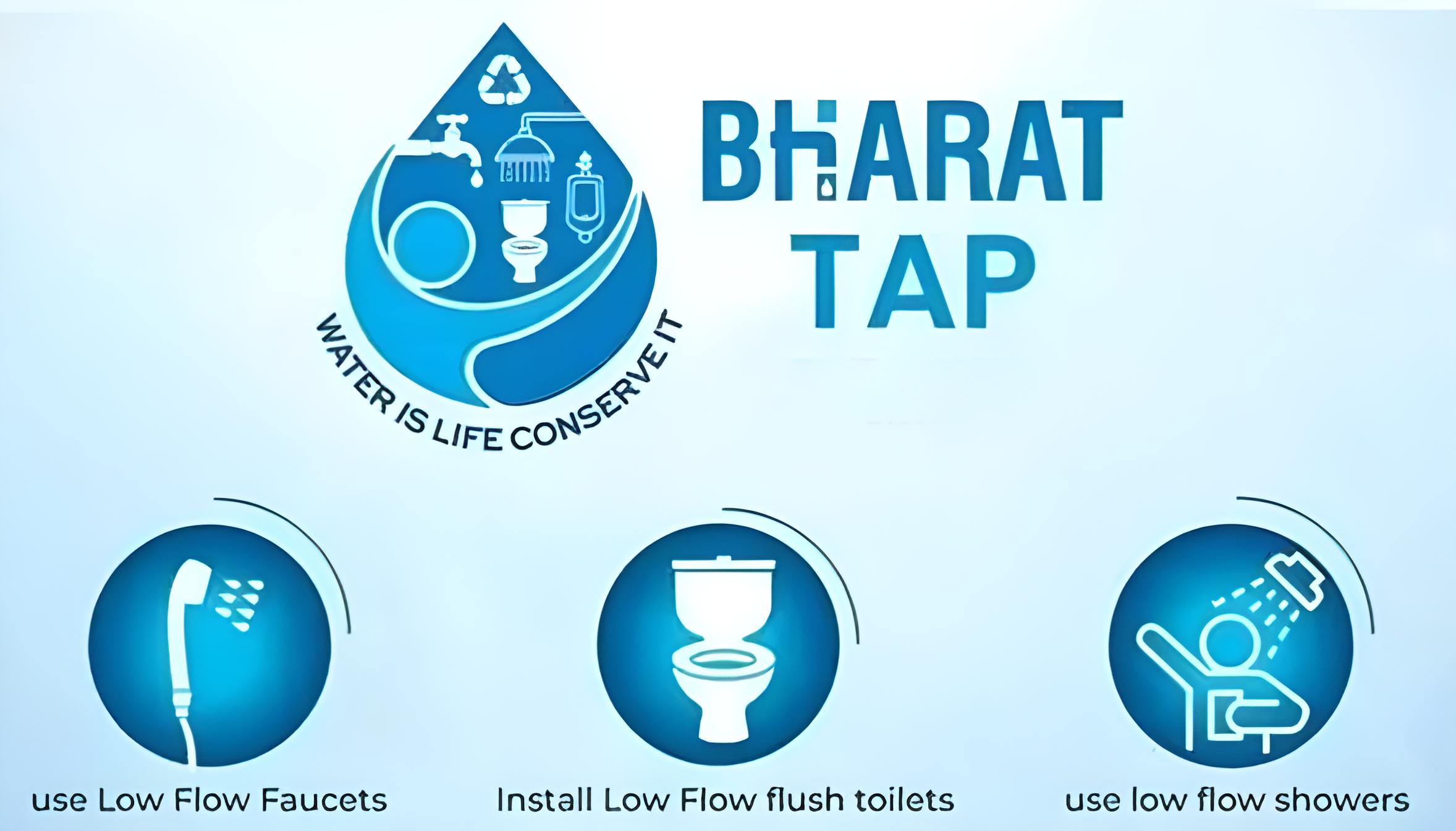
  • Bharat Tap Rating System for Water Fixtures

    bharat tap

    Central idea: The Centre is in the process of bringing in a star rating system for water fixtures similar to the ratings of electrical appliances.

    Bharat Tap Rating

    • The star rating system would come under one umbrella called Bharat Tap, which was formulated under AMRUT 2.0 to drive water efficiency.
    • The initiative aims to promote and adopt water-efficient fixtures.
    • It would have 3, 4, and 5-star water fixtures based on their water efficiency.
    • This would help consumers make informed decisions while purchasing sanitary equipment.

    Collaborators of the initiative

    • The Indian Plumbing Association and all manufacturers have been roped in to adopt and promote the new standards for water-efficient fixtures.

    Why such move?

    • Data derived from this initiative showed that on average over 30% of water can be saved.
    • However, there was not enough data available to consumers to assist them in making informed decisions when purchasing sanitary fixtures.

    Back2Basics: AMRUT 2.O

    • Water management: It will build upon the progress of AMRUT to address water needs, rejuvenate water bodies, better manage aquifers, reuse treated wastewater, thereby promoting circular economy of water.
    • Water supply: It would provide100% coverage of water supply to all households in around 4,700 ULBs.
    • Sewerage: It will provide 100% coverage of sewerage and septage in 500 AMRUT cities.
    • Rejuvenation of water bodies and urban aquifer management: It will be undertaken to augment sustainable fresh water supply.
    • Recycle and reuse of treated wastewater: It is expected to cater to 20% of total water needs of the cities and 40% of industrial demand.
    • Pey Jal Survekshan: It will be conducted in cities to ascertain equitable distribution of water, reuse of wastewater and mapping of water bodies.


    Get an IAS/IPS ranker as your personal mentor for UPSC 2024 | Schedule your FREE session and get the Prelims prep Toolkit!

  • Data Protection Bill in Monsoon Session


    data


    The Union government informed the Supreme Court that a new law, namely the Digital Personal Data Protection Bill, 2022, to enforce individual privacy in online space was “ready”.

    Legislation on ‘Data’: A Backgrounder

    • The personal data protection bill has been in the works for about five years.
    • The first draft of the Bill was presented by an expert panel headed by Justice B.N. Srikrishna in July 2018, after a year-long consultation process.

    Timeline of key events

    data


    • July 2018: After a year of consultations and deliberations, the PDP Bill, 2018, drafted by an expert committee headed by Justice BN Srikrishna, is presented to MeitY. Subsequently, MeitY begins drafting the next iteration of the Bill.
    • December 2019: The PDP Bill, 2019, prepared by MeitY, is referred to a Joint Parliamentary Committee (JPC) for review.
    • December 2021: After multiple extensions, and a leadership change, JPC Chairperson tabled the report of the JPC on the PDP Bill, 2019, as well as the draft Data Protection Bill 2021, in the parliament.
    • August 2022: On August 3 this year, MeitY withdrew the 2021 Bill, stating that a more “comprehensive legal framework” will be presented soon.

    DPDP Bill, 2022 is based on seven principles

    According to an explanatory note for the bill, it is based on seven principles-

    • Lawful use: The first is that “usage of personal data by organisations must be done in a manner that is lawful, fair to the individuals concerned and transparent to individuals.”
    • Purposeful dissemination: The second principle states that personal data must only be used for the purposes for which it was collected.
    • Data minimisation: Bare minimum and only necessary data should be collected to fulfill a purpose.
    • Data accuracy: At the point of collection. There should not be any duplication.
    • Duration of storage: The fifth principle talks of how personal data that is collected cannot be “stored perpetually by default,” and storage should be limited to a fixed duration.
    • Authorized collection and processing: There should be reasonable safeguards to ensure there is “no unauthorised collection or processing of personal data.”
    • Accountability of users: The person who decides the purpose and means of the processing of personal data should be accountable for such processing.

    Key features of the bill

    (1) Data Principal and Data Fiduciary

    • The bill uses the term “Data Principal” to denote the individual whose data is being collected.
    • The term “Data Fiduciary” the entity (can be an individual, company, firm, state etc.), which decides the “purpose and means of the processing of an individual’s personal data.”
    • The law also makes a recognition that in the case of children –defined as all users under the age of 18— their parents or lawful guardians will be considered their ‘Data Principals.’

    (2) Defining personal data and its processing

    • Under the law, personal data is “any data by which or in relation to which an individual can be identified.”
    • Processing means “the entire cycle of operations that can be carried out in respect of personal data.”
    • So right from collection to storage of data would come under processing of data as per the bill.

    (3) Individual’s informed consent

    • The bill also makes it clear that individual needs to give consent before their data is processed.
    • Every individual should know what items of personal data a Data Fiduciary wants to collect and the purpose of such collection and further processing.
    • Individuals also have the right to withdraw consent from a Data Fiduciary.
    • The bill also gives consumers the right to file a complaint against a ‘Data Fiduciary’ with the Data Protection Board in case they do not get a satisfactory response from the company.

    (4) Language of information

    • The bill also ensures that individuals should be able to “access basic information” in languages specified in the eighth schedule of the Indian Constitution.
    • Further, the notice of data collection needs to be in clear and easy-to-understand language.

    (5) Significant Data Fiduciaries

    • The bill also talks of ‘Significant Data Fiduciaries, who deal with a high volume of personal data.
    • The Central government will define who is designated under this category based on a number of factors ranging from the volume of personal data processed to the risk of harm to the potential impact on the sovereignty and integrity of India.

    (6) Data protection officer & Data auditor

    • Such entities will have to appoint a ‘Data protection officer’ who will represent them.
    • They will be the point of contact for grievance redressal.
    • They will also have to appoint an independent Data auditor who shall evaluate their compliance with the act.

    (7) Right to erase data, right to nominate

    • Data principals will have the right to demand the erasure and correction of data collected by the data fiduciary.
    • They will also have the right to nominate an individual who will exercise these rights in the event of death or incapacity of the data principal.

    (8) Cross-border data transfer

    • The bill also allows for cross-border storage and transfer of data to “certain notified countries and territories.”
    • However an assessment of relevant factors by the Central Government would precede such a notification.

    (9) Financial penalties

    • The draft also proposes to impose significant penalties on businesses that undergo data breaches or fail to notify users when breaches happen.
    • Entities that fail to take “reasonable security safeguards” to prevent personal data breaches will be fined as high as Rs 250 crore.
    • As per the draft, the Data Protection Board — a new regulatory body to be set up by the government — can impose a penalty of up to ₹500 crore if non-compliance by a person is found to be significant.

    What distinguishes this bill from its earlier versions?

    • Gender neutrality:  Significantly, and for the first time in the country’s legislative history, the terms ‘her’ and ‘she’ have been used irrespective of an individual’s gender. This, as per the draft, is in line with the government’s philosophy of empowering women.
    • Imbibes best global practices: To prepare it, best global practices were considered, including review of data protection legislations of Australia, European Union (EU), Singapore, and a prospective one of the USA.
    • Comprehensiveness: The draft has outlined six ‘Chapters’ and a total of twenty-five points. The ‘Chapters’ are: ‘Preliminary,’ ‘Obligations of Data Fiduciary,’ ‘Rights and Duties of Data Principal,’ ‘Special Provisions,’ ‘Compliance Framework,’ and ‘Miscellaneous.’
    • Special emphasis for child protection: If personal data is likely to cause harm to a child, its processing will not be allowed.

    Hits of the bills

    • Widening the scope of data: Narrowing the scope of the data protection regime to personal data protection is a welcome move, as it resonates with the concerns of various stakeholders.
    • Harnessing economic potential: Now non-personal data could be used to unlock social and economic value to benefit citizens, businesses, and communities in India with appropriate safeguards in place.
    • Doing away with aggressive push for Data localisation:  Relaxing data localisation provisions to notify countries to which data can flow, could aid India in unlocking the comparative advantage of accessing innovative technological solutions from across the globe, which in turn helps domestic companies.
    • Free flow of data: In addition, the free flow of data will help startups access cost-effective technology and storage solutions, as our research shows.
    • Allowing data transfers: This will also ensure that India is not isolated from the global value chain, helping businesses stay resilient in production and supply chain management and fostering overseas collaboration.

    Some criticisms of the bill

    • Wordplay: There had been use of open-ended language such as “as necessary” or “as may be prescribed”.
    • Govt monopoly: The Bill did not seem to work towards protecting people, but ensures that the government retains all power without any checks or balances.
    • Exemption provisions: The government has been given the power to exempt not only government agencies but any entity that is collecting user data, from having to comply with the provisions of this bill when it is signed into law.
    • No protection against data breach: The Executive in India has a track record of exploiting to expand its powers. There is no right for compensation to individuals in case of a data breach. They have no right to data portability.

    Conclusion

    • Crafting such crucial legislation is no mean task. It may require some more trial and error to succeed.
    • Definitely, it will involve some time and deliberation to arrive at a comprehensive legal framework.