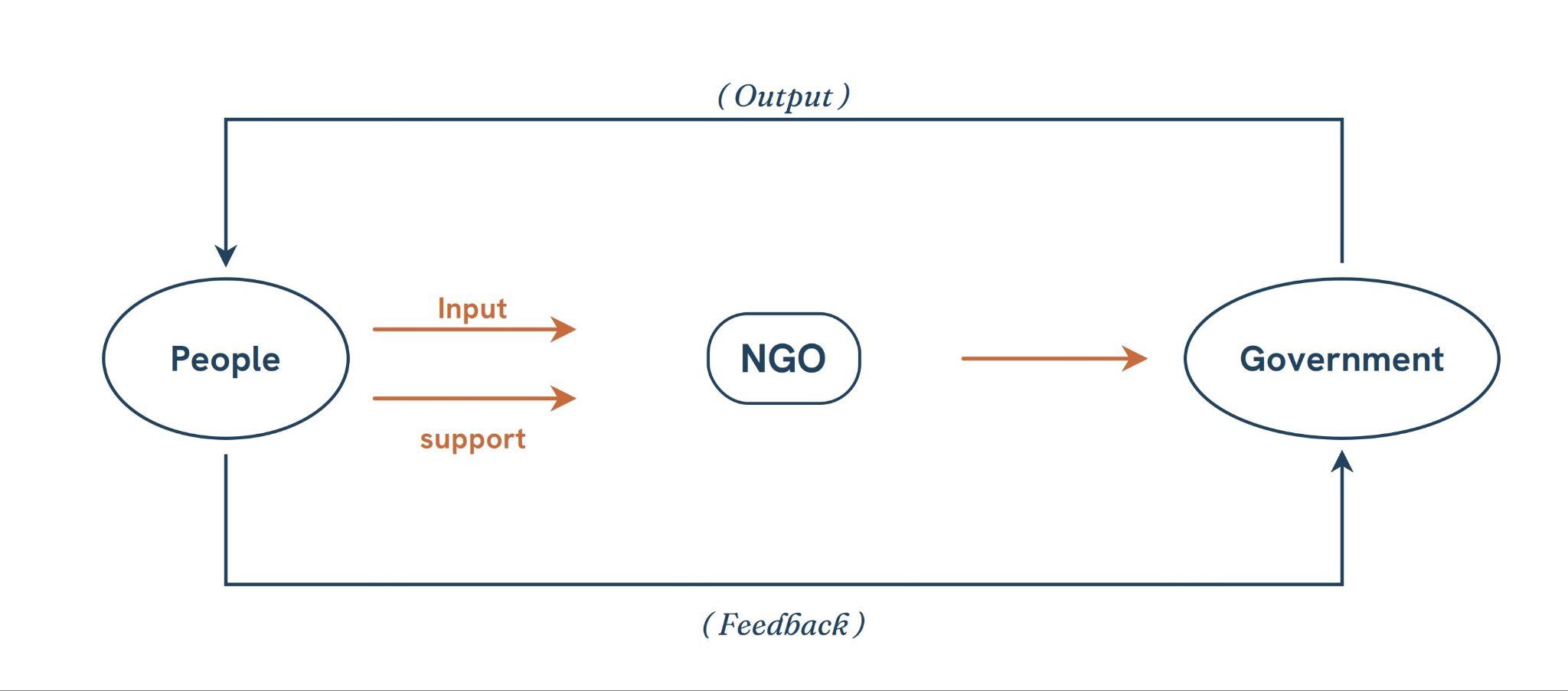
Microfinance aims to provide collateral-free credit and promote self-employment among the poor. In India, Self-Help Groups (SHGs) have emerged as a cornerstone of this model.
Role of Micro-Finance and SHGs in Asset Creation
Access to Institutional Credit – Provide collateral-free microcredit. Eg- over 1 Cr SHGs linked to banks, mobilising (NABARD, 2024).
Productive Investment – Loans used for purchasing livestock, equipment, raw materials, leading to tangible asset formation. Eg- Kudumbashree (Kerala)
SHGs facilitate small-scale entrepreneurship among rural poor, generating durable assets. Eg- Jeevika (Bihar) created over 1 crore women micro-entrepreneurs.
Community Assets – Many SHG federations contribute to community-level assets such as storage units, community halls, and water facilities.
Role of Micro-Finance and SHGs in Income Security
Diversification of Livelihoods – Credit supports farm and non-farm enterprises, ensuring multiple income streams.
Savings and Financial Literacy – SHGs promote thrift and savings discipline, building a safety net against economic shocks.
Access to formal banking lowers interest burden and enhances disposable income.
Resilience during Crises – During COVID-19, SHGs produced PPEs, masks, and ran community kitchens, ensuring income continuity and local resilience.
Linkages with Government Schemes – Convergence with PMEGP, MUDRA, and NRLM enhances employment and financial stability.
Role of Micro-Finance and SHGs in Empowering Women
Economic Empowerment – SHGs provide women with control over credit, income, and assets. Eg- Lakhpati Didi Initiative (2023) aims to enable 2 crore rural women
Social Empowerment – Collective decision-making improves confidence, literacy, and awareness on issues like health, sanitation, and domestic violence.
Political Empowerment – SHGs act as platforms for leadership training, increasing participation in Panchayati Raj Institutions.
Digital and Financial Inclusion – Initiatives like Bank Sakhi model and digital SHGs under PMGDISHA strengthen women’s agency in the digital economy.
Social Capital Formation – SHGs nurture solidarity, cooperation, and local governance participation, building community-level empowerment.
Challenges
High Interest Rates: MFIs often charge 20-24%, burdening the poor.
“Missing Middle” finance trap – they outgrow microcredit but cannot access medium-scale loans.
Regional Imbalance: Concentration of SHGs in southern states (71%); weak in the north and northeast.
Limited Market Access: Lack of integration with value chains and formal markets.
Poor Financial Management – Irregular bookkeeping, misappropriation of funds, and lack of audit systems result in low creditworthiness.
Patriarchal Resistance – In many regions, especially in North India, SHGs are viewed as token collectives rather than serious economic actors.
Way Forward
Develop Market Linkages: Integrate SHGs with ONDC, GeM, and e-NAM for fair pricing and wider market access.
Interest Subvention and Credit Expansion: Strengthen access to MUDRA, PMEGP, and Stand-Up India for low-interest enterprise loans.
Regional Diversification: Replicate best practices from Kudumbashree and Jeevika in less-developed regions.
Social Empowerment Convergence: Link SHGs with Poshan Abhiyaan, PMAY-G, and Ujjwala Yojana for holistic welfare outcomes.
Monitoring and Transparency: Use digital dashboards under DAY-NRLM to track financial performance and social outcomes.
SHGs can transform India’s rural development landscape from beneficiary-based welfare to participatory empowerment, aligning with the vision of Atmanirbhar Bharat and inclusive growth.