In the Subhash Kumar case, SC has declared the right to enjoyment of pollution-free water and air as a fundamental right under Article 21. The role of NGOs and activists in EIA is critical for realising this right.
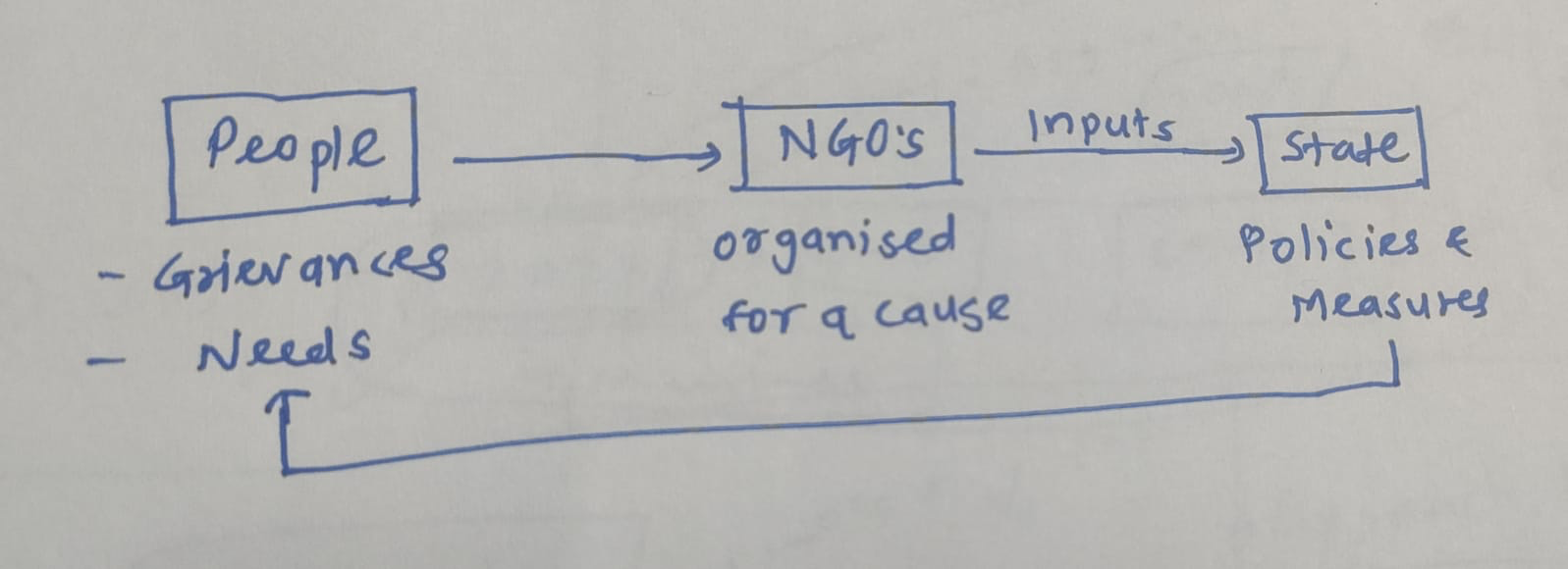
Role of Environmental NGOs and Activists in Influencing EIA Outcomes in India
Public Awareness & Mobilisation – Eg- Mobilising affected communities against environmentally destructive projects.
Scientific Scrutiny of EIAs through Independent environmental audits and counter-environment reports. Eg- Greenpeace India exposed false forest and coastal data in the POSCO Odisha steel project
Legal Intervention through PILs, NGT. Eg- Eg- Vellore Citizens’ Welfare Forum led to judicial incorporation of Precautionary Principle and Polluter Pays Principle
Strengthening Public Consultation – Ensure genuine Gram Sabha consent.
Policy-Level Influence – Shape national environmental jurisprudence and regulatory reforms.
Negative Role
Anti-development agenda – costed 2% of GDP (IB report)
FCRA violations – Eg- Suspension of World Vision India’s FCRA license
Project Delays and Cost Escalation – Eg- sardar sarovar dam
Selective Environmental Campaigning – Eg- limited activism on urban infrastructure impacts.
Four Major Examples with Important Details
Save Western Ghats Movement (Across six states) – Influenced Western Ghats Ecology Expert Panel (WGEEP) recommendations restricting industries in eco-sensitive zones.
Vedanta-Niyamgiri Bauxite Mining Case (Odisha) – SC (2013) ordered Gram Sabha consultations
Sterlite Copper Plant – Thoothukudi, Tamil Nadu – Tamil Nadu Government closed the plant (2018); NGT upheld closure citing environmental non-compliance.
POSCO Steel Project, Odisha – Forest clearance withdrawn, project cancelled in 2017
NGOs and activists remain India’s ecological watchdogs, ensuring that EIAs evolve from clearance tools into genuine instruments of environmental justice and sustainability.