According to the Economic Survey, the previous global paradigm of ‘stable geopolitics’ and ‘free trade and investment movement’, has been fading and the foundations on which many nations built themselves are now being shaken.
World Moving from Free Trade & Multilateralism to Protectionism & Bilateralism
Trade Wars – US-China tariff wars
WTO Deadlock over Doha Development Agenda
Rise of Bilateral/Regional Deals – Eg- RCEP
Green Protectionism – EU’s Carbon Border Adjustment Mechanism (CBAM), US CHIPS Act
Challenges before the Indian economy
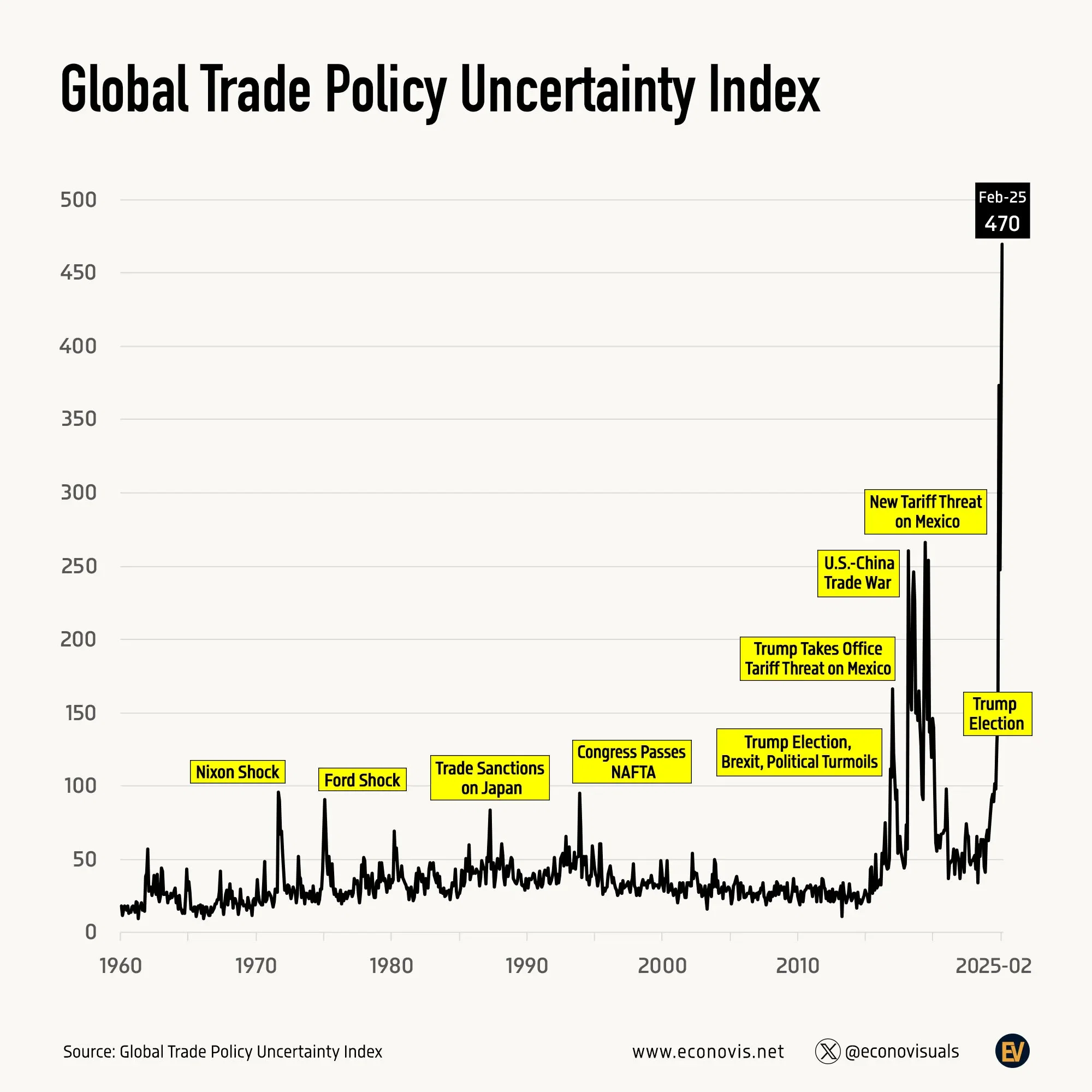
Fragmentation of Global Trade due to rise in tariffs, sanctions etc threaten export-oriented sectors. Eg- IT Industry
Volatile Capital Flows
Energy security challenges due to sanctions on Russia (40% share)
Currency Depreciation
Technology Barriers – New protectionist tools like data localisation rules of EU.
Employment Impact – Labour-intensive sectors like textiles, gems, and automobiles face slowdown.
Way Forward
Internal Measures
Ease of Doing Business – The Economic Survey (2024-25) key recommendation is ‘to get the domestic economic engine purring by pulling all the levers of deregulation’.
Raising the investment rate to around 35% of GDP from the current level of ~ 31%.
Boost domestic demand through high public capex
Build resilience in semiconductors, defence, and critical minerals under Atmanirbhar Bharat.
External Measures (Global Integration)
Diversify Export Markets – Expand trade with Africa, Latin America, Central Asia, and ASEAN.
Conclude Balanced FTAs – With EU, Canada, Australia.
Strengthen IMEC, INSTC, and Chabahar Port for secure and cost-effective routes.
Global South Leadership in WTO to revive dispute settlement and ensure fair rules.
A self-sustained growth strategy is imperative for India’s long-term economic sovereignty.