The Indian Constitution envisions a Welfare State under the DPSP (Articles 36-51), mandating the State to ensure social, economic, and political justice through equitable development. However, impact is undermined by macroeconomic instability, particularly high inflation (8%) and unemployment (6-8%).
Welfare Schemes
Financial Inclusion
PM Jan Dhan Yojana -55 Cr accounts opened
Aadhaar -1.35 Billion generated
Direct Benefit Transfer (DBT) -minimizes leakages.
Social Security Nets
Atal Pension Yojana for unorganised sector workers.
PM Maan Dhan Yojana -old-age income security
Food Security
Atal Kalyan Yojana / PMGKAY – 67% population covered
Mid-Day Meal (PM Poshan)
Support for Vulnerable Sections
PM Matru Vandana Yojana
Ayushman Bharat
Skills and Training
PM Kaushal Vikas Yojana (PMKVY)
‘Earn While You Learn’ Scheme
Social Infrastructure
Swachh Bharat Mission
Ujjwala Yojana -10 Cr LPG connections
Gram Sadak Yojana
Women and SC-ST empowerment
PM Mudra Yojana
Stand-Up India
The Impact of Inflation on the Poor
Erosion of Real Income: Inflation disproportionately affects low-income households as food and fuel form over 50% of their consumption basket.
Reduced Effectiveness of Welfare Schemes: High prices diminish the real value of cash transfers under DBT or PM-Kisan.
Rural Distress: Inflation widens the rural-urban gap, as agricultural incomes lag behind input costs (fertilizer, diesel).
Fiscal Stress: Rising subsidy bills due to inflation crowd out developmental spending.
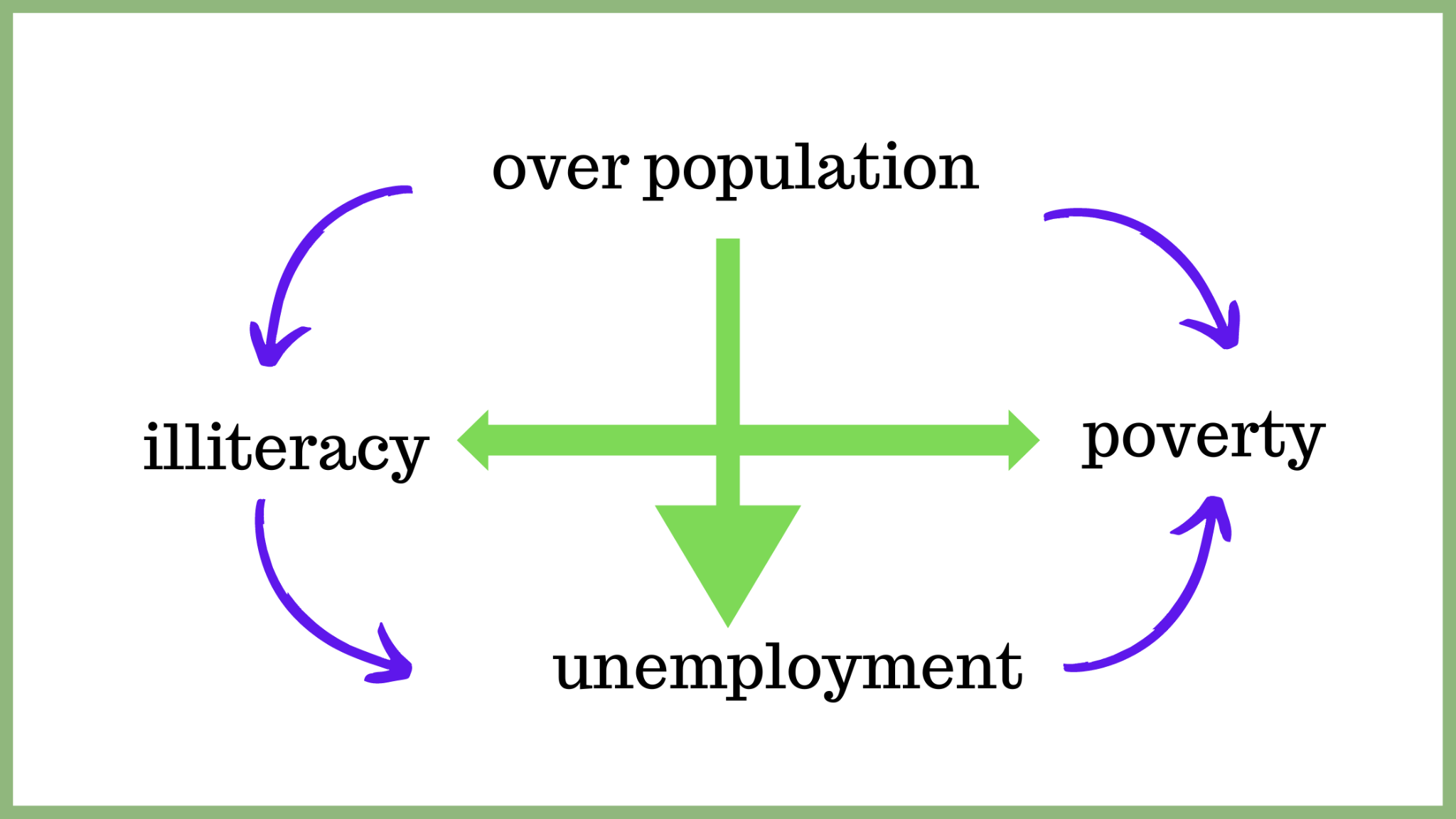
Unemployment and Its Consequences for the Poor
Jobless Growth: Despite 7%+ GDP growth, unemployment among youth remains 17.3% (PLFS 2022-23).
Informalisation: Around 90% of India’s workforce remains in the informal sector, lacking job security or social protection.
Poverty Persists – 12.9% Indians still multidimensionally poor (NITI Aayog, 2023).
Gender Disparity: Female LFPR, though improved to 41% (2022-23), still trails male LFPR (78%) and Global Average (48%)
Welfare Dependency: Lack of stable income pushes people to rely on welfare transfers, which creates fiscal burden and undermines self-reliance.
Policy Measures for Deft Management
Inflation Management:
Strengthen Monetary-Fiscal Coordination between RBI and Ministry of Finance.
Build food supply buffers via eNAM and cold chain networks.
Promote energy transition to reduce import-driven inflation.
Employment Generation:
Expand PM Vishwakarma, PMEGP, and Start-Up India for entrepreneurship.
Promote labour-intensive sectors – textiles, food processing, tourism. (Economic Survey)
Urban MGNREGA to reduce urban poverty
Invest in green and digital jobs through the IndiaAI Mission and National Green Hydrogen Mission.
Integrate Skill India with industry demand mapping.
Capability Approach: increase expenditure on Health (2.5% of GDP) and Education (6% of GDP)
Only by aligning macro-economic management with social justice objectives can India realise the vision of “Sabka Saath, Sabka Vikas, Sabka Vishwas”