When a civil servant becomes a slave to periphery or “form,” administration becomes an end in itself, at the cost of the citizen it was meant to serve.
Core Vs Periphery
Preoccupation with periphery – travesty of justice
Red-tapism over responsiveness- Eg- Munger-Ganga Bridge in Bihar was delayed by nearly 14 years due to inter-departmental disputes
It is a “corruption of omission”– may be legally clean, but ethically bankrupt.
Periphery breeds a “mechanical” mindset where officials lose empathy. Eg- denial of emergency care to critically ill patient without documentation
Process compliance over public welfare. Eg- Eg- PDS exclusion of poor due to biometric authentication failures (Jharkhand case)
Encourages moral abdication – Officials transfer moral responsibility to the rulebook (banality of evil). Eg- encroachment demolitions without rehabilitation plan.
Facilitates coercive corruption. Eg- ‘speed money’ for faster file clearance
It leads to Process becoming Punishment. Eg- complexity in environmental clearances
“By-the-book” culture stifles innovation and creativity.
Resource Wastage- Eg- cost and time overruns in PPP projects due to delays in land procurement
Policy Paralysis- Fear of audit or the “3C” (CBI, CVC, CAG) leads to “Defensive Bureaucracy.”
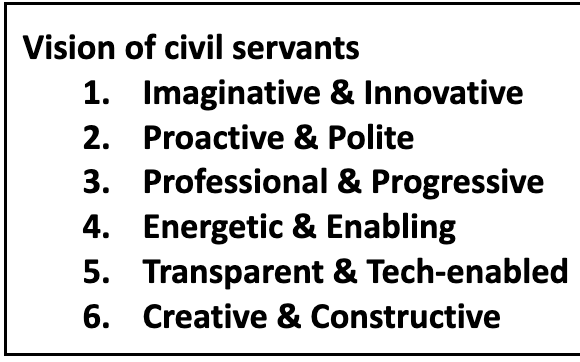
Adopting the “Karmayogi” Mindset- “solution-providers” rather than “file-pushers”.
Institutionalizing Social Audits- Eg- Meghalaya social audit law
Protection for Honest Discretion by amending Section 17A of the Prevention of Corruption Act.
Promoting “Co-Production”- Involving NGOs and SHGs to deliver services. Eg- Kudumbashree
Application of Gandhi’s Talisman in decision making
The ultimate goal of an administrator is to ensure that the “True Intent” of the Constitution – Justice, Liberty, and Equality – is delivered.