Resource stewardship is the hallmark of good governance and is essential for translating fiscal resources into social welfare. Its poor utilisation violates the “trusteeship” principle (Locke)
Importance of Effective Utilization of Public Funds
Achieving Social Justice- Tribal sub plan funds reducing historical inequality.
Human Capital Formation through improved public service delivery
Poverty Alleviation- Eg- DBT provide a safety net for those below the poverty line.
Fiscal Discipline- Prevents unnecessary borrowing and reduces the fiscal deficit
Builds Public Trust in government – ensures better tax-compliance
Attracting Investment- “Crowding-in” effect.
Reasons for Under-Utilization
Administrative Red Tapism- Lengthy approval processes for tenders and contracts.
Late fund release lead to “March Rush”
Capacity Constraints- Local bodies lack technical staff to draft Detailed Project Reports (DPRs).
One-size-fits-all guidelines limits flexibility. Eg- CSS
Land acquisition delays stalls major infrastructure projects.
Low accountability- lack of real-time tracking of funds
Fear of the “3 Cs”(CBI, CVC, CAG) causes bureaucratic paralysis
Reasons for Mis-Utilization
Corruption through ghost beneficiaries. Eg- over 10 lakh fake accounts in Ayushman Bharat (CAG)
Political populism – Diverting long-term developmental funds into short-term electoral “gifts”.
Poor accountability mechanisms. Eg- lack of social audits
Absence of Outcome Budgeting- Focus on “outlays” rather than “impact” (lives changed).
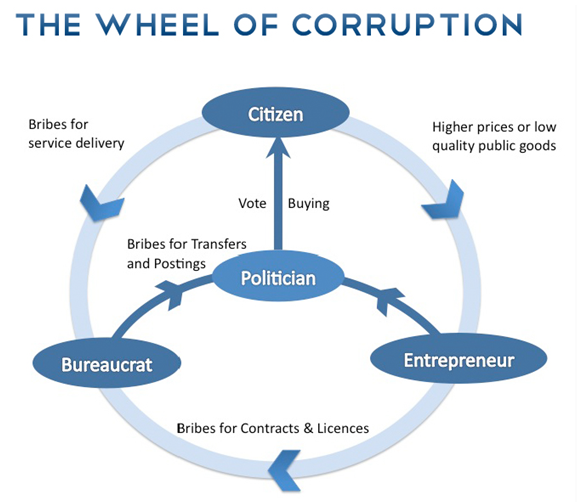
Institutionalized Rent-Seeking- The presence of middlemen in every stage of fund dispersal.
Politician-bureaucrat-corporate nexus (Vohra committee) – leads to culture of impunity
Implications
Violates utilitarian maxim of greatest happiness of greatest number
Leads to inequality – 1% holding >40% national wealth (Oxfam)
Poor quality of service is delivered to citizens. Eg- rotten foodgrains in PDS
Cost Overruns- Delays lead to inflation-adjusted increases in project costs.
Delayed Benefits- The public is deprived of essential services
Opportunity Cost- Capital that could have been used elsewhere remains locked and unproductive.
Economic Distortion- Unproductive spending leads to inflation without asset creation.
Erosion of Ethics- Normalizes a culture of dishonesty within the civil service.
Leads to “Taxpayer Cynicism” – encourage tax evasion.
Public servants are trustee of public funds. It must be used with responsibility and integrity.