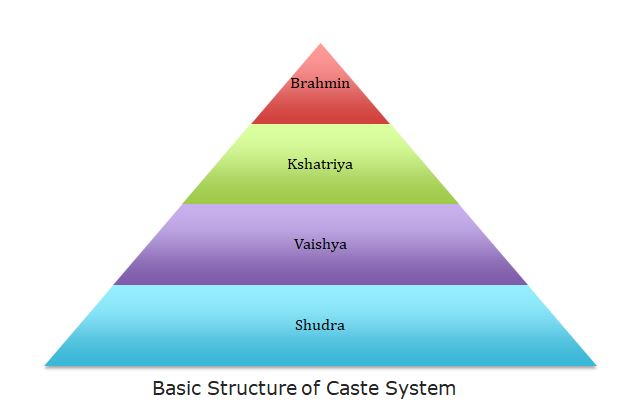
Caste can be defined as a localized, hereditary, and endogamous group characterized by a fixed rank in a ritual hierarchy (Varna).
New identities and associational forms of the caste system
Caste based political parties – Eg- BSP (Dalits) or RJD/SP (Yadavs)
Caste as a tool of political mobilization. Eg- Jat and Maratha reservation demand
Caste coalitions to gain political bargaining power. Eg- AJGAR (Ahir, Jat, Gujar, Rajput) or MY (Muslim-Yadav) alliances.
Intersection of Caste with Class – Eg- Emergence of a Dalit and OBC middle class.
Caste based economic groups. Eg- Dalit Indian Chamber of Commerce and Industry (DICCI) promoting “Dalit Capitalism”
Urban and Professional Networks – Eg- Caste-based matrimonial preferences and housing patterns.
Sanskritisation (M.N. Srinivas) – Lower castes adopting practices of upper castes to achieve upward mobility.
Institutionalisation through State Policies – Eg- Reservations for SCs, STs, and OBCs.
Digital and Social Media Mobilisation – New platforms for caste assertion.
Possibility of eradication of caste
Arguments in favour
Erosion of Traditional Caste Functions – Eg- rising inter-caste marriages
Legal and Constitutional Interventions – Eg- Article 17, anti-atrocity laws.
Urbanisation and Migration dilute caste boundaries.
Secularization of Youth – prioritizes “Class and Merit” over “Caste and Ritual”
Anti-caste ideologies challenging legitimacy. Eg- Ambedkarite movements.
Argument against
Cultural Reproduction – Caste embedded in rituals, customs, and kinship.
Persistence of Endogamy – over 90% same caste marriages
Vote bank politics
Role of Family – Early internalisation of caste identity.
Institutional Dependence on Caste Data – Eg- caste census
While caste as a social identity may persist, caste as a system of hierarchy, discrimination, and exclusion can be dismantled through constitutional morality, education, economic justice, and social reform.