💥Join UPSC 2027,2028 Mentorship (August Batch) + XFactor Notes & Microthemes PDF

GS Paper: GS1

  • Why is Child Marriage still high in West Bengal?

    child marriage

    Introduction

    • Recent Study Insights: A Lancet study highlights the ongoing challenge of child marriage in India, with significant prevalence in states like West Bengal.
    • Focus on Four States: Bihar, West Bengal, Uttar Pradesh, and Maharashtra are noted for their high rates of child marriages, particularly among girls.

    Key Findings of the Lancet Study

    • Widespread Prevalence: The study reveals that one in five girls in India is married below the legal age, with notable disparities across states.
    • Rising Numbers in West Bengal: West Bengal has seen a significant increase in child marriages, with over 500,000 more girls married as children.

    Impact of Child Marriage

    • Human Rights Violation: Child marriage is recognized as a form of sexual and gender-based violence and a violation of human rights.
    • Health Consequences: The practice has detrimental effects on maternal and child health, as evidenced by incidents like infant deaths in Murshidabad.

    Policy Interventions in West Bengal

    • Kanyashree Prakalpa Scheme: A conditional cash transfer scheme aimed at encouraging education and discouraging child marriage among teenage girls.
    • Rupashree Prakalpa: A cash incentive scheme for the marriage of girls, which sometimes counteracts the objectives of Kanyashree.

    Challenges in Combating Child Marriage

    • Educational Strides vs. Child Marriage: Increased school enrollment of girls in West Bengal has not translated into a reduction in child marriage rates.
    • Literacy and Child Marriage Correlation: High literacy rates in certain districts have not led to a decrease in child marriage, indicating complex underlying factors.
    • Migration and Social Norms: Migration patterns and social norms contribute to the persistence of child marriage, with families marrying off daughters before migrating for work.

    Implementation of Laws and Regulations

    • Inadequate Law Enforcement: Despite existing laws like The Prohibition of Child Marriage Act (PCMA), 2006, enforcement remains weak in West Bengal compared to other states.
    • Proposed Amendments: Efforts to raise the legal age of marriage for women to 21 years are underway, with the bill referred to a Parliamentary Standing Committee.

    Looking Ahead: Strategies for Change

    • Need for Comprehensive Approach: Addressing child marriage requires a multi-faceted approach involving panchayats, schools, local communities, and political will.
    • District Action Plans: The West Bengal government’s call for district action plans is a step forward, but effective implementation and social campaigns are crucial.
    • Enforcing Laws and Raising Awareness: Strengthening law enforcement and raising public awareness are key to reducing child marriage rates in West Bengal and across India.

    Conclusion

    • Persistent Challenge: Despite policy efforts, child marriage remains a significant issue in India, particularly in states like West Bengal.
    • Balancing Incentives and Enforcement: While schemes like Kanyashree and Rupashree aim to address the issue, balancing incentives with strict law enforcement is essential.
    • Collaborative Efforts for Change: A collaborative effort involving all stakeholders, along with a strong political commitment, is necessary to effectively combat child marriage and protect the rights of young girls.
  • Kannada Signboard Controversy and Vandalism in Bengaluru

    kannada

    Introduction

    • Activists protested against non-Kannada signboards in Bengaluru, leading to vandalism across the city.

    Kannada Signboards Issue

    • Demand for Kannada Signboards: The issue dates back to the early 2000s when Bengaluru emerged as a global IT hub. The then Chief Minister S.M. Krishna issued a circular in 2002 for Kannada signboards, which lacked legal backing.
    • Legal Challenges: Attempts to mandate Kannada signboards faced legal hurdles, with the High Court staying and striking down related rules in 2009 and 2014.

    Recent Developments: Legislation and Protests

    • Kannada Language Comprehensive Development Act, 2022: The Act, passed by the State Legislature in 2022, mandates that 60% of signboards be in Kannada.
    • KRV’s Campaign: KRV campaigned for the implementation of this norm, leading to the protest and subsequent vandalism.
    • State Government’s Ordinance: The government plans to promulgate an ordinance to clarify the 60:40 rule for signboards and set a compliance deadline of February 28.

    Impact on Commercial Establishments

    • Anxiety among Businesses: The new rule has caused concern among retailers, with fears of increased vigilante actions and financial burdens due to signboard changes.
    • Opposition from Retailers: The Retailers Association of India and other business groups have opposed the mandate, citing its impact on Bengaluru’s cosmopolitan nature and brand image.

    Political Dynamics

    • Election Context: The issue has gained political significance ahead of the parliamentary polls, with both the Congress and BJP staking positions on the language issue.
    • Kannada as a Political Plank: Despite political consensus on promoting Kannada, the language has not been a successful political issue in the state.

    Concerns over Bengaluru’s Image

    • Brand Bengaluru at Risk: The vandalism and language controversy could potentially harm Bengaluru’s reputation as a global investment destination.
    • Calls for Government Action: Industry leaders and civic activists have urged the government to take measures to restore confidence and preserve the city’s inclusive culture.

    Conclusion

    • Need for Sensible Policy: The government faces the challenge of promoting Kannada while maintaining Bengaluru’s cosmopolitan and investor-friendly image.
    • Addressing Vandalism: Strong action against vandalism and a balanced approach to language policy are essential to prevent further damage to Bengaluru’s brand and social harmony.
  • Secularism and Multiculturalism in India and Europe

    Secularism and Multiculturalism

    Introduction

    • Prof. Akeel Bilgrami, a distinguished professor from Columbia University, delivered a lecture at Madras Christian College in Tambaram.
    • His talk, titled ‘Gandhi in his time and ours: Reflections on Secularism and Multiculturalism’, explored the nuances of secularism in India and Europe.

    Prof Bilgrami on Secularism

    He emphasized on three commitments primarily on which Secularism is based:

    1. Freedom of Religion: The first commitment emphasizes the freedom of religious belief and practice.
    2. Constitutional Principles: The second commitment involves principles unrelated to religion, such as equality and freedom of speech, enshrined in the constitution.
    3. Meta-Commitment: The third commitment dictates that in case of a clash between the first two, the constitutional principles must take precedence.

    Gandhi’s Perspective on Secularism

    • European Context: Gandhi viewed secularism as a doctrine to address the damage caused by religious majoritarianism in Europe.
    • Irrelevance to India: He believed that the issues secularism aimed to address in Europe were not present in India, making it irrelevant in the Indian context.
    • Nationalism and Anti-Imperialism: For Gandhi, nationalism was synonymous with anti-imperialism and inherently inclusive, contrasting with European forms of nationalism.

    Distinguishing Secularisation from Secularism

    • Secularisation: Prof. Bilgrami described secularisation as a social process involving the loss of religious belief and changes in religious practices.
    • Secularism: In contrast, secularism is a political doctrine advocating for the separation of religion from politics.

    Rejecting the Notion of ‘Indian’ Secularism

    • Misconception: Prof. Bilgrami dismissed the popular notion that ‘Indian’ secularism is about the acceptance of all religions.
    • Pluralism vs. Secularism: He clarified that the acceptance of all religions is more accurately described as pluralism, not secularism.

    Conclusion

    • Deeper Understanding: Prof. Bilgrami’s lecture provided a deeper understanding of secularism and its application in different contexts.
    • Relevance to Contemporary India: His insights are particularly relevant in contemporary India, where secularism and multiculturalism continue to be subjects of intense debate and discussion.
    • Future Discourse: The lecture sets the stage for further discourse on how secularism should be interpreted and implemented in India’s diverse and multi-religious society.
  • Paleolithic Tools Discovered in Telangana’s Mulugu District

    Paleolithic

    Introduction

    • Floods Uncover Historical Artifacts: The recent floods in Mulugu district, Telangana, have led to the discovery of Paleolithic quartzite tools, shedding new light on the region’s ancient human habitation.
    • Discovery by Amateur Historians: The tools were found in a dried-up stream bed by a team led by Sriramoju Haragopal, an amateur historian.

    About Paleolithic Age

    Details
    Timeframe Approximately 2.6 million years ago to about 10,000 BCE.
    Characteristics Marked by the use of stone tools by early humans. Tools were mainly hand axes, cleavers, and choppers.
    Major Sites
    • Bhimbetka in Madhya Pradesh
    • Soan Valley in Punjab
    • Sites in Rajasthan, Karnataka, and Maharashtra
    • Narmada Valley in Central India
    • Attirampakkam in Tamil Nadu
    • Hunsgi in Karnataka
    • Kurnool in Andhra Pradesh
    • Didwana in Rajasthan
    • Belan Valley in Uttar Pradesh
    Lifestyle Nomadic hunter-gatherers; relied on hunting animals and gathering plants for food.
    Cultural Developments Development of basic stone tools and control of fire.
    Art and Symbolism Evidence of early art found in Bhimbetka rock shelters, with paintings and engravings.
    Climate and Environment Varied climatic conditions over millennia; included ice ages and warmer periods.
    Human Species Mainly Homo erectus and Homo sapiens.

    Details of the Discovery

    • Location of Find: The hand axes were discovered between Gurrevula and Bhupatipuram villages in Mulugu district.
    • Specific Find: Researchers found a significant stone axe measuring 15.5 cm in length, 11 cm in width, and 5.5 cm in thickness.

    Context and Comparison

    • Global Significance: Similar hand axes have been discovered worldwide, indicating a common tool type used by early humans for various purposes.
    • Historical Context in India: The first discovery of a Paleolithic site in India was in 1863 at Attirampakkam near Madras (now Chennai), with bifacial hand-axes dating back to about 15 lakh years, known as the Madras Hand-Axe Industry or Madrasian Culture.

    Historical Significance

    • Paleolithic Era Tools: According to paleontologists, the stone axe dates back to the Lower Paleolithic period, approximately 30 lakh years ago.
    • Tool Identification: The tools were identified based on their chipping style, material, and size, typical of Paleolithic hunter-gatherers who used heavy quartzite for large tools.
  • Breaking new ground the Kerala way

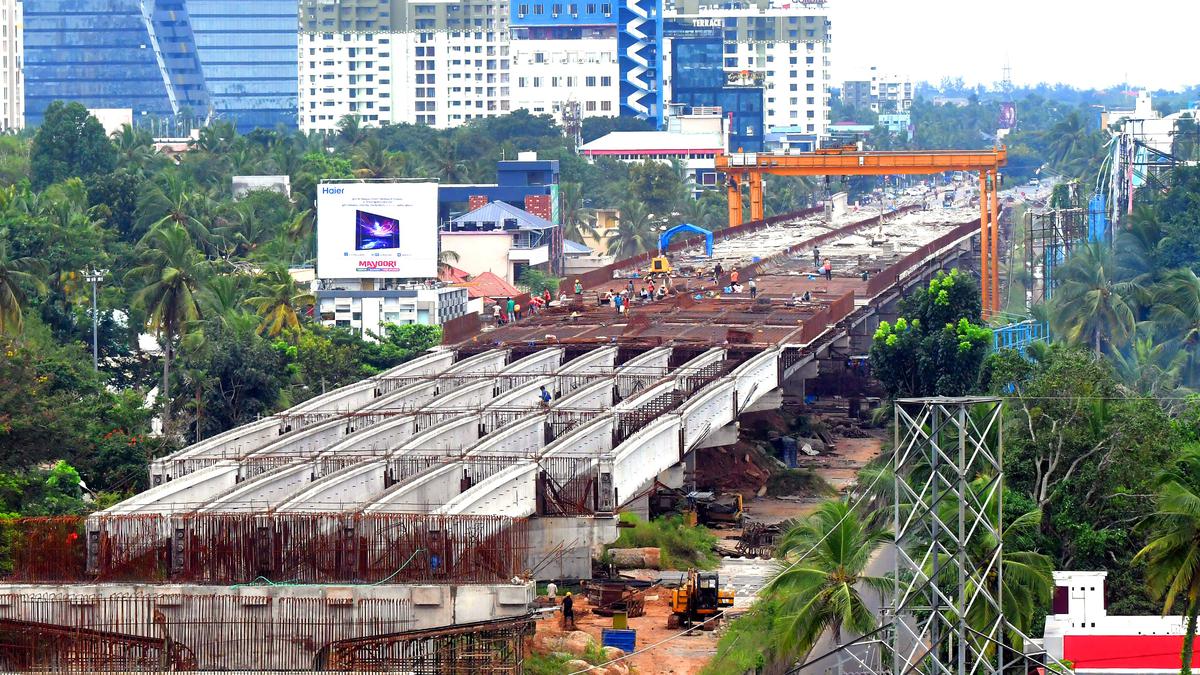
    Kerala Cabinet decides to constitute Kerala Urban Policy Commission - The  Hindu

    Central Idea:

    • The article discusses the formation of the Kerala Urban Commission in the context of global urbanization trends and the need for a comprehensive approach to urban development.
    • It highlights the challenges faced by urban areas in India and emphasizes the significance of revisiting and re-evaluating urban policies.

    Key Highlights:

    • The article reflects on the historical development phases of urbanization in post-independent India, noting the failures of both Nehruvian centralized planning and the subsequent privatization trends in the 1990s.
    • It underscores the necessity of understanding objective patterns of urbanization, focusing on migration, settlement patterns, and the role of information technology.
    • Governance issues in cities, such as delayed transfer of subjects to municipalities and the debate on having managers instead of elected officials, are highlighted.
    • The article suggests that existing urban missions, like Swachh Bharat and Smart Cities, have failed to produce desired results and may continue to do so.

    Key Challenges:

    • Piecemeal approaches to urban development are criticized for their failure to address the complex realities of urbanization.
    • Governance issues, including the delay in transferring subjects to municipalities and the debate on city affairs management, pose challenges to effective urban governance.
    • The article suggests that existing urban missions, like Swachh Bharat and Smart Cities, have failed to produce desired results and may continue to do so.

    Key Terms:

    • Urban Commission: Refers to the proposed or existing bodies tasked with addressing the challenges and complexities of urban development.
    • Urbanization: The process of population migration from rural to urban areas, leading to the growth and development of cities.
    • Nehruvian Period: Refers to the development era influenced by Jawaharlal Nehru’s centralized planning approach.
    • Privatization: The transfer of control or ownership of public services or assets to private entities.
    • Fifteenth Finance Commission: A reference to the commission responsible for recommending the distribution of financial resources between the central and state governments.

    Key Phrases:

    • “Holistic city approach”: Refers to a comprehensive and integrated strategy for urban development.
    • “Engines of growth”: Describes the shift in cities’ perception from spaces of enlightenment to centers focused on economic development.
    • “Mission mode of development”: Refers to project-oriented approaches like the Jawaharlal Nehru National Urban Renewal Mission and Smart Cities Mission.
    • “Complex processes unfolding”: Highlights the intricate nature of governance and financial structures in urban areas.

    Key Quotes:

    • “Cities were made competitive and termed as ‘engines of growth’ — not spaces of enlightenment, future of dreams, and habitat.”
    • “The urbanisation process cannot be reduced to some mission approaches…”
    • “Kerala Urban Commission can be the lighthouse for other States…”

    Key Statements:

    • “An urban commission is required at the national and State levels to understand some of the interesting objective patterns of urbanisation.”
    • “The period of the 1990s is the one where the abject privatization of cities began…”

    Cabinet clears formation of urban commission- The New Indian Express

    Key Examples and References:

    • Mention of the National Commission on Urbanisation formed by Rajiv Gandhi and its recommendations.
    • Reference to global urbanization trends, including the impact on climate change and unequal city spaces.
    • Examples of failed urban missions like Swachh Bharat and Smart Cities.

    Key Facts:

    • More than half of the world’s population (56%) currently lives in cities.
    • Kerala’s urbanized population is estimated to be around 90%.
    • The Nehruvian period witnessed the construction of around 150 new towns with a centralized planning approach.

    Key Data:

    • The 74th Constitutional Amendment marked a shift towards more private initiative and investment in urban development.
    • The Kerala Urban Commission has a 12-month mandate to address urbanization challenges and lay a roadmap for 25 years of urban development.

    Critical Analysis:

    • The article critically examines the historical phases of urban development in India and highlights the shortcomings of past approaches.
    • It questions the effectiveness of existing urban missions and emphasizes the need for a holistic understanding of urbanization processes.
    • Governance issues and financial centralization are critically discussed as impediments to successful urban development.

    Way Forward:

    • The article suggests that the formation of the Kerala Urban Commission could serve as a model for other highly urbanized states.
    • It advocates for a comprehensive and objective approach to urban development, emphasizing the importance of addressing challenges such as migration, settlement patterns, and information technology.
    • The need for revisiting and relooking at urban policies is underscored for a more successful and sustainable urban future.
  • Civil society under siege, in India

    COMMUNALISM IN INDIA (KEY POINTS TO REMEMBER) - Achievers IAS Classes

    Central Idea:

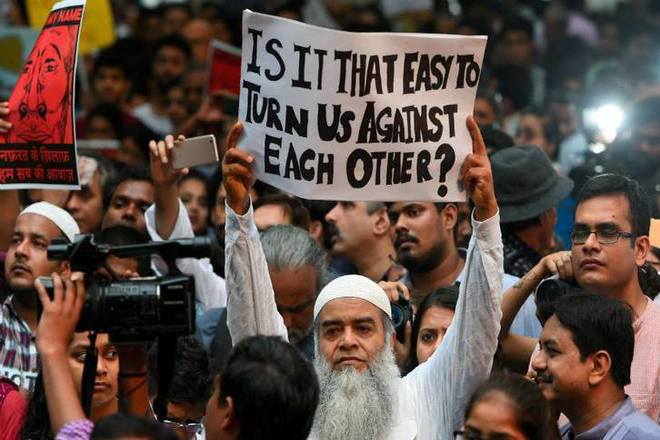
    • The article discusses the threats faced by India’s civic space, particularly organizations fighting against communalism. Emphasizes the importance of protecting constitutional freedoms.

    Key Highlights:

    • Constitutional freedoms are under siege in India’s diverse and vibrant civil society.
    • Organizations actively fighting communalism are facing severe attacks, affecting their funding and leadership.
    • The state employs various instruments, including legal charges, amendments to laws, and tax-related measures, to curb civic space.
    • Impact is significant on organizations supporting minority, Dalit, Adivasi rights, and equity promotion.

    Key Challenges:

    • High-intensity attacks leading to financial constraints and imprisonment for leaders of certain NGOs.
    • Shrinking civic space even for neutral or non-communal organizations.
    • Utilization of legal instruments like money laundering charges and investigations to intimidate NGOs.
    • Amendments to laws, such as the FCRA, restricting access to foreign funds for NGOs.
    • Intimidation of domestic donors through tax-related provisions.

    Key Terms/Phrases:

    • Civic space
    • Constitutional freedoms
    • Anti-communal
    • NGOs (Non-Governmental Organizations)
    • FCRA (Foreign Contribution Regulation Act)
    • Money laundering charges
    • Civic mobilization
    • Secularism
    • Adivasi rights
    • Human rights causes

    Key Quotes/Statements:

    • “The last bastion and ray of hope for India’s democracy is its civic space.”
    • “The scale of attack on organizations actively fighting against communalism is alarming.”
    • “The state employs a range of instruments to limit the civic space of various organizations.”

    Key Examples and References:

    • Amnesty International, Centre for Equity Studies, Citizens for Justice and Peace, among others, facing severe attacks.
    • Greenpeace transitioning from high-intensity attacks to a lower level.

    Key Facts/Data:

    • Amendments to the FCRA in 2010 and 2020 impacted around 18,000 NGOs between 2015 and 2022.
    • The 2020 amendments to the Income-Tax Act make renewals of NGO certificates mandatory every five years.
    • The Central Bureau of Investigation (CBI) is empowered to investigate NGOs under the FCRA.

    Critical Analysis:

    • The article presents a critical analysis of the state’s tactics to limit civic space, affecting organizations fighting against communalism.
    • It highlights the severity of attacks and the broader impact on democratic values.

    Way Forward:

    • Strengthening opposition and regional leaders who take a clear secular position.
    • Mobilizing anti-communal and progressive civic space to safeguard democracy.
    • Advocating for the protection of constitutional freedoms and reviewing stringent laws impacting NGOs.
    • Raising awareness about the importance of civic space in preserving India’s democracy.
  • India’s Transition in Slum Definitions

    slum

    Central Idea

    • Research Citation: Nipesh Narayanan’s research, published in the Economic & Political Weekly on October 21, 2023, delves into the changing conceptualization of slums in Indian parliamentary debates from 1953 to 2014.
    • Policy on Slums: These shifting narratives have significantly influenced government policies and approaches towards slums.

    Evolution of Discourses on Slums

    • Parliamentary Debates Analysis: Narayanan analyzed 1,228 debates in the Rajya Sabha and various policy documents, including Five-Year Plans, to trace the evolution of discourses surrounding slums.
    • Dynamic Definitions: The study highlights the fluid nature of slum definitions and the tendency to overlook urban disparity as a causal factor in slum formation.

    Eras of Changing Perspectives

    1. 1950s-1960s: Initially, slums were seen as a by-product of partition and rapid urbanization. The focus was on eradication due to health concerns and spatial constraints, side-lining socio-economic factors like migration. The Slum Areas Act of 1956 marked a significant shift, allowing government intervention in slum areas.
    2. Early 1970s-Mid-1980s: The narrative shifted to viewing slums as necessary evils requiring development rather than eradication. Town planning emerged as a key tool, pushing slums to city peripheries and prioritizing basic amenities over demolition.
    3. Mid-1980s-Late 1990s: With the National Commission on Urbanisation’s report in 1985, cities and slums began to be seen as economic assets. This era saw a focus on housing policies and infrastructure development, with economic reasoning driving interventions.
    4. 2000s-2014: The 2001 Census provided comprehensive data on slums, leading to targeted schemes. Slums transitioned from social concerns to technical, economic objects. The focus was on upgradation strategies, legal rights, and property rights for slum dwellers.

    Slum Formation and Government Response

    • Causality and Complexity: The research identifies urban planning issues, population growth, land pressure, and housing affordability as key factors in slum formation.
    • Government Role: The Union government’s role shifted to funding State governments for urban improvement, with a focus on data-driven policies.

    Technocratic Solutions and Challenges

    • Technological Reliance: The increasing dependence on technological solutions for urban issues is evident in current government policies.
    • Critical Examination: The article warns against using slums merely as a tool for anti-poverty policies and emphasizes understanding slum formation beyond numerical data.

    Conclusion

    • Historical Insights: Narayanan’s analysis provides valuable insights into the historical shifts in government perceptions and actions towards slums.
    • Significance for Urban Studies: This research contributes significantly to the understanding of urban dynamics, socio-economic inequalities, and the complexities of slum life in India.
  • Sarna Religion and its Forest Conservation Rituals

    Sarna Religion

    Central Idea

    • A study at IIT Indore on tribal culture, forest conservation, and wildfire in central India sheds light on the Sarna religion’s tenets.

    About Sarna Religion

    Details
    Nature of Faith Indigenous religious faith predominantly followed in the Chota Nagpur Plateau region.
    Geographical Spread Jharkhand, Odisha, West Bengal, Bihar, Chhattisgarh, and smaller numbers in Assam, Punjab, Madhya Pradesh.
    Central Belief Reverence of Sarna, the sacred groves, and worship of a village deity (Gram deoti, Dharmes, Marang Buru, etc.)
    Etymology ‘Sarna’ means ‘grove’, related to the sal tree.
    Theology Worship of village deities and the mother goddess identified as the earth or nature.
    Sacred Grooves Patches of forest considered sacred, such as sal, mahua, neem, and banyan trees.

    No harm allowed to these areas.

    Practices Rituals performed in sacred groves involving village priests; worship of ancestors.
    Main Festival Sarhul: Celebrating nature and ancestors, offerings made to sacred trees like sal.

    Karam: Worship of the sacred karam tree, focusing on crop enrichment and preservation of biodiversity.

    Faggu: Gathering of dry wood and leaves from forests, reducing fuel load and lowering wildfire risks.

    Tribes Following Followed by various tribes including Santal, Oraon, Ho, Munda, Bhumij, and others.
    2011 Census Counted 4,957,467 followers in India, primarily in eastern states.
    Sarna Code Resolution (2020) Jharkhand assembly passed a resolution for the inclusion of Sarna as a separate religion in the census.
    Impact of Colonialism Historical conflict due to Western missionary activities in tribal areas.
  • Kharsawan Massacre of 1948: A Tragic Chapter in Jharkhand’s History

    Kharsawan

    Central Idea

    • On January 1, 1948, the town of Kharsawan in present-day Jharkhand witnessed a massacre reminiscent of what happened in Jallianwala Bagh in 1919.
    • Police opened fire at a crowd gathered for a protest and the weekly haat (market), killing hundreds, or by some accounts, thousands of Adivasis.

    Kharsawan Massacre: A Background

    • Since the creation of the Bihar and Orissa Province in 1912, Adivasis in the region sought a separate state, reflecting their unique culture and grievances.
    • This demand gained momentum over the years, with the Simon Commission acknowledging the distinct nature of the region in 1930.
    • In 1938, the Adivasi Mahasabha was established to further this cause, led by prominent leader Jaipal Singh Munda.

    Kharsawan’s Merger Controversy

    • Merger with Orissa: In 1947, Kharsawan, a princely state with a significant Odia-speaking population, decided to join Orissa during India’s princely states’ integration.
    • Adivasi Opposition: However, most Adivasis opposed this merger, desiring a separate state instead.

    The Massacre

    • Protest Gathering: On January 1, 1948, a large gathering was organized in Kharsawan to protest the merger, coinciding with the weekly market day. Over 50,000 people, including those from distant villages, assembled, many to see Jaipal Munda, who was expected but did not arrive.
    • Police Open Fire: The large crowd and tense atmosphere led the Orissa military police to open fire, resulting in a massacre. The exact number of casualties remains unclear, with estimates ranging from a few dozen to several thousand.
    • Aftermath: The bodies were disposed of in a well and the jungle, and many injured were left untreated. The incident remains a dark and unresolved chapter in Indian history.

    Legacy

    • Uncertain Death Toll: Official records state 35 deaths, but other sources, like P.K. Deo’s “Memoir of a Bygone Era,” suggest numbers as high as 2,000.
    • Lack of Accountability: No definitive report or accountability for the massacre has been established.
    • Memorial and Remembrance: A memorial in Kharsawan serves as a reminder of this tragedy, with political leaders often visiting to pay respects.

    Conclusion

    • The Kharsawan massacre is a poignant reminder of the complexities and tragedies during India’s transition to independence, particularly for marginalized communities like the Adivasis.
    • It underscores the unresolved issues of tribal rights and recognition in India’s history.
  • Earthquake and Tsunami strikes Central Japan

    japan

    Central Idea

    • On January 1, 2024, a 7.5-magnitude earthquake hit Ishikawa prefecture in Japan, triggering tsunami waves over a meter high.

    Japan’s Geographical Vulnerability

    • Japan’s geographical vulnerability, particularly concerning plate tectonics, is a critical aspect of its environmental and disaster management challenges.
    • The country’s location at the convergence of several major tectonic plates makes it highly susceptible to seismic activities.

    Here’s a detailed look at how plate tectonics contribute to Japan’s geographical vulnerability:

    [1] Convergent Plate Boundaries:

    • Pacific Ring of Fire: Japan is located on the Pacific Ring of Fire, an area with a high level of seismic activity due to the presence of numerous tectonic plate boundaries.
    • Plates Involved: The primary tectonic plates interacting near Japan are the Pacific Plate, the Philippine Sea Plate, the Eurasian Plate, and the North American Plate.
    • Subduction Zones: The Pacific and Philippine Sea plates are subducting beneath the Eurasian and North American plates. This subduction process is a significant source of seismic activity, including powerful earthquakes and volcanic eruptions.

    [2] Earthquake Activity:

    • Frequent Earthquakes: The movement of these plates results in frequent earthquakes. Japan experiences thousands of tremors annually, ranging from minor to catastrophic.
    • Major Earthquakes: Historical events like the 2011 Great East Japan Earthquake and the 1995 Great Hanshin Earthquake demonstrate the potential for massive destruction and loss of life due to Japan’s tectonic setting.

    [3] Tsunami Risk:

    • Generation of Tsunamis: Earthquakes occurring under the sea or along the coast can displace large volumes of water, leading to tsunamis. The 2011 tsunami, triggered by a massive undersea earthquake, caused widespread devastation and the Fukushima nuclear disaster.
    • Coastal Impact: Japan’s extensive coastline makes it particularly vulnerable to tsunamis, which can arrive within minutes of an undersea earthquake, leaving little time for evacuation.

    [4] Volcanic Activity:

    • Volcanic Eruptions: The subduction of the Pacific and Philippine Sea plates not only causes earthquakes but also contributes to significant volcanic activity. Magma generated by the melting of the subducted plate rises to the surface, leading to volcanic eruptions.
    • Active Volcanoes: Japan has over 100 active volcanoes, a direct result of its tectonic setting. Eruptions pose risks to nearby populations and can disrupt air travel and local economies.

    [5] Geological Complexity:

    • Intersecting Faults: The interaction of multiple tectonic plates creates a complex network of faults, increasing the unpredictability and variability of seismic events.
    • Diverse Seismic Phenomena: This complexity leads to a range of seismic phenomena, including deep-focus earthquakes, which occur at greater depths and can affect broader areas.