Mains Ready By December. Smash Mains & Smash PYQ Admissions Open

GS Paper: GS2-18.Bilateral, regional and global groupings and agreements involving India and/or affecting India’s interests.

  • [15 March 2024] The Hindu Op-ed: Bhutan’s opening move, its Gelephu gambit

    [15 March 2024] The Hindu Op-ed: Bhutan’s opening move, its Gelephu gambit

    Mains PYQ Relevance: 
    How does illegal transborder migration pose a threat to India’s security? Discuss the strategies to curb this, bringing out the factors which give impetus to such migration. [UPSC 2014]

    Border management is a complex task due to difficult terrain and hostile relations with some countries. Elucidate the challenges and strategies for effective border management. [UPSC 2016]

    ‘China is using its economic relations and positive trade surplus as tools to develop potential military power status in Asia’, In the light of this statement, discuss its impact on India as her neighbor. [UPSC 2017]

    Note4Students: 

    Prelims: Bilateral Relations; Neighboring Countries;

    Mains: Bilateral Relations; Neighboring Countries;

    Mentor comments: Bhutan’s Gelephu project, aims to create a “Gelephu Mindfulness City” as a carbon-neutral economic hub spanning 1,000 square kilometers. This initiative focuses on sustainable industries like IT, education, and healthcare, positioning Gelephu as an investment destination and health and wellness center. This project is aligned with Bhutan’s Gross National Happiness philosophy, aiming to drive regional development and job creation responsibly. The project is crucial for Bhutan’s economic challenges, including the need to boost tourism revenues and address outmigration of youth seeking jobs abroad. Along this infrastructural learning, we need to align India’s involvement with its regional connectivity to emphasize the importance of land-based connectivity throughout Asia and the Indo-Pacific region.

    Let’s learn. 

    —

    Why in the News?

    The recent project by Bhutan government of “Gelephu Mindfulness City” holds geopolitical significance, offering Bhutan a controlled way to engage globally while managing relations with China. 
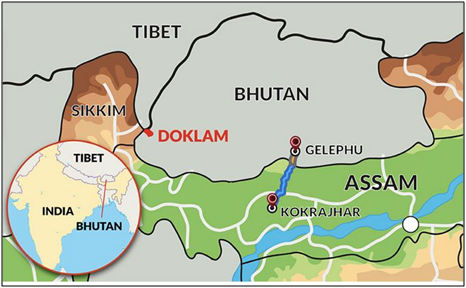
    About the Gelephu Project:

    The Gelephu Mindfulness City project in Bhutan is a significant initiative envisioned by His Majesty the King Jigme Khesar Namgyel Wangchuck to create a unique economic hub with a focus on sustainable development and cultural preservation.

    This project involves the establishment of a Special Administrative Region (SAR) covering 1000 square kilometers, emphasizing conscious and sustainable businesses inspired by Bhutan’s spiritual heritage and values.

    The SAR will have executive autonomy, legal independence, and will prioritize businesses that align with Bhutan’s Gross National Happiness philosophy, aiming to drive regional development and job creation responsibly.

    India’s involvement aligns with its regional connectivity plans, emphasizing the importance of land-based connectivity across South Asia and the Indo-Pacific region.

    How are Bhutanese concerns aligned with India?

    1) Geographical concerns:

    • Floods: With warmer temperatures than in the mountains, Gelephu gets high amounts of rainfall during a monsoon season that lasts several months, leading to considerable flooding each year.
    • Habitat and Conservation Issues: The surrounding forests and wildlife populations place Gelephu right in the middle of elephant corridors.

    2) Geopolitical concerns:

    • China Factor: Pressure from its northern neighbor China to conclude a boundary resolution deal and to establish diplomatic ties.
      • Far away to the south, Gelephu offers Bhutan a way to open itself up in a controlled manner to the rest of the world, while also continuing negotiations with Beijing for a stable border.
    • Security Issues:Insurgencies in Assam and the northeastern states and just across the Indian border in Myanmar have been an area of great concern in the past.
      • This has led to a major military operation (Operation All Clear) by Bhutan’s former king in 2003, working with the Indian Army to drive out militant groups sheltering in the area.
    • Administrative Concern: As Gelephu is landlocked, it is dependent on primarily India, to provide the infrastructure for trade and transport out of the special administrative region.

    3) Economic concerns:

    • Lag in Decision Making: Apart from hydropower, tourism is Bhutan’s mainstay, but the kingdom has always discouraged mass tourism, preferring instead a “high value, low volume” motto to ensure sustainability.
      • Bhutan needs to scale up its capacity to take in more tourists and visitors and land bigger planes in the narrow Paro valley.
    • Financial need for infrastructure: The Gelephu project involves scaling up the Gelephu airport and tarmac to international standards, which will need financing and expertise from India.
    • Employment issue: The growing “outmigration” of Bhutanese youth in search of jobs abroad is another challenge, and the government hopes a mega project such as Gelephu will stem that.
    Prevailing India-Bhutan Relationship:

    Officially, the diplomatic relations between Bhutan and India were established in January 1968. This Bilateral relationship is majorly guided by the Indo-Bhutan Friendship Treaty.

    Article 2 of the Treaty declares that India would not interfere in Bhutan’s administrative affairs and the latter would be guided by the former’s advice in its external relations.

    Economic Cooperation:

    Since 2014, India’s trade with Bhutan has almost tripled from USD 484 million in 2014-15 to USD 1422 million in 2021-22. This accounts for about 80% of Bhutan’s overall trade, with the balance of trade in India’s favor.

    India is the leading source of investments in Bhutan, comprising 50% of the country’s total FDI. Interestingly, Bhutanese currency Ngultrum is officially pegged to the Indian Rupee.

    Infrastructural Cooperation:
    India has constructed three Hydroelectric Projects (HEPs) in Bhutan: 336 MW Chukha HEP, 60 MW Kurichhu HEP and 1020 MW Tala HEP. These three plants are operational and export surplus power to India. Hydropower projects in Bhutan are an example of win-win cooperation, providing a reliable source of inexpensive and clean electricity to India, generating export revenue for Bhutan and cementing our economic integration.

    Growth Cooperation:
    For the 12th Five-Year Plan of Bhutan, India is assisting Rs. 45 billion.

    What needs to be India’s current interest w.r.t the recent escalating Geopolitics?

    • Climate Change: India’s plans for a South Asian power grid (through Solar and Wind power generation projects) that would draw electricity from Nepal and Bhutan, with supply to Bangladesh and Sri Lanka would lend itself to more consistent power supplies needed for Gelephu.
    • Connectivity: Nearly decades of deteriorating ties with Pakistan have seen the Indian government virtually cut off any plans for land connectivity over India’s western border. The International North-South Transport Corridor, faces western sanctions, the IMEC and I2U2 initiative are challenged by Israel’s bombardment of Gaza and Houthi attacks in the Red Sea.

    Conclusion:

    At the 7th Indian Ocean Conference 2024, External Affairs Minister highlighted the need for lateral land-based connectivity across the Indian Ocean region, which is essential to supplement and complement the maritime flows. The Gelephu project offers a chance for the region to conjure an imagination beyond the problematic present. Although it is a huge gamble for Bhutan, but also a potential game changer for the region, with help from India.

    https://www.thehindu.com/opinion/op-ed/bhutans-opening-move-its-gelephu-gambit/article67951801.ece

    https://thediplomat.com/2024/01/gelephu-the-worlds-first-mindfulness-city-is-in-bhutan/

  • 11 African countries sign ‘Yaounde Declaration’

    In the news

    • Health ministers from 11 African nations grappling with the heaviest malaria burdens have recently signed the Yaounde Declaration.

    What is Yaounde Declaration?

    Details
    Signed at Yaoundé conference, hosted by WHO and the Government of Cameroon in Yaoundé, Cameroon (capital).
    Participants Ministers of Health, global malaria partners, funding agencies, scientists, civil society organizations, and other malaria stakeholders.
    Signatory countries
    • Burkina Faso, Cameroon, the Democratic Republic of the Congo, Ghana, Mali, Mozambique, Niger, Nigeria, Sudan, Uganda, and Tanzania.
    • These countries collectively account for over 70% of the global malaria burden.
    Pledges
    • Effective tackling of malaria threat in Africa, leading better and investing more money in fighting malaria, using new technology for data, etc.
    • Investing more in health infrastructure, personnel, and programs, collaborating across sectors, forming partnerships for funding, research, and innovation.
    • Showing strong commitment to quickly reducing malaria deaths and holding each other and their countries accountable for the commitments.
  • WTO’s 13th Ministerial Conference: A Path Forward for Global Trade

    In the news

    • The 13th Ministerial Conference (MC13) of the World Trade Organization (WTO) convened in Abu Dhabi, UAE, from February 26 to March 2, drawing participation from 166 member countries.
    • The conference culminated in the adoption of a ministerial declaration outlining a reform agenda to bolster the WTO’s role in regulating global trade and facilitating seamless cross-border commerce.

    About World Trade Organization (WTO)

    Details
    Establishment 1995, replacing GATT
    Objective To regulate international trade
    Headquarters Geneva, Switzerland
    Members
    • 164
    • India is a Founding Member.
    Objectives
    • Formulate rules for trade
    • Negotiate further liberalization
    • Settle disputes
    • Assist developing countries
    • Cooperate with major economic institutions
    Principles
    • Non-Discrimination
    • Most Favored Nation
    • National Treatment
    • Reciprocity
    • Predictability through Binding Commitments
    • Transparency
    • Encourage Development and Reforms
    Important Trade Agreements
    • Agreement on Agriculture (AoA),
    • Agreement on TRIPS (Trade-Related Aspects of Intellectual Property Rights),
    • Agreement on the Application of Sanitary and Phytosanitary Measures (SPS),
    • Agreement on Technical Barriers to Trade (TBT),
    • Agreement on Trade-Related Investment Measures (TRIMS),
    • General Agreement on Trade in Services (GATS) etc.
    WTO Agreement on Agriculture (AoA)
    • Negotiated during Uruguay Round (1995)
    • Aims to reform trade in agriculture
    • Allows support for rural economies with fewer trade “distortions”
    • Focuses on improving market access, reducing subsidies, and eliminating export subsidies

    Subsidies Types:

    1. Green Box – No distortion in trade
    2. Amber Box – Can distort production and trade (subject to limits)
    3. Blue Box – Subsidies linked to production-limiting programs
    Most Favoured Nation Clause
    • Ensures non-discriminatory trade
    • Prevents discrimination among trade partners
    • First clause in GATT
    • Special trade statuses extended to all WTO members

    Key Decisions at MC13

    • Dispute Settlement System: Member countries reaffirmed their commitment to establishing a fully functional dispute settlement system by 2024.
    • Special and Differential Treatment (S&DT): Emphasis was placed on enhancing the utilization of S&DT provisions to support the development objectives of developing and least developed countries (LDCs).

    Challenges to Multilateral Trading Order

    • Rising Protectionism: Developed economies, amid growing domestic pressures, have exhibited a propensity towards protectionist policies, challenging the prevailing globalized trade paradigm.
    • Supply Chain Disruptions: Ongoing conflicts and sanctions have disrupted global supply chains, necessitating a reassessment of trade norms to ensure resilience and efficiency.
    • Development Disparities: Concerns persist regarding the equitable treatment of nations, with attention directed towards mitigating disparities between richer nations and LDCs.

    India’s Approach

    • Public Stockholding (PSH) Programme: India advocated for a resolution concerning the PSH program, crucial for ensuring food security. The program enables the procurement and distribution of essential food grains to millions of beneficiaries at subsidized rates.
    • Fisheries Subsidies: India proposed measures to regulate fisheries subsidies, advocating for support to poor fishermen within national waters while curbing subsidies for industrial fishing in international waters.
    • E-commerce Customs Duties: India pressed for the removal of the moratorium on customs duties for cross-border e-commerce, citing the need to safeguard revenue generation in the digital trade landscape.

    Outcomes

    • Agriculture: MC13 witnessed the formulation of a text addressing agricultural issues, marking a significant milestone after decades of negotiations.
    • Fisheries: Progress towards consensus on fisheries regulations was noted, with expectations of finalization by mid-year.
    • E-commerce Duties: Despite efforts, the exemption from customs duties for e-commerce transactions was extended for an additional two years, disappointing several developing economies.

    Conclusion

    • The outcomes of MC13 underscore the imperative for collaborative efforts to address pressing challenges in global trade.
    • While strides were made in certain areas such as agriculture and fisheries, unresolved issues surrounding e-commerce and development disparities persist.
    • As nations navigate the evolving trade landscape, sustained dialogue and concerted action are essential to foster inclusive and sustainable economic growth worldwide.

    Try this PYQ from CSE Prelims 2015:

    The terms ‘Agreement on Agriculture’, ‘Agreement on the Application of Sanitary and Phytosanitary Measures’ and Peace Clause’ appear in the news frequently in the context of the affairs of the:

    (a) Food and Agriculture Organization

    (b) United Nations Framework Conference on Climate Change

    (c) World Trade Organization

    (d) United Nations Environment Programme


    [wpdiscuz-feedback id=”cygi29n862″ question=”Please leave a feedback on this” opened=”1″]Post your response here.[/wpdiscuz-feedback]

  • Ensure Pakistan does not divert loans to foot defence bills: India to IMF

    Ensure Pakistan does not divert loans to foot defence bills: India to IMF

    Why in the News?

    India stresses the need for stringent monitoring during a recent review of the loan to Pakistan when the new PM Shehbaz Sharif seeking additional funding support from the IMF.

    Background:

    • Taking a tough stance, India has batted for “stringent monitoring” of any emergency funds provided by the International Monetary Fund (IMF) to Pakistan, stressing that such funds must not be redeployed towards defense bills or repayment of loans from other countries.
    • India’s position was put across to the IMF’s executive board during a recent review of an ongoing $3 billion short-term Stand-By Arrangement (SBA) granted to Pakistan by the Fund.

    About International Monetary Fund (IMF):

    • The IMF works to achieve sustainable growth and prosperity for all of its 190 member countries.
    • It does so by supporting economic policies that promote financial stability and monetary cooperation, which are essential to increase productivity, job creation, and economic well-being.
    • The IMF is governed by and accountable to its member countries.

    Aims and Objectives:

    • Furthering international monetary cooperation;
    • Encouraging the expansion of trade and economic growth;
    • Discouraging policies that would harm prosperity.

    Functions of IMF:

    • Policy Advice: As part of this process, which takes place at the global and regional levels, the IMF identifies potential risks and recommends appropriate policy adjustments to sustain economic growth and promote financial stability.
    • Financial Advice: The IMF provides financial support to countries hit by crises to create breathing room as they implement policies that restore economic stability and growth. It also provides precautionary financing to help prevent crises. IMF lending is continuously refined to meet countries’ changing needs. The causes of crises can be domestic, external, or both.
      • Domestic factors include inappropriate fiscal and monetary policies, which can lead to large current account and fiscal deficits and high public debt levels; an exchange rate fixed at an inappropriate level, which can erode competitiveness and result in the loss of official reserves, and a weak financial system. Political instability and weak institutions also can trigger crises.
      • External factors include shocks ranging from natural disasters to large swings in commodity prices. With globalization, sudden changes in market sentiment can result in capital flow volatility. Both are common causes of crises, especially for low-income countries.

    Significance of IMF monitoring:

    • Essential in identifying risks that may require remedial policy adjustments.
    • International cooperation on these efforts is critical in today’s globally integrated economy, in which the problems or policies of one country can affect many others.
    • Focuses on individual countries or bilateral surveillance, and the global economy or multilateral surveillance.

    Conclusion: There is uncertainty around Pakistan’s ability to quickly negotiate a new IMF program after the current one expires in April 2024 remains very high. Pakistan’s government liquidity and external vulnerability risks will remain very high until there is clarity on a credible longer-term financing plan

  • The current global order — a fraying around many edges


    PYQ Relevance

    Mains PYQs

    1. “There arose a serious challenge to the Democratic State System between the two World Wars.” Evaluate the statement. (2021)

    2. The World Bank and the IMF, collectively known as the Bretton Woods Institutions, are the two inter-governmental pillars supporting the structure of the world’s economic and financial order. Superficially, the World Bank and the IMF exhibit many common characteristics, yet their role, functions and mandate are distinctly different. Elucidate. (2015)

    Prelims PYQs

    ‘Global Financial Stability Report’ is released by which organization? (2016)

    a)      Organization for Economic Cooperation and Development (OECD)

    b)      World Economic Forum

    c)       World Bank

    d)      World Trade Organization (WTO)

    Note4Students:

    Relevance: GS II(International Relation)

    • Prelims: United Nations and Security Council;
    • Mains: Global Order and Challenges; Major International Organizations; United Nations;

    Mentor Comments: UPSC has been known to ask questions about ‘how things are at present vs. how things should be ideally’ across subjects like IR, Science and Technology, governance, or Economy. This op-ed is useful for analyzing the recent ongoing dynamics at the geopolitical level which is affecting the power play among the significant multilateral organizations.

    So, Let’s Learn.

    Why in the News?

    Recently, at the 55th regular session of the Human Rights Council, Antonio Guterres (UN Secretary-General), has expressed growing pessimism about the organization’s future due to the “lack of unity” among members of the United Nations Security Council (UNSC).

    Context:

    • During the 2020s, the United Nations-led system, although traditionally the default option, is presently facing significant challenges.
    • There is an urgent need for reform within the UN due to existing divisions, as superficial changes may not be sufficient to address the underlying issues to revitalize its effectiveness.

     Is this the end of the road for the current global order?

    1) The Evolution and the shift in Global world order w.r.t United Nations System:

    • The UN’s foundation dates back to January 1942 when 26 Allied nations signed the Declaration of the United Nations, endorsing the Atlantic Charter of 1941 that outlined the war aims of the US and UK.
    • Evolution of the UN and Power Dynamics:
      • The UN was created to uphold sovereignty and equality among nations through collective security principles but faced challenges within the Security Council due to the dominance of its five Permanent Members.
      • Post-1942 negotiations led to a structure where major Allied powers were granted permanent veto power, resembling early 19th-century European power dynamics.
      • The Bretton Woods Conference in July 1944 established key financial institutions like the IMF, World Bank, and GATT (later WTO) to create an international economic order focused on post-war reconstruction and global trade liberalization.
    • Shifts in Power and Economic Order:
      • The creation of the IMF marked a shift in power dynamics as imperial Britain’s debt burden led to the US emerging as a dominant force in global finance.
      • Britain had to relinquish its imperial trade preferences, symbolizing a transition from sterling to dollar dominance in international financial systems

    2) Controlling Power Structures:

    • Influence of old power structures: The governance of the World Bank and IMF reflects old power structures, with an American heading the World Bank and Europe nominating the IMF head.
    • Voting rights: Voting rights in the IMF remain stagnant, favoring major economies like the US, UK, and G-7 nations, giving them significant influence.
      • For Example, currently the percentage voting rights for, say, the original BRICS members (Brazil, Russia, India, China and South Africa) are 2.22, 2.59, 2.63, 6.08, and 0.63. The U.S. alone commands 16.5; add to it the votes of the U.K.
    • Special Drawing Rights (SDR): Special Drawing Rights allocation and major reforms require an 85% majority vote, effectively granting the US a powerful veto within the IMF.
      • The IMF maintains global stability by promoting financial stability, offering advice, and providing funds to countries in financial difficulty, as long as they accept conditions set by the leadership of the Fund.

    What are the significant challenges in maintaining UN’s role in global governance and international peace and security?

    • Global Events and Geopolitical Constraints: The geopolitical constraints on the UN are intensifying, with deep rifts among major powers affecting the organization’s effectiveness in addressing global crises.
      • The 2020s have exposed vulnerabilities within the global system, with events like COVID-19 border closures disrupting cooperation and shared prosperity ideals. Secondly, Russia’s invasion of Ukraine highlighted the disregard for rules by powerful nations, undermining the system’s integrity.
    • New Fault Lines and Declining Political Influence: The UN’s political influence is decreasing due to political divisions and resource gaps, requiring new strategies to mobilize its strengths for peace.
      • For Example, presently, the conflict in Gaza revealed divisions between developed and developing nations, questioning support for the UN and exposing underlying tensions over human rights and historical injustices. Further, the crisis in West Asia is pushing the UN to the sidelines as key players challenge its authority, testing their commitment to fundamental UN principles.
    • Major-Power Divisions: Divisions among major powers are shrinking the space for multilateral cooperation, impacting the UN’s ability to manage international peace and security.
      • For Example, the China-led Asian Infrastructure Investment Bank (AIIB) aimed to challenge the World Bank but faces resistance, highlighting ongoing power struggles in global governance.
    • Security Council Paralysis: The Security Council has been slow and indecisive in reacting to crises, with the Russian invasion of Ukraine posing a serious challenge to international security and highlighting the need for more effective collective solutions.
      • Moreover, developing countries struggled to overcome Security Council vetoes and Bretton Woods Institutions’ voting structures.
    Silver Lining:

    • Existing organizations outside the UN, like ASEAN, EU, G-7, G-20, and NATO, serve specific interests rather than universal values, lacking the binding legal framework of the UN. These organizations operate as clubs or regional security alliances, and can be more effective considering global governance structure.

     Way Forward:

    • Need for an Inclusive Global Cooperation: There is a growing need for more effective and inclusive global cooperation, emphasizing the importance of reforming international financial institutions and strengthening the role of the General Assembly within the UN system.
    • Need for Pragmatic Approach: In light of these challenges, there is a consensus on the necessity for flexibility, and adaptability within the UN to navigate complex geopolitical dynamics and effectively address global issues while restoring trust and reigniting global solidarity.


  • EU Sanctions Indian Tech Firm over Dual-Use Items

    In the news

    • The EU has sanctioned Si2 Microsystems, an Indian tech company for its connections with Russia.
    • It has faced previous sanctions, including being banned by the US from transferring “dual-use” technology.

    What are Dual-Use Items?

    • Definition: Dual-use items refer to commodities that possess the potential for application in both civilian and military contexts.
    • Regulatory Scrutiny: These items are subject to stringent regulation due to their capability to be initially designed for civilian purposes but later repurposed for military or even terrorist activities.
    • Examples: Examples of dual-use items include global positioning satellites, missiles, nuclear technology, chemical and biological weapons, night vision technology, drones, precision-engineered aluminium pipes, and specific types of ball bearings.

    Global Control Mechanisms for Dual-Use Items

    (1) Missile Technology Control Regime (MTCR):

    • Established: In 1987 by G-7 countries.
    • Purpose: To limit the proliferation of missiles capable of delivering weapons of mass destruction.
    • Membership: Consists of 35 member countries.
    • Guidelines: Members coordinate national export controls to prevent missile proliferation.
    • India’s Membership: India became the 35th member in 2016.

    (2) Wassenaar Arrangement (WA):

    • Established: In 1996 with 42 participating states.
    • Purpose: Prevent destabilizing accumulations of conventional arms and dual-use goods and technologies.
    • Export Controls: Member countries apply controls on listed items to avoid enhancing military capabilities.
    • India is not a member: It it has expressed interest in joining to strengthen its export controls and enhance its non-proliferation efforts.

    (3) Australia Group (AG):

    • Formation: Prompted by Iraq’s use of chemical weapons in 1985.
    • Focus: Initially on chemical weapons precursor chemicals, expanded to include biological weapons prevention.
    • Membership: Composed of 42 member countries. India is NOT a member.
    • Objective: Harmonization of international export controls on chemical and biological technologies.

    (4) Nuclear Suppliers Group (NSG):

    • Established: In 1974 in response to India’s nuclear tests.
    • Purpose: Control nuclear and nuclear-related technology to prevent proliferation.
    • Membership: Consists of 48 participating governments.
    • Guidelines: Aim to prevent the spread of nuclear weapons through control measures.

    [Note: India is also party to key conventions such as the Chemical Weapons Convention (CWC) and Biological and Toxic Weapons Convention (BWC).]

    India’s in-house mechanisms against Dual-Use Items

    • Role of DGFT: The Director General of Foreign Trade (DGFT) in India oversees the regulation of dual-use items through the SCOMET list (Specialty Chemicals, Organisms, Materials, Equipment, and Technologies).
    • SCOMET List: SCOMET items encompass special chemicals, organisms, materials, equipment, and technologies with dual-use potential.
    • Regulatory Framework: Exporting SCOMET items is subject to strict regulations, either requiring a license or being prohibited altogether.
    • Alignment with International Controls: The SCOMET control list aligns with the control lists of various multilateral export control regimes and conventions.

    Try this PYQ from CSP 2015:

    Q.Consider the following countries

    1. China
    2. France
    3. India
    4. Israel
    5. Pakistan

    Which among the countries given above are Nuclear Weapons States as recognized by the Treaty on the Non-proliferation of Nuclear Weapons, commonly known as Nuclear Non-Proliferation Treaty (NPT)?

    1. 1 and 2 only
    2. 1, 3, 4 and 5 only
    3. 2, 4 and 5 only
    4. 1, 2, 3, 4 and 5

    [wpdiscuz-feedback id=”nyim5it425″ question=”Please leave a feedback on this” opened=”1″]Post your answers here.[/wpdiscuz-feedback]

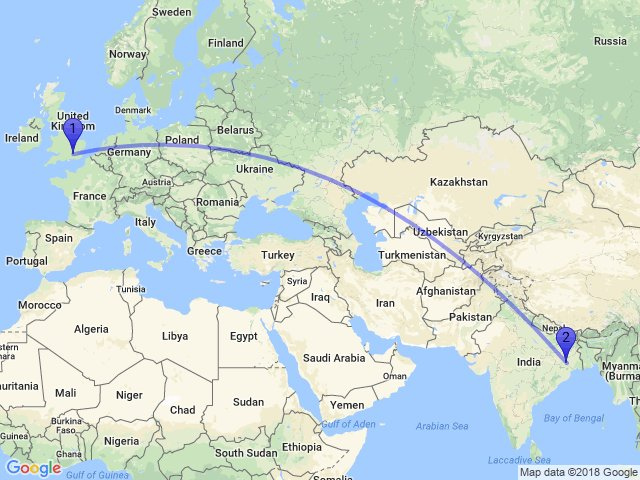
  • In a tough world, the beacon of U.K.-India strategic ties


    India to England Distance | Medium

    Central Idea:

    The article emphasizes the deepening partnership between the United Kingdom and India, highlighting their shared interests in maritime security, global trade, and defense cooperation. It underscores the importance of strategic relationships, particularly in the face of global challenges such as maritime threats and conflicts like the Ukraine crisis. The piece celebrates the growing ties between the two nations and their collaborative efforts towards peace, prosperity, and upholding the rules-based International Order.

    Key Highlights:

    • Mutual reliance on maritime trade and the significance of securing global sea routes.
    • Collaboration in Operation Prosperity Guardian to protect commercial shipping in the Red Sea and Gulf of Aden.
    • Support for Ukraine against Russian aggression, including substantial military aid and ongoing assistance.
    • Recognition of the Indo-Asia-Pacific region’s growing economic importance and the establishment of the U.K. tilt towards it.
    • Strengthening defense ties between the UK and India, with increased military interactions, joint exercises, and defense industrial partnerships.

    Key Challenges:

    • Threats to maritime security, including aggression from groups like the Houthis and conflicts like the Ukraine crisis.
    • Balancing national interests with international cooperation in addressing global challenges.
    • Navigating geopolitical complexities and maintaining alliances amidst shifting power dynamics.
    • Ensuring sustainable economic growth and prosperity in the face of global uncertainties.

    Main Terms:

    • Maritime security
    • Global trade
    • Defense partnership
    • Operation Prosperity Guardian
    • Indo-Asia-Pacific region
    • Rules-based International Order

    India-UK - INSIGHTSIAS

    Important Phrases for mains answer writing:

    • “The global lifelines of goods and resource”
    • “Wanton violence and disregard for international law”
    • “Strategies of isolationism or coercion”
    • “Rules-based International Order”
    • “Shared operational capabilities”

    Quotes that can add value to to your arguments in mains answers:

    • “Our nations need to secure, and make free from aggression and exploitation, the global lifelines of goods and resource that flow across the seas.”
    • “The U.K., India, and the world have a common interest in ensuring this wanton violence and disregard for international law are not allowed to become normalised.”
    • “The possibilities for global prosperity cannot be understated, and the importance of the Indo-Asia Pacific, not just to the United Kingdom, but to the world, has never been clearer.”

    Anecdotes:

    • Highlighting the successful efforts of Ukraine’s armed forces in resisting Russian aggression and reopening maritime corridors for grain exports.
    • The positive reception of the UK Carrier Strike Group during its visit to India and the hospitality extended by Indian authorities.

    Useful Statements for mains answer writing:

    • “In this ever more unstable world, the U.K. is fortunate to have India as a good friend.”
    • “History teaches us that strategies of isolationism or coercion have rarely produced strong coalitions.”

    Examples and References:

    • Mention of Operation Prosperity Guardian and the joint efforts to protect maritime trade routes.
    • Ukraine’s resilience against Russian aggression and the support provided by the UK.
    • Increased military interactions and defense collaborations between the UK and India.

    Facts and Data for credibility in your answer:

    • £2.5 billion in military aid provided by the UK to Ukraine in 2024-25, totaling almost £12 billion since 2022.
    • Record numbers of UK ship visits to India and the deepening defense partnership between the two nations.
    • The shift of the global economic center of gravity towards the Indo-Asia-Pacific region by 2050.

    Critical Analysis:

    The article provides a comprehensive overview of the strategic partnership between the UK and India, emphasizing shared interests in maritime security, global trade, and defense cooperation. It effectively highlights the challenges posed by maritime threats and conflicts like the Ukraine crisis while advocating for continued international cooperation and upholding the rules-based International Order. The piece demonstrates the importance of strategic alliances in navigating global uncertainties and promoting peace and prosperity.

    Way Forward:

    • Strengthening defense ties and collaborative efforts in maritime security.
    • Continued support for Ukraine and other nations facing security threats.
    • Enhancing economic cooperation and leveraging the opportunities in the Indo-Asia-Pacific region.
    • Advocating for the rules-based International Order and promoting stability through diplomatic engagement and multilateral cooperation.
  • India-US Defence Acceleration Ecosystem (INDUS-X) Summit

    About the News:

    • The INDUS-X Summit will be held on February 20-21 in New Delhi, marking a significant milestone in the collaborative efforts between India and the US in defense innovation.

    What is INDUS-X?

    • The ‘INDUS-X’ summit is a joint initiative between India and the US, which signifies a pivotal milestone in bilateral defense cooperation, fostering strategic technology partnerships and industrial collaboration.
    • Inception: June 2023.
    • Aim: To bolster defense innovation and technology collaboration between the two nations.
    • Objectives:
      1. Advancing strategic co-operation: By expanding strategic technology partnerships and defense industrial cooperation.
      2. Bridging Innovation Gaps: Establish a defense innovation bridge encompassing joint challenges, academia engagement, industry-startup connect, and investment in defense projects.
    • Focus Areas:
      1. Fostering greater horizontal cooperation between governments, academia, and laboratories, as well as vertical partnerships between established defense primes and startups or Small and Medium Enterprises (SMEs).
      2. Increasing the number of contact points between startups and prime contractors for critical defense assets such as jet engines, long-range artillery, and infantry vehicles.
      3. Supporting India’s goal of achieving $5 billion in defense exports by 2025.
      4. Contributing to a more stable and secure Indo-Pacific region.
    • Key Participants:
      • India’s Innovations for Defence Excellence (iDEX), U.S. Department of Defense, U.S.-India Business Council (USIBC), U.S. Chamber of Commerce, and Society of Indian Defence Manufacturers (SIDM).

    About Innovations for Defense Excellence (iDEX)

    • iDEX is a flagship initiative launched in 2018 by the Ministry of Defence, Government of India.
    • Aim: Fostering innovation and technology development in the defense and aerospace sectors.
    • Objective: Creating an ecosystem to rapidly develop new, indigenized, and innovative technologies for the Indian defense and aerospace sector.
    • It’s Significance:
      • Funding: The program provides grants and funds to support research and development efforts and facilitate the creation of functional prototypes of products/technologies relevant to national security.
      • Inclusive Growth: The program creates a culture of engagement with innovative startups, encourages co-creation for defense and aerospace sectors, and empowers a culture of technology co-creation and co-innovation within the defense and aerospace sectors.
      • Engagement with the Industrial sector: The program focuses on engaging industries, including MSMEs, startups, and individual innovators, to deliver technologically advanced solutions for modernizing the defense and aerospace sectors.
      • Collaboration: iDEX works through various programs such as the Defense India Startup Challenge (DISC), which involves problem statements from the Armed Forces, DPSUs, and OFB.
    • Implementation of Program:
      • The iDEX framework is implemented by the Defense Innovation Organization (DIO) a not-for-profit company formed under the Companies Act 2013, which acts as a bridge between the requirements of the Armed Forces and the solution providers.
      • Therefore, the program focuses on making India self-reliant and self-sufficient in defense matters by fostering innovation, entrepreneurship, and technology development in the defense and aerospace sector.
  • Greece’s gateway to Asia, India’s gateway to Europe


    India, Greece Agree To Elevate Relations To Level Of Strategic Partnership

    Central Idea:

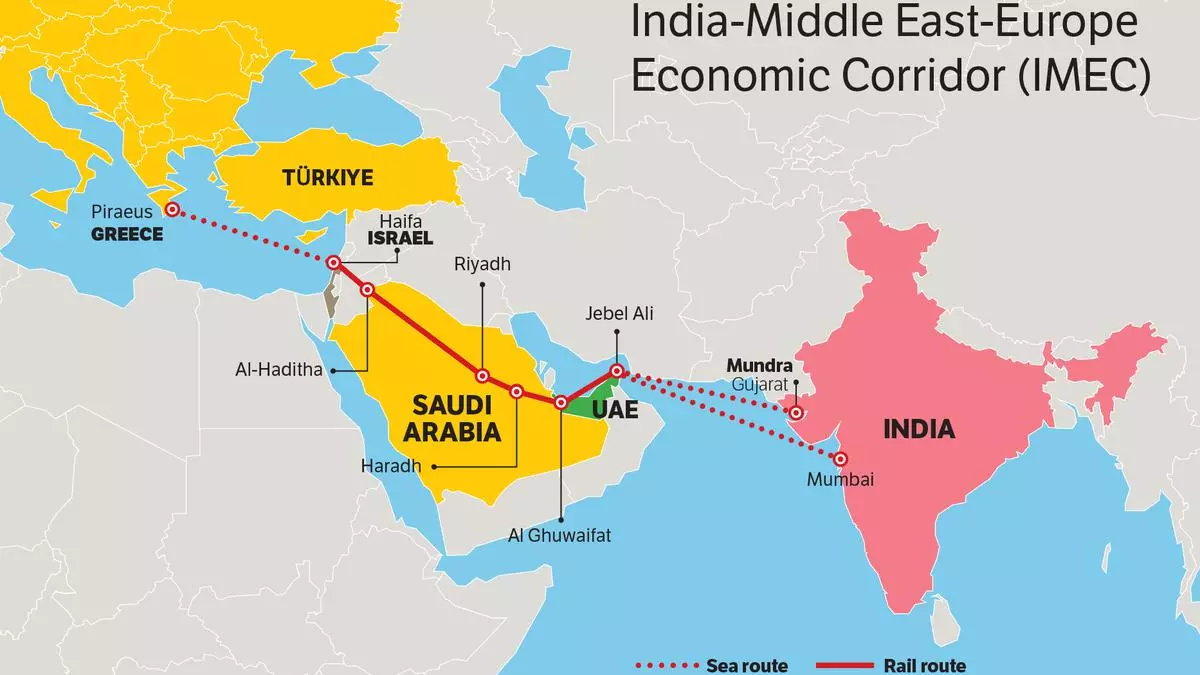
    The article discusses the growing strategic relationship between Greece and India, emphasizing the importance of deepening bilateral ties across various sectors. It highlights the mutual benefits of collaboration, the significance of security and stability in their respective regions, and the potential for economic cooperation through initiatives like the India-Middle East-Europe Economic Corridor (IMEEC).

    Key Highlights:

    • The visit of Greek Prime Minister Kyriakos Mitsotakis to India signifies the momentum in strengthening bilateral relations initiated by Indian Prime Minister Narendra Modi’s visit to Greece.
    • Both countries recognize the strategic importance of their geographical locations and the need for cooperation to ensure security, stability, and prosperity.
    • Collaboration extends across strategic, military, and business sectors, with examples such as joint military exercises and investment partnerships.
    • Economic reforms in Greece under the Mitsotakis government aim to boost sustainable growth and position the country as a reliable partner in the Eastern Mediterranean.
    • The concept of the India-Middle East-Europe Economic Corridor (IMEEC) emerges as a promising avenue for enhancing economic ties between India and Greece.
    • Emphasis is placed on fostering people-to-people ties through cultural exchanges, education programs, and media cooperation.

    India-Middle East-Europe Economic Corridor: A passage of possibilities -  Frontline

    Key Challenges:

    • The pace of bilateral cooperation has been slow, indicating a need for greater momentum.
    • Despite existing collaborations, there is room for further expansion and diversification of partnerships.
    • Ensuring sustained commitment from both governments and businesses to deepen ties amidst global uncertainties.

    Main Terms:

    • Strategic relationship
    • Geopolitical volatility
    • Bilateral cooperation
    • Economic reforms
    • India-Middle East-Europe Economic Corridor (IMEEC)
    • People-to-people ties

    Important Phrases:

    • “No better gateway to Europe than Greece”
    • “Prisoners of geography”
    • “Constructing the India-Middle East-Europe Economic Corridor (IMEEC)”
    • “Critical year in the building of the Greece-India strategic partnership”

    Quotes:

    • “India will find no better gateway to Europe than my country and for Greece there is no better gateway to Asia than a close strategic relationship with India.”
    • “Greece is still by far the best European country to invest in.”
    • “The fact that the political leaders of Greece and India are exchanging visits within a short time frame shows not just their determination to move the relationship forward but also the urgency they attach to this task.”

    Useful Statements:

    • Collaboration between Greece and India is essential for ensuring security, stability, and prosperity in their respective regions.
    • Economic reforms in Greece aim to position the country as a reliable partner in the Eastern Mediterranean.
    • Initiatives like the India-Middle East-Europe Economic Corridor (IMEEC) offer significant potential for enhancing bilateral economic ties.

    Examples and References:

    • Joint military exercises between the Indian Navy and Greek armed forces.
    • Investment partnerships between Indian and Greek businesses, such as the construction of a new airport on the island of Crete.
    • The involvement of Indian-Canadian billionaire Prem Watsa in Greek investments, advocating for Greek-Indian business cooperation.

    Facts and Data:

    • Historic visit of Indian Prime Minister Narendra Modi to Greece in August 2023.
    • Collaboration between Indian and Greek businesses in various sectors, including construction, shipping, and finance.

    Critical Analysis:

    • The article underscores the significance of deeper collaboration between Greece and India in light of geopolitical challenges and economic opportunities.
    • It highlights the need for accelerated efforts to overcome historical inertia and realize the full potential of the bilateral relationship.
    • Emphasis on people-to-people ties reflects a holistic approach to strengthening cultural and educational exchanges alongside economic and strategic cooperation.

    Way Forward:

    • Both governments should prioritize the implementation of existing agreements and explore new avenues for cooperation.
    • Continued engagement between businesses from both countries is crucial for diversifying and expanding partnerships.
    • Investing in educational and cultural exchanges can foster mutual understanding and long-term cooperation.
    • Regular high-level visits and dialogue mechanisms should be maintained to sustain momentum and address emerging challenges.
  • Schengen Area: A Milestone in European Integration

    Schengen Area

    Introduction

    • Kosovo recently achieved visa-free access to the Schengen zone in Europe, marking a significant milestone in its integration with the European Union (EU) and the broader international community.

    What is Schengen Area?

    • Definition: A zone comprising 27 European countries where internal borders have been abolished for the free movement of people.
    • Membership: Includes 23 of the 27 EU member states and all members of the European Free Trade Association (EFTA) – Iceland, Liechtenstein, Norway, and Switzerland.
    • Key Features:
      1. No internal border checks except in specific threat situations.
      2. Harmonized controls at external borders based on defined criteria.

    About Eurozone

    • A geographic and economic region consisting of European Union countries that have adopted the euro as their national currency.
    • As of January 2023, consists of 20 EU countries: Austria, Belgium, Croatia, Cyprus, Estonia, Finland, France, Germany, Greece, Ireland, Italy, Latvia, Lithuania, Luxembourg, Malta, Netherlands, Portugal, Slovakia, Slovenia, and Spain.
    • Key Features:
      1. Coordination of economic policy-making to support EU economic aims.
      2. Replacement of national currencies with the euro.

    Requirements for Joining the Eurozone

    EU nations must meet specific criteria, including four macroeconomic indicators:

    1. Price Stability: Maintain sustainable price performance with average inflation no more than 1.5 percent above the rate of the three best-performing member states.
    2. Public Finances: Maintain a budget deficit no greater than 3% of GDP and public debt no greater than 60% of GDP.
    3. Durability of Convergence: Assessed through long-term interest rates, which cannot exceed 2 percent above the rate in the three most price-stable member states.
    4. Exchange Rate Stability: Demonstrate stability by participating in the Exchange Rate Mechanism (ERM) II for at least two years without severe tensions or devaluation against the euro.