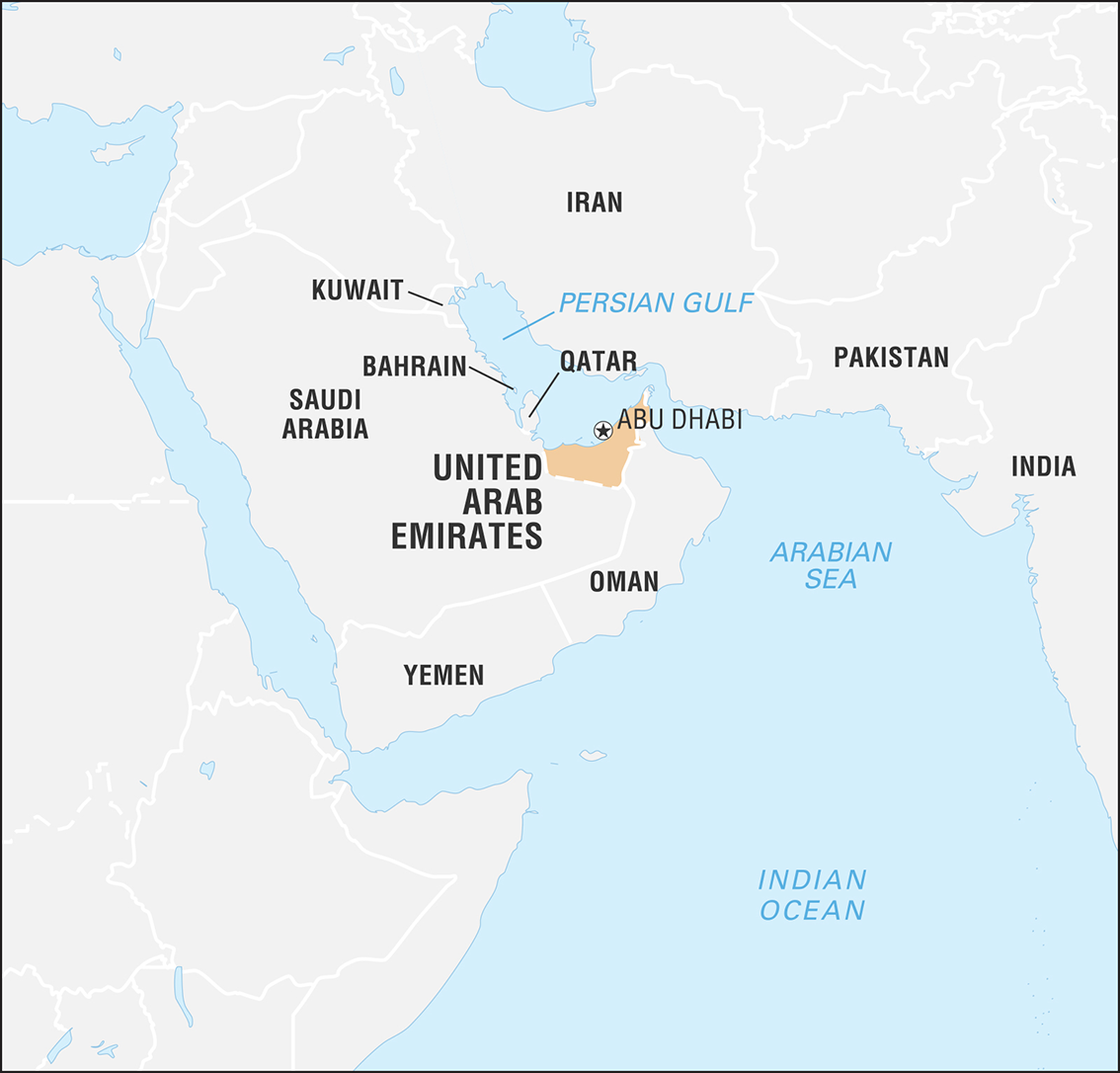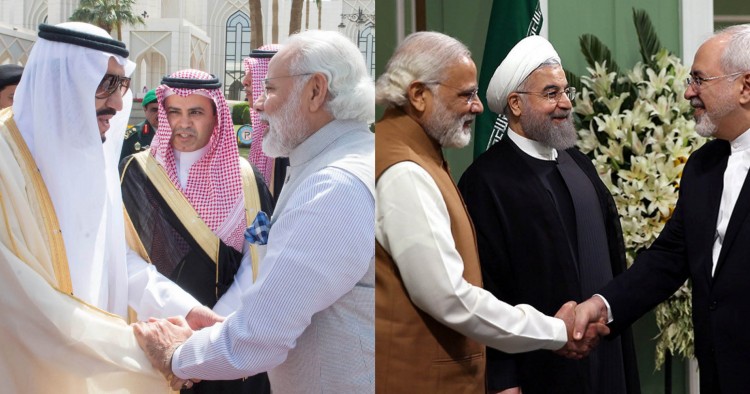
Mains Ready By December. Smash Mains & Smash PYQ Admissions Open

GS Paper: GS2-18.Bilateral, regional and global groupings and agreements involving India and/or affecting India’s interests.

  • C Raja Mohan writes: In closer ties with the Gulf, a significant win for Indian diplomacy

    India's Balancing Act in the Gulf | Middle East Institute

    Central Idea:
    The article discusses the significant transformation in India’s relations with the Gulf region under Prime Minister Narendra Modi’s leadership, highlighted by recent diplomatic achievements such as the inauguration of a Hindu temple in Abu Dhabi and the release of Indian ex-naval personnel from Qatar. It identifies five key factors contributing to this transformation: diplomatic efforts, political engagement, religious perceptions, economic collaboration, and counter-terrorism cooperation.

    Key Highlights:

    • Modi’s proactive diplomacy in the Middle East, contrasting with the previous administration’s limited engagement.
    • The shift from transactional to strategic economic ties, recognizing the Gulf’s growing influence in global capitalism.
    • Improvement in religious tolerance in the Gulf, symbolized by the construction of a Hindu temple in Abu Dhabi.
    • Enhanced counter-terror collaboration between India, Saudi Arabia, and the UAE.
    • The potential for deeper defense cooperation and India’s role as a regional security provider.

    Key Challenges:

    • Historical religious tensions and the need to overcome past perceptions.
    • Maximizing defense collaboration potential amid shifting regional geopolitics.
    • Ensuring sustainable economic partnerships beyond oil purchases and labor exports.

    Main Terms:

    • Diplomacy
    • Political engagement
    • Religious tolerance
    • Economic modernization
    • Counter-terrorism collaboration
    • Defense cooperation

    Important Phrases:

    • “Transformation of India’s relations with the Gulf”
    • “Personal connection with the emirs”
    • “Gulf’s emergence as a major center of global capitalism”
    • “Growing religious tolerance”
    • “Counter-terror collaboration”
    • “Regional security provider”

    Quotes/Useful Statements:

    • “Modi’s proactive diplomacy contrasts with the previous administration’s limited engagement.”
    • “The shift from transactional to strategic economic ties is crucial.”
    • “Enhanced counter-terror collaboration signals a new phase in regional security.”
    • “The construction of a Hindu temple in Abu Dhabi symbolizes growing religious tolerance.”
    • “India must maximize defense collaboration potential amid shifting regional geopolitics.”

    Examples and References:

    • Narendra Modi’s 15 visits to the Middle East contrasted with the previous Prime Minister’s limited engagements.
    • The inauguration of the Hindu temple in Abu Dhabi and the release of Indian ex-naval personnel from Qatar serve as tangible examples of improved relations.
    • The establishment of the I2U2 group and the India-Middle East-Europe Economic Corridor illustrate India’s reoriented geopolitical engagement.
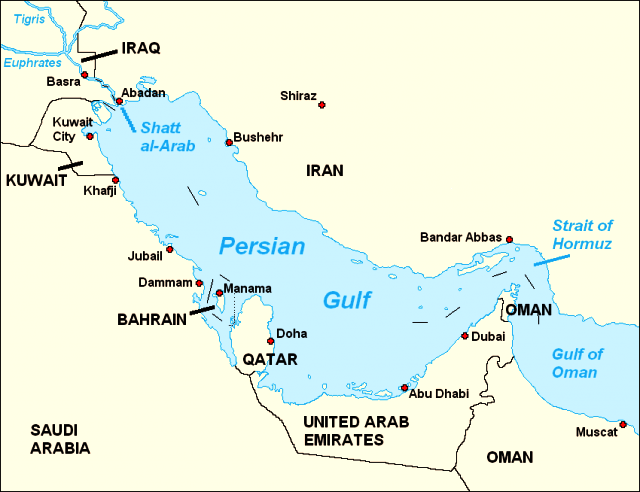
     

    India & Gulf Countries

    Facts and Data:

    • Modi’s 15 visits to the Middle East compared to the previous Prime Minister’s four visits during the UPA rule.
    • The release of Indian ex-naval personnel from Qatar following their espionage charges.
    • The establishment of the I2U2 group and the India-Middle East-Europe Economic Corridor.

    Critical Analysis:

    • The article provides a comprehensive overview of India’s evolving relations with the Gulf, highlighting both achievements and challenges.
    • It emphasizes the importance of Modi’s proactive diplomacy and the need for deeper economic and defense cooperation.
    • However, it also acknowledges historical tensions and the complexities of navigating religious and geopolitical dynamics in the region.

    Way Forward:

    • India should continue to strengthen diplomatic ties and capitalize on economic opportunities in the Gulf.
    • Deeper defense collaboration and regional security cooperation should be prioritized.
    • Efforts to promote religious tolerance and overcome historical tensions are essential for fostering long-term stability and prosperity in the region.
  • A privileged strategic partnership, without a gulf


    I2U2 lies at the core of India-UAE relationship - Hindustan Times

    Central Idea:

    The article highlights the deepening and multifaceted relationship between India and the United Arab Emirates (UAE), focusing on various aspects such as economic ties, strategic partnerships, cultural exchanges, and shared interests in global affairs.

    Key Highlights:

    • Prime Minister Narendra Modi’s upcoming visit to the UAE signifies the strengthening of bilateral relations, marked by frequent high-level engagements.
    • The inauguration of the BAPS temple in Abu Dhabi underscores the growing acceptance and promotion of cultural diversity in the UAE.
    • Economic cooperation between India and the UAE has surged, with bilateral trade reaching $85 billion and significant investments in various sectors.
    • The UAE is a key partner for India in areas such as energy security, defense cooperation, and people-to-people ties.
    • Both countries have demonstrated exceptional gestures of friendship and cooperation, despite regional complexities and geopolitical challenges.
    • Strategic collaborations extend beyond bilateral relations to include participation in international forums and infrastructure projects.

    Burning Issue] India-UAE Relations - Civilsdaily

    Key Challenges:

    • Despite strong ties, there may be occasional divergences in interests and priorities between India and the UAE.
    • Regional conflicts and geopolitical tensions could pose challenges to the stability of the bilateral relationship.
    • Maintaining momentum in economic cooperation and addressing barriers to trade and investment require continued efforts.
    • Balancing relations with other regional actors, especially in the context of the Middle East, remains a delicate task for both countries.

    Main Terms:

    • Bilateral Relations: Mutual interactions and agreements between two countries.
    • Economic Partnership: Collaborative efforts to enhance trade, investment, and economic cooperation.
    • Strategic Cooperation: Joint efforts to address common security challenges and pursue shared interests.
    • Cultural Exchange: Promotion of cultural understanding and appreciation through mutual exchanges.
    • Energy Security: Ensuring stable and reliable access to energy resources.
    • Global Leadership: A position of influence and responsibility in shaping international affairs.

    Important Phrases:

    • “Strategic partnership agreements”
    • “Global leadership role”
    • “Economic engagement”
    • “Cultural diplomacy”
    • “Mutual respect”
    • “Strategic cooperation”
    • “International forums”
    • “Geopolitical challenges”

    Quotes:

    • “India-UAE relationship is one of the most prominent bilateral relationships for New Delhi.”
    • “The UAE is India’s trusted partner in energy security.”
    • “Both countries recognise that this privileged strategic partnership is only set to grow stronger in the years ahead.”

    India-UAE CEPA

    Anecdotes:

    • Prime Minister Narendra Modi’s reception at the World Government Summit in Dubai as the ‘Guest of Honour’.
    • Conferment of the UAE’s top civilian honour, the Order of Zayed, upon Prime Minister Modi during his visit to the UAE.
    • India’s participation in the Abu Dhabi Festival as the ‘Guest of Honour’ in 2018.

    Useful Statements:

    • “The visit underscores the deepening ties and mutual cooperation between India and the UAE.”
    • “Both countries have demonstrated exceptional gestures of friendship and cooperation.”
    • “The bilateral relationship faces challenges but remains resilient.”

    Examples and References:

    • India-UAE Comprehensive Economic Partnership Agreement
    • Participation in international forums like the G-20 summit
    • Establishment of IIT Delhi Abu Dhabi campus and UAE consulate in Hyderabad

    Facts and Data:

    • Bilateral trade between India and the UAE reached $85 billion in 2022-23.
    • India’s export destination: UAE is the second-largest.
    • UAE is India’s third-largest trading partner.

    Critical Analysis:

    The article provides a comprehensive overview of the evolving India-UAE relationship, highlighting its strategic, economic, and cultural dimensions. It underscores the significance of the partnership amidst regional complexities and global challenges. However, it also acknowledges potential areas of divergence and the need for sustained efforts to overcome them.

    Way Forward:

    • Strengthening economic cooperation through trade facilitation and investment promotion.
    • Enhancing strategic collaboration in areas of mutual interest, including defense and energy security.
    • Deepening cultural ties through continued exchanges and collaborative initiatives.
    • Addressing regional challenges through constructive dialogue and diplomacy.
    • Leveraging the privileged partnership to contribute positively to global issues and regional stability.
  • 7th Edition of Indian Ocean Conference (IOC)

    Indian Ocean Conference

    Introduction

    • The 7th Edition of Indian Ocean Conference (IOC) is being held in Perth, Australia.

    About Indian Ocean Conference (IOC)

    • IOC started in 2016, serving as the premier consultative forum for countries in the Indian Ocean region on regional affairs.
    • The first edition of the Conference was held in Singapore in 2016.
    • It is organised by India Foundation in partnership with other organizations in the region.
    • It aims to bring together critical states and maritime partners to discuss regional cooperation under the concept of Security and Growth for All in the Region (SAGAR).

    What is SAGAR?

    • SAGAR stands for ‘Security and Growth for All in the Region’ and was initiated by PM Narendra Modi in 2015 at Mauritius.
    • It aims to leverage the blue economy and maintain strategic partnerships with littoral states in Asia and Africa.
    • It seeks to provide leadership in capacity building and capability enhancement programs transparently, aligning with other maritime initiatives like Act East Policy, Project Mausam, and Blue Economy.

    Key Statements by Dignitaries this Year

    • Challenges to International Rule of Law: EAM S. Jaishankar highlighted challenges to international rule of law from the Red Sea to the Indo-Pacific, implicitly targeting China’s actions.
    • Call for Conflict Reduction: Australian Foreign Minister emphasized the necessity of reducing conflict in the region amid growing tensions.
    • Veiled References to China’s Actions: Jaishankar made indirect references to China’s troop buildup at the Line of Actual Control and actions in the South China Sea, stressing the importance of adhering to internationally negotiated regimes.
  • Visa-Free Travel to Iran for Indians

    visa

    Introduction

    • The recent announcement of visa-free travel to Iran for Indian passport holders has garnered significant attention, marking a significant milestone in bilateral travel facilitation.

    Iran’s Visa-Free Regime for India

    • Tourism Purposes: Indian citizens holding ordinary passports can avail of the visa-free travel privilege but must intend to visit Iran solely for tourism purposes.
    • Mode of Entry: The relaxation applies exclusively to travelers entering Iran via air routes.
    • Maximum Duration: Travelers under this scheme can stay in Iran for a maximum of 15 days during each visit.
    • Re-entry Provisions: Re-entry into Iran is permissible after a gap of six months from the previous departure.
    • Extended Stay or Multiple Entries: Individuals desiring prolonged stays, frequent visits within six months, or seeking alternative visa categories must obtain requisite visas from the Iranian diplomatic missions in India.

    Visa Trends for Indians beyond Iran

    • Current Visa-Free Countries: 27 countries now offer visa-free entry to Indian citizens, with recent additions including Kenya, Indonesia, Malaysia, Thailand, and Sri Lanka.
    • Global Outreach: Beyond immediate neighbors, countries like Barbados, Bhutan, Maldives, Mauritius, and Nepal offer visa-free entry to Indian citizens, reflecting evolving global travel dynamics.
    • Popular Destinations for Indian Citizens: The top five travel destinations are the UAE, the USA, Saudi Arabia, Singapore, and Thailand, with many visiting as part of the diaspora.
  • How to restore WTO’s authority

    WTO | 2023 News items - Members share views in informal talks on trade and  industrial policy

    Central Idea:

    The ongoing crisis in the World Trade Organisation’s (WTO) dispute settlement mechanism (DSM), particularly the paralysis of the appellate body (AB) due to the US blocking the appointment of new members, poses a significant challenge to the multilateral trading regime. Developing countries like India are pushing for the restoration of the AB to its original form, but alternative options are being considered due to the US’s reluctance.

    Key Highlights:

    • The DSM, particularly the AB, is crucial for ensuring compliance with WTO rulings and maintaining a rules-based global trading system.
    • The US has blocked the appointment of new AB members since 2019, rendering it ineffective and undermining the enforcement of WTO rulings.
    • Developing countries, led by India, are advocating for the restoration of the AB to its original form to ensure fairness and predictability in dispute resolution.
    • Alternative options include joining interim arrangements led by the European Union or proposing a diluted AB with limited powers, but these may compromise the effectiveness of the DSM.
    • Scholars propose a compromise solution where countries can opt out of the AB’s jurisdiction, allowing its restoration while accommodating the US’s concerns.

    Key Challenges:

    • The deadlock caused by the US’s opposition to the AB’s functioning has led to a crisis in the DSM, undermining the WTO’s authority.
    • Developing countries face the challenge of balancing their desire for a fully functioning AB with the need to accommodate the US’s concerns to maintain consensus within the WTO.
    • Alternative solutions, such as interim arrangements or diluted AB proposals, may lack the necessary enforceability or compromise the integrity of the DSM.

    Key Terms:

    • World Trade Organisation (WTO)
    • Dispute Settlement Mechanism (DSM)
    • Appellate Body (AB)
    • Interim Appeal Arbitration Arrangement (MPIA)
    • International Court of Justice (ICJ)

    Key Phrases:

    • “Crisis in the dispute settlement mechanism”
    • “Paralysis of the appellate body”
    • “Developing countries’ advocacy”
    • “Alternative options”
    • “Compromise solution”

    Key Quotes:

    • “The WTO’s DSM — its crown jewel — comprises a binding two-tiered process with a panel and an appellate body (AB).”
    • “Consequently, countries have found an easy way to avoid complying with the WTO panel rulings. They appeal into the void, thereby rendering the WTO toothless.”
    • “A fully functional dispute settlement, with the checks and balances that the appellate body provides, is the best bet for the developing world.”
    • “India and other developing countries should continue striving for the ideal solution: The restoration of the AB in the form it existed till 2019.”

    Key Statements:

    • “The ongoing crisis in the dispute settlement mechanism (DSM) poses a significant challenge to the multilateral trading regime.”
    • “Developing countries are pushing for the restoration of the AB to its original form to ensure fairness and predictability in dispute resolution.”
    • “Alternative options may compromise the effectiveness of the DSM and undermine the enforcement of WTO rulings.”

    Way Forward:

    • Advocate for Restoration: Developing countries should continue advocating for the restoration of the AB to its original form, emphasizing its importance for ensuring fairness and predictability in the global trading system.
    • Explore Compromise Solutions: Consider compromise solutions, such as allowing countries to opt out of the AB’s jurisdiction, to accommodate the concerns of key stakeholders like the US while maintaining the integrity of the DSM.
    • Strengthen Interim Arrangements: If necessary, explore joining interim arrangements led by entities like the European Union to provide temporary solutions while working towards a more permanent resolution within the WTO framework.
  • Explained: Rising Tensions in Korean Peninsula

    korea

    Introduction

    • Provocative Actions: North Korea’s provocative actions and responses by South Korea and its allies have heightened concerns about international security.
    • Major Power Rivalry: Major power rivalry has intensified, raising questions about regional stability.

    North vs. South Korea: Historical Context

    • Post-WWII Division: After World War II, the Korean Peninsula was divided into North and South Korea.
    • Cold War Alignments: The North aligned with the Soviet Union, while the South aligned with the U.S.
    • Korean War: The Korean War in the 1950s marked the first “hot war” of the Cold War era.
    • Ongoing Division: Despite the end of active conflict and the Cold War, the two Koreas remain divided due to ideological and geopolitical differences.
    • Nuclear Ambitions: A major issue in the region has been North Korea’s pursuit of nuclear weapons.

    Recent Escalation

    • Adversarial Designation: North Korea has officially designated South Korea as an adversary and dismantled symbols of reunification.
    • Missile Tests: Multiple missile tests, including one involving a hypersonic warhead, have been conducted.
    • Hypersonic Threat: Hypersonic weapons have the potential to evade missile defence systems.
    • Joint Drills: In response, the U.S., South Korea, and Japan held joint naval drills to enhance their defence capabilities.
    • Additional Tests: North Korea conducted tests of a nuclear-capable underwater drone and a strategic cruise missile, increasing tensions in the region.

    South Korea’s Role

    • New Leadership: South Korea’s newly elected conservative President Yoon Suk Yeol has adopted a hawkish approach toward North Korea.
    • Alignment with Allies: There is a closer alignment with the U.S. and Japan.
    • Trilateral Cooperation: The three countries held a historic meeting to strengthen trilateral cooperation.
    • Conflict Concerns: These developments raise concerns about potential conflicts in the region, given the involvement of major powers and the possibility of unintended consequences.

    International Implications

    • Global Conflicts: Rising tensions in the Korean Peninsula coincide with other global conflicts, such as Russia-Ukraine and Israel-Palestine.
    • Major Power Involvement: Key stakeholders in the Korean Peninsula, including the U.S., China, and Russia, are involved in a broader strategic competition.
    • Conflict Possibilities: While a major conflict may be avoided due to alliances and nuclear deterrence, incidents or skirmishes are possible.
    • Complex Alliances: North Korea’s ties with China and Russia and South Korea’s alignment with the U.S. add complexity to ongoing global conflicts.

    Conclusion

    • The situation in the Korean Peninsula has raised international security concerns due to increased tensions, missile tests, and shifts in political dynamics among the involved countries.
    • The interconnectedness of these issues with broader global conflicts adds to the complexity and uncertainty in the region.
  • Vision 2030: Saudi Arabia’s Shift towards Modernity

    Vision 2030

    Introduction

    • Crown Prince Mohammad Bin Salman’s Vision 2030 seeks to reshape Saudi Arabia, moving away from oil dependence and embracing modernity.
    • This transformation faces resistance from traditionalists but aligns with a changing global image of Saudi Arabia as a tourist-friendly, welcoming nation.

    Al-Ula: A Modern Oasis

    • Historical Significance: Al-Ula, an ancient city along the incense route, is pivotal in MBS’s vision to modernize Saudi Arabia.
    • Breaking Stereotypes: Saudi Arabia aims to challenge traditional beliefs by welcoming tourists beyond pilgrimage destinations.
    • Nationalism Beyond Religion: The country’s evolving nationalism is detached from religion, emphasizing individual liberties and empowerment.

    Winds of Change

    • Empowering Women: Saudi Arabia promotes gender equality, offering scholarships and opportunities for young women.
    • National Transformation: Young Saudis actively participate in the modernization drive, recognizing its benefits.
    • Welcoming the ‘Other’: Saudi Arabia’s newfound friendliness towards foreigners, including easing visa norms and hosting entertainment events.

    Challenges on Path to Modernity

    • Cultural Sensitivities: Transitioning from conservative traditions is challenging, but Saudis are adapting to change.
    • Historical Significance: Al-Ula’s archaeological treasures pose challenges given their potential impact on religious perceptions.
    • Top-Down Change: Past experiences highlight the complexities of enforcing societal changes from the top.

    Global Engagement

    • Strategic Foreign Policy: Saudi Arabia’s balanced foreign policy has insulated it from regional conflicts.
    • Cultural Riches: The country aims to showcase its archaeological wonders to the world.
    • Green Initiatives: MBS’s ‘green’ approach and emphasis on renewables align with global trends.

    Opportunities for India

    • Improved Working Conditions: Indian migrant workers can expect better conditions and a renewed social contract.
    • Educational and Cultural Exchanges: Indian educators and artists have opportunities to contribute to Saudi Arabia’s educational overhaul.
    • Counter-Terrorism Cooperation: India can leverage Saudi Arabia’s counter-terrorism initiatives.
    • Bilateral Investments: Collaboration in infrastructure and service sectors presents growth potential for both nations.

    Conclusion

    • Saudi Arabia’s journey towards modernity is marked by challenges and opportunities.
    • As it reshapes its identity and engages with the world, India stands to benefit from this evolving partnership, contributing to mutual growth and cooperation.
    • Saudi Arabia’s aspiration to excel in various fields aligns with India’s interests, paving the way for a fruitful relationship.
  • At World Economic Forum, how India made a mark

    Davos 2024: While world is fighting for land, India is winning foreign  investments at World Economic Forum

    Central Idea:

    India’s notable economic growth, showcased at Davos 2024, positions it as a global player addressing challenges such as geopolitical incidents, climate change, and technology risks. The country’s achievements in technology-driven governance, active participation in global discussions, and emphasis on socioeconomic aspects contribute to its recognition as a resilient and influential economy.

    Key Highlights:

    • Technology-driven Governance: India’s effective use of technology for governance solutions at scale is highlighted, especially in the context of Artificial Intelligence (AI).
    • Global Participation: India actively engages in global discussions, particularly on socioeconomic issues, reflecting its role as a responsible and influential partner in the world.
    • Women Empowerment: Davos discussions spotlight Indian women’s substantial contribution to the economy, managing businesses worth $37 billion annually. Advocacy for financial institution investments in women-owned businesses is emphasized.
    • Energy Transition: Amidst the focus on climate change, challenges related to energy transition are discussed, with attention to the importance of non-disruptive processes and policy strategies.
    • Equitable Growth: India’s growth trajectory is highlighted as equitable, encompassing infrastructure development, gender inclusivity, and addressing the needs of disadvantaged sections through social security measures.
    • Global Recognition: Moody’s recognizes India as a “pocket of resilience” in the face of global economic challenges, acknowledging the country’s stability and receiving attention across economic, social, and political dimensions.
    • Favorable Investment Destination: India is presented as a favored destination for global investments, with the government’s mission to achieve developed status by 2047.

    Key Challenges:

    • Geopolitical Incidents: India’s integration into the global economy makes it susceptible to geopolitical incidents, requiring a responsible approach to maintain trust.
    • Energy Transition Challenges: Balancing import dependence on fossil fuels with the need for sustainable alternatives poses challenges in India’s energy transition.
    • Inflation Risk: Sticky inflation globally poses a risk to India’s growth trajectory, requiring vigilant economic management.

    Key Terms/Phrases:

    • AI Leadership: India’s leadership role in adopting and leveraging AI for business solutions.
    • Women’s Self-Employment: The substantial contribution of Indian women, managing businesses with credit from financial institutions.
    • Green Hydrogen: Highlighting alternative energy sources, like green hydrogen, to address energy transition challenges.

    Key Quotes:

    • “India can appear as a ‘pocket of resilience’ amid the risk of sticky inflation affecting the growth trajectory of the global economy.” – Moody’s Investors Service
    • “India’s economic prowess consistently outshone several large economies, showcasing a robust growth trajectory.”

    Key Examples/References:

    • UN World Investment Report: Recognizing India as a favored destination for global investments.
    • Moody’s Investors Service: Acknowledges India’s resilience in the face of global economic challenges.

    Key Facts/Data:

    • Indian Women’s Contribution: Ninety million women are self-employed, managing businesses worth $37 billion annually.
    • Government’s Mission: Prime Minister’s goal to propel India into developed status by 2047.

    Critical Analysis:

    • Equitable Growth: The focus on growth reaching every part of the country is critical for inclusive development.
    • Global Recognition: Recognition at the global level highlights India’s role in shaping the world’s economic, social, and political landscape.

    Way Forward:

    • Continued Reforms: India should maintain a proactive approach to governance and reforms, especially in technology adoption and energy transition.
    • Global Collaboration: Strengthening collaborations with global partners ensures a more sustainable and inclusive future.
    • Inclusive Policies: Continued emphasis on gender inclusivity and social security measures contributes to a more equitable growth trajectory.
  • What makes the India-France ‘strategic partnership’ tick

    France touts Indian strategic partnership, seals new defence deals during  Modi visit – Euractiv

    Central Idea:

    The article discusses the robust and special “Strategic Partnership” between India and France, tracing its origins, evolution, and current dimensions. It emphasizes the enduring nature of the relationship, marked by shared values, geopolitical convergence, and mutual respect, evident in diverse sectors such as defense, space, education, and commerce.

    Key Highlights:

    • Origins and Evolution: The strategic partnership has deep roots dating back to 1998, with France being the first P-5 country to support India’s claim for a permanent seat in the UN Security Council.
    • Geopolitical Convergence: Both nations prioritize multipolarity, strategic autonomy, and share concerns about a unipolar world, contributing to their natural convergence.
    • Defense Collaboration: Collaboration includes the development of submarines, joint military exercises, and the acquisition of Rafale aircraft. The recently concluded Defense Industrial Roadmap further strengthens defense ties.
    • Space Cooperation: Cooperation in the space domain, which began in the 1960s, has seen a revival, with joint missions and agreements signed between ISRO and CNES.
    • Commercial and Civilian Ties: Efforts are underway to broaden the partnership into commercial and civilian spaces, with joint working groups in various sectors and a growing number of Indian students pursuing higher education in France.

    Key Challenges:

    • Commercial Transition: Moving the partnership from government domains to commercial and civilian spaces presents a challenge, requiring sustained efforts to enhance cooperation in diverse sectors.
    • Differences Management: While strategic partnerships don’t require convergence on all issues, managing differences privately and not publicly is crucial for maintaining a mature and resilient relationship.

    Key Terms:

    • Strategic Partnership: A special relationship between nations marked by cooperation in various domains, including defense, space, and commerce.
    • Multipolarity: A global order characterized by multiple centers of power and influence rather than a single dominant force.
    • P-5: The five permanent members of the United Nations Security Council, including France.
    • Geopolitical Focus: Shifting attention and strategic interests from one region to another based on changing global dynamics.

    Key Phrases:

    • Civilization Exceptionalism: Shared trait between India and France, emphasizing pride in their respective civilizations without imposing their values on each other.
    • Argumentative Intellectualism: Common characteristic shared by both nations, highlighting their appreciation for intellectual discourse.

    Key Quotes:

    • “India and France have valued strategic autonomy in their own fashion.”
    • “‘Strategic Partnership’ does not require convergence on all issues but sensitivity so that differences, where these exist, are expressed in private and not publicly.”

    Key Examples and References:

    • Jacques Chirac’s Declaration (1998): France’s support for India’s claim for a permanent seat in the UN Security Council.
    • Defense Industrial Roadmap: Agreements and collaborations in the defense sector, including the acquisition of Rafale aircraft and submarine development.

    Key Statements:

    • “It is clear that the two countries do share a ‘Strategic Partnership’ that is special.”
    • “Both countries were quick to espouse the virtues of multipolarity.”

    Critical Analysis:

    The article provides a comprehensive overview of the India-France strategic partnership, highlighting its historical context, geopolitical rationale, and practical manifestations. It underscores the challenges of transitioning from government-centric collaborations to broader commercial and civilian engagements. The emphasis on managing differences privately and the maturity of the relationship reflect a nuanced understanding of international diplomacy.

    Way Forward:

    • Enhanced Commercial Ties: Continued efforts to broaden the partnership into commercial and civilian sectors, fostering economic collaboration beyond defense and space.
    • Cultural and Educational Exchange: Strengthening cultural ties, fostering educational collaborations, and encouraging more Indian students to pursue higher education in France.
    • Diplomatic Sensitivity: Maintaining sensitivity in handling differences and ensuring that diplomatic disputes are resolved privately to uphold the mature and resilient nature of the partnership.

    The India-France Strategic Partnership, rooted in shared values and mutual respect, continues to evolve positively, presenting opportunities for further growth and collaboration across various domains.

  • Burkina, Mali, Niger quit West African bloc ECOWAS

    ecowas

    Introduction

    • The military regimes in Burkina Faso, Mali and Niger announced their immediate withdrawal from the West African bloc ECOWAS.

    Economic Community of West African States (ECOWAS)

    Details
    Establishment Regional intergovernmental organization established in 1975.
    Objectives Aims to foster economic integration, cooperation, and development among West African nations.
    Headquarters Secretariat headquartered in Abuja, Nigeria.
    Member States 15 member states: Benin, Burkina Faso, Cape Verde, Cote d’ Ivoire, The Gambia, Ghana, Guinea, Guinea Bissau, Liberia, Mali, Niger, Nigeria, Sierra Leone, Senegal, and Togo.
    Primary Goals & Objectives
    • Promoting economic integration among member states.
    • Facilitating the free movement of people, goods, and services.
    • Enhancing regional cooperation in various sectors.
    • Fostering a borderless region governed by democratic principles and good governance.
    • Addressing security and political challenges through collaboration and conflict resolution.
    Achievements & Initiatives
    • Establishment of ECOMOG peacekeeping force for conflict resolution.
    • Launching the ECOWAS Single Currency Initiative for economic integration.
    • Supporting efforts to combat terrorism, human trafficking, and organized crime.