đź’ĄJoin UPSC 2027,2028 Mentorship (July Batch) + XFactor Notes & Microthemes PDF

GS Paper: GS4-04.Emotional intelligence-concepts, and their utilities and application in administration and governance.

  • “Emotional Intelligence is the ability to make your emotions work for you instead of against you.” Do you agree with this view? Discuss.

    Emotional Intelligence is the capacity to recognise, understand, manage and use emotions constructively in oneself and in others.

    “When awareness is brought to emotion, power is brought to your life.” – Daniel Goleman

    EI making emotions work for you
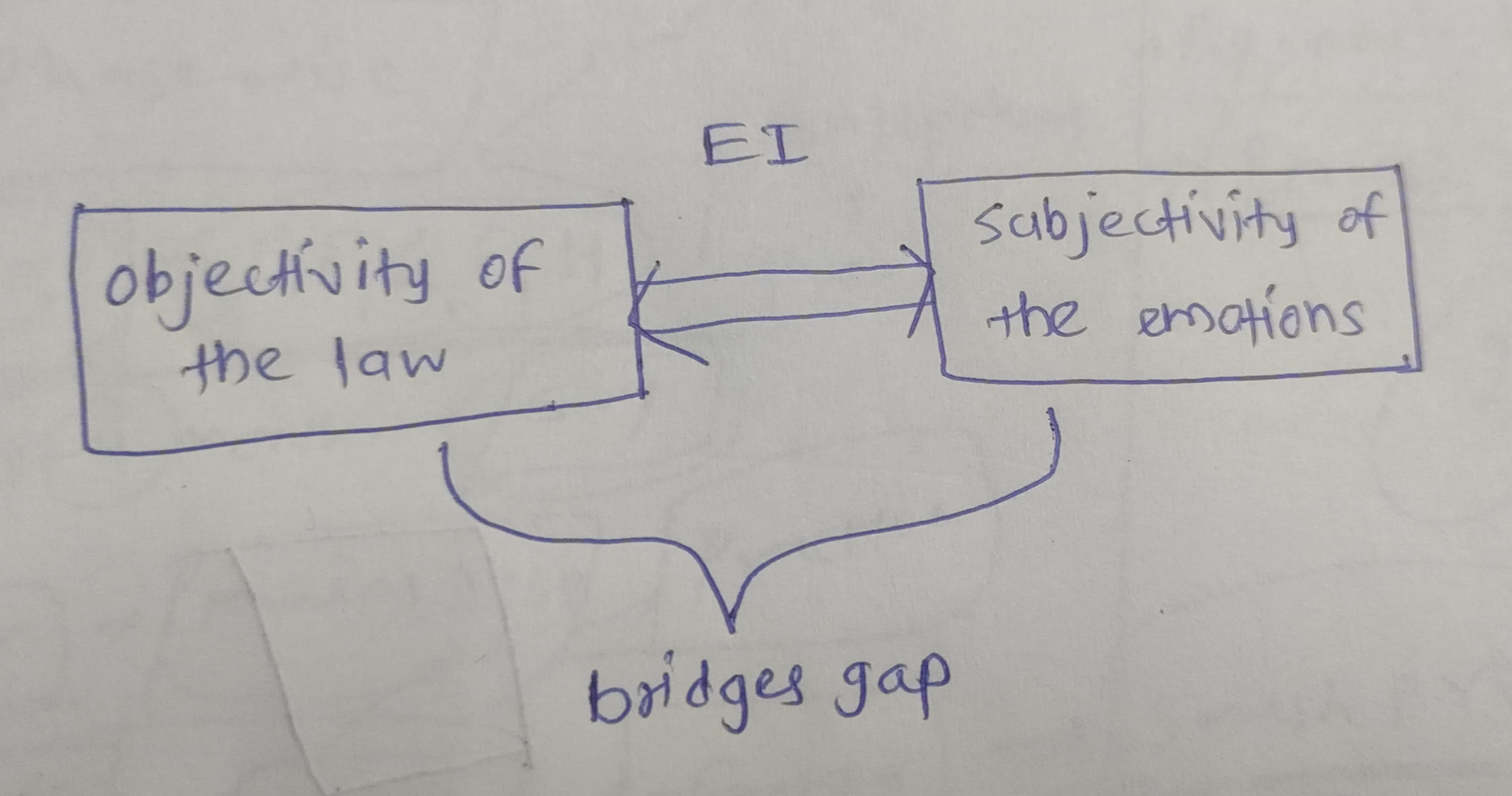
    Recognising emotions before they control behaviour helps manage anger and frustration

    Understanding emotional triggers helps in better preparation. Eg- Awareness of anxiety before public speaking.

    Realistic self-assessment helps in knowing one’s strengths and weaknesses.

    Self-regulation

    Impulse control – Prevents emotional outbursts and rash decisions. Eg- Not shouting at subordinates during stress.

    Ensures emotional balance – Eg- Calm leadership during disasters.

    Builds adaptability to changing situations. Eg- Accepting e-governance by civil servants

    Motivation

    Positive drive helps turn frustration into determination. Eg- Officers working overtime during elections to ensure fairness.

    Optimism despite setbacks. Eg- ISRO successfully launching Chandrayan 3 after failure of Chandrayan 2

    Empathy

    Understanding others’ feelings and viewpoints helps developing broader outlook and leadership

    Sensitivity to diversity helps civil servants in handling community tensions sensitively.

    Social skills

    Effective communication by expressing emotions constructively. Eg- PM addressing the nation during a pandemic.

    Relationship building – Eg- Operation Sadbhavana of Army in J&K for trust and cooperation with locals

    Counter-arguments- How Emotional Intelligence can make emotions work against you

    Emotional manipulation – Eg- caste politics by leaders

    Emotion-reading skills can enable fake empathy and dishonesty.

    Rationalising wrongdoing. Eg- justifying corruption as “systemic necessity.”

    Emotional burnout due to constant emotional regulation

    High empathy may lead to compromise on objectivity and firmness

    Conflict avoidance instead of necessary confrontation.

    Emotional intelligence without moral compass becomes a tool of self interest

    Thus, EI + Integrity is needed to develop virtues of wisdom and compassion.
  • What are the main components of emotional intelligence (EI) ? Can they be learned? discuss.

    Emotional Intelligence is the capacity to recognise, understand, manage and use emotions constructively in oneself and in others.

    “When awareness is brought to emotion, power is brought to your life.” – Daniel Goleman

    Main Components of Emotional Intelligence

    Self-Awareness –

    Involves recognizing your own emotions, strengths, weaknesses, and triggers in real-time.

    Abraham Lincoln recognised his “melancholy” and managed through humor, storytelling, and developing immense empathy

    Self-Regulation –

    Involves managing and redirecting disruptive emotions and impulses.

    It prevents “Amygdala Hijack”-where the emotional brain takes over the rational brain.

    Eg- Captain Sullenberger – Regulated fear during engine failure to land safely on Hudson.

    Warren Buffett’s emotional detachment strategy – stay greedy when others are fearful

    Motivation-

    Inner drive to pursue goals with energy and persistence

    Eg- Marie Curie worked in a shed for years to isolate radium.

    Viktor Frankl survived the Holocaust by finding “meaning” in his suffering. (Logotherapy)

    Empathy –

    Ability to understand the emotions and perspectives of others.

    Essential for cross-cultural communication and building trust within a team.

    Eg- Mahatma Gandhi- lived like poor to “feel” their struggle.

    Social Skills –

    Ability to manage relationships, build networks, resolve conflicts and inspire others.

    Satish Dhawan (ISRO) taking blame for SLV-3 mission failure

    Arif Sheikh leading “amcho police, amcho baster”

    Unlike IQ, which is largely fixed by early adulthood, EI is based on Neuroplasticity – the brain’s ability to form new neural pathways through repeated behavior. It can be learned through

    Self-Awareness

    Reflection and self-observation through mindfulness and meditation. Eg- Vipassana.

    Reflective journaling – Writing daily emotional experiences and triggers.

    360-degree feedback from peers and seniors to reveal blind spots.

    Self-Regulation

    Stress-management training to calm emotional arousal. Eg- “crisis-room” simulation in training

    Cognitive Reframing- Viewing challenges as opportunities. Eg- Seeing a punishment posting as a chance to reform.

    Delay techniques – Eg- 10-second rule before responding in anger.

    Physical regulation – Exercise, sleep and breathing control helps in emotional stability.

    Motivation

    Defining meaningful personal and professional goals. Eg- SMART goal frameworks.

    Positive psychology practices -Eg- Writing three positive outcomes daily.

    Role Modelling. Eg- “Technocratic Optimism” of E. Sreedharan for a solution-oriented attitude

    Empathy

    Perspective-taking exercises enhance empathy and understanding. Eg- village immersion programs

    Direct citizen interaction exposes civil servants to diversity – develop compassion and leadership. Eg- Jan Sunwais

    Social Skills

    Communication skills training. Eg- Public speaking workshops.

    Life experiences gradually deepen emotional understanding.

    Thus, Emotional Intelligence is not innate or fixed. It is learnable, trainable and improvable.

  • In case of a crisis of conscience does emotional intelligence help to overcome the same without compromising the ethical and moral stand that you are likely to follow? Critically examine.

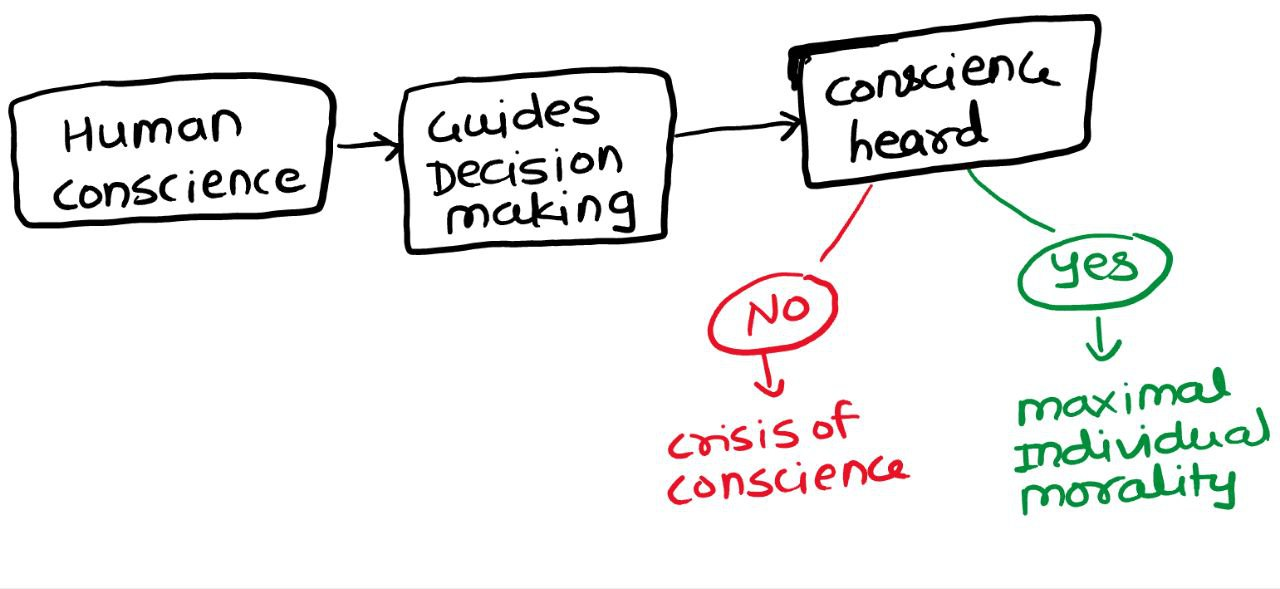
    A crisis of conscience arises when a person faces a conflict between personal values, professional duties, social pressures and moral principles. EI can play decisive role in navigating this crisis.

    Role of EI in overcoming crisis of conscience

    Self-awareness helps identify moral discomfort early.

    Self-regulation prevents panic, fear or anger from dictating action. (“Amygdala Hijack”) Eg- Sanjiv Chaturvedi (IFS) exposing corruption in AIIMS

    EI provides Moral clarity through reflection – prevents impulsive action.

    EI builds courage through emotional control and enables ethical action. Eg- Whistleblowers like Satyendra Dubey.

    EI developes communication skills that enables respectful dissent. Eg- Mahatma Gandhi

    EI helps in conflict management without hostility. Eg- Nelson Mandela balancing justice and reconciliation.

    It builds resilience to endure consequences of ethical action. Eg- punitive transfers of Ashok Khemka

    Empathy and perspective-taking helps avoid moral absolutism and promotes fairness. Eg- Justice V.R. Krishna Iyer institutionalising PIL

    Inner peace through EI reduces cognitive dissonance after ethical choice. Eg- Satish Dhawan taking responsibility for failure

    On the other hand, EI can also undermine ethical stand

    EI can be used to justify unethical actions. Eg- bureaucrats blaming “political pressure” to justify complicity.

    Rationalisation of wrongdoing – Managing guilt instead of correcting behaviour. Eg- “sanskritization of corruption”

    Manipulation of others’ emotions. Eg- Cult leaders like Jim Jones emotionally controlled followers into mass suicide.

    Conflict avoidance instead of necessary confrontation. Eg- Corporate HR heads ignoring harassment complaints to “avoid workplace disruption”.

    Institutional conformity – EI helps individuals to adapt to unethical cultures. Eg- Eichmann committing atrocities under “orders” (banality of evil)

    Emotional burnout due to constant emotional regulation

    High empathy may lead to compromise on objectivity and firmness

    Ethical relativism – Eg- Justifying censorship or surveillance as “necessary for public safety.”

    Thus, EI is value-neutral and a “means” to an “end.” It needs a strong moral compass to develop virtuous character.

  • What really matters for success, character, happiness and lifelong achievements is a definite set of emotional skills – your EQ- not just purely cognitive abilities that are measured by conventional IQ tests.” Do you agree with this view ? Give reasons in support of your answer.

    In the modern world, IQ provides the technical “entry ticket” to a profession, but EQ determines how far an individual climbs and how meaningful their life becomes.

    “In a high-IQ job pool, soft skills like discipline, drive, and empathy mark those who emerge as outstanding.” – Daniel Goleman

    Importance of EQ

    For Professional Success

    EQ ensures Leadership effectiveness. Eg- Satya Nadella transformed Microsoft by emphasising empathy and collaboration.

    Purely cognitive skills often freeze under extreme stress (“Amygdala Hijack”). EQ provides calmness and resilience. Eg- Captain “Sully” Sullenberger

    EQ helps in building effective Team Synergy by providing “Psychological Safety” to members. (Google’s “Project Aristotle”)

    For Character and Integrity

    EQ builds Self-Regulation against Greed. Eg- integrity of Ashok Khemka

    It builds moral courage to endure consequences of ethical action. Eg- Whistleblowers like Satyendra Dubey.

    In high EQ person, empathy acts as a Moral Compass. Eg- Mahatma Gandhi lived like poor to “feel” their struggle.

    For Happiness and Well-being

    Self-awareness allows individuals to recognize negative thought patterns before they lead to burnout.

    Inner peace through EI reduces cognitive dissonance after ethical choice. Eg- Satish Dhawan taking responsibility for failure

    EQ helps build healthy relationships and supportive social bonds. Eg- open communication in family helping build trust

    For Lifelong Achievements

    Persistence in the face of failure is an emotional skill, not an analytical one. Eg- Thomas Edison failed 1,000 times before inventing the lightbulb.

    Self-awareness allows an individual to accept criticism and learn from mistakes.

    Adaptability- In a changing world, the ability to “unlearn” and “relearn” requires emotional flexibility.

    Limitations of IQ

    Knowledge without integrity and EQ is dangerous and dreadful. Eg- White-collar criminals

    High IQ does not ensure emotional awareness. Eg- Brilliant engineers failing as managers due to poor people skills.

    Poor leadership capacity. Eg- Sachin Teldulkar as a best batsman but poor captain

    High vulnerability to anxiety and stress. Eg- rising suicide and depression among software engineers

    High IQ does not ensure interpersonal success. Eg- Isaac Newton had poor social relationships

    High IQ does not guarantee adaptability. Eg- companies like Nokia, Kotak etc

    To live a truly successful and happy life, one must balance the logic of the head with the intelligence of the heart.

    Aptitude and Foundational Values