In March, India and the U.S. settled their last lingering WTO poultry dispute, marking the end of seven trade disputes resolved since Prime Minister Modi’s U.S. visit.
What is ‘Litigotiation’?
‘Litigotiation’ is a blend of “litigation” and “negotiation,” referring to a strategic process where legal disputes are managed through a combination of courtroom litigation and settlement negotiations.
This approach recognizes that most legal disputes do not end with a court verdict but rather with a negotiated settlement reached during the litigation process.
Trade dispute on poultry products between India and USA at the WTO
Indian Scenario: India had prohibited the import of various agricultural products from the US because of concerns related to Avian Influenza.
U.S. argued: The U.S. challenged India’s import restrictions on poultry products, which were imposed due to concerns about avian influenza (bird flu) potentially transmitting to humans.
It argued that India deviated from internationally recognized standards that were set by the World Organization for Animal Health (formerly OIE) and failed to provide scientific justifications for its measures, violating the WTO’s Sanitary and Phytosanitary (SPS) Agreement.
The dispute was initiated by the U.S. in 2012 and remained unresolved for over a decade, making it the oldest of the seven trade disputes between India and the U.S. In 2015, India lost a long-pending dispute over poultry imports from the US at the WTO.
The recent settlement allowed India to avoid a yearly $450 million claim.
In exchange, India agreed to reduce tariffs on select U.S. products such as cranberries, blueberries, frozen turkey, and premium frozen duck meat, marking a significant diplomatic breakthrough.
What are the standards set by the World Organization for Animal Health?
The Terrestrial Animal Health Code
First published in 1968, provides standards for the improvement of terrestrial animal health and welfare and veterinary public health worldwide.
These standards should be used by Veterinary Services to set up measures for the early detection, reporting, and control of pathogenic agents, including zoonotic agents, and preventing their spread.
The Aquatic Animal Health Code
Introduced in 1995, provides standards for the improvement of aquatic animal health and welfare worldwide.
These standards should be used by Aquatic Animal Health Services to set up measures for the prevention, early detection, reporting, and control of pathogenic agents in aquatic animals (amphibians, crustaceans, fish, and mollusks).
Implementation of the recommendations in the Aquatic Code ensures the safety of international trade in aquatic animals and aquatic animal products.
About WTO:
The World Trade Organization (WTO) is an intergovernmental organization that regulates and facilitates international trade among its member nations. It was established in 1995 and has 164 member countries, representing over 98% of global trade and global GDP.
Conclusion: The India-U.S. settlement underscores the power of diplomatic negotiations in resolving complex trade disputes, fostering stronger bilateral ties, and promoting a more stable and cooperative international trade environment.
Mains PYQ:
Q WTO is an important international institution where decisions taken affect countries in a profound manner. What is the mandate of WTO and how binding are their decisions? Critically analyse India’s stand on the latest round of talks on Food security. (UPSC IAS/2014)
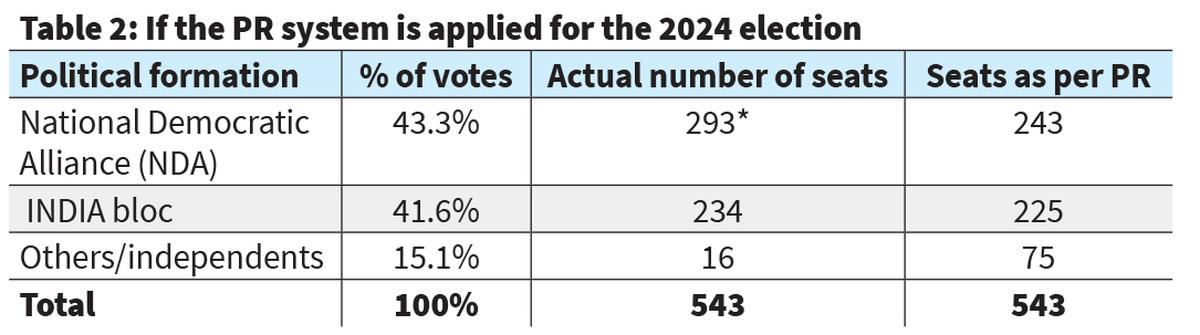
India should contemplate proportional representation to ensure fairer political outcomes, given NDA’s 293 seats (43.3%) compared to INDIA bloc’s 234 seats (41.6%).
First Past the Post (FPTP) System
First Past the Post (FPTP) is a voting system where the candidate with the most votes in each constituency wins, regardless of whether they achieve an absolute majority.
Simple and feasible method used in large democracies like India, the U.S., the U.K., and Canada.
Provides stability to the executive as the ruling party/coalition can enjoy a majority in the legislature without obtaining a majority of the votes across constituencies.
Criticized for potentially resulting in over or under-representation of political parties compared to their vote share.
Proportional Representation (PR) System:
Ensures representation of all parties based on their vote share. Commonly implemented through party list PR, where voters vote for parties rather than individual candidates. PR system applied at each State/Union Territory (UT) level in federal countries like India.
Cons: Disproportionate representation, underrepresentation of minorities, many wasted votes.
Proportional Representation (PR):
Pros: Fairer representation, inclusivity of smaller parties, fewer wasted votes.
Cons: Complex, potential for unstable coalitions, weaker direct constituency representation.
International Practices:
The PR system is used in presidential democracies like Brazil and Argentina, as well as parliamentary democracies like South Africa, the Netherlands, Belgium, and Spain.
Mixed Member Proportional Representation (MMPR) system employed in Germany and New Zealand.
Germany: Germany uses MMPR for elections to the Bundestag. Half of the seats are filled through FPTP constituencies, and the other half are allocated to ensure proportional representation based on party votes, provided parties receive at least 5% of the vote.
New Zealand: New Zealand’s House of Representatives is elected using MMPR, with 60% of seats filled through constituency elections and 40% allocated proportionally based on party votes.
The Mixed Member Proportional Representation (MMPR) system is a hybrid electoral system that combines elements of First Past the Post (FPTP) and Proportional Representation (PR) to ensure both local representation and proportionality in election results.
Way Forward:
The Law Commission, in its 170th report titled ‘Reform of the Electoral Laws’ (1999), recommended the experimental introduction of the Mixed Member Proportional Representation (MMPR) system. It suggested that 25% of seats in the Lok Sabha could be filled using a Proportional Representation (PR) system by increasing the total number of seats.
Incremental implementation of MMPR system for additional seats during delimitation exercises to address population disparities while ensuring fair representation for all regions.
After the swearing-in ceremony of PM Modi, he is set to share the four big portfolios of Home, Defence, Finance, and External Affairs with its alliance partners.
What are the Cabinet Committees?
Cabinet committees in India are groups of ministers formed by the Prime Minister to handle specific tasks or issues more efficiently.
The PM sets up these committees with selected members of the Cabinet and assigns specific functions to these committees.
The PM may changethe number of committees, and modify the functions assigned to them.
Usually, only Cabinet ministers are members of these committees. However, non-Cabinet ministers are not unheard of to be members or special invitees to committees.
If the PM himself is a member of any such committee, he acts as the head of that committee.
Evolution of Cabinet Committees in India’s Governance
Cabinet committees operate under the Government of India Transaction of Business Rules, 1961.
These committees are categorized as Standing (Permanent) or Ad-Hoc (Temporary).
They are established based on Article 77(3) of the Constitution, allowing the President to make rules for efficient transaction of government business and allocation among ministers.
Membership varies from three to eight, predominantly comprising Cabinet ministers, with the Prime Minister often presiding.
The number, terminology, and composition may change over time.
Note: All Cabinet Committees except the Cabinet Committee on Accommodation and the Cabinet Committee on Parliamentary Affairs are headed by the Prime Minister.
There are 8 Cabinet committees at present —
Appointments Committee of the Cabinet (composed of the PM (ex-officio Chairman) and the Minister of Home Affairs),
Cabinet Committee on Economic Affairs (headed by the PM himself),
Cabinet Committee on Political Affairs (headed by the PM),
Cabinet Committee on Investment and Growth,
Cabinet Committee on Parliamentary Affairs,
Cabinet Committee on Employment & Skill Development,
Cabinet Committee on Accommodation, and
Cabinet Committee on Security.
The Committees on Investment and Employment were innovations introduced in 2019 by the Modi government.
About Cabinet Committee on Security
Head of the Committee: The Prime Minister assumes the role of the committee’s head.
Membership: Cabinet ministers of Finance, Defense, Home Affairs, and External Affairs serve as members.
Key Responsibilities: The committee addresses issues related to law and order, internal security, and foreign affairs policy with security implications, including matters concerning atomic energy.
Economic and Political Considerations: It also examines economic and political issues relevant to national security.
Financial Oversight: The CCS reviews cases involving capital defence expenditure exceeding Rs 1,000 crore.
Departmental Considerations: Additionally, it evaluates matters concerning the Department of Defence Production, Department of Defence Research and Development, Services Capital Acquisition plans, and procurement of security-related equipment.
Why is CCS so important?
The CCS, led by the Prime Minister, includes key ministers overseeing finance, defence, home affairs, and external affairs, playing a pivotal role in national security discussions and appointments.
It makes major decisions regarding significant appointments, national security issues, and defence expenditure, indicating its crucial role in India’s security framework.
Apart from defence matters, the CCS addresses law and order, internal security, foreign policy on security issues, and matters related to atomic energy, showcasing its broad spectrum of responsibilities.
Alliance Partners in the Cabinet Committee on Security (CCS)
1996 Government Transition: A notable instance was during the 1996 H.D. Deve Gowda government, following Atal Bihari Vajpayee’s resignation as Prime Minister. Deve Gowda, then CM of Karnataka, took office as Prime Minister on June 1. Mulayam Singh Yadav from the Samajwadi Party served as Defence Minister, P. Chidambaram, founder of the Tamil Manila Congress earlier that year, became Finance Minister, and Indrajit Gupta of CPI assumed the role of Home Minister.
2001 Appointment: During Vajpayee’s tenure leading the NDA government in 2001, George Fernandes, founder of the Samata Party, was appointed Defence Minister, holding the position for three years. Notably, during his tenure as Defence Minister in Vajpayee’s second and third ministries (1998–2004), Fernandes oversaw critical events such as the Kargil War and nuclear tests at Pokhran.
Party Distribution: However, during the UPA government, the Congress retained all CCS positions, whereas in the Modi government, the BJP held all four positions.
PYQ:
[2014] The size of the cabinet should be as big as governmental work justifies and as big as the Prime Minister can manage as a team. How far the efficacy of a government then is inversely related to the size of the cabinet? Discuss.
[2017] Out of the following statements, choose the one that brings out the principle underlying the Cabinet form of Government:
(a) An arrangement for minimizing the criticism against the Government whose responsibilities are complex and hard to carry out to the satisfaction of all.
(b) A mechanism for speeding up the activities of the Government whose responsibilities are increasing day by day.
(c) A mechanism of parliamentary democracy for ensuring collective responsibility of the Government to the people.
(d) A device for strengthening the hands of the head of the Government whose hold over the people is in a state of decline.
Q) Consider the following statements: (UPSC CSE 2023) Statement-1: In India, prisons are managed State Governments with their own rules and regulations for the day-to-day administration of prisons. Statement-2: In India, prisons are governed by the Prisons Act, 1894 which expressly kept the subject of prisons in the control of Provincial Governments. Which one of the following is correct in respect of the above statements? (a) Both Statement-I and Statement-2 are correct and Statement-2 is the correct explanation for Statement-1 (b) Both Statement-1 and Statement-2 are correct and Statement-2 is not the correct explanation for Statement-1 (c) Statement-1 1s correct but Statement-2 is incorrect (d) Statement-1 Is incorrect but Statement-2 is correct
Q) Consider the following statements: (UPSC CSE 2023)
1. According to the Constitution of India, the Central Government has a duty to protect States from internal disturbances. 2. The Constitution of India exempts the States from providing legal counsel to a person being held for preventive detention. 3. According to the Prevention of Terrorism Act, of 2002, confession of the accused before the police cannot be used as evidence. How many of the above statements are correct? (a) Only one (b) Only two (c) All three (d) None
Note4Students:
Prelims: Preventive Detention;
Mains: Criminal Justice System in India; Challenges with Fast Track Courts;
Mentor comment:Preventive Detention law was passed in1950 for the first time. The aim of implementing the Preventive detention was not to punish the individual but to prevent that person from doing a wrong and unconstitutional act. According to Finley, “it is not punitive but a precautionary measure”.
The Indian criminal justice system faces several other challenges too. One of the major challenges is a large backlog of pending cases, which can result in long delays and delays in the delivery of justice. The Indian criminal justice system is also criticized for being slow, inefficient and prone to corruption, that is why, we introduced Fast Track Court system. Investigations are often incomplete or either lack thoroughness, leading to weak cases and wrongful detentions in this type of courts too. One of the live example of this is being highlighted in today’s editorial.
Let’s learn.
–
Why in the News?
A woman who had filed a rape case was sentenced to imprisonment and fined by a court in Bareilly, Uttar Pradesh, leading to a narrative that perpetuated the stereotype that false rape claims are common.
However, a closer examination of the trial proceedings highlights systemic shortcomings in law enforcement and social complexities that require urgent attention.
BACKGROUND STORY:
About Lack of Spirit or Liveliness in the Investigation process:
•Initial Complaint: The girl’s mother filed a missing person’s complaint stating that her 15-year-old daughter (medical examination showed her to be 18 years old) was missing and suspected a person kidnapping her. However, the girl appeared a few days later, claiming she was taken to Delhi by the same suspected person and raped by him. •Lack of Medical Evidence: The Girl refused to undergo a thorough medical examination, crucial for the prosecution’s case (in fact clothes were not collected for forensic analysis). Hence, the lack of medical evidence due to the negligence of the investigating officer and Pooja’s refusal to undergo a medical examination weakened the prosecution’s case. •Administrative Failure: The respective magistrate did not direct further investigation despite glaring gaps. Moreover, the public prosecutor endorsed a weak charge sheet, failing to fulfill their duty to the court and the public. ○ Section 173(8) of the CrPC allows a magistrate to direct further investigation in case of a flawed investigation. Further, the magistrate could call for the case diary under Section ○(172(2) of the CrPC, which may have revealed discrepancies or inadequacies in the investigation.
The Issue with Undertrial Detention
Prolonged Incarceration: One of the tragedies of the Indian prison system is the high proportion of undertrial prisoners (around two-thirds). Undertrial prisoners are kept in prison while awaiting trial or during their trial. The accused boy in this case remained in jail for over four years without accountability for the investigating officers or prosecution.
Lack of Accountability: There were no repercussions for those responsible for wrongful detentions, perpetuating a culture of impunity and undermining public confidence in the integrity of judicial processes.
His trial dragged on in a fast-track court in Bareilly amidst the disruptive backdrop of the COVID-19 pandemic.
Violates the Fundamental Right: Prolonged undertrial detention violates their Rights to Liberty and Fair trial, adversely impacting their lives and livelihood.
The trial in this case spanned 1,559 days, in which there were 109 hearings (data from the e-Courts portal).
The overuse of undertrial detention effectively ends up punishing people before they are convicted and makes a mockery of their right to be presumed innocent until proven guilty.
The state of Fast-track courts in India
Budgetary Allocation: The centrally sponsored scheme for Fast Track Special Courts (FTSC) has been extended till 2026 with a budgetary allocation of around ₹2,000 crore, despite systemic challenges.
Inadequate Infrastructure: Fast-track courts lack dedicated infrastructure and judges, leading to existing courts being designated for these cases, causing judges to manage both regular and expedited cases.
Bail Issues: In this case, the accused person’s bail application was rejected due to the serious nature of the offense, and he remained in jail until his acquittal. His family lacked the means to file an appeal. Indifference and poverty prolong undertrial detention.
Reforms Needed: The case highlights the need for enhancements in police investigation protocols, prosecutorial autonomy, and judicial supervision to mitigate the risk of wrongful and protracted imprisonments.
Conclusion: Ultimately, the notoriety surrounding this case is cited to bolster the stereotype of women lodging false accusations against men, which highlights a critical call for reforms within the criminal justice system. This case highlights the necessity for enhancements in police investigation protocols, prosecutorial autonomy, and judicial supervision to mitigate the risk of wrongful and protracted imprisonments.
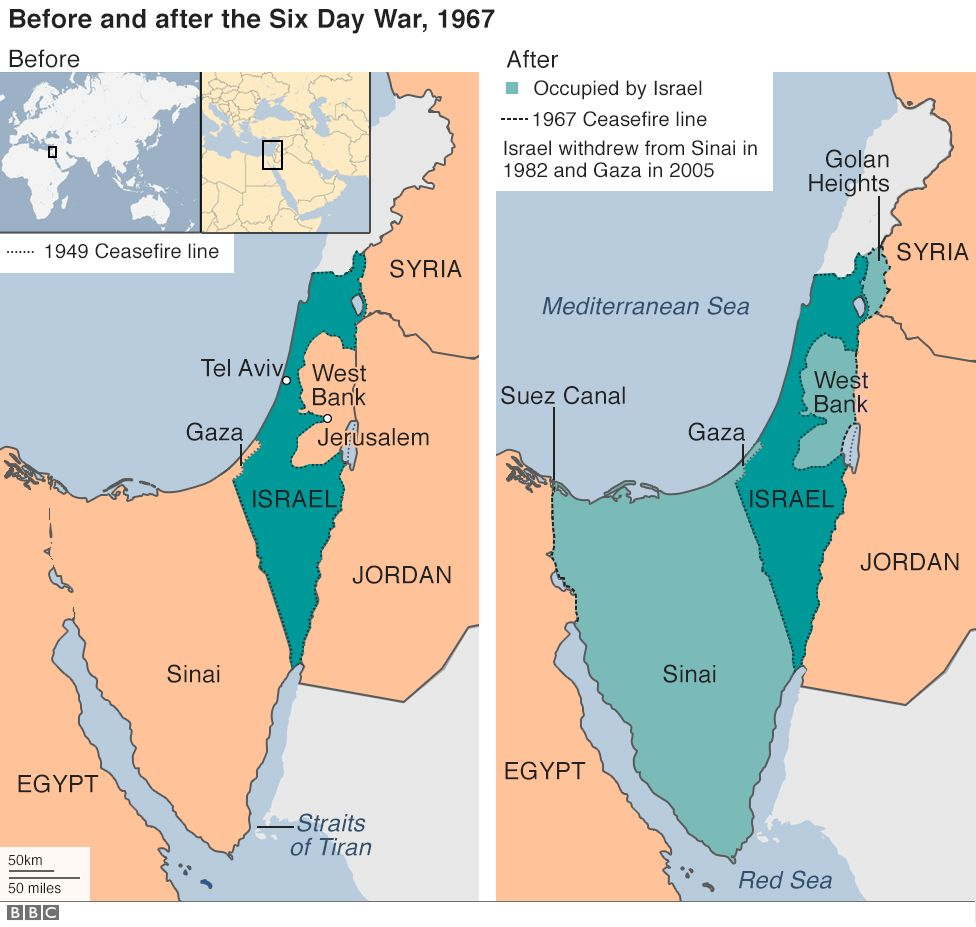
Fifty-seven years have elapsed since the Six-Day War ( June 5 to June 10, 1967) fought between Israel and its Arab neighbors.
Causes of the War
Historical Tensions: Rooted in the establishment of Israel in 1948, which resulted in the displacement and death of thousands of Palestinian Arabs, creating a massive refugee crisis.
Egypt-Israel Relations: Particularly hostile due to territorial and water disputes, exacerbated by Egyptian President Gamal Abdel Nasser’s aggressive stance against Israel.
Cold War Influences: Military build-up in Israel and Arab states along Cold War lines, with Israel supported by the US and Arab states by the Soviet Union.
Provocations: Egypt’s naval blockade of the Straits of Tiran in May 1967, cutting off Israel’s maritime access to the Red Sea and mobilizing forces in the Sinai Peninsula.
Outbreak of the War
On June 5, 1967, Israel launched a pre-emptive airstrike on Egyptian airfields, swiftly gaining air superiority and neutralising the Egyptian Air Force.
Israel’s ground forces advanced into the Sinai Peninsula and Gaza Strip, territories occupied by Egypt.
Jordan and Syria entered the war, attacking Israel from the east and north, but were quickly repelled.
Impacts of the War
Territorial Gains for Israel: In less than a week, Israel captured the Sinai Peninsula and Gaza from Egypt, the Golan Heights from Syria, and the West Bank and East Jerusalem from Jordan.
Geopolitical Shift: The defeat was a major blow to Arab nations, establishing Israel’s military and geopolitical dominance in the region.
Emergence of Palestinian Nationalism: The war spurred the rise of Palestinian nationalism and the Palestine Liberation Organization (PLO) emerged as a significant political entity.
Continued Conflict: Ongoing tensions and conflicts in the region, including the 1973 Yom Kippur War, are direct results of the 1967 war and subsequent Israeli occupation of key territories.
Unresolved Refugee Crisis: The plight of Palestinian refugees displaced during and after the war remains unresolved, continuing to fuel regional instability.
Conclusion: The Six-Day War was thus a pivotal event that not only redefined territorial boundaries but also reshaped political dynamics and set the stage for ongoing conflicts in the Middle East.
Mains PYQ:
Q “India’s relations with Israel have, of late, acquired a depth and diversity, which cannot be rolled back.” Discuss. (UPSC IAS/2018)
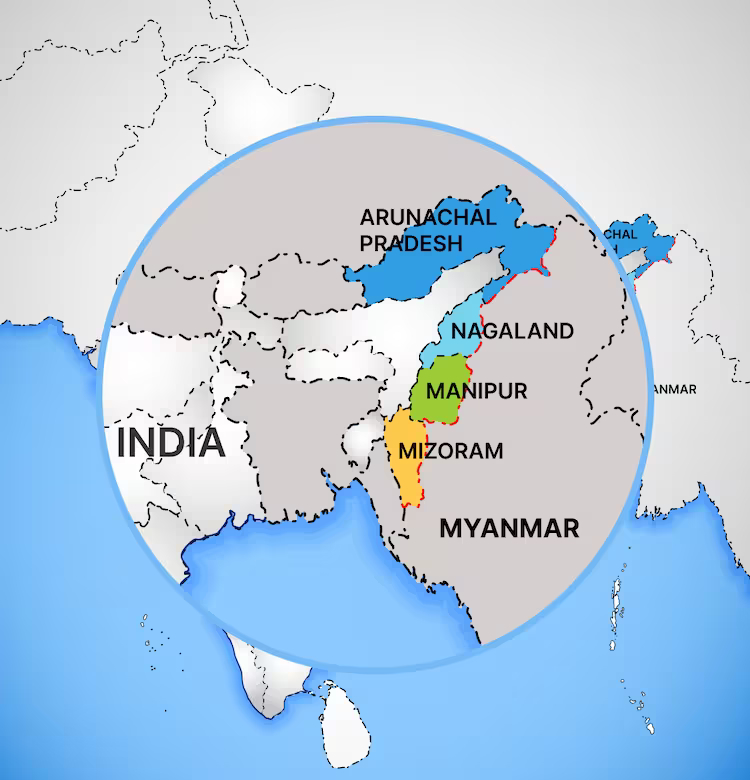
The advisory was shared on social media by the Indian Embassy in Yangon on Monday (June 3 2024), urging caution against job offers in the Pha Lu area, south of Myawaddy town. This region has recently emerged as a hotspot where most Indian victims are being trafficked, often via Thailand.
Highlights made by the Indian Embassy’s Advisories:
The embassy has issued multiple advisories warning against fake job rackets in Myanmar, highlighting the significant and ongoing threat.
Declared New Danger Zone: The Pha Lu area, south of Myawaddy town, has been identified as a new hotspot for trafficking, necessitating heightened vigilance. Previous advisories flagged Myawaddy, Yangon, Laukkaing, Lashio, and Tachileik as risky areas.
There’s been a rise in Indian nationals falling victim to crime syndicates in the Myawaddy region on the Myanmar-Thailand border.
On Security Issues:
Broader insecurity: Not just Indian nationals, but individuals from countries like Malaysia and the UAE have also been targeted by these syndicates.
Social Media Caution: Emphasis on avoiding job offers made through social media or unverified sources.
Security Worsening: The security situation in Myanmar has deteriorated since the February 2021 military coup, exacerbating human trafficking issues.
Consultation Urged: Indian nationals are urged to verify job offers and consult respective Indian embassies before accepting employment abroad.
India-Myanmar Bilateral Relations:
India and Myanmar signed a Treaty of Friendship in 1951, and the visit of Prime Minister Rajiv Gandhi in 1987 laid the foundations for a stronger relationship.
Economic Cooperation: India is Myanmar’s 4th largest export market and 5th largest import partner. The bilateral trade target of $1 billion was achieved by 2017.
Strategic Cooperation: India’s engagement with Myanmar is motivated by a desire to counter China’s growing influence in the region and enhance its own influence and standing.
Security Ties: India and Myanmar have cooperated on security issues, including combating drug trafficking and insurgent groups operating in the border areas.
Recent Developments: India gifted Myanmar its first submarine, and the two countries have carried out joint operations against insurgent camps.
The relationship faces challenges such as the Rohingya issue, the coup by the military junta, and the exploitation of the porous border by terrorist outfits and insurgent groups
Way Forward:
Need Monitoring and Ground Surveillance: India can collaborate with social media platforms to monitor and remove fraudulent job postings and take legal action against those responsible.
Stronger Bilateral Cooperation: Strengthen cooperation with Myanmar and neighboring countries like Thailand, Laos, and Cambodia to crack down on human trafficking networks and facilitate the safe return of victims.
Mains PYQ:
Q Cross-border movement of insurgents is only one of the several security challenges facing the policing of the border in North-East India. Examine the various challenges currently emanating across the India-Myanmar border. Also, discuss the steps to counter the challenges. (UPSC IAS/2019)
The Commerce Department is gearing up for the upcoming negotiations on the ASEAN-India FTA review. The ASEAN-India FTA, while beneficial, has led to a widening trade deficit for India.
ASEAN-India Trade in Goods Agreement (AITGA):
The AITGA, signed in 2009 and effective in 2010, aims to reduce tariffs and non-tariff barriers on goods between ASEAN and India, covering sectors like agriculture, textiles, electronics, and machinery.
AITGA is an important component of the ASEAN-India Free Trade Area (AIFTA), which aims to create a single market for goods and services among ASEAN and India.
Major Concern: Growing Trade Deficit
Since the ASEAN-India Trade in Goods Agreement (AITGA), India has been facing a growing trade deficit.
The trade deficit means India is importing more than it is exporting. In 2022-23, India imported goods worth US$87.57 billion, while it exported US$44 billion.
In 2022-23, ASEAN made up 11.3% of India’s global trade. This deficit has grown a lot this year.
Because of this, there’s a need to urgently review and change the current trade setup between ASEAN and India.
Key Areas of Negotiation
Rules of Origin (ROO): Modifications in ROO are planned to increase market access for Indian products and prevent the rerouting of goods, particularly from China, through ASEAN countries.
Trade Remedies: A new chapter on trade remedies will aim to protect domestic industries from unfair trade practices and import surges.
Exclusion of New Areas: The agreement will not expand to cover additional areas like labour, environment, MSMEs, or gender to avoid complicating the pact.
About ASEAN
Details
Establishment
Established in 1967 with the signing of the ASEAN Declaration (Bangkok Declaration).
Chairmanship
Rotates annually among member states based on alphabetical order of their names.
Objective
To promote political and economic cooperation and regional stability among member countries.
Members
Brunei, Cambodia, Indonesia, Laos, Malaysia, Myanmar, Philippines, Singapore, Thailand, Vietnam.
East Timor (Timor-Leste) applied for membership in 2011 but is not yet a member.
Objectives
Accelerate economic growth, social progress, and cultural development.
Promote regional peace and stability based on the rule of law and the UN charter.
Establish an ASEAN community comprising three pillars: ASEAN security, economic, and socio-cultural.
ASEAN Charter
Launched in 2008 to create a legal entity and establish a single free-trade area for the region.
ASEAN Intergovernmental Commission on Human Rights (AICHR) was established in 2009.
Adopted the ASEAN Human Rights Declaration in 2012.
ASEAN Plus Six
ASEAN Plus Three initiated integration efforts with East Asian countries (China, Japan, and South Korea).
Expanded to the East Asia Summit (EAS) including ASEAN Plus Three, India, Australia, and New Zealand.
India and ASEAN
A key pillar of India’s foreign policy and the foundation of Act East Policy.
India has a separate Mission to ASEAN and the East Asia Summit (EAS) in Jakarta.
ASEAN is India’s fourth-largest trading partner.
Delhi Declaration
Identifies Cooperation in the Maritime Domain as a key area of cooperation under the ASEAN-India strategic partnership.
Delhi Dialogue
Annual Track 1.5 event for discussing politico-security and economic issues between ASEAN and India.
ASEAN-India Centre (AIC)
Undertakes policy research, advocacy, and networking activities with organizations and think tanks in India and ASEAN.
Strategic Cooperation
India places ASEAN at the centre of its Indo-Pacific vision of Security and Growth for All in the Region (SAGAR).
PYQ:
[2018] Consider the following countries:
Australia
Canada
China
India
Japan
USA
Which of the above are among the ‘free-trade partners’ of ASEAN?
Narendra Modi will take the oath as the Prime Minister for a third consecutive term, following an invitation from President Droupadi Murmu to form the government.
Constitutional Provisions for PM Post
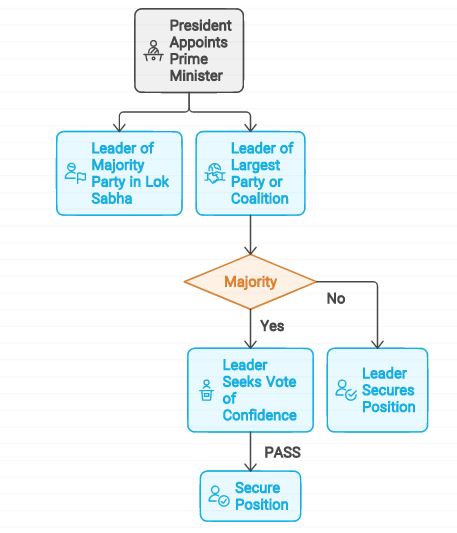
Article 75: It states that the President shall appoint the Prime Minister, who is usually the leader of the majority party in the Lok Sabha (House of the People).
Article 74: The Prime Minister is the head of the Council of Ministers and provides advice to the President on matters of governance.
Appointment of the Prime Minister
The appointment of the Prime Minister of India involves specific constitutional provisions supervised by the President. Key features related to the appointment of the Prime Minister as mentioned in the Constitution of India include:
The Prime Minister is appointed permanently by the President of India.
The President invites the leader of the majority party in the Lok Sabha to form the government.
If no political party holds a majority, the President can use discretionary powers to appoint the Prime Minister.
The President may invite the leader of the largest party or coalition to seek a vote of confidence from the Lok Sabha, with a tenure of about a month to secure this vote.
Position of Prime Minister in India’s Democratic set-up
Head of Government: The Prime Minister is the chief executive authority in the country, responsible for leading the government and overseeing the functioning of various ministries and departments.
Leader of the Council of Ministers: The Prime Minister is the leader of the Council of Ministers, which comprises cabinet ministers, ministers of state, and deputy ministers. They coordinate the activities of the government and guide policy decisions.
Advisor to the President: While the President of India is the head of state, the Prime Minister acts as the president’s chief advisor and assists in exercising executive powers.
Principal Link between President and Parliament: The Prime Minister communicates the decisions of the Council of Ministers to the President and represents the government in Parliament.
Symbol of Unity and Stability: The Prime Minister symbolizes the unity and stability of the country’s governance. They provide leadership and direction to the nation, fostering a sense of unity and purpose among the citizens.
International Representation: The Prime Minister represents India on the international stage and plays a significant role in foreign policy formulation. They engage in diplomatic relations, attend international summits, and represent India’s interests globally.
Crisis Management: During times of crisis, such as natural disasters, security threats, or economic challenges, the Prime Minister takes charge of crisis management efforts and leads the government’s response to address the situation.
Powers and Functions of the Prime Minister
The Indian Constitution outlines the powers and functions of the Prime Minister, who is appointed by the President and holds significant authority over the President, Council of Ministers, and parliamentary houses. These powers include:
Function Relative to the President: The Prime Minister serves as the main channel of communication between the President and the Council of Ministers, overseeing the administration of Union affairs and appointing key administrative officials.
Functions Relative to the Council of Ministers: The Prime Minister advises on the nomination and selection of Council Ministers, can allocate and shuffle ministerial departments, and has the authority to demand resignations from ministers. The resignation of the Prime Minister leads to the dissolution of the Council of Ministers.
Parliamentary Functions: The Prime Minister leads the lower parliamentary house (Lok Sabha), can suggest the dissolution of the Lok Sabha, and is responsible for announcing and introducing government policies in parliamentary sessions.
Miscellaneous Functions: The Prime Minister holds additional roles such as chairman of the National Water Resource Council, NITI Aayog, National Integration Council, Inter-State Council, and NDA, among others.
Appointment, Tenure, and Removal
Eligibility: According to Articles 84 and 75 of the Constitution of India, the Prime Minister must:
Be a citizen of India.
Be a member of the Lok Sabha or the Rajya Sabha, or become a member within six months of selection.
Be above 25 years of age if a Lok Sabha member, or above 30 years if a Rajya Sabha member.
Not hold any office of profit under the government of India or any state government.
Oaths of Office and Secrecy:
Before entering office, the Prime Minister must take an oath of office and secrecy in the presence of the President of India, as per the Third Schedule of the Constitution.
Tenure and Removal from Office:
The Prime Minister serves at the “pleasure of the President,” but must maintain the confidence of the Lok Sabha.
The term can end if a simple majority of Lok Sabha members no longer have confidence in the Prime Minister, known as a vote of no-confidence.
A Prime Minister can also resign from office. Morarji Desai was the first to do so while in office.
Additionally, ceasing to meet the qualifications under the Representation of the People Act, 1951, can lead to removal from office.
PYQ:
[2015] Consider the following statements:
The Executive Power of the union of India is vested in the Prime Minister.
The Prime Minister is the ex officio Chairman of the Civil Services Board.
Which of the statements given above is/are correct?
(a) 1 only
(b) 2 only
(c) Both 1 and 2
(d) Neither 1 nor 2
[2019] Consider the following statements:
The 44th Amendment to the Constitution of India introduced an Article placing the election of the Prime Minister beyond judicial review.
The Supreme Court of India struck down the 99th Amendment to the Constitution of India as being violative of the independence of judiciary.
Which of the statements given above is/are correct?
Mains: Q) From the resolution of contentious issues regarding the distribution of legislative powers by the courts, the ‘Principle of Federal Supremacy’ and ‘Harmonious Construction’ have emerged. Explain. (UPSC CSE 2019)
Q) Explain the rationale behind the Goods and Services Tax (Compensation to States) Act of 2017. How has COVID-19 impacted the GST compensation fund and created new federal tensions? (UPSC CSE 2020)
Prelims:
Q) Which one of the following in Indian polity is an essential feature that indicates that it is federal in character? (UPSC CSE 2021) (a) The independence of the judiciary is safeguarded. (b) The Union Legislature has elected representatives from constituent units. (c) The Union Cabinet can have elected representatives from regional parties. (d) The Fundamental Rights are enforceable by Courts of Law.
Note4Students:
Prelims: Co-perative federalism; NITI Aayog; GST System;
Mains: Federal Issues; Governance Issues; Regional Disparities;
Mentor comment: India is a vast and diverse country with different regions, cultures, and languages. To govern such a complex society, the Indian Constitution established a federal system of governance, dividing power between the central government and the states. This system is known as a quasi-federal system because it contains elements of both a federation and a union. Despite its importance, Indian federalism faces several challenges regional differences, centralized power, Economic insecurities for states, and communication barriers. These challenges can lead to issues like conflicts over resource allocation and decision-making.
There is a need for the even-handed treatment of all the States by the Centre and also less friction among the rich and poor States when proportionately more resources are transferred to poor States to keep rising inequality in check. The issue of governance, both at the Centre and in the States, needs to be flagged. It determines investment productivity and the pace of development. Corruption and cronyism lead to resources being wasted and a loss of social welfare.
Let’s learn.
–
Why in the News?
The results of the 2024 general election in India have led to a surprise, with regional parties performing well and set to share space in both the ruling and opposition benches in Parliament.
This development is expected to strengthen federalism, which has been fraying due to contentious Centre-State relations and the dominant Centre’s attempts to impose its will on the states.
The recent challenges faced by regional states:
Democratic Issues: The Opposition-ruled States have been complaining about stepmotherly treatment by the Centre. Protests have been held in Delhi and the State capitals.
There is a huge diversity among the States. For example, Assam is unlike Gujarat and Himachal Pradesh is very different from Tamil Nadu. A common approach is not conducive to the progress of such diverse States.
They need greater autonomy to address their issues in their unique ways.
Fiscal-Federal Issues:Kerala has complained about the inadequate transfer of resources, Karnataka about drought relief, and West Bengal about funds for the Mahatma Gandhi National Rural Employment Guarantee Scheme (MGNREGS).
The Supreme Court, expressing its helplessness, recently said that Centre-State issues need to be sorted out immediately.
About Co-operative Federalism: The Constitution of India does not explicitly contain the phrase ‘cooperative federalism,’ but the functioning of the governance and evolution of our Constitution implicitly resulted in building ‘cooperative federalism.’
Significance of Cooperative Federalism:
Need for Robust Institutions and Mechanisms:
Revenue has to be raised through taxes, non-tax sources, and borrowings. The Centre has been given a predominant role in raising resources due to its efficiency in collecting taxes centrally.
Among the major taxes, personal income tax (PIT), corporation tax, customs duty, and excise duty are collected by the Centre. So, the Centre controls most of the resources, and they have to be devolved to the States to enable them to fulfill their responsibilities.
Need for Promoting Intergovernmental Relations:
The Centre-State relations in India are plagued by inter-state tussles and resource disparities. The Finance Commission’s efforts to devolve funds proportionally to poorer States have been unsuccessful, leading to resentment from richer States.
The Centre’s allocation of resources, including expenditures and schemes, can be used to play politics and favor certain States, undermining Federalism and Autonomy.
Initiatives taken by the Government:
NITI Aayog:
NITI Aayog acts as the quintessential platform for the Government of India by bringing States together as ‘Team India’ to work towards the national development agenda.
NITI has also established models and programs for the development of infrastructure and to reignite and establish private-public partnerships, such as the Centre-state partnership model Development Support Services to States and Union Territories (DSSS) and the Sustainable Action for Transforming Human Capital (SATH) program.
Goods and Service Tax (GST) System:
The 101st Amendment to the Constitution, which introduced the GST regime, is a watershed moment in the evolution of cooperative Federalism as enshrined in the Constitution of India.
Before the implementation of GST, the Indian taxation system was a medley of Central, State, and Local area levies.
Judicial Contribution for Co-operative Federalism:
In the case of State of Rajasthan v Union of India (1977) which some state governments brought against the Janata government’s dissolution of state legislatures, the Supreme Court upheld its right to strike down a proclamation imposing the President’s rule if the action was mala fide or irrelevant considerations.
It was held that the ‘maintenance of democratic norms’ could not be regarded as an irrelevant ground for the exercise of the power of proclamation. Since then, the Indian model of federalism has been predominantly ‘cooperative’ as laid down by the Supreme Court in 1977.
Recommendations by Sarkaria Commission on Federalism (1988):
* The Indian government constituted the Sarkaria Commission in 1983 mainly created to explore the relationship between the states and the central government. * The Sarkaria Commission did not favor structural changes and regarded the existing constitutional principles and arrangements relating to the instructions as sound. However, it emphasized the need for changes in the functional or operational aspects. * It discusses the relations between the states and the center by the 8th to 12th Finance Commissions to maintain the dependence on several funds from the center.
Way Forward:
The Sixteenth Finance Commission has begun work, aiming to strengthen federalism and address the fraying of Centre-State relations.
It should ensure even-handed treatment of all states, proportionate resource transfers to poorer states, and reduce Centre domination over states.
To reduce the domination of the Centre over the States, the devolution of resources from the Centre to the States could be raised substantially from its current level of 41%.
For example, the Public Distribution System or MGNREGS are joint scheme, but the Centre asserts that it be given credit. It has penalized States that have not done so.
Q The public health system has limitations in providing universal health coverage. Do you think that the private sector can help in bridging the gap? What other viable alternatives do you suggest? (UPSC IAS/2015)
Q In order to enhance the prospects of social development, sound and adequate health care policies are needed particularly in the fields of geriatric and maternal health care. Discuss. (UPSC IAS/2020)
Mentors comment: In the last week of May, a tragic fire at a private neonatal care nursing home in New Delhi shocked everyone. Political parties started blaming each other, and the media exaggerated by incorrectly claiming that many nursing homes in Delhi operate without a license. Despite the intense media coverage, the incident has been largely forgotten, leaving the grieving parents behind. Instead of focusing on who to blame, it’s important to recognize that such tragedies are usually the result of systemic failures—in this case, the failure of health-care regulations.
Let’s learn–
Why in the news?
Health regulations are crucial, but their implementation in India needs to be thoughtful and carefully balanced.
Regulation and standards in the Indian health care system
Excessive and Complex Regulations: Some states have over 50 approvals required under multiple regulations for each healthcare facility, creating a bureaucratic burden. Despite the complexity, there is a perception among officials that the private health sector is under-regulated.
Unrealistic Standards: Many healthcare quality standards set by the government, such as those in the Clinical Establishments (Registration and Regulation) Act, 2010, and the Indian Public Health Standards (IPHS), are considered unrealistic and difficult to implement. Only a small percentage of government primary healthcare facilities meet these standards despite their aspirational goals.
Mixed health-care system in India
Diverse Healthcare Providers: India’s healthcare system includes both government and private sector providers, ranging from single-doctor clinics and small nursing homes to large corporate hospitals, each serving different population segments.
Dominance of Private Sector: The private sector delivers approximately 70% of outpatient services and 50% of inpatient services, indicating a significant reliance on private facilities for health care by the Indian population.
Regulatory and Quality Challenges: There are disparities in regulation enforcement and quality standards between the private and government sectors, with issues such as approval delays, cost of compliance, and ensuring consistent quality care across diverse facilities.
Challenges related to mixed health-care system
Regulatory Disparities: Uneven enforcement of regulations between private and government health facilities. Overzealous regulation of private facilities while government facilities face fewer consequences for similar infractions.
Approval Delays: Sluggish approval processes for private facilities, causing operational delays and financial strain. Long waiting periods for renewal applications, even when submitted well in advance.
Cost and Accessibility: High cost of services in large corporate hospitals compared to smaller clinics and nursing homes. Limited accessibility of government facilities for certain populations, despite being free or low-cost.
Differential Standards: Impractical to hold small clinics and nursing homes to the same standards as large hospitals. Need for a tiered approach to regulation, with essential and desirable standards based on facility type.
Financial Burden: High cost of compliance with regulations for smaller facilities, potentially making health services unaffordable for patients. The a need for government subsidies or funding to help smaller providers meet regulatory standards without increasing costs for patients.
Stakeholder Involvement: Insufficient involvement of health-care providers, facility owners, and community members in the formulation of regulations. Lack of representation from various types of facilities in regulatory processes.
Public Perception and Trust: Political rhetoric and sensational media coverage undermining trust in health-care providers. Potential for increased violence against health-care providers due to public mistrust.
Infrastructure and Safety: Inconsistent emphasis on essential safety measures like fire safety across facilities. Need for equitable implementation of safety standards in all healthcare buildings.
Affordable care is one need
Role of Small Providers: Single doctor clinics and small nursing homes are crucial for providing initial access and health services, particularly for middle-income and low-income populations. These smaller providers deliver a significant portion of health services at a lower cost compared to large corporate hospitals.
Supportive Regulations: There is a need for regulations that support small providers to keep healthcare costs low and affordable. Guidelines should be practical and implementable, harmonizing multiple regulations and simplifying the application process with timely approval.
Differential Approach: Regulations should recognize the different capabilities of various health facilities. Smaller clinics and nursing homes should not be held to the same standards as large hospitals to avoid escalating costs that could be transferred to patients. Essential and desirable regulatory points should be established, with regular self-assessments and inspections to ensure compliance.
Government subsidies and funding should be considered to help smaller facilities adhere to necessary regulations without increasing costs for patients.
Why do we need to Focus on the primary caregivers?
Accessibility and Affordability: Single-doctor clinics and small nursing homes provide essential health services at a lower cost, making health care more accessible and affordable for middle-income and low-income populations.
Primary Care Foundation: Promoting primary care helps manage health issues early, reducing the burden on secondary and tertiary care facilities and supporting the goals of the National Health Policy, 2017, for people-centric, accessible, and affordable health services.
Sustainable Support: Simplified, fair, and collaborative regulatory processes, along with government subsidies, can help primary-care providers operate effectively, ensuring quality and safety without escalating costs for patients.
Conclusion: Primary health care is crucial for achieving the SDG goal of universal health coverage by providing accessible, affordable, and quality health services, thus reducing the burden on higher-level care facilities and promoting overall health equity.
![[10 June 2024] The Hindu Op-ed: The Bareilly case and a flawed criminal justice system](https://www.civilsdaily.com/wp-content/uploads/2024/06/10-June-1568x882.jpg)
![[8 June 2024] The Hindu Op-ed: The Centre is notional, the States the real entities](https://www.civilsdaily.com/wp-content/uploads/2024/06/8-June-1568x882.jpg)
![[7th June 2024] The Hindu Op-ed: Health regulations need a base-to-top approach](https://www.civilsdaily.com/wp-content/uploads/2024/06/7-June-2nd-1568x882.jpg)