The SDGs recognise energy as a foundational driver of human development. SDG-7 emphasises ensuring affordable, reliable, sustainable and modern energy for all.
Importance of Energy for SDGs
SDG 1 & 2 – Affordable energy reduces poverty and improves food security through irrigation, cold chains. Eg- Solar pumps under PM-KUSUM
SDG 3 – Clean cooking reduces indoor air pollution and respiratory diseases. Eg- 10 Cr LPG connections under PM Ujjwala
SDG 4 – Electrification improves learning outcomes and digital access. Eg- Electrification of over 1 lakh schools under Saubhagya Scheme
SDG 8 – Creates green jobs and boosts industrial productivity. Eg- India’s renewable industry employs over 3.7 lakh workers
SDG 9 – Supports innovation and sustainable infrastructure. Eg- Green Hydrogen Mission
SDG 10 – Reduces inequality through universal access. Eg- Rural electrification through DDU Gram Jyoti Yojana
SDG 13 – Clean energy drives climate change mitigation.
SDG 5 – Clean cooking reduces drudgery of women and improves participation in the workforce.
Progress Made by India in Energy
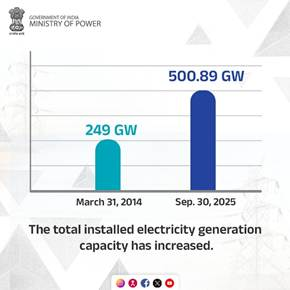
Clean Cooking Energy – PM-Ujjwala raised LPG coverage to 99% of households.
Renewable Energy Expansion
India ranks 4th globally in renewable capacity.
244+ GW installed RE capacity (50% of total demand)
Energy Efficiency Gains- PAT, BEE standards saved significant electricity and reduced CO₂ emissions.
Global Leadership
International Solar Alliance (ISA) promotes global solar cooperation.
Coalition for Disaster Resilient Infrastructure (CDRI) integrates climate-resilient energy systems.
New Technologies – National Green Hydrogen Mission to produce 5 MMT of green hydrogen by 2030.
Updated NDC Commitments
45% reduction in emission intensity of GDP by 2030.
50% electricity from non-fossil sources.
Net Zero by 2070.
Challenges
Import Dependency: over 85% of its crude oil and 50% of its natural gas
Financing Needs: $160 billion per year to meet 2070 goal ((IEA)).
Rising Energy Demand: double by 2040
High DISCOM losses affect reliable supply.
Affordability concerns – rising LPG refill prices.
Land acquisition issues for solar/wind parks.
Going forward, technology integration, financial reforms, domestic manufacturing, and a just transition is needed for Energy Security.