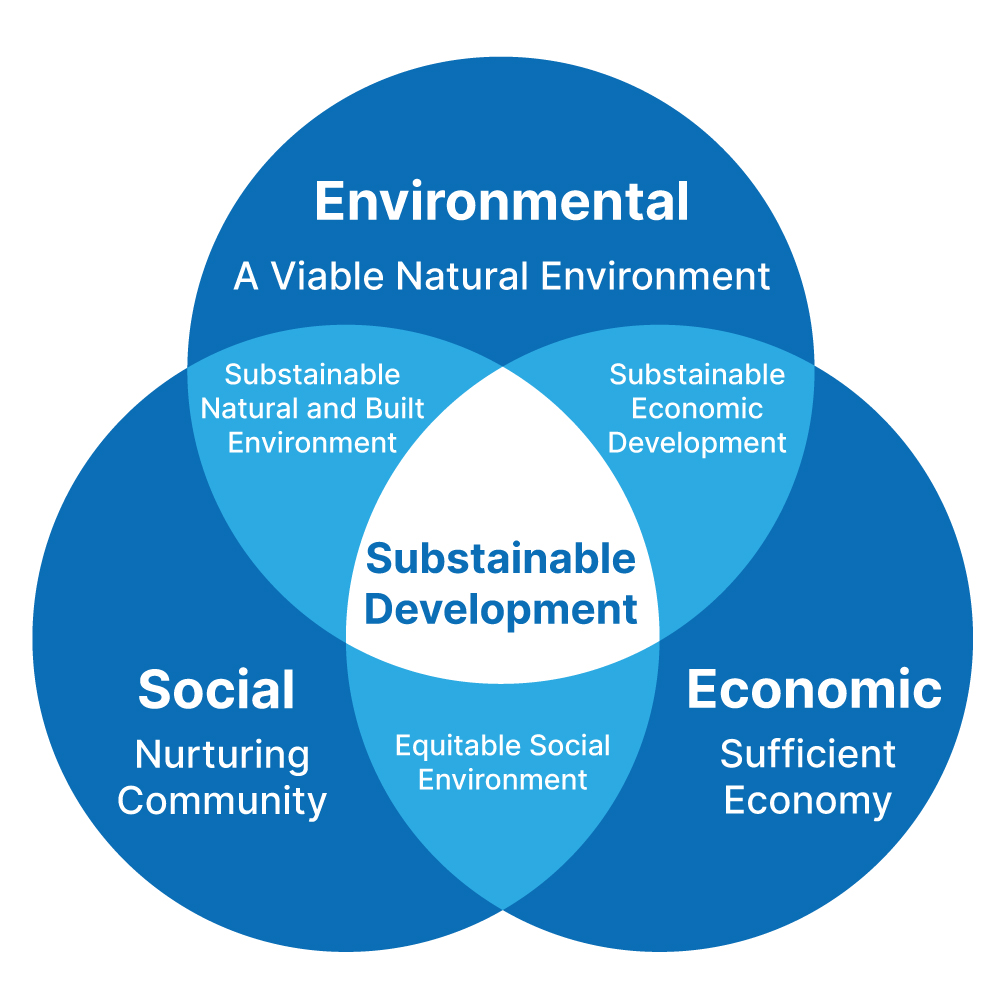
Sustainable development refers to a development path that meets the needs of the present without compromising the ability of future generations to meet their own needs (Brundtland Commission).
Emphasis on environmental protection coming into conflict with poor people needs
The poor depend directly on forests, rivers, and commons. They lose their livelihood due to strict conservation rules. Eg- protest by Jenu Kuruba tribe against expansion of “Core Areas” in Nagarhole tiger reserve
Environmental bans affect subsistence livelihoods. Eg- ban on single-use plastics has disproportionately impacted street vendors
Higher Cost of Green Alternatives – Eg- high initial cost of Solar pumps makes it unaffordable for small farmers
Energy Transition Costs- closure of mines in the “coal belt” (Jharkhand/Odisha) threatens the informal livelihoods of nearly 15-20 million people linked to the coal economy.
Urban Environmental Regulations – Closure of polluting units affects migrant workers.
Fishing communities impacted by coastal regulation norms. Eg- Limitations under Coastal Regulation Zone (CRZ) rules.
Unequal Burden of Environmental Compliance – Eg- Sand mining restrictions affecting daily-wage workers.
Agricultural Restrictions- Policies discouraging water-intensive crops impact marginal farmers more as they lack capital to shift to high-value horticulture.
Eco-restoration projects, such as clearing the Yamuna floodplains in Delhi, result in the demolition of informal settlements without adequate “Just Transition” housing.
Shift from biomass to LPG under the ujjwala scheme reduced indoor pollution, but high refill costs force rural households back to firewood.
Counter argument – benefits sustainable growth with emphasis on environmental protection for poor
Disaster Risk Reduction – Environmental safeguards prevent loss of lives and assets. Eg- Protecting mangroves and wetlands saved thousands of lives during Odisha Cyclones.
Public Health Gains – Cleaner air and water reduce disease burden and Out-of-Pocket Expenditure (OOPE) for the poor.
Sustainable management secures long-term livelihoods. Eg- Watershed development improving water security.
Green Livelihood Creation – Jobs in renewable energy, afforestation, waste management. Eg- “Suryamitra” schemes
Sustainable agriculture improves resilience. Eg- solar pumps under PM-KUSUM scheme
Water Security- Jal Jeevan Mission and watershed management under MGNREGA have improved groundwater levels, directly benefiting rain-fed marginal farmers.
Energy Access with Sustainability – Eg- Solar lighting in off-grid rural areas.
Intergenerational Equity – Unsustainable growth harms future poor the most.
Legal Empowerment of Communities – Rights-based conservation models. Eg- Community forest management under forest rights Act
Eco-Tourism- In places like Kaziranga, community-led tourism has provided a “conservation dividend” to local tribes.
Global Finance- Eg- Green Bonds to fund low-cost housing and clean transport for the urban poor
Way Forward
Strengthening grassroot governance – Eg- ensuring fair, prior and informed consent of Gram Sabha in tribal areas
Implementing RECLAIM framework to ensure sustainable, community-centric mine closures and “just transition” for communities
Community-Led Conservation (The Nagaland Model) – Replicate Nagaland’s 407+ Community Biodiversity Conservation Areas (CCAs)
Scaling “Green Subsidies” through DBT. Eg- “Refill Subsidy” for Ujjwala users
Universalizing Climate-Resilient Agriculture – Expand PM-PRANAM (Natural Farming)
Institutionalizing “Social Impact Credits” in Carbon Markets
Ensure that the Blue Economy Policy protects the “First Right of Access” for traditional fisherfolk.
As Indira Gandhi stated at the 1972 Stockholm Conference, “Poverty is the greatest polluter.” Thus, there is need to shifted toward a “Just Transition,” where environmental protection is pro-poor and poverty alleviation is ecologically sustainable.