Inclusive growth and sustainable development emphasise fair distribution of opportunities, resources, and benefits both within the present generation and across future generations.
Intra-Generational Equity issues (Equity Within the Present Generation)
Income and Wealth Inequality – the top 1% of adults in India control almost 40% of net personal wealth. (World Inequality Report)
Social Exclusion – Caste, gender, disability, and minority identity restrict access to education, jobs, assets. Eg- Glass Ceiling for Women
Poorer communities face greater vulnerability to pollution, floods, heatwaves, violating equity. Eg- Disaster induced migration
Regional disparities – Eg- BIMARU States lag behind national averages in health, education and income.
Low female labour force participation (41% vs 48% global average) limits inclusive access to economic opportunities.
Inter-Generational Equity issues (Equity Across Future Generations)
Climate change burden on future generations – Eg- Rising sea levels threatening the survival of low-lying island countries.
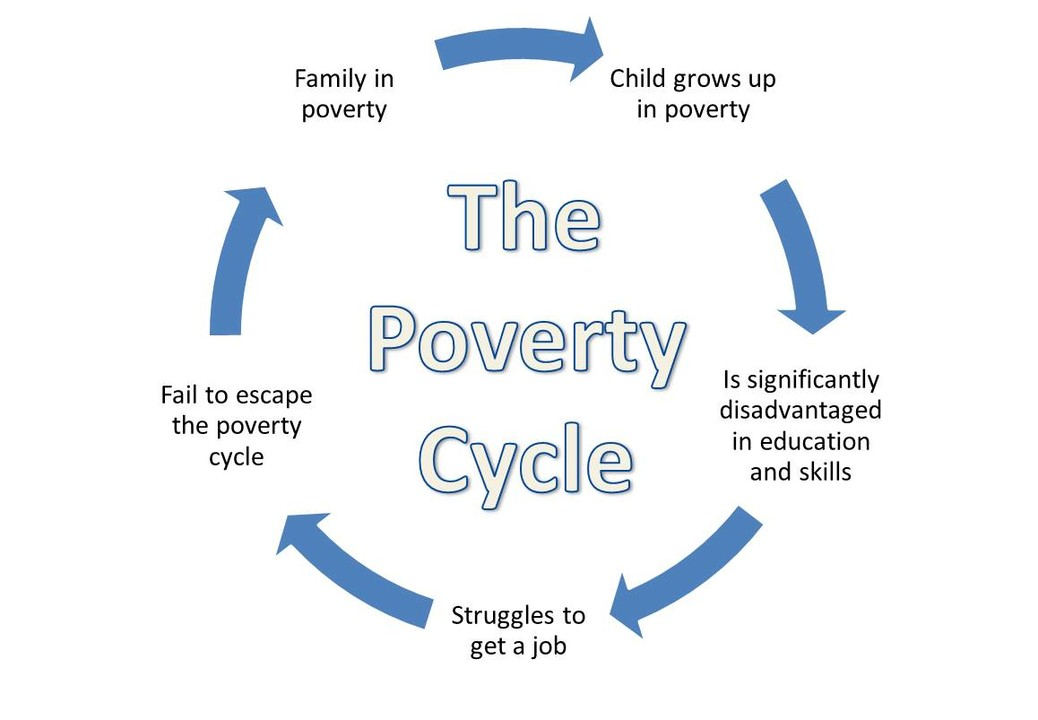
Low social mobility- Eg – India ranks 76th in the Global Social Mobility Index (WEF), indicating persistence of inequality across generations.
Failing to invest in research, innovation, and human capital reduces competitiveness of future generations. (R&D investment only 0.7% of GDP)
Fiscal Burden – Unsustainable borrowing today limits fiscal space for future welfare and development spending.
Way Forward
Capability Approach (Amartya Sen) – increase Education and health spending to 6% and 2.5% of GDP respectively
Strengthen progressive taxes, wealth taxes and targeted subsidies to reduce income inequality and expand welfare spending.
Align national policies with Paris Agreement targets
Universalise social security, pensions, maternity benefits, and unemployment allowance
A nexus approach towards sustainability and inclusiveness is needed for ‘Sabka Saath, Sabka Vikas.’