The crisis of climate change is fundamentally a crisis of values. It is the product of pursuing material progress by disregarding planetary boundaries.
Global Level- Systemic Harmonization
Decarbonization of Global Trade- Eg- taxing products imported from high-pollution regions
Climate Finance Mobilization- Fulfilling the $100 billion annual commitment by developed countries
Protection of global commons – Eg- early finalization of Global Plastic Treaty to protect oceans
Government Level- act as the “Architect of Sustainability”
Rights of Nature Legislation- Formally granting legal personhood to major rivers, mountains, and forests. Eg- Ganga in india
Energy Transition under Panchamrit Targets- 500 GW from non-fossil sources by 2030.
Green Urban Planning- Developing “Sponge Cities” with permeable pavements and urban wetlands to manage flooding and “Heat Island” effects.
Business Level
Adopting Net-Zero Roadmaps- Measuring and reducing Scope 1, 2, and 3 emissions
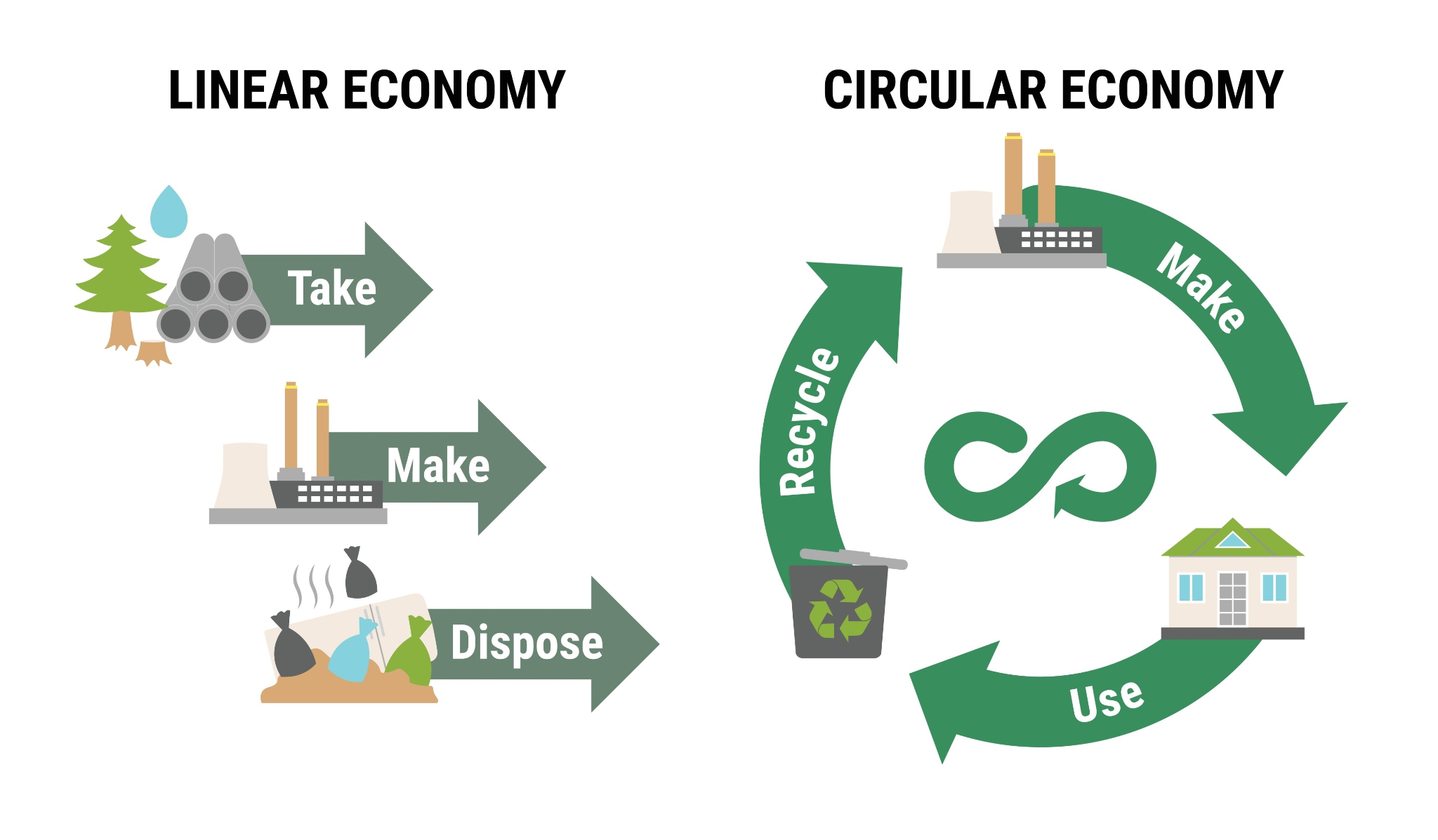
Product Stewardship- Designing products that can be easily repaired or recycled
ESG Integration in investment decisions, recognizing that “Sustainability is a Competitive Advantage.”
Supply Chain Decarbonization- ensuring that raw materials are sourced ethically and without deforestation.
Bio-Inclusive Boardrooms- Eg- “Ecological Representative” or “Voice for Future Generations” on corporate boards
Society Level- Cultural Re-engineering
Mainstreaming “Environmentalism of the Poor”- Eg- Chipko or Appico movements where local tribes are the primary guardians of forests.
Moving from “Environmental Science” to “Environmental Ethics” in school and college curricula
Community-Led Restoration- Eg- volunteer movements for cleaning coastlines or planting “Miyawaki” urban forests.
Citizen Level- LiFE (Lifestyle for Environment) movement
Mindful Consumption through ethical restraint
Switching from a “throwaway culture” to one of repair and reuse
lifestyle of “Enoughness”-voluntarily limiting consumption
“Pro-Planet” dietary Shift to protect water and soil. Eg- millet-based diets
Energy Citizenship- Transitioning to rooftop solar and adopting energy-efficient appliances (LEDs/BLDC fans).
Waste Segregation at Source- helps 100% composting or recycling at the municipal level.
Green Mobility- Preferring public transport, cycling, or Electric Vehicles (EVs)
By applying the Precautionary Principle to our technology and Intergenerational Equity to our economy, we can move to the trajectory of “Great Restoration.”