Social re-engineering refers to the deliberate attempt to transform social structures, behaviors, and cultural norms to achieve a more equitable society. Civil servants act as a “facilitator” of this change.
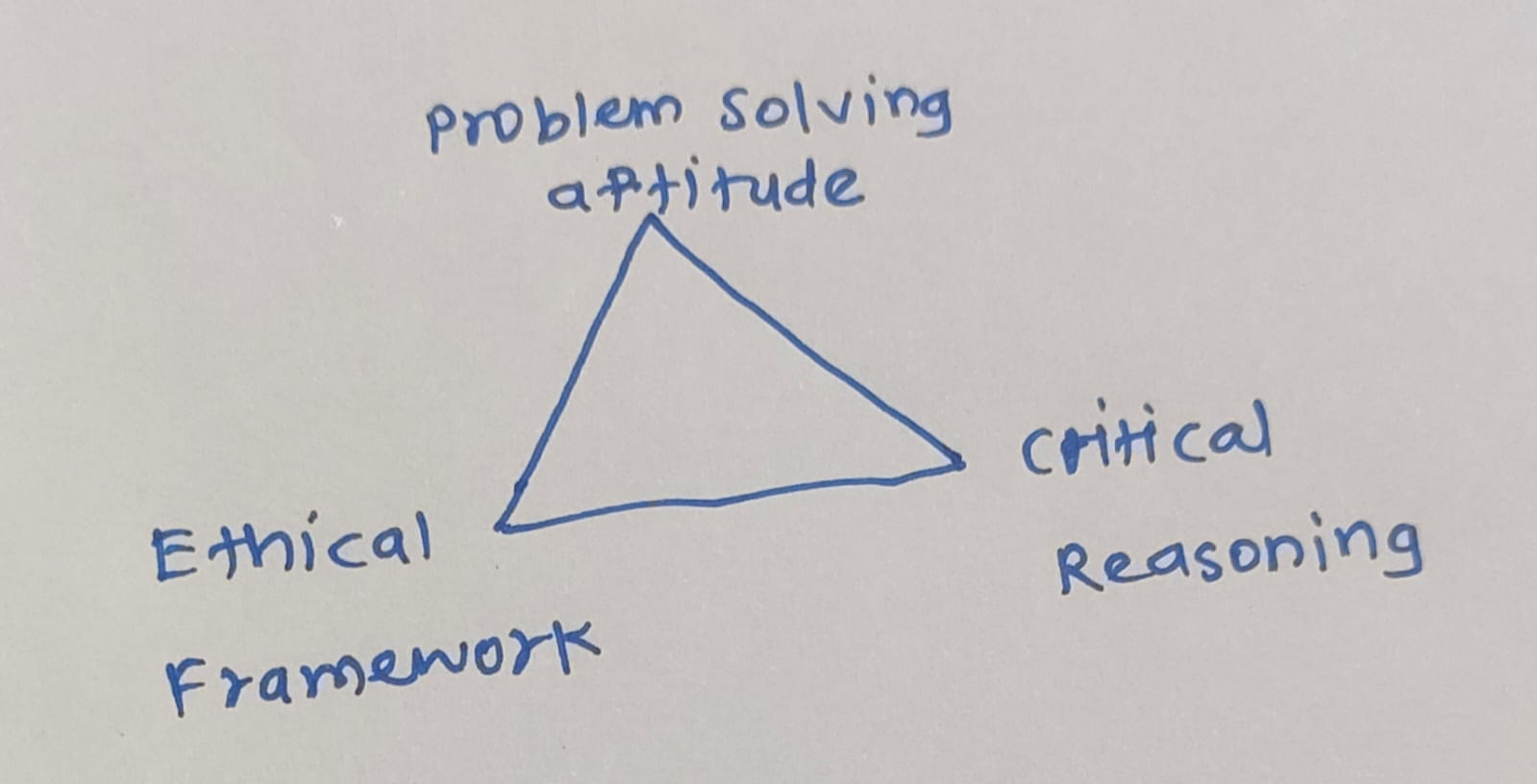
Need for reason and critical thinking in an ethical framework for successful social engineering
Diagnose real problems, not symptoms – Eg- Nutrition deficits need diet diversity, not only calories.
Build public trust and legitimacy. Eg- Transparent DBT reduced leakage and improved targeting.
Uphold constitutional morality over social morality. Eg- conditional cash transfer under “Kanyashree” scheme improved efficiency.
Design context-specific solutions. Eg- Jal Jeevan Mission adapted to local water sources.
Avoid one-size-fits-all policies. Eg- location specific housing designs under PM Awas.
Prevent unintended harm. Eg- advising against loan waivers to avoid moral hazard.
Balancing competing values. Eg- balancing efficiency and privacy in Aadhaar.
Ensure bottoms up planning. Eg- fair, prior and informed consent of Gram Sabha under PESA.
Prevent elite capture of policy. Eg- Social audits in MGNREGA.
Promote behavioural change, not just compliance. Eg- Gandhigiri in SBM – giving flowers for open defecation.
Ensure sustainability (intergenerational justice). Eg- PM-PRANAM to promote organic farming
Protect rights while delivering welfare. Eg- Consent-based data use in health IDs.
Social transformation requires critical reasoning to design effective interventions and ethical grounding to ensure justice, dignity and inclusion.