The Cabinet system, a legacy of the British parliamentary model, is based on the principle of collective responsibility of the executive to the Legislature. However, the growth of the Cabinet system has concentrated power in the hands of the Prime Minister and Council of Ministers.
Cabinet System Marginalising Parliamentary Supremacy
Party Whip curtails independence of MPs, limiting free deliberation.
Ordinance Power (Articles 123 & 213) bypasses legislative scrutiny.
Prime Ministerial Supremacy due to centralisation of authority in PMO.
Decline of Private Members’ Bills – The last such Bill was passed in 1970.
Weak Legislative Scrutiny – Increasing absenteeism, fewer sittings, and guillotining of Demands for Grants.
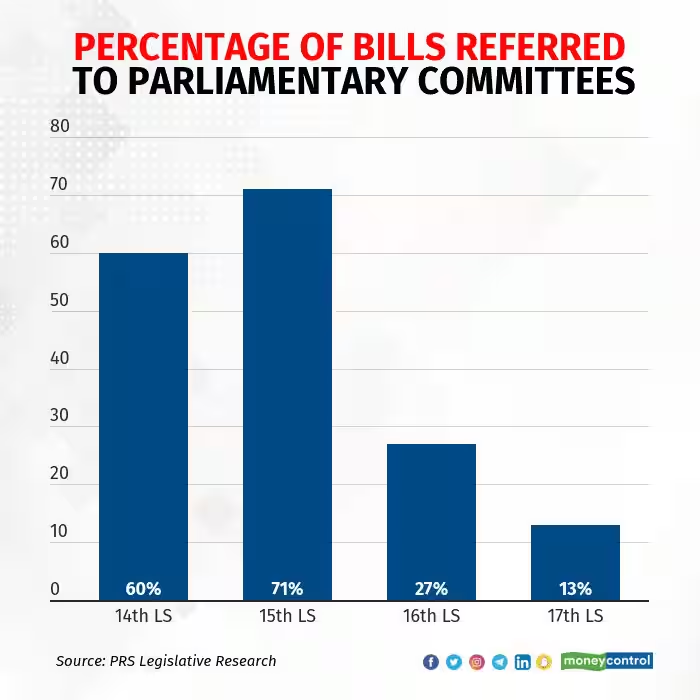
Decline of parliamentary Committees have weakened executive accountability.
Coalition Politics results in bargaining politics instead of genuine legislative oversight.
However, parliamentary control over executive can also be seen
Executive Accountability – collective responsibility to Parliament under Article 75(3).
Financial Oversight – Finance committees scrutinise government expenditure. Eg- PAC review of GST framework
Budgetary Control (Art. 112) through Demands for Grants, and Appropriation Acts.
Opposition’s Role – Eg- Farm Laws withdrawal.
Role in Foreign Policy – Eg- debate on Civil Nuclear Deal with the US.
Way Forward
Publish Annual Parliamentary Calendar (NCRWC)
Adopt Shadow Cabinet Model of UK, to institutionalise constructive opposition oversight.
Allocate fixed time for Private Members’ Bills and Questions.
Mandatory referral of Bill to Committees (UK system)
“Parliament is the keystone of the democratic arch.” – Harold Laski
For a resilient democracy, Parliament must function as the centre of deliberation and control, not as a department of the executive.