Employees of the Indian Council of Social Science Research (ICSSR) institutions have expressed concerns over the delay in revising their pay scales.
Aboutthe Indian Council of Social Science Research (ICSSR):
Details
Establishment
It was established as an Autonomous organization, in 1969 on the recommendation of Prof. V. K. R. V. Rao Committee (National Income Committee).
Nodal Ministry
Operates under the Ministry of Education.
Function
Promote, fund, and support social science research in India.
Objectives
• Encourage social science research
• Fund and coordinate research in various branches
• Collaborate with international research organizations
• Provide policy recommendations based on research
Organizational Structure
It is governed by a Council of eminent scholars and policymakers, supported by 24 research institutes and 6 regional centers.
Research Institutes
Funds institutes such as:
• Centre for Development Studies (CDS), Thiruvananthapuram
• Institute for Social and Economic Change (ISEC), Bengaluru
• Centre for Studies in Social Sciences (CSSS), Kolkata
• Gokhale Institute of Politics and Economics (GIPE), Pune
Key Programs and Initiatives
• ICSSR Data Service: National repository for social science data
• NASSDOC: Documentation and library services
• Workshops and conferences to enhance research capabilities
International Collaboration
Collaborates with organizations like UNESCO and the Indian Council of World Affairs for joint projects and scholar exchanges.
PYQ:
[2013] Which of the following bodies is/are not mentioned in the Indian Constitution?
1. National Development Council
2. Planning Commission
3. Zonal Councils
Select the correct answer using the codes given below:
Q) How does biodiversity vary in India? How is the Biological Diversity Act,2002 helpful in conservation of flora and fauna? (UPSC CSE 2018)
Q) How can the mountain ecosystem be restored from the negative impact of development initiatives and tourism? (UPSC CSE 2019)
Q) Examine the status of forest resources of India and its resultant impact on climate change. (UPSC CSE 2020)
Mentor’s Comment:The Nilgiri Biosphere Reserve, a region in southern India, is celebrated for its rich biodiversity and unique ecosystems. However, it faces significant environmental challenges that threaten its ecological balance and the livelihoods of local communities.
Today’s editorial explores the pressing issues surrounding the Nilgiris as a shared wilderness, emphasizing the need for sustainable practices and community involvement in conservation efforts.
_
Let’s learn!
Why in the News?
Experts at a recent conference emphasized the urgent need for community involvement in restoration efforts within the Nilgiri Biosphere Reserve (NBR).
They highlighted threats such as invasive species, unregulated tourism, and land use changes that have disrupted the ecological balance.
About the Nilgiri Biosphere Reserve (NBR):
• Located in the Western Ghats of southern India, it is a critical ecological zone renowned for its rich biodiversity and unique ecosystems. • Established in 1986, it was the first biosphere reserve in India and is recognized under UNESCO’s Man and the Biosphere Programme. • The NBR spans parts of Tamil Nadu, Kerala, and Karnataka, making it a significant area for conservation efforts.
Significance: • The diverse vegetation types, ranging from tropical evergreen forests to montane sholas and grasslands, contribute to the region’s ecological richness. • It supports many endangered species like the Nilgiri Tahr and Lion-tailed Macaque. • The region’s forests are crucial for watershed management, helping to regulate water flow and maintain water quality for millions of people living downstream. • The forests within the NBR act as carbon sinks, absorbing CO2 from the atmosphere and helping mitigate climate change effects.
What are the ecological challenges facing the Nilgiris?
Habitat Loss: Non-native plants like Lantana and Eucalyptus are taking over, outcompeting local flora and harming wildlife habitats.
Urbanization and agricultural expansion (like tea and coffee plantations) are destroying natural landscapes, leading to fragmentation of wildlife habitats.
Climate Change: Altered weather patterns are affecting plant and animal distributions, causing shifts in biodiversity and increasing soil erosion.
Unregulated Tourism: Increased tourist activity is causing littering and habitat disturbance, putting pressure on sensitive ecosystems.
As humans expand into wildlife areas, Human-animal conflicts arise, especially with elephants raiding crops, leading to retaliatory actions.
Illegal Activities: Poaching and illegal logging threaten the region’s biodiversity, particularly valuable species like sandalwood.
How do indigenous communities interact with and contribute to the conservation of the Nilgiris?
Traditional Knowledge: Indigenous peoples have deep knowledge about local plants and animals, helping them manage resources sustainably.
For example, Their traditional farming methods, such as rotational agriculture, promote ecological balance and help maintain wildlife habitats.
Sustainable Practices: Many rely on non-timber forest products (like honey and medicinal plants) and practice eco-friendly agriculture, which supports both their livelihoods and biodiversity.
Indigenous groups actively participate in conservation projects, such as restoring degraded areas and managing invasive species.
Advocacy: Indigenous leaders advocate for their rights to land and resources, emphasizing their role as protectors of the environment.
They pass down traditional knowledge to younger generations through workshops, ensuring that conservation practices continue.
What policies or initiatives are necessary to balance development and conservation in the Nilgiris?
Carbon Neutral Initiatives: Need to encourage eco-friendly tourism practices, such as cycling tours and car-free pathways, to reduce vehicular traffic and pollution.
Community Involvement: Facilitate the development of sustainable livelihoods that align with conservation goals, such as harvesting non-timber forest products. Their traditional knowledge can guide sustainable practices and restoration activities.
Regulation of Development Activities: State governments needs to enforce stringent regulations on construction activities to prevent encroachments and protect wetlands and other sensitive areas.
Restoration Projects: Need to develop programs that focus on restoring degraded habitats, such as montane grasslands and shola forests, which are critical for biodiversity.
Water Resource Protection: Need to implement measures to safeguard water bodies from pollution and encroachment, recognizing that the Nilgiris are vital water sources for surrounding regions.
For example, restoring wetland areas that have been converted for agriculture or development, enhancing their capacity to retain water and support biodiversity.
Way Forward: By recognizing the interconnectedness of culture and ecology, there is potential to develop sustainable practices that honor both the natural environment and the rich heritage of its inhabitants. The path forward lies in fostering collaboration and promoting awareness about the importance of conserving this unique biosphere for future generations.
Read about AIR-79′ Eshani Anand’s UPSCPreparationJourney
“Hi, I’m Ishani, AIR 79 in UPSC 2023. My journey was as much about personal growth as academic preparation. Initially, I followed conventional methods, but after my first prelims attempt, I realised the exam demanded a deeper self-awareness. Inspired by my father’s work in bureaucracy, I prioritised emotional intelligence, empathy, and resilience. I developed my own strategies, like a ‘cookie jar’ of small achievements for motivation, and stayed grounded through supportive friends, journaling, and hobbies. This journey taught me that success comes from authenticity, adaptability, and continuous learning.”
Join me for a Zoom session on Nov 04th, 2024, at 7:00 p.m. It’s for everyone, whether you’re new to UPSC or you’ve tried before but are targeting a Top 50 rank in UPSC 2026.
In the session, we will discuss how to start and strategize your prep for UPSC 2026. I will share a precise stepwise study plan and approach for a top 50 rank. I will also discuss the philosophy of UPSC prep, what UPSC expects, and how you should adapt to meet those expectations.
We will deal with all the aspects for a comprehensive UPSC preparation.
We’ll talk about starting with the basics, NCERTs that aren’t just textbooks but your foundation stones. You will have to complement this with a disciplined approach to reading newspapers and covering CA. It’s not about skimming through; it’s about understanding the world around you, which is crucial for both Prelims and Mains.
Gradually how to progress to standard books, but do so with a strategy. You don’t just read; you analyze and understand. And here’s where the mindset plays a massive role. Transforming from an aspirant to a top ranker isn’t just about hard work but smart work, the right attitude, and persistence.
Focus on mastering answer writing should be from early on. Your notes should be concise, clear, and, most importantly, useful. You have to learn to weave current affairs with static portions seamlessly. This isn’t just preparation; it’s about building a habit, a discipline that will stand you in good stead for UPSC and life.
I’ve talked to thousands of UPSC hopefuls on YouTube and through Civilsdaily. I know what you’re up against because I’ve been there. In this webinar, I’ll also share my notes with you.
I genuinely believe std. resources and mock tests are not enough now to get a rank in UPSC CSE.
One must consider the overall preparation strategy and how he/she will approach the exam.
Now you need to define the exact plan.
This thinking gives you an edge over others in the exam. You become relaxed and confident throughout the journey, which is otherwise filled with lots of daily anxiety, fear, and uncertainty.
This Sunday, I am coming to help you create your own preparation plan, especially if you are a beginner. You must attend this.
My masterclass will be a reality check on modern-day UPSC prep. Not just my book list and strategy but also my inputs on your current strategy shared with you over our private Zoom meeting.”
Join me on 04th Nov, at 7 PM, for an exclusive webinar on UPSC 2026 preparation roadmap and how toperform at the alpha level in your very first attempt.
It will be a practical webinar and here’s what we will be discussing:
Micro Timetable for 2026 &How should an absolute beginner start his/ her UPSC 2026 prep? What are the high yielding areas that are quick to conquer and necessary to master.
Important Micro-themes for GS Papers (Absolute negotiable for every beginner) – If you miss mastering these, forget your rank, you will risk even your mental health – so get them right
Note-Making and Answer Writing & UPSC PYQs to show the difference between a beginner vs. a ranker’s attempt to the same question.
It will be a 45 minute webinar, post which we will open up the floor for all kinds of queries which a beginner must have. No questions are taboo and Eshani mam is known to be patiently solving all your doubts.
Join us for a Zoom session on 04th Nov 2024 at 7:00 p.m. This session is a must-attend for you If you are attempting UPSC for the first time or have attempted earlier and now preparing for next year, then it is going to be a valuable session for you too.
We will deal with all the aspects for a comprehensive UPSC Preparation.We’ll talk about starting with the basics, and move to advanced level.
See you in the session”
Register for the session for a focussed UPSC 2026 Prep
(Don’t wait—the next webinar won’t be until Dec 24)
These masterclasses are packed with value. They are conducted in private with a closed community. We rarely open these webinars for everyone for free. This time we are keeping it for 300 seats only.
Scientists have used LiDAR technology to find an ancient Mayan city hidden for centuries under a thick jungle in Mexico.
What is LiDAR?
LiDAR (Light Detection and Ranging) is a remote sensing technology that uses laser light pulses to measure distances between a sensor (often airborne) and Earth’s surface.
It produces high-resolution, 3D models of ground elevation with up to 10 cm vertical accuracy, as per the US Geological Survey.
How Does LiDAR Work?
LiDAR Setup: Includes a laser, a scanner, and a GPS receiver. The laser emits rapid pulses of light that reflect off surfaces on the ground, including natural features and man-made structures.
Data Collection: The reflected light returns to the sensor, and the LiDAR system calculates the two-way travel time to determine the distance to each point on Earth’s surface.
Data Processing: GPS and Inertial Measurement System (IMS) data are used to create accurate maps. The initial data forms a “point cloud” representing surfaces like vegetation, buildings, and terrain.
“Bare Earth” Model: By filtering out structures and vegetation, LiDAR can create a Digital Elevation Model that shows just the ground terrain.
Applications of LiDAR
Geography and Mapping: Creates precise 3D information for topographic mapping.
Urban Planning and Infrastructure: Used in planning transportation routes, assessing flood risk, and managing natural resources.
Engineering and Policy: Provides data for infrastructure design, environmental policy making, and land-use planning.
Why is LiDAR Useful for Archaeologists?
Large-Area Surveying: LiDAR enables archaeologists to study extensive areas quickly, bypassing the need for labor-intensive, on-ground exploration.
Vegetation Penetration: LiDAR can “see through” dense tree canopies by using the reflections that pass through gaps, allowing mapping of hidden structures and terrain.
Detailed Site Mapping: With “bare earth” models, archaeologists can strip away vegetation layers to reveal hidden archaeological sites.
Case Study – Maya Civilization: Archaeologists discovered the lost Mayan city of Valeriana in Mexico by analyzing publicly available LiDAR data, uncovering plazas, temple pyramids, a ballcourt, and other features indicative of a Classic Maya capital.
Where is the Indian Government using LiDAR ?
High-Speed Rail Projects: NHSRCL (National High-Speed Rail Corporation Limited) uses aerial LiDAR surveys for the Delhi-Varanasi High-Speed Rail Corridor, reducing survey time from 10-12 months to 3-4 months by capturing detailed topographical data within a 300-meter corridor.
National Highways: NHAI mandates Mobile LiDAR for feasibility studies and project reports, enhancing the accuracy and efficiency of highway surveys across extensive networks.
Forest Mapping: The Ministry of Environment is piloting LiDAR-based forest mapping across states to improve forest management and accurately monitor forest cover changes.
Water Resource Management: WAPCOS is using LiDAR to identify groundwater recharge zones, aiding water resource management and mitigating human-animal conflicts in forested areas.
Urban Planning: Chandigarh and Gujarat are using LiDAR for GIS mapping and drone-based surveys, respectively, supporting detailed city models, urban planning, and infrastructure mapping.
Conclusion: LiDAR technology has revolutionized fields from archaeology to urban planning by providing precise 3D mapping. In India, it’s enhancing infrastructure projects, environmental monitoring, and urban planning, proving invaluable for efficient, large-scale data collection and analysis.
Over nine years ago, the world promised to cut emissions significantly, but it hasn’t succeeded. As a result, the goal of keeping global warming below 1.5 degrees is now out of reach.
Is the 1.5°C Target Still Achievable?
Rising Emissions: Global emissions are still increasing, with 2023 seeing record levels. Despite clean energy advancements, emissions reductions have been insufficient to meet the pace required for the 1.5°C target.
Potential for Emission Peaking: The UNEP Emissions Gap Report suggests that emissions could peak by 2023 or 2024 if significant additional measures are taken, but global actions remain inconsistent and often insufficient.
Need for Accelerated Action: For the 1.5°C goal, global emissions need to drop by at least 43% by 2030 from 2019 levels.
Current projections indicate only a 2.6% reduction by 2030, far short of the required cuts.
Technological and Financial Challenges: Achieving the 1.5°C target hinges on rapid technological deployment, energy transition, and substantial financing for climate action. However, these remain constrained by a lack of coordination and resources.
Implications of Exceeding the 1.5°C Limit
Increased Frequency of Extreme Events: Exceeding 1.5°C would lead to more frequent and severe extreme weather events, such as heatwaves, droughts, wildfires, and intense storms.
Impacts on Ecosystems and Biodiversity: Many species and ecosystems are sensitive to small temperature changes; coral reefs, for instance, face near-total collapse beyond 1.5°C warming.
Threats to Human Health and Livelihoods: Exceeding 1.5°C could lead to more heat-related illnesses, loss of productivity, water scarcity, and risks to food security, disproportionately affecting vulnerable populations.
Feedback Loops: Warming beyond 1.5°C may activate feedback loops (e.g., Arctic ice melt, permafrost thawing), which could lead to irreversible changes and make further warming difficult to control.
Should We Reconsider the Focus on the 1.5°C Target?
Adaptation vs. Mitigation: Given the increasing difficulty of limiting warming to 1.5°C, some argue for a shift in focus towards adaptation strategies to manage the unavoidable impacts of higher temperatures.
Realigning Expectations: While the 1.5°C target was critical to rally global climate action, a shift towards realistic, achievable goals may better support gradual but sustained progress, especially if mitigation pathways fall short.
Moving Towards a ‘Just Transition’: With a likely overshoot of the 1.5°C target, there is a greater need to ensure that climate adaptation and resilience measures do not disproportionately burden low-income countries and communities.
Science-Based Overshoot Scenarios: The IPCC and other scientific bodies continue to assess overshoot scenarios (e.g., temporarily exceeding 1.5°C and then returning below it later) to guide global climate strategies. However, returning to a lower temperature after an overshoot requires substantial and sustained negative emissions, which are currently unfeasible at scale.
Way forward:
Prioritize Scalable Emissions Reductions and Resilient Adaptation: Accelerate global transition to renewable energy, improve energy efficiency, and reduce methane and other non-CO₂ emissions. Simultaneously, invest in adaptation measures to help vulnerable communities manage the impacts of warming beyond 1.5°C.
Strengthen Climate Finance and International Cooperation: Mobilize substantial climate funding for developing nations to support both mitigation and adaptation efforts. Enhance cross-border technology sharing and policy alignment to enable collective, equitable climate action.
Mains PYQ:
Q ‘Climate change’ is a global problem. How India will be affected by climate change? How Himalayan and coastal states of India will be affected by climate change? (UPSC IAS/2017)
In the US system, when people vote for a presidential candidate, they are actually voting to choose that candidate’s “electors,” who will then cast their votes for the President.
What is the structure and function of the Electoral College?
Composition: The Electoral College consists of 538 electors. A candidate needs a majority of 270 electoral votes to win the presidency.
Allocation of Electors: Each state’s number of electors equals its Congressional delegation (one for each House member and two for Senators). California has the most electors (54), while six states and the District of Columbia have the smallest allocation (3 each).
Selection of Electors: Political parties select electors in each state before the election, typically choosing party loyalists or those with ties to the presidential candidate.
Electoral Voting Process: Electors meet in their state capitals in December to cast their votes for President and Vice President. This is mostly a formality, as electors generally vote for their party’s candidate.
Note:The Electoral College is a body of 538 electors who elect the U.S. President and Vice President, reflecting the popular vote in each state.
How does the Electoral College impact election outcomes?
Discrepancy Between Popular and Electoral Votes: Candidates can win the presidency without winning the national popular vote, as seen in the elections of 2000 and 2016. This discrepancy occurs due to the allocation of electoral votes based on state populations rather than a direct count of all votes.
Focus on Swing States: The winner-takes-all system encourages candidates to concentrate their campaign efforts on a few key swing states, which can lead to disproportionate attention and resources being directed there, often neglecting voters in states where one party is overwhelmingly dominant.
Strengthening the Two-Party System: The Electoral College reinforces a two-party system by making it challenging for third-party candidates to gain traction, as the winner-takes-all approach in most states discourages votes for non-major party candidates, leading to a perception that such votes are “wasted.”
What happens if no candidate receives a majority of electoral votes?
House of Representatives Decides: If no candidate secures a majority of electoral votes, the election is decided by the House of Representatives, with each state delegation casting one vote for one of the top three candidates.
Senate Elects Vice President: Concurrently, the Senate elects the Vice President from the top two candidates for that office.
Historical Context: This scenario has occurred only a few times in U.S. history, most notably in the election of 1824 when John Quincy Adams was elected by the House after no candidate received a majority of electoral votes.
Difference between Indian and USA presidential election:
Aspect
India
USA
Electoral Process
Indirect election by an electoral college of MPs and state assembly members.
Indirect election through the Electoral College, where citizens vote for electors.
Voting System
Single transferable vote system, ensuring proportional representation.
Winner-takes-all system in most states; majority wins all electoral votes.
Electoral College
Comprised of elected representatives, totaling around 5,000 electors.
Consists of 538 electors based on Congressional representation.
Majority Requirement
Majority of electoral votes needed to win.
270 electoral votes needed to win.
Frequency of Elections
Every five years.
Every four years.
Nature of the Position
Primarily ceremonial; limited powers.
Head of state and government; significant executive powers.
Campaigning
Limited campaigning; party nominations prevail.
Extensive campaigning; candidates raise funds and engage voters directly.
Political Parties
Influenced by major parties, with independent candidates also eligible.
Dominated by a two-party system (Democratic and Republican).
Conclusion: The Electoral College consists of 538 electors, with a majority of 270 needed to win the presidency. It allocates electors based on state Congressional representation. It impacts elections by creating discrepancies between popular and electoral votes, focusing campaigns on swing states, and reinforcing a two-party system. If no majority is achieved, the House decides the president.
The Indian Army contingent has departed for Cijantung, Jakarta, Indonesia to take part in the 9th edition of India-Indonesia Joint Special Forces Exercise GARUD SHAKTI 24.
Note:
Exercise Garuda is a bilateral air forceexercise between the Indian Air Force and the French Air and Space Force.
Exercise Shakti is a biennial training event conducted alternatively in India and France.
AboutExercise GARUD SHAKTI 24
Details
What is it?
A bilateral joint special forces exercise between India and Indonesia aimed at enhancing military cooperation.
Held alternatively in India and Indonesia.
History
Initiated in 2012 as part of defense cooperation between India and Indonesia.
Objectives
• Enhance mutual understanding and cooperation between special forces
• Share best practices and experiences in counter-terrorism
• Conduct joint operations and drills to improve interoperability
Activities
• Joint planning and execution of special operations
• Orientation on advanced special forces skills
• Sharing information on weapons, tactics, and techniques
• Operations practice in diverse terrains
• Cultural exchanges between troops
Significance
• Strengthens bilateral relations
• Fosters trust between India and Indonesia
• Contributes to regional security and addresses terrorism challenges
• Enhances operational capabilities of both armies
Recent Edition
Ninth Edition (2024): Scheduled from November 1 to 12, focusing on enhancing understanding, cooperation, and interoperability.
PYQ:
[2024] Which of the following statements about the Exercise Mitra Shakti-2023 is/ are correct?
This was a joint military exercise between India and Bangladesh.
It commenced in Aundh (Pune).
Joint response during counter-terrorism operations was a goal of this operation.
The Indian Army contingent departed today for the 15th edition of VAJRA PRAHAR, a joint Special Forces exercise with the US Army.
AboutExercise VAJRA PRAHAR:
Details
What is it?
A joint Special Forces exercise between India and the US aimed at enhancing military cooperation.
Inception
Started in 2010 as part of bilateral defense cooperation between India and the US.
No exercises held between 2012 and 2015 and in 2020.
Frequency
Conducted annually, alternately in India and the United States.
15th Edition Dates
Scheduled from 2nd to 22nd November 2024 at the Orchard Combat Training Centre, Idaho, USA.
Participants
45 personnel from each country; Indian Army’s Special Forces and US Army’s Green Berets.
Objectives
• Enhance military cooperation
• Promote interoperability and tactical exchange
• Improve combined capabilities in joint operations
Key Focus Areas
• High physical fitness standards
• Joint planning and tactical drills
Significance
• Joint Team Mission Planning
• Reconnaissance Missions
• Use of Unmanned Aerial Systems (UAS)
• Execution of Special Operations
• Roles of Joint Terminal Attack Controllers
• Psychological Warfare
A case of Chronic Wasting Disease (CWD) was confirmed in the US.
About Chronic Wasting Disease (CWD)
CWD is a fatal, transmissible disease that affects the brain and central nervous system of deer, elk, and moose.
First identified in 1967, CWD is a prion disease where normal proteins misfold, leading to symptoms that eventually cause death.
Transmission occurs through animal-to-animal contact or contamination of feed or water by infected saliva or bodily waste.
Environmental contamination can occur through soil exposure from infected carcasses or bodily fluids.
High-risk areas include places where deer and elk gather closely, like feeding or watering sites.
Species affected: CWD does not naturally infect cows, other livestock, or pets.
Although no strong evidence exists that it can spread to humans, officials advise against eating meat from infected animals.
Symptoms of CWD:
Symptoms: Drastic weight loss, lack of coordination, drooling, listlessness, and excessive thirst. Infected animals may also show drooping ears and lose their fear of humans.
Prevention: To prevent the spread of CWD, avoid handling or eating sick animals, use synthetic lures, dispose of carcass waste in landfills, and report any sick or unusual deer to local wildlife authorities.
PYQ:
[2012] Vultures which used to be very common in Indian countryside some years ago are rarely seen nowadays. This is attributed to:
(a) The destruction of their nesting sites by new invasive species
(b) A drug used by cattle owners for treating their diseased cattle
(c) Scarcity of food available to them
(d) A widespread, persistent and fatal disease among them
President Droupadi Murmu has called for an end to court delays. In the District Judiciary Conference, she said that frequent postponements make it hard for poor and rural people to seek justice, as they worry cases will take too long to resolve.
Primary Causes of Case Pendency and Frequent Adjournments in Indian Courts:
Judge-Population Ratio: India has a low judge-to-population ratio, with only 21 judges per million people as of 2024, far below the Law Commission’s recommended 50 per million.
Vacant Judicial Positions: Delays in filling judicial vacancies lead to understaffed courts, with 30% vacancies in High Courts, adding pressure on the existing judges.
Additional Judicial Charges: Judges often handle multiple courts or specialized responsibilities, detracting from their ability to focus on primary cases and adding to delays.
Complex Case Load: Courts are burdened by multiple types of cases, including civil, criminal, constitutional, and appeals, many of which end up in higher courts, leading to severe backlogs.
Lack of Judicial-Impact Assessment: New laws increase the caseload, but without assessing the impact on court infrastructure, staffing, and resources, exacerbating delays.
Delay in Witness Availability: Witnesses are often not available on time, which postpones court hearings and impacts trial timelines.
How can technology be leveraged to reduce case pendency?
Digitization of Case Records: Electronic records reduce administrative delays in case filing, retrieval, and transfer between courts.
AI-Powered Case Management Systems: AI can assist in case prioritization, track progress, and predict possible delays, enabling judges and clerks to streamline schedules more effectively.
E-Courts and Video Conferencing: Virtual hearings can expedite proceedings, especially for remote cases or minor disputes, saving travel and scheduling time.
Automation of Routine Processes: Automating administrative tasks like case status updates, notifications, and scheduling can reduce clerical delays and improve transparency for litigants.
Data Analytics for Judicial Insights: Predictive analytics can help in understanding case patterns, enabling policymakers to make data-driven decisions on judicial staffing and resources.
What reforms are necessary to improve judicial efficiency and reduce backlog? (Way forward)
Filling Vacancies and Enhancing Judge Numbers: Quick action on filling judicial vacancies is critical, along with increasing sanctioned positions to meet the demands of the population and growing caseload.
Implementing Judicial-Impact Assessments: Adopting the recommendations of the Justice M. Jagannadha Rao Committee for pre-legislative impact assessment would ensure adequate resources accompany new laws.
Expanding Mediation and Alternative Dispute Resolution (ADR): Scaling up mediation centers and incentivizing ADR methods can resolve disputes outside court, decreasing the burden on the judiciary.
Dedicated Special Courts: Establishing well-staffed, specialized courts for specific categories (e.g., economic offenses, family disputes) would help reduce strain on regular courts.
No Additional Charge Policy for Judges: Assigning a single focus area per judge ensures concentration on cases without undue burdens, leading to higher efficiency and better judgment quality.
Periodic Judicial Training: Regular training on case management and technological tools can empower judges and court staff to adapt to evolving needs, reducing inefficiencies.
In the recent judgment of Society forEnlightenment and Voluntary Action v. Union of India, the SC has shifted the focus in child marriage cases from punishing criminal acts to addressing the “harm inflicted on the victim.”
What is the law on Child Marriage?
Prohibition of Child Marriage Act, 2006 (PCMA): Defines child marriage as one where the husband is under 21 years or the wife is under 18.
Such marriages are voidable: The underage person can choose to cancel the marriage, but until they do, it is still legally recognized.
State Variations: In Karnataka and Haryana, child marriages are void from the beginning, without the need for annulment.
Annulment vs. Divorce: Annulment treats the marriage as if it never took place, while divorce ends an existing marriage. To get an annulment under the PCMA, it only needs to be shown that one person was underage at the time.
Why are there concerns about using criminal action to tackle child marriage?
Although the marriage remains valid unless annulled, related activities are criminalized under PCMA, BNS, and POCSO, such as promoting or performing child marriages and sexual activity with a minor.
Criminal provisions can lead to charges against the girl’s family members (parents, husband, in-laws), leaving her without support and creating barriers to accessing sexual and reproductive healthcare.
Studies reveal criminal provisions are used more in self-initiated marriages than arranged ones, overlooking the complexities of these cases.
Some adolescents may choose marriage to escape abusive environments or forced marriage, often seeing it as a way to assert their agency in a restrictive society.
Why is the SC judgment significant?
Social and Economic Barriers: Women who leave child marriages often face significant social and economic penalties. The SC judgment proposes skill development, vocational training, economic stability programs, rehabilitation services, and victim compensation to support them.
Empowering Women in Child Marriages: Some women prefer to remain married but need support to advocate for themselves. The judgment calls for tools to help them make decisions about reproductive rights, employment, and education.
Sex Education for Adolescents: The judgment emphasizes sex education, equipping young people with skills and knowledge to navigate relationships and improve agency.
Holistic Approach: By moving away from solely criminal prosecution to focus on empowerment and support, the SC judgment provides a more comprehensive, agency-affirming response to child marriage.
Way forward:
Strengthen Support Systems: Develop targeted programs for skill training, financial assistance, and rehabilitation to help individuals exit child marriages, promoting economic stability and social reintegration.
Enhance Education and Awareness: Implement comprehensive sex education and awareness initiatives in communities to empower young individuals and discourage child marriage through informed decision-making and better access to reproductive rights.
Mains PYQ:
Q “Empowering women is the key to controlling the population growth.” Discuss. (UPSC IAS/2019)
Q Customs and traditions suppress reason leading to obscurantism. Do you agree? (UPSC IAS/2020)
The Indian government’s 2022 “Extended Producer Responsibility” guidelines mark progress, but a recent report states that stronger measures are needed to fully enforce the “polluter pays” principle in plastic waste management, per a recent CSE report.
What is the CSE report?
A CSE report is a publication by the Centre for Science and Environment (CSE), a prominent Delhi-based think tank focused on environmental research and advocacy.
CSE reports analyze pressing environmental issues, often providing data-driven insights and policy recommendations.
What is Extended Producer Responsibility (EPR)?
Extended Producer Responsibility (EPR) is a policy approach where producers are given significant financial and sometimes operational responsibility for the treatment or disposal of post-consumer products.
The primary goal of EPR is to make manufacturers accountable for the entire lifecycle of their products, especially in terms of environmental impact, by ensuring that they take part in the collection, recycling, and disposal processes.
Extent of the misuse of EPR certificates in India’s plastic recycling industry
Fake Certificates: An assessment by the Centre for Science and Environment (CSE) and findings from the Central Pollution Control Board (CPCB) revealed the generation of over 700,000 fake recycling certificates, indicating widespread fraud among plastic recyclers.
Certificate Inflation: Some processors and recyclers reported volumes vastly exceeding their registered capacities.
For example, cement plants engaged in end-of-life co-processing claimed to process 335.4 million tonnes annually, despite an actual capacity of only 11.4 million tonnes.
Undermined Trust: Fraudulent activities result in artificially low certificate prices, undermining the credibility of the EPR system and making it difficult to accurately track plastic waste management.
How does this impact environmental compliance and plastic waste management?
Underreported Waste Generation: PIBOs introduced 23.9 million tonnes of plastic packaging in April 2022, translating to an annual waste generation of approximately 8 million tonnes. However, CPCB’s estimate of 4.1 million tonnes of plastic waste generation annually indicates significant underreporting.
Limited Stakeholder Participation: The absence of key contributors, such as urban local bodies and informal waste collectors from the EPR system, reduces traceability and leaves much of the waste management burden on local governments.
Compromised Recycling Integrity: Due to low-cost fraudulent certificates, genuine recycling efforts suffer from underfunding and inadequate regulation, jeopardizing sustainable plastic waste management efforts and hindering the implementation of the “polluter pays” principle.
What measures can be implemented to improve oversight and accountability within the EPR framework?
Inclusion of Informal Sector: Recognizing and formalizing the role of informal waste collectors and urban local bodies within the EPR framework could enhance waste collection, segregation, and recycling rates, creating a more transparent value chain.
Combatting Fraud: Strengthening the auditing and certification process to identify and remove fraudulent recyclers and processors, supported by stricter legal and financial penalties, would help deter misuse.
Transparent Reporting: Enhancing the EPR portal to ensure accurate data collection on plastic waste generation and disposal, and setting fair prices for recycling certificates to prevent undervaluation.
Standardizing Products: By mandating uniform standards for plastic packaging materials and designs, recyclability could be improved, reducing contamination and making recycling more effective.
Enhanced Monitoring and Accountability: Strengthening CPCB and State Pollution Control Boards’ (SPCBs) monitoring capacity and ensuring consistent enforcement of guidelines at both the state and central levels.
The extreme conditions in eastern Spain which saw Valencia get a year’s worth of rainin just 8 hours can be blamed on an event locally known as Depresion Aislada en Niveles Altos (DANA).
What is DANA?
Depresion Aislada en Niveles Altos (DANA), is commonly referred to as the “cold drop” in English.
It is a meteorological phenomenon in the western Mediterranean region that brings intense rainfall and flooding.
The term “DANA” was coined by Spanish meteorologists to specifically describe this weather phenomenon.
Features and Location:
DANA occurs when cold airfrom the Polar Regions separates from the polar jet stream and descends over the warmer Mediterranean Sea.
The contrast between cold air aloft and warm, moist air near the surface causes atmospheric instability, leading to the rapid formation of cumulonimbus clouds and intense thunderstorms.
It primarily affects Spain and Portugal but can also impact Italy, France, and other areas around the Mediterranean Sea.
This occurs in autumn and spring, as temperature variations are more pronounced during these seasons.
PYQ:
[2014] The seasonal reversal of winds is the typical characteristic of:
Two earthquakes struck Iran sparking rumours of a nuclear test.
However, the Comprehensive Nuclear-Test-Ban Treaty Organization (CTBTO) in Vienna swiftly refuted these claims using its International Monitoring System (IMS) designed to detect nuclear tests.
About International Monitoring System (IMS):
IMS is a global monitoring network established by the CTBTO to detect nuclear explosions anywhere in the world.
It is a global network of over 300 monitoring facilities across 89 countries, using seismic, infrasound, hydroacoustic, and radionuclide technologies to detect nuclear explosions worldwide.
The CTBTO shares IMS data with member-states in near real-time, ensuring access to accurate, verified data.
Over 16 gigabytes of data are transmitted daily from IMS stations to the CTBTO’s International Data Centre (IDC) in Vienna.
Analysts use this IMS data to distinguish natural events (like earthquakes) from nuclear explosions.
Created to implement the Comprehensive Nuclear-Test-Ban Treaty (CTBT), opened for signature in 1996.
Purpose of the CTBT
Aims to ban all nuclear explosions worldwide, regardless of purpose (military or civilian).
Key Elements of the CTBT
• Total Ban on Nuclear Tests: Prohibits all nuclear explosions.
• Verification Mechanisms: Establishes a global monitoring network and allows for on-site inspections.
• Distant Monitoring by IMS: Employs technologies for monitoring compliance.
Signature and Ratification
Signed by 183 states and ratified by 164; has not entered into force as eight specific states among 44 Annex-2 states have yet to ratify.
Key Non-Ratifying States
The states that have not ratified the treaty include United States, China, Iran, Egypt, Israel, India, Pakistan, and North Korea.
Compliance Verification
CTBT establishes a global monitoring network of over 300 facilities for detection and verification, along with provisions for on-site inspections.
Significance
Plays a crucial role in global efforts toward nuclear disarmament and non-proliferation, fostering international cooperation and stability.
PYQ:
[2018] What is/are the consequence/consequences of a country becoming the member of the ‘Nuclear Suppliers Group’?
It will have access to the latest and most efficient nuclear technologies.
It automatically becomes a member of “The Treaty on the Non-Proliferation of Nuclear Weapons (NPT)”.
Which of the statements given above is/are correct?
(a) 1 only
(b) 2 only
(c) Both 1 and 2
(d) Neither 1 nor 2
[2011] Recently, the USA decided to support India’s membership in multilateral export control regimes called the “Australia Group” and the “Wassenaar Arrangement”. What is the difference between them?
The Australia Group is an informal arrangement which aims to allow exporting countries to minimize the risk of assisting chemical and biological weapons proliferation, whereas the Wassenaar Arrangement is a formal group under the OECD holding identical objectives.
The Australia Group comprises predominantly Asian, African and North American countries whereas the member countries of Wassenaar Arrangement are predominantly from the European Union and American Continents.
Which of the statements given above is/are correct?
Q) What are the continued challenges for Women in India against time and space? (UPSC CSE 2019) Q) Are we losing our local identity for the global identity? Discuss. (UPSC CSE 2019) Q) “Though women in post-independent India have excelled in various fields, the social attitude towards women and the feminist movement has been patriarchal.” Apart from women’s education and women empowerment schemes, what interventions can help change this milieu? (UPSC CSE 2021) Q) Explain why suicide among young women is increasing in Indian society. (UPSC CSE 2023)
Mentor’s Comment:
The tragic death of Anna Sebastian Perayil, a 26-year-old chartered accountant, underscores the human cost of a relentless work culture that often glorifies long hours and high productivity, leading to Mental health crises among young professionals.
The World Health Organization (WHO) states that 20% of Indians are expected to experience mental health disorders by the end of the year, with 5.6 crore suffering from depression and 3.8 crore from anxiety disorders
Most of the world’s largest multinationals are American, which shapes their work culture. Western work culture is not just about productivity; it’s deeply rooted in historical and religious contexts.
Today’s editorial addresses the alarming trend of adopting detrimental workplace practices from abroad, particularly from high-pressure environments in developed countries. It highlights the severe implications of such practices on mental health and overall employee well-being.
_
Let’s learn!
Why in the News?
The tragic death of a 26-year-old Chartered Accountant has brought attention to the severe pressures faced by employees in high-stress environments.
The Lancet found a 35% increase in mental health disorders in India, reflecting the growing crisis
What are the characteristics of toxic work cultures imported from Western countries?
Historical Insights: After the USSR fell, the U.S. gained significant influence over global affairs, and its economic practices became the standard for success.
The idea of “the American way” (long hours and high productivity/Capitalist perspective) became synonymous with corporate culture, influencing companies worldwide.
Karl Marx pointed out over a century ago, longer working days can lead to higher profits if labor costs are kept low.
German sociologist Max Weber explored that Protestantism changed its attitudes toward work in Northern Europe.
American Influence on Work Culture: The term ‘Multinational Corporations’ is misleading because, despite their global operations, these companies are often closely tied to their home countries.
Max Weber cited American thinker Benjamin Franklin to illustrate this connection, suggesting that the work culture in MNCs is deeply rooted in historical religious values (cultural glorification of hard work) rather than modern management theories.
What is the actual scenario?
• Data from the International Labour Organisation (ILO) shows that while hard work has helped the U.S. economy grow, it doesn’t guarantee the highest living standards. In 2023, the U.S. ranked 12th globally in terms of per capita income, falling behind countries like Austria, Belgium, and Denmark. • The U.S. has improved only slightly compared to Switzerland. Interestingly, workers in most other countries listed worked fewer hours than those in the U.S. This shows that achieving greater wealth while working less is possible.
How does this imported ‘Capitalist perspective’ affect Indian professionals and their work culture?
High-Pressure Work Environment: American companies often expect long hours, leading to stress and burnout among Indian workers. The expectations set by American firms often clash with Indian cultural norms.
Indian work culture traditionally values relationships and teamwork, the imported capitalist model tends to prioritize efficiency and individual performance.
Indian professionals may struggle with the more egalitarian approach of American firms, which encourages open communication.
Hierarchical Structures Vs. Equality: Indian workplaces are typically hierarchical, with a strong emphasis on respect for authority and seniority. In Indian organizations, decision-making is often top-down, whereas American firms favor collaborative approaches.
This difference can make it challenging for Indian professionals to adapt, as they may feel uncomfortable speaking up or challenging their superiors even when encouraged to do so.
Work-Life Balance Challenges: Long hours and blur boundaries like working late or during weekends, make it hard for the employees to relax or find the space between work and personal life.
Rising stress levels contribute to mental health problems, including anxiety and burnout.
Women face additional pressures in balancing work demands with traditional family roles.
What steps can organizations take to mitigate these effects?
Employee Wellbeing Programs: Create wellness initiatives that include flexible work hours, mental health days, and access to counseling. These programs help reduce stress and improve morale.
Promote Work-Life Balance: Encourage flexible schedules and remote work options. This helps employees manage personal and professional commitments, reducing burnout.
Foster Open Communication: Build a culture where employees can discuss their workloads and mental health openly. Regular check-ins can help managers support their teams effectively.
Train Managers: Provide training for managers to be supportive leaders. Good management practices can enhance employee satisfaction and create a positive work environment.
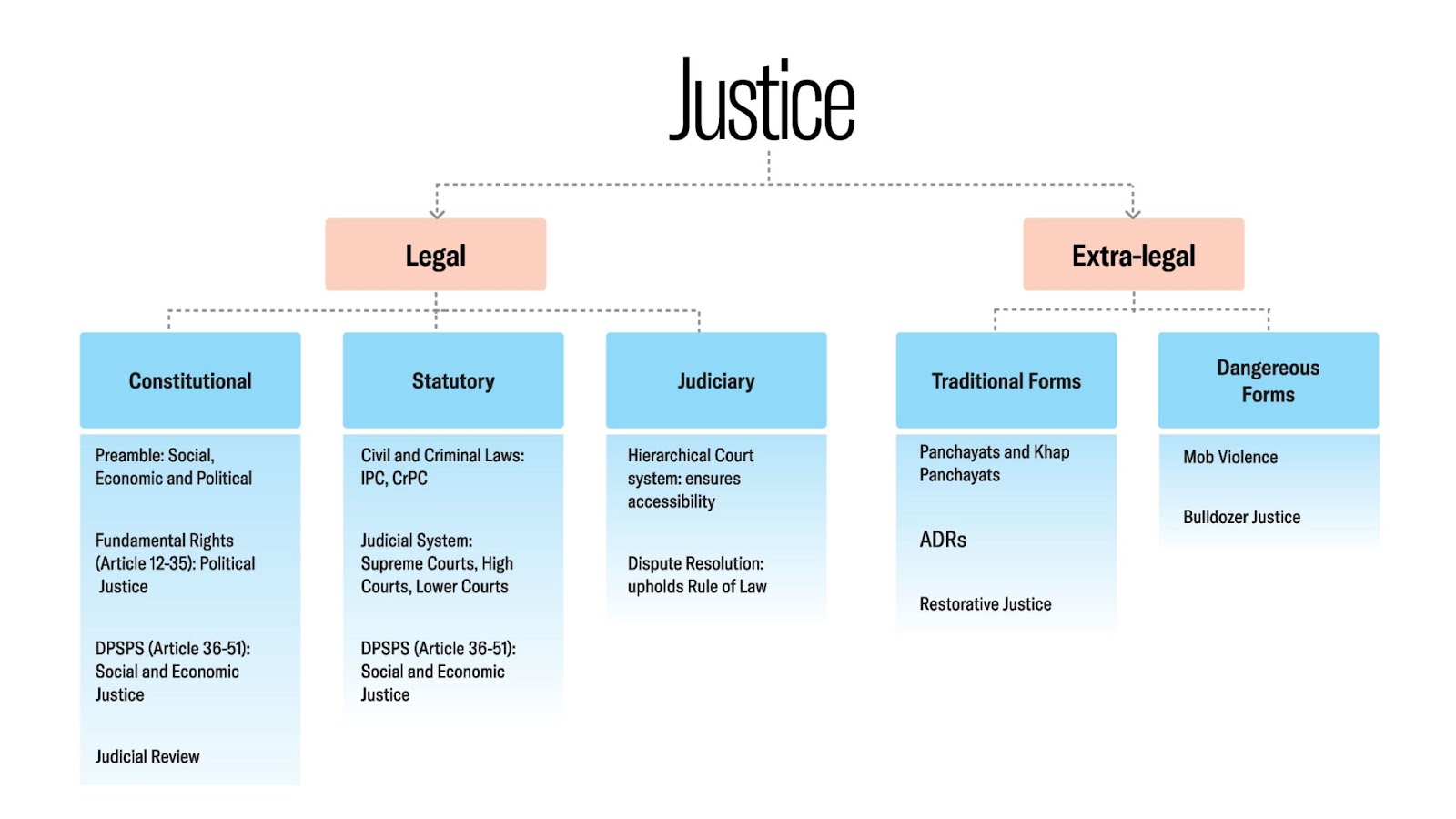
Why this? SC called to address extra-legal demolitions like ‘Bulldozer justice’ at a pan-India level. We have drawn a chronology of SC judgments from 1978 to 2024 so you get comfortable with legal concerns. However, the quick revision table for Legal Principles & Bulldozer violations is the most important takeaway. You can use it for any other form of ‘extra-legal’ justice.
—-
UPSC Syllabus Anchoring:
1. GS1: Indian Society: Communalism, Urbanization, their problems, and remedies.
Note4Students: Understand “Bulldozer Justice” and analyse societal inequalities and communal conflicts in urban contexts. Make value added notes on social challenges and remedies.
Microtheme: Emerging Urban Issues
2. GS2: Polity, Governance, Constitution, and Social Justice: Separation of Powers, Fundamental Rights, Issues related to Poverty and Hunger
Note4Students: Link governance actions to constitutional safeguards, addressing state overreach and rights violations. Strengthen arguments on constitutional rights, governance, and judicial checks.
Microtheme: Local Self-government, Government Schemes and Policies
3. GS3: Economy, Development, Security: Government Policies and Interventions
Note4Students: Enhance your critique of urban developmental interventions and their socio-economic consequences.
4. GS4: Ethics, Integrity, and Aptitude: Ethics in Public Administration, Conflict of Interest, Transparency, and Accountability, Case Studies
Note4Students: Build your practical, ethical reasoning in governance-related case studies and dilemmas. Explore ethical dilemmas in public administration, focusing on fairness, accountability, and integrity in governance decisions.
Microtheme: Social influence and persuasion, Attitude for Individuals, Probity in Governance
—-
What is bulldozer justice?
The practice where authorities demolish properties, often bypassing due process and legal procedures. While it is used to curb illegal constructions or encroachments, it raises concerns about constitutional rights, fairness, and the rule of law. The lack of judicial oversight in such actions undermines principles like due process, natural justice, and equal protection under the law.
Critics argue that bulldozer justice disproportionately impacts marginalized communities and violates Article 14 (equality before the law) and Article 21 (right to life and personal liberty) of the Indian Constitution. On the other hand, supporters see it as a swift and effective response to lawlessness and encroachments.
Opinions of Supreme Court:
Maneka Gandhi vs Union of India (1978): SC ruled that executive actions must be fair, just, and reasonable.
Municipal Corporation of Ludhiana vs Inderjit Singh (2008): SC held that no demolition can occur without notice and a hearing to the occupant, even in cases of illegal construction.
Olga Tellis vs Bombay Municipal Corporation (1985): SC stated that eviction without due process violates the right to livelihood under Article 21.
Punjab and Haryana HC on Nuh Demolitions (2023): The HC stopped the demolitions citing lack of due process and concerns of ethnic targeting.
Supreme Court bench comprising Justices Bhushan R Gavai and KV Viswanathan (2024):
Condemned the practice of demolishing properties based solely on accusations or convictions of individuals, stressing the importance of due process and natural justice.
Emphasized that even in cases of unauthorized construction, demolitions must follow proper legal procedures, underscoring the need for fairness and lawful action.
Called for the formulation of nationwide guidelines to ensure uniformity in demolition practices across all states, preventing arbitrary actions by authorities.
Legal Principles violated by Bulldozer Justice:
Legal Principles
Quick Explanation
Violation by Bulldozer Justice
Due Process of Law
Law requires fair treatment and legal procedures before action.
Demolitions without legal procedure.No judicial oversight or recourse.
Right to Property
Individuals have the right to own and protect property under the law.
Properties demolished without notice.No legal backing for actions taken.
Equality Before Law (Article 14)
All individuals must be treated equally by the law.
Marginalized groups targeted.Inconsistent application of law.
Rule of Law
Law must govern the actions of both citizens and authorities.
Arbitrary state actions.Legal frameworks bypassed by local authorities.
Right to Shelter
Every person has the right to adequate housing and protection.
People left homeless.No rehabilitation or alternative shelter provided.
Natural Justice
Fairness in legal processes with an opportunity to be heard.
No fair hearings before demolition.No opportunity to defend or appeal.
Separation of Powers
Clear division between judicial, executive, and legislative powers.
Municipal authorities exceed powers.Judiciary’s role in oversight bypassed.
Proportionality Principle
Government actions must be proportionate to the offense committed.
Collective punishments via demolitions.Excessive response to minor or alleged offenses.
What should be done?
UN Guidelines: The United Nations Basic Principles and Guidelines on Development-based Evictions and Displacement (2019)provide humanitarian directives, yet court rulings have been inconsistent and piecemeal which needs a comprehensive approach.
Exceptional Circumstances: Demolitions should only occur in exceptional cases and must adhere strictly to established legal processes.
Need for Proposed Phased Procedures:
Pre-Demolition Phase: Provide a reasoned notice with details on land records and resettlement plans, allowing adequate time for responses.
During Demolition Phase:Requires the presence of neutral government officials during demolitions.
Rehabilitation Phase: Need to establish a swift mechanism for affected persons to challenge demolition decisions and seek remedies such as compensation and restitution.
Back2Basics
Justice
Justice is the maintenance of what is just and fair. In the modern state, justice implies ensuring and protecting minimum rights and entitlement for all.
“Injustice anywhere is a threat to justice everywhere.” – Martin Luther King Jr.
“A democracy cannot thrive where power remains unchecked and justice is reserved for a select few. Ignoring these cries and failing to respond to this movement is simply not an option — for peace cannot exist where justice is not served.” – John Lewis
Types of Justice:
Hello,
We have a confession: we’re here to compete with your notes! Burning Issues magazine is your go-to resource as your exam approaches, designed to help you through the anxiety and overwhelm of preparing for the Civil Services Examination.
Many aspirants struggle despite reading current affairs for a year. This often happens because they interpret current affairs as merely news. As a UPSC aspirant, it’s essential to analyze these topics from the perspectives of General Studies 1, 2, 3, and 4, and that’s exactly what Elevate does.
This magazine features two sections: Burning Issues and Prelims Tidbits. Burning Issues covers current affairs that may appear in your Mains papers and teaches you how to think about these topics from different GS perspectives in just two pages.
Prelims Tidbits simplifies your Prelims preparation by distilling key facts, data, and concepts into easy-to-recall points framed around basic questions: What? Who? How? When?
So, dive in! Every page is crafted to enhance your UPSC prep. With consistency and this magazine, you’re not just preparing; you’re mastering the exam. The journey is about understanding and applying your knowledge effectively.
The 44th ASEAN Summit in Vientiane highlighted growing regional issues, especially Myanmar’s crisis. Despite ASEAN’s peace efforts, Myanmar’s turmoil persists, testing the group’s commitment to stability.
What are the key challenges facing ASEAN and India in their efforts to stabilize Myanmar?
Lack of Consensus within ASEAN: ASEAN’s principle of consensus-based decision-making complicates strong, unified responses.
Nations like Indonesia and Malaysia advocate for firm action, while others, including Thailand and Laos, maintain closer ties with Myanmar’s military government, slowing decisive actions.
Failure of the Five-Point Consensus: Despite ASEAN’s efforts to enforce the 2021 Five-Point Consensus, which mandates an end to violence and inclusive dialogue, Myanmar’s military has shown little interest in cooperating, undermining ASEAN’s credibility.
Exclusion of Key Groups: ASEAN’s initiatives mainly engage the junta without including the National Unity Government (NUG) or Ethnic Armed Organizations (EAOs), limiting the inclusiveness and effectiveness of peace efforts.
Worsening Humanitarian Crisis: Myanmar’s civil war has led to massive displacement and humanitarian needs, with over 18.6 million people requiring aid.
This poses logistical and diplomatic challenges for ASEAN and complicates India’s border security and refugee policies.
Balancing Regional and Security Concerns for India: India faces a dilemma balancing its Act East Policy objectives and the need for stability on its Myanmar border.
Issues such as cross-border militancy, illegal activities, and the refugee crisis strain India’s relations with the junta and impact regional connectivity projects.
How can Inclusive dialogue be achieved among all stakeholders in Myanmar?
ASEAN must involve non-state actors like the NUG, EAOs, and the People’s Defense Forces (PDFs) in dialogue efforts to ensure all key groups have a stake in Myanmar’s peace process.
Thailand’s recent ‘Troika’ proposal to host talks with ASEAN chairs (current, past, and future) and possibly other stakeholders indicates a potential pathway for more flexible discussions, albeit with the need for junta cooperation and broader participant involvement.
Establishing humanitarian corridors that operate beyond junta-controlled areas, with the cooperation of EAOs, could lay the groundwork for inclusive engagement and build trust among conflicting parties.
What role does India’s Foreign Policy play in addressing the Myanmar crisis? (Way forward)
Strategic Engagement and Regional Connectivity: Under its Act East Policy, India invests in key infrastructure projects like the Kaladan Multi-Modal Transit Transport Project, linking Myanmar and ASEAN.
Balanced Relations with Junta and Democracy Advocates: Need to principles of non-interference, India maintains ties with Myanmar’s military and democratic groups, addressing security needs while ethically supporting democratic aspirations.
As per Gujral Doctrine: India should engage constructively with Myanmar, respecting its sovereignty, promoting regional connectivity, and fostering dialogue among all stakeholders to enhance stability and mutual prosperity.
Mains PYQ:
Q Evaluate the economic and strategic dimensions of India’s Look East Policy in the context of the post-Cold War international scenario. (UPSC IAS/2016)
The Centre has hinted that the delayed Census might begin next year and finish by 2026, which would play a key role in redrawing constituencies and starting women’s reservations in elected bodies.
What are the implications of the Women’s Reservation Bill for women’s political representation in India?
Increased Representation: The bill, once implemented, will reserve 33% of seats in the Lok Sabha and state legislative assemblies for women, marking a significant increase in women’s representation and fostering a more inclusive legislative environment.
Long-Term Social Change: With more women in legislative positions, issues relevant to women’s rights, safety, and empowerment could receive greater legislative focus, driving long-term societal shifts toward gender equality.
Gradual Integration: By mandating women’s reservation for 15 years post-implementation, the bill allows time for systemic integration of women into Indian politics, potentially encouraging more women to enter politics.
Key features of the Women’s Reservation Bill:
Reservation of Seats: The bill reserves one-third of all seats in the Lok Sabha and state assemblies for women, including those seats already reserved for Scheduled Castes (SCs) and Scheduled Tribes (STs).
Implementation Timeline: The reservation will come into effect after the next census is conducted and published, which has not yet been scheduled. The law is set to remain in place for 15 years, with provisions for extension.
Rotating Constituencies: Reserved seats will be rotated after each delimitation exercise to ensure fair representation across different regions.
How does the delimitation process affect the implementation of the Women’s Reservation Bill?
Dependency on Delimitation: The reservation will only be implemented following a census-based delimitation exercise, making the timeline for reservation contingent on the next Census, expected to conclude in 2026.
Thus, the reservation may only be actionable around the 2029 general elections.
Impact on Seat Allocation: The delimitation exercise will likely increase the total seats in the Lok Sabha, which could make implementing the 33% reservation less disruptive.
For example, if Lok Sabha seats rise to around 770, this will allow for a more balanced accommodation of both male and female representatives without substantial loss of seats for male incumbents.
Challenges and Criticisms Surrounding the Women’s Reservation Bill and Its Implementation:
Delay in Implementation: As the reservation is contingent on delimitation, the immediate impact of the bill remains deferred.
Critics argue that the reservation could be enacted sooner if it did not depend on the Census and delimitation.
Intra-Party Resistance: Male incumbents might resist the bill due to concerns over losing their seats, and political parties might face difficulties balancing this resistance with the need for compliance, despite an increase in overall seats.
Exclusion of Other Marginalized Women: The bill lacks sub-quotas for women from marginalized communities, such as SC/ST/OBCs, sparking criticism that it may predominantly benefit women from privileged backgrounds rather than addressing the political representation gap for all women.
Dependence on Census Accuracy: Any delays or inaccuracies in Census data could delay the bill’s impact or result in skewed representation due to reliance on outdated demographic data.
Way forward:
Expedite Delimitation and Census: Streamline Census and delimitation processes to ensure timely data collection and boundary adjustments, enabling earlier implementation of the reservation without prolonged delays.
Include Sub-Quotas for Marginalized Women: Introduce provisions for SC/ST/OBC sub-quotas within the reservation to ensure fair representation of women from diverse social backgrounds, addressing inclusivity concerns in political representation.
Mains PYQ:
Q “The reservation of seats for women in the institutions of local self-government has had a limited impact on the patriarchal character of the Indian Political Process.” Comment. (UPSC IAS/2019)

![[Beginner’s Webinar] By Eshani Anand, AIR 79 | 1.5-Year Plan to Clear UPSC 2026 in the First Attempt | Know the Topper’s Mindset | Join on 4th November 2024 at 7:00 PM](https://d18x2uyjeekruj.cloudfront.net/wp-content/uploads/2024/11/Eshani-Thumb-1568x882.jpg)