The Ministry of Road Transport & Highways (MoRTH) is moving toward large-scale use of Automated & Intelligent Machine-aided Construction (AIMC) for National Highway projects.
AIMC will provide real-time data at each stage of road construction, which will be sent directly to stakeholders, including MoRTH.
About Automated & Intelligent Machine-aided Construction (AIMC) System
Details
What is it?
A technology-driven approach for road and infrastructure projects, employing advanced machinery (GPS, sensors, real-time data tools) to automate and monitor construction tasks.
Integrates machine automation, real-time data reporting, and precision engineering to enhance quality and speed of highway construction.
In India, explored by the Ministry of Road Transport & Highways (MoRTH) to reduce project delays and ensure consistent construction quality.
Features of the System
GPS-Aided Equipment: Motor graders, intelligent compactors, and stringless pavers use GPS/digital designs for precise alignment and compaction.
Automated Surveys: Drones or sensor-fitted machinery capture topographical data, enabling continuous verification of design parameters.
Real-Time Documentation: Every stage (embankment, subgrade, sub-base, paving) is monitored and instantly shared with stakeholders.
Integrated Software Platforms: Centralized software creates a digital twin of the site for analytics and alerts.
Adaptive Workflows: Machines can operate 24/7, guided by digital models and real-time data.
The Finance Minister describes the slowdown in Q2 growth as a “temporary blip,” while the RBI has revised its GDP growth forecast for 2024-25 downward, from 7.2% to 6.6%.
Why RBI has revised its GDP growth forecast for 2024-2025 downward, from 7.2% to 6.6%?
Economic Slowdown: The RBI’s downgrade reflects concerns over a cyclical downturn, with GDP growth in Q2 FY25 at 5.4%, indicating fundamental challenges hindering growth prospects.
Fundamental challenges: Declining corporate investments, sliding consumption growth, and “softness” in urban demand have weakened the investment climate, prompting a downward revision in growth expectations.
Inflationary Pressures: Persistent inflation near double digits complicates monetary policy, forcing the RBI to consider prolonged high interest rates, which could further suppress growth and investments.
What are the expected growth rates for major economies in 2025?
India: Projected to achieve a growth rate of 6.5% over the next five years, maintaining its status as the fastest-growing major economy globally, despite a recent dip in economic output in 2024.
China: Growth is expected to stabilize around 4-5%, lower than its historical rates due to structural challenges like demographic shifts and a cooling property sector.
United States: Growth is projected at 1.5-2%, as the Federal Reserve maintains a tight monetary policy to counter inflation.
Eurozone: Growth is forecasted at around 1%, reflecting a sluggish recovery from the energy crisis and geopolitical uncertainties.
Japan: Expected growth rate of 1-1.5%, supported by fiscal stimulus but constrained by aging demographics.
Emerging Markets (excluding China and India): Growth is expected to range from 3-4%, depending on commodity prices and fiscal discipline.
How will inflation and monetary policy evolve?
Inflation Persistence: Inflation in India remains at the upper end of the permissible range, with food prices nearing double digits. This persistent inflation strengthens the argument for maintaining high interest rates, complicating the Reserve Bank of India’s (RBI) monetary policy decisions as they balance growth with inflation control.
Monetary Policy Adjustments: The RBI may need to reconsider its previous projections of GDP growth, which could lead to adjustments in interest rates. If inflation continues to be a concern, the RBI might maintain or even increase rates longer than necessary which impacts investment and economic activity.
Investment and Economic Recovery: A slowdown in corporate investments and a decline in household financial savings have been observed, which could hinder economic recovery.
The RBI’s ability to stimulate growth through monetary policy will depend on addressing these investment challenges and ensuring that fiscal measures effectively support economic activity without exacerbating inflation.
What are the key risks and uncertainties facing the global economy?
Investment Slowdown: A significant challenge is the sluggish performance of corporate investments, exacerbated by high food inflation and muted urban demand. This trend poses risks for growth and job creation.
Savings-Investment Gap: A decline in household financial savings down to 5.3% of GDP from 7.3% coupled with rising household debt (5.8% of GDP) presents a risk to economic stability1.
Credit Growth Decline: Falling credit growth, particularly in household borrowing for home purchases and limited industrial appetite for new projects, indicates a tightening economic environment.
Fiscal Challenges: Increased state expenditures on subsidies may strain fiscal resources, potentially affecting overall economic sustainability and growth prospects.
What should be done by the government? (Way forward)
Balanced Fiscal and Monetary Coordination: Governments should prioritize targeted fiscal measures to stimulate investment and demand while ensuring fiscal discipline, complemented by a flexible monetary policy that carefully balances inflation control with growth stimulation.
Boosting Household Savings and Investments: Implement policies to encourage higher household financial savings and incentivize corporate investments through tax reforms, reduced regulatory barriers, and support for credit access in productive sectors.
Mains PYQ:
Q The nature of economic growth in India in recent times is often described as jobless growth. Do you agree with this view? Give arguments in favour of your answer. (UPSC IAS/2015)
India’s first bio-bitumen-based National Highway stretch was inaugurated on NH-44 in Mansar, Nagpur, Maharashtra by Union Minister Nitin Gadkari.
About Bio-Bitumen
Bio-bitumen is a bio-based binder derived from renewable, sustainable sources such as: Vegetable oils, Crop stubble, Algae, Lignin (a component of wood), Animal manure.
It serves as an alternative to traditional bitumen, which is primarily derived from the distillation of crude oil.
The production of bio-bitumen reduces dependence on petroleum and is a step toward sustainable road construction and infrastructure development.
Significance and Features of Bio-Bitumen:
Bio-bitumen reduces the carbon footprint associated with the traditional bitumen production process.
By using renewable sources such as lignin (a byproduct of wood), it helps mitigate environmental concerns like stubble burning and contributes to lower greenhouse gas emissions, potentially by as much as 70% compared to fossil-based bitumen.
India, which heavily imports traditional bitumen, can reduce its import dependency by switching to bio-bitumen made from locally available materials.
The use of bio-bitumen stimulates bio-refineries, creating opportunities for revenue generation and providing economic benefits to farmers and the bio-refining industry.
India’s Bitumen Scenario:
India imports around 50% of its total annual bitumen requirements, which amounted to 3.21 million tonnes in FY 2023-24.
The country produced 5.24 million tonnes of bitumen in the same period.
India’s bitumen consumption has been steadily increasing, averaging 7.7 million tonnes annually over the past five years.
In 2023-24, India constructed around 12,300 km of national highways, averaging nearly 34 km per day.
Crop prices have lagged behind the rising production costs, while agricultural wages have grown faster than inflation over the past two decades.
What is ‘Terms of Trade’?
Terms of Trade (ToT) refers to the relative prices of goods and services that a country exports compared to the prices of goods and services it imports. In the context of agriculture, it specifically relates to the prices received by farmers for their produce versus the prices they pay for inputs (like seeds, fertilizers, and equipment).
A favourable ToT means that farmers are receiving higher prices for their products relative to their costs, which enhances their profitability.
What factors have contributed to the improved terms of trade for farm workers compared to farmers?
Wage Growth: Agricultural labourers have experienced significant increases in wages, with their Index of Prices Received (IPR) rising more than threefold from 49.1 to 151.4 between 2004-05 and 2013-14, while their Index of Prices Paid (IPP) increased only modestly from 76.4 to 129.3 during the same period. This resulted in a substantial improvement in their ToT from 64.2% to 117.1%.
Stagnation of Farmer Incomes: In contrast, farmers’ IPR rose by only 56.3% from 2013-14 to 2022-23, while their IPP increased by 58.4%. This led to a decline in their ToT from 98.6% to 97.2%, indicating that farmers are facing a cost squeeze as input prices rise faster than the prices they receive for their produce.
Economic Diversification: The expansion of employment opportunities outside agriculture has allowed agricultural labourers to seek better-paying jobs in sectors like construction and services, increasing their bargaining power and wage rates.
How do government policies impact the economic conditions (of farmers versus farm workers)?
Employment Schemes: Government initiatives such as the Mahatma Gandhi National Rural Employment Guarantee Act (MGNREGA) have provided rural labourers with guaranteed employment, improving their income stability and negotiating power against employers.
Income Support Programs: Various states have implemented income support schemes targeting women, which have further tightened the labour market and increased wage demands among agricultural workers. For example, Mukhya Mantri Mahila Kisan Sashaktikaran Yojana (MMKSY).
Subsidies and Minimum Support Prices: While subsidies on inputs like fertilizers and electricity have provided some relief to farmers, they have not sufficiently offset the rising costs or improved farmers’ ToT significantly, leading to ongoing economic distress among this group.
What are the broader implications of these changes for the agricultural sector and rural economy?
Shift in Economic Power: The improved ToT for agricultural labourers relative to farmers reflects a shift in economic power dynamics within rural areas, potentially leading to greater social mobility for labourers but also highlighting the vulnerabilities faced by farmers.
Increased Demand for Labor: As agricultural labourers gain better wages and conditions, there may be a reduction in available labour for farming activities, leading to challenges for farmers who may struggle to find enough workers willing to accept lower wages or demand better working conditions.
Social Tensions: The disparities between the economic conditions of farmers and agricultural labourers can lead to social tensions, especially as farmers express dissatisfaction over stagnant incomes while labourers experience wage growth. This situation may exacerbate calls for policy reforms aimed at addressing these inequities.
Way forward:
Enhance Farmer Profitability: Introduce policies to ensure fair pricing for crops, reduce input costs through targeted subsidies, and promote crop diversification and value addition to improve farmers’ income and Terms of Trade (ToT).
Strengthen Rural Employment: Expand employment opportunities in rural non-farm sectors and align government schemes like MGNREGA with skill development programs to sustain wage growth for agricultural labourers while addressing labour shortages in farming.
Mains PYQ:
Q What are the main constraints in the transport and marketing of agricultural produce in India? (UPSC IAS/2020)
According to the RBI report on state finances, India’s fiscal deficit has increased from 2.8% of GDP in FY22 to a projected 3.2% in FY24, signaling that fiscal consolidation is being side-lined in favor of increasing expenditure.
Capital expenditure (capex) has risen from 2.2% of GDP in FY23 to a budgeted 3.2% in FY24, indicating increased investment in assets for future growth.
Fiscal position of the States as per the Report
Fiscal Deficit:
The Gross Fiscal Deficit (GFD) of states is projected to rise from 2.7% of GDP in FY2022-23 to 2.9% of GDP in FY2023-24.
This rise indicates that fiscal consolidation has been put on hold, with states continuing to spend more than their revenues.
Many states have budgeted for fiscal deficits above the 3% of GSDP mark, including Andhra Pradesh, Himachal Pradesh, Madhya Pradesh, and West Bengal, among others.
Revenue Expenditure:
Revenue Expenditure is expected to increase to 14.6% of GDP in FY2025, up from 13.5% in FY2024, indicating a rise in the current expenditure of states.
Capital Expenditure (Capex):
States have ramped up their capital expenditure (spending on creating assets), which has increased from 2.2% of GDP in FY2023 to 3.2% of GDP in FY2024.
This increase is in line with the government’s focus on infrastructure and long-term growth.
State Revenue:
State revenues are projected to increase from 13.3% of GDP in FY2024 to 14.3% in FY2025, driven by improved tax collections.
There has been a marked improvement in own tax revenue buoyancy compared to the pre-Covid period.
Debt-to-GDP Ratio:
The debt-to-GDP ratio for states has increased slightly to 28.8% in FY2024, from 28.5% in FY2023.
States with high fiscal deficits tend to have debt-to-GDP ratios above the national average, which suggests they have been sustaining deficits for a longer time.
Borrowing Trends:
States have shifted significantly towards market borrowings.
The share of market borrowings in financing the fiscal deficit has increased from 17% in 2005-06 to 79% in FY2024-25.
Recommendations:
The report suggests prudent management of subsidies, rationalization of centrally sponsored schemes, debt consolidation, and the adoption of climate and outcome budgeting to improve state fiscal health.
PYQ:
[2018] Consider the following statements:
The Fiscal Responsibility and Budget Management (FRBM) Review Committee Report has recommended a debt to GDP ratio of 60% for the general (combined) government by 2023, comprising 40% for the Central Government and 20% for the State Governments.
The Central Government has domestic liabilities of 21% of GDP as compared to that of 49% of GDP of the State Governments.
As per the Constitution of India, it is mandatory for a State to take the Central Government’s consent for raising any loan if the former owes any outstanding liabilities to the latter.
Which of the statements given above is/are correct?
(a) 1 only
(b) 2 and 3 only
(c) 1 and 3 only
(d) 1, 2 and 3
Since its launch, PM-AASHA has significantly benefitted farmers, contributing to the procurement of 195.39 lakh metric tonnes (LMT) of agricultural commodities, valued at ₹1,07,433.73 crore, from over 99 lakh farmers.
Procurement Details:
In the Rabi 2023-24 season, 6.41 LMT of pulses, valued at ₹4,820 crore, were procured from 2.75 lakh farmers. This included:
2.49 LMT of Masoor
43,000 metric tonnes of Chana
LMT of Moong
In addition, 12.19 LMT of oilseeds, valued at ₹6,900 crore, were procured from 5.29 lakh farmers.
In the ongoing Kharif season, the government has procured 5.62 LMT of Soyabean, valued at ₹2,700 crore, benefiting 2.42 lakh farmers.
About the PM-AASHA Scheme
Details
Launched in 2018, PM-AASHA is an umbrella scheme encompassing various components to ensure farmers receive fair prices for their produce.
Aims and Objectives
Ensuringfair pricesfor farmers by providing price support when market prices fall below the Minimum Support Price (MSP).
Stabilize the prices of essential commodities, benefiting both farmers and consumers.
Addressing price fluctuations and ensuring sustainable agricultural practices for crops like pulses, oilseeds, and copra.
Structural Mandate and Implementation
Type: Central Sector Scheme (Fully funded by the Centre).
Nodal Ministry: Ministry of Agriculture & Farmers Welfare.
Fund Allocation: Rs. 35,000 crore during the 15th Finance Commission Cycle (up to 2025-26).
Central Nodal Agencies (CNA):
Guarantees to lender banks for extending cash credit facilities to agencies like NAFED (National Agricultural Co-operative Marketing Federation of India Limited) and NCCF (National Co-operative Consumer’s Federation of India Limited) for MSP procurement.
Department of Consumer Affairs (DoCA) will procure pulses at market price from pre-registered farmers on eSamridhi Portal of NAFED and eSamyukti Portal of NCCF when prices exceed MSP.
Key Components:
Price Support Scheme (PSS):
The PSS is the core component of PM-AASHA, operating through state governments to procure notified commodities at the Minimum Support Price (MSP) levels.
It provides financial relief to farmers when market prices fall below MSP, offering remunerative prices and promoting investment in agriculture.
The government fixes the MSP for 24 crops at 1.5 times the Cost of Production (CoP) to ensure a fair income for farmers.
Price Deficiency Payment Scheme (PDPS):
Under PDPS, farmers are provided direct payments if the market prices of oilseeds fall below the MSP.
It helps bridge the gap between MSP and market prices, ensuring that farmers still get a fair return.
Market Intervention Scheme (MIS):
The MIS provides financial assistance to states for price stabilization of perishable agricultural commodities like Tomato, Onion, and Potato, which are not covered under MSP.
This scheme helps manage price volatility and benefits both farmers and consumers by stabilizing prices.
PYQ:
[2020] In India, the term “Public Key Infrastructure” is used in the context of:
(a) Digital security infrastructure
(b) Food security infrastructure
(c) Health care and education infrastructure
(d) Telecommunication and transportation infrastructure
The Comprehensive Telecom Development Plan for North Eastern Region (NER) funded from Digital Bharat Nidhi (DBN) aims to provide mobile coverage to uncovered villages and National Highways.
About theComprehensive Telecom Development Plan (CTDP):
Overview
CTDP aims to enhance telecommunications infrastructure in India’s North Eastern Region (NER) by improving mobile and broadband access.
The plan is funded by the Digital Bharat Nidhi (DBN) programme.
Digital Bharat Nidhi (DBN):
Established under the Telecommunications Act, 2023.
Replaces the Universal Service Obligation Fund (USOF).
USOF was created to provide telecom services in remote and rural areas at affordable prices.
Funded by a 5% Universal Service Levy on the Adjusted Gross Revenue (AGR) of telecom operators.
Aimed to expand telecom networks in low-profit remote and rural areas.
Statutory Status: Granted in December 2003 through amendments to the Indian Telegraph Act (now superseded by the Telecom Act, 2023).
Salient Features
Mobile Coverage Expansion: Extend mobile coverage to previously uncovered villages and National Highways in NER.
Enhanced Connectivity: Installation of 2,619 mobile towers, covering 3,223 villages and 286 highway locations.
4G Saturation: Providing 4G connectivity to remote villages.
Support for Socio-Economic Development: Empower citizens through ICTs for development.
Digital Inclusion: Help bridge the digital divide in NER.
Structural Mandate and Implementation
Funding: Primarily funded by the Digital Bharat Nidhi (DBN) programme.
Implementation: Coordinated through DBN-funded schemes focusing on mobile towers, 4G coverage, and broadband development.
Agencies Involved:
Ministry of Communication: Oversees implementation, ensures spectrum and policy approvals.
DBN: Provides funding and operational support.
Telecom Service Providers: Deploy infrastructure like towers and 4G networks.
State Governments of NER: Facilitate local implementation.
Project Management Agencies: Involved in setting up towers and maintenance.
PYQ:
[2018] Which of the following is/are the aims/aims of the “Digital India” Plan of the Government of India?
Formation of India’s own Internet companies like China did.
Establish a policy framework to encourage overseas multinational corporations that collect Big Data to build their large data centres within our national geographical boundaries.
Connect many of our villages to the Internet and bring Wi-Fi to many of our schools, public places and major tourist centres.
Select the correct answer using the code given below:
Sovereign gold bonds provide a safer and more cost-effective alternative to holding physical gold, as they reduce risks and storage expenses. However, the central government is considering discontinuing the SGB scheme.
What is the Sovereign Gold Bond scheme?
About
GOI launched it on October 30, 2015.
Structural Mandate
Nodal Agency:Ministry of Finance;
Issued by RBI on behalf of the GOI.
Aims and Objectives
To reduce dependence on gold imports and shift savings from physical gold to paper form.
Targeted Beneficiaries
Residents of India, including individuals, HUFs, trusts, universities, and charitable institutions.
Funding Mechanism
The Sovereign Gold Bonds are issued by the Reserve Bank of India (RBI) on behalf of the Government of India. This ensures a sovereign guarantee for both the principal and interest payments.
The bonds are made available for subscription in tranches. The RBI notifies the terms and conditions for each tranche, including the subscription dates and issue price, which is based on the average closing price of gold of 999 purity published by the India Bullion and Jewellers Association (IBJA).
SGBs are sold through various channels, including scheduled commercial banks (excluding small finance banks), designated post offices, Stock Holding Corporation of India Limited (SHCIL), and recognized stock exchanges like NSE and BSE.
Features
Sovereign gold Bonds are issued in 1-gram denominations with an 8-year tenure and early exit from the 5th year.
The minimum investment is 1 gram, a maximum 4 kg for individuals, and 20 kg for trusts.
Benefits include security, interest, and loan collateral.
What are the concerns regarding sovereign gold bonds?
High Cost of Financing: The government perceives the cost of financing its fiscal deficit through SGBs as disproportionately high compared to the benefits provided to investors. This perception has led to a significant reduction in the issuance of SGBs, dropping from ten tranches annually to just two.
Limited Issuance in Current Financial Year: In the financial year 2024-25, no new sovereign gold bonds have been issued so far, and net borrowing through these bonds has been significantly reduced from previous estimates.
Market Competition from Physical Gold: The recent reduction in customs duty on gold from 15% to 6% has led to a surge in demand for physical gold. Investors may prefer holding physical gold over waiting for returns from debt securities like SGBs, which require maturity periods before realizing gains.
What are the challenges due to the import of Gold?
Impact on Trade Deficit: Gold imports are a major contributor to India’s trade deficit, with a record $14.8 billion spent in November 2024, which weakened the rupee. Between 2016 and 2020, gold imports made up 86% of the country’s gold supply, leading to significant foreign exchange outflows and economic instability.
Encouragement of Smuggling: High import duties on gold have driven a rise in smuggling, with 65% to 75% of smuggled gold entering India through air routes. This illegal trade undermines government revenue and complicates market regulation.
Way forward:
Increase Liquidity and Accessibility: Similar to gold-backed ETFs in the U.S. and Gold Bullion Securities in Australia, India can enhance the liquidity of SGBs by allowing them to be traded on stock exchanges, providing easy access and better market engagement for investors.
Encourage Regular Investments: Drawing inspiration from Germany’s gold savings plans, India can introduce flexible investment options such as monthly or quarterly contributions, enabling dollar-cost averaging and attracting retail investors over time.
Mains PYQ:
Q Craze for gold in Indian has led to surge in import of gold in recent years and put pressure on balance of payments and external value of rupee. In view of this, examine the merits of Gold Monetization scheme. (UPSC IAS/2015)
Bitcoin surged to a record high of over $107,000 after President-elect Donald Trump reaffirmed plans to create a US bitcoin reserve, boosting investor excitement.
Do you know?
The legal status of cryptocurrency in India is uncertain.
RBI has warned against cryptocurrencies, citing risks to investors and confirming they are not legal tender.
In 2018, the Supreme Courtoverturned an RBI ban on financial institutions dealing with cryptocurrencies.
In the 2022-23 Union Budget, the Government of India announced a 30% tax on cryptocurrency transfers.
A strategic reserve is a stockpile of critical resources, used in times of crisis or disruptions in supply.
Examples:
US Strategic Petroleum Reserve: Largest global emergency oil stockpile, created in 1975 after the 1973-74 oil embargo.
Canada’s Maple Syrup Reserve: The only global strategic reserve for maple syrup.
China’s Reserves: Includes resources like metals, grains, and pork.
How Would a U.S. Strategic Bitcoin Reserve Work?
Establishing the Reserve: Unclear if it would require executive powers or Congress approval. Some suggest an executive order to manage bitcoin through the U.S. Treasury’s Exchange Stabilization Fund.
Content of the Reserve: Includes seized bitcoin (200,000 tokens, worth approx. $21 billion).
Additional Purchases: Possible purchase of more bitcoin from the open market.
Benefits and Risks of a Bitcoin Reserve
Benefits:
Global Market Dominance: Could enhance U.S. control over the global bitcoin market, especially against competitors like China.
Economic Advantages: Could reduce U.S. fiscal deficit and strengthen the U.S. dollar.
Risks:
Volatility: Bitcoin’s value is uncertain due to volatility and lack of intrinsic use.
Security: Vulnerability to cyber-attacks and market fluctuations.
Q) “Besides being a moral imperative of a Welfare State, primary health structure is a necessary precondition for sustainable development.” Analyse. (UPSC CSE 2021)
Mentor’s Comment: UPSC mains have always focused on major issues like the Conflict of interest in the public sector (2017) and Life Expectancy (2022).
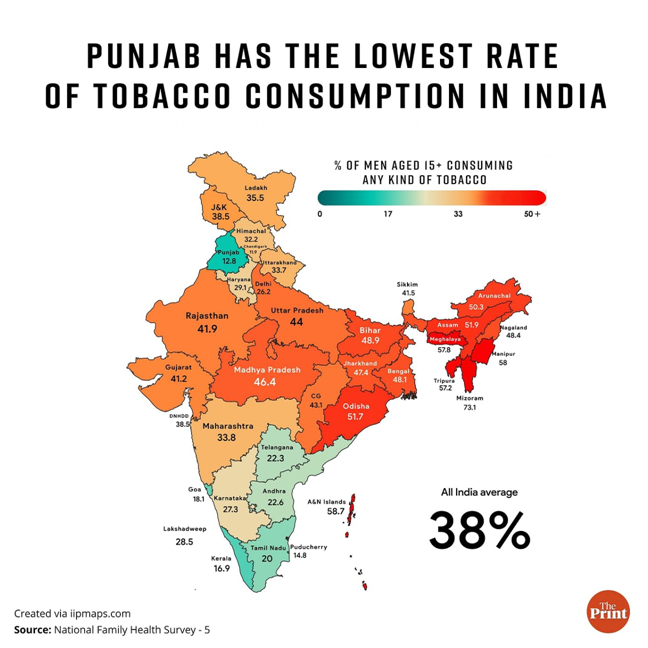
Tobacco is responsible for approximately 1 million deaths annually in India, accounting for about 17.8% of total deaths in the country. This includes deaths from both direct tobacco use and secondhand smoke exposure.
The proposal to levy a higher Goods and Services Tax (GST) rate on tobacco products and sugared beverages has sparked significant discussion in India. This editorial explores the implications of such a move, the current tax structure, and the anticipated outcomes of the proposed changes.
_
Let’s learn!
Why in the News?
The proposal to levy a higher Goods and Services Tax (GST) rate on tobacco products and sugared beverages has sparked significant discussion in India.
What is National Calamity Contingent Duty (NCCD)?
• It is a type of excise duty imposed by the Indian government on specific manufactured goods, particularly those considered harmful to public health, such as tobacco products and certain beverages. • Established under Section 136 of the Finance Act, 2001, NCCD is intended to generate revenue that can be utilized for disaster relief and other national calamity responses. • In the Union Budget for 2023-24, the government proposed increasing NCCD rates by approximately 16% for specified cigarettes, reflecting ongoing efforts to regulate tobacco consumption through higher taxation.
Background of the news:
Over the past seven years since the Goods and Services Tax (GST) was introduced in India, there have been a few significant increases in GST rates for harmful products like tobacco and sugar-sweetened beverages.
Apart from two small hikes in the National Calamity Contingent Duties (NCCD) on tobacco, the tax rates have largely remained unchanged. This lack of increase has made these products more affordable, which undermines efforts to reduce their consumption.
In this context, the recent proposal by the Group of Ministers (GoM) to raise the highest GST rate on tobacco and sugar-sweetened beverages from 28% to 35% is a positive development. This increase could help discourage the consumption of these harmful products.
However, it is important to note that additional tax reforms are necessary to effectively address the public health issues and fiscal challenges associated with tobacco and sugary drinks.
What is the current GST structure?
Under the existing GST framework, tobacco products and aerated beverages are taxed at a base rate of 28%, with additional cess rates that can range significantly.
For tobacco, these cesses can be as high as 290%, making it one of the most heavily taxed sectors in India.
Aerated beverages also face a 12% compensation cess on top of the standard GST rate, leading to a total tax burden that is among the highest globally.
What is the Rationale behind the recent Proposal?
Public Health Concerns: Higher taxes on tobacco and sugary drinks are often justified by their negative health impacts. Increasing GST rates could deter consumption and promote healthier choices among consumers.
Revenue Generation: The Indian government is looking for ways to bolster its revenue streams, especially in light of potential shortfalls from other sectors. By raising taxes on these “sin products,” it aims to offset losses from reductions in taxes on essential goods and services, such as health insurance premiums.
Alignment with Global Practices: Many countries impose high taxes on tobacco and sugary beverages as part of public health strategies. By following suit, India could align itself with global best practices aimed at reducing the consumption of harmful products.
What were the Market reactions to the potential GST Increase?
Stock Price Impact: Following the news, ITC’s shares fell by about 3%, while Varun Beverages dropped by 5%. This decline reflects investor concerns over how higher taxes might affect profitability.
Historical Performance: Both companies had previously enjoyed strong stock performance, with ITC’s stock rising 110% and Varun Beverages increasing by 424% in recent years.
However, the prospect of increased taxation has caused a correction, with both stocks down around 12% from their recent highs.
Analyst Insights: Analysts believe that while higher taxes could reduce sales volumes, they might also boost government revenues if managed well.
Way Forward:
Engage with Stakeholders: Regular consultations with industry stakeholders, including manufacturers and health experts, can provide valuable insights into the potential impacts of tax changes and help create balanced policies that consider both public health and economic factors.
Consider Broader Tax Reforms: The government could explore broader tax reforms that align with health objectives, such as revising tax structures for other products or services that impact public health, ensuring a comprehensive approach to taxation.
Implement the Proposed GST Increase: The government should proceed with the Group of Ministers (GoM) recommendation to raise the GST on tobacco and aerated beverages from 28% to 35%. This move aims to discourage the consumption of these harmful products while increasing government revenue.
Enhance Public Awareness Campaigns: Alongside tax increases, the government can launch public health campaigns to educate citizens about the dangers of tobacco and excessive sugar consumption. This could further support efforts to reduce demand for these products.