Cellulose, the main structural material in plant cell walls, is the Earth’s most abundant organic polymer. When plants die, microorganisms decompose cellulose into carbon dioxide, water, and humus, recycling nutrients back into ecosystems.
Natural processes undergone by cellulose
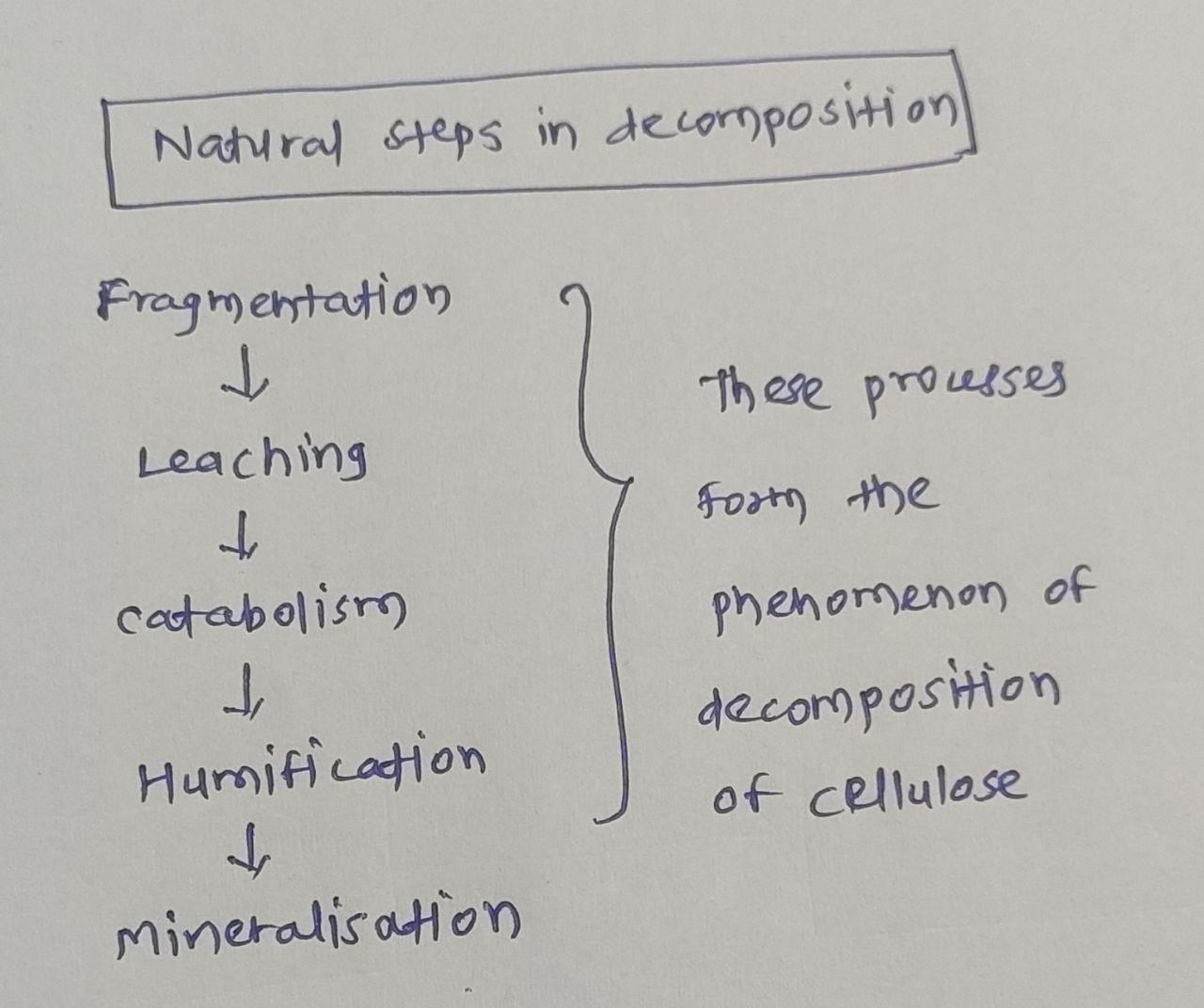
Chemical Degradation:
Cellulose decomposition is carried out by microbes such as Trichoderma and Clostridium, which secrete cellulase enzymes.
These enzymes sequentially break cellulose into smaller chains, then cellobiose,and finally glucose for microbial absorption.
Metabolic Processing: After absorption, microbes metabolize glucose to release energy.
Oxygen-rich conditions: aerobic microbes convert glucose into carbon dioxide and water.
Oxygen-poor environments: wetlands, anaerobic microbes and methanogens ferment glucose, producing methane and carbon dioxide.
Humification:
Not all plant material fully decomposes; some forms stable humus through reactions with lignin and microbial proteins.
Humus enriches soil fertility, improves water retention, and acts as an important long-term carbon sink.
The natural processing of deposited cellulose represents the core operational machinery of the Global Carbon Cycle. Without this systematic microbial and physical breakdown, plant litter would accumulate indefinitely, locking away vital nutrients and choking planetary ecosystems.