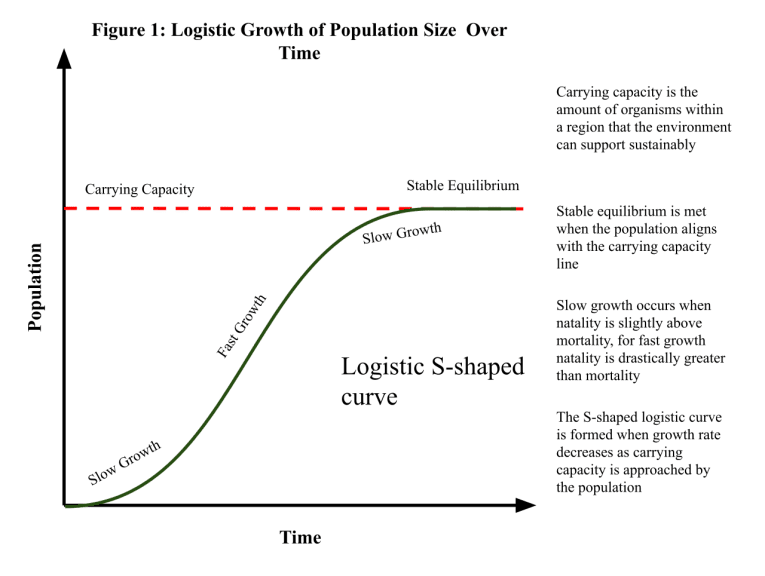
Carrying capacity refers to the maximum population size or level of resource use that an ecosystem can support without long-term degradation. Eg- A grassland can sustain only a certain number of grazing animals before vegetation declines.
Determinants of carrying capacity
Resource availability (food, water, shelter, space)
Regeneration rate
Limiting factors (predators, disease, competition, waste)
Crucial abiotic elements (climate, soil, sunlight)
Importance of Carrying Capacity for Sustainable Development Planning
Livelihood Security (SDG-1) – Maintains sustainable fisheries, forestry and pastoral systems without ecological collapse.
Intergenerational Equity – Safeguards future resource availability by preventing current over-extraction.
Preventing Resource Depletion – Ensures development does not exceed natural limits, avoiding overuse of land, water and energy.
Guiding Land-Use and Urban Planning – Eg- Eco-sensitive zones in Western Ghats restrict high-impact activities.
Controlling Pollution Load – Determines the capacity of air and water bodies to handle waste – Helps in deciding pollution limits
Conserving Biodiversity – Prevents ecosystem stress that threatens species survival and habitat stability. Eg- Limiting visitor numbers in Kaziranga and Ladakh
Enhancing long-term resilience to climate shocks. Eg- Strengthening Mangrove carrying capacity helps prevent coastal erosion and storm surge impacts.
Encourages balanced regional growth without overburdening ecologically fragile regions. Eg- limits on construction and tourism in himalayan states
Basis for Sustainable Agriculture – Helps determine cropping patterns, irrigation intensity, and livestock numbers suitable for the region.
Policy and Environmental Governance – Provides a scientific base for EIAs, zoning and regulatory decisions.
Disaster Risk Reduction – Reduces exposure to floods, landslides and urban heat islands caused by ecological overload. Eg- Joshimath crisis in Uttarakhand
Population Regulation – Provides a scientific basis for setting population targets aligned with resource limits.
Way Forward
Natural Capital Accounting in Economic Policy to recognise ecosystem services as economic assets.
Nature-Based Infrastructure Development – Eg- Wetland restoration for flood control and mangrove buffers for coastal protection.
Urban Green Infrastructure Expansion – Eg- Urban forests and restored lakes for flood moderation and heat mitigation. (Miyawaki Method)
Payment for Ecosystem Services (PES) – Direct financial rewards to farmers and communities conserving ecological services.
Channelising corporate funds into habitat restoration and sustainable supply chains.
Circular Economy Anchored in Biodiversity Regeneration – Eg- Organic textiles, biodegradable packaging and nature-based construction materials.
Carrying capacity acts as the ecological boundary for growth, ensuring sustainable and intergenerationally just development.