💥Join UPSC 2027,2028 Mentorship (August Batch) + XFactor Notes & Microthemes PDF

Category: Ranker Webinars

  • [Sansad TV] Perspective: Free Trade Agreement

    UPSC 2022 countdown has begun! Get your personal guidance plan now! (Click here)

    Context

    • India currently has 11 Free Trade Agreements or Regional Trade Agreements with other countries/regions in addition to 6 limited coverage Preferential Trade Agreements.
    • Strategically, FTAs have helped India compete at a global level and enhance its growth.
    • Last year Parliament Standing Committee on commerce in its report had recommended the government to iron out the issues hindering the signing of Free Trade Agreements with the US and the EU nations.

    So what are the opportunities and challenges of FTAs.

    What is a Free Trade Agreement (FTA)?

    • A FTA is a pact between two or more nations to reduce barriers to imports and exports among them.
    • Under a free trade policy, goods and services can be bought and sold across international borders with little or no government tariffs, quotas, subsidies, or prohibitions to inhibit their exchange.
    • The concept of free trade is the opposite of trade protectionism or economic isolationism.
    • Countries often agree to FTAs if their economic structures are complementary, not competitive.

    Difference between Free Trade and Fair Trade

    • Although these terms are often confused, there are significant differences between free trade and fair trade.
    • FTAs are aimed at fostering open trade between nations to improve economic growth among all involved parties.
    • The fair trade movement is focused on fostering economic equity on a global scale so that the workers who make goods in other countries receive fair wages and improve their lives and communities.

    How many FTAs does India have?

    • India has signed it’s first Free Trade Agreement (FTA) with Sri Lanka in 1998.
    • Likewise, India had FTAs with: Nepal, Bhutan, Thailand, Singapore, ASEAN, Japan and Malaysia.
    • India has signed Preferential Trade Agreements such as:
    1. Asia Pacific Trade Agreement (APTA) with Bangladesh, China, India, Lao PDR, Republic of Korea, and Sri Lanka
    2. Global System of Trade Preferences (GSTP)
    3. India – MERCOSUR PTA etc. with South American countries

    Key benefits offered by FTA

    • Reduction or elimination of tariffs on qualified: For example, a country that normally charges a tariff of 12% of the value of the incoming product will rationalize or eliminate that tariff.
    • Intellectual Property Protection: Protection and enforcement of intellectual property rights in the FTA partner country is upheld.
    • Product Standards: FTA enhances the ability for domestic exporters to participate in the development of product standards in the FTA partner country.
    • Fair treatment for investors: FTA provides treatment as favourably as the FTA partner country gives equal treatment for investments from the partner country.
    • Elimination of monopolies: With FTAs, global monopolies are eliminated due to increased competition.

    Disadvantages of FTAs

    The biggest criticism of free trade agreements is that they are responsible for job outsourcing. There are some primary disadvantages:

    • Increased job outsourcing: Reducing tariffs on imports allows companies to expand to other countries. Without tariffs, imports from countries with a low cost of living cost less.
    • Theft of intellectual property: Many developing countries don’t have laws to protect patents, inventions, and new processes.
    • Crowd out domestic industries: Many emerging markets are traditional economies that rely on farming for most employment. These small family farms can’t compete with subsidized agri-businesses.
    • Poor working conditions: Multinational companies may outsource jobs to emerging market countries without adequate labour protections.
    • Degradation of natural resources: Emerging market countries often don’t have many environmental protections. Free trade leads to the depletion of timber, minerals, and other natural resources.
    • Destruction of native cultures: As development moves into isolated areas, indigenous cultures can be destroyed. Local peoples are uprooted.  
    • Reduced tax revenue: Many smaller countries struggle to replace revenue lost from import tariffs and fees.
    • Bane to Indigenization: An FTA will basically put a big challenge to the ‘Make in India’ programme which the current government is aggressively promoting.

    Assessment of India’s FTAs

    (1) India-ASEAN FTA

    • Despite the fact that the Trade Agreement with ASEAN has helped trade grow immensely with India, still, the issue remains that the agreement has benefitted the ASEAN region more than India.
    • With the agreement in goods signed, the domestic markets have faced stiff competition because they have to compete with the cheaper goods of the ASEAN region.
    • For example, the rubber imports from Malaysia, palm oil imports from Indonesia have made it a tough ordeal for the local manufacturers of palm oil and rubber.

    (2) India- RCEP [India opted out from signing]

    • The agricultural sector of India, which faces issues like lack of investment, low productivity, obsolete technology and fragmented landholdings will suffer more.
    • Indian market will be flooded with products from other nations which are comparatively cheaper and have a more efficient agricultural sector.

    Way Forward

    • India is one of the fastest-growing large economies of the world and FTAs have played a significant role in enhancing the trade volume of the country.
    • FTAs must bring the expected tangible benefits.
    • Therefore, there is a need for a detailed assessment of FTAs in terms of goods, services and investment flows by all the stakeholders involved.
    • Beyond mere economic cost-benefit analysis, India must approach such FTAs from a geostrategic perspective also.

    UPSC 2022 countdown has begun! Get your personal guidance plan now! (Click here)

  • UPSC 2023 Foundation Course & Ultimate Assessment Program For Prelims  & Mains || For Beginners & Working Junta|| Prelims-Mains Integrated Test Series, Foundational Classes, Essay Writing Program and Current Affairs|| In Both Online/Offline Modes – Fill the Form To Register Now

    UPSC 2023 Foundation Course & Ultimate Assessment Program For Prelims & Mains || For Beginners & Working Junta|| Prelims-Mains Integrated Test Series, Foundational Classes, Essay Writing Program and Current Affairs|| In Both Online/Offline Modes – Fill the Form To Register Now

    Everything that is important. Nothing that is not.


    In 2020-21, we connected with over 9,000+ IAS aspirants via our
    Samanvaya (1 on 1 mentoring) outreach program

    With an average call time of ~40 minutes, we spent ~3.84 lakh minutes (~6,500 hours) in understanding you and your preparation strategies.

    Here’s what we learnt about you

    You have doubts. Lots of them. Almost on a daily basis. 70% of them are academic, 20% are strategy related and 10% about life and thereabouts.

    1. You want a time table which adapts according to your learning curve.

    2. You think news & static concepts should be tied together for better retention.

    3. You are perfectly fine with self study modules but need motivation boosters to keep you up on the right track.

    4. You want your preparation to be non-judgemental.

    5. You want a community of like minded, sincere aspirants so that you can feed off each other’s energy.

    6. You love active learning.

    7. You love active doubt resolutions.

    6. You are patient with your progress as long as its assuring.

    UAP 2023 is built with keeping all these things in mind.
    Nothing more. Nothing less.


    Quick reference links: 

    Click here UAP 2023 Master Time Table

    Download Brochure: UAP 2023 from CivilsDaily

    Want to talk to us first? Click here to fill this Samanvaya form


    This image has an empty alt attribute; its file name is hall-of-fame.jpg

    UAP & MasterClass are a combo for comprehensive growth. The same teachers who create and deliver lectures are involved in creating and evaluating your test attempts


    DDS sessions = Marathons for Active Learning.
    200+ doubts resolved & 40+ new mini concepts discussed. Every Day. Day after Day.


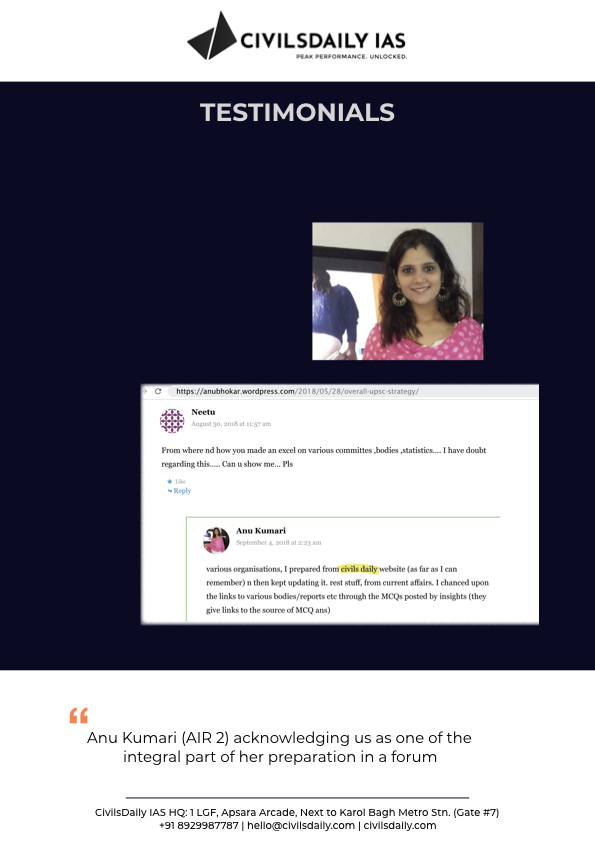
    Trusted by Rank 1 & 2:

    MODE OF PAYMENT

    PAY VIA CARD/UPI

    65000+GST = 76,700/-

    ASK FOR A PAYMENT LINK FROM OUR TEAM/ PING US ON WHATSAPP

    DIRECT BANK DEPOSIT

    A/C NAME: APEIROGON TECHNOLOGIES PVT. LTD

    A/C NO: 50200016012695

    IFSC CODE: HDFC0000922

    GSTIN: 07AAOCA0521B1ZA

    WALK-IN & PAY

    VISIT OUR OFFICE AN SWIPE CARD/ DEPOSIT CASH & GET A RECEIPT

    GET IN TOUCH

    LOCATION: 1 LGF, Apsara Arcade, Next to Karol Bagh Metro Stn. (Gate #7), Delhi 110060

    CONTACT: hello@civilsdaily.com OR +91 8929987787


  • MEETING LINK INSIDE, Register & Join Now || Learn the secret of cracking UPSC in the very first attempt from UPSC mains topper || Free Live Webinar By UPSC 2017 GS Mains Topper and Civilsdaily Academic Head Sajal Sir

    MEETING LINK INSIDE, Register & Join Now || Learn the secret of cracking UPSC in the very first attempt from UPSC mains topper || Free Live Webinar By UPSC 2017 GS Mains Topper and Civilsdaily Academic Head Sajal Sir

    Target UPSC CSE 2023 – How to Get the Basics Right & Start the Preparation like a Topper? || by Sajal sir

    Date & Time: Feb 20, 2022 @07:00 PM (Log in 06:45 PM onwards) India

    Join Zoom Meeting
    https://zoom.us/j/98155770837?pwd=VXNmNlVTMUhRSit2cGZDd0Ftd1hEdz09

    Meeting ID: 981 5577 0837
    Passcode: 497243

    UPSC-CSE 2021 results have shaken the long held belief that the examination can only be cleared after multiple attempts. Most of the UPSC-CSE toppers like Satyam Gandhi (AIR 10), Ria Dabi (AIR 15), Yash Jaluka (AIR 4), Mamta Yadav (AIR 5) and Shashwat Tripurari (AIR 19) cleared the exam as fresh graduates in their very first attempt. How were they able to do it?

    If you watch their strategy videos, you can find a common pattern — they started 12-24 months in advance before the exam.

    UPSC Toppers who Have Benefited From Sajal Sir’s Guidance

    AIR 14, UPSC 2020 Karishma Nair
    AIR 25, UPSC 2020 Vaibhav Rawat
    AIR 65, 2020 Pranay Vijayvergiya
    Rajiv Kumar IPS
    Kunal Aggarwal IRS

    Open to All Webinar by Civilsdaily Mentor Sajal Sir

    One of the benefits of starting your preparation early is the time you would get to revise and practice test series upon completing the syllabus. Also, you would get ample time to pay attention to every subject. There are totally 9 papers in UPSC-CSE Mains and 2 papers in Prelims exams. Not to forget, the daily current affairs. Many aspirants need time to figure out how they can prepare in an understandable manner. That’s why starting your preparation eight months before the exam is not advisable.

    However, what’s the best way to prepare, if you aren’t a fan of making mistakes and figuring it out along the way? We understand how annoying it might be for you if you were to study in a certain way for months together and then realize that it doesn’t align with the UPSC-CSE way of doing things.

    Do you know an ideal preparation would be divided into five phases and spread across 18 months? This means each phase will be about three to four months long.

    This is what Civilsdaily mentor and UPSC 2017 GS Mains Topper Sajal sir would be discussing in the upcoming webinar. Backed by years of experience and ongoing research & analysis of the civil services exam, Sajal sir has developed a refined strategy which will he will be sharing to all the newcomers.

    Key-Takeaways of the Free Q&A Webinar with Sajal Sir

    1. The first phase – Studying the Core Subjects. How to read every topic in the syllabus from 2-3 sources in the first reading and prepare a 1-2 page notes? And in your second reading, stick to only one source while using your notes as reference.

    2. The second phase – Studying Mains Specific Subjects & Optional. How to follow the ritual of reading, writing summaries and answering topic-wise previous year questions?

    3. Discussing 2-3 Revision Strategies which you can follow. Why should you not go more than 20 days without revision?

    4. Live demonstration of making the perfect notes. How to not copy line-by-line of everything you read & only note down the 5 dimensions of a topic?

    5. Why is the third phase of preparation the shortest of all? What should you ideally do after completing the Prelims and Mains subjects?

    6. About the fourth phase. How to improve your accuracy 3 months before the Prelims exams?

    5. The last phase. What must be done 3 months before the Mains exams?

    6. Including statistics and relevant data. What are the subject-wise important committee reports you should read?

    7. Three readings per subject. How do you study during each revision phase?

    Sajal Sir will also hold a Q&A Session where beginners and veterans can clarify their doubts.

    Webinar Details

    If you want to get the nuances of UPSC-CSE preparation right in the first go, then this free webinar is for you! Just fill the form and let us know the question you want to ask Sajal sir in the one hour long session on Sunday.

    Date: 20 February 2022

    Time: 7 PM

  • Register & Join in 15 Mins  || Learn the secret of cracking UPSC in the very first attempt from UPSC mains topper || Free Live Webinar By UPSC 2017 GS Mains Topper and Civilsdaily Academic Head Sajal Sir

    Register & Join in 15 Mins || Learn the secret of cracking UPSC in the very first attempt from UPSC mains topper || Free Live Webinar By UPSC 2017 GS Mains Topper and Civilsdaily Academic Head Sajal Sir

    UPSC-CSE 2021 results have shaken the long held belief that the examination can only be cleared after multiple attempts. Most of the UPSC-CSE toppers like Satyam Gandhi (AIR 10), Ria Dabi (AIR 15), Yash Jaluka (AIR 4), Mamta Yadav (AIR 5) and Shashwat Tripurari (AIR 19) cleared the exam as fresh graduates in their very first attempt. How were they able to do it?

    If you watch their strategy videos, you can find a common pattern — they started 12-24 months in advance before the exam.

    UPSC Toppers who Have Benefited From Sajal Sir’s Guidance

    AIR 14, UPSC 2020 Karishma Nair
    AIR 25, UPSC 2020 Vaibhav Rawat
    AIR 65, 2020 Pranay Vijayvergiya
    Rajiv Kumar IPS
    Kunal Aggarwal IRS

    Open to All Webinar by Civilsdaily Mentor Sajal Sir

    One of the benefits of starting your preparation early is the time you would get to revise and practice test series upon completing the syllabus. Also, you would get ample time to pay attention to every subject. There are totally 9 papers in UPSC-CSE Mains and 2 papers in Prelims exams. Not to forget, the daily current affairs. Many aspirants need time to figure out how they can prepare in an understandable manner. That’s why starting your preparation eight months before the exam is not advisable.

    However, what’s the best way to prepare, if you aren’t a fan of making mistakes and figuring it out along the way? We understand how annoying it might be for you if you were to study in a certain way for months together and then realize that it doesn’t align with the UPSC-CSE way of doing things.

    Do you know an ideal preparation would be divided into five phases and spread across 18 months? This means each phase will be about three to four months long.

    This is what Civilsdaily mentor and UPSC 2017 GS Mains Topper Sajal sir would be discussing in the upcoming webinar. Backed by years of experience and ongoing research & analysis of the civil services exam, Sajal sir has developed a refined strategy which will he will be sharing to all the newcomers.

    Key-Takeaways of the Free Q&A Webinar with Sajal Sir

    1. The first phase – Studying the Core Subjects. How to read every topic in the syllabus from 2-3 sources in the first reading and prepare a 1-2 page notes? And in your second reading, stick to only one source while using your notes as reference.

    2. The second phase – Studying Mains Specific Subjects & Optional. How to follow the ritual of reading, writing summaries and answering topic-wise previous year questions?

    3. Discussing 2-3 Revision Strategies which you can follow. Why should you not go more than 20 days without revision?

    4. Live demonstration of making the perfect notes. How to not copy line-by-line of everything you read & only note down the 5 dimensions of a topic?

    5. Why is the third phase of preparation the shortest of all? What should you ideally do after completing the Prelims and Mains subjects?

    6. About the fourth phase. How to improve your accuracy 3 months before the Prelims exams?

    5. The last phase. What must be done 3 months before the Mains exams?

    6. Including statistics and relevant data. What are the subject-wise important committee reports you should read?

    7. Three readings per subject. How do you study during each revision phase?

    Sajal Sir will also hold a Q&A Session where beginners and veterans can clarify their doubts.

    Webinar Details

    If you want to get the nuances of UPSC-CSE preparation right in the first go, then this free webinar is for you! Just fill the form and let us know the question you want to ask Sajal sir in the one hour long session on Sunday.

    Date: 20 February 2022

    Time: 7 PM

  • Last 1 Hours Left, Register NOW || Learn the secret of cracking UPSC in the very first attempt from UPSC mains topper || Free Live Webinar By UPSC 2017 GS Mains Topper and Civilsdaily Academic Head Sajal Sir

    Last 1 Hours Left, Register NOW || Learn the secret of cracking UPSC in the very first attempt from UPSC mains topper || Free Live Webinar By UPSC 2017 GS Mains Topper and Civilsdaily Academic Head Sajal Sir

    UPSC-CSE 2021 results have shaken the long held belief that the examination can only be cleared after multiple attempts. Most of the UPSC-CSE toppers like Satyam Gandhi (AIR 10), Ria Dabi (AIR 15), Yash Jaluka (AIR 4), Mamta Yadav (AIR 5) and Shashwat Tripurari (AIR 19) cleared the exam as fresh graduates in their very first attempt. How were they able to do it?

    If you watch their strategy videos, you can find a common pattern — they started 12-24 months in advance before the exam.

    UPSC Toppers who Have Benefited From Sajal Sir’s Guidance

    AIR 14, UPSC 2020 Karishma Nair
    AIR 25, UPSC 2020 Vaibhav Rawat
    AIR 65, 2020 Pranay Vijayvergiya
    Rajiv Kumar IPS
    Kunal Aggarwal IRS

    Open to All Webinar by Civilsdaily Mentor Sajal Sir

    One of the benefits of starting your preparation early is the time you would get to revise and practice test series upon completing the syllabus. Also, you would get ample time to pay attention to every subject. There are totally 9 papers in UPSC-CSE Mains and 2 papers in Prelims exams. Not to forget, the daily current affairs. Many aspirants need time to figure out how they can prepare in an understandable manner. That’s why starting your preparation eight months before the exam is not advisable.

    However, what’s the best way to prepare, if you aren’t a fan of making mistakes and figuring it out along the way? We understand how annoying it might be for you if you were to study in a certain way for months together and then realize that it doesn’t align with the UPSC-CSE way of doing things.

    Do you know an ideal preparation would be divided into five phases and spread across 18 months? This means each phase will be about three to four months long.

    This is what Civilsdaily mentor and UPSC 2017 GS Mains Topper Sajal sir would be discussing in the upcoming webinar. Backed by years of experience and ongoing research & analysis of the civil services exam, Sajal sir has developed a refined strategy which will he will be sharing to all the newcomers.

    Key-Takeaways of the Free Q&A Webinar with Sajal Sir

    1. The first phase – Studying the Core Subjects. How to read every topic in the syllabus from 2-3 sources in the first reading and prepare a 1-2 page notes? And in your second reading, stick to only one source while using your notes as reference.

    2. The second phase – Studying Mains Specific Subjects & Optional. How to follow the ritual of reading, writing summaries and answering topic-wise previous year questions?

    3. Discussing 2-3 Revision Strategies which you can follow. Why should you not go more than 20 days without revision?

    4. Live demonstration of making the perfect notes. How to not copy line-by-line of everything you read & only note down the 5 dimensions of a topic?

    5. Why is the third phase of preparation the shortest of all? What should you ideally do after completing the Prelims and Mains subjects?

    6. About the fourth phase. How to improve your accuracy 3 months before the Prelims exams?

    5. The last phase. What must be done 3 months before the Mains exams?

    6. Including statistics and relevant data. What are the subject-wise important committee reports you should read?

    7. Three readings per subject. How do you study during each revision phase?

    Sajal Sir will also hold a Q&A Session where beginners and veterans can clarify their doubts.

    Webinar Details

    If you want to get the nuances of UPSC-CSE preparation right in the first go, then this free webinar is for you! Just fill the form and let us know the question you want to ask Sajal sir in the one hour long session on Sunday.

    Date: 20 February 2022

    Time: 7 PM

  • Limited Slots Available, Register Now ! Last 4 Hours Left || Learn the secret of cracking UPSC in the very first attempt from UPSC mains topper || Free Live Webinar By UPSC 2017 GS Mains Topper and Civilsdaily Academic Head Sajal Sir

    Limited Slots Available, Register Now ! Last 4 Hours Left || Learn the secret of cracking UPSC in the very first attempt from UPSC mains topper || Free Live Webinar By UPSC 2017 GS Mains Topper and Civilsdaily Academic Head Sajal Sir

    UPSC-CSE 2021 results have shaken the long held belief that the examination can only be cleared after multiple attempts. Most of the UPSC-CSE toppers like Satyam Gandhi (AIR 10), Ria Dabi (AIR 15), Yash Jaluka (AIR 4), Mamta Yadav (AIR 5) and Shashwat Tripurari (AIR 19) cleared the exam as fresh graduates in their very first attempt. How were they able to do it?

    If you watch their strategy videos, you can find a common pattern — they started 12-24 months in advance before the exam.

    UPSC Toppers who Have Benefited From Sajal Sir’s Guidance

    AIR 14, UPSC 2020 Karishma Nair
    AIR 25, UPSC 2020 Vaibhav Rawat
    AIR 65, 2020 Pranay Vijayvergiya
    Rajiv Kumar IPS
    Kunal Aggarwal IRS

    Open to All Webinar by Civilsdaily Mentor Sajal Sir

    One of the benefits of starting your preparation early is the time you would get to revise and practice test series upon completing the syllabus. Also, you would get ample time to pay attention to every subject. There are totally 9 papers in UPSC-CSE Mains and 2 papers in Prelims exams. Not to forget, the daily current affairs. Many aspirants need time to figure out how they can prepare in an understandable manner. That’s why starting your preparation eight months before the exam is not advisable.

    However, what’s the best way to prepare, if you aren’t a fan of making mistakes and figuring it out along the way? We understand how annoying it might be for you if you were to study in a certain way for months together and then realize that it doesn’t align with the UPSC-CSE way of doing things.

    Do you know an ideal preparation would be divided into five phases and spread across 18 months? This means each phase will be about three to four months long.

    This is what Civilsdaily mentor and UPSC 2017 GS Mains Topper Sajal sir would be discussing in the upcoming webinar. Backed by years of experience and ongoing research & analysis of the civil services exam, Sajal sir has developed a refined strategy which will he will be sharing to all the newcomers.

    Key-Takeaways of the Free Q&A Webinar with Sajal Sir

    1. The first phase – Studying the Core Subjects. How to read every topic in the syllabus from 2-3 sources in the first reading and prepare a 1-2 page notes? And in your second reading, stick to only one source while using your notes as reference.

    2. The second phase – Studying Mains Specific Subjects & Optional. How to follow the ritual of reading, writing summaries and answering topic-wise previous year questions?

    3. Discussing 2-3 Revision Strategies which you can follow. Why should you not go more than 20 days without revision?

    4. Live demonstration of making the perfect notes. How to not copy line-by-line of everything you read & only note down the 5 dimensions of a topic?

    5. Why is the third phase of preparation the shortest of all? What should you ideally do after completing the Prelims and Mains subjects?

    6. About the fourth phase. How to improve your accuracy 3 months before the Prelims exams?

    5. The last phase. What must be done 3 months before the Mains exams?

    6. Including statistics and relevant data. What are the subject-wise important committee reports you should read?

    7. Three readings per subject. How do you study during each revision phase?

    Sajal Sir will also hold a Q&A Session where beginners and veterans can clarify their doubts.

    Webinar Details

    If you want to get the nuances of UPSC-CSE preparation right in the first go, then this free webinar is for you! Just fill the form and let us know the question you want to ask Sajal sir in the one hour long session on Sunday.

    Date: 20 February 2022

    Time: 7 PM

  • Last Few Hours || Learn the secret of cracking UPSC in the very first attempt from UPSC mains topper || Free Live Webinar By UPSC 2017 GS Mains Topper and Civilsdaily Academic Head Sajal Sir|| Limited Slots Available, Register Now !

    Last Few Hours || Learn the secret of cracking UPSC in the very first attempt from UPSC mains topper || Free Live Webinar By UPSC 2017 GS Mains Topper and Civilsdaily Academic Head Sajal Sir|| Limited Slots Available, Register Now !

    UPSC-CSE 2021 results have shaken the long held belief that the examination can only be cleared after multiple attempts. Most of the UPSC-CSE toppers like Satyam Gandhi (AIR 10), Ria Dabi (AIR 15), Yash Jaluka (AIR 4), Mamta Yadav (AIR 5) and Shashwat Tripurari (AIR 19) cleared the exam as fresh graduates in their very first attempt. How were they able to do it?

    If you watch their strategy videos, you can find a common pattern — they started 12-24 months in advance before the exam.

    UPSC Toppers who Have Benefited From Sajal Sir’s Guidance

    AIR 14, UPSC 2020 Karishma Nair
    AIR 25, UPSC 2020 Vaibhav Rawat
    AIR 65, 2020 Pranay Vijayvergiya
    Rajiv Kumar IPS
    Kunal Aggarwal IRS

    Open to All Webinar by Civilsdaily Mentor Sajal Sir

    One of the benefits of starting your preparation early is the time you would get to revise and practice test series upon completing the syllabus. Also, you would get ample time to pay attention to every subject. There are totally 9 papers in UPSC-CSE Mains and 2 papers in Prelims exams. Not to forget, the daily current affairs. Many aspirants need time to figure out how they can prepare in an understandable manner. That’s why starting your preparation eight months before the exam is not advisable.

    However, what’s the best way to prepare, if you aren’t a fan of making mistakes and figuring it out along the way? We understand how annoying it might be for you if you were to study in a certain way for months together and then realize that it doesn’t align with the UPSC-CSE way of doing things.

    Do you know an ideal preparation would be divided into five phases and spread across 18 months? This means each phase will be about three to four months long.

    This is what Civilsdaily mentor and UPSC 2017 GS Mains Topper Sajal sir would be discussing in the upcoming webinar. Backed by years of experience and ongoing research & analysis of the civil services exam, Sajal sir has developed a refined strategy which will he will be sharing to all the newcomers.

    Key-Takeaways of the Free Q&A Webinar with Sajal Sir

    1. The first phase – Studying the Core Subjects. How to read every topic in the syllabus from 2-3 sources in the first reading and prepare a 1-2 page notes? And in your second reading, stick to only one source while using your notes as reference.

    2. The second phase – Studying Mains Specific Subjects & Optional. How to follow the ritual of reading, writing summaries and answering topic-wise previous year questions?

    3. Discussing 2-3 Revision Strategies which you can follow. Why should you not go more than 20 days without revision?

    4. Live demonstration of making the perfect notes. How to not copy line-by-line of everything you read & only note down the 5 dimensions of a topic?

    5. Why is the third phase of preparation the shortest of all? What should you ideally do after completing the Prelims and Mains subjects?

    6. About the fourth phase. How to improve your accuracy 3 months before the Prelims exams?

    5. The last phase. What must be done 3 months before the Mains exams?

    6. Including statistics and relevant data. What are the subject-wise important committee reports you should read?

    7. Three readings per subject. How do you study during each revision phase?

    Sajal Sir will also hold a Q&A Session where beginners and veterans can clarify their doubts.

    Webinar Details

    If you want to get the nuances of UPSC-CSE preparation right in the first go, then this free webinar is for you! Just fill the form and let us know the question you want to ask Sajal sir in the one hour long session on Sunday.

    Date: 20 February 2022

    Time: 7 PM

  • Target UPSC CSE 2023 – How to Get the Basics Right & Start the Preparation like a Topper?  || Free Live Webinar By UPSC 2017 GS Mains Topper and Civilsdaily Academic Head Sajal Sir|| Limited Slots Available, Register Now

    Target UPSC CSE 2023 – How to Get the Basics Right & Start the Preparation like a Topper? || Free Live Webinar By UPSC 2017 GS Mains Topper and Civilsdaily Academic Head Sajal Sir|| Limited Slots Available, Register Now

    UPSC-CSE 2021 results have shaken the long held belief that the examination can only be cleared after multiple attempts. Most of the UPSC-CSE toppers like Satyam Gandhi (AIR 10), Ria Dabi (AIR 15), Yash Jaluka (AIR 4), Mamta Yadav (AIR 5) and Shashwat Tripurari (AIR 19) cleared the exam as fresh graduates in their very first attempt. How were they able to do it?

    If you watch their strategy videos, you can find a common pattern — they started 12-24 months in advance before the exam.

    UPSC Toppers who Have Benefited From Sajal Sir’s Guidance

    AIR 14, UPSC 2020 Karishma Nair
    AIR 25, UPSC 2020 Vaibhav Rawat
    AIR 65, 2020 Pranay Vijayvergiya
    Rajiv Kumar IPS
    Kunal Aggarwal IRS

    Open to All Webinar by Civilsdaily Mentor Sajal Sir

    One of the benefits of starting your preparation early is the time you would get to revise and practice test series upon completing the syllabus. Also, you would get ample time to pay attention to every subject. There are totally 9 papers in UPSC-CSE Mains and 2 papers in Prelims exams. Not to forget, the daily current affairs. Many aspirants need time to figure out how they can prepare in an understandable manner. That’s why starting your preparation eight months before the exam is not advisable.

    However, what’s the best way to prepare, if you aren’t a fan of making mistakes and figuring it out along the way? We understand how annoying it might be for you if you were to study in a certain way for months together and then realize that it doesn’t align with the UPSC-CSE way of doing things.

    Do you know an ideal preparation would be divided into five phases and spread across 18 months? This means each phase will be about three to four months long.

    This is what Civilsdaily mentor and UPSC 2017 GS Mains Topper Sajal sir would be discussing in the upcoming webinar. Backed by years of experience and ongoing research & analysis of the civil services exam, Sajal sir has developed a refined strategy which will he will be sharing to all the newcomers.

    Key-Takeaways of the Free Q&A Webinar with Sajal Sir

    1. The first phase – Studying the Core Subjects. How to read every topic in the syllabus from 2-3 sources in the first reading and prepare a 1-2 page notes? And in your second reading, stick to only one source while using your notes as reference.

    2. The second phase – Studying Mains Specific Subjects & Optional. How to follow the ritual of reading, writing summaries and answering topic-wise previous year questions?

    3. Discussing 2-3 Revision Strategies which you can follow. Why should you not go more than 20 days without revision?

    4. Live demonstration of making the perfect notes. How to not copy line-by-line of everything you read & only note down the 5 dimensions of a topic?

    5. Why is the third phase of preparation the shortest of all? What should you ideally do after completing the Prelims and Mains subjects?

    6. About the fourth phase. How to improve your accuracy 3 months before the Prelims exams?

    5. The last phase. What must be done 3 months before the Mains exams?

    6. Including statistics and relevant data. What are the subject-wise important committee reports you should read?

    7. Three readings per subject. How do you study during each revision phase?

    Sajal Sir will also hold a Q&A Session where beginners and veterans can clarify their doubts.

    Webinar Details

    If you want to get the nuances of UPSC-CSE preparation right in the first go, then this free webinar is for you! Just fill the form and let us know the question you want to ask Sajal sir in the one hour long session on Sunday.

    Date: 20 February 2022

    Time: 7 PM

  • Target UPSC CSE 2023 – How to Get the Basics Right & Start the Preparation like a Topper?  || Free Live Webinar By UPSC 2017 GS Mains Topper and Civilsdaily Academic Head Sajal Sir|| Limited Slots Available, Register Now

    Target UPSC CSE 2023 – How to Get the Basics Right & Start the Preparation like a Topper? || Free Live Webinar By UPSC 2017 GS Mains Topper and Civilsdaily Academic Head Sajal Sir|| Limited Slots Available, Register Now

    UPSC-CSE 2021 results have shaken the long held belief that the examination can only be cleared after multiple attempts. Most of the UPSC-CSE toppers like Satyam Gandhi (AIR 10), Ria Dabi (AIR 15), Yash Jaluka (AIR 4), Mamta Yadav (AIR 5) and Shashwat Tripurari (AIR 19) cleared the exam as fresh graduates in their very first attempt. How were they able to do it?

    If you watch their strategy videos, you can find a common pattern — they started 12-24 months in advance before the exam.

    UPSC Toppers who Have Benefited From Sajal Sir’s Guidance

    AIR 14, UPSC 2020 Karishma Nair
    AIR 25, UPSC 2020 Vaibhav Rawat
    AIR 65, 2020 Pranay Vijayvergiya
    Rajiv Kumar IPS
    Kunal Aggarwal IRS

    Open to All Webinar by Civilsdaily Mentor Sajal Sir

    One of the benefits of starting your preparation early is the time you would get to revise and practice test series upon completing the syllabus. Also, you would get ample time to pay attention to every subject. There are totally 9 papers in UPSC-CSE Mains and 2 papers in Prelims exams. Not to forget, the daily current affairs. Many aspirants need time to figure out how they can prepare in an understandable manner. That’s why starting your preparation eight months before the exam is not advisable.

    However, what’s the best way to prepare, if you aren’t a fan of making mistakes and figuring it out along the way? We understand how annoying it might be for you if you were to study in a certain way for months together and then realize that it doesn’t align with the UPSC-CSE way of doing things.

    Do you know an ideal preparation would be divided into five phases and spread across 18 months? This means each phase will be about three to four months long.

    This is what Civilsdaily mentor and UPSC 2017 GS Mains Topper Sajal sir would be discussing in the upcoming webinar. Backed by years of experience and ongoing research & analysis of the civil services exam, Sajal sir has developed a refined strategy which will he will be sharing to all the newcomers.

    Key-Takeaways of the Free Q&A Webinar with Sajal Sir

    1. The first phase – Studying the Core Subjects. How to read every topic in the syllabus from 2-3 sources in the first reading and prepare a 1-2 page notes? And in your second reading, stick to only one source while using your notes as reference.

    2. The second phase – Studying Mains Specific Subjects & Optional. How to follow the ritual of reading, writing summaries and answering topic-wise previous year questions?

    3. Discussing 2-3 Revision Strategies which you can follow. Why should you not go more than 20 days without revision?

    4. Live demonstration of making the perfect notes. How to not copy line-by-line of everything you read & only note down the 5 dimensions of a topic?

    5. Why is the third phase of preparation the shortest of all? What should you ideally do after completing the Prelims and Mains subjects?

    6. About the fourth phase. How to improve your accuracy 3 months before the Prelims exams?

    5. The last phase. What must be done 3 months before the Mains exams?

    6. Including statistics and relevant data. What are the subject-wise important committee reports you should read?

    7. Three readings per subject. How do you study during each revision phase?

    Sajal Sir will also hold a Q&A Session where beginners and veterans can clarify their doubts.

    Webinar Details

    If you want to get the nuances of UPSC-CSE preparation right in the first go, then this free webinar is for you! Just fill the form and let us know the question you want to ask Sajal sir in the one hour long session on Sunday.

    Date: 20 February 2022

    Time: 7 PM

  • Target UPSC CSE 2023 – How to Get the Basics Right & Start the Preparation like a Topper?  || Free Live Webinar By UPSC 2017 GS Mains Topper and Civilsdaily Academic Head Sajal Sir|| Limited Slots Available, Register Now

    Target UPSC CSE 2023 – How to Get the Basics Right & Start the Preparation like a Topper? || Free Live Webinar By UPSC 2017 GS Mains Topper and Civilsdaily Academic Head Sajal Sir|| Limited Slots Available, Register Now

    UPSC-CSE 2021 results have shaken the long held belief that the examination can only be cleared after multiple attempts. Most of the UPSC-CSE toppers like Satyam Gandhi (AIR 10), Ria Dabi (AIR 15), Yash Jaluka (AIR 4), Mamta Yadav (AIR 5) and Shashwat Tripurari (AIR 19) cleared the exam as fresh graduates in their very first attempt. How were they able to do it?

    If you watch their strategy videos, you can find a common pattern — they started 12-24 months in advance before the exam.

    UPSC Toppers who Have Benefited From Sajal Sir’s Guidance

    AIR 14, UPSC 2020 Karishma Nair
    AIR 25, UPSC 2020 Vaibhav Rawat
    AIR 65, 2020 Pranay Vijayvergiya
    Rajiv Kumar IPS
    Kunal Aggarwal IRS

    Open to All Webinar by Civilsdaily Mentor Sajal Sir

    One of the benefits of starting your preparation early is the time you would get to revise and practice test series upon completing the syllabus. Also, you would get ample time to pay attention to every subject. There are totally 9 papers in UPSC-CSE Mains and 2 papers in Prelims exams. Not to forget, the daily current affairs. Many aspirants need time to figure out how they can prepare in an understandable manner. That’s why starting your preparation eight months before the exam is not advisable.

    However, what’s the best way to prepare, if you aren’t a fan of making mistakes and figuring it out along the way? We understand how annoying it might be for you if you were to study in a certain way for months together and then realize that it doesn’t align with the UPSC-CSE way of doing things.

    Do you know an ideal preparation would be divided into five phases and spread across 18 months? This means each phase will be about three to four months long.

    This is what Civilsdaily mentor and UPSC 2017 GS Mains Topper Sajal sir would be discussing in the upcoming webinar. Backed by years of experience and ongoing research & analysis of the civil services exam, Sajal sir has developed a refined strategy which will he will be sharing to all the newcomers.

    Key-Takeaways of the Free Q&A Webinar with Sajal Sir

    1. The first phase – Studying the Core Subjects. How to read every topic in the syllabus from 2-3 sources in the first reading and prepare a 1-2 page notes? And in your second reading, stick to only one source while using your notes as reference.

    2. The second phase – Studying Mains Specific Subjects & Optional. How to follow the ritual of reading, writing summaries and answering topic-wise previous year questions?

    3. Discussing 2-3 Revision Strategies which you can follow. Why should you not go more than 20 days without revision?

    4. Live demonstration of making the perfect notes. How to not copy line-by-line of everything you read & only note down the 5 dimensions of a topic?

    5. Why is the third phase of preparation the shortest of all? What should you ideally do after completing the Prelims and Mains subjects?

    6. About the fourth phase. How to improve your accuracy 3 months before the Prelims exams?

    5. The last phase. What must be done 3 months before the Mains exams?

    6. Including statistics and relevant data. What are the subject-wise important committee reports you should read?

    7. Three readings per subject. How do you study during each revision phase?

    Sajal Sir will also hold a Q&A Session where beginners and veterans can clarify their doubts.

    Webinar Details

    If you want to get the nuances of UPSC-CSE preparation right in the first go, then this free webinar is for you! Just fill the form and let us know the question you want to ask Sajal sir in the one hour long session on Sunday.

    Date: 20 February 2022

    Time: 7 PM