Researchers at the University of California, have developed a nanopore-based diagnostic tool capable of detecting illnesses more quickly and accurately by analyzing signals from individual molecules.
What is the Nanopore-Based Tool?
The Nanopore-Based Tool is a groundbreaking innovation developed by UC Riverside scientists for disease diagnostics.
It leverages nanopores, which are tiny openings capable of detecting individual molecules like DNA and proteins.
By measuring electrical signals generated as molecules pass through the nanopore, the tool enables ultra-sensitive and precise detection of illnesses.
How does it Work?
Biological samples mixed with salts are introduced into the system.
Salts dissociate into ions, creating a flow through the nanopore.
As a DNA or protein molecule passes through the nanopore, it blocks the flow of ions.
This blockage reduces the flow, creating electrical signals.
The system measures the reduction in ion flow to identify the molecule.
Advanced circuitry accounts for missed signals, ensuring precise detection.
Nanopores filter out background noise, unlike traditional systems that require external filters, preserving critical data for accurate diagnostics.
Significance and Features of Nanopore Technology
It helps detect infections within 24 to 48 hours, much faster than traditional methods.
It is crucial for fast-spreading diseases, enabling timely intervention.
It captures signals from single molecules, eliminating the need for large biological samples.
It could revolutionize home testing and clinic-based diagnostics.
It helps Identify subtle differences in proteins, aiding in personalized treatment plans.
It promotes deeper understanding of how proteins impact health and disease.
It paves the way for single-molecule protein sequencing, offering insights beyond DNA sequencing.
PYQ:
[2015] With reference to the use of nanotechnology in health sector, which of the following statements is/are correct?
1. Targeted drug delivery is made possible by nanotechnology.
2. Nanotechnology can largely contribute to gene therapy.
Select the correct answer using the codes given below:
The Food and Agriculture Organization (FAO) of the United Nations has released its 2024 Statistical Yearbook, providing a comprehensive analysis of global agrifood systems.
Key Highlights from the Yearbook
Economic Dimensions of Agriculture:
Global agricultural value increased by 89% in real terms between 2000 and 2022, reaching $3.8 trillion.
The proportion of the global workforce employed in agriculture dropped from 40% in 2000 to 26% in 2022, reflecting economic diversification.
Food Security and Nutrition:
In 2023, between 713 and 757 million people were undernourished, with a midpoint estimate of 733 million, marking an increase of 152 million since 2019.
Obesity rates are rising, with over 25% of adults in the Americas, Europe, and Oceania classified as obese.
Crop and Meat Production:
Primary crop production grew by 56% from 2000 to 2022, reaching 9.6 billion tonnes, with staples like sugarcane, maize, wheat, and rice accounting for nearly half.
Meat production rose by 55%, with chicken surpassing pork as the most produced meat globally in 2022.
Agricultural Inputs:
Pesticide use increased by 70% from 2000 to 2022, with the Americas accounting for half of global usage.
Inorganic fertilizers reached 185 million tonnes in 2022, a 37% increase since 2000.
Environmental Pressures:
Greenhouse gas emissions from agrifood systems grew by 10% from 2000 to 2022, with livestock contributing 54% of farm-gate emissions.
Water scarcity is a critical issue in regions like the Near East and North Africa, with countries withdrawing up to 40 times their renewable freshwater resources annually.
About Food and Agriculture Organization (FAO)
The FAO is a specialized agency of the United Nations focused on eradicating hunger, improving nutrition, and ensuring food security worldwide.
Established in 1945, the FAO is headquartered in Rome, Italy, and works in collaboration with member states, organizations, and communities.
Mandate and Goals:
Hunger Eradication: Reduce global hunger and malnutrition through sustainable agricultural practices.
Agrifood System Development: Support member states in developing resilient and sustainable food systems.
Data and Analysis: Provide accurate, timely, and high-quality statistical data for policymaking and monitoring.
Key Functions:
Research and Policy Recommendations: Conducts research to address pressing issues in agriculture and food systems.
Capacity Building: Supports countries with training and resources for sustainable agriculture.
Monitoring Global Trends: Publishes annual reports and statistical yearbooks to track trends and challenges in agrifood systems.
PYQ:
[2017] Consider the following statements:
1. The Standard Mark of Bureau of Indian Standards (BIS) is mandatory for automotive tyres and tubes.
2. AGMARK is a quality Certification Mark issued by the Food and Agriculture Organization (FAO).
Which of the statements given above is/are correct?
Human Metapneumovirus (HMPV) has recently become a topic of widespread discussion in India, fueled by sensational media reports. These reports claim the emergence of a “new dangerous virus” from China, leading to unnecessary public panic and misinformation.
What is Human Metapneumovirus (HMPV)?
Human Metapneumovirus (HMPV) is a respiratory virus that primarily causes mild to moderate respiratory infections.
It belongs to the Paramyxoviridae family, the same group of viruses that includes respiratory syncytial virus (RSV) and parainfluenza.
HMPV was first identified in 2001 and has been circulating globally for decades.
Most infections are mild and self-limiting, but HMPV can cause severe illness in vulnerable groups such as:
Elderly individuals.
Young children (especially under five years).
Immunocompromised individuals or those with chronic illnesses.
Transmission:
Spread primarily through respiratory droplets, direct contact with contaminated surfaces, or close contact with infected individuals.
Diagnosis:
Advanced PCR-based respiratory panels can detect HMPV. However, these tests are not routinely performed unless required in vulnerable patients or during hospital outbreaks.
Symptoms and Treatment for HMPV:
HMPV symptoms overlap with those of other respiratory viruses like influenza and RSV.
Recently, the Union government revised the Rules of the Right to Education Act, 2009, permitting schools to retain students in Classes 5 and 8 if they fail to meet the promotion criteria based on a year-end examination.
What led to the amendment of the Right to Education Act, 2009 Rules?
Significant Learning Gaps: Surveys, including the Annual Status of Education Report (ASER), revealed alarming deficiencies in foundational skills among students. For example, a substantial percentage of Class 5 students were unable to read at their grade level, indicating a pressing need for intervention.
Declining Academic Performance: National Achievement Surveys showed a downward trend in student performance as they progressed through grades, with average scores dropping significantly from Class 3 to Class 8. This decline raised concerns about the effectiveness of the no-detention policy.
Impact of COVID-19: The disruptions caused by the pandemic exacerbated existing learning gaps, prompting educational authorities to reconsider policies that may have contributed to inadequate learning outcomes.
Ineffective Implementation of Continuous and Comprehensive Evaluation (CCE): The original intent of the RTE Act included CCE to assess students continuously. However, its poor implementation led to many schools neglecting assessments altogether, resulting in automatic promotions without evaluating students’ actual learning.
What are the new rules?
Rollback of No-Detention Policy: The amendment effectively rolls back the no-detention policy that was a fundamental aspect of the RTE Act, which previously mandated that no child could be held back until completing elementary education (Classes 1 to 8). This policy aimed to reduce dropout rates by promoting students regardless of their academic performance.
Promotion Criteria: Under the new rules, students in Classes 5 and 8 can be detained if they do not pass their year-end exams. However, they will be given a second chance through a re-examination after receiving two months of additional teaching.
Implementation of Continuous Evaluation: The amendment is intended to support better evaluation practices by allowing for regular assessments rather than relying solely on final examinations. This aims to ensure that students are adequately prepared before advancing to higher grades.
What have schools been allowed to do?
Detaining Students: Schools can now hold back students in Classes 5 and 8 if they fail to meet the promotion criteria after a year-end examination. This marks a departure from the previous no-detention policy that prohibited such actions until the completion of elementary education.
Re-Examination Opportunities: If a student does not pass the initial examination, they are given an opportunity for a re-examination within two months after receiving additional instruction. If they still do not meet the criteria after this second chance, they can be detained in their current class.
Monitoring and Support: The rules require class teachers to identify learning gaps and provide specialized support to students who are at risk of being held back. The head of the school is also mandated to monitor the progress of these students.
Competency-Based Assessments: The examinations and re-examinations are intended to be competency-based, focusing on holistic development rather than rote memorization.
Implementation Across Central Schools: This amendment applies to around 3,000 central schools, including Kendriya Vidyalayas and Jawahar Navodaya Vidyalayas, extending the option for detention beyond state-run schools.
Is there something wrong with the appraisal system?
Poor Implementation of Continuous Evaluation: The original aim of continuous and comprehensive evaluation (CCE) was undermined by inadequate resources and training for teachers. Many schools failed to conduct meaningful assessments, leading to automatic promotions without evaluating students’ actual learning outcomes.
Lack of Accountability: The previous no-detention policy created an environment where accountability for student performance diminished. Teachers often did not engage in effective monitoring or support for students struggling academically, resulting in significant learning gaps.
Focus on Final Examinations: The shift towards allowing detention may lead to a renewed emphasis on final examinations rather than continuous assessment throughout the academic year, potentially reversing some of the progressive educational practices intended by the RTE Act.
Who should be made accountable?
Teachers: Teachers should be held accountable for their students’ learning outcomes. They are crucial in identifying learning gaps, providing necessary support, and ensuring that all students receive adequate attention and instruction.
School Administrators: School heads and administrators must monitor student progress and implement effective teaching strategies. They are responsible for creating an environment that encourages accountability among teachers and supports student learning.
Education Authorities: Government bodies and education authorities at both state and national levels should be accountable for implementing educational policies effectively.
Parents and Communities: Engaging parents and local communities in the educational process can enhance accountability.
Policymakers: Lawmakers and policymakers must be accountable for creating a robust framework that supports quality education. This includes adequate funding, resource allocation, and the establishment of clear standards and expectations for schools.
What are some of the best ways to test a child’s learning? (Way forward)
Continuous and Comprehensive Evaluation (CCE): Implement regular assessments through a mix of formative (ongoing, classroom-based) and summative (end-of-term) evaluations to track progress across cognitive, emotional, and social domains.
Skill-Based Assessments: Focus on grade-appropriate competencies in reading, writing, and arithmetic through practical tasks, quizzes, and interactive activities, rather than relying solely on rote-based exams.
Individualized Feedback Mechanisms: Use assessments that provide personalized insights into a child’s strengths and weaknesses, allowing for tailored remedial interventions to address specific learning gaps.
Mains PYQ:
Q The Right of Children to Free and Compulsory Education Act, 2009 remains indadequate in promoting incentive-based system for children’s education without generating awareness about the importance of schooling. Analyse. (UPSC IAS/2022)
The Logistics Ease Across Different States (LEADS) 2024 report, released by the Union Minister, outlines key objectives and performance metrics aimed at enhancing India’s logistics sector.
What are the Aims and Objectives of Logistics Ease Across Different States (LEADS)?
The primary aim is to improve logistics efficiency across states and union territories (UTs), thereby facilitating trade and reducing transaction costs essential for economic growth.
States are encouraged to collaborate with the private sector to develop action plans that attract investments in logistics.
Emphasis is placed on promoting green logistics and adopting sustainable practices in logistics operations.
The report advocates for the integration of advanced technologies such as Artificial Intelligence (AI), Machine Learning (ML), and Data Analytics to enhance operational efficiency.
There is a focus on workforce inclusivity and skill development to boost the logistics sector’s capabilities.
LEADS 2024 evaluates logistics performance based on four key pillars:
Logistics Infrastructure: Assessment of physical infrastructure supporting logistics activities.
Logistics Services: Evaluation of the quality and efficiency of logistics services available.
Operating and Regulatory Environment: Analysis of the regulatory framework affecting logistics operations.
Sustainable Logistics: Newly introduced pillar focusing on environmental sustainability within the logistics sector.
Key Performance Highlights of 2024
Achievers by Group:
Coastal Group Achievers: Gujarat, Karnataka, Maharashtra, Odisha, Tamil Nadu.
Landlocked Group Achievers: Haryana, Telangana, Uttar Pradesh, Uttarakhand.
North-Eastern Group Achievers: Assam, Arunachal Pradesh.
Union Territories Achievers: Chandigarh, Delhi.
Fast Movers and Aspirers:
Fast Movers include states like Andhra Pradesh, Goa (Coastal); Bihar, Himachal Pradesh (Landlocked); Meghalaya, Mizoram (North-Eastern).
Aspirers include Kerala, West Bengal (Coastal); Chhattisgarh, Jharkhand (Landlocked); Manipur (North-Eastern).
What is the role of Public-Private Partnerships (PPPs) and skill development in transforming India’s logistics sector as per the recommendations in the LEADS 2024 report?
Role of Public-Private Partnerships (PPPs)
Enhancing Infrastructure and Efficiency: The report advocates for leveraging PPPs to improve logistics infrastructure and services. By collaborating with private entities, states can enhance operational efficiency, reduce costs, and attract investments essential for developing robust logistics frameworks.
Facilitating Multi-Modal Hubs: PPPs are encouraged to establish multi-modal logistics hubs, which can streamline operations and improve last-mile connectivity. This approach aims to create an integrated logistics network that enhances trade facilitation across regions.
Promoting Transparency and Accountability: The involvement of private partners in logistics projects is expected to promote transparency through competitive bidding processes, thereby ensuring better governance and accountability in project execution.
Role of Skill Development
Workforce Inclusivity: The report highlights the importance of skill development initiatives aimed at fostering inclusivity within the workforce. By enhancing the skills of workers, particularly women, the logistics sector can benefit from a more diverse talent pool.
Adoption of New Technologies: Skill development programs are crucial for equipping the workforce with knowledge about advanced technologies such as Artificial Intelligence (AI) and Data Analytics. This technological proficiency is essential for improving operational efficiencies and adapting to evolving industry demands.
Boosting Sector Competitiveness: By focusing on skill enhancement, the logistics sector can increase its competitiveness on a global scale. A well-trained workforce can lead to improved service delivery, innovation, and overall productivity within the sector.
Way forward:
Strengthen Public-Private Partnerships (PPPs): Foster collaboration between states and the private sector to develop multimodal logistics hubs, enhance last-mile connectivity, and improve infrastructure transparency through competitive bidding processes.
Promote Sustainability and Skill Development: Integrate green logistics practices, adopt advanced technologies (AI, ML), and implement comprehensive skill development programs to create an inclusive and efficient logistics ecosystem.
Mains PYQ:
Q What is the significance of Industrial Corridors in India? Identifying industrial corridors, explain their main characteristics. (UPSC IAS/2018)
Q) South China Sea has assumed great geopolitical significance in the present context. Comment. (UPSC CSE 2016) Q) Clean energy is the order of the day.’ Describe briefly India’s changing policy towards climate change in various international fora in the context of geopolitics. (UPSC CSE 2022)
Mentor’s Comment: UPSC Mains has always focused on RegionalGeopolitical Issues (2024) and India’s Development and Growth on the International stage (2018, 2022, & 2023).
Global Economists predict that India’s GDP growth will average around 6.5% to 7% in 2025, despite a slowdown observed in late 2024. As India steps into 2025, the economic landscape presents a mix of optimism and challenges.
Today’s editorial outlines the key aspects shaping India’s outlook for the coming year, focusing on growth projections, inflation management, and geopolitical influences. This comprehensive content can be used in your Mains answer writing while discussing the Global uncertainties and changing geopolitics, where India’s Growth trajectory is affected.
_
Let’s learn!
Why in the News?
The year 2024 was characterized as a “global elections supercycle,” with over 70 countries, including major economies, scheduled to hold elections.
This political climate is expected to generate significant regulatory and policy uncertainty in 2025, impacting international relations and economic strategies across the globe.
What is the projected Outlook for India’s economy in 2025?
• Various economists project India’s GDP growth to range between 6.3% and 7.2% for 2025, with a consensus around 6.5% to 6.9%, despite a slowdown observed in late 2024. • The Reserve Bank of India (RBI) anticipates real GDP growth to recover in the latter half of the fiscal year, with estimates of 6.6% to 6.9% for FY25, supported by public consumption and investment. • The International Monetary Fund (IMF) has upgraded its forecast for India’s growth to 7% for FY25, citing strong domestic demand and a rising working-age population.
What are the new Economic and Political uncertainties in the World?
Economic Landscape: India is recognized as one of the leading nations in terms of economic growth and political stability, that demands an atmosphere of peace amidst global turmoil.
Inflation Issues: Inflation remains a crucial concern, impacting consumption and overall economic stability. Policymakers must navigate these pressures while encouraging investment.
Migration and Unemployment Issues: Addressing structural challenges such as job creation is critical, especially given the need to generate millions of jobs annually until 2030.
Political Landscape: The year 2024 witnessed significant political uncertainty worldwide, with ongoing conflicts in regions like Europe and West Asia, notably the Gaza crisis and the Ukraine conflict.
Global Major Powers: India’s democratic and globalized trajectory will be influenced by the changing political stability, with increase in right-wing policies and frameworks in western world from the new US administration to the European Union.
Geopolitical Tensions with China: Recent border negotiations with China have led to some disengagement at the Line of Actual Control, but the underlying border dispute remains unresolved.
In September 2024, China and African nations jointly agreed to progress the China-sponsored Global Security Initiative (GSI) and deepen cooperation in areas. (steps to outmaneuver India in international forums)
China also managed to steal a march over India during the Shanghai Cooperation Organisation Summit held in Pakistan in October.
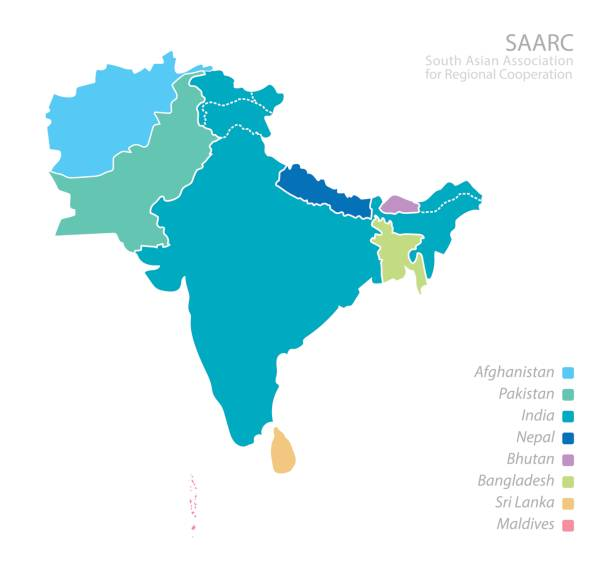
How will South and West Asia make a major eclipse in regional Geopolitics for India? Current Situation in South Asia: India faces increasing isolation in South Asia, particularly after the ousting of Sheikh Hasina in Bangladesh, leading to questions about India’s neighborhood policy. • Nepal and Sri Lanka are perceived as “fair weather friends,” while relations with the Maldives remain uncertain. Pakistan continues to be antagonistic, and Afghanistan is not a priority for India. • Bhutan appears to be balancing its relations with India and China under its current leadership.
Challenges in West Asia: • Impact of Syrian Developments: The ouster of the Assad regime in Syria is expected to have significant repercussions for the region, including implications for India. • Rise of Sunni Groups: The takeover by the Sunni group Hayat Tahrir al-Sham (HTS) may shift regional dynamics, especially as it aligns with the Sunni majority in Syria.
Regional Implications • Dismantling of Alliances: The changing power dynamics could weaken the so-called “axis of resistance,” affecting Iran’s influence and potentially diminishing support for groups like Hezbollah.• Israel’s Position: Israel may emerge stronger amid these changes, while the pro-Palestine movement could face setbacks.
What are the further strands on Technological challenges?
The digital threat landscape is expected to escalate significantly in 2025, necessitating urgent attention and warnings about potential dangers.
In late 2024, India experienced a notable increase in cyber attacks, including denial of service and ransomware incidents targeting major companies and government institutions.
This trend is projected to grow exponentially, posing unprecedented risks to national infrastructure due to the convergence of various technologies.
Conclusion: India must navigate this complex geopolitical landscape carefully, as both Political as well as Technological issues undergo significant transformations that could affect its regional influence and security.
The Harappan Civilization, also known as the Indus Valley Civilization, flourished between 2600 BCE and 1900 BCE, with earlier settlements dating back to 3200 BCE.
The origins of this civilisation are traced back to Mehrgarh in Balochistan, which dates to 7000 BCE.
It is considered one of the three earliest civilizations, alongside Egypt and Mesopotamia.
The civilization covered over 1.5 million sq. km, stretching across modern-day India, Pakistan, and Afghanistan.
Remains of the civilization include:
Well-planned cities with a grid layout, intersecting streets, and fortified structures.
Advanced drainage systems with underground sewers and covered drains, showing a strong emphasis on hygiene.
Granaries, warehouses, and dockyards, indicating the presence of structured trade and food storage mechanisms.
The discovery of seals made of steatite, often engraved with animals and an un-deciphered script, suggesting a sophisticated administrative system.
Craftsmanship in pottery, bead-making, terracotta figurines, metal artefacts, and weaving.
Water management systems such as reservoirs, wells, and baths, indicating an advanced understanding of hydraulic engineering.
Two ASI archaeologists were credited with the discovery:
Daya Ram Sahni excavated Harappa in 1921-22, discovering seals, pottery, and beads.
Rakhal Das Banerji began excavating Mohenjo-daro in 1922, finding similar items such as seals and copper objects.
John Marshall noticed the similarity between the objects found at Harappa and Mohenjo-daro, despite the sites being 640 km apart.
What were the Artifacts and Sculptures found at the site?
The IVC is renowned for its remarkable artifacts and sculptures, reflecting its advanced culture and daily life.
Key finds include seals with animal motifs and inscriptions, terracotta figurines of animals and mother goddesses, and intricately crafted beads and ornaments made of gold, silver, and semi-precious stones.
Iconic sculptures like the bronze “Dancing Girl” and steatite “Priest-King” highlight artistic sophistication.
Practical items like pottery, toys, and tools demonstrate technological advancement and societal organization.
These discoveries shed light on the civilization’s trade, religious beliefs, and aesthetic achievements.
PYQ:
[2013] Which of the following characterizes/characterize the people of Indus Valley Civilization?
1. They possessed great palaces and temples.
2. They worshipped both male and female deities.
3. They employed horse-drawn chariots in warfare.
Select the correct statement/statements using the codes given below.
A recent research revealed that the Zebrafish (a popular aquarium fish) can regenerate damaged heart muscle within 60 days, a capability absent in humans. The Hmga1 protein plays a key role in this process, offering potential insights for heart repair in mammals.
Discovery of Hmga1’s Role in Zebrafish Heart Regeneration:
In zebrafish, the Hmga1 protein plays a pivotal role in activating dormant genes necessary for regeneration.
It removes molecular “roadblocks” on chromatin (DNA-packaging structures), shifting genes from an inactive state to active regeneration mode.
The Hmga1 gene, active during embryonic development in mice and humans, becomes inactive after birth.
In zebrafish, however, the gene remains active during heart regeneration, enabling the repair process.
About Zebrafish
Zebrafish are small freshwater fish measuring 2-3 cm in length.
It is named for the horizontal blue stripes running along their bodies.
It is native to South Asia’s Indo-Gangetic plains and is commonly found in paddy fields, stagnant water, and streams.
It is classified as Least Concern by the IUCN.
Features of Zebrafish
Zebrafishes are known for their ability to regenerate almost all major organs, including the heart, brain, eyes, and spinal cord.
This unique trait makes them an important model in developmental biology and disease research.
They share approximately 70% of their genes with humans.
Over 80% of human disease-related genes have counterparts in zebrafish, making them valuable for studying genetic disorders.
They produce hundreds of embryos in a single clutch, enabling large-scale studies.
They are now preferred over rodent (guinea pigs) models for certain vertebrate development studies.
Widely used for regenerative biology and drug discovery due to their cost-effectiveness and rapid breeding.
For the first time in India, Chhattisgarh has introduced an innovative framework that integrates the ecosystem services of its forests into the calculation of Green Gross Domestic Product (Green GDP). This initiative highlights the critical role forests play in supporting both environmental sustainability and economic growth.
Highlights of the Chhattisgarh’sPlan
Forest contributions like carbon absorption, climate regulation, and biodiversity preservation will now be formally quantified and included in the state’s economic planning.
The initiative ensures forests are valued not just for their resources but for their broader ecological services.
With 44% of its land under forest cover, Chhattisgarh’s natural resources are vital for the livelihoods of millions and play a significant role in mitigating climate change.
The initiative aligns with ‘Developed India 2047’ vision, focusing on long-term ecological and economic sustainability.
About Green GDP
Green GDP is an alternative metric for assessing economic growth that includes the environmental costs of economic activities.
It subtracts the value of natural resource depletion and environmental degradation from traditional GDP to provide a more accurate picture of economic well-being.
Introduced in the 1993United Nations Handbook of National Accounting: Integrated Environmental and Economic Accounting under the System of Environmental-Economic Accounting (SEEA) framework.
Key Features:
Aims to measure the sustainability of economic growth.
Focuses on valuing ecosystem services like carbon sequestration, soil conservation, and water resources.
Provides insights into the trade-offs between economic growth and environmental conservation.
Calculation:
Green GDP = Traditional GDP – Costs of Environmental Degradation – Costs of Resource Depletion.
Challenges: Incomplete environmental data, reliance on subjective assumptions, difficulty in valuing ecosystem services, and the absence of a universal calculation framework, often oversimplifying nature’s intrinsic worth.
Government Initiatives for Green GDP Accounting
Green National Account Framework: It integrates environmental considerations into national accounting systems. It captures the value of natural resources, costs of pollution, and benefits of ecosystem services like clean air and water.
System of Environmental-Economic Accounting, 2012 (SEEA): It was adopted by India under UN guidelines to create databases for natural capital accounting and informed policymaking.
RBI Estimates: Green GDP for 2019 was ₹167 trillion, reflecting a 10% adjustment from traditional GDP. It is supported by organizations like TERI and Indian Statistical Institute to refine valuation methodologies.