💥Join UPSC 2027,2028 Mentorship (July Batch) + XFactor Notes & Microthemes PDF

GS Paper: GS2

  • The impact of 50 years of vaccination on children worldwide 

    Why in the News?

    On the occasion of World Immunisation Week observed from 24th to 30th April, the Indian Academy of Paediatrics has launched a campaign to focus on routine immunization as the ‘Birth Right’ of a Child.

    About Measles Vaccination

    • This vaccine protects against 3 diseases: Measles, Mumps, and Rubella (MMR).
    • Centre for Disease Control and Prevention (CDC) recommends children get two doses of MMR vaccine, starting with the first dose at 12 -15 months of age, and the second dose at 4-6 years of age. Teens and adults should also be up to date on their MMR vaccination.

    Indian Government Initiatives:

    • World Immunization Week: The Indian Academy of Paediatrics (IAP) launched a campaign during World Immunisation Week (April 24-30) focusing on routine immunization as a fundamental right of every child. IAP urged the government to expedite the introduction of the HPV vaccine and typhoid conjugate vaccine to address significant public health burdens.
    • Vaccination made within the country:
      • DTP Vaccine: 93% of surviving infants received the third dose of the DTP vaccine.
      • Measles Vaccine: 90% of infants received the second dose of the measles vaccine. The measles vaccine has been the most significant in reducing infant mortality, accounting for 60% of lives saved through immunisation since 1974.
      • Present issues include inequitable distribution of vaccines, inability to reach 90% coverage, human resource gaps, and financing problems. In 2022, 33 million children missed a measles vaccine dose, with 22 million missing the first dose and 11 million missing the second dose.

    Impacts of Immunisation Globally:

    • Lives Saved: Immunisation efforts have saved an estimated 154 million lives globally over the past 50 years, equating to six lives every minute of every year.
    • Infant Mortality Reduction: 101 million of the lives saved were infants. Vaccination against 14 diseases has reduced infant deaths by 40% globally and by over 50% in Africa.
    • Diseases Targeted: Vaccines have contributed to reducing deaths from diseases like Diphtheria, Haemophilus Influenzae Type B, Hepatitis B, Japanese Encephalitis, Measles, Meningitis A, Pertussis, invasive Pneumococcal disease, Polio, Rotavirus, Rubella, Tetanus, Tuberculosis, and Yellow fever.

    Conclusion: Immunisation saves lives, reduces infant mortality, and prevents outbreaks by protecting against infectious diseases, ensuring healthier communities, and securing a better future for children worldwide.

    Mains PYQ:

    Q What is the basic principle behind vaccine development? How do vaccines work? What approaches were adopted by the Indian vaccine manufacturers to produce COVID-19 vaccines? (UPSC IAS/2022)

  • Adopting a transformative vision for mediation

    Why in the news? 

    The Mediation Act, of 2023, formalizes diverse mediation forms, promotes amicable settlements and also addresses the judicial backlog. However, Chief Justice Chandrachud emphasized recently that we need a “mediate, not litigate” directive.

    What is Alternative Dispute Resolution (ADR)?

    • ADR refers to the methods of resolving a dispute, which are alternatives for litigation in Courts. Generally, it uses a neutral third party who helps the parties to communicate, discuss the differences, and resolve the dispute (civil disputes).
    • The Malimath Committee Report (1989-90) underlined the need for ADR mechanisms as a viable alternative to conventional court litigation.

    Important Provisions Related To ADR:

    • Section 89 of the Civil Procedure Code, 1908: Provides that opportunity to the people, if it appears to court there exist elements of settlement outside the court then the court formulates the terms of the possible settlement and refer the same for ADRs.
    • Legal provisions dealing with the ADR mechanism in India are the Legal Services Authority Act, 1987 (established Lok Adalat System) and the Arbitration and Conciliation Act, 1996.


    Significance of ADR: 

    • Speedy Justice: It is a well-known fact that the present Judicial System is extremely expensive and delaying. ADR methods typically resolve disputes faster than traditional court processes, which is crucial in reducing judicial backlog and providing timely justice.
    • Cost-Effectiveness: ADR is generally less expensive than litigation, as it avoids the high costs associated with court fees, prolonged legal procedures, and extensive discovery processes.
    • Confidentiality: Unlike public court proceedings, ADR processes are usually private, protecting the confidentiality of the parties and the details of the dispute.
    • Preservation of Relationships: ADR methods, particularly mediation and conciliation, emphasize collaborative problem-solving and communication, helping to preserve or even improve relationships between parties.

    Key provisions of the Mediation Act, 2023:

    • It defines ‘Mediation’ and also expands the scope of mediation to statutorily recognize pre-litigation mediation, online mediation, community mediation and conciliation under the definition.
    • Section 5 provides that the disputing parties, before filing any civil or commercial suit in any court, may “voluntarily and with mutual consent” take steps to settle the disputes by pre-litigation mediation.
    • It is in line with the international practice of using the terms ‘mediation’ and ‘conciliation’ as declared by the UNCITRAL and as done previously by the Supreme Court of India in many of its judgments (Perry Kansagra vs. Smriti Madan Kansagra, 2019 and Amardeep Singh vs. Harveen Kaur, 2017).

    Need to address flaws wrt Mediation Act, 2023:

    • Experience Requirement for Mediators: Aspiring mediators must have 15 years of professional experience before qualifying to practice. This requirement might be too stringent and could limit the pool of potential mediators, hindering the growth of mediation as a viable dispute-resolution method.
    • Disconnect in Legal Education: The current legal education and practice emphasize advocacy, which contrasts sharply with the neutrality required in mediation. This creates a disconnect as legal professionals need to unlearn and relearn skills when transitioning between roles, making the process inefficient.

    How can we foster the next generation of Mediators?

    • Integrated Approach: To bridge the gap between advocacy and mediation, there should be continuous, integrated learning. Legal professionals should be trained to switch roles seamlessly, maintaining and enhancing their skills in both areas throughout their careers.
    • Innovative Training Methods: Co-mediation pairs novice mediators with experienced counterparts, allowing them to gain practical experience in real mediation sessions.
    • Structured Mediation Training: Embedding mediation training within the law school curriculum can ignite early interest and equip students with essential dispute-resolution skills.
    • Amendments: Revising the experience requirement to allow younger professionals to become mediators sooner could expand the pool of qualified mediators and accelerate the adoption of mediation practices.

    Conclusion: According to CJI an “active effort must be taken by courts to make negotiations and mediation mandatory as part of case management and with adequate cooperation from all stakeholders, ADR can emerge as a tool of social justice in the country.

    Mains PYQ: 

    Q What are the major changes brought in the Arbitration and Conciliation Act, of 1966 through the recent ordinance promulgated by the President? How far will it improve India’s dispute resolution mechanism? Discuss. (UPSC IAS/2015)

  • An Overview of the Smart Cities Mission | Explained

    Why in the news? 

    The Smart Cities Mission (SCM), a key initiative of the previous NDA-1 government, has received less emphasis in this year’s lineup of electoral pledges and accomplishments.

    How are smart cities defined by the government? 

    • Since 2009, following the significant financial crash, the term ‘Smart City’ has gained widespread usage.
    • Urban practitioners have defined smart cities as innovative urban hubs akin to new Silicon Valleys, characterized by robust integration of transportation networks, including airports, highways, and various communication infrastructures, thereby fostering intellectual environments enhanced by advanced information and communication technologies (ICT).
    • The Smart Cities Mission is a key urban renewal and retrofitting program launched by the Government of India in 2015 to develop 100 cities across the country, making them citizen-friendly and sustainable.

    The Smart Cities Mission (SCM) comprises two primary components:

    1. Area-Based Development:

    This aspect focuses on three components:

    • Redevelopment (city renewal): Revitalizing existing urban areas to improve infrastructure, amenities, and quality of life.
    • Retrofitting (city improvement): Upgrading infrastructure and services in already developed areas to meet contemporary urban needs and standards.
    • Greenfield projects (city extension): Developing new urban areas or expanding existing cities with sustainable and modern infrastructure.
    1. Pan-City Solutions based on ICT:

    This facet involves implementing integrated solutions across various sectors using Information and Communication Technology (ICT). These solutions typically fall under six categories:

    • E-governance: Utilizing digital platforms for efficient and transparent governance processes.
    • Waste management: Implementing systems for effective waste collection, segregation, and disposal.
    • Water management: Enhancing water supply infrastructure and promoting conservation measures.
    • Energy management: Implementing energy-efficient technologies and promoting renewable energy sources.
    • Urban mobility: Improving transportation systems to enhance connectivity and reduce congestion.
    • Skill development: Promoting programs to enhance the skills and employability of the urban workforce.

    Why is the Smart Cities Mission (SCM) considered exclusionary to many?

    • Limited Geographical Scope: Only a small portion of a city’s area, often not more than 1%, was selected for development under the SCM. For example, in Chandigarh, the funds were concentrated in sector 43, focusing on projects like smart water meters and Wi-Fi zones, leaving other areas untouched.
    • Mismatch with Urban Realities: The competitive selection process did not account for the diverse and dynamic nature of urbanization in India. The approach was more suitable for static urban environments found in the West, not the evolving urban landscapes of Indian cities.
    • Displacement and Disruption: Implementation of smart city projects often led to the displacement of people living in poorer localities and street vendors.
    • Inadequate Funding: The total funding allocated for the SCM was significantly less than the estimated requirement for making Indian cities livable. Reports suggested a capital expenditure need of $1.2 trillion by 2030, while the SCM’s allocation was less than $20 billion over nine years.

    Did the SCM override the 74th Constitutional Amendment?

    • Reduced Role of Elected Councils: The governance structure under the SCM limited the role of elected municipal councils.This was seen as bypassing the decentralized, participatory governance model envisaged by the 74th Constitutional Amendment, which aimed to empower local urban bodies.
    • Top-Down Approach: Critics argued that the SCM’s design was too top-down, not aligning with the bottom-up approach promoted by the 74th Constitutional Amendment.

    Way forward:

    • Contextual Planning: Develop flexible and adaptive plans that consider the unique and dynamic nature of Indian urbanization, rather than applying a one-size-fits-all model.
    • Community Involvement: Engage local communities in the planning process to ensure that projects reflect the needs and realities of different urban areas.

    Mains PYQ:

    Q What are ‘Smart Cities’? examine their relevance for urban development in India. Will it increase rural-urban differences? Give arguments for ‘Smart Villages’ in the light of PURA and RURBAN Mission. (UPSC IAS/2016)

  • India, Iran sign 10-year contract for Chabahar Port Operation

    Why in the news?

    • India and Iran signed a 10-year agreement for the operation of the Chabahar port, marking a significant milestone in their cooperation.

    Back2Basics: Chabahar Port

    • The port is located in southeastern Iran in the Sistan-Baluchistan province, on the Gulf of Oman and at the mouth of the Strait of Hormuz.
    • It is called the “Golden Gate” to Central Asian land-locked countries of Afghanistan, Turkmenistan and Uzbekistan.
    • It serves as Iran’s only oceanic port and consists of two separate ports named Shahid Kalantari and Shahid Beheshti.
    • It is only about 170 km west of the Gwadar port if Pakistan.
      • The development of Chabahar port was initiated by India with a MoU in 2015 and executed in 2016 during PM Narendra Modi’s visit to Iran.

    About the Agreement

    The contract, signed between Indian Ports Global Ltd. (IPGL) and Port and Maritime Organisation (PMO) of Iran, involves substantial investment and development initiatives.

    • IPGL will invest approximately $120 million in equipping the Shahid-Behesti terminal, enhancing the port’s efficiency and capacity.
    • India has extended a credit window of $250 million for mutually identified projects aimed at improving Chabahar-related infrastructure, emphasizing its commitment to regional development.

    Strategic Importance of Chabahar Port to India

    • Chabahar port will boost India’s access to Iran, the key gateway to the International North-South Transport Corridor that has sea, rail and road routes between India, Russia, Iran, Europe and Central Asia.
    • Chabahar port will be beneficial to India in countering Chinese presence in the Arabian Sea which China is trying to ensure by helping Pakistan develop the Gwadar port.
    • India can bypass Pakistan in transporting goods to Afghanistan.

    Economic Significance

    • Chabahar Port is at an important point on the Arabian Sea, with easy access from India’s west coast.
    • Kandla port in Gujarat is the closest port at 550 nautical miles, while the distance between Chabahar and Mumbai is 786 nautical miles.
    • Since 2019, the port has handled more than 80,000 twenty-foot equivalent units (TEUs) of container traffic and more than 8 million tonnes of bulk and general cargo.
    • The port also offers an alternative route from the Strait of Hormuz for cargo traffic between Central Asian countries and Afghanistan.

    PYQ:

    [2017] What is the importance of developing Chabahar Port by India?

    (a) India’s trade with African countries will enormously increase.

    (b) India’s relations with oil-producing Arab countries will be strengthened.

    (c) India will not depend on Pakistan to access Afghanistan and Central Asia.

    (d) Pakistan will facilitate and protect the gas pipeline installation between Iraq and India.

  • Supreme Court cautions on ‘history sheets’: All you need to know about the practice

    Why in the News?

    On May 7, a Bench comprising Justices Surya Kant and K V Viswanathan warned against the presence of “unfair, prejudicial, and atrocious mindsets” that perpetuate and validate caste prejudices.

    • It also directed all states and union territories to ensure that the ‘history sheets‘ maintained by their police forces are free from ‘caste biases’.
    • The Bench was adjudicating a petition filed by AAP MLA Amanatullah Khan, contesting a history sheet initiated against him and a proposal to designate him as a ‘bad character’ by registering his name in the surveillance register at Delhi’s Jamia Nagar police station.

    Did you know about the ‘History sheets’?

    • The term “history sheet” first appeared in the Punjab Police Rules of 1934. 
    • These rules authorized the opening of a history sheet against individuals reasonably believed to be habitually addicted to crime or aiding and abetting criminal activities, regardless of whether they have been convicted.

    How was the process of ‘history sheeting’ initiated?

    • The process of opening a history sheet is governed by police rules specific to each state, such as it is applicable in Punjab, Haryana, Himachal Pradesh, Delhi, and Chandigarh.
    • The initiation typically begins when the Station House Officer (SHO), who is the head of the police station, takes notice of an individual proven guilty in multiple cases or found to be consistently engaged in criminal activities.
    • Details included in the history sheet (Acc. Punjab Police Rules, 1934):
      • A history sheet must contain a detailed description of the individual, paying special attention to any peculiarities of appearance that can aid in identification.
      • It mentions the relations and connections of the individual. This provides clues regarding persons with whom the criminal is likely to associate.
      • It holds the details about any property owned by the criminal, as well as their mode of earning a livelihood, should be included.

    About Amanatullah Khan’s plea in the Supreme Court:

    • On May 13, 2022, the Station House Officer (SHO) of Jamia Nagar had submitted a dossier to the Assistant Commissioner of Police (ACP) and Deputy Commissioner of Police (DCP) proposing to open a history sheet and label him as a “Bad Character” in police records.
    • The proposal was accompanied by a list of 18 pending cases against Khan, including offenses such as intimidation, threatening, and riots. Khan claimed that he had been discharged, acquitted, or had the FIRs quashed in 14 of these cases.
    • Legal Battles: 
      • In January 2023, the Delhi HC dismissed Khan’s plea against the opening of the history sheet and the “Bad Character” tag, stating that the Delhi Police had followed due procedure and complied with the Punjab Police Rules, 1934.
      • Khan’s appeal to the SC was rejected, but the SC directed the police to ensure that details of his minor children and wife were not reflected in the history sheet.
      • Khan’s plea focused on protecting the dignity, self-respect, and privacy of his innocent family members, including minor relatives, from being compromised by inclusion in the history sheet.
    • Revisiting Police Procedures: The Delhi Police submitted that they would revisit the format for history sheets to ensure that the details of innocent family members are not compromised.
      • A Standing Order issued by the Delhi Police Commissioner on March 21, 2024, stated that details of minor relatives should not be included in the history sheet.

    BACK2BASICS

    Constitutional and Legal Provisions for accused person in India:

    • Article 20: This right protects against arbitrary and excessive punishment of an accused person, whether a citizen, a foreigner, or a legal person like a company or a corporation, etc.
    • Article 21: This right declares that no person shall be deprived of his life or personal liberty except according to the procedure established by law. This right is available to both citizens and non-citizens.
    • Section 50(1) of the CrPC: As per this section, every arrested person has the right to be treated with dignity and respect during detention.
      • This section ensures that individuals, including the accused, are not subjected to any form of physical or mental abuse while in custody, upholding the basic human rights of the accused.

    Way Forward:

    • Review and Revise Police Procedures: States and Union Territories should conduct a comprehensive review of their police procedures related to maintaining history sheets to ensure they are free from caste biases.
    • Training and Sensitization: Police personnel should undergo regular training and sensitization programs to raise awareness about caste biases and the importance of impartiality in law enforcement.

    Mains PYQ: 

    Q The jurisdiction of the Central Bureau of Investigation (CBI) regarding lodging an FIR and conducting probe within a particular State is being questioned by various States. However, the power of the States to withhold consent to the CBI is not absolute. Explain with special reference to the federal character of India.

  • Explained: Behind the 20-year delay in Nagaland’s Urban Local Body Elections

    Why in the News?

    For the first time (since 2004), Nagaland is scheduled to conduct Urban Local Body elections.

    Context: 

    • The state cabinet approved on April 26 for conducting Urban Local Body polls for Nagaland’s 3 Municipal Councils and 36 Town Councils.
    • Further, the State Election Commission (SEC) released the election schedule, with voting slated for June 26.

    BACK2BASICS: Constitutional Provisions for Urban Local Body Elections:

      • The 74th Constitutional Amendment bars the interference by courts in the electoral matters of municipalities.
        • Article 243U mandates a five-year tenure for urban local governments.
      • The superintendence, direction and control of the preparation of the electoral rolls for, and the conduct of, all elections to the panchayats and municipalities shall be vested in the State Election Commission (SEC).
    • Article 371 (A)- It makes the special provisions for Nagaland in such a way that the Acts of Parliament would not apply to Nagaland unless the State Legislature Assembly so decides especially in terms of the Religious or social practices of the Naga.

    What does the Janaagraha Survey say about the status of Municipal Elections in India?

    • According to the annual survey made by Janaagraha (a non-profit institution), over 1,400 municipalities in India did not have elected councils in place as of September 2021.
    • According to the Comptroller and Auditor-General of India (CAG), between 2015 and 2021, over 1,500 municipalities didn’t have elected councils. Major cities like Chennai, Delhi, Mumbai, and Bengaluru faced delays ranging from months to years in holding elections.

    The story behind the contention surrounding the Urban Local Body polls in Nagaland:

    • The Nagaland Municipal Act of 2001 was amended in 2006 to introduce a 33% reservation for women in local bodies, by constitutional amendments.
      • However, this amendment became a subject of controversy due to opposition from tribal bodies, citing conflicts with Naga customary laws.
      • These laws under Article 371(A) of the Constitution violated Naga customary practices where women have traditionally not been part of decision-making bodies.
    • In 2009, the state government deferred municipal elections scheduled for the following year due to the controversy surrounding the Act.
    • Despite opposition, advocacy groups such as the Naga Mothers’ Association (NMA) fought for the implementation of women’s reservations.
    • In 2011, the NMA petitioned the Gauhati High Court, which directed the Nagaland government to hold local body elections.
    • In 2012, the state assembly passed a resolution rejecting women’s reservations in the polls, leading to further legal battles. The NMA filed a special leave petition in the SC, which in 2017 directed the government to hold the polls.
    • When the government moved to conduct the elections as per the Supreme Court directive, violent protests erupted, resulting in casualties. Under mounting pressure, then Chief Minister T R Zeliang resigned from his position.
    • In November, during a special emergency session, the assembly passed the Nagaland Municipal Bill, 2023.
      • This new legislation retains the 33% reservation for women in urban local bodies, aligning with constitutional amendments, but removes provisions such as reservation for the post of chairperson and taxes on immovable property.

    Conclusion: Nagaland needs to foster community engagement and participation in the electoral process by promoting inclusive governance structures that involve diverse community members, including women, youth, and marginalized groups.


    Mains PYQ: 

    Q Recent directives from Ministry of Petroleum and Natural Gas are perceived by the ‘Nagas’ as a threat to override the exceptional status enjoyed by the State. Discuss in light of Article 371A of the Indian Constitution.(UPSC IAS/2013)

  • [11 May 2024] The Hindu Op-ed: Freshwater Quest, the Likely New Gold Hunt

    PYQ Relevance:

    Mains: 
    India is well endowed with fresh water resources. Critically examine why it still suffers from water scarcity. (UPSC IAS/2015)

    Q What are the maritime security challenges in India? Discuss the organizational, technical, and procedural initiatives taken to improve maritime security. (UPSC IAS/2022)

    Q ‘Climate change’ is a global problem. How India will be affected by climate change? How Himalayan and coastal states of India will be affected by climate change? (UPSC IAS/2017)

    Note4Students: 

    Prelims:  Non-renewable sources;

    Mains: Non-renewable sources in India; Non-controversial legislative;

    Mentor comment:  Healthy freshwater environments supply water for drinking, growing crops, manufacturing, energy, and transport. They also help to prevent erosion, dispose of waste, and provide natural protection from flooding. But we’ve been careless with this vital resource. In addition, 10% of the world’s animal species live exclusively in freshwater habitats, many of which are currently threatened with extinction. Now in this Climate changing world, can you imagine that huge volumes of freshwater exist under the saline ocean? And what if this Saline Ocean becomes an opportunity as the ‘largest freshwater resource’?

    Let’s learn

    _

    Why in the News? 

    A team of scientists from Vietnam and other countries have discovered underwater sources of Fresh water in the Oceanic body, previously, a river under the sea was discovered at the bottom of the Black Sea.

    Context:

    • In the 1960s, the U.S. Geological Survey drilled boreholes off the New Jersey coast and unexpectedly struck freshwater.
      • According to the present researchers, this river appears to be 100 feet deep and has a flow rate of about 4 miles per hour; about 22,000 cubic meters of water passes through this channel.
      • It would count as one of the largest rivers in the world when compared to land-based rivers.
    • Freshwater is a depleting resource and countries will begin exploring for and exploiting freshwater from above or under their ocean bed, within their maritime zones. Eventually, they will try to expand their Exclusive Economic Zones (EEZ) as given in Part XI of UNCLOS.
      • India can take the lead in shaping Non-controversial Legislative text that addresses the gaps in the laws of the sea, especially in exploratory activities that concern freshwater extraction
    About UNCLOS (United Nations Convention on the Law of the Sea):

    It is an international treaty adopted in 1982 (in force since 1994) that sets out the legal framework for all marine and maritime activities.
    While UNCLOS is a comprehensive text governing oceans, customary international law remains significant in shaping maritime law.  As of 2024, 168 parties have ratified the treaty.
    Exploration and Exploitation of the “Area”: UNCLOS governs the exploration and exploitation of mineral resources in the Area, which includes solid, liquid, or gaseous mineral resources beneath the seabed. The International Seabed Authority regulates activities in this regard.
    “Minerals”: While UNCLOS defines “resources” as including solid, liquid, or gaseous mineral resources, it’s unclear if this includes freshwater.
    International Seabed Authority (ISA): The ISA administers and controls activities in the “Area” under UNCLOS, ensuring compliance with regulations and procedures. However, it does not have jurisdiction over states’ parties to the Geneva Conventions.

    About Geneva Conventions on the Law of the Sea, 1958: 

    These conventions cover many issues addressed by UNCLOS and are often based on customary international law.
    Article 311 of UNCLOS states that UNCLOS prevails over the Geneva Conventions, among state parties. This means that UNCLOS applies to signatory states over the Geneva Conventions.
    The United States is a signatory to the Geneva Conventions but not UNCLOS, creating complexities in its adherence to maritime law.
    Non-signatory states are not bound by UNCLOS and may not recognize concepts like the Exclusive Economic Zone (EEZ) or the “Area” beyond 200 nautical miles.
    There is ambiguity regarding the regulation of state parties to the Geneva Conventions, especially concerning mining and exploratory activities in the “Area.”

    Challenges for India in the “Zone of Exploration”:

    • Water Scarcity and Conflict: Anticipation that future wars may be fought over water due to its increasing scarcity and value, highlighting the importance of freshwater resources.
    • The potential of the “Area” for Freshwater: With freshwater becoming scarce and expensive, the “Area” could qualify as a potential zone for freshwater exploration and extraction, similar to oil exploration.
    • Lack of Legislation: Currently, there is a lack of specific legislation and terminologies governing the exploration and extraction of resources beyond national jurisdiction, particularly freshwater.
    • Complexities in Governance: The governance of activities beyond national jurisdiction, such as freshwater exploration, is complicated by multiple legislations governing the law of the sea.

    Silver Lining for India:

    • Opportunity for Legislative Development: There is a need for the international community to develop laws of the sea, particularly concerning exploratory activities related to freshwater from the “Area.”
    • Sustainable Development Goals: The effort aligns with the global agenda of SDG 14, emphasizing the importance of sustainable resource management beyond national jurisdictions.
    • Potential Role for India: India is suggested to take a lead role in addressing these legislative challenges and advancing exploration activities in the “Area,” which could benefit mankind significantly.
    • Human Priorities Over Space Exploration: It advocates for prioritizing efforts to secure freshwater resources on Earth over investing in space exploration, highlighting the immediate and pressing need for water security.

    The way for India to shape the “Non-controversial” Legislative text:

    (The Non-controversial legislative text means the laws that are passed without an actual voice or recorded vote but by unanimous consent.)

    • Diplomatic Leadership: India can leverage its diplomatic influence and engagement with other nations to initiate discussions and negotiations on developing new legislative frameworks for freshwater extraction in areas beyond national jurisdiction.
    • International Partnerships: India can forge partnerships with like-minded countries, international organizations, and stakeholders to collaboratively draft and promote legislative proposals addressing gaps in the laws of the sea related to freshwater extraction.
    • Expertise and Research: India can contribute its expertise in marine science, technology, and legal studies to inform the development of non-controversial legislative text. Investing in research and studies on freshwater resources can provide valuable insights for legislative discussions.

    Conclusion: India needs to work towards involvement in amending existing conventions like UNCLOS or drafting new agreements tailored to address the unique challenges of freshwater resource management.

  • Explained: History of India and Nepal’s border issue

    Why in the News? 

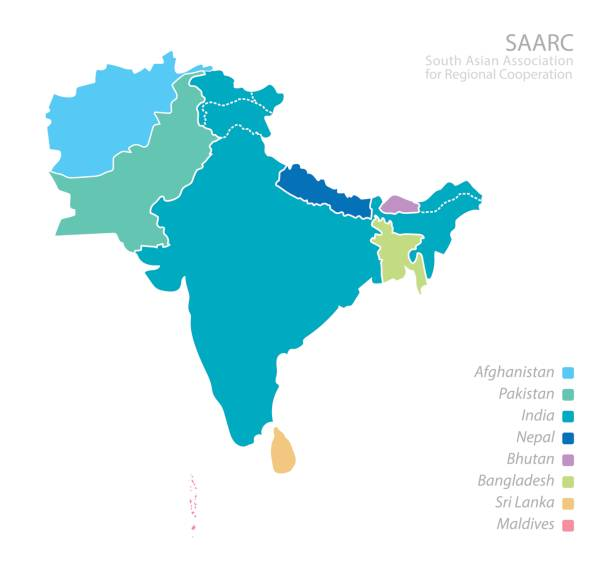
    Nepal’s Cabinet last week decided to put a map on its Rs 100 currency note showing certain areas administered by India in Uttarakhand as part of its territory.

    • India’s External Affairs Ministry said that such “unilateral measures” by Kathmandu would not change the reality on the ground.

    Genesis of the issue: 

    Territorial dispute: The territorial dispute is about a 372-sq-km area that includes Limpiadhura, Lipulekh, and Kalapani at the India-Nepal-China trijunction in Uttarakhand’s Pithoragarh district. Nepal has claimed for long that these areas belong to it both historically and evidently.
    • Treaty of Sugauli (1815-16): This treaty marked the end of the Anglo-Nepalese War and resulted in Nepal ceding significant territories to the British East India Company, including lands east of the Kali River. Article 5 of the treaty delineated the boundary along the river, thereby affecting Nepal’s jurisdiction over the area.
    • Historical division: Maps issued by the British Surveyor General of India in the 19th and early 20th centuries depicted the Kali River as originating from Limpiadhura. These maps served as crucial references for defining territorial boundaries between Nepal and British India.
    • Depiction of Kali River: Maps from different periods showed variations in the depiction of the Kali River, with some using the name “Kuti Yangti” and others referring to it as the Kali River. Additionally, discrepancies emerged regarding the river’s exact origin point, with some maps showing different sources.
    • Map issued by Britisher (1947): The last map issued by the British before they left India in 1947 reverted to showing the initial position of the Kali River originating in Limpiadhura, indicating a reaffirmation of the historical boundary according to British cartographic records.

    Argument given by Nepal to claim land:

    • According to Shrestha, villages in this area — Gunji, Nabhi, Kuti, and Kalapani, also known as Tulsi Nyurang and Nabhidang — were covered by the Nepal government census until 1962, and the people paid land revenue to the government in Kathmandu.
      • However, the situation changed after the war between India and China in 1962.
    • Nepal also says that then Indian PM Jawaharlal Nehru approached King Mahendra of Nepal asking for permission to use Kalapani, which was strategically located close to the trijunction, as a base for the Indian Army.
    • Prominent personalities representing Nepal in bilateral talks have claimed that India has made assurances regarding the resolution of border disputes if Nepal could provide evidence for its claims.
    • Despite assurances and agreements to expedite the resolution process, progress has been slow or stalled.

    Frictions in Bilateral Ties:

    • From 2005-2014: The period from 2005 to 2014 saw India mediating Nepal’s transition from a Hindu Kingdom to a secular federal republic.
      • However, tensions arose in 2015 when Nepal’s Maoist Party rejected India’s suggestion to delay the adoption of a new constitution until the concerns of the Terai parties were addressed.
      • The subsequent 134-day blockade by India in September 2015 exacerbated distrust and led Nepal to seek alternative trade routes, including agreements with China.
    • During 2020: Nepal’s inclusion of disputed territories, such as the 372 square kilometres in Uttarakhand, in its new map in 2020 escalated tensions with India. While Nepal aimed to assert sovereignty over these areas, India condemned the move as “cartographic aggression.”
      • Despite India’s stance that the issue should be resolved diplomatically based on evidence, no concrete steps have been taken to address the dispute.
    • During 2024: The decision by Nepal’s cabinet to include the new map on its currency notes in 2024 has reignited tensions between the two countries.

    India-Nepal Border Dispute

    Way Forward:

    • Need for Dialogue: While both India and Nepal agree on the need to resolve territorial disputes through dialogue and evidence-based discussions, there has been no concrete progress in scheduling meetings or setting a timeframe for resolution.
    • Need for Dispute settlement: Nepal has successfully resolved boundary issues with China in the past through bilateral meetings of the boundary commission. However, the unresolved disputes with India highlight the importance of timely and effective diplomatic engagement to prevent future complications and ensure peaceful coexistence between the two neighbours.
    • Joint Border Commission: Establishing a joint border commission comprising representatives from both countries can facilitate a systematic review of historical documents, maps, and evidence related to territorial claims.

    Mains PYQ: 

    Q Border management is a complex task due to difficult terrain and hostile relations with some countries. Elucidate the challenges and strategies for effective border management.

  • India backs Palestine’s bid for full UN membership

    Why in the news?

    India has voted in favour of a UN General Assembly resolution recommending Palestine’s admission as a full member of the United Nations.

    Arab push for Palestine’s Membership

    • The emergency special session was convened by the Arab Group, with the UAE presenting the resolution in support of Palestine’s full membership.
    • The resolution calls for the Security Council to “reconsider” Palestine’s membership favourably, based on its determination that Palestine is qualified for UN membership.
    • The resolution received overwhelming support, with 143 votes in favour, including India’s, nine against, and 25 abstentions.
    • As an observer state, Palestine currently lacks voting rights in the General Assembly and cannot nominate candidates to UN organs.

    India’s Stance on Palestine:

    • In 1988, India recognized the State of Palestine.
    • In 1996, India opened its Representative Office to the Palestine Authority in Gaza, later relocating it to Ramallah in 2003.

    About United Nations

    Details
    Background  Resulted from the devastation of World War I and II

    Highlighted the need for a more effective international body to maintain peace and prevent future conflicts.

    Predecessor The League of Nations, created in 1919 after World War I, aimed at peacekeeping but failed during World War II.
    The Atlantic Charter Issued in August 1941 by President Franklin D. Roosevelt (USA) and Prime Minister Winston Churchill (UK), this document outlined principles for a post-war world and set the stage for the UN’s creation.
    Naming The term “United Nations” was coined by President Roosevelt in 1941 to describe the allied nations opposed to the Axis powers.
    Declaration by United Nations On January 1, 1942, representatives from 26 Allied nations, including India under British colonial rule, signed this declaration in Washington DC, formalizing their alliance and war objectives.
    Official Formation UN was officially established on October 24, 1945, when its Charter was ratified by 51 member countries

    It included 5 permanent Security Council members: France, Republic of China, Soviet Union, UK, and US.

    First General Assembly The inaugural meeting of the UN General Assembly took place on January 10, 1946.
    Core Goals
    1. To maintain international peace and security.
    2. To foster friendly relations among nations.
    3. To cooperate in solving international problems and in promoting respect for human rights.
    4. To be a centre for harmonizing the actions of nations in attaining these common ends.
    India’s Role India was a founding member of the United Nations, having signed the initial Declaration alongside 25 other Allied nations during World War II.


    Rights and Privileges:

    • The rights and privileges of member states in the United Nations are designed to ensure that all members can effectively participate in the organization’s activities and benefit from its resources.

    PYQ:

    [2022] With reference to the “United Nations Credentials Committee”, consider the following statements:

    1. It is a committee set up by the UN Security Council and works under its supervision.
    2. It traditionally meets in March, June and September every year
    3. It assesses the credentials of all UN members before submitting a report to the General Assembly for approval.

    Which of the statements given above is/are correct?

    (a) 3 only
    (b) 1 and 3
    (c) 2 and 3
    (d) 1 and 2

  • What is Interim Bail?

    Why in the news?

    The Supreme Court has granted interim bail to Delhi Chief Minister Arvind Kejriwal in the liquor policy case till to campaign for the Lok Sabha elections.

    What is Interim Bail?

    • Interim bail in India is a temporary release granted to an accused person from custody under Section 439 Cr.
    • It can be granted to address urgent matters such as medical emergencies, family crises, or other significant personal issues.

    Legal Provisions for Interim Bail

    Interim bail in India is NOT explicitly defined under a specific statute but is derived from the discretionary powers granted to courts under various legal provisions.

    The most relevant laws and principles include:

    1. Code of Criminal Procedure, 1973 (CrPC): While the CrPC does not explicitly mention “interim bail,” it provides the framework for granting bail in general. Sections like 437 (bail in non-bailable cases by Magistrate), 438 (anticipatory bail), and 439 (special powers of High Court or Court of Session regarding bail) are used by courts to grant bail, including interim bail, based on judicial discretion.
    2. Constitutional Provisions: The Constitution of India under Article 21, which guarantees the right to life and personal liberty, is often interpreted to include the right to bail as part of the fair and just legal process.


    Back2Basics: What is Bail?

    • Bail is the conditional release of a defendant with the promise to appear in court when required.
    • The term also means the security that is deposited in order to secure the release of the accused.
    • In India’s legal world, the term offense has been categorized as bailable offenses and non-bailable under the Code of Criminal Procedure.

    Why need Bail?

    • Bail is a fundamental aspect of any criminal justice system.
    • A person can defend himself/herself better when he/she is free, thus ensuring free trial.
    • The practice of bail grew out of the need to safeguard the fundamental right to liberty.
    • Liberty is the right of one whose guilt has not yet been proven.

    Types of Bail in India

    • Depending upon the sage of the criminal matter, there are commonly three types of bail in India:
    1. Regular Bail: Granted to a person who has already been arrested and is in custody. This type of bail is provided under Sections 437 and 439 of the Code of Criminal Procedure, 1973 (CrPC). It allows the accused to be released from custody while the trial is ongoing.
    2. Anticipatory Bail: Under Section 438 of the CrPC, anticipatory bail is a pre-arrest legal process. It is granted when a person apprehends arrest on an accusation of having committed a non-bailable offence. This type of bail ensures that the accused will be released on bail in the event they are arrested.
    3. Interim Bail: This is temporary bail granted for a short period. Interim bail is often granted to allow the accused some relief until a final decision on their regular or anticipatory bail plea is made.

    Conditions for Grant of Bail in Bailable Offences

    • Section 436 of the Code of Criminal Procedure, 1973, lays down that a person accused of a bailable offense under IPC can be granted bail if:
    1. There are sufficient reasons to believe that the accused has not committed the offence.
    2. There is sufficient reason to conduct a further inquiry in the matter.
    3. The person is not accused of any offence punishable with death, life imprisonment or imprisonment up to 10 years.

    Conditions for Grant of Bail in Non-Bailable Offences

    • Section 437 of Code of Criminal Procedure, 1973 lays down that the accused does not have the right to apply for bail in non-bailable offences.
    • It is discretion of the court to grant bail in case of non-bailable offences if:
    1. The accused is a woman or a child, bail can be granted in a non-bailable offence.
    2. There is a lack of evidence then bail in non-Bailable offenses can be granted.
    3. There is a delay in lodging FIR by the complainant, bail may be granted.
    4. The accused is gravely sick.


    PYQ:

    [2021] With reference to India, consider the following statements :​

    1. Judicial custody means an accused is in the custody of the concerned magistrate and such accused is locked up in police station, not in jail.​

    2. During judicial custody, the police officer in charge of the case is not allowed to interrogate the suspect without the approval of the court.​

    Which of the statements given above is/are correct?​

    1. 1 only ​
    2. 2 only​
    3. Both 1 and 2 ​
    4. Neither 1 nor 2​