💥Join UPSC 2027,2028 Mentorship (July Batch) + XFactor Notes & Microthemes PDF

GS Paper: GS2

  • Legalizing Cannabis Cultivation and Decriminalizing Drug Use

    Cannabis

    Central Idea

    • Himachal Pradesh is reportedly considering legalizing cannabis cultivation, joining Uttarakhand, Gujarat, and Madhya Pradesh. The criminalisation of cannabis cultivation and drug use in India under the Narcotic Drugs and Psychotropic Substances (NDPS) Act 1985 has resulted in long pre-trial incarceration, stigmatisation of users, and poor rehabilitation prospects. A public health approach could help address drug dependence and reduce the burden on the criminal justice system.

    What is Cannabis?

    • Cannabis, also known as marijuana among other names, is a psychoactive drug from the Cannabis plant used primarily for medical or recreational purposes.
    • The main psychoactive component of cannabis is tetrahydrocannabinol (THC), which is one of the 483 known compounds in the plant, including at least 65 other cannabinoids, including cannabidiol (CBD).
    • It is used by smoking, vaporizing, within the food, or as an extract.

    Prospects of legalizing Marijuana

    1. Health benefits:
    • The cannabinoids found in Cannabis is a great healer and has found mentioned in Ayurveda.
    • It can be used to treat a number of medical conditions like multiple sclerosis, arthritis, epilepsy, insomnia, HIV/AIDS treatment, and cancer.
    1. Ecological benefits:
    • The cannabis plant and seeds apart from being labelled a super-food as per studies is also a super-industrial carbon-negative raw material.
    • Each part of the plant can be used for some industry. Hemp currently is also being used to make bio-fuel, bio-plastics and even construction material in certain countries. The cosmetic industry has also embraced Hemp seeds.
    1. Marijuana is addiction-free:
    • An epidemiological study showed that only 9% of those who use marijuana end up being clinically dependent on it.
    • The ‘comparable rates’ for tobacco, alcohol and cocaine stood at 32%, 15% and 16% respectively.
    1. Good source of Revenue:
    • By legalizing and taxing marijuana, the government will stand to earn huge amounts of revenue that will otherwise go to the Italian and Israeli drug cartels.
    • In an open letter to US President George Bush, around 500 economists, led by Nobel Prize winner Milton Friedman, called for marijuana to be “legal but taxed and regulated like other goods.
    1. A potential cash crop:
    • The cannabis plant is something natural to India, especially the northern hilly regions. It has the potential of becoming a cash crop for poor marginal farmers.
    • If proper research is done and the cultivation of marijuana encouraged at an official level, it can gradually become a source of income for poor people with small landholdings.
    1. Prohibition was ineffective:
    • In India, the consumption of synthetic drugs like cocaine has increased since marijuana was banned, while it has decreased in the US since it was legalized in certain states.
    • Moreover, these days, it is pretty easy to buy marijuana in India and its consumption is widespread among the youth. So it is fair to say that prohibition has failed to curb the problem
    1. Marijuana is less harmful:
    • Marijuana consumption was never regarded as a socially deviant behaviour any more than drinking alcohol was. In fact, keeping it legal was considered as an enlightened view.
    • It is now medically proven that marijuana is less harmful than alcohol.

    All you need to know about Narcotic Drugs and Psychotropic Substances (NDPS) Act 1985

    • The Narcotic Drugs and Psychotropic Substances (NDPS) Act is an Indian law that prohibits the production, manufacture, possession, transportation, sale, and consumption of narcotic drugs and psychotropic substances.
    • The Act was enacted in response to the US-led global war on drugs in the 1970s.
    • The NDPS Act has been amended several times since its enactment, with the most recent amendment being in 2014.
    • The Act defines different categories of drugs and prescribes different punishment for different offenses.
    • The Act has been criticized for its strict provisions, especially for small-scale drug users, who are often imprisoned and face difficulty accessing rehabilitation and de-addiction centers. In recent years, there have been calls for decriminalizing small-scale drug use and treating drug consumers as victims rather than offenders.

    Why criminalizing drug users is not a good option?

    • Pre-trial incarceration and stigmatization: Criminalization means long pre-trial incarceration and stigmatization of drug users, who are often from socially and economically vulnerable backgrounds.
    • Lack of access to de-addiction centres: Many drug users lack access to de-addiction centres, which makes their rehabilitation difficult.
    • Difficulty in rehabilitation: Putting drug users behind bars makes their rehabilitation difficult and exposes them to the risk of becoming peddlers.
    • Overburdened criminal justice system: Over-criminalisation of drug users clogs already burdened courts and adds to the workload of overworked investigating agencies.
    • Squandering public resources: Public resources that could have been deployed to set up a robust rehabilitation network are squandered away in the process.
    • Ineffective in deterring drug use: Criminalisation was intended to deter the use of drugs. However, drug dependence has increased over the years across the world.
    • Undermining social well-being: The over-criminalisation of drug users undermines their social well-being, which perpetuates the cycle of addiction and crime.

    Steps to address the negative impact of criminalizing drug users

    • Decriminalization: The government should consider decriminalizing the possession of small quantities of drugs for personal consumption, as recommended by the Ministry of Social Justice and Empowerment. This will treat drug users as victims rather than culprits and facilitate their rehabilitation.
    • Public health approach: The government should adopt a public health approach to address drug use as a public health issue. This involves providing healthcare services to drug users, focusing on their well-being and rehabilitation, rather than just punishing them.
    • Differentiating between peddlers and consumers: The government should differentiate between drug peddlers and drug consumers and take different approaches to dealing with them. While drug peddlers should be punished, drug users should be treated as victims and provided with rehabilitation services.
    • Setting up a robust rehabilitation network: The government should allocate resources to set up a robust rehabilitation network for drug users. This will help address the root cause of drug use and reduce its negative impact on society.
    • Public awareness campaigns: The government should conduct public awareness campaigns to educate people about the negative impact of drug use on health and well-being. This will help reduce the demand for drugs and prevent drug use among the population.

    Facts for prelims

    What is CBD oil?

    • CBD oil is a type of oil that contains cannabidiol (CBD), a non-psychoactive compound found in the cannabis plant.
    • CBD oil is made by extracting CBD from the plant and diluting it with a carrier oil such as hemp seed oil or coconut oil.
    • It is used for a variety of purposes, including reducing anxiety, relieving pain, and improving sleep.

    Conclusion

    • The criminalization of drug use in India has not deterred drug dependence and has resulted in a burden on the criminal justice system. A public health approach could help address drug dependence and reduce the stigma associated with drug use. India could learn from the examples of countries like Portugal and Canada and the state of Sikkim.

    Mains Question

    Q. Recently more and more states are considering legalizing cannabis cultivation. In light of this discuss the benefits of its cultivation and impact of criminalizing drug users in India.

    Get an IAS/IPS ranker as your personal mentor for UPSC 2024 | Schedule your FREE session and get the Prelims prep Toolkit!

    Also read:

    Himachal Pradesh considering legalizing Cannabis Cultivation
  • India’s Leadership of G-20 and SCO: Challenges and Realities

    Central Idea

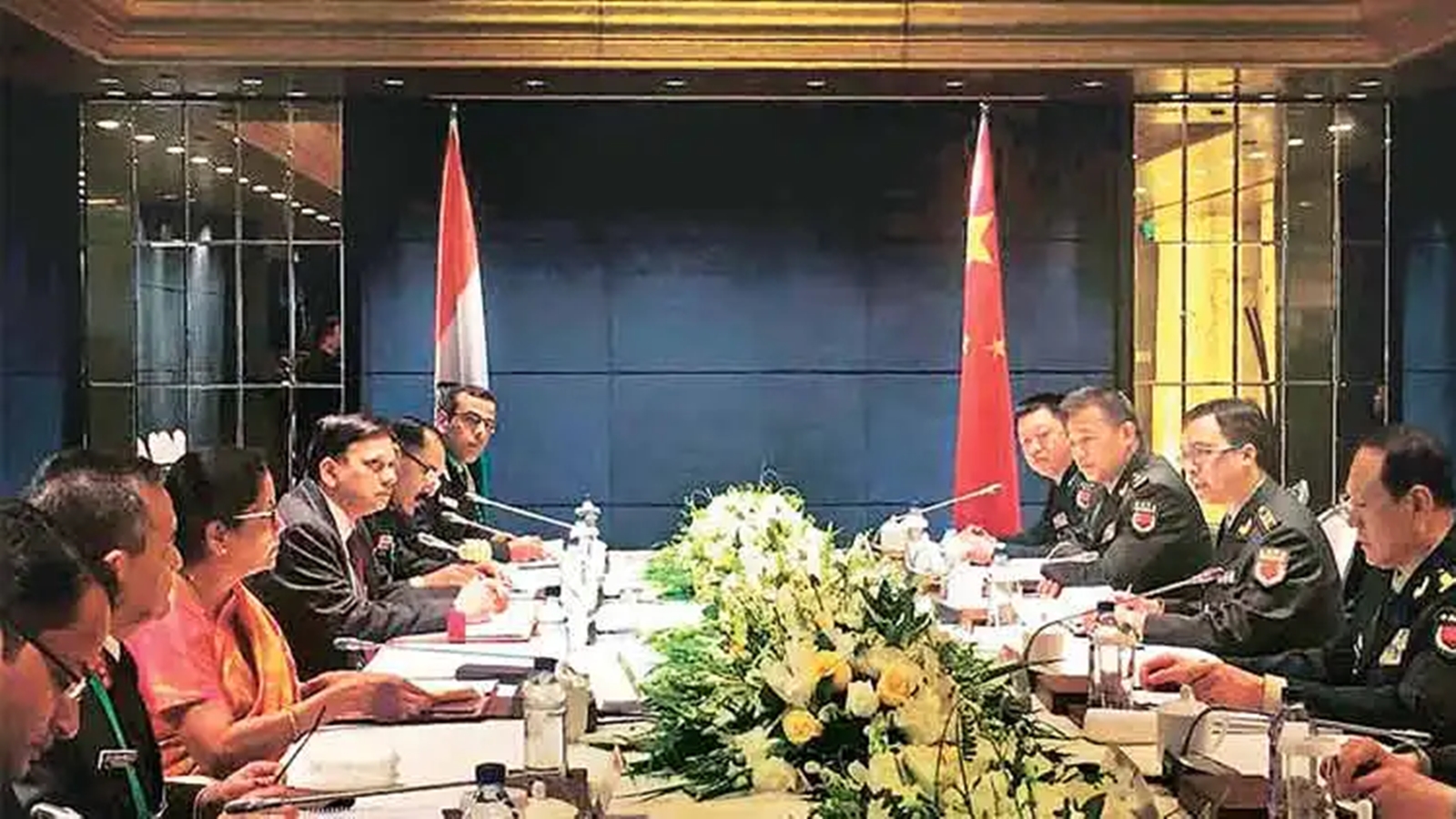
    • India’s year-long presidency of the G-20 and leadership of the Shanghai Cooperation Organization (SCO) should not create unrealistic expectations about the dividends India can reap from these summits. The current geopolitical climate is characterized by a high level of distrust and tensions running high and the threat of conflict looming large. The need for India is to proceed with caution during its presidency.

    Overview of the current geopolitical climate

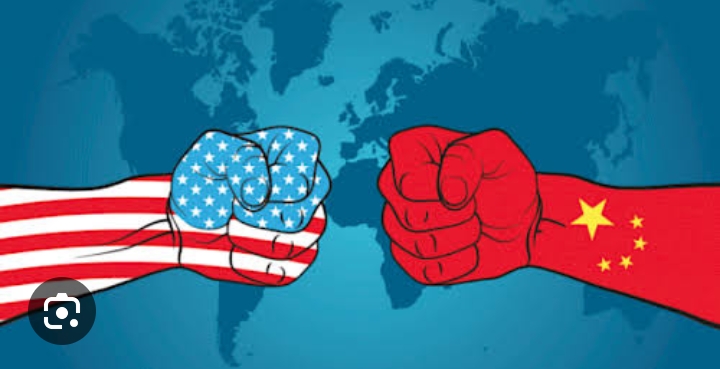
    • Tensions and distrust between the US-led camp and China/Russia-led camp pose a threat of global conflict.
    • China is on a major diplomatic-cum-strategic offensive across Asia, particularly in West Asia, and is flexing its naval and military muscle in the East and Southeast Asian seas.
    • India is facing challenges due to China’s offensive and its efforts to widen the arc of conflict with India.
    • The situation in Ukraine is fraught, with the US and its allies providing advanced weaponry and training to Ukrainian troops, while Russia is receiving support from its allies.
    • India’s ties with Russia are not necessarily anchored in defense cooperation, and India is looking more to the West, especially the US, for state-of-the-art weaponry.
    • India needs to proceed with caution while holding the presidency of the G-20 and the SCO and balance the contradictory demands of the two institutions and the Global South.

    Reasons for the distrust between the two camps; United States and China/Russia

    • Economic competition: The US and China are in a race for economic and technological supremacy, with both countries vying for dominance in fields such as artificial intelligence, 5G networks, and cybersecurity. This has led to tensions between the two countries.
    • Military competition: The US and China are also in a race for military supremacy, with both countries investing heavily in their armed forces and developing advanced weapons systems. This has led to concerns about a potential arms race between the two countries.
    • Territorial disputes: China has territorial disputes with several countries in the region, including India, Japan, Vietnam, and the Philippines. This has led to tensions and concerns about China’s expansionist policies.
    • Human rights issues: The US and other Western countries have criticized China and Russia for their human rights records, including issues such as the treatment of Uighur Muslims in China and the treatment of political dissidents in Russia. This has led to tensions between these countries and the West.
    • Political influence: The US has accused China and Russia of attempting to interfere in its political processes, including the 2016 US presidential election. This has led to concerns about the countries’ intentions and their influence in other countries.
    • Strategic competition: The US and China/Russia have differing visions for the international order, which has led to strategic competition and tensions between them. The US seeks to uphold the current order, while China and Russia seek to challenge it and establish a new order that reflects their interests and values.
    • COVID-19 pandemic: The COVID-19 pandemic has further exacerbated tensions between the US and China, with both countries blaming each other for the outbreak and its spread.

    Issues for India specifically with China

    • Border disputes: India and China have long-standing border disputes, which have led to multiple conflicts over the years. The recent clashes in the Galwan Valley in June 2020 resulted in the deaths of Indian and Chinese soldiers and have further escalated tensions between the two countries.
    • China’s aggressive behavior: China’s assertive stance and expansionist policies in the South and East China Seas, as well as its attempts to limit India’s influence in the Indian Ocean Region, have led to tensions between the two countries.
    • China’s regional initiatives: China’s regional initiatives such as the China-Pakistan Economic Corridor (CPEC) and the China-Indian Ocean Region Forum are of concern to India as they may limit India’s strategic and economic interests in the region.
    • The Quad: China sees India’s partnership in the Quad (an informal strategic grouping of India, Australia, Japan, and the US) as a threat to its regional ambitions, and has openly criticized the grouping.
    • Cyber warfare and hybrid tactics: India is also concerned about China’s ability to engage in cyber warfare and hybrid tactics, including the adoption of cyber tactics and the ‘politics of water’ by re-directing the Himalayan rivers.

    Other turmoil’s in India’s immediate neighborhood

    • Afghanistan: The situation in Afghanistan appears to be steadily worsening and is now beginning to affect nations on its periphery. India has lost all traction with the Taliban in Afghanistan.
    • Pakistan: The relations between India and Pakistan are strained due to various reasons, including cross-border terrorism.
    • Sri Lanka: The political situation in Sri Lanka has been unstable in recent years, and it has caused concerns for India.
    • Nepal: The political situation in Nepal has been unstable in recent years, with frequent changes in government and disagreements over the new constitution. India has also had strained relations with Nepal over various issues, including border disputes.
    • Myanmar: The military coup in Myanmar in February 2021 has led to widespread protests and violence, causing concerns for India’s security in its Northeast region as well as affecting India’s strategic interests in the region.

    Way ahead

    • Identifying commonalities: India should focus on identifying areas of commonality between the G-20, the SCO, and the Global South, such as sustainable development, climate change, and economic cooperation, and work towards promoting these goals in each forum.
    • Prioritizing issues: India should prioritize the issues that are most important to its national interests, such as regional security and economic development, and work towards finding solutions that are mutually acceptable to all parties.
    • Engaging with all parties: India should engage with all parties in each forum, including the major powers, to ensure that its voice is heard and its interests are taken into account.
    • Building coalitions: India should work towards building coalitions with like-minded countries within each forum, such as other developing countries, to promote its interests and priorities.
    • Developing strategic partnerships: India should develop strategic partnerships with key players in each forum, such as China and Russia in the SCO, to promote regional stability and cooperation.

    Conclusion

    • India needs to be aware of the persisting challenges it faces, tone down the high expectations being generated of reaping a rich dividend from helming the G-20 and the SCO, and proceed with caution. It must chart a course that balances the contradictory demands of the G-20 and the SCO and even more so that of the Global South. India should not claim to have attained its goal of being a global power, as there are many obstacles that have to be overcome before India can achieve its predetermined goal.

    Mains Question

    Q. The current geopolitical climate is characterized by a high level of distrust and tensions running high and the threat of conflict looming large. In light of this discuss the issues for India specifically with China and how other turmoil’s in immediate neighborhood compounding the problems for India.

    Get an IAS/IPS ranker as your personal mentor for UPSC 2024 | Schedule your FREE session and get the Prelims prep Toolkit!

    Also Read:

    India could lead the G20 agenda in a unique way
  • Govt. program for Non-Communicable Diseases renamed

    disease

    Central Idea: The article discusses the decision by the Indian Ministry of Health and Family Welfare to rename and expand its program for the control and prevention of non-communicable diseases (NCDs).

    What are Non-Communicable Diseases (NCDs)?

    • NCDs are also known as chronic diseases, which are not caused by infectious agents and are not transmissible from person to person.
    • NCDs are long-lasting and progress slowly, typically taking years to manifest symptoms.
    • Examples of NCDs include cardiovascular diseases, cancers, chronic respiratory diseases, and diabetes.
    • These diseases are often caused by modifiable risk factors such as unhealthy diet, lack of physical activity, tobacco and alcohol use, and environmental factors.
    • NCDs are a major cause of morbidity and mortality worldwide, accounting for around 70% of all deaths globally.

    Why in news?

    • The addition of many new diseases and health initiatives have prompted the Indian government to expand and rename its NCD program.

    Renaming of the NCD Program and Portal

    • The Ministry has renamed the NPCDCS as the “National Programme for Prevention & Control of Non-Communicable Diseases [NP-NCD].”
    • The application or software named Comprehensive Primary Healthcare Non-Communicable Disease (CPHC NCD IT) will now be renamed “National NCD Portal.”
    • The Ministry communicated this decision to the States on May 3, 2023, through a one-page letter and asked them to adhere to the changes.

    Implementation and future action

    • The NPCDCS is implemented under the National Health Mission across India.
    • The letter addressed to Principal Secretaries and Health Secretaries of all States and Union Territories advised the government to use the new names for the scheme and portal in all their future references and correspondences with the Indian government.
    • Under NPCDCS, 677 NCD district-level clinics, 187 District Cardiac Care Units, 266 District Day Care Centres and 5,392 NCD Community Health Centre-level clinics have been set up.

    Burden of NCDs in India

    • The study ‘India: Health of the Nation’s States – The India State-Level Disease Burden Initiative in 2017’ by the ICMR estimated that the proportion of deaths due to NCDs in India has increased from 37.9% in 1990 to 61.8% in 2016.
    • The four major NCDs are:
    1. Cardiovascular diseases (CVDs)
    2. Cancers
    3. Chronic respiratory diseases (CRDs) and
    4. Diabetes
    • The study shared four behavioural risk factors – unhealthy diet, lack of physical activity, and the use of tobacco and alcohol.

    Solutions to mitigate NCD burden

    • Promote healthy lifestyle: Encourage people to adopt healthy lifestyle habits such as regular physical activity, balanced and nutritious diet, avoiding tobacco and alcohol, and getting enough sleep.
    • Increase awareness and education: Increase awareness among the public about the risk factors of NCDs and educate them about ways to prevent these diseases.
    • Improve healthcare infrastructure: Increase access to healthcare facilities, especially in rural and remote areas, to ensure early detection, treatment, and management of NCDs.
    • Implement policies and regulations: Implement policies and regulations that promote healthy living, such as increasing taxes on tobacco and alcohol products, and regulating the marketing of unhealthy food products.
    • Foster public-private partnerships: Foster partnerships between the government, private sector, and civil society organizations to work collaboratively towards preventing and managing NCDs.
    • Increase research and innovation: Increase research and innovation in the prevention, early detection, and treatment of NCDs to develop new and effective interventions.


    Get an IAS/IPS ranker as your personal mentor for UPSC 2024 | Schedule your FREE session and get the Prelims prep Toolkit!

  • Covid is no longer an Emergency: what changes?

    Central Idea: The World Health Organisation (WHO) has declared an end to the global emergency status for COVID-19. It had in 2020 declared the disease as Public Health Emergency of International Concern (PHEIC).

    Practical effects of WHO declaration

    • The classification of COVID-19 as a global emergency is meant to warn political authorities of an extraordinary event that could constitute a health threat to other countries and requires a coordinated response to contain it.
    • For the average person, the decision to end the global emergency classification will have no practical effect.
    • WHO’s emergency declarations are typically used as an international SOS for countries who need help or to spur countries to introduce special measures to combat disease or release extra funds.

    What is PHEIC?

    Definition: Under the International Health Regulations (IHR), a public health emergency is defined as “an extraordinary event which is determined, as provided in these Regulations: to constitute a public health risk to other States through the international spread of disease; and to potentially require a coordinated international response”.

    Emergencies declared so far

    • WHO has previously declared global emergencies for outbreaks of swine flu, Zika, Ebola, polio, and monkeypox.
    • Polio was declared nearly nine years ago, and its emergency status has persisted even as officials work to wipe out the disease from a shrinking number of countries.
    • MPOX was declared a global emergency last July but technically remains a global emergency.

    What criteria does the WHO follow to declare PHEIC?

    • PHEIC is declared in the event of some “serious public health events” that may endanger international public health.
    • The responsibility of declaring an event as an emergency lies with the Director-General of the WHO and requires the convening of a committee of members.

    Implications of a PHEIC being declared

    • There are some implications of declaring a PHEIC for the host country, which in the case of the coronavirus is China.
    • Declaring a PHEIC may lead to restrictions on travel and trade.
    • However, several countries have already issued advisories to their citizens to avoid travelling to China, while others are airlifting their citizens from it.

    Is COVID-19 still a pandemic?

    • Yes, COVID-19 is still a pandemic, as the virus is here to stay and thousands of people continue to die every week.
    • WHO chief Tedros warned that the risk remains of new variants emerging that cause new surges in cases and deaths.
    • Countries need to transition from emergency mode to managing COVID-19 alongside other infectious diseases.

    When will the COVID-19 pandemic end?

    • It is unclear when the COVID-19 pandemic will end, as the virus is still a public health threat and its continued evolution could cause future problems.
    • Pandemics only truly end when the next pandemic begins.
    • COVID-19 will continue to spread among people for a very long time but at a much lower level of threat that does not require extraordinary measures taken to try to curb the virus’ spread.


    Get an IAS/IPS ranker as your personal mentor for UPSC 2024 | Schedule your FREE session and get the Prelims prep Toolkit!

  • CEPA is the Growth Engine For India-UAE Bilateral Trade

    CEPA

    Central Idea

    • The India-UAE Comprehensive Economic Partnership Agreement (CEPA) signifies a deep, fraternal, and strategically important relationship between the two countries that goes beyond just economic cooperation. The success of the agreement in stimulating economic growth and providing investment opportunities has unlocked new possibilities for multi-sectoral collaboration and partnerships

    Background: India-UAE relationship

    • Historical ties: The India-UAE relationship has been shaped by centuries of cultural and economic engagement on the Indian Ocean’s network of exchange. The two countries share historical ties that go back to pre-modern times, with Arab traders having visited the west coast of India since the fourth century AD.
    • India’s third-largest trading partner: The UAE emerged as India’s third-largest trading partner, highlighting the two countries’ positive outlook towards economic cooperation.
    • Trade partnership strengthened with oil: The India-UAE partnership was forged first on the trade of traditional items, and then strengthened with oil. It found a formal dimension after the creation of the UAE Federation in 1971, and then accelerated in the 1990s when a liberalised India embraced the opportunity to export to the UAE and markets beyond.
    • Relationship is today more than an economic partnership: It speaks to the Emirates’s deep, fraternal, and strategically important relationship with India, reinforcing the UAE’s position as a key partner in India’s foreign policy. The two countries share strong cultural and people-to-people ties, with a significant Indian diaspora in the UAE.
    • key partner in India’s development agenda: The UAE has been a key partner in India’s development agenda, including investments in the oil and gas sector, renewable energy, and infrastructure. The UAE has also been supportive of India’s efforts in combating terrorism and enhancing security cooperation.

    India- UAE Comprehensive Economic Partnership Agreement (CEPA)

    • The India-UAE Comprehensive Economic Partnership Agreement (CEPA) is a bilateral trade agreement that aims to strengthen economic ties between the two countries.
    • The CEPA covers a wide range of subjects, including trade in goods, trade in services, investment, intellectual property rights, and competition policy.
    • The CEPA has been in the making for several years, with negotiations starting in 2017 and the agreement finally coming into force on May 1, 2022. The agreement builds on the decades of mutual enterprise between the two countries, with the UAE emerging as India’s third-largest trading partner.

    How India- UAE CEPA benefits both the countries?

    • Increased trade: The CEPA is expected to significantly increase trade volumes between India and the UAE, with the potential to create new investment opportunities and increase business partnerships. This will help both countries to diversify their trade relationships beyond their traditional trading partners.
    • Diversified trade: The CEPA covers a wide range of subjects, including trade in goods, trade in services, investment, intellectual property rights, and competition policy, allowing for a more diversified trade relationship between the two countries.
    • Access to new markets: The CEPA is inspiring innovators and investors, catalysing SMEs, startups, and India Inc to make decisive inroads into new markets, particularly the Emirati market, and from there to the Middle East, Africa, and Europe. This will benefit both countries in terms of access to new markets and opportunities.
    • Support for entrepreneurship: The CEPA provides support for startups in both India and the UAE, enabling them to explore growth and diversification into each other’s markets, as well as other markets in the region and beyond. The India-UAE Startup Bridge will also enable them to attract investment from venture capitalists and angel investors.
    • Addressing developmental challenges: The CEPA provides a trade lens to tackle issues such as energy and food security, agriculture, and sustainability, making it a strategic catalyst in addressing vital developmental challenges.

    CEPA

    Facts for prelims: UPI in UAE

    • Indian travelers can now seamlessly make payments in the UAE using the UPI-based apps.
    • National Payments Corporation of India (NPCI) has partnered with the Mashreq Bank’s NEOPAY to enable UPI-based payments in the Gulf Nation.
    • UPI payments will only be possible in UAE shops that have NEOPAY terminals. The user should have a bank account with an Indian bank account along with a mobile app like BHIM that supports UPI payments.
    • Currently, UPI payments are accepted in Bhutan and Nepal. It is likely to go live in Singapore by the end of this year.
    • Back in 2021, the UPI services were launched in Bhutan in collaboration with its central bank, the Royal Monetary Authority.

    Way ahead?

    • Looking ahead, the India-UAE CEPA presents a unique opportunity to further deepen economic and strategic ties between the two countries. Some of the key steps that can be taken to build on the success of the CEPA include:
    • Strengthening infrastructure: India and the UAE can collaborate to strengthen infrastructure, including ports, airports, and logistics networks, to facilitate the movement of goods and people between the two countries.
    • Enhancing cooperation in emerging sectors: The two countries can explore cooperation in emerging sectors such as renewable energy, artificial intelligence, and fintech, among others, to promote innovation and economic growth.
    • Promoting investment: Both India and the UAE can take steps to promote investment in each other’s markets, including through the creation of investment promotion agencies, bilateral investment treaties, and other measures.
    • Strengthening cultural ties: Cultural exchanges and people-to-people contacts can be further enhanced to deepen the historical and cultural ties between the two countries.
    • Addressing developmental challenges: The CEPA provides a platform for addressing key developmental challenges faced by both countries, such as energy and food security, sustainability, and agriculture. Further efforts can be made to leverage this platform to achieve meaningful progress in these areas.

    Conclusion

    • The UAE-India CEPA has unlocked new possibilities for multi-sectoral collaboration and partnerships, leading the nations to build competitive, resilient, sustainable, and vibrant economies.

    Mains Question

    Q. India-UAE completed its one year of Comprehensive Economic Partnership Agreement (CEPA) implementation. In this background discuss impact on the Bilateral Trade.

    Get an IAS/IPS ranker as your personal mentor for UPSC 2024 | Schedule your FREE session and get the Prelims prep Toolkit!

    Also read:

    India-UAE Food Security Partnership Stands to Benefit From Multiple Points of Convergence
  • Article 355 imposed in Manipur

    manipur

    Central Idea

    • Recently, unrest in the state of Manipur was triggered by a decision of the High Court to pursue a 10-year-old recommendation to grant Scheduled Tribe (ST) status to the non-tribal Meitei community.
    • In view of the prevailing unprecedented burning situation, the Centre has imposed Article 355 in the state, in an effort to control the situation, according to reliable sources.

    What is Article 355?

    • Article 355 of the Indian Constitution is a provision that empowers the Union government to protect every state in India against external aggression and internal disturbances.
    • It is a provision under Part XVIII of the Constitution, titled “Emergency Provisions”.
    • It is based on the principle of “duty to protect” enshrined in the Constitution, which makes it mandatory for the Union government to protect every state from external and internal threats.

    Restrictions under Article 355

    Under Article 355, the Union government has the power to issue directions to any state to ensure compliance with the Union’s laws and regulations. However, there are certain restrictions on this power:

    • The directions can only be given when there is a failure of the state machinery to comply with or give effect to any Union law or regulation.
    • The directions should be of an urgent nature and may not extend beyond the necessary period for remedying the failure of the state machinery.
    • The state government should be given an opportunity to submit its views before the issuance of such directions.
    • The Union government cannot use this power to intervene in the internal affairs of a state unless there is a failure of the state machinery.

    Duration of restriction

    • The duration of the assistance provided under Article 355 is not specified in the Constitution.
    • The Union government can withdraw its assistance when the situation is normalized or when the state government requests it to do so.
    • The duration of the assistance provided under Article 355 is subject to judicial review and can be challenged in court if it violates any fundamental rights or constitutional provisions.

    Circumstances of imposition

    Article 355 can be invoked by the President of India in certain circumstances, such as:

    1. When a state fails to comply with or to give effect to any of the directions given by the Union under the Constitution.
    2. When the security of India is threatened by external aggression or internal disturbance.
    3. When there is a threat to the unity and integrity of India due to any violent activities by any group or organization.
    4. When a state requests for assistance from the Union to maintain public order and the Union is satisfied that the situation in the state cannot be controlled by the state’s own forces.
    5. When a state fails to provide adequate protection to minorities, particularly in cases of communal violence.
    6. When a state government fails to ensure that the constitutional machinery is maintained in the state.

    Reasonable restrictions

    It is important to note that the use of Article 355 is subject to certain restrictions:

    1. The President cannot use this article on his/her own initiative; it must be done on the advice of the Union Council of Ministers.
    2. The use of Article 355 does not authorize the President to intervene directly in the affairs of the state.
    3. The President can use this article only to give directions to the state government, and not to the state legislature or the judiciary.
    4. The use of Article 355 should be limited in duration and scope, and should not result in the permanent erosion of the state’s autonomy or the violation of its constitutional rights.

    Centrestage of the row: Meitei Community

    • Manipur is geographically divided into the Imphal Valley and the surrounding hills.
    • The Imphal Valley is dominated by the non-tribal Meitei community, which accounts for more than 64% of the population.
    • The hills, which comprise 90% of Manipur’s geographical area, are inhabited by more than 35% recognized tribes, which are largely Christians.
    • The Meiteis are largely Hindus followed by Muslims, while the 33 recognized tribes are broadly classified into ‘Any Naga tribes’ and ‘Any Kuki tribes.’

    Behind the ST status: The Meitei Argument

    • The Manipur High Court directed the State government to submit a 10-year-old recommendation for the inclusion of the Meitei community in the Scheduled Tribe (ST) list.
    • The ST status is needed to “preserve” the community and “save the ancestral land, tradition, culture, and language” of the Meiteis.
    • The Meiteis were recognized as a tribe before the merger of the State with the Union of India in 1949.

    Tribal groups’ opposition to the ST Status

    • Advantaged community: Many tribal groups say the Meiteis have a demographic and political advantage besides being more advanced than them academically and in other aspects.
    • Benefits at others cost: They feel the ST status to the Meiteis would lead to loss of job opportunities and allow them to acquire land in the hills and push the tribals out.
    • Already benefited: The language of the Meitei people is included in the Eighth Schedule of the Constitution, and many of them have access to benefits associated with the SC, OBC, or EWS status.
    • Political vendetta: The demand for ST status is a ploy to attenuate the fervent political demands of the Kukis and Nagas, as well as a tacit strategy of the dominant valley dwellers to make inroads into the hill areas of the State.

    Immediate triggers of unrest

    • Some tribal groups with vested interests are trying to scuttle Chief Minister Nongthombam Biren Singh’s crusade against drugs.
    • The anti-drug drive began with destroying poppy fields and the theory that “illegal settlers” from Myanmar — ethnically related to the Kuki-Zomi people of Manipur — are behind clearing forests and government lands to grow opium and cannabis.
    • The first violent protest on March 10 was against the eviction of the residents of a Kuki village.
    • The large-scale arson and violence claiming the life of at least one person on May 3 and 4 followed a “tribal solidarity rally” against the reported move to include the Meiteis in the ST list.


    Get an IAS/IPS ranker as your personal mentor for UPSC 2024 | Schedule your FREE session and get the Prelims prep Toolkit!

  • What is the Washington Declaration?

    washington

    Central Idea: The context is the recent visit of the South Korean President to the US to commemorate the 70th anniversary of US-South Korea bilateral relations. During the visit, the two countries signed the “Washington Declaration” as a nuclear deterrence strategy against North Korea’s regional aggression.

    Washington Declaration: Key Terms

    • Nuke deployment by US: According to the declaration, an American nuclear ballistic submarine would be deployed in the Korean peninsula.
    • Intel mechanism: A nuclear consultative group would be formed to formulate principles of joint response tactics, and South Korea would receive Intel from the US regarding nuclear advancements.
    • Joint training: The US will strengthen South Korea’s nuclear deterrence capabilities through joint military training programs and an annual intergovernmental simulation.
    • Deterrence creation: The declaration reaffirmed the Non-Proliferation Treaty implying that South Korea would not venture into the creation of its own independent nuclear capabilities and would instead focus on deterrence measures through an alliance-based approach.

    Implications of the treaty

    • Big power politics: While the existence of the agreement is based on the security needs of South Korea, the policy reflects big power politics where the interests of the larger power (US) takes precedence.
    • US proprietorship over the nukes: The US is the only ‘sole authority’ to use the nuclear arsenal of the US in the event of a nuclear confrontation.
    • Maintaining stability: The assurance that the US and its nuclear weapons would protect its allies by being responsible for maintaining stability in the region aligns with the larger goal of non-proliferation.

    US Stance on South Korea’s Nuclear Capabilities

    • Fouled the SK nuclear program: South Korea’s nuclear development programme supported by former president Park Chung Hee was hindered due to US pressure.
    • Strategic arms reduction: The US withdrew one hundred nuclear weapons from South Korea in the 1990s as part of their “Strategic Arms Reduction Treaty” to make North Korea unarm itself.
    • Renewed interest after North Korea’s Rise: The Nuclear Posture Review 2022 reflects a shift in the US narrative where it is now concerned about the progressing nuclear capacities of North Korea.

    Regional and domestic responses

    • China: It said it undermines the nuclear non-proliferation regime and the strategic interests of other countries.
    • North Korea: Kim Jong-Un’s sister warned that the declaration would only result in making peace and security of North-East Asia and the world be exposed to more serious danger.

    Conclusion

    • Overall, the Declaration is an important step in the direction of creating a more overt and close coordination among the US allies in the Indo-Pacific.
    • It seeks to deal with not only North Korea but also moves of China and Russia.

    Back2Basics: Non-Proliferation Treaty (NPT)

    The NPT is an international treaty signed in 1968 that aims to prevent the spread of nuclear weapons and to promote the peaceful use of nuclear energy.

    Key facts about the NPT include:

    • Members: There are currently 191 parties to the treaty, including the five recognized nuclear-weapon states (the US, Russia, China, France, and the UK).
    • Three main pillars: Non-proliferation, Disarmament and Peaceful use of nuclear energy.
    • Non-nuclear-weapon states: They are parties to the treaty agree not to acquire nuclear weapons and to accept International Atomic Energy Agency (IAEA) safeguards on their nuclear activities.
    • Nuclear-weapon states: They are the parties to the treaty agree not to transfer nuclear weapons or technology to non-nuclear-weapon states.
    • 5 year review: The treaty is reviewed every five years at a conference of parties, with the most recent review conference taking place in 2015.
    • Criticisms: NPT has been criticized for not doing enough to promote disarmament, and for perpetuating a system of haves and have-nots in which certain states have nuclear weapons while others do not. However, proponents argue that the treaty has helped to prevent the spread of nuclear weapons and to promote peaceful use of nuclear energy.


    Get an IAS/IPS ranker as your personal mentor for UPSC 2024 | Schedule your FREE session and get the Prelims prep Toolkit!

  • All Cantonments to be disbanded: Centre

    cantonment

    Central Idea: The Union government has kicked off a plan to abolish the 62 cantonments around the country as “archaic colonial legacies”. The first cantonment to be renamed a military station is Yol in Himachal Pradesh.

    What is the plan?

    • The plan is to carve out the military areas in all cantonments and convert them into “exclusive military stations” with the Army exercising “absolute control” over them.
    • The civilian areas, in turn, will be merged with the local municipalities, which will be responsible for their maintenance among other things.
    • The Army moved away from the concept of cantonments after independence, mainly due to the friction between military and civilian authorities.
    • But some major cantonments continued to exist. Ex. Pune Cantonment, Agra Cantonment etc.

    What are Cantonments?

    • Cantonments in India are permanent military stations where a group of military personnel are stationed for administrative purposes.
    • These cantonments are governed by the Cantonments Act, 2006 which provides for municipal administration and control of these areas.
    • There are 62 cantonments in India which are located in various states across the country.
    • These areas are maintained by the Defence Estates Organization (DEO) under the Ministry of Defence, and are distinct from military bases or barracks which are temporary locations for military personnel.
    • Cantonments are generally considered to be areas with better infrastructure and facilities compared to other parts of the country.

    Their features

    • Cantonment Boards are democratic bodies comprising elected and nominated members.
    • In terms of Entry 3 of the Union List (Schedule VII) of the Constitution of India, Urban Self Governance of the Cantonments and the Housing Accommodation therein is the subject matter of the Union.
    • The Station Commander of the Cantonment is the ex-officio President of the Board, and an officer of the IDES or Defence Estates Organisation is the Chief Executive Officer who is also the Member-Secretary of the Board.
    • They have equal representation of elected and nominated/ex-officio members to balance official representation with democratic composition.
    • They maintain ecological balance while providing better civic facilities to the residents.

    History of establishments

    • The Cantonments Act, 1924 was enacted by the British to regulate the municipal administration of Cantonments.
    • After India’s independence, the Cantonments Act, 1924, was modified to suit the democratic setup of the country.
    • The Cantonments Act, 2006, replaced the Cantonments Act, 1924, and aims to provide greater autonomy and accountability to the Cantonment Boards.

    Categories

    There are four categories of Cantonments, depending on the size of the population residing inside a Cantonment:

    1. Category I: Cantonments having a population of more than 50,000.
    2. Category II: Cantonments having a population of 10,000 to 50,000.
    3. Category III: Cantonments having a population of less than 10,000.
    4. Category IV: Industrial or training Cantonments, irrespective of their population size.
  • SAI20 and India’s Presidency of G20

    SAI20

    Central Idea

    • Under India’s presidency, the G20 leaders will be focusing on collective progress, equity, and inclusive growth, with the summit theme of One Earth, One Family, One Future. India’s commitment to green development, circular economy, and lifestyle behavior changes aim to achieve the 2030 Sustainable Development Goals. The Comptroller & Auditor General of India (CAG) will chair SAI20, the Engagement Group for Supreme Audit Institutions (SAls) of G20 countries in Goa in June.

    Top Priority areas for SAI20 deliberations Under India’s presidency

    • The Comptroller & Auditor General of India (CAG) will chair SAI20 in Goa in June this year.
    • Two priority areas have been selected for SAI20 deliberation:
    1. Blue economy
    2. Responsible Artificial Intelligence

    What is SAI20?

    • SAI20 stands for Supreme Audit Institutions (SAIs) of G20 countries.
    • It is a forum where SAIs from G20 countries can engage with each other to share their experiences and expertise in auditing public policies and governance practices.
    • The group meets annually to discuss important issues related to public auditing and to develop joint initiatives to promote good governance and accountability in their respective countries.

    What is Blue Economy?

    • Blue Economy is defined by the World Bank as the Sustainable use of ocean resources for economic growth, improved livelihoods, and jobs while preserving the health of the ecosystem.
    • Gunter Pauli’s book, The Blue Economy: 10 years, 100 innovations, 100 million jobs” (2010) brought the Blue Economy concept into prominence.
    • The UN first introduced blue economy at a conference in 2012 and underlined sustainable management, based on the argument that marine ecosystems are more productive when they are healthy. In fact, the UN notes that the Blue Economy is exactly what is needed to implement SDG 14, Life Below Water.
    • The term ‘blue economy’ includes not only ocean-dependent economic development but also inclusive social development and environmental and ecological security.

    Key functions and significance of Supreme Audit Institutions (SAIs)

    • Independent audits: SAIs conduct independent audits of government finances and operations to ensure that public funds are being used in accordance with the law, and that government agencies are operating effectively and efficiently.
    • Promoting transparency and accountability: SAIs promotes transparency and accountability by making audit reports publicly available, and by providing information to the public about government spending and operations.
    • Improving governance: By identifying weaknesses and inefficiencies in government operations, SAIs can help to improve governance and promote more effective use of public resources.
    • Supporting the legislative branch: SAIs supports the legislative branch by providing information and analysis that can help lawmakers make informed decisions about government programs and policies.
    • Ensuring compliance with laws and regulations: SAIs ensure compliance with laws and regulations by reviewing government operations and financial statements to ensure that they comply with applicable laws and regulations.
    • Fostering international cooperation: Through international organizations such as the International Organization of Supreme Audit Institutions (INTOSAI), SAIs collaborates and share best practices with their counterparts in other countries to promote good governance and accountability globally.

    Facts for prelims

    What is Compendium of Asset Accounts of Natural Resources?

    • The Compendium of Asset Accounts of Natural Resources is a comprehensive report prepared by the Comptroller and Auditor General of India (CAG) in line with the United Nations system of Environmental and Economic Accounts.
    • It is the first-ever country-wide compendium of natural resource accounting methodologies and provides a guide for the Indian government to utilize natural resources optimally.
    • The report covers various aspects of natural resources such as forests, minerals, water, and land, and includes accounts of physical quantities, values, and transactions related to these resources.
    • The main objective of the compendium is to improve the management of natural resources and promote sustainable development.

    SAI20

    How CAG can lead the SAI20 engagement group?

    • Setting the agenda: The CAG can set the agenda for SAI20 deliberations, identifying priority areas for discussion and ensuring that they align with the broader goals of the G20 and the United Nations.
    • Providing technical expertise: The CAG can provide technical expertise in auditing and public finance management, which can help other SAIs in the group to develop their capacity and improve their performance.
    • Developing audit toolkits: The CAG can take the lead in developing audit toolkits, which can help SAIs in the group to assess development in coastal stretches, track marine water quality, and promote sustainable development.
    • Building consensus: The CAG can work towards building consensus among SAIs in the group, promoting constructive dialogue and agreement on how to improve auditing of performance in specific areas of ocean-based activities.
    • Strengthening accountability: The CAG can use SAI20 to promote transparency, accountability, and good governance in ocean-based activities, which can help ensure that economic growth benefits are shared fairly across generations.

    Conclusion

    • The toolkits being prepared by SAI20 under the leadership of the CAG of India will be presented at the SAI20 Engagement Group meet, which will provide a unique opportunity for constructive dialogue and agreement to improve auditing of performance in specific areas of ocean-based activities. This collaborative effort would not only build capacity for auditors across SAI20 member countries but also help regional auditing communities by providing a common and replicable auditing tool.

    Mains Question

    Q. The Comptroller & Auditor General of India (CAG) will chair SAI20 (Supreme Audit Institutions) of G20 countries this year. In this light discuss the role of SAI 20 and How CAG can lead the engagement group for sustainable economic growth?

    Get an IAS/IPS ranker as your personal mentor for UPSC 2024 | Schedule your FREE session and get the Prelims prep Toolkit!

     Also read:

    Blue Economy: India’s G20 Presidency Offers An Opportunity


  • Govt. to release Manual for Organ Donation & Transplantation

    organ

    Central Idea: The National Organ and Tissue Transplant Organisation (NOTTO) is working on a transplant manual as a step-by-step guide for the implementation of organ donation and transplantation programmes in hospitals and a standard course for training transplant coordinators.

    Organ transplant in India: Key statistics

    • According to data accessed from the Health Ministry, the number of organ transplants has increased by over three times from 4,990 in 2013 to 15,561 in 2022.
    • Of the 15,561 transplants, a majority — 12,791 (82%) — are from live donors and 2,765 (18%) are from cadavers (the dead).
    • Up to 11,423 of the 15,561 organ transplants are for the kidney, followed by liver (766), heart (250), lung (138), pancreas (24) and small bowel transplants (3).
    • Most of these transplants occur in private hospitals, the numbers in government hospitals are relatively lower.

    About National Organ Transplant Programme (NOTP)

    • In 2019, the GoI implemented the NOTP for promoting deceased organ donation.
    • Organ donation in India is regulated by the Transplantation of Human Organs and Tissues Act, 1994.

    Types of Organ Donations

    • The law allows both deceased and living donors to donate their organs.
    • It also identifies brain death as a form of death.
    • Living donors must be over 18 years of age and are limited to donating only to their immediate blood relatives or, in some special cases, out of affection and attachment towards the recipient.

    (1) Deceased donors:

    • They may donate six life-saving organs: kidneys, liver, heart, lungs, pancreas, and intestine.
    • Uterus transplant is also performed, but it is not regarded as a life-saving organ.
    • Organs and tissues from a person declared legally dead can be donated after consent from the family has been obtained.
    • Brainstem death is also recognized as a form of death in India, as in many other countries.
    • After a natural cardiac death, organs that can be donated are cornea, bone, skin, and blood vessels, whereas after brainstem death about 37 different organs and tissues can be donated, including the above six life-saving organs

    (2) Living donors:

    They are permitted to donate the following:

    • one of their kidneys
    • portion of pancreas
    • part of the liver

    Features of the NOTP

    • Under the NOTP a National Level Tissue Bank (Biomaterial Centre) for storing tissues has been established at National Organ and Tissue Transplant Organization (NOTTO), New Delhi.
    • Further, under the NOTP, a provision has also been made for providing financial support to the States for setting up of Bio-material centre.
    • As of now a Regional Bio-material centre has been established at Regional Organ and Tissue Transplant Organization (ROTTO), Chennai, Tamil Nadu.

    More moves for facilitation:  Green Corridors

    • Studies have suggested that the chances of transplantation being successful are enhanced by reducing the time delay between harvest and transplant of the organ.
    • Therefore, the transportation of the organ is a critical factor. For this purpose, “green corridors” have been created in many parts of India.
    • A “green corridor” refers to a route that is cleared out for an ambulance carrying the harvested organs to ensure its delivery at the destination in the shortest time possible.

    Recent amendments

    (1) No Age Bar

    • Now an individual of any age can register for organ transplant.
    • People beyond 65 years in need of an organ donation will also be eligible to get one.
    • The government has decided to do away with a clause in the National Organ and Tissue Transplant Organisation (NOTTO) guidelines as the clause violates the Right to Life.

    (2) Doing away with domicile compulsion

    • Earlier an organ recipient could register for a prospective transplant in domicile State.
    • States like Gujarat had made it mandatory for registered patients to furnish a domicile certificate to be eligible for a transplant.
    • In November last year, the Gujarat High Court quashed the discriminatory policy of the State government.

    About NOTTO

    National Organ and Tissue Transplant Organization (NOTTO) is a national level organization set up under the Directorate General of Health Services, Ministry of Health and Family Welfare.

    1. National Human Organ and Tissue Removal and Storage Network
    2. National Biomaterial Centre (National Tissue Bank)

    [I] National Human Organ and Tissue Removal and Storage Network

    • This has been mandated as per the Transplantation of Human Organs (Amendment) Act 2011.
    • The network will be established initially for Delhi and gradually expanded to include other States and Regions of the country.
    • Thus, this division of the NOTTO is the nodal networking agency for Delhi and shall network for Procurement Allocation and Distribution of Organs and Tissues in Delhi.
    • It functions as apex centre for All India activities of coordination and networking for procurement and distribution of Organs and Tissues and registry of Organs and Tissues Donation and Transplantation in the country.

    [II] National Biomaterial Centre (National Tissue Bank)

    • The Transplantation of Human Organs (Amendment) Act 2011 has included the component of tissue donation and registration of tissue Banks.
    • It becomes imperative under the changed circumstances to establish National level Tissue Bank to fulfill the demands of tissue transplantation including activities for procurement, storage and fulfil distribution of biomaterials.
    • The main thrust & objective of establishing the centre is to fill up the gap between ‘Demand’ and ‘Supply’ as well as ‘Quality Assurance’ in the availability of various tissues.

    The centre will take care of the following Tissue allografts:

    1. Bone and bone products
    2. Skin graft
    3. Cornea
    4. Heart valves and vessels

    Various issues involved

    • Lack of awareness: Lack of awareness leads to myths and misconceptions about organ donation, which further discourages people from donating organs.
    • Religious and cultural beliefs: Some religious and cultural beliefs view organ donation as a desecration of the body, which hinders organ donation.
    • Lack of infrastructure: India faces a shortage of medical infrastructure and facilities for organ donation.
    • Legal and regulatory challenges: India’s organ donation system is heavily regulated by the Transplantation of Human Organs and Tissues Act, 1994.
    • Socioeconomic factors: Poverty and lack of education can lead to reduced access to information and medical services, making it difficult for people to donate organs.
    • Organized crime: Organized criminal networks involved in organ trafficking and commercialization also create challenges for organ donation in India.
    • Stigma and Discrimination: Stigma against organ recipients, particularly those who receive transplants from other communities or castes, is also a challenge in promoting organ donation in India.

    Way forward

    • Developing a National Organ and Tissue Donation Registry: The registry could maintain a database of donors and recipients, along with their medical history and compatibility information.
    • Setting up Mobile Organ Donation Units: These units could be equipped with medical personnel and equipment to conduct donation procedures in remote areas.
    • Crowdfunding for Organ Transplant Surgeries: This could be used as a means to raise funds for organ transplant surgeries, especially for underprivileged individuals who cannot afford the cost of treatment.
    • Promoting Living Donor Transplants: Living donor transplants can help increase the number of organs available for transplantation.
    • Incentivizing for Organ Donation: Incentives could be introduced to encourage more people to donate organs. This could include tax breaks, priority access to medical treatment, and other benefits.
    • Leveraging Technology: Technology could be used to develop better donor and recipient matching algorithms, create virtual waiting lists, and streamline the donation and transplantation process.
    • International Collaboration: India could collaborate with other countries to share best practices, leverage technology, and develop new approaches to organ donation and transplantation.


    Get an IAS/IPS ranker as your personal mentor for UPSC 2024 | Schedule your FREE session and get the Prelims prep Toolkit!