💥Mains Ready By December. Smash Mains & Smash PYQ Admissions Open

GS Paper: GS3

  • [op-ed snap]Lifting growth, containing inflation

    Context

    There is a large scope for  the improvement in the efficiency of grain management system under the National Food Security Act (NFSA).

    Declining Agri-sector growth rate

    • India’s growth rate plummeted to 4.5 per cent in the second quarter of this fiscal.
    • The quarterly growth in GDPA (agri-GDP) is hovering at around 2 percent, it is a cause for great concern.
    • Agriculture still engages about 44 per cent of India’s workforce, which has serious consequences for the overall economy of the country.

    The bleak picture of the economy

    • Recently inflation has started to surge after a long time.
    • Inflation is led by the different components of the food segment- cereals, pulses, and vegetables.
    • There is a challenge of containing inflation and increasing the demand at the same time.
    • At the same time, there is also the challenge of maintaining the fiscal deficit by 3.3 %.
    • Recently Finance minister has launched an investment package of 102 lakh crores.
    • So, there is a need to take a look at the inefficiencies in food grain management.

    Inefficiencies in NFSA

    • It supplies a certain quantity of wheat and rice to 67 percent population.
    • It gives wheat at Rs. 2/kg and rice at Rs. 3/kg.
    • While the cost of these grains to FCI is at Rs. 25/kg and Rs. 35/kg respectively.
    • This led to the provision of Rs 1.84 lakh crores for food subsidy.
    • The buffer stocks with the FCI is far more than double the buffer stock norms as on January 1 every year.
    • This excess stock is the result of an inefficient strategy for food management.
    • The strategy where the procurement of these grains is open-ended while the disbursement is restricted.
    • The money locked in these excess stock is about 1 lakh crores.
    • If the rabi season procurement is good FCI may run out of storage space to accommodate.

    Suggestions for improvement

    • The open market operation should be increased.
    • Even if the government liquidate half of the excess stock it would fetch Rs.50,000 crores.
    • The Shanta Kumar panel had submitted the blueprint for the improvement in the grain management system.
    • Only three reiterations are needed.
    • First-while the Antyodaya category should keep getting the maximum food subsidy, the issue price should be fixed at 50% of the procurement for the rest.
    • Second- restrict the percentage of population covered under the scheme to 40 % from the present 67%
    • Third-stop the procurement of rice in the north-western states of Punjab and Haryana where the water table is depleting.

    Conclusion

    • If the government implements these three points it can save the country another Rs. 50,000 crores annually. On top of this, it will help the government to reduce its fiscal deficit.
  • Miyawaki Method

    Kerala Forest Dept. has adopted Miyawaki afforestation concept to be used in govt. offices, schools and puramboke land.

    Miyawaki Method

    • Miyawaki method is a method of urban afforestation by turning backyards into mini-forests.
    • It includes planting trees as close as possible in the same area which not only saves space, but the planted saplings also support each other in growth and block sunlight reaching the ground, thereby preventing the growth of weed.
    • Thus the saplings become maintenance-free (self sustainable) after the first three years.
    • It helps to create a forest in just 20 to 30 years while through conventional methods it takes anywhere between 200 to 300 years.

    The technique

    • The native trees of the region are identified and divided into four layers — shrub, sub-tree, tree, and canopy.
    • The quality of soil is analysed and biomass which would help enhance the perforation capacity, water retention capacity, and nutrients in it, is mixed with it.
    • A mound is built with the soil and the seeds are planted at a very high density — three to five sapling per square meter.
    • The ground is covered with a thick layer of mulch.
  • Drosophila

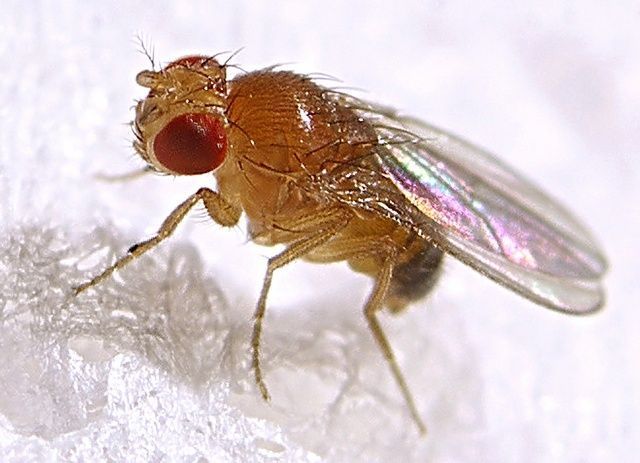
    Pune is set to host the fifth edition of the Asia Pacific Drosophila Research Conference (APDRC5) is being organised in the country for the first time by the Indian Institute of Science Education and Research (IISER).

    Drosophila

    • Drosophila is a genus of two-winged flies commonly known as fruit flies that are used in evolutionary and developmental studies.
    • It is a genus of flies, belonging to the family Drosophilidae, whose members are often called “small fruit flies” or pomace flies, vinegar flies, or wine flies, a reference to the characteristic of many species to linger around overripe or rotting fruit.
    • It is one of the most widely-used and preferred model organisms in biological research across the world for the last 100 years.
    • Several discoveries in biology have been made using this. Its genome is entirely sequenced and there is enormous information available about its biochemistry, physiology and behaviour.
  • WHO prequalifies Serum’s low-cost Pneumococcal Vaccine

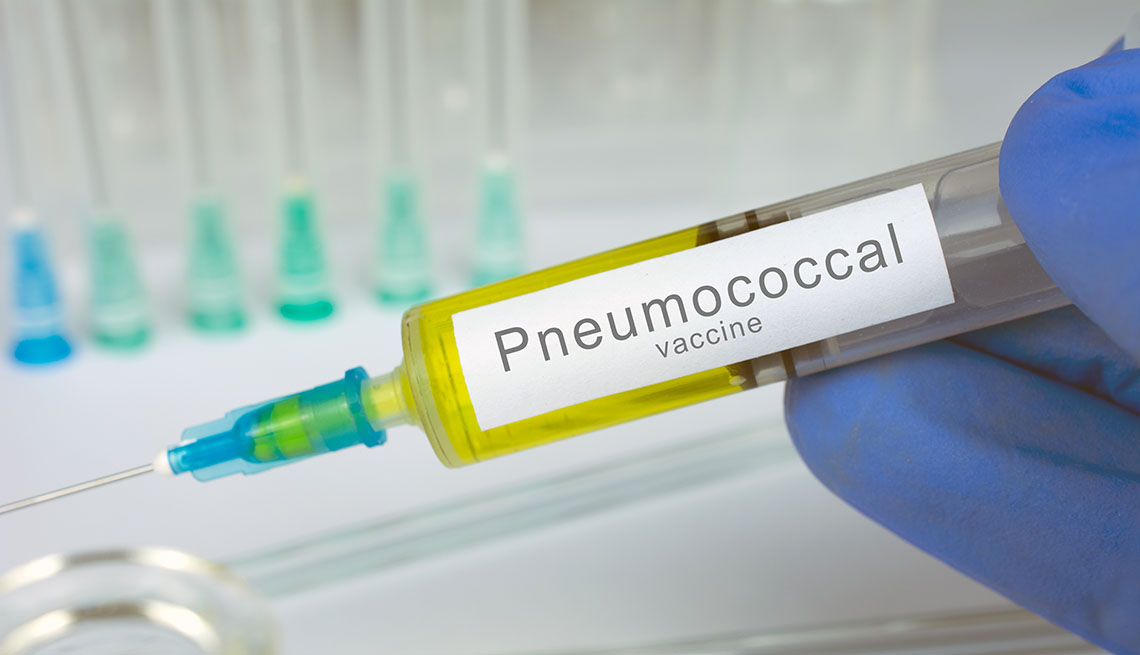
    Pneumococcal vaccine developed by the Pune-based Serum Institute of India has been pre-qualified by the World Health Organisation (WHO).

    Pneumococcal Vaccine

    • Pneumococcal vaccination is a method of preventing a specific type of lung infection (pneumonia) that is caused by the pneumococcus (Streptococcus pneumonia) bacterium.
    • There are more than 80 different types of pneumococcus bacteria – 23 of them covered by the vaccine.
    • The vaccine is injected into the body to stimulate the normal immune system to produce antibodies that are directed against pneumococcus bacteria.
    • This method of stimulating the normal immune system to be directed against a specific microbe is called immunization.
    • It does not protect against pneumonia caused by microbes other than pneumococcus bacteria, nor does it protect against pneumococcal bacterial strains not included in the vaccine.

    About the Vaccine

    • The pneumococcal vaccine PNEUMOSIL is a conjugate vaccine to help produce stronger immune response to a weak antigen.
    • Serum Institute had optimized an efficient conjugate vaccine manufacturing processes for its meningitis A vaccine (MenAfriVac).
    • It was used for manufacturing the pneumococcal vaccine. This helped the company reduce the manufacturing cost of pneumococcal vaccine.

    Why?

    • It pneumonia caused 1,27,000 deaths in India in 2018, the second highest number of child mortality under the age of five in the world.
    • In India, pneumonia and diarrhoea cause the most deaths in children under five years.
    • In 2017, pneumococcal conjugate vaccine was included in the under India’s Universal Immunisation Programme (UIP).
    • It has been introduced in a phased manner starting with Himachal Pradesh, parts of Bihar, Uttar Pradesh, Madhya Pradesh and Rajasthan.
    • The efficacy of the Serum vaccine was tested against an already approved pneumococcal vaccine (Synflorix).
  • [pib] UJALA & Street Lighting National Programme

    The Unnat Jyoti by Affordable LEDs for All (UJALA) and LED Street Lighting National Programme (SLNP) has completed five years of successful implementation.

    UJALA and SLNP

    • SLNP is the world’s largest streetlight replacement programme and UJALA is the world’s largest domestic lighting project.
    • Both have been spearheaded and implemented by Energy Efficiency Services Limited (EESL), a joint venture of PSUs under the Ministry of Power.

    Major accomplishments

    UJALA

    • UJALA project brought the market transformation in energy efficiency sector.
    • Prices of LED bulbs being distributed under UJALA programme have fallen to one-tenth of their rates in 2015 from INR. 310 to INR 38 in 2018.
    • The switch from inefficient incandescent bulbs to LEDs is helping families reduce their electricity bills while also enabling them to access better brightness in homes.
    • Through the UJALA over 36.13 crore LED bulbs have been distributed across India.
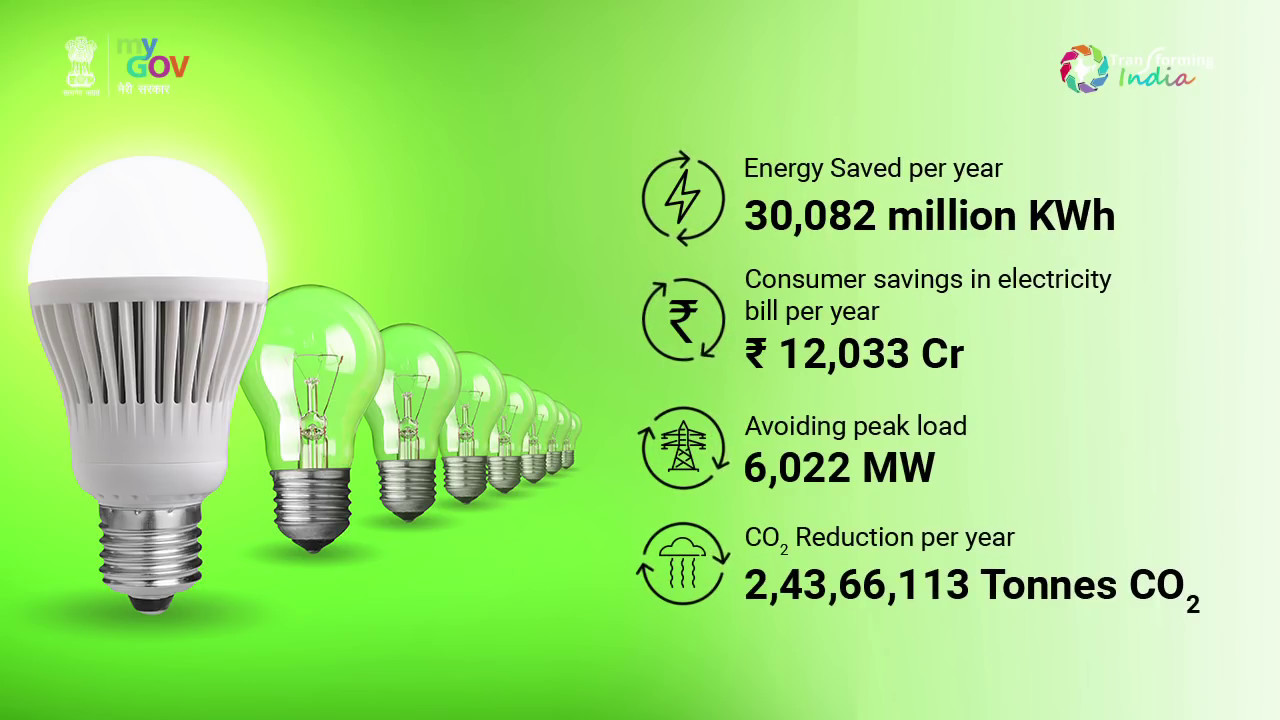
    • This has resulted in estimated energy savings of 46.92 billion kWh per year, avoided peak demand of 9,394 MW, and an estimated GHG emission reduction of 38 million t CO2 annually.

    SLNP

    • Under the SLNP programme, over 1.03 crore smart LED streetlights have been installed till date, enabling an estimated energy savings of 6.97 billion kWh per year with an avoided peak demand of 1,161 MW and an estimated GHG emission reduction of 4.80 million tonnes CO2 annually.
    • LED streetlights have been installed in various states across the country, helping generate approximately 13,000 jobs to support Make in India initiative.
    • This has enabled citizens to increase productivity at night and made roads safer for pedestrians and motorists due to enhanced brightness and reduced dark spots.
    • As these lights are automated, they switch on and off at sunrise and sunset thereby reducing wastage.
    • In the last five years, the LED streetlights installed have illuminated 3,00,000 km of roads in India, enabling public safety and energy efficient lighting.
  • India’s policies for ‘Urban Lakes’

    Context

    • Historically, cities were built along waterways or lakes.
    • Over time, human settlements near water bodies and lakes have transformed the natural environment into the towns and cities we see today.
    • Urban lakes are an important part of city ecosystems as they play a major role in providing environmental, social and economic services.

    Famous Urban Lakes in India

    Carambolim (Goa), Chilika (Odisha), Dal (Jammu and Kashmir), Deepor Beel (Assam), Khabartal (Bihar), Kolleru (Andhra Pradesh), Loktak (Manipur), Naini (Uttrakhand), Nalsarovar (Gujarat), and Vembanad (Kerala)

    Threats to these Lakes

    These lake ecosystems are presently endangered due to anthropogenic disturbances caused by Urbanisation as they have been heavily degraded due to pollution from disposal of untreated local sewage or due to encroachment, resulting in shrunken lakes.

    Why conserve them?

    • Lakes in urban areas provide us with prime opportunities for recreation, tourism and domestic purposes.
    • They hold historical and traditional values and at places are a source of water supply for a municipality.
    • Appropriate lake function can ease the impact of floods and droughts by storing large amounts of water and releasing it during shortages.
    • Lakes also help in replenishing groundwater level as they are essential receptors for groundwater recharge, positively influencing water quality of downstream watercourses and preserving the biodiversity and habitat of the surrounding area.
    • Lakes in urban areas are also used as a source of water for industries, irrigation and agriculture.

    Defining Urban Lakes

    • There is no specific definition for ‘urban lakes’ in India.
    • According to the National Lake Conservation Plan (NLCP), a water body having a minimum depth of three metres, spread over more than 10 hectares, and having no or very little aquatic vegetation, is considered as a lake.

    The definition provided by NLCP is based on broad hydrological and morphometry criteria of a lake:

    • The apparent definition of urban lakes seems to those located entirely within city limits (census town) and directly surrounded by urban developments, with some recreation facilities limited to the shoreline area (parks, playgrounds).

    OR

    • The lakes which are predominantly affected by urban human populations and their drainage basin is dominated by urbanisation, rather than geology, soils or agriculture. Such lakes are situated only partially within city limits, or attached but not necessarily surrounded, entirely by city development.

    Issues with the definition

    • One of the obstacles for effective protection of these interlinked lakes in cities is the lack of a clear definition of an ‘urban lake’ in the Indian context.
    • The definition provided under the guideline of NLCP acknowledges only broad hydrological criteria to define a water body as a lake.
    • This definition ignores the fact that the water depth and spread keep changing every year, depending on various environmental factors.
    • In fact, there are very few urban lakes that fit into this definition since most of them occupy a small area (<10 ha), are seasonal and shallow.

    Various policy measures

    Water (Prevention and Control of Pollution) Act in 1974

    • Planning interventions for water bodies started as early as 1927.
    • In the Water (Prevention and Control of Pollution) Act in 1974, directions were given to control the flow of sewage and industrial effluents into water bodies.

    Ramsar Convention

    • The need for lake conservation was felt when India became a signatory to the Ramsar Convention on Wetlands, 1982.
    • The Convention called for the conservation and wise use of wetlands (including water bodies).
    • Twenty-six Ramsar sites, covering an area of 689,000 ha, were identified in India.

    National Wetland Conservation Programme

    • The Indian government operationalised the Programme in closed collaboration with concerned state governments during 1985-86 under the MoEFCC notification.
    • Recognising the importance of lakes, the Ministry launched NLCP, a centrally sponsored scheme exclusively aimed at restoring the water quality and ecology of lakes in different parts of the country.
    • Under the programme, 115 wetlands were identified, which required urgent conservation and management initiatives.
    • The selection of lakes was on hydrological (Lake size over 10 acres or 3 acres if of religious and cultural importance and lake depth more than three metres), scientific and administrative criteria.
    • The scheme was approved by the Union government during the Ninth Plan (June 2001) as 100 per cent central grant.
    • From 100 per cent central funding, the costs are now shared according to a ratio of 70:30 between the Union and the concerned state government.

    Repair, Renovation and Restoration of Waterbodies’ Scheme

    • In continuation with the NLCP, the Centre had launched this Scheme in 2005,
    • The objectives of the scheme were comprehensive improvement and restoration of traditional waterbodies, including increasing tank storage capacity, ground water recharge, etc.

    National Plan for Conservation of Aquatic Eco-systems (NPCA)

    • Later, in 2016, the National Lake Conservation Plan was merged with National Wetlands Conservation Programme to form NPCA.
    • The principal objectives of NPCA are holistic conservation and the restoration of lakes and wetlands through an integrated and multidisciplinary approach with a common regulatory framework.
    • All lakes that were a part of NLCP, were brought under this scheme, and are being restored till date.

    Why Urban Lakes still needs more attention?

    • Even after 26 years of pollution abatement works, only ten per cent of waste water generated in the country is treated.
    • The rest collects as cess pools or is discharged into the 14 major, 55 minor and several hundred other rivers.
    • It is quite clear that the overall status of quality of water in rivers, lakes and its links to groundwater has not been adequately addressed.
    • Out of the 43 Indian guidelines passed by the central and state government, 41 per cent of those talk about conservation and restoration of waterbodies but only 10 per cent exactly describe the conservative measure.
    • Only 22 per cent of the guidelines are on subjects related to policies to be adopted by state government, urban local bodies etc.
    • This clearly identifies the missing links and marks the future prospects that India should adopt for the preparation of better and sustainable lake management plans.

    Need for a comprehensive Lake Management Plan

    • ‘Lake management planning’ is an approach for different stakeholders to come together with a common interest in improving and protecting their lake.
    • Focusing on planning process rather than quick-fix solutions makes lake rejuvenation a manageable process.
    • Moreover, it guides how time and resources are utilised, keeping future sustainability of the lake in account.  It includes:
    1. Encourages partnerships between concerned citizens, special interest groups, government body and water resources management practitioners
    2. Identifies the concerns regarding the catchment/watershed of the lake
    3. Sets realistic goals, objectives, and (short, medium and long-term) actions, and identifies needed funds and personnel.

    Conclusion

    • Under the Jal Shakti mission and AMRUT, the revival /rejuvenation of water bodies is in piecemeal approach, with short-term measures like beautification, enhancing recreational activities, addressing immediate solid waste dumping into waterbody etc.
    • Although cities have initiated to work towards water bodies’ rejuvenation, the long-term approach is still missing.

    Way Forward

    • Since a lake is a reflection of its catchment area, it is essential to first understand the significant changes or trends concerning the primary land uses within the catchment area / watershed draining into the lake.
    • There is no approach which defines the planning process for preparation of short, medium and long-term action plans for lake rejuvenation, considering its watershed area.
    • It is essential to have a document with clear understanding of the lake’s watershed area, with specific goals, objectives, producing time-bound action plans.
    • Conservation of Lakes and wetlands through an integrated and multidisciplinary approach with a common regulatory framework should be carried out.
  • Turtle rehab centre in Bhagalpur, Bihar

    A first-of-its-kind rehabilitation centre for freshwater turtles will be inaugurated in Bihar’s Bhagalpur forest division in January 2020.

    About the rehab centre

    • The centre, spread over half a hectare, will be able to shelter 500 turtles at a time.
    • Earlier, rescued turtles were released into rivers without much treatment in the absence of any facility.
    • In the rehab centre they will be properly monitored before being released in their natural habitat.

    Why need such centre?

    • The need to build such a centre was felt after several turtles were found severely wounded and sick when rescued from smuggles by rescue teams.
    • This centre will play a significant role in treating these animals and their proper upkeep before being returned to their natural habitat.

    Why Bhagalpur?

    • Eastern Bihar has been an ideal breeding ground for turtles.
    • In Bhagalpur, the flow of water in the Ganga is ample. Also, there are many sandbanks in the middle of the river, which are ideal breeding ground for turtles.

    Significance of turtles

    • According to environmentalists, the turtles play a significant role in the river by scavenging dead organic materials and diseased fish.
    • They control fish population by their predation and control aquatic plants and weeds.
    • They are also described as indicators of healthy aquatic ecosystems.

    Various threats

    • According to a recent study conducted by Traffic India, around 11,000 turtles are being smuggled in India every year. In the past 10 years, as many as 110,000 turtles have been traded.
    • These species are now under severe threats due to habitat fragmentation and loss through dams and barrages, pollution, illegal poaching, accidental drowning through fishing nets and threats to their nesting habitats etc.
    • The turtles have come under serious threat primarily for two reasons — food and the flourishing pet trade.
    • Turtles are being frequently targeted for meat due to the prevailing belief that it gives an energy boost and keeps various diseases away.

    Back2Basics

    Operation Save Kurma

    • It is a periodic species specific operation on turtles conducted by Wildlife Crimes Control Bureau since 2017.
    • Under this, a total of 15,739 live turtles were recovered from 45 suspects, having inter-state linkages.
    • It helped the enforcement agencies to focus on the existing trade routes and major trade hubs in the country, which will be continued in future.
  • [pib] Patola Saree

    In a historic initiative taken by Khadi and Village Industries Commission (KVIC), a first Silk Processing Plant was inaugurated at Surendranagar in Gujarat.

    It would help cut down the cost of production of silk yarn drastically and increase the sale and availability of raw material for Gujarati Patola Sarees.

    Patola Sarees

    • Patola is a double ikat (dying technique) woven sari, usually made from silk made in Patan, Gujarat.
    • They are very expensive, once worn only by those belonging to royal and aristocratic families. These saris are popular among those who can afford the high prices.
    • Reason being the raw material silk yarn is purchased from Karnataka or West Bengal, where silk processing units are situated, thus increasing the cost of the fabric manifolds.
    • Patola-weaving is a closely guarded family tradition. There are three families in Patan that weave these highly prized double ikat saris.
    • It can take six months to one year to make one sari due to the long process of dying each strand separately before weaving them together.
  • [op-ed of the day] Data and its discontents

    Context

    The Personal Data Protection Bill which was introduced in Lok Sabha contains a certain provision that might have implications for India’s digital economy. These provisions must be carefully considered as Parliament reviews the proposed legislation.

    What are the stated objectives of the bill?

    • The first purpose deals with privacy concerns.
    • Its purpose is to safeguard the constitutional guarantee of privacy for Indian citizens
    • The second purpose is to provide a just and equitable vision for the future of India’s digital economy

    What are the incongruent provisions?

    • One of the provision enables the central government to direct the regulated entity under the act to provide anonymised personal data.
    • The government wants to use this anonymised personal data to enable the targeted delivery of services or evidence-based policymaking
    • The above provisions could have certain implications that need to be carefully considered.

    Anonymised data and issues with it

    • Under the bill, anonymised data refers to data from which all the markers of identity have been irreversibly removed.
    • Recent research shows that the present methods of anonymisation are imperfect.
    • With the use of modern machine learning techniques, the data released as “anonymous” can be re-identified.
    • So, the approach to regulation of anonymised data must be contextual and sectoral- with a focus on finance and healthcare.

    Use of big data and AI in governance

    • The government also plans to use big data and artificial intelligence within governance and planning systems.
    • The use of these techniques has the potential to increase government capacity and transparency.
    • It can also help in making an informed decision about economic and social planning.
    • However, the provision ignores the multiplicity of existing and inchoate rights like IPRs (Intellectual Property Rights), copyrights and trade secret protections.

    Consequences of the conflicting provision

    • While the government wants the data to be open for acquisition similar to the power of “eminent domain” over land, but it comes in conflict with existing laws.
    • It comes in conflict with the copyright acts, intellectual property rights, and trade secret laws.
    • Databases are commercially significant for commercial companies.
    • Overlap of these existing rights within the government system can jeopardise accountability and transparency.

     Problems with Big data and AI in governance

    • Unregulated use of the database in governance could have consequences for the people and communities who are being made visible or being invisible by this data.
    • A shift from a qualitative method like census to the quantitative method like big data which is collected in a different context and used for a different purpose may not be smooth.
    • Such data will be incomplete for governance.
    • The data could also be replete with biases of the private entity collecting the data.
    • So, the use of this unregulated data for policymaking or targeting beneficiaries could be disastrous.

    Way forward

    The regulation of non-personal data must take into account both the potential harms to individual privacy as well as the wider social and political consequences of the use of data for governance.


  • Arabica Coffee

    India’s Arabica production has hit an all-time low this coffee-picking season.

    Coffee Production in India

    • Coffee is grown in three regions of India with Karnataka, Kerala and Tamil Nadu forming the traditional coffee growing region.
    • It is followed by the new areas developed in the non-traditional areas of Andhra Pradesh and Orissa in the eastern coast of the country and with a third region comprising the NE states.
    • Indian coffee, grown mostly in southern states under monsoon rainfall conditions, is also termed as “Indian monsooned coffee”.
    • The two well known species of coffee grown are the Arabica and Robusta.

    History of Coffee in India

    • In the Indian context, coffee growing started with a saint, Baba Budan who, while returning from a pilgrimage to Mecca, smuggled seven coffee beans from Yemen to Mysore in India.
    • He planted them on the Chandragiri Hills now named after the saint as Baba Budan Giri in Chikkamagaluru district of Karnataka.