India is Fastest Growing Economy in the world (IMF) but low HDI rank (130 out of 193, UNDP 2025) highlight that growth has not translated into inclusive development.
Indicators of human development
Poverty Headcount Ratio – 11.28% (2022-23)
Malnutrition – NFHS-5
35.5% stunting,
19.3% wasting,
32.1% underweight in children under five
Inequality – the richest 1% owning over 40% of the nation’s wealth, while the bottom 50% hold a mere 3-6%.
Issues that make balanced and inclusive development elusive.
Political Factors
Policy Fragmentation: scheme overlaps and lack of convergence dilute impact.
Short-Term Populism: Focus on vote-bank subsidies over long-term human capital investments. Eg- low spending on Health (1.98% of GDP) and Education (2.9% of GDP)
Weak Decentralization: Eg- Only 40% of States have functional District Planning Committees.
Economic Factors
Jobless Growth: Services contribute 55% of GDP but employ less than 30% of workforce.
Agrarian Distress: 42% of workforce in agriculture contributes just 17% to GDP
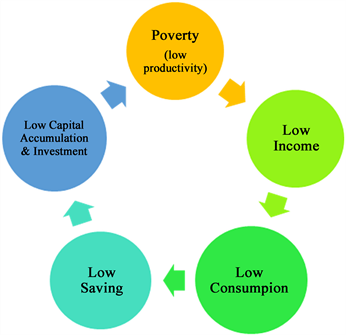
Social Factors
Gender Inequality: low Female Labour Force Participation due to
Triple Burden – Household, Children, Job
Patriarchal Mindset – Eg- Sarpanch Pati
Law of asset ownership – only 11% land ownership
Education and Health Deficits
High out of pocket expenditure (40%)
Digital Apartheid in education during Covid
Environmental Stress: Unsustainable urbanization, pollution, and water scarcity aggravate human deprivation.
Institutional Factors
Weak Governance Capacity: Poor implementation, leakages, and bureaucratic delays persist. Eg- inclusion-exclusion errors in PDS
Ineffective Targeting: Outdated socio-economic data hinder evidence-based policy (SECC 2011 still in use).
Way Forward
Capability Approach – increase spending on Health (2.5%of GDP) and Education (6% of GDP)
Adopt Best Practices
Kerala’s People’s Plan Campaign
Participatory Budgeting in porto alegre brazil
Decentralized Governance based on principle of subsidiarity.
“Growth becomes meaningful only when it expands human freedom and capability.” – Amartya Sen