Over 6 Billion people worldwide and 491 million people in India use social media. However, this expansion of social media has acted as a double-edged sword.
Social Media Revolutionizing Communication and Interaction
Elimination of Geographical Barriers- Platforms like WhatsApp and Zoom have turned the world into a “Global Village”.
Shift from Passive to Active Participation- allows users to be “Prosumers” (consumers and creators of content)
Democratization of Voice- Eg- #BlackLivesMatter or #MeToo movements
The rise of Emojis, GIFs, and Memes has created a new universal “digital dialect” that conveys emotion more quickly than text.
Civic and Political Engagement- Eg- leaders using X for communication
Ethical Issues and Challenges
Privacy and Surveillance challenge- Eg- the Cambridge Analytica scandal.
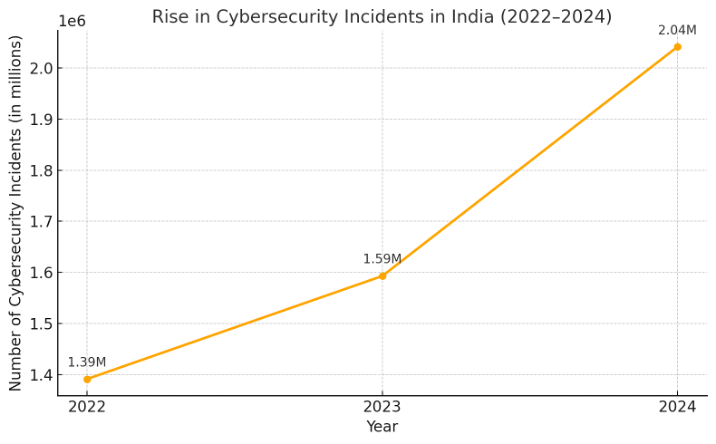
Algorithmic Echo Chambers creating polarized “digital silos”. (India Hate Lab report)
Cognitive Warfare- Eg- “Bot-farms” to build anti-India narratives
Cyber Stalking and Harassment – Eg- Women targeted through doxxing and revenge porn.
Digital Addiction- Eg- “Infinite Scroll” syndrome
Post Truth world- Eg- Deepfakes make it difficult to distinguish between reality and fabrication.
Key ethical dilemmas in social media
Freedom of Speech vs. Content Moderation- Balancing an individual’s right to speak against the community’s right to be protected from hate speech.
Privacy vs. Profit- The tension between protecting user data and the platform’s need for targeted advertising revenue.
Connectivity vs. Isolation- The paradox of being “connected” to thousands online while feeling deeply isolated in the physical world.
Accountability vs. Anonymity- Anonymity protects whistleblowers but also shields those who commit harassment without consequence. Eg- rise of “Deepfake Extortion”
Authenticity vs. Curation- The pressure to present an “idealized self” online versus the ethical value of being true to one’s real-life identity.
Information Accessibility vs. Intellectual Property- The ease of sharing leads to dilemmas regarding “Plagiarism” and the loss of revenue for original creators.
Democratization vs. Polarization- While everyone has a voice, algorithms often push people into “Filter Bubbles” and “Echo Chambers”.
Algorithmic Bias vs. Social Justice – Eg- recruitment algorithms on major professional networking sites were less likely to show high-paying technical job ads to women
Accuracy vs. Speed (The Viral Trap) – In the “attention economy,” being the first to break a story is rewarded with “reach,” while slow fact-checking is penalized by the algorithm.
Social media is an ethically “grey” space. A robust framework of “Digital Ethics”is needed to cultivate “Digital Mindfulness.”