|
Why in the News?
|
Details
|
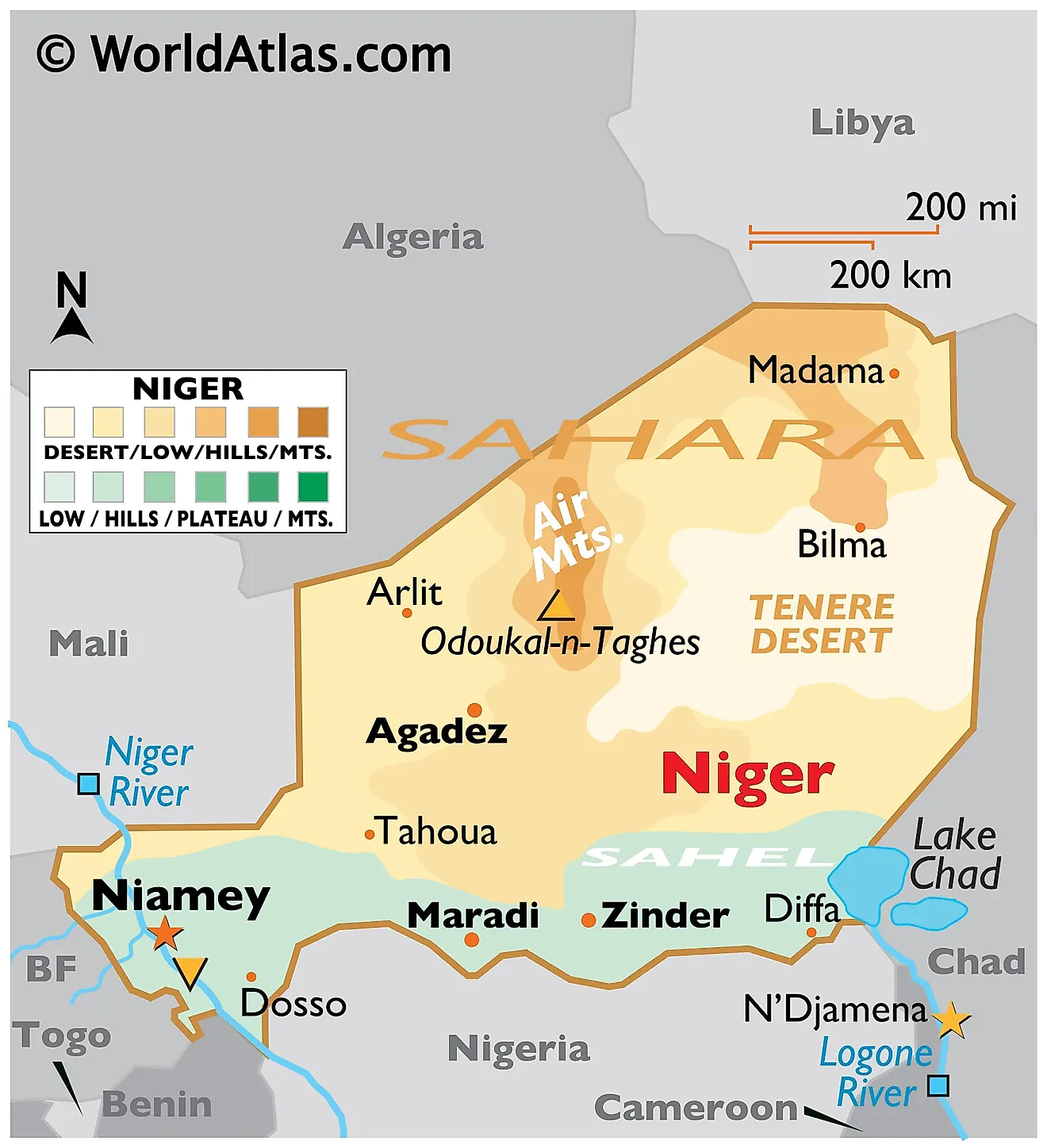
Niger
|
- Turkish delegation visited to strengthen military cooperation with the junta, shifting alliances to Turkey and Russia.
|
Geography: Landlocked in West Africa, bordered by Algeria, Libya, Chad, Nigeria, Benin, Burkina Faso, and Mali. Population ~26.3 million; capital Niamey.
Key Points:
- Gained independence from France in 1960.
- Political instability with coups and a military junta in 2023.
- It faces significant challenges including desertification, water scarcity, and economic development issues.
- It is one of the world’s poorest nations despite having large uranium reserves.
|
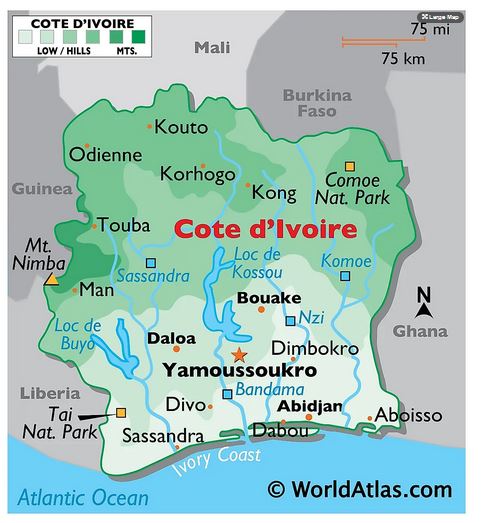
Ivory Coast
|
- Recent discoveries have revealed substantial oil reserves estimated at six billion barrels, potentially making Ivory Coast a net oil exporter by the end of the decade.
- The Baleine field, operated by Eni, aims to reach significant production levels by 2026.
|
Geography: Located on the southern coast of West Africa; bordered by Liberia, Guinea, Mali, Burkina Faso, Ghana, and the Gulf of Guinea. Population ~30.9 million; capital Yamoussoukro.
Key Points:
- Gained independence from France in 1960.
- Experienced political instability, now relatively stable since 2016.
- Fast-growing economy dependent on cocoa, coffee, and expanding into gold mining and oil refining.
- Abidjan is a major hub for West African economic activities.
|
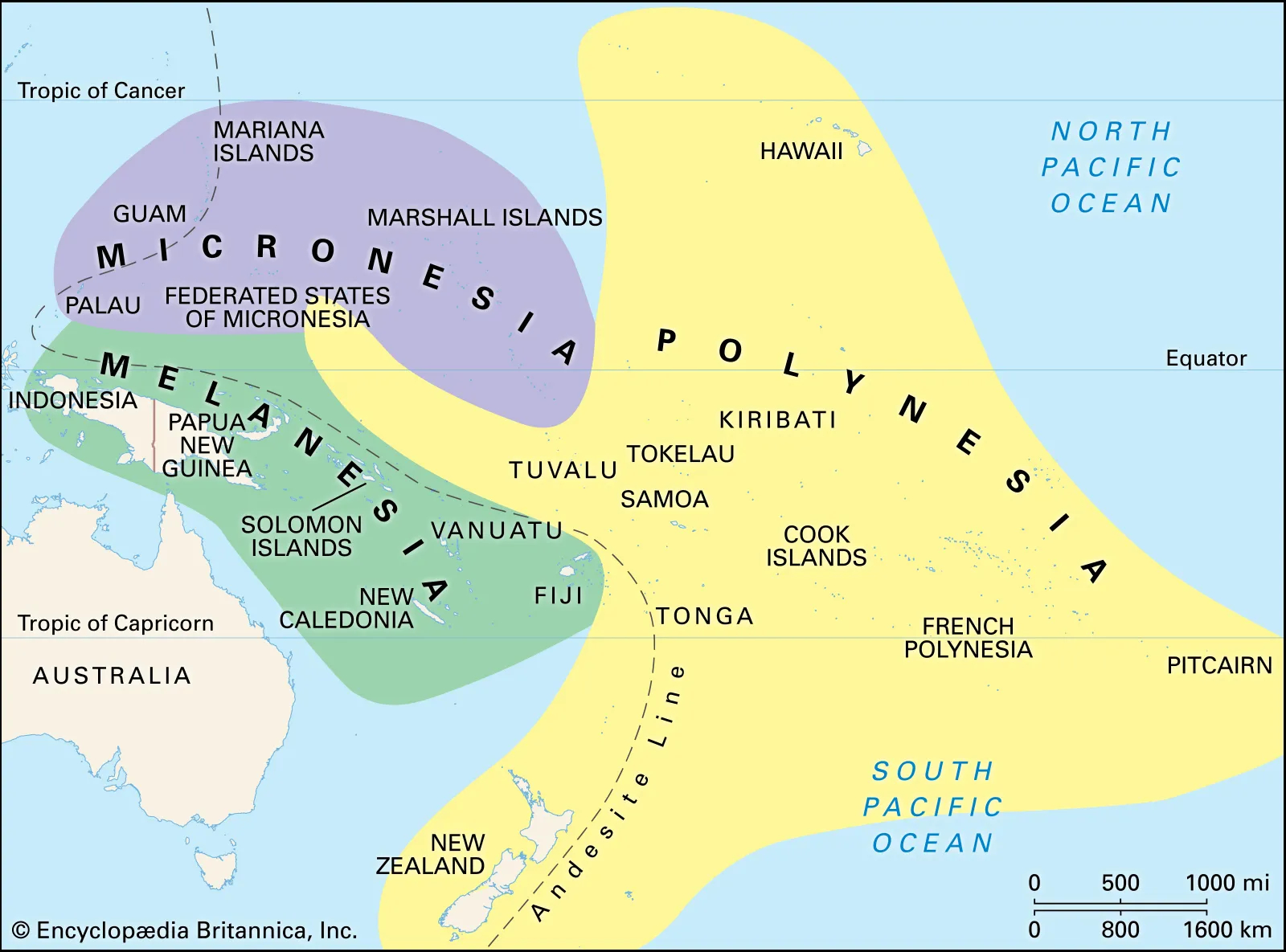
Pacific Island States
|
- Participated in a summit with Japan expressing concerns over military build-ups and the need for regional peace and security.
|
- Geography: Vast region in the Pacific Ocean, categorized into Melanesia, Micronesia, and Polynesia; diverse climates and ecosystems.
- They face challenges such as climate change impacts, biodiversity loss, and varying levels of development.
- Economic activities include tourism, agriculture (especially coconut and palm oil), and fishing.
- These islands play a crucial role in global biodiversity and climate resilience efforts.
|
