💥Mains Ready By December. Smash Mains & Smash PYQ Admissions Open

Search results for: “”

  • CERC steps in to tackle sudden Surges in Power Demand

    Why in the News?

    India’s power regulator, the Central Electricity Regulatory Commission (CERC), has appointed a Single Member Bench to assess the challenges of a sudden surge in power demand.

    Projected Power Demand for October 2024

    • India’s projected peak power demand for October 2024 is 230 Gigawatts (GW).
    • After factoring in Inter-State Transmission System (ISTS) losses, the demand is expected to rise to 232.2 GW.
    • To meet this demand, an additional 12.60 GW of generation resources is required.

    Concerns over Power System Operation:

    • The steep rise in electricity demand, without enough generation sources, could pose a risk to power system operations.
    • The Regional Load Despatch Centres (RLDCs) and State Load Despatch Centres (SLDCs) are responsible for conducting operational planning to manage this surge, especially due to seasonal variations.


    About Central Electricity Regulatory Commission (CERC):

    Details
    Establishment It was constituted on July 24, 1998, under the Electricity Regulatory Commissions Act, 1998, and later brought under the Electricity Act, 2003.
    Type Statutory body with quasi-judicial status under Section 76 of the Electricity Act, 2003.
    Ministry Functions under the Ministry of Power, Government of India.
    Primary Functions – Regulates tariffs of power generation companies (owned/controlled by the Government of India).
    – Regulates interstate transmission tariffs.
    – Issues licenses for interstate transmission and trading.
    Key Role in Tariff Evolution – Introduced a Two-Part Tariff in 1992.
    – Introduced Availability Based Tariff (ABT) in 2000 to improve grid stability.
    Advisory Role – Contributes to National Electricity Policy and Tariff Policy.
    – Promotes competition, efficiency, and investment in the electricity sector.
    Licensing – Issues licenses for electricity transmission and interstate trading.
    Grid Operation Standards Enforces standards under the Indian Electricity Grid Code (IEGC) to improve grid stability and power quality.
    Dispute Resolution Adjudicates disputes involving power generation companies and transmission licensees.
    Collaboration Signed a MoU with the U.S. Federal Energy Regulatory Commission (FERC) in 2009 for enhancing power market regulation and grid reliability.
    First Chairman Mr. S.L. Rao (1998–2001).


    PYQ:

    [2016] Which one of the following is the purpose of ‘UDAY’, a scheme of the Government?

    (a) Providing technical and financial assistance to start-up entrepreneurs in the field of renewable sources of energy

    (b) Providing electricity to every household in the country by 2018

    (c) Replacing the coal-based power plants with natural gas, nuclear, solar, wind and tidal power plants over a period of time

    (d) Providing for financial turnaround and revival of power distribution companies

  • India slipped on the Academic Freedom Index (AFI)

    Why in the News?

    India has seen a sharp decline in Academic Freedom Index rankings over the past 10 years.

    About the Academic Freedom Index (AFI):

    Details
    Released by Global Public Policy Institute (GPPi) in collaboration with Scholars at Risk (SAR) and V-Dem Institute (Varieties of Democracy)

    Published as a part of a global time-series dataset (1900-2019)

    Purpose To assess and quantify academic freedom across different countries
    Score Range
    • 0 (complete repression) to 1 (full academic freedom)
    • Scores based on expert surveys and institutional data
    Main Parameters
    • Freedom to Research and Teach
    • Institutional Autonomy
    • Freedom of Academic Exchange and Dissemination
    • Campus Integrity
    • Freedom of Expression for Academics
    • Constitutional Protection of Academic Freedom
    Usage
    • Tracking academic freedom trends
    • Influencing policy
    • Advocating for academic liberty in different countries
    Annual Report Published as part of the “Free to Think” report series by Scholars at Risk

    India’s Performance:

    • India’s academic freedom score dropped from 0.6 points in 2013 to just 0.2 points in 2023, marking a significant deterioration.
    • The report categorizes India as “completely restricted”, the country’s lowest rank since the mid-1940s.
    • This decline is attributed to many factors, including:
    1. Political Influence on Universities
    2. Limitations on Student Protests

    Significance

    • Impact on Democracy: The decline threatens democratic values, as universities, traditionally spaces for free thought and dissent, and are increasingly under political control, limiting student protests and academic expression.
    • International Reputation: India’s shrinking academic freedom could harm its global standing, making it less attractive to international students, scholars, and research collaborations.
    • Long-Term Effects on Education: The politicization of higher education may weaken innovation and critical thinking, hindering economic growth and the development of future leaders and policymakers.
  • Describe the context and salient features of the Digital Personal Data Protection Act, 2023

    Data has emerged as ‘New Oil.’ As  technology has become the defining paradigm of the 21st century, the DPDP Act, India’s first data protection act, establishes a framework for the processing of personal data in India.

    Context of the DPDP Act, 2023:

    1. Rise in Digital Data Usage: as per Nokia’s Mobile Broadband Index (MBiT), Indian users on average consumed 24.1 gigabytes (GB) of data per capita per month in 2023 
    2. Judicial Interpretation: Recognition of the Right to Privacy as a fundamental right under Article 21 of the Indian Constitution emphasizes the need for a data protection law to protect personal information in the digital age.
    3. Global Trends: India’s DPDP Act mirrors global efforts to regulate data processing, such as the European Union’s General Data Protection Regulation (GDPR). 
    4. Previous Data Protection Drafts:  The DPDP Act, 2023, builds on earlier drafts of data protection bills (such as the Personal Data Protection Bill, 2019), which faced multiple revisions due to concerns over government exemptions, data localization, and compliance costs for businesses.
    5. Rise in cyber crime – As per NCRB, in May 2024, the Indian Cyber Crime Coordination Centre (I4C) recorded an average of 7,000 cybercrime complaints per day. This is a 60.9% increase from 2022 to 2023 and an 113.7% increase from 2021 to 2023.
    6. Use of Data in government schemes like Aadhar, DBT etc. 

    Salient Features of the Digital Personal Data Protection Act, 2023:

    1. Applicability: The DPDP Act applies to the processing of digital personal data in India, whether collected online or offline and later digitized. It also applies to data processing outside India if the data pertains to providing goods or services to data principals (individuals) within India.
    2. Key Stakeholders: Data Principal (DP), Data Fiduciary, Data Processor
    3. Penalty for Infringement: The Act imposes financial penalties for non-compliance, ranging from Rs. 10,000 to Rs. 250 crores, but does not impose criminal penalties.
    4. Conflict with Existing Laws: The DPDP Act’s provisions are additional to existing laws. In case of conflict, the DPDP Act will take precedence to the extent of the conflict.
    5. Data Protection Board of India (DPBI):
    1. An independent body responsible for resolving disputes related to privacy and data protection.
    2. It has the authority to impose penalties for non-compliance and breaches of the Act.
    3. Appeals against DPBI orders can be made to the High Court, which can also take up breaches suo moto
    4. Citizen’s Rights:
    1. Right to Information: The DP has the right to know how their data is being used.
    2. Right to Correction and Erasure: The DP can request corrections or erasure of their personal data.
    3. Grievance Redressal: The DP has the right to approach authorities for grievances related to data breaches or misuse.
    4. Right to Nominate: In case of death or incapacity, the DP can nominate someone to exercise their rights
    IssuesWay Forward
    Lack of Standardization: Inconsistent data formats and standards across different departments.Establishing a clear implementation framework to ensure effective coordination.
    Fragmented Systems results in data silos, making it difficult to share and access data across departments.Developing decentralized, reliable databases to ensure that governance decisions are rooted in accurate and comprehensive data.
    Inaccurate or outdated data Eg- Issues with the accuracy of data in land records Opening of data “silos” to capture the potential wealth of data sharing between governmental offices, corporations and citizens.

    By carefully choreographing a dance between data localization, infrastructure development, and technological innovation, India can pave the way for a data-driven future that is both innovative and accountable.

  • Explain how narco-terrorism has emerged as a serious threat across the country. Suggest suitable measures to counter narco-terrorism

    ‘Narcoterrorism’ refers to the use of drug trafficking networks—routes, funding mechanisms, and

    incomes—by terrorist organizations. According to the Narcotics Control Bureau (NCB), more than 100 instances of drone incursions reported in the India-Pakistan border alone in 2023, with most carrying heroin and weapons meant for terrorists operating in India.


    Narco-terrorism has emerged as a serious threat:

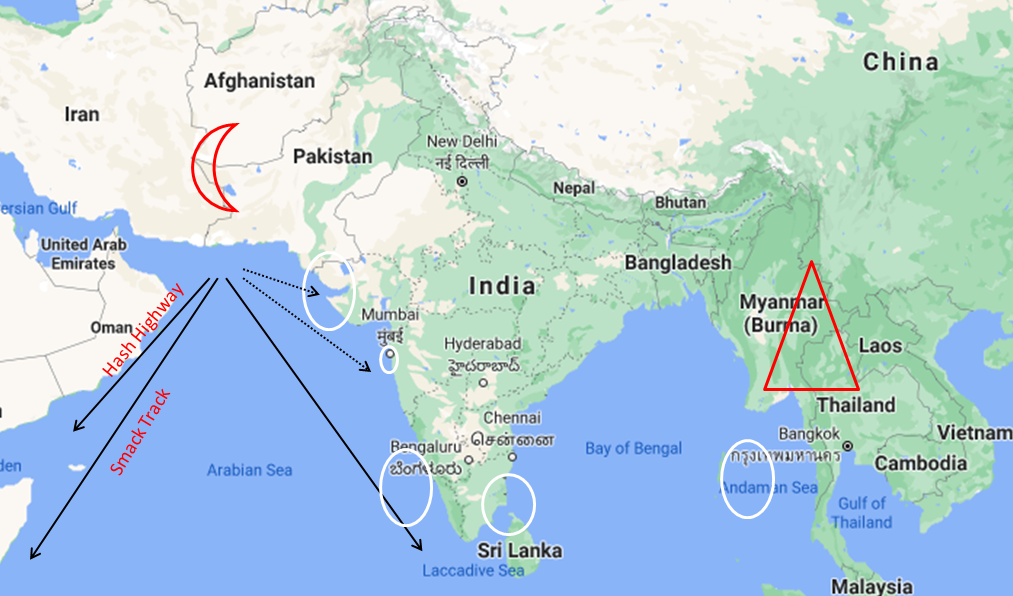
    1. Strategic location:  Proximity to the Golden Crescent to the west and the Golden Triangle to the east 
    2. As per International Narcotics Control Board (INCB) Annual Report 2023, nearly 40% of the world’s opiate users reside in South Asia. 
    3. Use of Technology – Cyber-enabled drug markets, operating on the dark web and crypto-markets, are making illicit drugs more accessible than ever before.
    4. Linkage with terrorist groups: 20-30% of drug smuggling operations in Jammu and Kashmir are estimated to be linked to groups like Lashkar-e-Taiba (LeT) and Jaish-e-Mohammed (JeM) (IB Report).
    5. Increased Smuggling through Coastal Routes: Eg-  seizure of 2,826 kg of drugs, comprising mostly heroin and cocaine, across India’s ports and coastal waters in 2023, the highest in 5 years.
    6. Narcotics and Maoist Insurgency:  Maoist-linked drug operations are used to generate revenue for purchasing arms.
    7. Use of Northeast India as a Transit Point: The porous borders of Northeast India, are used by insurgent groups like the National Socialist Council of Nagaland (NSCN) for drug smuggling. 
    8. Use of Advanced Smuggling Methods: use of drones and maritime routes to smuggle drugs into India, especially across the Punjab and Gujarat borders.
    9. Collaboration with State Actors: Pakistani state agencies are reportedly involved in facilitating narcoterrorism by supporting cross-border drug trafficking that funds terrorism in India.

    Measures to counter narco-terrorism:

    1. Strengthening Border Security:Enhance surveillance and monitoring along borders using advanced technologies such as drones, sensors, and AI to detect and prevent narcoterrorism activities, particularly along the India-Pakistan and India-Myanmar borders.
    2. Strengthening Law Enforcement and Intelligence: 
    1. Ensure the strict enforcement of laws like the Narcotic Drugs and Psychotropic Substances (NDPS) Act, 1985
    2. Ensure seamless sharing of real-time intelligence between agencies like the Intelligence Bureau (IB), Research and Analysis Wing (RAW), and NCB
    1. International Cooperation: Collaborate with Bangladesh, Myanmar, and Afghanistan through bilateral and multilateral platforms like SAARC and BIMSTEC.
    2. Community-Level Interventions: Establish comprehensive drug rehabilitation and de-addiction centers, particularly in regions with high drug abuse rates like Punjab.
    3. Targeting the Nexus between Crime and Terrorism: Strengthening UAPA and financial regulations such as PMLA to target financial linkages between drug traffickers and terrorist groups.

    A failed state in the neighbourhood combined with narco-terrorism can have serious consequences for India’s security. A comprehensive risk-mitigation approach is imperative to safeguard India’s national security and secure a better and healthier future for its citizens.

  • What role do environmental NGOs and activists play in influencing Environmental Impact Assessment (EIA) outcomes for major projects in India? Cite four examples with all important details

    “World today is economically richer & environmentally poorer the ever” 

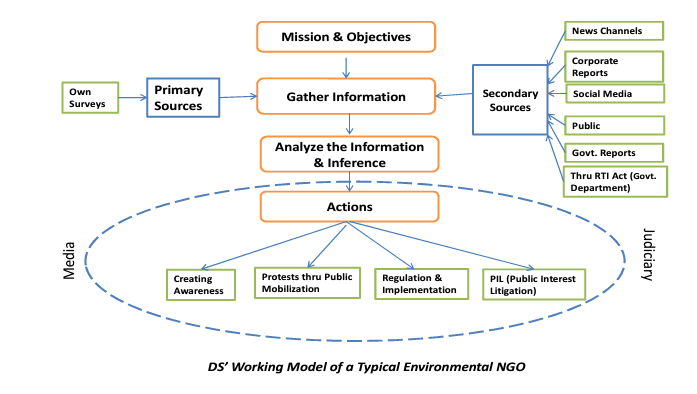
    The UN Department of Public Information (DPI) defines the NGO as “a not-for-profit, voluntary citizen’s group that is organized on a local, national or international level to address issues in support of the public good.” 

    Role of environmental NGO’s:

    • Raising Public Awareness and Participation- Eg- In projects like the Vedanta bauxite mining project in Odisha, activists and NGOs mobilized local tribal communities to participate in public consultations, eventually leading to the project being halted.
    • Advocacy and Legal Interventions – Eg- Activist groups like Kalpavriksh and Vanashakti have filed PILs against infrastructure developments in ecologically sensitive areas like the Western Ghats.
    • .
    • Independent Review and Monitoring of EIAs – Eg- Greenpeace India highlighted deficiencies in the EIA process in Mundra Port and SEZ project.
    • Pressure for Policy Reforms- Their efforts have led to amendments in EIA regulations, such as improvements in the public hearing process and better safeguards for sensitive ecosystems.
    • Exposing Environmental Violations – Eg-  In the Sterlite copper plant case in Tamil Nadu, NGO activism exposed how the plant was operating without proper environmental clearances, leading to closure of the plant.
    • Engaging with International Advocacy Networks including development finance institutions to ensure stricter compliance with international environmental standards.

    Examples

    1. Narmada Bachao Andolan (NBA), led by social activist Medha Patkar. It raised concerns about the incomplete and flawed EIA, which did not fully assess the displacement of people or the ecological damage to the Narmada River ecosystem. While the dam was eventually built, NBA’s efforts ensured a greater focus on rehabilitation and resettlement policies.
    2. Goa Foundation and Mining in Goa NGO/Activist Involved: filed petitions in the Supreme Court challenging the approval of mining leases based on inadequate and outdated EIAs. The NGO provided scientific data showing how large-scale illegal mining was leading to deforestation, loss of biodiversity, water pollution, and siltation of rivers, which affected agriculture and fisheries. In 2012, the Supreme Court imposed a ban on mining activities in Goa. 
    3. Kalpavriksh and the POSCO Steel Plant Project in Odisha –  worked closely with local communities to highlight that the EIA did not address the full extent of forest clearance, water consumption, and pollution. The NGO submitted expert critiques to the Ministry of Environment and Forests (MoEF), pointing out deficiencies in the EIA process, including the lack of public consultations and ignoring of critical environmental impacts.  The MoEF revoked the forest clearance for the project in 2010. 
    4. Himdhara and Hydropower Projects in Himachal PradeshNGO/Activist Involved: Himdhara conducted independent environmental impact assessments and highlighted issues such as improper evaluation of seismic risks, water flow changes, and the cumulative impacts of multiple hydropower projects on the river systems. As a result of their sustained efforts, the original design of the Luhri Hydroelectric Project was altered, reducing its capacity and minimizing environmental damage. 

    Issues:

    1. Organizational Issues – A survey by Indian Institute of Corporate Affairs (IICA) found that around 67% of small and medium-sized NGOs.
    2. As per report by the Harvard Kennedy School the majority of NGOs in India don’t have Board for governance.
    3. Regulatory Issues – Out of 3 million NGOs in the country, only about 175,000 of are registered on Niti Aayog’s Darpan portal.
    4. Funding Constraints: Over dependence on government funding curtails their ability to hold government and administration accountable.
    5. Security:  As per the Intelligence Bureau report, foreign-funded NGOs are acting as instruments for the foreign policy goals of Western governments. Their activism has led to reducing GDP growth by 2-3%.

    Way Forward

    1. 2nd ARC: set up an independent National Accreditation Council- to provide for the system of accreditation of voluntary organizations that seek funding from government agencies.
    2. Vijay Kumar Committee Recommendations:  ‘Light regulation’ of NGO and  a separate law for voluntary agencies
    3. Establishing a governing board enhances NGO governance.

    NGOs are “integral cogs in the wheel of good governance”. A balanced partnership between genuine NGOs and the government is crucial for India’s progress.

  • India signs $750-mn currency swap deal with forex-starved Maldives

    Why in the News?

    The RBI has announced a Currency Swap Agreement with the Maldives Monetary Authority (MMA) under the SAARC Currency Swap Framework 2024-27.

    India’s Financial Support to Maldives

    • India will extend financial support to the Maldives, providing $400 million under the US Dollar/Euro Swap Window.
    • Additionally, ₹30 billion (approximately $357 million) will be made available under the INR Swap Window.
    • The Currency Swap Agreement will remain valid until June 18, 2027.

    About SAARC Currency Swap Framework:

    Details
    Objective To provide short-term liquidity support to SAARC member countries during financial crises or instability.
    Administered by Reserve Bank of India (RBI)
    Launch Year 2012
    Countries Involved All SAARC members: Afghanistan, Bangladesh, Bhutan, India, Maldives, Nepal, Pakistan, and Sri Lanka.
    Facility Swap arrangement in US Dollar, Euro, or Indian Rupee.
    Interest Rate Based on the currency borrowed, includes a margin over international benchmark rates.
    Purpose To address the balance of payment crises and provide financial stability.
    Recent Users Sri Lanka, Maldives


    Maldives’ Debt Situation

    • The Maldives’ debt is now estimated at 110% of its gross domestic product (GDP), with increasing risks of defaulting on its sukuk (Islamic bond).
    • A failure to make payments would mark the world’s first default of an Islamic bond.
      • Fitch Ratings estimates that the Maldives’ external debt obligations will reach $557 million by 2025 and exceed $1 billion by 2026.
      • The country’s foreign reserves stood at just $437 million at the end of August, only enough to cover one-and-a-half months of imports.
      • India provided a $50 million lifeline to the Maldives to help avoid this outcome.
    • The Export-Import Bank of India is owed nearly $400 million, while the Export-Import Bank of China is owed about $530 million as of last year.

    Significance of India’s Assistance

    • Debt Relief: India’s financial aid, including a $50 million lifeline, would help the Maldives avoid debt default and stabilize its economy.
    • Geopolitical Influence: With this, India can counter China’s influence in the Maldives, strengthening its strategic position in the Indian Ocean.
    • Diplomatic Reset: India’s support strengthens diplomatic relations, aiding the Maldives in debt restructuring and global partnerships.

    PYQ:

    [2019] In the context of India, which of the following factors is/are contributor/contributors to reducing the risk of a currency crisis?

    1. The foreign currency earnings of India’s IT sector
    2. Increasing the government expenditure
    3. Remittances from Indians abroad

    Select the correct answer using the code given below:

    (a) 1 only

    (b) 1 and 3 only

    (c) 2 only

    (d) 1, 2 and 3

  • Industrial pollution of river water is a significant environmental issue in India. Discuss the various mitigation measures to deal with this problem and also the government’s initiatives in this regard

    As per CPCB report, 46 percent of the 603 Indian rivers are polluted based on indicator of organic pollution i.e. Biochemical Oxygen Demand (BOD) (3mg/L) with the discharge of untreated industrial affluents as one of the major reasons.

    Industrial pollution of river water is a significant environmental issue:

    1. Impact river water quality:  According to the CPCB, the Ganges and Yamuna often exceed permissible limits for pollutants such as biological oxygen demand (BOD), fecal coliform, heavy metals, and other toxic substances.
    2.  Impact on Aquatic Life:  High levels of toxicity in the Ganges has severely affected the population of the endangered Ganges river dolphin.
    3.  Public Health Concerns: According to the World Bank, water pollution is responsible for around 1.5 million deaths annually in India due to preventable waterborne diseases.
    4.  Socioeconomic Impacts: Irrigation with contaminated water affects crop quality and yields, Declining fish populations, and diminishing the aesthetic and cultural value of rivers that are vital to India’s heritage.

    Mitigation Measures to deal with this problem:

    1. Stringent Enforcement of Environmental Regulations: E.g. the Water (Prevention and Control of Pollution) Act, 1974, and the Environment Protection Act, 1986, which set standards for effluent discharge from industries.
    2. Effluent Treatment Plants (ETPs) and Common Effluent Treatment Plants (CETPs): Mandating industries to set up on-site ETPs to treat wastewater before discharge into rivers. 
    3. Zero Liquid Discharge (ZLD) Policy: Encouraging industries to adopt ZLD technologies, which ensure that all wastewater is treated and recycled within the plant.
    4. Green Chemistry and Cleaner Production Techniques: This includes using environmentally friendly raw materials and energy-efficient processes to minimize the generation of pollutants at the source.
    5. Riverbank Buffer Zones and Monitoring: Establishing buffer zones around rivers where industrial activities are restricted and setting up real-time water quality monitoring systems

    Government Initiatives in this regard:

    1. Namami Gange Programme: Over 150 sewage treatment plants (STPs) have been sanctioned under this program to improve the water quality of the Ganga.
    2. National Water Mission: Under the National Action Plan on Climate Change, it focuses on water conservation, pollution reduction, and promoting efficient water use in industries.
    3. National Green Tribunal (NGT): The NGT has mandated the closure of 123 industries for non-compliance with pollution standards in various river basins.
    4. Pollution Control Boards (CPCB & SPCBs): Central and state pollution control boards regulate industrial discharges and set water quality standards. Regular inspections and pollution audits are conducted to ensure compliance.
    5. River Rejuvenation Programs: The Narmada Seva Mission launched by the Madhya Pradesh government focuses on afforestation and pollution control to restore the Narmada River’s health.

    Therefore, stronger enforcement and technological upgrades such as Denmark’s wastewater treatment model, can aid in mitigating the river pollution sustainably.

  • What is the technology being employed for electronic toll collection on highways? What are its advantages and limitations? What are the proposed changes that will make this process seamless? Would this transition carry any potential hazards?

    The National Highways Authority of India (NHAI) had introduced RFID-based FASTag as the primary technology used for electronic toll collection (ETC) in 2014. In February 2021, the government made FASTags compulsory for all vehicles, ensuring a cashless and more efficient toll collection system across the country.

    Advantages:

    1. Reduced Congestion: ETC eliminates the need for vehicles to stop at toll booths, thus reducing traffic congestion. 
    2. Reduced Waiting Time: Cuts down toll plaza congestion, saving up to 20 minutes per trip (MoRTH, 2022).
    3. Faster Processing: The system automatically charges the toll, reducing the transaction time significantly compared to manual toll collection.
    4. Lower Operational Costs: ETC requires fewer staff at toll booths, leading to cost savings for toll operators.
    5. Better Revenue Collection: Automated systems reduce human error and the risk of cash leakage or fraud, ensuring better toll revenue management.
    6. Environmental Benefits: Reduced idling time at toll booths results in lower emissions from vehicles, contributing to environmental conservation.

    Limitations:

    1. Technical Glitches: such as improper tag placement, reader malfunction, or weather conditions (e.g., heavy rain), leading to delays or disputes.
    2. Inconsistent Implementation: Not all state highways have fully integrated FASTag lanes, which can be confusing for drivers traveling on mixed routes.
    3. Network Dependency: FASTag is heavily reliant on internet connectivity for real-time transactions. Poor connectivity at certain toll plazas can lead to failed or delayed transactions.
    4. Customer Support and Disputes: Some users have reported difficulties with resolving issues like incorrect toll deductions or recharging problems, pointing to the need for improved customer support infrastructure.
    5. Double Charges for Manual Payments: Vehicles without a functional FASTag or insufficient balance are charged double the toll when paying in cash, which can be seen as punitive rather than encouraging for drivers still transitioning to the system.

    Proposed changes to make the process seamless:

    1. Transition to ANPR-Based Tolling: ANPR will allow vehicles to pass through toll plazas without any physical tag by capturing and recognizing license plates for automatic toll deduction.
    2. Distance-Based Tolling (GNSS/GPS): Instead of paying at multiple toll plazas, vehicles would be charged based on the actual distance they travel on the highways. This system could eliminate the need for physical toll plazas altogether.
    3. Integration with State Highways: Extending FASTag coverage to more state highways and city roads, ensuring that drivers can experience a fully seamless journey without switching between tolling systems.
    4. Contactless and Mobile Payments: Enabling mobile apps for real-time toll payments or integrating FASTag with digital wallets and payment platforms (e.g., UPI, Paytm) for increased convenience.

    Potential hazards of this transition:

    1. Data Security Risks: Increased digitization raises the risk of cyber-attacks, where sensitive data like vehicle movements and financial details can be compromised.
    2. Technical Glitches:  Any glitch in the RFID or GPS system could result in incorrect toll charges or unregistered toll crossings, leading to disputes.
    3. System Downtime: Power failures or system crashes can disrupt the toll collection process, leading to traffic jams and user dissatisfaction.
    4. High Cost leading to higher tax burden on citizens

    Road transport carries around 87% of India’s passenger traffic and over 60% of India’s freight traffic hence seamless traffic management is essential for goal of $5 Trillion economy.

  • What is the present world scenario of intellectual property rights with respect to life materials? Although, India is second in the world to file patents, still only a few have been commercialized. Explain the reasons behind this less commercialization

    As per WIPO, Intellectual property (IP) refers to creations of the mind, such as inventions; literary and artistic works; designs; and symbols, names and images used in commerce. Intellectual Property Rights (IPR) in the context of life materials, such as genetically modified organisms (GMOs), plant varieties, and biotechnological inventions, is a complex and ethically charged topic.

    Present world scenario of IPR with respect to life materials:

    1. International Legal Frameworks – Global agreements such as the Trade-Related Aspects of Intellectual Property Rights (TRIPS) agreement under the World Trade Organization (WTO) provide a baseline for IPR protection, including life materials. 
    2. Economic Contributions of Biotechnology:  The global biotechnology market is projected to grow at a compound annual growth rate (CAGR) of 15.83%, reaching about $2.44 trillion by 2030. 
    3. Global Patent Filings in Biotechnology:  According to the World Intellectual Property Organization (WIPO), biotechnology patent applications represented about 13% of all global patent filings.
    4. Impact of Biopiracy:  A study by the International Centre for Trade and Sustainable Development (ICTSD) highlighted that up to 90% of traditional knowledge related to biodiversity remains unprotected globally, increasing the risk of exploitation.
    5. Ethical Considerations and Public Perception:  According to a 2021 survey by the Pew Research Center, about 59% of respondents in developed countries expressed concern over the ethical implications of genetic engineering, which includes the patenting of life materials.

    As per the Indian Patent Office, India filed about 65,000 patents in 2021-22, making it the second-highest filer of patents in the world, however only 5% of these lead to commercially viable products.

    Reasons include:

    1. Funding and Investment issues:  A report by NASSCOM indicated that Indian startups raised over $38 billion in funding in 2021, yet 40% of biotechnology startups cited access to capital as a primary barrier to commercialization.
    2. Regulatory hurdles: According to Biotechnology Innovation Organization (BIO), about 55% of biotech companies reported that regulatory hurdles are significant barriers to bringing products to market.
    3. Weak Industry-Academia Linkages:  Innovations in Indian research institutes like CSIR often don’t reach the market due to poor industry partnerships. Less than 10% of patents filed by institutions like IITs and CSIR are transferred to industries for commercialization.
    4. Insufficient infrastructure – India’s technological and incubation infrastructure is inadequate to support startups and innovators.
    5. Intense competition from global players: Despite having biosimilars like insulin and monoclonal antibodies, Biocon Ltd. faces intense competition from global players, leading to challenges in commercializing its innovations effectively.
    6. Disputes over traditional knowledge: E.g. turmeric and neem tree patent controversy with U.S. companies. Though the patents were eventually revoked, it showcased the struggles in translating traditional knowledge into commercial applications.
    7. Public Opposition: Innovations like GM seeds often face resistance, as seen in the Bt brinjal controversy in India.

    Some key measures to strengthen commercialization include:

    1. National Intellectual Property Rights Policy 2016 which aims to create a robust IPR ecosystem and promote innovation and entrepreneurship.
    2. Establishment of Patent Facilitation Centers to provide guidance and support to inventors, especially small enterprises and startups.
    3. Atal Innovation Mission (AIM) for providing funding and support for innovation hubs, and incubation centers.
    4. Protection of traditional knowledge and biodiversity through the Traditional Knowledge Digital Library (TKDL).
    5. Revisiting the Drug and Clinical Trials Rules (2019) to expedite the approval process for new drugs and medical devices.

    By strengthening the IPR framework and startup ecosystem India can realize the objective of VIKASIT BHARAT and KNOWLEDGE ECONOMY by 2047.          

  • Explain the role of millets for ensuring health and nutritional security in India

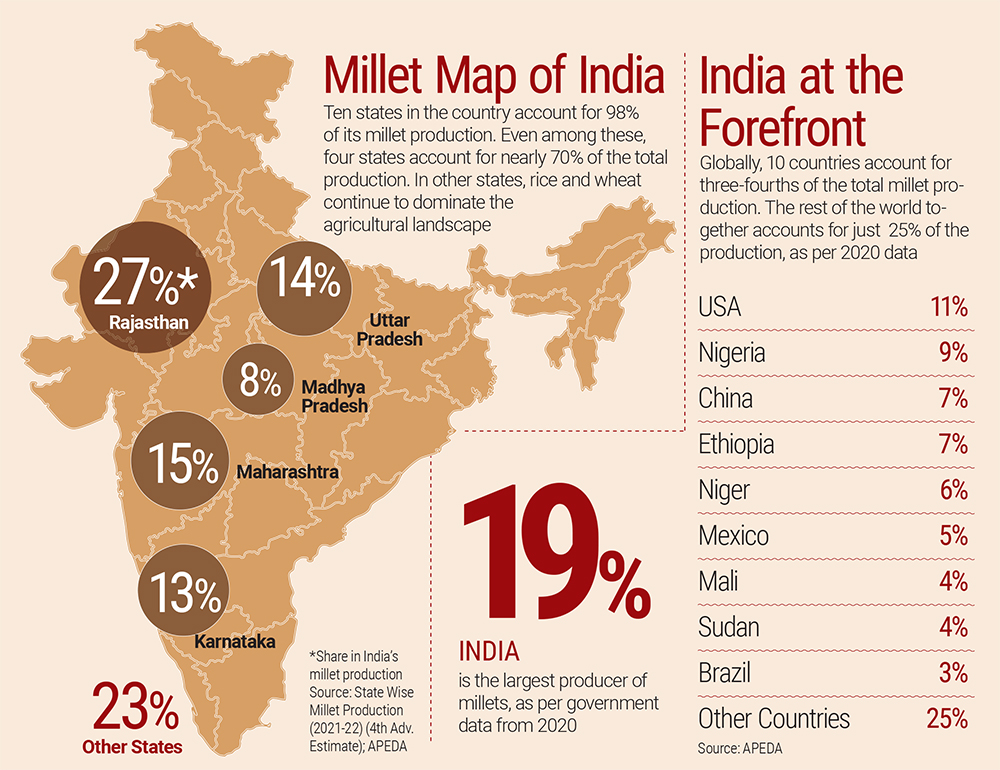
    In a country like India, where malnutrition, food insecurity, and lifestyle diseases coexist, millets, often termed “Nutri-cereals,” offer a powerful solution as they are not only nutritionally superior but also climate-resilient and environmentally sustainable. 

    Role of millets in ensuring health security:

    1. Diabetes Management:  The inclusion of FoxTail millet in the diet can improve glycemic control and insulin sensitivity in individuals with type 2 diabetes.
    2. Cholesterol Management: Millets can help reduce levels of LDL (bad) cholesterol in the body, thereby lowering the risk of heart disease which is currently responsible for 28% of all the deaths in India..
    3. Promotes Gut Health:  The high fiber content in millets acts as a probiotic thereby preventing gastrointestinal disorders such as constipation and irritable bowel syndrome (IBS).
    4. Bone Health Management: Finger millet (ragi) is particularly rich in calcium whose adequate intake helps prevent osteoporosis and promotes overall skeletal health.
    5. Celiac Disease Management:  Millets are naturally gluten-free, making them an excellent choice for individuals with celiac disease or gluten sensitivity.

    Role of millets in ensuring nutritional security:

    1. Combat malnutrition through high nutrient density  – High Protein Content of about 10-15% protein, making them one of the richest sources of plant-based protein among cereals.
    2. Alleviating hidden hunger: According to the World Health Organisation, nearly 30% of Indian women (15-49 years of age) suffer from iron deficiency anemia. Sorghum (jowar) which is rich in iron can help in combating anemia.
    3. Addressing Vitamins and Minerals deficiency: Millets are a rich source of several B vitamins, including niacin (B3), riboflavin (B2), and folate (B9), which are crucial for energy metabolism and maintaining healthy skin, hair, and eyes.
    4. Enhance dietary diversity: Offering an alternative to wheat and rice thereby improving upon agricultural and environmental sustainability as well.
    5. Sustaining Small Farmers: Millets are a crucial crop for over 60% of small and marginal farmers in India, offering a reliable food source and livelihood in arid regions​

    Government initiatives for promoting millets:

    1. National Year of Millets 2018:  to revive traditional millet farming and raise awareness.
    2. Renaming Millets as “Nutri-Cereals” and “Shree Anna”: to emphasize their high nutritional content.
    3. State Specific Initiatives: E.g. Karnataka’s Raitha Siri Scheme aims at providing financial incentives to farmers for growing millets.
    4. Millet-Based Products in Mid-Day Meal Scheme: Odisha has introduced millet-based recipes in school meals to provide better nutrition to children.

    By focusing on both the demand and supply sides, India can significantly boost millet production, ensuring that millets become a staple in the Indian diet and a valuable export commodity.