Wildlife authorities in Himachal Pradesh’s Lahaul & Spiti district have initiated surveys to estimate the population of Blue Sheep (bharal) and Himalayan Ibex (Tangor), vital prey species for the iconic snow leopard.
This move aims to assess the region’s biodiversity and promote conservation efforts.
About the Species Mentioned
Bharal (Blue Sheep)
Himalayan Ibex (Tangor)
Scientific Name
Pseudois nayaur
Capra sibirica hemalayanus
Genus
Pseudois
Capra
Distribution
India, Bhutan, China (Gansu, Ningxia, Sichuan, Tibet, Inner Mongolia), Myanmar, Nepal, Pakistan
Himalayan region of India, Pakistan, Tibet, Nepal
Features
Slate grey coat with bluish shine
Horns grow upwards, curve out, and then towards the back
Large curved horns with notches on the front
Light brown to reddish-brown coat, white belly, black and white markings on legs
Thick, woolly coat in winter, shed in early summer
Behavior
Active throughout the day, alternating between feeding and resting on grassy mountain slopes
Usually found in small herds, sometimes around 50 together;
In response to the helicopter crash involving Iranian President Ebrahim Raisi, the European Union had activated its Copernicus Emergency Management Service (EMS) to aid in search and rescue efforts.
About the Copernicus Programme
This Programme was launched in 1998 by the European Union’s earth observation
Named for Copernicus, it uses satellites and ground systems for environmental data.
It is implemented by EU member states with support from entities like the European Space Agency (ESA) and the European Environment Agency (EEA).
Utility of GMES: Rapid Response Mapping Service
The Copernicus EMS offers rapid response mapping, a crucial component activated during emergencies like natural disasters or accidents.
How Rapid Mapping Works?
Rapid mapping involves acquiring, processing, and analyzing satellite images and relevant data to provide timely information.
It offers several products, including pre-event reference and post-event assessments like first estimates, delineation, and grading of the impacted area.
Application in the Iranian President’s Case
In the case of the Iranian President’s helicopter crash, the EU activated the rapid response mapping service to aid search and rescue operations.
This technology helps locate the crash site and assess the extent of the impact, facilitating swift response efforts.
PYQ:
[2018] With reference to the Indian Regional Navigation Satellite System (IRNSS), consider the following statements:
IRNSS has three satellites in geostationary and four satellites in geosynchronous orbits.
IRNSS covers entire India and about 5500 sq. km beyond its borders.
India will have its own satellite navigation system with full global coverage by the middle of 2021.
Which of the statements given above is/are correct?
Under the PM-WANI scheme, India witnesses a swift rise in public Wi-Fi hotspots, reaching approximately 1,99,896 hotspots nationwide, according to government data.
What is the PM WANI Initiative?
PM Modi launched the Prime Minister Wi-Fi Access Network Interface (PM WANI) in December 2020.
It is an initiative under the Department of Telecommunications (DoT).
It takes forward the goal of the National Digital Communications Policy, 2018 (NDCP) of creating a robust digital communications infrastructure.
Objective: To democratize internet access, particularly in remote and underserved areas.
Implementation: Leverages Public Data Offices (PDOs) established in public spaces like railway stations, banks, post offices, and more. Users can access the internet via Wi-Fi at these locations without requiring a SIM card.
PM-WANI ecosystem consists of four parts:
Public Data Office (PDO): It establishes the Wi-Fi Hotspots and provides internet access to users
Public Data Office Aggregator (PDOA): It provides authorisation and accounting services to PDOs.
App Provider: It displays the available hotspots in the phone’s proximity.
Central Registry: This overseen by the Centre for Development of Telematics maintains details of App Providers, PDOs, and PDOAs.
How to Utilize PM WANI?
To access PM WANI services, users must install the Data PM WANI app on their smartphones.
Through the app, users can connect to nearby public Wi-Fi PDOs.
This application facilitates seamless connectivity to PM-WANI-compliant Wi-Fi hotspots, empowering users to access broadband services conveniently.
Data Plans Offered
PM WANI offers various data plans to suit different usage needs:
Rs 6 plan: 1GB data for 1 day
Rs 9 plan: 2GB data for 2 days
Rs 18 plan: 5GB data for 3 days
Rs 25 plan: 20GB data for 7 days
Rs 49 plan: 40GB data for 14 days
Rs 99 plan: 100GB data for 30 days
Role of Public Data Offices (PDOs)
The PM-WANI scheme includes a provision for establishing Public Data Offices (PDOs) by rural entrepreneurs in remote regions.
These PDOs procure internet bandwidth from telecom service providers or ISPs to offer Wi-Fi services at minimal charges.
This model enables individuals to access the internet even in areas with limited or no data connectivity.
PYQ:
[2018] Which of the following is/are the aim/aims of “Digital India” Plan of the Government of India?
Formation of India’s own Internet companies like China did.
Establish a policy framework to encourage overseas multinational corporations that collect Big Data to build their large data centres within our national geographical boundaries.
Connect many of our villages to the Internet and bring Wi-Fi to many of our school, public places and major tourists.
Select the correct answer using the codes given below:
The Election Commission of India (ECI) told the Supreme Court that there is no legal mandate to provide Form 17C (account of votes recorded) to any other person other than the candidate or his agent.
What does Article 329(b) say?
It specifically bars courts from intervening in any disputes related to the electoral processduring the active phase of an election—from its notification to the final declaration of results.
This is to prevent any potential delays or disruptions caused by litigation during the election.
About Forms 17A and 17C
As per the Conduct of Elections Rules, 1961, there are two forms that have data on the number of electors and voters — Forms 17A and 17C.
Form 17A: This document, compiled by the Returning Officer for each constituency, lists contesting candidates and registers voter information, including names and symbols.
Form 17C: Form 17C contains the account of votes recorded at each polling station during the election. It is prepared by the Presiding Officer of the polling station after the conclusion of polling. It includes:
EVM identification numbers.
Total number of electors and voters at the polling station.
Number of voters who did not record their votes after signing the register.
Number of voters not allowed to vote.
Total number of votes recorded per EVM.
Part-II of Form 17C: It carries counting results entered on counting day. This form is crucial for any legal challenges to the election results and for candidates to verify results on counting day.
Why is there a Demand to Make Form 17C Data Public?
Activists advocate for greater transparency in election processes.
The high number of polling stations makes it hard for candidates to compile all data.
The Election Commission of India (ECI) is not legally required to publish aggregate voter turnout data.
The ECI ensures that all statutory requirements, including providing Form 17C to candidates, are met.
Discrepancies noted in Form 17C can be contested to maintain election integrity.
Back2Basics: Conduct of Election Rules, 1961
The Conduct of Election Rules, 1961, commonly referred to as the 1961Rules, outline the procedural framework governing various aspects of the electoral process in India.
These rules were formulated under the authority of the Representation of the People Act, 1951.
It serves as the foundational legislation for conducting elections in the country.
Activities covered: Preparation of electoral rolls, the nomination of candidates, the conduct of polling, counting of votes, and the declaration of results.
Regulatory Function: The 1961 Rules incorporate provisions for addressing electoral malpractices, disputes, and grievances, thereby safeguarding the sanctity of elections.
PYQ:
[2017] For election to the Lok Sabha, a nomination paper can be filed by
(a) Anyone residing in India.
(b) A resident of the constituency from which the election is to be contested.
(c) Any citizen of India whose name appears in the electoral roll of a constituency.
PYQ Relevance: Mains: Q) What is the significance of Indo-US defense deals over Indo-Russian defense deals? Discuss with reference to stability in the Indo-Pacific region. (UPSC CSE 2020)
Q) The new tri-nation partnership AUKUS is aimed at countering China’s ambitions in the Indo-Pacific region. Is it going to supersede the existing partnerships in the region? Discuss the strength and impact of AUKUS in the present scenario. (UPSC CSE 2021)
Prelims:
With reference to the ‘Trans-Pacific Partnership’, consider the following statements: (UPSC CSE 2016) 1. It is an agreement among all the Pacific Rim countries except China and Russia. 2. It is a strategic alliance for the purpose of maritime security only. Which of the statements given above is/are correct? (a) 1 only (b) 2 only (c) Both 1 and 2 (d) Neither 1 nor 2
Note4Students:
Prelims: Global Issues;
Mains: Global Issues; Multipolar World; Russia-China Relations;
Mentor comment: The article discusses the present “no-limits” friendship declared between Russian President Vladimir Putin and Chinese President Xi Jinping, and how it is a defining feature of the emerging multipolar world order. During World War II, the world was divided into – Allied (UK, USSR, US, and China) and Axis (Germany, Italy, and Japan). Eventually after WW II, there was again a division between the US and the USSR which came to be known as the ‘Cold War’ where India adopted its Non-aligned stand. Taking today’s article view i.e. the Russia-China Friendship, the relations between both countries date back to the 17th century, with historical conflicts and territorial disputes. However, the relationship improved significantly after the fall of the Soviet Union in 1991, leading to the establishment of diplomatic relations and the signing of the Treaty of Good-Neighborliness and Friendly Cooperation in 2001. In the present context, we need to study what impact it will have on World order and of course our India also.
Let’s learn.
–
Why in the News?
Chinese President Xi Jinping and Russian President Vladimir Putin declared their ‘no-limits’ friendship just days before the Ukraine war began.
Putin, who was sworn in for his new term recently, will spend two days in China.
The Putin-Xi bromance is not just a bilateral affair, but a harbinger of a new world order.
What are the common grounds for ‘no limits’ friendship?
A Shared Anti-West Sentiment: Both leaders believe the West is trying to hold them back and undermine their influence. This shared grievance has brought them closer together, with Putin and Xi presenting a united front against what they see as a hostile Western world.
Military Cooperation: The two leaders have celebrated military cooperation, particularly during times of heightened tensions such as the US-China trade war. It includes security cooperation, emphasizing their mutual opposition to theWashington-led global consensus.
Economy and Trades: The structure of their bilateral trade shows that Russia mainly supplies raw materials, such as oil, natural gas, and coal, while importing manufacturing and technological products from China.
Russia has also been receiving loans and export credits, with the yuan’s share in the Russian central bank’s foreign currency reserves increasing significantly.
Strategic Partnership: The friendship between Putin and Xi is strategic, aiming to counterbalance U.S. global influence.
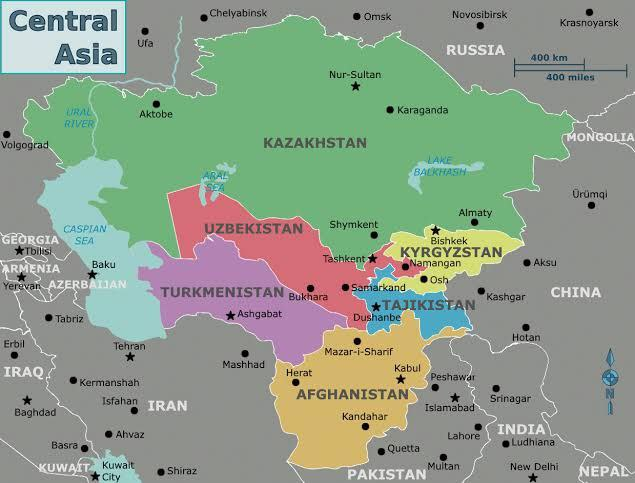
The two leaders have been attempting to put economics at the center of their strategic partnership, with Xi’s Belt and Road Initiative (BRI) and Putin’s Eurasian Economic Union (EAEU) aiming to create a single market among Russia, Armenia, Belarus, Kazakhstan, and Kyrgyzstan.
Limitations on their ‘no limit’ friendship:
A Relationship of Unequals: Despite aiming for equal friendship, China’s growing economic and technological might dwarf Russia’s. This power imbalance could create tension in the relationship, especially as China’s dominance continues to grow in Central and West Asia.
Russia may struggle to maintain its status as an equal partner, potentially leading to friction in the alliance.
A Delicate Balance: Beijing may face pressure from its trading countries and internal critics to distance itself from Moscow, especially if Russia’s actions continue to attract international condemnation.
What does it mean for the rest of the world?
New Multipolar System and Geoplotical Risks: Russia has recently shifted its Nuclers Policies making it questionable for European and other Western countries. This shift in power dynamics (Russia-China) could lead to a more fragmented and unstable world, with the West facing a united front from two of its most powerful adversaries.
Potential Risks to Global Energy Security: Russia’s growing dependence on China as an energy export market could give China more leverage over Russia and influence global energy prices and supply.
Expanded Russia-China energy cooperation may undermine Western efforts to isolate Russia economically and limit its ability to wage war in Ukraine.
Implications for Global Gas Markets: If the power of the Siberia pipeline is completed, it could reshape global gas markets by providing a new major source of supply to China and reducing Russia’s dependence on European gas exports.
However, the fate of the pipeline remains uncertain, as China has refrained from committing to it so far, likely because it currently benefits from keeping the project in Limbo.
What does it mean for India?
Strategic Concerns: Russia being a major supporter of the Indian defense system, India can face challenges in ensuring reliable defense supplies after the evolution of such “no limit” friendship and China-Russia cooperation.
Diplomatic Balancing: India aims to balance ties with Russia and West Asia to have a seamless connection with the European Union but faces challenges due to evolving Russia-China relations.
National Interests: India has always been a ‘big brother’ in the Asian region incorporating its Foreign Policies. Seeing the present context, India must navigate the changing geopolitical landscape, leveraging its diplomatic strengths and pursuing a clear long-term strategy.
Conclusion: The economic interests and trade between Russia and China are critical components of their “no-limits” friendship. While their bilateral trade has grown significantly, the relationship is marked by an unequal dynamic, with China’s economic dominance over Russia growing.
We hear a lot of rankers talking of building the General Studies “base” using NCERTs. But since we were so good in school, we almost know what Bhimbetka Caves are and how Ashoka shifted to non-violence after the Kalinga war. So, we ditch the NCERTs and start with our Standard Books.
This is the problem with most UPSC Beginners.
We have this preconceived notion that questions asked in UPSC are generally from relatively unknown, difficult and standard sources – and that while NCERTs is good to read, they are not questions worthy.
But what if we tell you that NCERTs are actually the “key to success”. And they are as questions worthy as it can get.
Look at the following question:
What can France learn from the Indian Constitution’s approach to secularism? [150 Words] [10 Marks] [UPSC Mains 2019 PYQ – GS 2]
If you had read this chapter thoroughly, you could have easily answered this question.
NCERT Class XI – Political Theory – Chapter 8 (Secularism)
Snippet from NCERT XI (Political Theory) – Secularism – Discussing Secularism in France vs India
Again, look at the following question:
Judicial Legislation is antithetical to the doctrine of separation of powers as envisaged in the Indian Constitution. In this context justify the filing of a large number of public interest petitions praying for issuing guidelines to executive authorities. [UPSC Mains 2019 PYQ – GS 2]
This Chapter from NCERT is the base of the above question. If you went thoroughly with your NCERT Notes, you could have easily written a solid answer.
NCERT Class XI – Indian Constitution at Work – Judiciary
Snippet from NCERT XI – Indian Constitution at Work (Judiciary) discussing about Separation & Balance of Power using checks and balances
What are we trying to imply?
The ideal starting point for any UPSC aspirant is NCERTs. They serve as a basic juncture where your understanding of the fundamentals for solving MCQs and analytical skills for long answer writing unite.
Almost all UPSC aspirants start with NCERTs but do they all clear IAS?
The answer is ‘No’.
Though everyone reads NCERTs, 99% of them don’t even know how to utilize NCERTs for Answer Writing. 99% don’t know how to make notes of NCERTs. And 99% of them will not be making it to the final list. How to end up being that successful 1%?
Ranadheer Sir is mentoring a fixed number of students this year, and he believes he is on the way to create magic AGAIN, like he did with UAP Student Animesh.
This is what he did with one of his students. He asked him to make notes from the NCERT Books, and attempt the Samachar Manthan Tests.
And the results are here to be seen.
Within 20 days, he is getting 5/10 in Samachar Manthan Tests.
He is now writing precise answers, with value-added content, lucid language, and rich examples from the NCERT Notes Making.
Since these books are aspirants’ weakest area, you should make them your strength. Follow this session to learn How to Start your Mains Answer Writing with NCERTs.
Join us in our Webinar, where we will discuss how you can start your Answer Writing using NCERTs if you are a UPSC Beginner.
Bonus – If you following are series of Webinars for UPSC Beginners, we are sharing Handwritten Notes of Animesh, AIR 2. Get access after attending the Webinar (we don’t just want to share it with Notes Collectors)
Key outcomes of the Webinar
At the end of the Webinar, you’ll
Know the exact objective of Reading NCERTs
Know how to cover NCERTs (Only Important Pages/Topics)
Methodology to retain, and use in the Answers, the NCERT Value-Adds
Starting Answer Writing through NCERTs (L1) & moving towards L2 & L3 (Value-Addition through Examples from NCERTs)
Why Attend?
Tailored for UPSC Prep Beginners: Our strategies are designed to help you with an effective headstart.
Mentor Guidance: Get tips from experienced civil services mentors.
Interactive Session: Ask questions and get real-time answers to your queries.
Not sure yet?
We recommend you register here. It takes less than 10 seconds to register.
No spam! Once in a while, we’ll only send you high-quality exam-related content.
We will inform you about the upcoming Masterclasses that might benefit you.
You can demand one free mentorship call from verified Civilsdaily mentors.
Q) ‘Clean energy is the order of the day.’ Describe briefly India’s changing policy towards climate change in various international fora in the context of geopolitics. (UPSC CSE 2022)
Q) Describe the major outcomes of the 26th session of the Conference of the Parties (COP) to the United Nations Framework Convention on Climate Change (UNFCCC). What are the commitments made by India in this conference? (UPSC CSE 2021)
Prelims: Consider the following statements: (UPSC CSE 2016) 1. The International Solar Alliance was launched at the United National Climate Change Conference in 2015. 2. The Alliance includes all the member countries of the United Nations. Which of the statements given above is/are correct? (a) 1 only (b) 2 only (c) Both 1 and 2 (d) Neither 1 nor 2
Note4Students:
Prelims: Climate change; Policies and Programs in India
Mains: Climate change policies in India;
Mentor comment: India, as one of the most vulnerable countries to climate change, faces significant challenges due to rising temperatures, changing weather patterns, and environmental degradation. The impact of climate change is evident in the reduction of monsoon duration and rainfall levels, melting Himalayan glaciers, and rising sea levels threatening coastal regions. These changes pose risks to agriculture, food security, water availability, and overall environmental sustainability in the country. This article presents the reasons behind the relative lack of political focus on climate change in India and the potential implications for the country’s future.
Let’s learn.
–
Why in the News?
Our Indian politics is overshadowed by merely immediate concerns and political agendas while leaving behind the major challenges like Climate Change and addressing its impacts.
This absence stands out even more when we consider the urgent need for sustainable development amidst worldwide environmental challenges.
Current State of Climate Change in India
According to India’s first-ever Climate Change Assessment Report carried out in 2020, the country’s average temperature is expected to rise by 4.4°C by the end of 2100. A decline in monsoon rainfall since the 1950s has already been observed. A 2°C rise in global average temperatures will make India’s summer monsoon highly unpredictable. At 2.5°C warming, melting glaciers, and loss of snow cover are expected to threaten the stability and reliability of northern India’s glacier-fed rivers. Global sea level has risen about 8 inches in the last century, which is expected to nearly double in this century.
The Present Dilemma: Prioritization of Economic Growth
As a developing nation, India prioritizes economic growth and development as a means to alleviate poverty and improve the standard of living for its citizens.
This focus often leads to a trade-off between environmental protection and industrial expansion, with climate change considerations taking a lower priority in the political discourse.
Challenges associated with generating political will and public support for climate action:
Lack of Immediate Visibility: The effects of climate change are often gradually visible to the general public. This lack of immediate consequences makes it challenging for politicians to garner public support for climate action, as voters tend to prioritize issues that directly impact their daily lives.
Competing Priorities and Short-term Thinking: Indian politics is often characterized by a focus on short-term goals and immediate concerns, such as job creation, infrastructure development, and social welfare schemes. Climate change, with its long-term implications, struggles to gain traction in a political landscape dominated by these pressing issues.
Perceived Conflict with Development Agenda: Some politicians and policymakers view climate action as a hindrance to economic development, fearing that it may limit industrial growth and restrict access to energy resources. This perception creates a barrier to implementing comprehensive climate policies.
Lack of Awareness and Education: Despite growing global awareness of climate change, there is still a need for greater education and understanding of the issue among the general public and political leaders in India.
Government Policies to Address Climate ChangeInternational Solar Alliance (ISA):
India collaborates with solar energy-rich countries to promote solar energy utilization and reduce reliance on non-renewable energy sources. One Sun, One World, One Grid Project: This project seeks to provide energy (SDG 7 – affordable and clean energy) to around 140 countries through a common grid that transfers solar power. By promoting solar energy on a global scale, this initiative addresses energy challenges and supports sustainable development. Swachh Bharat Mission: It focuses on cleanliness and sanitation (SDG 6 – Clean Water and Sanitation) across urban and rural areas in India. By ensuring access to sanitation facilities and promoting cleanliness, this initiative contributes to environmental health and sustainability. COP26 Glasgow Summit Commitments: During the COP26 summit, India made significant commitments to combat climate change, including achieving net zero emissions by 2070, meeting 50% of energy requirements from renewable sources by 2030, reducing carbon emissions, increasing non-fossil energy capacity, and decreasing carbon intensity by 2030. (SDG 13 – mitigating climate change).The Climate Action Tracker gives India an overall rating of “Highly Insufficient” in its policies and actions tracking, based on 2030 projections. Recent Judicial Stance: M.K. Ranjitsinh and Others vs Union of India (March 2024): The Supreme Court of India ruled that the people of India have the right to be free from the adverse effects of climate change by drawing upon Article 21 and Article 14 of the Indian Constitution. Recent Legislations: Some important policies and laws covering the energy sector emerged, which included the National Electricity Plan 2023, the National Green Hydrogen Mission and the Energy Conservation (Amendment) Act, 2022.
The Way Forward: To elevate climate change as a priority in Indian politics, a multi-pronged approach is necessary:
Emphasizing the economic benefits of climate action: Highlighting the potential for green jobs, sustainable development, and long-term cost savings can help align climate action with economic interests.
Promoting public awareness and engagement: Investing in education campaigns and fostering grassroots movements can help raise awareness and generate public pressure for climate action.
Incorporating climate change into political manifestos: Encouraging political parties to include climate change as a key issue in their election manifestos can help mainstream the topic and ensure its prominence in the political discourse.
Fostering cross-party collaboration: Building consensus and cooperation across political parties on climate change can help ensure continuity and long-term commitment to climate action, regardless of which party is in power.
The prevalence of Congenital Anomalies and Neurological Challenges in newborns highlights the need for adequate Antenatal and Perinatal care to address them.
Key observations made by the National Family Health Survey (NFHS-5):
Perinatal mortality rates stand at 32 for 1,000 pregnancies, neonatal mortality rates at 25 for 1,000 live births, and hypertensive disorders in pregnancy remain a leading cause of maternal death.
Cause of Maternal and Perinatal Mortality:Preeclampsia (PE) is a significant cause of maternal and perinatal morbidity and mortality, with early onset PE posing higher risks.
Combination of Maternal factors and Biomarkers: Screening based on maternal risk factors alone has suboptimal performance, while a combination of maternal factors and biomarkers like mean arterial pressure, uterine artery pulsatility index, and serum placental growth factor can improve detection rates significantly.
Early Intervention with Aspirin Prophylaxis: First-trimester screening models, like the FMF prediction algorithm, have been effective in identifying high-risk pregnancies for preterm PE, allowing for early intervention with aspirin prophylaxis to reduce the incidence of preeclampsia.
What is Pre-eclampsia?
Preeclampsia is a complication of pregnancy. Preeclampsia, high blood pressure, and high levels of protein in urine indicate kidney damage (proteinuria), or other signs of organ damage.
Preeclampsia usually begins after 20 weeks of pregnancy in women whose blood pressure had previously been in the standard range.
Challenges to cure Pre-eclampsia (PE):
Complex Screening Protocols: Effective screening requires a combination of maternal history, demographics, color Doppler ultrasound, mean arterial pressure, and placental biomarkers, which may not be uniformly available or implemented.
Limited Resources: Not all healthcare facilities have access to advanced screening tools and technologies like color Doppler ultrasound and placental biomarker testing.
Lack of Awareness: Pregnant women may not be aware of the symptoms and risks associated with pre-eclampsia, leading to delayed presentation and diagnosis.
Delayed Intervention: Identifying high-risk pregnancies early is crucial, but delays in screening and diagnosis can lead to missed opportunities for timely intervention.
Pharmacological Challenges: Ensuring timely pharmacological intervention, such as aspirin prophylaxis, requires adherence to established protocols, which may only sometimes be followed.
Logistical Issues: Implementing widespread screening and management protocols involves logistical challenges, including training healthcare providers and ensuring the availability of necessary equipment.
Complexity of the Disorder: The systemic nature of pre-eclampsia, affecting multiple organs, complicates its management and requires a multidisciplinary approach.
Programs in India:
“Samrakshan” program: The Indian Radiological and Imaging Association’s (IRIA) “Samrakshan” program aims to reduce pre-eclampsia from 8%-10% to 3% and fetal growth restriction from 25%-30% to 10% by the end of the decade.
The program focuses on spreading awareness, screening for pre-eclampsia and fetal growth restriction, and ensuring comprehensive care throughout pregnancy.
Way Forward:
Early Detection and Management: Early detection through regular prenatal care, including blood pressure monitoring and urine testing for protein, is crucial in managing pre-eclampsia.
Timely intervention can help prevent severe complications and ensure the well-being of both mother and baby.
Promoting Awareness and Education: Raising awareness about the signs and symptoms of pre-eclampsia among pregnant women is essential for early recognition and prompt action.
Education on risk factors, preventive measures, and the importance of regular antenatal check-ups can significantly impact maternal and neonatal outcomes.
Ensuring Access to Quality Maternal Healthcare: Access to quality maternal healthcare services, including skilled antenatal care, monitoring, and timely interventions, is vital in addressing pre-eclampsia and reducing maternal mortality rates.
Empowering healthcare providers with the knowledge and resources to manage pre-eclampsia effectively is key to ensuring safe motherhood.
Collaborative Efforts for Maternal Health: Collaboration between governments, healthcare institutions, non-profit organisations, and the private sector is essential in implementing comprehensive maternal health programs that prioritise the prevention, early detection, and management of pre-eclampsia.
Conclusion: By spotlighting pre-eclampsia and emphasising the importance of early detection, awareness, access to quality care, and collaborative efforts, we can strive towards ensuring safe motherhood for all women, safeguarding the health and well-being of mothers and their babies.
Mains PYQ:
Q Identify the Millennium Development Goals (MDGs) that are related to health.Discuss the success of the actions taken by the Government for achieving the same.(UPSC IAS/2013)
The Russia-Ukraine war persists with no end in sight. Russia’s nuclear drills and plans to station weapons in Belarus escalate Global tensions and are deeply concerning.
What is the NPT and how does it address Russia’s actions?
The NPT (Nuclear Non-Proliferation Treaty) is a multilateral agreement aimed at limiting the spread of nuclear weapons through three pillars: non-proliferation, disarmament, and peaceful use of Nuclear energy.
It defines Nuclear Weapon States (NWS) as those that had manufactured and detonated a nuclear explosive device before 1967, with all other states considered non-nuclear weapon states (NNWS).
The NPT has addressed Russia’s actions in several ways:
Russia, as a NWS, is obligated under Article VI to pursue negotiations in good faith on effective measures relating to nuclear disarmament. However, Russia’s invasion of Ukraine has increased the salience of nuclear weapons in ways that threaten to erode this bargain.
The NPT’s 2022 Review Conference specifically condemned overt nuclear threats, and the Treaty on the Prohibition of Nuclear Weapons (TPNW) called for nuclear deterrence to be delegitimized.
The NPT requires NNWS to accept International Atomic Energy Agency (IAEA) safeguards on all nuclear materials on their territories. However, the IAEA has found several states, including Russia, in non-compliance with their safeguards agreements.
The NPT’s review process, where state parties convene every five years to review the implementation of the Treaty, has been unable to reach a consensus on condemning Russia’s nuclear threats due to Russia’s objections.
The Shift in Nuclear Policy of Russia:
Criticism by Western countries: The international community has expressed concern over Russia’s nuclear rhetoric, calling for accountability. Western states and allies condemn Russia’s actions and seek to address them through initiatives like the United Nations and the NPT (Treaty on the Non-Proliferation of Nuclear Weapons) to uphold norms and deter irresponsible behaviour.
Changing Nuclear Threshold and Policy: Russia appears to be considering lowering the threshold for nuclear weapon use, which could set a dangerous precedent.
Traditionally, Nuclear Weapons were reserved for existential threats, but Russia is now signalling a potential first-use policy even for non-existent threats.
Erosion of Mutually Assured Destruction (MAD): For decades, the principle of Mutually Assured Destruction (MAD) deterred the use of nuclear weapons. Russia’s current stance threatens this principle, suggesting that nuclear weapons could be used in conflicts that do not directly jeopardize National survival.
What are the consequences of Russia’s nuclear rhetoric for Global Security?
It has raised the risk of nuclear escalation and use, as Russia has purposefully increased the level of risk to discourage Western support for Ukraine and instill fear. Russia’s actions may encourage other nuclear-armed states, like Iran and North Korea, to adopt similar tactics.
This undermines the long-standing separation between Conventional and Nuclear warfare.
Undermined Strategic Stability and the Global Nuclear Order: Russia’s actions have broken down nuclear guidelines and norms, advocating for nuclear use against Ukraine and NATO. This has contributed to the return of nuclear arms competition on the global stage.
It has caused alarm and fear among Russia’s neighbors, who worry that if Russia is not stopped in Ukraine, it may turn aggression against other territories. Small countries like Moldova, Georgia, and even Russia’s allies like Kazakhstan fear becoming Putin’s next target.
It has required the international community to respond with strong deterrence and accountability measures. The West has emphasized that Russian nuclear use would have devastating consequences.
Holding Russia accountable through multilateral initiatives is crucial to upholding norms and deterring further irresponsible behaviour.
Way forward:
Strengthen International Diplomatic Engagement: Initiate high-level dialogues involving all nuclear-armed states to reinforce commitments to non-proliferation treaties and discourage the lowering of nuclear use thresholds.
Revise and Reinforce Security Assurances: Provide renewed and clear security assurances to non-nuclear states to discourage them from pursuing nuclear weapons. Revisit agreements like the Budapest Memorandum to ensure their effectiveness and credibility.
Mains PYQ:
Q (UPSC IAS/2022)
(a): Russia and Ukraine war has been going on for the last seven months. Different countries have taken independent stands and actions keeping in view their own national interests. We are all aware that war has its own impact on the different aspects of society, including human tragedy. What are those ethical issues that are crucial to be considered while launching the war and its continuation so far? lllustrate with justification the ethical issues involved in the given state of affair.
(b): Write short notes on the following in 30 words each:
The sudden demise of Iranian President Ebrahim Raisi in a helicopter crash has sent shockwaves through the Islamic Republic, grappling with the implications for the country’s future leadership.
India is closely monitoring the unfolding of Iran’s succession plan, given the significant geopolitical and economic stakes involved.
India and Iran have recently signed a 10-year agreement to develop and operate a terminal at the strategic Chabahar Port, enhancing trade connections with Afghanistan and Central Asian countries.
BACK2BASICS: India-Iran Bilateral Relations:
Pre-Cold War Era: India and Iran span centuries of relationship which is marked by meaningful interactions. Both countries shared a border till 1947 with several common features in their language, culture, and traditions. They established their diplomatic ties in March 1950.
Cold War Era (1950-1990): India followed its Non-alignment policy, but paralleling strong links with the Soviet Union (USSR), while Iran was an open member of the Western Bloc and enjoyed close ties with the United States.
Therefore, the relations between India and Iran suffered due to their differing political interests.
Post Cold-War Era:
Iran’s continuously supported Pakistan in the India–Pakistan border conflicts. This was also a major reason that India had expressed strong opposition to Iran’s Nuclear program.
India’s close relations with Iraq during the Iran–Iraq War greatly strained bilateral ties.
Oil Trade: In 2019, due to the sanctions imposed by the US on Iran, India stopped importing crude oil from the country. Before 2019, India was the second biggest buyer of oil from Iran.
During recent times in 2021, both countries continued to collaborate in supporting the broad-based anti-Taliban government until the Taliban recaptured Afghanistan.
Other Trades:
India-Iran bilateral trade during the FY 2020-21 was USD 2.1 billion, a decrease of 56 % as compared to USD 4.8 billion during FY 2019-20.
Our Exports to Iran: rice, tea, sugar, fresh fruits, drugs/pharmaceuticals, man-made staple fibers, electrical machinery, artificial jewelry etc.
Our Imports from Iran: dry fruits, inorganic/organic chemicals, glass and glassware, natural or cultured pearls, precious or semiprecious stones, leather, gypsum, etc.
About Raisi’s Rise and Hardline Agenda:
Ebrahim Raisi, had politically risen through the ranks of Iran’s theocracy and was widely seen as a leading candidate to succeed.
His presidency was part of a broader consolidation of power by hardliners dedicated to shoring up the pillars of the Islamic Republic against dissent and external threats.
Raisi’s death poses significant challenges for the conservative hardliners who had backed him as a unifying figure loyal to the Supreme Leader.
Raisi’s demise opens the door for the ambitions of the powerful Iranian Revolutionary Guards Corps (IRGC), which has exploited its constitutionally mandated roles to expand its political and economic influence.
Raisi’s death introduces great uncertainty into the succession process, with various factions and figures vying for influence.
What are the potential implications of Iran’s succession plan for India?
Trade ties: The death of President Raisi could impact India-Iran trade relations, which reached $2.33 billion in 2023-24 under Raisi’s policies.
Regional stability: India has enjoyed good ties with Iran and has been involved in key projects like the development of the Chabahar port, which serves as India’s gateway to Central Asia.
The succession plan in Iran could affect regional stability and India’s relation to energy security and connectivity.
Foreign policy alignment: Changes in Iran’s stance towards regional conflicts and international agreements could influence India’s foreign policy decisions in the Middle East.
Security concerns: Instability or changes in Iran’s approach to regional conflicts or its relations with other countries could impact India’s security calculations.
Way Forward
India needs to prioritize economic projects like the Chabahar Port, which are crucial for regional trade and India’s strategic interests, ensuring long-term agreements and investments. Further, maintaining a delicate balance between US relations and Iran ties by leveraging diplomatic channels to navigate sanctions can help.
Mains PYQ:
Q In what ways would the ongoing US-Iran Nuclear Pact Controversy affect the national interest of India? How should India respond to its situation? (UPSC IAS/2018)
Q The question of India’s Energy Security constitutes the most important part of India’s economic progress. Analyze India’s energy policy cooperation with West Asian Countries. (UPSC IAS/2017)