💥UPSC 2026, 2027, 2028 UAP Mentorship (March Batch) + Access XFactor Notes & Microthemes PDF

Search results for: “”

  • [20th December 2024] The Hindu Op-ed: Reality check on Sri Lanka’s Tamil question

    PYQ Relevance:

    Q) ‘India is an age-old friend of Sri Lanka.’ Discuss India’s role in the recent crisis in Sri Lanka in the light of the preceding statement. (UPSC CSE 2022)

    Mentor’s Comment: UPSC Mains have focused on ‘India is an age-old friend of Sri Lanka (in 2022), and how domestic factors influence foreign policy between India and Srilanka’ (in 2013).

    Sri Lankan President Anura Kumara Dissanayake’s recent visit to India drew significant attention, marking his first foreign trip since taking office. The visit highlighted the shift in Sri Lanka’s political landscape, with the National People’s Power’s surprising electoral success. India’s priorities have also evolved, focusing on countering China’s influence in the region.

    Today’s editorial highlights the importance of Sri Lanka for India. This content can be used to substantiate the challenges and significance due to Srilanka for India in UPSC IAS mains paper GS2.

    _

    Let’s learn!

    Why in the News?

    The joint statement released by New Delhi and Colombo during the Sri Lankan President’s visit to India shows what is currently important to both countries.

    What is the joint statement released by New Delhi and Colombo during the Sri Lankan President’s visit?

    • Bilateral Cooperation: The statement emphasizes the deep-rooted cultural ties and geographical proximity that underpin the India-Sri Lanka partnership. 
      • Both leaders reaffirmed their commitment to enhancing cooperation in areas such as parliamentary exchanges, development cooperation, debt restructuring, energy cooperation, trade and investment, and strategic defense engagement.
    • Economic Support and Stability: President Anura Kumara Dissanayake expressed gratitude for India’s support during Sri Lanka’s economic crisis, highlighting India’s provision of nearly USD 4 billion in aid. 
      • The leaders agreed on an investment-based approach to assist Sri Lanka’s economic recovery and growth, while also addressing shared security interests in the Indian Ocean Region


    What is 13th Amandment?

    • The 13th Amendment to the Constitution of Sri Lanka, passed in 1987, was introduced as part of the Indo-Sri Lanka Accord signed between Indian Prime Minister Rajiv Gandhi and Sri Lankan President J.R. Jayewardene. 
    • Its primary aim was to provide a framework for the devolution of power to provincial councils, thereby addressing the demands for greater autonomy from the Tamil minority, particularly in the Northern and Eastern provinces.

    What is the current status of the 13th Amendment’s implementation in Srilanka?

    • Stagnation in Implementation: The 13th Amendment, which was designed to provide power devolution to provincial councils in Sri Lanka, has seen little progress in its implementation. 
      • The recent joint statement from India and Sri Lanka did not address the amendment or the political solutions for Tamil aspirations, highlighting a lack of commitment from the current government led by President Anura Kumara Dissanayake.
    • Political Hesitance: The Dissanayake administration has avoided explicitly referencing the 13th Amendment due to its association with “Indian imposition,” which is viewed negatively by the Sinhala-Buddhist majority. Instead, the government’s focus has shifted towards broader promises of provincial council elections and constitutional reforms without a clear plan for implementing the amendment.

    How do historical grievances impact contemporary Tamil-Sinhala relations?

    • Historical Conflict: Historical grievances from the civil war and ongoing issues related to Tamil rights significantly affect Tamil-Sinhala relations. The Tamil community continues to seek justice for wartime atrocities and greater political agency, while many in the Sinhala majority often view discussions about devolution and federalism with scepticism.
    • Political Dynamics: The recent electoral success of the National People’s Power (NPP) signifies a shift in Tamil political engagement, as Tamils have shown support for a party that traditionally opposed Indian intervention. 
      • However, this shift raises concerns about how effectively the NPP will address Tamil issues without alienating its base among Sinhala nationalists.

    What are the prospects for genuine reconciliation and autonomy for Tamils in Sri Lanka?

    • Need for Clarity: There is an urgent need for the NPP to clarify its position on Tamil rights and reconciliation. While the party’s manifesto promises provincial council elections and constitutional reforms, it lacks a concrete strategy for addressing historical grievances or ensuring autonomy for Tamils.
    • Challenges Ahead: Genuine reconciliation remains uncertain as long as past grievances are not adequately addressed. The Tamil polity must engage more directly with its constituents rather than relying on international actors. 
      • The NPP’s ability to foster inter-ethnic peace will depend on its willingness to confront historical failures and implement meaningful policies that reflect the aspirations of all communities in Sri Lanka.

    Way forward: 

    • Clear Political Vision: The NPP should outline a concrete plan for addressing Tamil rights, implementing the 13th Amendment, and ensuring provincial autonomy, while balancing the demands of both Tamil and Sinhala communities.
    • Inclusive Dialogue: Engage in direct, inclusive dialogue with all ethnic groups, focusing on national reconciliation and addressing past grievances, to foster a durable peace and meaningful political solution for all communities in Sri Lanka.
  • Should legislatures in India have fixed tenures?

    Why in the News?

    The 129th Constitution Amendment Bill, 2024, mandates fixed five-year Lok Sabha terms, aligning State Assembly elections, with mid-term polls serving only the remainder of the five-year tenure if dissolved.

    Do fixed legislative tenures promote better governance?

    • Potential for Improved Stability: Fixed tenures can provide a stable political environment, reducing frequent electoral disruptions that may hinder long-term governance plans.
    • Governance Challenges: However, Achary argues that while fixed terms might seem beneficial, they could lead to governance issues if political instability arises, as seen in states where mid-term elections are necessary due to governmental collapse.

    Note: 

    • Fixed Legislative Tenure refers to predetermined, non-variable terms for legislatures, ensuring elections occur at set intervals, and enhancing stability.
    • Mid-term polls are elections held before the scheduled end of a legislative term, usually triggered by government collapse or dissolution.

    How would fixed tenures impact the accountability of elected officials?

    • Increased Accountability: Frequent elections are believed to enhance political accountability since representatives must consistently engage with their electorate. Achary emphasises that regular electoral cycles compel politicians to remain responsive to public needs.
    • Mid-Term Elections as a Safety Valve: Allowing mid-term elections maintains accountability within the legislative framework, ensuring that elected officials remain answerable to their constituents even if they face political challenges during their term.

    What are some learnings from the Western world?

    • Lessons from the UK: The UK’s Fixed-term Parliaments Act of 2011 was meant to set fixed terms for its Parliament but caused problems like policy delays and constitutional issues.
      • It was eventually repealed. India’s plan is different because it allows mid-term elections, where new governments serve only the remaining term, not a full fixed term.
    • Lessons from Germany: The Constructive Vote of No Confidence in Germany mandates the selection of a new leader before the current one is removed, ensuring stability. However, this approach is not well-suited to India’s political system and has not gained significant support.

    What challenges might arise from implementing fixed tenures in the Indian political context?

    • Erosion of Federalism: Aligning State Assembly tenures with those of the Lok Sabha could weaken federalism by reducing the autonomy of state legislatures. This may result in premature dissolutions and disruptions in local governance.
    • Political Instability Risks: The bill’s provision for shorter tenures following mid-term elections could result in significant instability. If a government collapses mid-term, the resultant Lok Sabha might only serve for about a year, which is seen as undesirable by Madhavan.
    • Potential for Increased Political Maneuvering: There is doubt about whether fixed tenures can effectively deter practices like horse trading or efforts to destabilize governments. While the bill aims to address such issues, its success is uncertain.

    Way forward: 

    • Strengthen Federalism: Ensure state legislatures retain autonomy by allowing flexibility in election cycles and minimizing central influence on state governance.
    • Mitigate Political Instability: Introduce safeguards like stricter anti-defection laws and robust mechanisms to address mid-term government collapses while maintaining accountability.

    Mains PYQ:

    Q ‘Simultaneous election to the Lok Sabha and the State Assemblies will limit the amount of time and money spent in electioneering but it will reduce the government’s accountability to the people’ Discuss. (UPSC IAS/2017)

  • Japan, India startups collaborate to tackle space debris

    Why in the News?

    space startups from Japan and India announced a joint agreement to explore the use of laser-equipped satellites for removing debris from orbit, addressing the growing issue of orbital congestion.

    What is Space Debris?

    • Space debris, often referred to as space junk, consists of non-functional spacecraft, spent rocket stages, and fragments from collisions or disintegration of satellites.
    • These objects orbit the Earth at high speeds, posing significant risks to operational satellites and manned missions.

    What are laser-equipped satellites for removing debris from orbit?

    • Laser-equipped satellites utilize focused laser beams to target and vaporize small parts of space debris, effectively stopping its rotation and making it easier for servicing spacecraft to rendezvous with and de-orbit defunct satellites. T
    • Companies like Japan’s Orbital Lasers and India’s InspeCity are collaborating to explore business opportunities for these laser systems.
    • They plan to demonstrate this technology in space, with potential deployment on satellites after meeting regulatory requirements in their respective countries, indicating a growing interest in international partnerships to tackle the issue of space debris.

    What are the concerns related to space debris?

    • Collision Risks: The increasing amount of space debris raises the likelihood of collisions with active satellites and spacecraft, which can lead to further debris generation in a cascading effect known as the Kessler Syndrome.
    • Operational Challenges: Space debris complicates satellite operations and can disrupt services such as telecommunications, weather forecasting, and global positioning systems.
    • Environmental Impact: The accumulation of debris in low Earth orbit (LEO) threatens the sustainability of space activities and could hinder future space exploration efforts.

    What are the initiatives to tackle space debris globally?

    • International Collaboration: Organizations like the United Nations have called for urgent action to track and manage space debris, emphasizing the need for global cooperation.
    • Technological Innovations: Companies like Orbital Lasers are exploring innovative solutions such as using laser-equipped satellites to de-orbit defunct satellites and mitigate debris by vaporizing parts of their surfaces.
    • Regulatory Frameworks: Various countries are developing regulations to ensure responsible satellite launches and operations, including guidelines for end-of-life satellite disposal to minimize future debris creation.

    What are the measures should be taken by Satellite? (Way forward)

    • Tracking and Monitoring: Satellites use onboard systems and ground-based tracking data to monitor the position of space debris and predict potential collision risks.
    • Avoidance Maneuvers: Satellites perform preemptive orbital adjustments or “collision avoidance manoeuvres” to shift their trajectory away from debris.
    • Shielding and Resilience: Some satellites are equipped with protective shielding to withstand minor debris impacts, minimizing potential damage in low-risk scenarios.

    Mains PYQ:

    Q What is India’s plan to have its own space station and how will it benefit our space programme? (UPSC IAS/2019)

  • IRIS² Program

    Why in the News?

    The European Union has signed a contract for IRIS², a network of 290 satellites aimed at improving resilience, connectivity, and security.

    About IRIS²:

    Details
    • IRIS² stands for Infrastructure for Resilience, Interconnectivity, and Security by Satellite.
    • It consists of a 290-satellite constellation, including 264 satellites in Low Earth Orbit (LEO) and 18 in Medium Earth Orbit (MEO).
    • Collaboration between European Union and SpaceRISE.
    • First satellite launch planned for 2029.

    Key Features of IRIS²:

    • Deployment of 264 satellites in LEO and 18 in MEO.
    • Provide secure, high-speed broadband connectivity, particularly in underserved regions.
    • Focus on Europe for secure satellite internet services.
    Project Funding and Implementation
    • 12-year concession for IRIS² is funded by the EU, ESA, and private firms like SES, Eutelsat, and Airbus.
    • Total cost: €10.6 billion (~$11 billion).
    Applications of IRIS²
    • Governmental Use: Border surveillance, crisis management, infrastructure security, and defense.
    • Civilian Use: Broadband access, smart energy, transportation, and remote healthcare.


    World’s Largest Earth Observation Programs: Take a look

    • Copernicus Program (EU): Launched in 2014, the Copernicus Program is a European Union initiative with satellites like Sentinel to monitor land, ocean, and atmosphere, enhancing environmental management and disaster response.
    • NASA Earth Observing System (EOS): Initiated in 1997, NASA’s EOS provides comprehensive Earth observation data from satellites like Terra and Aqua, focused on understanding Earth’s environment, climate change, and atmospheric composition.
    • Global Earth Observation System of Systems (GEOSS): Founded in 2005, GEOSS connects Earth observation systems globally to provide data on climate, water resources, biodiversity, and natural disasters, involving over 100 organizations.
    • Landsat Program (USA): Launched in 1972 by NASA and USGS, Landsat is the longest-running satellite program offering continuous Earth surface monitoring, focusing on land cover, land use, and environmental changes.

    Note: 

    In September, 2024, ISRO launched the Earth Observation Satellite EOS-08 under the SSLV-D3/EOS-08 mission from the Satish Dhawan Space Centre, Sriharikota, with the satellite operating in a circular Low Earth Orbit at an altitude of 475 km and a mission life of 1 year.

  • Joint Parliamentary Committee (JPC)

    Why in the News?

    • Law Minister is proposing that the Bills on “One Nation, One Election” be referred to a Joint Parliamentary Committee (JPC) for further examination.
      • The committee will have 21 members from the Lok Sabha and 10 members from the Rajya Sabha.

    About Joint Parliamentary Committee (JPC):

    What is a JPC?
    • JPC is a committee formed by both Houses of Parliament for scrutinizing a subject or Bill in detail.
    • It includes members from both Lok Sabha (Lower House) and Rajya Sabha (Upper House).
      • Members represent both ruling parties and opposition.
      • Number of members in a JPC can vary based on the task at hand and the members are decided by the Parliament.
    • The JPC is dissolved once its task is completed or its term ends.
    • A motion is passed in one House of Parliament, and the other House agrees to it.
    Structural Mandate
    • Mandate of a JPC is determined by the motion that forms it.
    • Scrutinizing documents related to the subject.
    • Summoning people for questioning.
    • Submitting a report and making recommendations to the government.
    • The proceedings and findings are confidential except in matters of public interest.
    • Speaker of the House resolves any disputes regarding evidence.
    Nature of JPC Recommendations
    • Recommendations are advisory and persuasive but not binding on the government.
    • The government can choose whether or not to follow the recommendations.
    • The government must submit an Action Taken Report to Parliament on the actions taken based on the JPC’s recommendations.
    Notable JPCs in the Past
      • Telecom Licenses and Spectrum Allocation (2011).
      • Stock Market Scam (1992) and related matters.
      • Irregularities in Securities and Banking Transactions.
      • Bofors Contract Inquiry (1987).
      • Constitutional and Legal Position Regarding the Office of Profit.
    • Waqf (Amendment) Bill (2024).


    PYQ:

    [2018] With reference to the Parliament of India, which of the following Parliamentary Committees scrutinizes and reports to the house whether the powers to make regulations, rules, sub-rules, by-laws, etc., conferred by the Constitution or delegated by the Parliament are being properly exercised by the Executive within the scope of such delegation?

    (a) Committee on Government Assurances

    (b) Committee on Subordinate Legislation

    (c) Rules Committee

    (d) Business Advisory Committee

  • Criminal Tracking Network and Systems (CCTNS)

    Why in the News?

    All 17,130 police stations in India are now connected through the Crime and Criminal Tracking Network and Systems (CCTNS), a centralized online platform for filing FIRs, chargesheets, and investigation reports, accessible to law enforcement across the country.

    About Criminal Tracking Network and Systems (CCTNS):

    What is CCTNS?
    • A centralized online platform to file FIRs, charge-sheets, and investigation reports across 17,130 police stations.
    • Launched in 2009 with a ₹2,000 crore budget under the Ministry of Home Affairs.
    • Aimed at improving efficiency, transparency, and nationwide access to crime data.
    Key Features
    • Nationwide integration, with 100% connectivity across 28 states and 8 Union Territories.
    • Stores data on criminals, habitual offenders, missing persons, stolen vehicles, etc.
    • Generates analytical crime reports and detailed case statistics.
    • Integrated with the ICJS (Integrated Criminal Justice System) for coordination with courts, forensics, and other criminal justice pillars.
    Recent Modifications for New Criminal Laws
    • Incorporates the 2024 Bharatiya Nyaya Sanhita (erstwhile IPC), Bharatiya Sakshya Adhiniyam (Indian Evidence Act), and Bharatiya Nagarik Suraksha Sanhita (CrPC).
    • Introduces mandatory videography for crime scenes in serious cases, forensic investigations, and arrest transparency (including officer approval and informing relatives).
    • Updates include timely progress reports and digital reporting of daily diaries.
    Impact and Implementation
    • Facilitates efficient investigations by providing access to comprehensive crime data and analytical tools.
    • Improves police coordination across states and law enforcement agencies.
    • Enhanced citizen services with online tracking of complaints and case updates.
    • Supported by the National Crime Records Bureau (NCRB) and integrated with other public safety platforms for better coordination and resource management.


    PYQ:

    [2014] We are witnessing increasing instances of sexual violence against women in the country. Despite existing legal provisions against it, the number of such incidences is on the rise. Suggest some innovative measures to tackle this menace.

  • Places in News: Kailash Mansarovar

    Places in News: Kailash Mansarovar

    Why in the News?

    • India and China have agreed to resume the Kailash-Mansarovar Yatra.
      • The pilgrimage has been suspended since 2020 due to the COVID-19 pandemic and non-renewal of arrangements by China.

    India-China Talks on Border Management:

    • Disengagement and De-escalation: Agreed to continue implementing the October 2024 disengagement agreements for safe patrolling and grazing in certain areas.
    • Peace and Tranquility: Both sides agreed to maintain peace along the border and implement effective border management mechanisms.
    • Resolution of Boundary Dispute: Continued efforts toward a mutually acceptable solution to the boundary dispute.
    • Cross-Border Cooperation: Discussions included river cooperation, Nathula border trade, and other exchanges to strengthen bilateral relations.

    About Kailash Mansarovar:

    • Kailash Mansarovar is a sacred religious site located in the Tibetan Autonomous Region of China, near the borders of India, Nepal, and Tibet.
    • It consists of Mount Kailash, a peak considered to be the abode of Lord Shiva in Hinduism, and Mansarovar Lake, a high-altitude freshwater lake revered in Hinduism, Buddhism, Jainism, and Bon traditions.
    • Geographical Location:
      • Mount Kailash stands at an elevation of 6,638 meters (21,778 feet), making it one of the most difficult and revered peaks to approach.
      • The Mansarovar Lake is located at an altitude of 4,556 meters (14,950 feet) and spans approximately 88 square kilometers.
      • The region lies in the Tibetan Plateau.

    Religious Significance:

    1. Hinduism:
      • Mount Kailash is considered the abode of Lord Shiva and his consort Parvati. Pilgrims believe that a pilgrimage to Kailash is essential for liberation and salvation (Moksha).
      • Mansarovar Lake is believed to have been created by Lord Brahma. Bathing in its holy waters is believed to cleanse sins and grant spiritual merit.
    2. Buddhism:
      • The region is sacred as it is believed to be the home of Buddha Demchok, who represents supreme bliss.
      • The lake is also linked to the Jambhala, the god of wealth in Tibetan Buddhism.
    3. Jainism:
      • Jain tradition holds that Lord Rishabhanatha, the first Tirthankara, attained Nirvana at the peak of Mount Kailash.
    4. Bon Religion:
      • For practitioners of Bon, an ancient religion indigenous to Tibet, Kailash is regarded as the sacred center of the universe.

    Route and Access:

    • India to Kailash Mansarovar: The pilgrimage is generally undertaken through the Lipulekh Pass, a high-altitude pass that connects Uttarakhand (India) with Tibet.
    • Pilgrims usually travel through Nepal, and the journey is conducted via Kailash Mansarovar Yatra (KMY) under the Ministry of External Affairs (MEA).
    • Travel to Mount Kailash and Mansarovar Lake is restricted, and permits are required from the Chinese government.
    • Pilgrims from India are primarily facilitated through the Kailash Mansarovar Yatra organized by the Government of India and other authorized agencies.

    PYQ:

    [2016] Border management is a complex task due to difficult terrain and hostile relations with some countries. Elucidate the challenges and strategies for effective border management.

  • [19th December 2024] The Hindu Op-ed: Section 6A of the Citizenship Act — why it fails Assam?

    PYQ Relevance:
    Q) Consider the following statements: 
    1. Aadhaar card can be used as proof of citizenship or domicile. 
    2. Once issued, the Aadhaar number cannot be deactivated or omitted by the Issuing Authority. Which of the statements given above is/are correct? (UPSC CSE 2018)
    (a) 1 only 
    (b) 2 only 
    (c) Both 1 and 2 
    (d) Neither 1 nor 2

    Mentor’s Comment:  UPSC Prelims have focused on ‘citizenship or domicile’ (in 2018), and  ‘only one citizenship and one domicile’ (2021).

    In October 2024, a Constitution Bench of the Supreme Court ruled 4:1 to uphold Section 6A of the Citizenship Act, 1955. This law provides a special process for people from former East Pakistan (now Bangladesh) who settled in Assam, allowing them to become Indian citizens if they arrived before March 25, 1971. The judgment is important but raises questions about overlooked constitutional issues and the possible negative effects of the decision.

    Today’s editorial focuses on the implications of the Supreme Court’s recent decision to uphold the constitutional validity of Section 6A. You can use this content for the question asked on ‘Governance issues’ and ‘internal security issues’.

    _

    Let’s learn!

    Why in the News?

    The Supreme Court’s recent decision to uphold the constitutional validity of Section 6A overlooks critical constitutional issues, especially those affecting Assam’s indigenous population.

    What is Section 6A of the Citizenship Act, 1955?

    Section 6A of the Citizenship Act, 1955, was introduced as part of the Citizenship (Amendment) Act, 1985, following the Assam Accord. This provision specifically addresses the citizenship status of migrants from Bangladesh who settled in Assam.

    Categories of Migrants:
    Pre-1966 Migrants: Individuals who entered Assam before January 1, 1966, are deemed Indian citizens from that date.
    1966-1971 Migrants: Those who entered between January 1, 1966, and March 25, 1971, can apply for citizenship after a mandatory registration process and a waiting period of ten years.
    Cut-off Date: The cut-off date of March 25, 1971, was chosen because it coincides with significant historical events related to the Bangladesh Liberation War.
    Exclusions: Section 6A explicitly excludes individuals who were already Indian citizens before the amendment and those expelled under the Foreigners Act, 1946.
    Voting Rights: Migrants from the 1966-1971 category are denied voting rights for ten years from the date they are identified as foreigners.

    How does Section 6A impact the demographic and cultural landscape of Assam?

    • Cultural and Linguistic Displacement: The influx of migrants facilitated by Section 6A has led to significant demographic changes in Assam. Research indicates that between 1951 and 2011, the percentage of the Bengali-speaking population increased from 21.2% to 28.91%, while the proportion of Assamese speakers declined from 69.3% to 48.38%. This shift represents a cultural and linguistic displacement that threatens the distinct identity of the Assamese people.
    • Political and Economic Strain: The arrival of a large number of migrants has raised concerns about political representation and economic resources in Assam. The perceived threat to local culture and political rights has been a driving force behind movements advocating for stricter immigration controls.
    • Social Tensions: The demographic shifts have exacerbated social tensions between indigenous Assamese communities and migrant populations, leading to conflicts over resources, identity, and political power.

    What are the legal and constitutional challenges associated with Section 6A?

    • Violation of Article 29: Critics argue that Section 6A violates Article 29, which protects the cultural and linguistic identities of distinct communities in India.
      • The Supreme Court’s ruling, which stated that the influx did not infringe upon the ability of Assamese people to conserve their culture, has been challenged as flawed reasoning that overlooks the erosion of cultural identity.
    • Temporal Unreasonableness: Section 6A lacks a temporal limitation, allowing individuals who entered before March 25, 1971, to apply for citizenship indefinitely.
      • This raises concerns about its relevance over time, as it fails to address contemporary issues related to migration.
    • Arbitrary Reasoning: The judgment has been criticized for arbitrary reasoning, particularly in how it justifies singling out Assam for special treatment while disregarding similar situations in other states like West Bengal and Meghalaya.
    • Flawed Mechanism for Identification: The process for identifying migrants under Section 6A is problematic, placing the burden on state authorities without a clear mechanism for voluntary self-identification by migrants. This has led to inefficiencies and confusion regarding citizenship status.

    What are the implications of the Supreme Court’s ruling on Section 6A for future immigration policies in India?

    • Precedent for Future Laws: The ruling sets a precedent for how immigration laws may be framed in India, potentially allowing for similar provisions that distinguish between different states or communities based on historical migrations.
    • Potential for Increased Migration: By upholding Section 6A, there is concern that it may encourage further migration into Assam and other regions, as individuals may perceive opportunities for citizenship under similar provisions.
    • Focus on Cultural Protection: Future immigration policies may need to consider cultural protections more seriously, as the ruling highlights the tension between humanitarian needs and cultural preservation.
    • Need for Comprehensive Immigration Reform: The ruling underscores the necessity for comprehensive immigration reform that addresses both historical contexts and contemporary realities while ensuring the protection of cultural identities.
    • Impact on Political Discourse: The ruling may influence political discourse surrounding immigration in India, potentially polarizing opinions on citizenship rights and cultural identity among different communities.

    https://www.thehindu.com/opinion/op-ed/indias-urban-infrastructure-financing-needs-and-reality/article68906499.ece

  • Making affordable generics more reliable

    Why in the News?

    India’s decentralised drug regulation system dominated by State Drug Regulatory Authorities causes inconsistent quality standards. Strengthening oversight is essential to ensure generics are as affordable and effective as branded drugs.

    How Reliable Are Generic Medicines?

    • Bioequivalence to Innovators: Generic medicines are bioequivalent to brand-name drugs, meaning they have the same active ingredient and are intended to work the same way.
    • Affordability and Accessibility: Generics significantly lower healthcare costs, making treatment more accessible, especially for low-income populations.
    • Challenges in Quality: Despite their potential, the reliability of generics has been questioned due to variability in therapeutic outcomes, often caused by differences in excipients, manufacturing processes, and bioequivalence thresholds.

    What are the main quality concerns associated with it?

    • Efficacy and Bioavailability: Studies have shown that while generics are bioequivalent to branded drugs, they may not always achieve the same therapeutic levels.
      • For example, a study on itraconazole showed that only 29% of patients using generic versions achieved the right drug levels in their body within two weeks, compared to 73% of patients using the original branded drug.
    • Manufacturing Variability: The manufacturing processes for generics can differ significantly from those of branded drugs. Variations in excipients (binders, fillers) and production methods can lead to differences in tablet hardness, dissolution rates, and overall drug stability. This variability can result in inconsistent therapeutic outcomes.
    • Regulatory Oversight: India’s decentralized drug regulation system contributes to inconsistent quality standards across states.
      • The Central Drugs Standard Control Organisation (CDSCO) has limited authority over State Drug Regulatory Authorities (SDRAs), leading to regulatory arbitrage where manufacturers exploit weaker oversight. Moreover, the lack of stringent enforcement of stability testing further jeopardizes the quality of generics available in the market.

    What regulatory reforms are needed?  

    • Centralisation of Drug Regulation: A comprehensive overhaul of India’s drug regulation system is necessary. Centralising oversight under the CDSCO would help enforce consistent quality standards across all states and reduce the risk of substandard drugs entering the market.
    • Enhanced Stability Testing Protocols: Uniform stability testing protocols should be established to ensure that all generics maintain their quality under various climatic conditions. This would involve periodic reassessment of approved generics to uphold their efficacy over time.
    • Stricter Impurity Standards: Aligning India’s Pharmacopoeia with international standards regarding permissible impurity levels would improve the overall quality of generic medicines available in the market.

    How can patient and healthcare provider perceptions of generics be improved? (Way forward)

    To enhance patient and healthcare provider confidence in generic medicines, several strategies can be employed:

    • Public Awareness Campaigns: Educating patients about the efficacy and safety of generics compared to branded drugs can help dispel misconceptions that higher-priced medications are superior.
    • Incentives for Healthcare Providers: Offering incentives for prescribing generics can encourage healthcare professionals to recommend these cost-effective alternatives more frequently.
    • Strengthening Quality Assurance: Implementing stronger regulatory frameworks and ensuring compliance with quality standards can build trust among both patients and providers regarding the reliability of generics.

    Mains PYQ:

    Q Why is there so much activity in the field of biotechnology in our country? How has this activity benefitted the field of biopharma? (UPSC IAS/2018)

  • Strengthening the roots of an agri-carbon market

    Why in the News?

    In India, current carbon credit projects by private organisations should be reviewed to ensure they are fair and work effectively.

    What are the current carbon credit projects? 

    • Collaborative Initiatives: NABARD, ICAR, and State Universities have listed five agricultural carbon credit projects in the Verra registry to promote sustainable agriculture.
    • Carbon Farming Projects: Over 50 projects targeting 1.6 million hectares aim to generate 4.7 million carbon credits annually, but none are registered, leaving farmers without financial benefits.

    Note: Verra is a carbon credit registry that manages the Verified Carbon Standard (VCS), ensuring high-quality carbon credit projects and facilitating transparent trading of carbon credits.

    What are the key challenges facing agricultural carbon markets?

    • Lack of Communication and Training: A significant portion of farmers (45%) reported inadequate communication regarding carbon farming practices, and over 60% lacked training in new techniques. This gap in knowledge can hinder the effective implementation of sustainable practices necessary for generating carbon credits.
    • Exclusion of Marginalized Communities: Many existing carbon farming projects have not adequately included smallholders and marginalized communities, with women representing only 4% of participants. This lack of inclusivity limits the socioeconomic benefits that carbon markets could provide to a broader segment of the farming population.
    • Financial Incentives: A notable 28% of farmers discontinued sustainable practices by the second year due to insufficient financial incentives. The absence of timely payments for carbon credits further discourages participation and undermines project sustainability.
    • Unregistered Projects: Despite over 50 agricultural carbon farming projects being listed in the Verra registry, none have been officially registered, meaning no carbon credits have been issued and farmers have not received any financial compensation.
    • Quality Assurance: Ensuring that projects deliver reliable environmental benefits is crucial. If projects fail to produce credible carbon credits, it may lead to a loss of confidence among buyers, which would ultimately deprive farmers of income and discourage sustainable practices.

    How can farmers be incentivized to participate in carbon markets?

    • Higher Prices for Inclusive Projects: Offering premium prices for carbon credits from projects that actively include smallholders and marginalized communities can encourage broader participation and ensure equitable benefits.
    • Effective Communication and Training Programs: Establishing robust communication channels and providing regular training on sustainable agricultural practices will empower farmers to adopt new techniques confidently.
    • Guaranteed Timely Payments: Implementing a system that ensures farmers receive prompt payments for their carbon credits will enhance trust in the market and encourage ongoing participation in sustainable practices.
    • Collaboration with Research Institutions: Partnering with national and international research organizations can help identify suitable regions for carbon farming, ensuring that interventions are effective and do not compromise food security.
    • Bundling Small Farmers into Cooperatives: Creating Farmer Producer Organizations (FPOs) can help reduce transaction costs, improve bargaining power, and facilitate easier access to carbon markets for smallholder farmers.

    What role do technological advancements play in enhancing agri-carbon markets?

    • Improved Measurement Techniques: Advances in digital technologies such as remote sensing, satellite imagery, drones, and sensors will enhance the monitoring, reporting, and verification (MRV) processes essential for assessing soil carbon levels and GHG emissions accurately.
    • Data Accessibility: The increasing availability of technology will allow farmers to access real-time data on their farming practices, enabling them to make informed decisions that align with sustainable methods required for carbon credit generation.
    • Enhanced Project Implementation: Technology can streamline project management by facilitating better communication between stakeholders, tracking progress, and ensuring compliance with additionality and permanence criteria necessary for successful carbon credit projects.
    • Scalability of Projects: Digital tools can help scale successful carbon farming initiatives by providing frameworks that can be replicated across different regions, thus expanding the reach of agricultural carbon markets in India.

    Way forward: 

    • Strengthen Inclusivity and Farmer Incentives: Promote inclusive projects that actively engage smallholders and marginalized communities by offering premium prices for carbon credits, ensuring timely payments, and bundling farmers into cooperatives for better market access.
    • Leverage Technology for Efficiency: Utilize advanced digital tools like remote sensing and real-time data systems to improve monitoring, reporting, and verification (MRV) processes, enhance project scalability, and ensure effective implementation of carbon credit initiatives.

    Mains PYQ:

    Q Should the pursuit of carbon credits and clean development mechanisms set up under UNFCCC be maintained even though there has been a massive slide in the value of a carbon credit? Discuss with respect to India’s energy needs for economic growth.. (UPSC IAS/2014)

  • [UPSC Webinar] By Nishith Sir, Faculty, Samachar Manthan | Current Affairs: What Not To Study for UPSC 2025 | How Should Beginners Tackle Extensive Current Affairs? | Join on 19th December at 7 PM

    [UPSC Webinar] By Nishith Sir, Faculty, Samachar Manthan | Current Affairs: What Not To Study for UPSC 2025 | How Should Beginners Tackle Extensive Current Affairs? | Join on 19th December at 7 PM

    Register for the session on UPSC Current Affairs preparation plan and strategy


    Read about UPSC Current Affairs Masterclass

    Many aspirants fail to address specific aspects of questions, due to lack of Mains ready content. For example, in the 2023 question on oil pollution’s impact on India, despite preparing generic points, candidates overlooked localized examples like Tamil Nadu’s 2022 oil spill. To develop mature content, aspirants must avoid five forms of “clutter”:

    [1] Excessive content

    [2] Random prioritisation

    [3] Disconnected preparation

    [4] Information overload

    [5] superficial understanding

    Addressing these issues requires clear strategies, comprehensively tracing relevant news items, and integrating specific, actionable examples rather than vague or generic points.

    The upcoming webinar, by Nishith Sir, aims to help aspirants refine their preparation for current affairs by addressing these forms of clutter and demonstrating content development through Newspapers. Get actionable insights for converting raw information into nuanced, exam-oriented content, offering a preview of this transformational approach through an immersion session.


    It will be a 45 minute webinar, post which we will open up the floor for all kinds of queries which a beginner must have. No questions are taboo and we’ll be patiently solving all your doubts.

    Join us for a Zoom session on 19th Dec 2024 at 7:00 p.m. This session is a must-attend for you If you are attempting UPSC for the first time or have attempted earlier and now preparing for next year, then it is going to be a valuable session for you too.

    See you in the session”

    Register for the session for a focussed UPSC Prep


    In this Civilsdaily masterclass, you will get:

    1. A 45-minute deep dive on how to plan your UPSC strategy from the start to the end.
    2. How do first-attempt IAS Rankers get the most out of their one year prep?
    3. Insider tips that only the top IAS and IPS rankers know and apply to get rank.

    By the end, you’ll have razor-sharp clarity and a clear path to crack UPSC with confidence and near-perfect certainty. 

    Join UPSC session on 19th Dec 2024, 7:00 pm

    (Don’t wait—the next webinar won’t be until Jan 25)


    These masterclasses are packed with value. They are conducted in private with a closed community. We rarely open these webinars for everyone for free. This time we are keeping it for 300 seats only.

    Ready to attend the UPSC Webinar?


    Not sure yet?

    We recommend you register here. It takes less than 10 seconds to register.

    • No spam! Once in a while, we’ll only send you high-quality exam-related content. 
    • We will inform you about the upcoming Masterclasses that might benefit you.
    • You can demand one free mentorship call from verified Civilsdaily mentors. 
    • You can always choose to unsubscribe. 
  • Pradhan Mantri Annadata Aay Sanrakshan Abhiyan (PM-AASHA)

    Why in the News?

    Since its launch, PM-AASHA has significantly benefitted farmers, contributing to the procurement of 195.39 lakh metric tonnes (LMT) of agricultural commodities, valued at ₹1,07,433.73 crore, from over 99 lakh farmers.

    Procurement Details:

    • In the Rabi 2023-24 season, 6.41 LMT of pulses, valued at ₹4,820 crore, were procured from 2.75 lakh farmers. This included:
      • 2.49 LMT of Masoor
      • 43,000 metric tonnes of Chana
      • LMT of Moong
    • In addition, 12.19 LMT of oilseeds, valued at ₹6,900 crore, were procured from 5.29 lakh farmers.
    • In the ongoing Kharif season, the government has procured 5.62 LMT of Soyabean, valued at ₹2,700 crore, benefiting 2.42 lakh farmers.

    About the PM-AASHA Scheme

    Details Launched in 2018, PM-AASHA is an umbrella scheme encompassing various components to ensure farmers receive fair prices for their produce.
    Aims and Objectives
    • Ensuring fair prices for farmers by providing price support when market prices fall below the Minimum Support Price (MSP).
    • Stabilize the prices of essential commodities, benefiting both farmers and consumers.
    • Addressing price fluctuations and ensuring sustainable agricultural practices for crops like pulses, oilseeds, and copra.
    Structural Mandate and Implementation
    • Type: Central Sector Scheme (Fully funded by the Centre).
    • Nodal Ministry: Ministry of Agriculture & Farmers Welfare.
    • Fund Allocation: Rs. 35,000 crore during the 15th Finance Commission Cycle (up to 2025-26).
    • Central Nodal Agencies (CNA):
      • Guarantees to lender banks for extending cash credit facilities to agencies like NAFED (National Agricultural Co-operative Marketing Federation of India Limited) and NCCF (National Co-operative Consumer’s Federation of India Limited) for MSP procurement.
      • Department of Consumer Affairs (DoCA) will procure pulses at market price from pre-registered farmers on eSamridhi Portal of NAFED and eSamyukti Portal of NCCF when prices exceed MSP.

    Key Components:

    • Price Support Scheme (PSS):
    • The PSS is the core component of PM-AASHA, operating through state governments to procure notified commodities at the Minimum Support Price (MSP) levels.
    • It provides financial relief to farmers when market prices fall below MSP, offering remunerative prices and promoting investment in agriculture.
    • The government fixes the MSP for 24 crops at 1.5 times the Cost of Production (CoP) to ensure a fair income for farmers.
    • Price Deficiency Payment Scheme (PDPS):
    • Under PDPS, farmers are provided direct payments if the market prices of oilseeds fall below the MSP.
    • It helps bridge the gap between MSP and market prices, ensuring that farmers still get a fair return.
    • Market Intervention Scheme (MIS):
    • The MIS provides financial assistance to states for price stabilization of perishable agricultural commodities like Tomato, Onion, and Potato, which are not covered under MSP.
    • This scheme helps manage price volatility and benefits both farmers and consumers by stabilizing prices.


    PYQ:

    [2020] In India, the term “Public Key Infrastructure” is used in the context of:

    (a) Digital security infrastructure

    (b) Food security infrastructure

    (c) Health care and education infrastructure

    (d) Telecommunication and transportation infrastructure

  • [pib] Comprehensive Telecom Development Plan

    Why in the News?

    The Comprehensive Telecom Development Plan for North Eastern Region (NER) funded from Digital Bharat Nidhi (DBN) aims to provide mobile coverage to uncovered villages and National Highways.

    About the Comprehensive Telecom Development Plan (CTDP):

    Overview
    • CTDP aims to enhance telecommunications infrastructure in India’s North Eastern Region (NER) by improving mobile and broadband access.
    • The plan is funded by the Digital Bharat Nidhi (DBN) programme.
    Digital Bharat Nidhi (DBN):

    • Established under the Telecommunications Act, 2023.
    • Replaces the Universal Service Obligation Fund (USOF).
    • USOF was created to provide telecom services in remote and rural areas at affordable prices.
    • Funded by a 5% Universal Service Levy on the Adjusted Gross Revenue (AGR) of telecom operators.
    • Aimed to expand telecom networks in low-profit remote and rural areas.
    • Statutory Status: Granted in December 2003 through amendments to the Indian Telegraph Act (now superseded by the Telecom Act, 2023).
    Salient Features
    • Mobile Coverage Expansion: Extend mobile coverage to previously uncovered villages and National Highways in NER.
    • Enhanced Connectivity: Installation of 2,619 mobile towers, covering 3,223 villages and 286 highway locations.
    • 4G Saturation: Providing 4G connectivity to remote villages.
    • Support for Socio-Economic Development: Empower citizens through ICTs for development.
    • Digital Inclusion: Help bridge the digital divide in NER.
    Structural Mandate and Implementation
    • Funding: Primarily funded by the Digital Bharat Nidhi (DBN) programme.
    • Implementation: Coordinated through DBN-funded schemes focusing on mobile towers, 4G coverage, and broadband development.
    • Agencies Involved:
      • Ministry of Communication: Oversees implementation, ensures spectrum and policy approvals.
      • DBN: Provides funding and operational support.
      • Telecom Service Providers: Deploy infrastructure like towers and 4G networks.
      • State Governments of NER: Facilitate local implementation.
      • Project Management Agencies: Involved in setting up towers and maintenance.


    PYQ:

    [2018] Which of the following is/are the aims/aims of the “Digital India” Plan of the Government of India?

    1. Formation of India’s own Internet companies like China did.
    2. Establish a policy framework to encourage overseas multinational corporations that collect Big Data to build their large data centres within our national geographical boundaries.
    3. Connect many of our villages to the Internet and bring Wi-Fi to many of our schools, public places and major tourist centres.

    Select the correct answer using the code given below:

    (a) 1 and 2 only

    (b) 3 only

    (c) 2 and 3 only

    (d) 1, 2 and 3

  • What is OPEC+?

    Why in the News?

    • With Donald Trump potentially returning to the White House, OPEC+ delegates express concern over higher US oil production.
      • His administration’s focus on deregulating the energy sector could lead to increased oil output, contributing to a further erosion of OPEC+’s market share.

    About ‘Organization of the Petroleum Exporting Countries’ Plus (OPEC+)

    What is OPEC+? Formation and Purpose:

    • OPEC+ is a coalition of OPEC members and non-OPEC oil-producing nations that work together to manage oil production and stabilize global oil prices.
    • The alliance was formed in 2016 in response to increasing oil production in the United States, particularly from shale oil, which led to falling oil prices.

    OPEC Members:

    • OPEC was founded in 1960 and includes 12 member countries:
      Algeria, Angola, Equatorial Guinea, Gabon, Iran, Iraq, Kuwait, Libya, Nigeria, Saudi Arabia, United Arab Emirates (UAE), Venezuela.

    Non-OPEC Members in OPEC+:

    • OPEC+ includes 10 non-OPEC members:
      Azerbaijan, Bahrain, Brunei, Kazakhstan, Malaysia, Mexico, Oman, Russia, South Sudan, Sudan.

    Global Influence:

    OPEC+ countries together produce approximately 40% of the world’s crude oil and control about 80% of the world’s proven oil reserves.

    Factors are influencing OPEC+’s oil production cuts
    • Rising US oil production: The shale boom in the US has increased its market share, impacting OPEC+’s influence.
    • Global price stability: OPEC+ implements production cuts to prevent oil prices from falling too low.
    • Weak global demand: Extended cuts due to low demand, especially in major economies.
    Implications of OPEC+’s policies
    • Reduced market share: OPEC+’s global oil share dropped from 55% in 2016 to 48% in 2024.
    • Price volatility: OPEC+’s production cuts aim to stabilize prices, but increasing US production affects this goal.
    • Economic stability: Production cuts help sustain favorable prices for oil-producing economies.


    PYQ:

    [2009] Other than Venezuela, which one among the following from South America is a member of OPEC?

    (a) Argentina
    (b) Bolivia
    (c) Ecuador
    (d) Brazil

  • India conducts first-ever Ganges River Dolphin Tagging in Assam

    Why in the News?

    • The first-ever Ganges River Dolphin (Platanista gangetica) has been tagged in Assam, marking a major achievement in wildlife conservation.

    About Ganges River Dolphin:

    Details
    • Ganga River Dolphin (Platanista gangetica) – Known as the “Tiger of the Ganges,” discovered in 1801.
    • Declared National Aquatic Animal in 2009 and State Aquatic Animal of Assam.
    • The announcement was made at the first meeting of the National Ganga River Basin Authority (NGRBA).
    • Habitat:  Around 90% of the species live in India, primarily in the Ganga-Brahmaputra-Meghna and Karnaphuli river systems.
    • Features: Blind, lives in freshwater, uses ultrasonic sounds to hunt, travels in small groups, and surface every 30-120 seconds for breathing.
    Importance and Threats
    • Acts as an indicator of river ecosystem health (being the apex predator).
    • Threats: Unintentional killing through fishing gear, poaching for oil, habitat destruction, pollution (industrial waste, pesticides, noise).
    Protection Status and Government Initiatives Protection Status:

    • IUCN: Endangered
    • Wildlife (Protection) Act 1972: Schedule I
    • CITES: Appendix I
    • CMS: Appendix I

    Conservation Initiatives: Project Dolphin, Vikramshila Ganges Dolphin Sanctuary (Bihar), National Ganga River Dolphin Day (October 5).

    What is Project Dolphin?

    • Launch: Announced by PM Narendra Modi on 15th August 2020.
    • Objective: Conservation of India’s riverine and oceanic dolphins.
    • Duration: 10-year initiative.
    • Nodal Ministry: Ministry of Environment, Forests, and Climate Change.
    • Key Objectives:
      • Safeguard India’s dolphin population by mitigating threats to riverine and oceanic species.
      • Address conservation challenges while engaging stakeholders in dolphin conservation efforts.


    PYQ:

    [2015] Which one of the following is the national aquatic animal of India?

    (a) Saltwater crocodile

    (b) Olive ridley turtle

    (c) Gangetic dolphin

    (d) Gharial

  • [18th December 2024] The Hindu Op-ed: The legal gaps in India’s unregulated AI surveillance

    PYQ Relevance:

    Q) “The emergence of the Fourth Industrial Revolution (Digital Revolution) has initiated e-Governance as an integral part of government”. Discuss. (UPSC CSE 2020)

    Mentor’s Comment: 

    UPSC Mains have focused on the ‘Fourth Industrial Revolution (Digital Revolution)’ (in 2020), and different types of cyber crimes ’ (2021).

    In 2019, India announced plans to create the world’s largest facial recognition system for policing, which has since evolved into widespread deployment of AI-powered surveillance across railway stations and crime patrols. Plans for 50 AI satellites further expand this infrastructure. While integrating AI into law enforcement offers potential, it raises serious legal and constitutional concerns, including risks of “dragnet surveillance (Indiscriminate data collection beyond suspects, infringing on privacy rights).”

    Today’s editorial focuses on the legal frameworks, gaps, and issues surrounding AI surveillance in India and its impact on constitutional rights, especially privacy.

    _

    Let’s learn!

    Why in the News?

    A robust regulatory framework is crucial to effectively manage AI’s impact on civil liberties, ensuring rights protection and responsible usage.

    Existing Legal Frameworks Governing AI Surveillance in India

    Constitutional Provisions: The right to privacy is enshrined in Article 21 of the Indian Constitution, which was affirmed by the Supreme Court in the landmark case K.S. Puttaswamy vs Union of India (2017). 
    o This ruling recognized privacy as a fundamental right, extending to informational privacy and emphasizing the need for robust legal frameworks to address challenges posed by surveillance technologies.
    Digital Personal Data Protection Act (DPDPA): Enacted in 2023, the DPDPA aims to regulate data privacy and consent management. However, it has been criticized for broad exemptions that allow government agencies significant leeway in processing personal data without consent, particularly concerning medical treatment during epidemics and employment-related data.
    Lack of Specific AI Regulations: Currently, there is no comprehensive legislation specifically governing AI surveillance technologies in India. While the government has promised future regulation under the Digital India Act, no draft legislation has been made public yet, leaving a regulatory gap.

    Impact of AI Surveillance on Civil Liberties and Privacy Rights in India

    • Potential for Overreach: The deployment of AI-powered surveillance systems raises concerns about “dragnet surveillance,” where data is indiscriminately collected from individuals beyond just suspects or criminals. This can lead to significant infringements on citizens’ rights.
    • Data Breaches and Misuse: Incidents like the Telangana Police data breach highlight vulnerabilities in data collection practices, where sensitive information from social welfare databases was accessed without transparency or accountability.
    • Imbalance in Legal Framework: The existing legal framework appears skewed towards state surveillance capabilities at the expense of individual rights. The DPDPA’s provisions place heightened scrutiny on individuals while granting broad powers to the government, raising concerns about potential misuse of personal data.

    Measures to Enhance Regulatory Oversight of AI Surveillance Technologies

    • Comprehensive Regulatory Framework: Establishing a detailed regulatory framework that addresses the implications of AI surveillance on civil liberties is essential. This framework should include clear guidelines on data collection practices, specifying what data is collected, its purpose, and retention periods.
    • Transparent Consent Mechanisms: Implementing stringent consent requirements with narrow exemptions is crucial. This should involve independent judicial oversight for processing personal data to ensure that citizens’ rights are protected.
    • Adopting a Risk-Based Approach: India could benefit from adopting a risk-based regulatory approach similar to the European Union’s Artificial Intelligence Act, which categorizes AI activities based on their risk levels and imposes restrictions on high-risk technologies.
    • Public Accountability and Oversight: Regular transparency reports and independent audits should be mandated for all agencies utilizing AI surveillance technologies to ensure accountability and build public trust in these systems.
    • Legislative Action: Prompt legislative action is needed to fill existing regulatory gaps and establish clear guidelines governing the use of AI in law enforcement, ensuring that civil liberties are not compromised in the pursuit of technological advancement.

    Conclusion: To safeguard civil liberties while leveraging AI surveillance, India must enact comprehensive legislation, adopt risk-based regulations, and enforce stringent consent mechanisms with judicial oversight. There is a need for prompt legislative action is critical to ensure a balanced approach between technological progress and citizens’ rights protection.

    https://www.thehindu.com/opinion/lead/the-legal-gaps-in-indias-unregulated-ai-surveillance/article68996389.ece#:~:text=Though%20the%20DPDP%20Act%20addresses,of%20data%20sharing%20is%20crucial

  • India and Sri Lanka need to go beyond the stated positions

    Why in the News?

    Sri Lankan President Anura Kumara Dissanayake’s visit to India, his first international trip as per tradition, underscores the continuity in India-Sri Lanka bilateral relations.

    What are the current China-related challenges in India-Sri Lanka relations?

    • Geopolitical Tensions: Sri Lanka’s historical ties with China, particularly during the Mahinda Rajapaksa regime, have raised concerns in India regarding potential Chinese influence in the region.
      • China’s investment in Sri Lanka, particularly in the Hambantota Port, is closely tied to its broader String of Pearls strategy.
    • Economic Dependency: Sri Lanka’s reliance on Chinese investments has created a “debt trap” scenario, limiting its ability to align with Indian interests fully. The need for economic assistance from both nations complicates Sri Lanka’s foreign policy decisions, as it seeks support without alienating either side.
    • Balancing Act: Sri Lanka is attempting to navigate its relationships with India and China, which often puts it in a difficult position.
      • President Anura Kumara Dissanayake has expressed intentions to strengthen ties with India while maintaining relations with China, indicating a desire for a balanced approach. However, this balancing act is complicated by India’s concerns over Chinese influence and activities in the Indian Ocean.

    How can India and Sri Lanka enhance their economic and strategic partnerships?

    • Trade Agreements: There is a push for an upgraded India-Sri Lanka Free Trade Agreement (FTA) to facilitate bilateral trade and investment. This could include provisions for Foreign Direct Investment (FDI) protection and expanded coverage of goods and services.
    • Production-Linked Incentive (PLI) Scheme: Implementing a regional PLI scheme could encourage Indian businesses to invest in Sri Lanka, particularly in sectors like renewable energy and electronics. This initiative would help build regional supply chains and reduce dependency on imports.
    • B2B Engagement: Strengthening business-to-business ties, especially between smaller enterprises, could enhance economic collaboration. This involves increasing participation in trade fairs and fostering connections between businesses in southern Indian states and Sri Lanka.

    What role does regional stability play? (Way forward)

    • Security Cooperation: Regional stability is crucial for both nations as they address external threats, particularly from China. Dissanayake’s assurance that Sri Lankan territory will not be used against Indian interests is vital for maintaining security cooperation and trust between the two countries.
    • Economic Recovery: As Sri Lanka recovers from its recent economic crisis, stable relations with India are essential for securing ongoing support from international financial institutions like the IMF. Enhanced cooperation can serve as a model for regional partnerships that promote stability and economic growth across South Asia.
    • Geopolitical Balance:  A collaborative approach can help mitigate risks associated with external influences and ensure that both nations can pursue their national interests without compromising sovereignty.

    Mains PYQ:

    Q What do you understand by ‘The String of Pearls’? How does it impact India? Briefly outline the steps taken by India to counter this. (UPSC IAS/2013)

  • China is the world’s largest debt collector

    Why in the News?

    By the end of 2023, China emerged as the leading debt collector, holding over 25% of the world’s bilateral external debt.

    • Two decades ago, Japan, followed by Germany, France, the United States, and the United Kingdom, dominated global lending, with China rarely extending loans.

    What is China’s ‘Debt Trap Policy’?

    • China’s “Debt Trap Policy” (also known as the ‘slicing strategy’) refers to a strategy where it provides excessive loans to developing countries, often for large infrastructure projects, which these nations struggle to repay. This policy is primarily associated with China’s Belt and Road Initiative (BRI). 
    • When countries default on their loans, they may be forced to cede control of critical assets to China, effectively creating a debt-for-equity swap.
      • Notable examples include Sri Lanka’s Hambantota port, which was leased to China for 99 years after the country failed to meet repayment obligations.

    Which countries have been affected by China’s debt trap policy?

    • Sri Lanka: Struggled with $8 billion in debt, leading to the leasing of the Hambantota port.
    • Pakistan: Owes approximately $22 billion, close to 60% of its bilateral debt.
    • Laos: Faces significant economic challenges with $6 billion owed to China, over 75% of its bilateral debt.
    • Angola: Owes $17 billion, about 58% of its external debt.
      These countries often find themselves in financial distress due to high interest rates and the burden of debt repayments consuming essential public resources.

    How are developing countries managing their debt to China?

    Developing countries are employing various strategies to manage their debts to China:

    • Debt Restructuring: Nations like Zambia are negotiating terms to restructure their debts in light of economic difficulties.
    • Attracting Investment: Countries are seeking new foreign investments or loans from other nations or institutions to alleviate their financial burdens.
    • Engaging in Bilateral Talks: Some nations are attempting to engage China in discussions aimed at debt forgiveness or more favourable repayment terms. However, China’s reluctance to forgive debt complicates these negotiations.

    What are the implications of this debt burden on regional and global geopolitics?

    The implications of China’s debt policies extend beyond economics into geopolitics:

    • Increased Influence: By becoming the largest creditor, China gains substantial leverage over debtor nations, potentially influencing their foreign policy and strategic decisions. This is particularly evident in South Asia and Africa, where countries may align more closely with Chinese interests due to their indebtedness.
    • Economic Dependency: Nations heavily reliant on Chinese loans risk becoming economically dependent on China, which can limit their sovereignty and decision-making capabilities. This dependency can also lead to geopolitical tensions with other powers, such as India or the United States.
    • Potential Instability: The growing debt burden could lead to financial crises in several nations, resulting in political instability. The inability of countries like Sri Lanka and Pakistan to manage their debts raises concerns about broader regional stability and economic health.

    What are the challenges to India due to this policy?

    • Rising Chinese Influence and Strategic Risks: China’s lending practices are expanding its influence in South Asia, particularly in nations like Pakistan, Sri Lanka, and Nepal, undermining India’s role as a regional leader.
      • This includes control over strategic assets such as Sri Lanka’s Hambantota Port and infrastructure under the China-Pakistan Economic Corridor (CPEC) in the POK region, which poses direct security threats to India.
    • Geopolitical and Economic Competition: China’s assertiveness in the Indo-Pacific region, coupled with favorable loan terms, challenges India’s investments and diplomatic efforts.
    • Regional Instability and Spillover Effects: Debt-driven economic instability in countries like Sri Lanka results in political unrest and humanitarian crises, which can spill over into India, necessitating responses to refugee inflows and potential destabilization in the region.

    Way forward: 

    • Strengthening Regional Partnerships: India should enhance economic and strategic cooperation with neighbouring countries through competitive financing, capacity-building initiatives, and infrastructure projects under transparent terms to counter China’s influence and foster regional stability.
    • Promoting Multilateral Solutions: India can collaborate with global institutions like the IMF, World Bank, and Quad partners to offer alternative financial support.

    Mains PYQ:

    Q The China-Pakistan Economic Corridor (CPEC) is viewed as a cardinal subset of China’s larger ‘One Belt One Road’ initiative. Give a brief description of CPEC and enumerate the reasons why India has distanced itself from the same. (UPSC IAS/2018)

  • Why the government could discontinue the sovereign gold scheme?

    Why in the News?

    Sovereign gold bonds provide a safer and more cost-effective alternative to holding physical gold, as they reduce risks and storage expenses. However, the central government is considering discontinuing the SGB scheme.

    What is the Sovereign Gold Bond scheme?

    About GOI launched it on October 30, 2015.
    Structural Mandate Nodal Agency: Ministry of Finance;
    Issued by RBI on behalf of the GOI.
    Aims and Objectives To reduce dependence on gold imports and shift savings from physical gold to paper form.
    Targeted Beneficiaries Residents of India, including individuals, HUFs, trusts, universities, and charitable institutions.
    Funding Mechanism
    • The Sovereign Gold Bonds are issued by the Reserve Bank of India (RBI) on behalf of the Government of India. This ensures a sovereign guarantee for both the principal and interest payments.
    • The bonds are made available for subscription in tranches. The RBI notifies the terms and conditions for each tranche, including the subscription dates and issue price, which is based on the average closing price of gold of 999 purity published by the India Bullion and Jewellers Association (IBJA).
    • SGBs are sold through various channels, including scheduled commercial banks (excluding small finance banks), designated post offices, Stock Holding Corporation of India Limited (SHCIL), and recognized stock exchanges like NSE and BSE.
    Features
    • Sovereign gold Bonds are issued in 1-gram denominations with an 8-year tenure and early exit from the 5th year.
    • The minimum investment is 1 gram, a maximum 4 kg for individuals, and 20 kg for trusts.
    • Benefits include security, interest, and loan collateral.

    What are the concerns regarding sovereign gold bonds?

    • High Cost of Financing: The government perceives the cost of financing its fiscal deficit through SGBs as disproportionately high compared to the benefits provided to investors. This perception has led to a significant reduction in the issuance of SGBs, dropping from ten tranches annually to just two.
    • Limited Issuance in Current Financial Year: In the financial year 2024-25, no new sovereign gold bonds have been issued so far, and net borrowing through these bonds has been significantly reduced from previous estimates.
    • Market Competition from Physical Gold: The recent reduction in customs duty on gold from 15% to 6% has led to a surge in demand for physical gold. Investors may prefer holding physical gold over waiting for returns from debt securities like SGBs, which require maturity periods before realizing gains.

    What are the challenges due to the import of Gold?

    • Impact on Trade Deficit: Gold imports are a major contributor to India’s trade deficit, with a record $14.8 billion spent in November 2024, which weakened the rupee. Between 2016 and 2020, gold imports made up 86% of the country’s gold supply, leading to significant foreign exchange outflows and economic instability.
    • Encouragement of Smuggling: High import duties on gold have driven a rise in smuggling, with 65% to 75% of smuggled gold entering India through air routes. This illegal trade undermines government revenue and complicates market regulation.

    Way forward: 

    • Increase Liquidity and Accessibility: Similar to gold-backed ETFs in the U.S. and Gold Bullion Securities in Australia, India can enhance the liquidity of SGBs by allowing them to be traded on stock exchanges, providing easy access and better market engagement for investors.
    • Encourage Regular Investments: Drawing inspiration from Germany’s gold savings plans, India can introduce flexible investment options such as monthly or quarterly contributions, enabling dollar-cost averaging and attracting retail investors over time.

    Mains PYQ:

    Q Craze for gold in Indian has led to surge in import of gold in recent years and put pressure on balance of payments and external value of rupee. In view of this, examine the merits of Gold Monetization scheme. (UPSC IAS/2015)

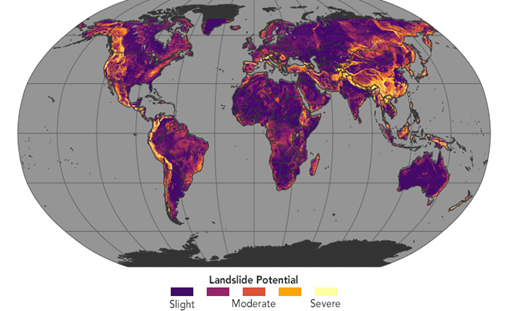
  • Landslides

    Landslides

    Landslides: Movement of a mass of rock, debris, or earth down a slope under the direct influence of gravity.

    It is estimated that 30% of the world’s landslides occur in the Himalayan ranges.

    In the Nilgiris alone, unprecedented rains in the region triggered about 100 landslides.

    The mean rate of land loss is to the tune of 120 meters per kilometer per year and the annual soil loss is about 2500 tons per square kilometer.

    Landslide Vulnerability Zones:

    • Very High Vulnerability Zone: Highly unstable, relatively young mountainous areas in the Himalayas and Andaman and Nicobar, Western Ghats and Nilgiris, the north-eastern regions.
    • High Vulnerability Zone:  All the Himalayan states and the states from the north-eastern regions except the plains of Assam.

    Moderate to Low Vulnerability Zone: Areas that receive less precipitation such as Trans- Himalayan areas of Ladakh and Spiti (Himachal Pradesh), Aravali, rain shadow areas in the Western and Eastern Ghats and Deccan plateau.

    Types of landslides:

    1. Rockfalls: Rapid descent of individual rock fragments. Example: Landslides along mountainous roads, like the Kedarnath landslide in India (2013).
    2. Debris Flows: Fast-moving mix of water, soil, and debris. Example: The Oso landslide in Washington, USA (2014).
    3. Mudslides: Slurry of waterlogged soil and debris. Example: The Sierra Leone mudslides in Freetown (2017).
    4. Landslide Avalanches: Large-scale, fast-moving landslides. Example: The Randa rockslide in Switzerland (1991).
    5. Creep: Slow, gradual downhill movement of soil or rock. Example: Ongoing creep on hillsides globally.
    6. Earthflows: Sluggish flow of saturated soil and debris. Example: The Vaiont Dam landslide in Italy (1963).
    7. Lateral Spreads: Horizontal movement of soil and rock. Example: The Hope Slide in British Columbia, Canada (1965).

    Criteria to Declare:

    The Indian government typically relies on a combination of criteria and monitoring systems to declare landslides and issue alerts. These criteria may include:

    1. Geological Studies: Assessment of factors like soil types, rock formations, and past landslide history.
    2. Rainfall Data: Heavy and prolonged rainfall can saturate the soil, increasing the likelihood of landslides.
    3. Ground Movement Monitoring: Technologies like inclinometers and GPS are used to detect ground movement or slope instability in vulnerable areas.
    4. Remote Sensing: Satellite imagery and aerial surveys are employed
    5. Weather Forecasts: Meteorological data and weather forecasts are examined that could trigger landslides.
    6. Historical Data: Past landslide events and their impact on specific regions are considered when assessing the risk of future landslides.
    7. Early Warning Systems: Many states in India have early warning systems in place to provide alerts to residents in landslide-prone areas when conditions become hazardous.

    Causes:

    1. Natural
      1. Heavy Rainfall: Prolonged or intense rainfall can saturate the soil, making it more susceptible to sliding.
      2. Steep Slopes: Slopes with steep gradients are more prone to landslides.
      3. Earthquakes: Ground shaking from earthquakes can dislodge rocks and soil, leading to landslides.
      4. Volcanic Activity: By altering the landscape or generating pyroclastic flows.
      5. Erosion: Natural erosion processes, such as rivers undercutting hillsides.
      6. Soil Type: Loose, poorly compacted soils are more likely to fail.
      7. Freeze-Thaw Cycles: In colder climates, freeze-thaw cycles can expand and contract water within rocks and soil, leading to fracturing and landslides.
      8. Wildfires: Fires can destroy vegetation and alter soil properties, increasing the risk of landslides during subsequent rainfall.
    2. Anthropogenic:
      1. Deforestation: The removal of trees and vegetation makes slopes more susceptible to sliding.
      2. Human Modification: Changes in land use and urbanization can increase the risk of landslides.
      3. Human Activities: Excavation, mining, construction, and irrigation can alter the natural landscape and trigger landslides.
      4. Lack of Drainage: Inadequate drainage systems can lead to water accumulation in the soil, increasing its weight and instability.

    Mitigation:

    1. Restriction on the construction and other developmental activities.
    2. Limiting agriculture to valleys and areas with moderate slopes.
    3. Control on the development of large settlements in the high vulnerability zones.
    4. Promoting large-scale afforestation programmes.
    5. Constructions of bunds to reduce the flow of water.
    6. Terrace farming should be encouraged in the northeastern hill states where Jhumming (Slash and Burn/Shifting Cultivation) is still prevalent.
    7. Landslide Risk Mitigation Scheme (LRMS):
      • The Scheme envisages financial support for site specific Landslide Mitigation Projects recommended by landslide prone States, covering “disaster prevention strategy, disaster mitigation and R&D in monitoring of critical Landslides” thereby leading to the development of Early Warning System and Capacity Building initiatives.

    NDMA Guidelines:

    • Do’s
      1. Move away from landslide paths or downstream valleys quickly without wasting time.
      2. Keep drains clean,
      3. Grow more trees that can hold the soil through roots,
      4. Identify areas of rock fall and subsidence of buildings, cracks that indicate landslides and move to safer areas. Even muddy river waters indicate landslides upstream.
      5. Ensure that the toe of slope is not cut, remain protected, don’t uproot trees unless re-vegetation is planned.
      6. Listen for unusual sounds such as trees cracking or boulders knocking together.
      7. Stay alert, awake and active (3A’s) during the impact or probability of impact.
      8. Try to stay with your family and companions.
      9. Check for injured and trapped persons.
      10. Mark path of tracking so that you can’t be lost in the middle of the forest.
    • Don’ts
      1. Try to avoid construction and stay in vulnerable areas.
      2. Do not touch or walk over loose material and electrical wiring or poles.
      3. Do not build houses near steep slopes and near drainage paths.
      4. Do not drink contaminated water directly from rivers, springs, wells but rain water if collected directly without is fine.
      5. Do not move an injured person without rendering first aid unless the casualty is in immediate danger.

    Way Forward:

    India has a high degree of vulnerability towards the occurrence of Landslides. It is therefore not possible for the government to completely stop their occurrence. Although, it can definitely curtail their adverse impact by developing robust resilience in consonance with the Sendai Framework for Disaster Risk Reduction 2015-2030.

More posts