💥UPSC 2026, 2027, 2028 UAP Mentorship (March Batch) + Access XFactor Notes & Microthemes PDF

Search results for: “”

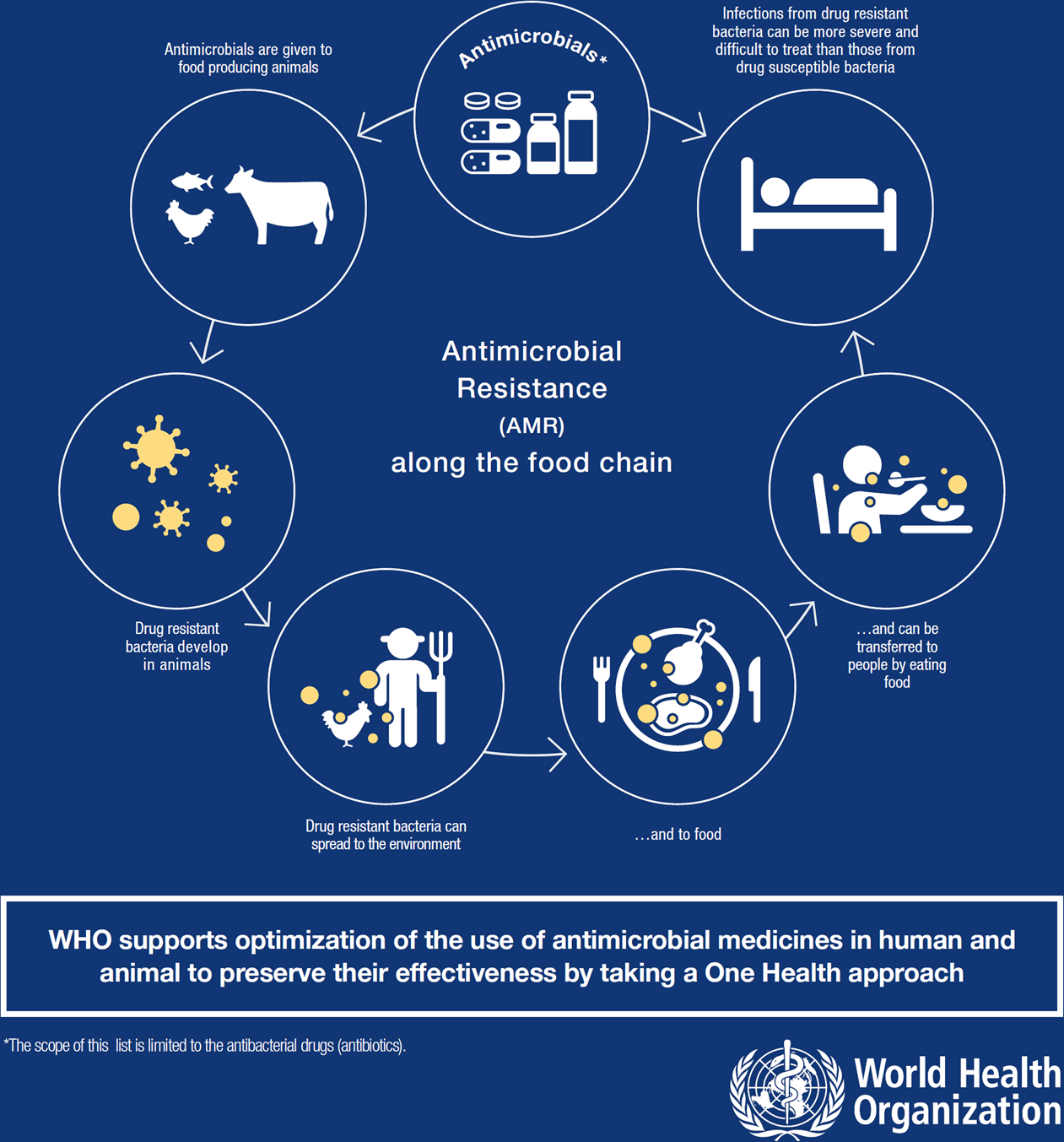
  • Are antibiotics over-prescribed in India?

    Current accounts of antimicrobial resistance: stabilisation,  individualisation and antibiotics as infrastructure | Humanities and Social  Sciences Communications

    Central Idea:

    The National Centre for Disease Control (NCDC) conducted a study revealing that over half of the surveyed hospital patients in India were given antibiotics preventively rather than for treatment. This overuse of antibiotics poses a significant risk as India already faces a high burden of drug-resistant pathogens, contributing to antimicrobial resistance (AMR). Experts Sumit Ray and Abdul Ghafur discuss the causes, consequences, and potential solutions to this issue, emphasizing the need for judicious antibiotic use and addressing systemic challenges.

    Key Highlights:

    • Antimicrobial Resistance (AMR): AMR refers to microorganisms becoming resistant to antibiotics. India is grappling with high levels of drug-resistant bacteria, impacting patient outcomes negatively.
    • Factors Leading to AMR: Inappropriate antibiotic use, lack of rapid diagnostics, insufficient training, inadequate monitoring, and pharmaceutical industry incentives contribute to the rise of AMR.
    • NCDC Survey Findings: The survey showed that 55% of patients received antibiotics as a preventive measure, indicating a potential over-prescription issue.
    • Root Causes of Over-Prescription: Overcrowded hospitals, limited access to rapid diagnostics, and economic factors drive doctors to opt for antibiotics as a quicker and cheaper alternative.
    • Immediate Threat: The immediate danger is evident in the survey’s findings, with a significant percentage of patients exhibiting resistance to various generations of antibiotics, leading to poor health outcomes.
    • AMR as a Complex Challenge: AMR is not solely a medical issue but a complex challenge involving socio-economic, political, and infrastructural factors.

    Key Challenges:

    • Over-Prescription: Doctors tend to prescribe antibiotics unnecessarily due to factors like overcrowded hospitals, limited time for examinations, and inadequate diagnostic facilities.
    • Lack of Rapid Diagnostics: The absence of quick and affordable diagnostic tools contributes to the inappropriate use of antibiotics.
    • Systemic Issues: Weak governance, inadequate sanitation, poverty, and limited access to clean water are interconnected factors contributing to AMR.
    • Implementation Gap: Existing guidelines for antibiotic use exist, but there is a gap in their implementation, leading to over-prescription.
    • Incentivization in Pharma Industry: The pharmaceutical industry’s encouragement of certain prescribing practices exacerbates the problem.

    Key Terms/Phrases:

    • Antimicrobial Resistance (AMR): Microorganisms becoming resistant to antibiotics.
    • Over-the-Counter Antibiotics: Antibiotics available without a prescription.
    • H1 Rule: Regulation prohibiting certain antibiotics without a prescription.
    • Colistin: A potent antibiotic, banned for growth promotion in poultry farming.
    • Third/Fourth-Generation Antibiotics: Antibiotics of advanced generations, facing resistance in bacterial strains.

    Key Quotes:

    • “I treat infections in cancer patients, who are the most immuno-compromised patients you can come across. Patients are losing their lives because of AMR.” – Abdul Ghafur
    • “What is essential is the linking of labs to all levels of clinical setups and the fast transmission of infection-related data between the lab and the clinician.” – Sumit Ray

    Key Examples and References:

    • National Centre for Disease Control (NCDC) survey on antibiotic use in Indian hospitals.
    • Indian government’s 2019 ban on colistin use in poultry farming.

    Critical Analysis:

    • Overcrowded hospitals and limited diagnostic access drive over-prescription.
    • Addressing AMR requires a holistic approach, considering socio-economic factors.

    Way Forward:

    • Restrict access to reserve antibiotics to reduce resistance.
    • Improve public health systems, delivery, and sanitation to curb AMR.
    • Enforce existing laws, such as the ban on over-the-counter antibiotic sales.

    In conclusion, addressing the overuse of antibiotics in India requires a multifaceted approach, involving improvements in healthcare infrastructure, diagnostic capabilities, and enforcement of regulations. The goal is to mitigate the immediate threat of AMR and ensure the judicious use of antibiotics for effective treatment.
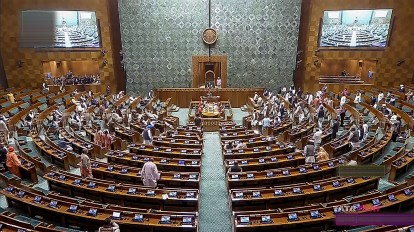
  • The Indian Parliament, a promise spurned

    Parliament session from Jan 31 to Feb 9, Sitharaman to present interim  budget on Feb 1 | India News - The Indian Express

    Central Idea:

    The article reflects on the recent security breach in the Indian Parliament, drawing attention to the historical debate around the choice of a parliamentary government for India. It explores the importance of having a stable government with effective opposition, emphasizing the parliamentary system’s capacity to accommodate diversity. The author questions the handling of the security breach incident and the subsequent suspension of a significant number of opposition members.

    Key Highlights:

    • Security lapse in the Indian Parliament in December 2023.
    • Historical debate on the choice of a parliamentary government in India.
    • Importance of stable government with effective opposition.
    • Challenges faced by the ruling party in accommodating opposition.
    • Critique of the current leadership’s response to the security breach.

    Key Challenges:

    • Grappling with the aftermath of a significant security breach.
    • Balancing the need for a stable government with the necessity of an effective opposition.
    • Managing the paradox of majority endorsement while ensuring constant validation for the common good.
    • Ensuring parliamentary committees address security concerns adequately.
    • Striking a balance between executive authority and parliamentary dignity.

    Key Terms:

    • Parliamentary government
    • Opposition
    • Security breach
    • Westminster system
    • Presidential system
    • Swarajist model
    • Indian orthodoxy
    • Common good
    • Effective representation
    • Stability in governance

    Key Phrases:

    • “Foundational institution of public life.”
    • “Parliamentary form of government.”
    • “Security lapses and pandemonium.”
    • “Doctrinal, ethnic, and cultural pluralisms.”
    • “Dialectics of stable support and effective opposition.”
    • “Insistent demand of the Opposition.”
    • “Suspended members from both Houses.”
    • “Ruling party’s ability to defend its course.”

    Key Quotes:

    • “A parliamentary system marks a better space for minorities.”
    • “The ruling party has not found it easy to face a sustained Opposition.”
    • “It is not the truth that a ruling dispensation upholds that serves its claim to rule but its ability to defend the course it pursues as the truth.”

    Anecdotes:

    • Incident involving Jawaharlal Nehru and Speaker Mavalankar’s refusal to go to the Prime Minister’s chamber.
    • Reference to historical debates within the Constituent Assembly on the form of government for India.

    Key Statements:

    • “The security breach is a breach inflicted on the nation as a whole.”
    • “The ruling party, despite challenges, has to live with the logic of the parliamentary system.”
    • “The suspension of almost the entire Opposition from both the Houses can hardly meet the test of becoming the voice of the nation.”

    Key Examples and References:

    • Two young men with gas canisters causing pandemonium in the Lok Sabha.
    • Historical references to arguments for the presidential, Indian orthodox, and swarajist models.
    • Mention of Jawaharlal Nehru’s sensitivity to the absence of an effective opposition.

    Key Facts and Data:

    • December 2023: Security breach in the Indian Parliament.
    • Suspension of 146 members from both Houses.
    • Reference to the historical debate within the Constituent Assembly.

    Critical Analysis:

    The article critically evaluates the current state of the Indian Parliament, questioning the handling of the security breach and the subsequent suspension of opposition members. It emphasizes the importance of a stable government with an effective opposition, highlighting historical debates on the choice of a parliamentary system. The author critiques the leadership’s response and underscores the need for a balance between executive authority and parliamentary dignity.

    Way Forward:

    • Address the security concerns through parliamentary committees.
    • Foster a more collaborative approach between the ruling party and the opposition.
    • Uphold the principles of parliamentary democracy and the importance of an effective opposition.
    • Prioritize transparency and communication in addressing lapses and challenges.
    • Reaffirm the commitment to diversity, pluralism, and the common good in parliamentary governance.
  • Republic Day Tableaux Selection Process and Recent Controversies

    Republic Day Tableaux

    Introduction

    • The Defence Ministry’s proposal for a rollover plan for States and UTs to showcase their tableaux at the Republic Day parade comes amid ongoing controversies and complaints from various states.
    • The plan aims to ensure that every State and UT gets an opportunity to participate within a three-year cycle, addressing the issue of limited slots (approximately 15) available each year.

    Selection Process for Republic Day Tableaux

    • Participants: State Governments/UT Administrations/Central Ministries/Departments are eligible to send tableaux.
    • Application Process: Interested parties submit a concept note and design blueprints to the Ministry of Defence (MoD) by a specified deadline.
    • Expert Committee Evaluation: The MoD appoints a committee of experts in art, culture, and related fields to evaluate the proposals in two stages:
      1. Stage 1: Initial assessment of proposals and design sketches, with possible rejections or suggestions for modifications.
      2. Stage 2: Evaluation of three-dimensional models, leading to final selection or further modifications.

    Criteria for Selection

    • Factors Considered: Visual appeal, thematic relevance, detailing, accompanying music, use of local artists, and adherence to the year’s overarching theme.
    • 2024 Theme: “Viksit Bharat” (Developed India) and “Bharat: Loktantra ki Matrika” (India: the Mother of Democracy).
    • Guidelines: The MoD specifies guidelines, including the use of young designers, electronic displays, robotics, 3D printing, augmented/virtual reality, and eco-friendly materials. Conformity to these guidelines is encouraged.

    Controversies and Rejections

    • Opposition-Ruled States’ Concerns: States like Karnataka, Punjab, and West Bengal have expressed dissatisfaction over their tableaux being rejected.
    • Centre’s Stance: The Centre has maintained its decision without providing specific reasons for rejection.
    • Possible Reasons for Rejection: Misalignment with the broader theme, as suggested by MoD sources regarding Punjab and West Bengal’s proposals.
    • Political Allegations: A politician claimed that the Delhi government’s exclusion lacked justification, intending to showcase the state’s governance model.

    Conclusion

    • Navigating Challenges: The new rollover plan and selection process aim to balance equitable state representation with adherence to thematic and aesthetic guidelines.
    • Addressing Discontent: While the plan seeks to mitigate annual complaints, it also raises questions about transparency and political considerations in the selection process.
    • Future Prospects: Ensuring a transparent, inclusive, and theme-compliant selection process is crucial for maintaining the integrity and celebratory spirit of the Republic Day parade.
  • Amaterasu Particles: Understanding High-Energy Cosmic Rays

    Amaterasu

    Introduction

    • In a significant scientific breakthrough, Japanese scientists discovered an ultra-high-energy cosmic ray in May 2021, which he named ‘Amaterasu’ after the Japanese sun goddess.

    Discovery of Amaterasu

    • Event Identification: Dr. Toshihiro Fujii, an astronomer at Osaka Metropolitan University, discovered the cosmic ray named Amaterasu.
    • Measurement: Amaterasu had an energy of 240 exa-electron-volt (EeV), an extremely high level.
    • Comparison with Man-Made Accelerators: This energy is about 40 million times higher than that of protons accelerated by the Large Hadron Collider (LHC).

    Mystery of Amaterasu’s Origin

    • Unusual Origin: Amaterasu appears to have originated from an empty part of the universe.
    • Dr. Fujii’s Theories: Possible explanations include an unidentified source, interaction with a strong magnetic field, or the need for new physics models.
    • Previous Records: The “Oh My God” particle, detected in 1991 with an energy of 320 EeV, remains the most energetic cosmic ray recorded.

    Nature and Impact of Cosmic Rays

    • Composition: Cosmic rays are streams of energetic particles, including protons and alpha particles, originating from outer space and the sun.
    • Interaction with Earth: Most cosmic rays lose their energy in Earth’s atmosphere, preventing harmful high-intensity rays from reaching the surface.
    • Historical Significance: Studies of cosmic rays since the 1930s have led to the discovery of many subatomic particles, although their sources and high energy remain a mystery.

    Types and Origins of Cosmic Rays

    • Galactic Cosmic Rays (GCR): Originating from beyond our solar system, possibly from supernovae.
    • Solar Cosmic Rays: Emitted by the sun, primarily in solar flares, consisting mainly of protons.
    • Composition Analysis: Studies show a helium-to-hydrogen nuclei mass ratio in cosmic rays similar to the early universe’s composition.

    Implications of High-Energy Cosmic Rays

    • Ultra-high-energy cosmic Rays (UHECRs): These are extragalactic particles with energies exceeding 1 EeV.
    • Limitations in Space Travel: UHECRs with more than 60 EeV energy face suppression due to interaction with cosmic microwave background (CMB) radiation, limiting their travel distance to 50-100 megaparsecs.
  • Political Split and Maharashtra Assembly Speaker’s Ruling

    Introduction

    • Maharashtra Assembly Speaker ruled that the ruling faction of a political party was the legitimate and real, having the support of the majority of the party’s MLAs.

    Anti-Defection Law in India

    • Rise of Political Instability: The late 1970s saw rampant floor-crossing by legislators, epitomized by the phrase “Aaya Ram Gaya Ram” after MLA Gaya Lal’s frequent party changes in 1967.
    • Legislative Efforts: Various bills, including the 32nd and 48th Constitution Amendment Bills, were introduced to address defections but lapsed or were not passed.
    • Enactment of the Law: The 52nd Amendment in 1985, under Prime Minister Rajiv Gandhi, introduced the Tenth Schedule to the Constitution, embedding the anti-defection law.

    Features of the Anti-Defection Law

    [A] Disqualification Criteria:

    • Members of Political Parties: Disqualification occurs if a member voluntarily gives up their party membership or defies the party’s directive without prior permission, which is not condoned within 15 days.
    • Independent Members: Disqualification occurs if they join a political party after election.
    • Nominated Members: Disqualification occurs if they join a political party after six months from taking their seat in the House.

    [B] Exceptions:

    • Merger: A member is not disqualified if their original party merges with another party, and at least two-thirds of its members agree to the merger.
    • Presiding Officers: Members who become presiding officers can relinquish party membership and rejoin it after their term without facing disqualification.

    [C] Decision Makin:

    • Deciding Authority: The presiding officer of the respective House is the authority to decide on disqualification matters, subject to judicial review as established in the Kihoto Hollohan case (1991).
    • Rule-making Power: The presiding officer can formulate rules for implementing the Tenth Schedule, subject to the approval of the House.
    • Procedure for Disqualification: The presiding officer acts upon a defection case upon receiving a complaint. The accused member must be given a chance to explain, and the matter can be referred to a committee for inquiry.
    • Position of Speaker: Party whips do not apply to the Speaker. However, questions of disqualification under the law concerning the Speaker or Chairman are decided by a member elected by the House.

    Judicial Interpretations and Election Commission’s Role

    • Key Judgments: The Kihoto Hollohan case (1991) made the Speaker’s decision on defection subject to judicial review. Other significant cases include Ravi Naik vs Union of India and G. Viswanathan Vs. The Hon’ble Speaker, Tamil Nadu, which clarified aspects of voluntary membership relinquishment and expulsion.
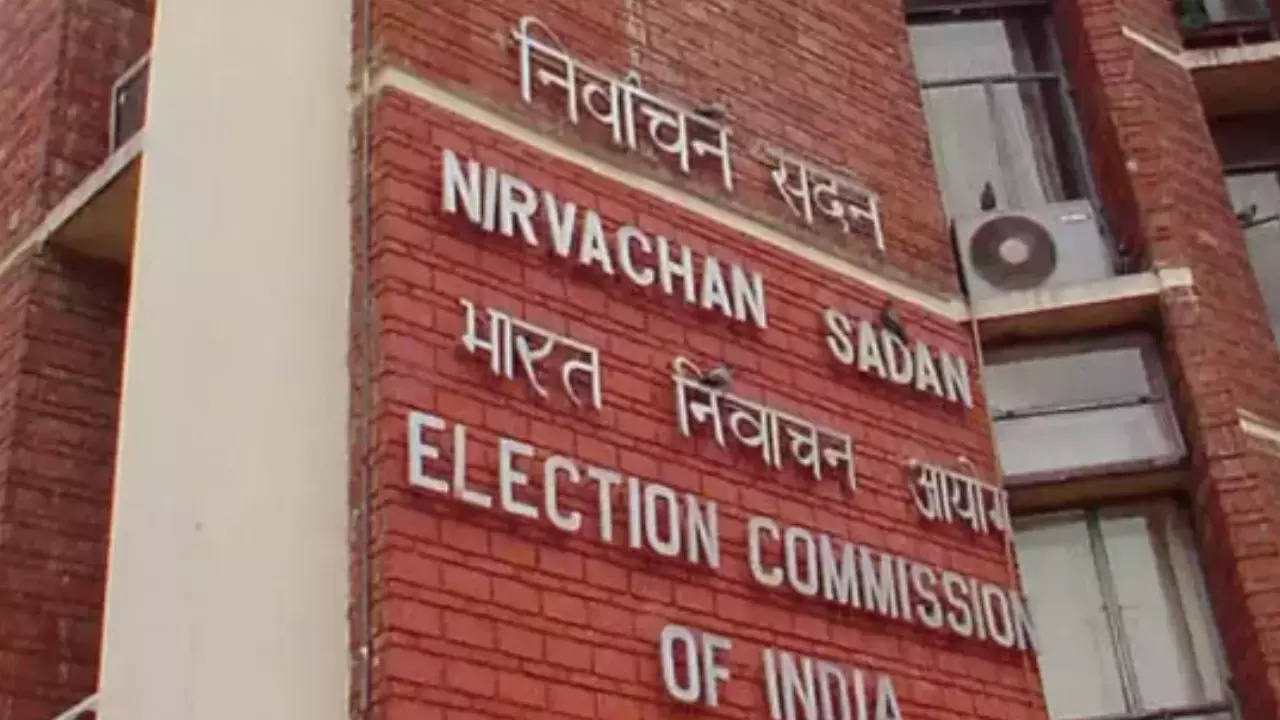
    • Election Commission’s Guidelines: The EC resolves intra-party disputes based on majority support in both organizational and legislative wings and may freeze party symbols in unresolved cases.

    Challenges and Criticisms

    • Discriminatory Features: The law is criticized for not differentiating between dissent and defection and for its approach to individual versus group defections.
    • Absence of Time Limit: The lack of a mandated timeframe for decisions on defection cases has led to manipulation and delays.
    • Impact on Democratic Functioning: Critics argue that the law restricts legislators’ freedom and weakens legislative checks on the executive.

    Debate on Repeal or Amendment

    • Arguments for Repeal: Some argue for the law’s repeal, citing its failure to prevent defections and its hindrance to representative democracy.
    • Arguments against Repeal: Proponents believe it ensures government stability, recognizes party systems, and reduces corruption.
    • Suggested Amendments: Recommendations for amendments include limiting the law’s scope, enhancing decision-making processes, and promoting intra-party democracy.

    Expert Recommendations

    • Dinesh Goswami Committee (1990) and Law Commission (170th Report, 1999): Suggested amendments include limiting disqualification and involving the President/Governor and EC in decision-making.
    • Constitution Review Commission (2002): Proposed barring defectors from holding public office and invalidating their votes in toppling governments.
    • Election Commission’s Proposal: Recommended that decisions under the Tenth Schedule should be made by the President/Governor based on the EC’s binding advice.

    Way Forward

    • Amending the Law: Amendments should address existing shortcomings, such as defining “voluntarily giving up membership” and removing distinctions in disqualification criteria.
    • Enhancing Democratic Functioning: Reforms should focus on promoting intra-party democracy and regulating the use of whips.
    • Voter Responsibility: The electorate’s role in holding defectors accountable through the ballot remains crucial.

    Conclusion

    • Navigating Political Stability and Democracy: The anti-defection law seeks to balance political stability with democratic representation and legislative accountability.
    • Adapting to Contemporary Politics: As political dynamics evolve, so must the legal frameworks, ensuring their relevance and effectiveness.
  • Challenges in India’s Tea Industry: A Call for Introspection and Resilience

    tea

    Introduction

    • Echoes of the Past: India’s tea industry is facing challenges similar to the “dark phase” of 2002-07, as noted by the Tea Association of India (TAI).
    • Key Concerns: Stagnant prices, oversupply, demand-supply gap, and a trend towards cheaper teas are major issues impacting the industry.

    Historical Context and Recent Developments

    • Previous Crisis: The industry suffered a significant slump during 2002-07 due to regulatory challenges, falling demand, competition from cheaper international teas, and export quality concerns.
    • Current Scenario: Despite India’s economic strides, the tea industry struggles with stagnant prices and increasing input costs, leading to estate closures and reliance on subsidies.

    Demand-Supply Imbalance and Quality Concerns

    • Oversupply Issues: The meeting highlighted the critical problem of oversupply leading to an imbalance between availability and consumption.
    • Quality Decline: To make tea more affordable, there has been a decline in quality, resulting in a “race to the bottom.”

    Proposed Measures and Tea Board of India’s Role

    • Repositioning Tea: TAI suggests repositioning tea to enhance its perception and consumption patterns.
    • Regulatory Steps: Measures include regulating tea waste sold domestically, restricting import of low-quality teas, and promoting tea’s health benefits.
    • Potential Impact: Regulating waste could reduce supply by 15-20 million kg, and limiting imports could remove an additional 30 million kg of low-quality teas.

    Tea Industry Statistics and Trends

    • Production and Export: India’s tea production increased by 39% from 2008 to 2022, with a slight projected increase in 2023. However, exports till October 2023 decreased by 2% compared to 2022.
    • Import Increase: Tea imports rose from 27 million kg in 2021 to 30 million kg in 2022.

    Overview of the Indian Tea Industry

    • Global Standing: India is the second-largest tea producer and the fourth-largest exporter globally, with a significant domestic consumption market.
    • Employment and Regulation: The industry directly employs 1.16 million workers, with the Tea Board of India regulating cultivation.
    • Main Growing Regions: The Northeast, including Assam, and north Bengal are major tea-growing areas, with significant cultivation in the Nilgiris in south India.

    Challenges and Issues

    • Global Competition and Quality Decline: Competition from countries like Kenya and the demand for organic tea have affected India’s market position.
    • Worker Conditions and Small Tea Growers: Poor worker conditions and challenges faced by small tea growers, including pricing and recognition issues, are significant concerns.
    • External Factors: Global events like the Russia-Ukraine war have further compounded problems for the industry.

    Tea Board of India Initiatives

    • Establishment: The Tea Board was set up under the Tea Act 1953 and functions as a statutory body under the Ministry of Commerce. Headquarters are located in Kolkata, the Board is reconstituted every three years.
    • Promotional Efforts: The Board undertakes various initiatives to promote packaged Indian tea and subsidizes participation in international fairs.
    • Promotional Activities: The Board supports packaged Indian tea promotion and subsidizes participation in international fairs.
    • Tea Development and Promotion Scheme: This scheme aims to enhance productivity, quality, worker welfare, and market promotion.
    • Support for Small Growers: The Board has formed SHGs, FPOs, and FPCs to assist small tea growers.

    Way Forward

    • One District One Product (ODOP) Program: This program can help promote Indian tea.
    • Improving ‘AROMA’: ‘AROMA’ stands for Assistance to small growers, Re-energizing infrastructure, Organic and GI tea promotion, Modernization of supply chains, and Adaptability to climate change.
    • Supporting Small Farmers: Enhancing production, quality, and sustainability while focusing on high-value markets is crucial for the industry’s growth.

    Try this PYQ from 2022

    Consider the following States:

    1. Andhra Pradesh
    2. Kerala
    3. Himachal Pradesh
    4. Tripura

    How many of the above are generally known as tea-producing States?

    (a) Only one State

    (b) Only two States

    (c) Only three States

    (d) All four States

    Post your answers here.

  • After ECI guidelines, charting a path to disability inclusion in politics

    Don't use derogatory terms for disabled, EC tells political parties | India  News - Times of India

    Central Idea:

    The Election Commission of India issued guidelines advising political parties on using disability-sensitive language and practices. These guidelines cover inclusive communication, accessible information, and integrating people with disabilities (PwDs) within party structures. The aim is to counter derogatory remarks and stereotypes against PwDs in politics. However, concerns about the effectiveness of these guidelines arise, demanding further refinement and their inclusion in the Model Code of Conduct.

    Key Highlights:

    • The guidelines address disability-inclusive communication, information accessibility, and inclusion within political party frameworks.
    • Recent derogatory remarks by political leaders underscore the necessity for these guidelines.
    • Derogatory language contributes to attitudinal barriers under the Rights of Persons with Disabilities Act, 2016.
    • The guidelines are advisory, lacking uniformity and needing a more definitive mandate.
    • Absence of these guidelines in the Model Code of Conduct reduces their enforceability.
    • Ambiguities in language usage and terminology require clarification to avoid misinterpretation.
    • Political inclusion of PwDs is not addressed in the draft National Policy for PwD.
    • Lack of data on legislators with disabilities and the absence of a disability column in election forms hinder political inclusion.

    Key Terms:

    • Disability-sensitive language
    • Inclusive communication
    • Attitudinal barriers
    • Rights of Persons with Disabilities Act, 2016
    • Model Code of Conduct
    • Derogatory remarks
    • National Policy for Persons with Disabilities
    • Political inclusion

    Key Phrases:

    • “Advisory guidelines”
    • “Attitudinal barrier”
    • “Model Code of Conduct”
    • “Political inclusion”
    • “Derogatory remarks”
    • “Rights of Persons with Disabilities Act, 2016”
    • “National Policy for Persons with Disabilities”

    Key Quotes:

    • “These guidelines are only an ‘advisory,’ though the phraseology of a few guidelines is in mandatory language.”
    • “Instances have underlined the need for these guidelines, such as derogatory remarks by political leaders.”
    • “Political inclusion is an ignored aspect within the Indian realm of disability.”

    Key Statements:

    • “A uniform mandate under all three heads is needed for effective implementation.”
    • “Guidelines must be included within the Model Code of Conduct to enhance their enforceability.”
    • “The lack of data has contributed significantly to the political exclusion of PwDs.”

    Key Examples and References:

    • A Raja’s derogatory comparison of Sanatan Dharma to people with leprosy and HIV in September 2023.
    • Lack of a disability column in nomination forms and affidavits filed by contestants during elections.

    Key Facts:

    • The guidelines cover disability-inclusive communication, information accessibility, and inclusion within party frameworks.
    • Section 92 of the Rights of Persons with Disabilities Act, 2016, is mentioned as a punitive measure for breaching guidelines related to disability-inclusive communication.

    Critical Analysis:

    The article critically examines the advisory guidelines, highlighting their strengths, weaknesses, and areas for improvement. It emphasizes the need for a more robust and enforceable framework within the Model Code of Conduct and addresses ambiguities in language usage.

    Way Forward:

    • Refine and make the guidelines mandatory under all three categories.
    • Incorporate guidelines into the Model Code of Conduct for enhanced enforceability.
    • Provide a detailed list of disability-sensitive words and phraseology.
    • Include a chapter on political inclusion in the National Policy for Persons with Disabilities.
    • Introduce a disability column in election nomination forms to collect data on legislators with disabilities.
  • A colonial discourse on the veil

    Ghunghat, but not Hijab Abdul Khaliq and Mathew John :: Indian Currents:  Articles

    Central Idea:

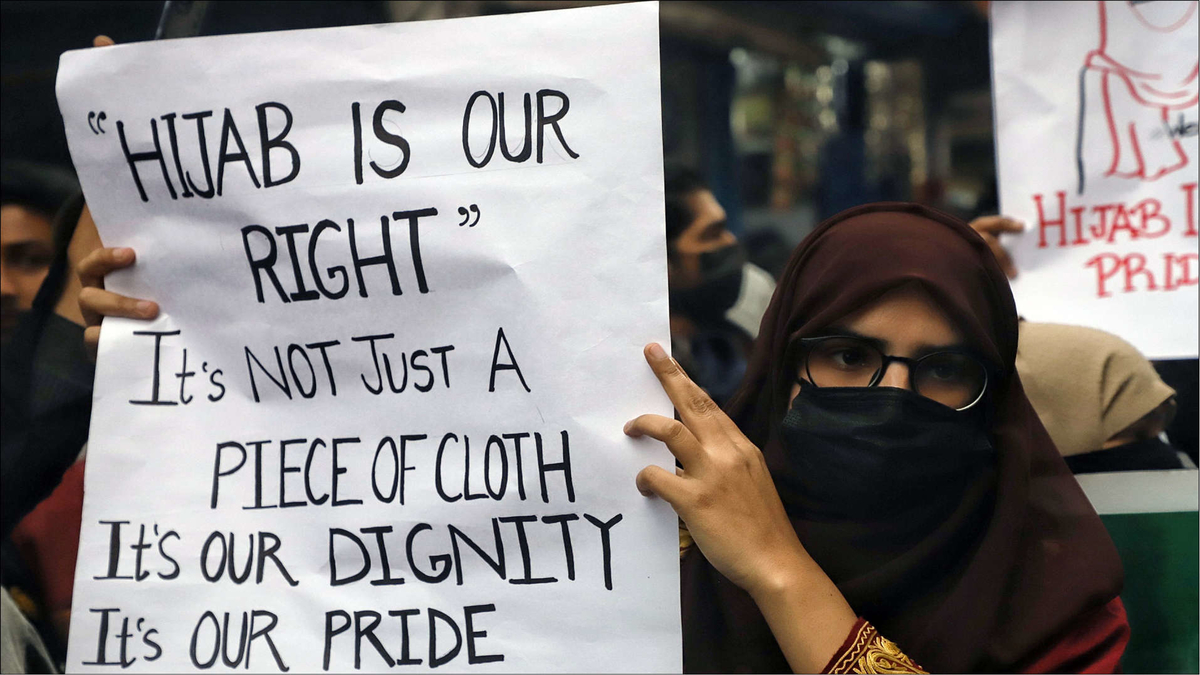
    The article focus into the ongoing discourse around the hijab/veil, examining recent political events in India and the global conversation on the subject. It raises questions about the right of Muslim women to choose their attire, the role of the state in regulating religious clothing, and the intersection of Islamic principles with government policies. The central argument posits that criticisms of the hijab often lack genuine concern for gender equality, being influenced by historical Western colonial biases, and mirroring the majoritarian agenda of Hindutva.

    Key Highlights:

    • Karnataka Chief Minister’s stance on the hijab issue is presented as a case of vote bank politics by the Congress, reinforcing BJP’s accusations.
    • The global debate involves Western leaders advocating for bans, while Muslim women protest against enforced veiling in countries like Iran.
    • The article questions the Western perception of Islam’s treatment of women, attributing bias to a colonial mindset.

    Key Challenges:

    • Balancing individual freedom of choice with state regulations on religious attire.
    • Navigating the intersection between Islamic provisions and state policies.
    • Addressing the influence of Western colonial perceptions on the discourse around Muslim women’s rights.

    Key Terms:

    • Hijab/Veil: Islamic head covering worn by some Muslim women.
    • Hindutva: Ideology advocating the cultural and political dominance of Hindus in India.
    • Vote Bank Politics: Political strategy to gain support from specific religious or ethnic groups.
    • Colonial Mindset: Biased perspectives influenced by historical colonial experiences.

    Key Phrases:

    • “Vote bank politics” – Refers to the alleged manipulation of Muslim sentiments for political gain.
    • “Western colonial project” – Describes historical biases influencing perceptions of Islam.
    • “Gender freedom” – The concept of freedom regarding gender roles and choices.

    Key Quotes:

    • “For Europe, Islam was a lasting trauma.” – Edward Said, highlighting the historical impact of colonialism on Western perceptions of Islam.
    • “There is no inherent value placed on man and woman…no pre-ordained system of hierarchy.” – Amina Wudud, on interpreting Islamic provisions for gender equality.

    Key Statements:

    • The Congress government’s indecision on the hijab issue is portrayed as an example of vote bank politics.
    • The author suggests a parallel between the Hindutva majoritarian agenda and Western colonial objectives in their disregard for equal rights.

    Key Examples and References:

    • French President Nicolas Sarkozy’s push for a total ban on the Islamic veil in 2010.
    • British Prime Minister Boris Johnson’s controversial remarks on Muslim women wearing burqas in 2019.
    • Examples of successful Muslim women in India, such as Parveen Babi and Zeenat Aman, who did not conform to hijab norms.

    Key Facts and Data:

    • Historical evolution of the purdah system in various parts of the world, including India.
    • Instances of Western leaders advocating for bans on the Islamic veil.

    Critical Analysis:

    • The author critiques the perceived bias in Western views on Islam, attributing it to a colonial mindset.
    • The alignment of Hindutva’s majoritarian ideology and Western colonial objectives is questioned.
    • The article challenges the sincerity of concerns about gender equality by highlighting selective concerns based on political agendas.

    Way Forward:

    • Advocate for a nuanced understanding of cultural practices and religious choices.
    • Encourage open dialogue between religious communities and policymakers to address concerns.
    • Emphasize the importance of respecting individual choices while ensuring a balance with societal norms.
  • A manifesto for justice that has sprung from crises

    Unemployment in India rose to 8.3% in December; crossed 10% in urban areas:  CMIE

    Central Idea:

    The article discusses the pressing issues faced by India, including unemployment, social unrest, ecological degradation, and threats to democratic rights. It emphasizes the need for alternative approaches and policies to address these challenges and highlights a People’s Manifesto released by Vikalp Sangam, a platform representing various movements and organizations working towards positive change.

    Key Highlights:

    • The article outlines the multifaceted crises in India, such as unemployment, ecological collapse, and erosion of democratic rights.
    • It introduces Vikalp Sangam, a national platform fostering alternative initiatives for a just, equitable, and sustainable India.
    • The People’s Manifesto aims at the 2024 general election and advocates policy shifts in areas like the economy, decentralization, accountability, and social inclusion.
    • Practical examples on the Vikalp Sangam website illustrate successful community-driven solutions to challenges like unemployment and rural development.
    • The manifesto calls for economic reforms, curbing the black economy, and wealth redistribution through measures like basic income and pension for all workers.
    • It addresses concerns about the increasing authoritarianism, calls for decentralization, and the need to protect institutions like the Election Commission and media from political interference.

    Key Challenges:

    • Resistance to policy changes from established political and economic interests.
    • The need for widespread awareness and acceptance of alternative approaches.
    • The challenge of implementing grassroots initiatives on a larger scale.
    • Overcoming political polarization and ensuring bipartisan support for key manifesto points.

    Key Terms/Phrases:

    • Vikalp Sangam
    • People’s Manifesto
    • Alternative pathways
    • National Rural Employment Guarantee Act
    • Decentralization
    • Black economy
    • Basic income
    • Environmental impact assessment
    • Forest Rights Act
    • Climate crisis

    Key Quotes/Statements:

    • “Hope lies in the many initiatives to resist the forces of destruction and to construct alternative pathways.”
    • “The People’s Manifesto for a Just, Equitable and Sustainable India.”
    • “In about a decade, Vikalp Sangam has convened over 30 physical assemblies, published 1,500 stories of positive change…”
    • “The manifesto demands curbs on the enormous black economy, reduction in the ratio of highest and lowest salaries, greater wealth and inheritance taxation of the rich…”
    • “The manifesto urges a national land and water policy that protects important ecological functions…”

    Key Examples and References:

    • Unemployment protests, Joshimath sinking, dam burst in Sikkim, and conflicts in Manipur.
    • Vikalp Sangam’s website with stories of rural revival and positive change.
    • Adivasi village, Mendha Lekha in Maharashtra, and Dalit women farmers in Telangana as examples of successful local initiatives.
    • Residents’ associations in Bhuj town implementing local decision-making.

    Key Facts/Data:

    • 85 people’s movements and civil society organizations released the People’s Manifesto.
    • Vikalp Sangam has convened over 30 physical assemblies and published 1,500 stories of positive change.
    • The manifesto recommends reserving 6% of GDP for education and 3% for health.
    • The Vikalp Sangam process compiled hundreds of practical examples of alternative approaches.

    Critical Analysis:

    • The article effectively outlines the challenges faced by India and the role of Vikalp Sangam in proposing alternative solutions.
    • The manifesto covers a broad spectrum of issues, but the challenge lies in its implementation and acceptance by political authorities.
    • The emphasis on community-led solutions and decentralized decision-making aligns with sustainable development principles.
    • The article lacks a detailed analysis of potential opposition or criticism to the proposed manifesto.

    Way Forward:

    • Raise awareness and garner public support for the People’s Manifesto.
    • Engage with policymakers and political leaders to incorporate key recommendations into their agendas.
    • Strengthen grassroots movements and community-led initiatives.
    • Foster collaborations between government, businesses, and civil society to address the highlighted issues.
    • Continuously monitor and evaluate the progress of alternative approaches to ensure their effectiveness.
  • 5 hr/day UPSC prep strategy for candidates with serious time crunch | Webinar for Working and College IAS aspirants | FREE Webinar by IPS, Soham (AIR 218) and Pravin Garje sir

    5 hr/day UPSC prep strategy for candidates with serious time crunch | Webinar for Working and College IAS aspirants | FREE Webinar by IPS, Soham (AIR 218) and Pravin Garje sir

    UPSC 5hr/day prep strategy Masterclass at 7 PM on Thursday, 11th Jan 2023

    First 100 will get personalized UPSC Studyplan designed by IPS Soham


    In the world of UPSC CSE preparation, time is a luxury not everyone can afford.

    Especially for the working professionals and college students.

    Gone are the days of dedicating 10-12 hours a day for UPSC prep.

    Today, it’s about making every hour count, efficiently.

    The 5-hour daily study strategy is the new reality for aspirants with a serious time crunch.

    Civilsdaily’s webinar unlocks this innovative approach for you.

    Learn from those who’ve mastered the art of effective, time-constrained preparation.

    Why juggle aimlessly when you can strategize like a topper?

    It’s not about the hours you put in, but how you use them.

    Read what IPS, Soham Mandhare has to say about her UPSC experience

    “I’m Soham Mandhare, an IPS officer and a two-time UPSC qualifier. I’m here to let you in on how to effectively utilize a 5-hour daily study window for UPSC prep, crucial for those balancing work or college.

    But here’s the exciting part: I won’t be alone in this endeavor. Joining me in the upcoming webinar will be Pravin Garje sir, core mentor at Civilsdaily.

    The UPSC exam’s complexity has only increased over the years. It’s no longer just about the hours of study but about strategic and adaptive preparation.

    Together, Pravin Garje sir and I will unveil strategies focusing on critical syllabus areas, analytical thinking, and effective time management.

    In our masterclass, we’ll dive into breaking down the syllabus into manageable chunks, prioritizing essential topics, efficiently navigating the vast terrain of current affairs, and mastering GS material.

    We’ll also discuss balancing UPSC Prelims and Mains preparation, tackling the Optional subject, and enhancing answer writing skills within a limited timeframe.

    Join us for a session that promises to transform your approach to UPSC preparation. With the right strategy, your limited study hours can indeed pave the way to success.

    Get 5-hour prep strategy for College aspirants and working professionals

    upsc preparation strategy for working and college IAS aspirants

    In this masterclass, you will get:

    1. 45 minutes of topic-by-topic deep dive 5hr/day UPSC preparation strategy for Working professionals and College aspirants.
    2. Masterclass on time management, designing your UPSC study plan and a target-based time table.
    3. Insider tips that only the top IAS and IPS rankers know and apply in every attempt

    UPSC 5hr/day prep strategy Masterclass at 7 PM on Thursday, 11th Jan 2023

    First 100 will get personalized UPSC Studyplan designed by IPS Soham

    By the end, you’ll have razor-sharp clarity and a clear roadmap for UPSC preparation with a full time job or college

    IPS, Soham Mandhare
    • No cringy templates or short-term hacks. Only the real thing that actually helps you. 
    • A hand-curated-invite-only community of aspirants who will add value to your preparation. 

    Registration open! Join now to attend the masterclass for FREE

    (Don’t wait—the next time management masterclass won’t be until March 24)


    Masterclass was created by Civilsdaily. We know first-hand how valuable these insights are – They are the bedrock for a successful attempt.

    These masterclasses are packed with value. They are conducted in private with a closed community. We rarely open these masterclasses for everyone for free. This time we are keeping it for 300 seats only.

    Fee:

    • Special Access (extra 15 min with Ranker) – Free (only for first 100 registrations, register before 10th Jan, 7 PM)
    • Early Access – Rs. 299 (for the next 100 registrations, register before 11th Jan, 5 PM )
    • Late Access – Rs. 499 (for last 100 registrations, register 211th Jan, post 5 PM)

    Ready to attend the Masterclass?

    Let’s make 2024-25 your best attempt yet. You deserve this.


    Not sure yet?

    We recommend you register here. It takes less than 10 seconds to register.

    • No spam! Once in a while, we’ll only send you high-quality exam-related content. 
    • We will inform you about the upcoming Masterclasses that might benefit you.
    • You can demand one free mentorship call from verified Civilsdaily mentors. 
    • You can always choose to unsubscribe. 
  • Aradhana Johri, IAS-Interview mentor for AIR 16, AIR 22, AIR 48 and other

    Aradhana Johri, IAS-Interview mentor for AIR 16, AIR 22, AIR 48 and other

    Register for 3-Level Exclusive UPSC Interview Program.

    Get a dedicated mentor, on-call DAF analysis, DAF-based personalized questionnaire, and Situational questionnaire(FREE)

    Hello Aspirants, How is the josh!

    Meet Aradhana Ma’am-an extraordinary bureaucrat, author, and humanitarian.

    Ms. Aradhana Johri, IAS of 1980 has had an illustrious career in Civil Services. In her last stint, she was the Chairperson, National Authority for Chemical Weapons Convention Government of India and Secretary, of the Department of Disinvestment, Ministry of Finance, Government of India. Both these positions go to extraordinary bureaucrats with a remarkable track record.

    Her remarkable career in the Civil Services spans 36 years, during which she served in both the Government of India and the Uttar Pradesh Government. Throughout her tenure, she held significant portfolios, including health, industries, dairies, and social welfare. Notably, she served as Secretary of Disinvestment in the Ministry of Finance and later in the Department of Pharmaceuticals. Besides her illustrious career, Ms. Aradhana Johri is a celebrated author, renowned for her notable works such as “Beyond the Misty Veil: Temple Tales of Uttarakhand.”

    The Interview Stage is a crucial stage and a chance for you to easily score 190+ provided you are guided with the right feedback.

    Seasoned bureaucrats will not ask you silly pressure test questions – proposing to a glass, writing a random prescription. They ask you thought-provoking questions in line with what will be asked in the exam.

    Maam’s meticulousness is visible from the extensive research she does on the DAF of each candidate.

    Register for 3-Level Exclusive UPSC Interview Program.

    Get a dedicated mentor, on-call DAF analysis, DAF-based personalized questionnaire, and Situational questionnaire(FREE)

  • AMU’s Minority Status: A Historical and Legal Overview

    amu

    Introduction

    • The Supreme Court’s seven-judge Bench has begun hearing the long-standing dispute over the minority status of Aligarh Muslim University (AMU), a contention that spans nearly six decades.

    AMU’s Establishment

    • Origins: AMU traces its roots to the Muhammadan Anglo-Oriental (MOA) College, founded by Sir Syed Ahmad Khan in 1875 to address Muslims’ educational backwardness.
    • University Status in 1920: The institution gained university status in 1920, transitioning from MOA College to AMU, with a focus on both Western education and Islamic theology.

    Dispute over Minority Status

    • Article 30(1) of the Constitution: It says that all minorities, whether based on religion or language, shall have the right to establish and administer educational institutions of their choice.
    • Initial Legal Challenges: The Supreme Court’s 1967 ruling in S. Azeez Basha vs. Union of India marked the beginning of the legal dispute, questioning the amendments to the AMU Act and the university’s administration.
    • Supreme Court’s 1967 Verdict: The court held that AMU was not established nor administered by the Muslim minority, emphasizing that it was created by a central act for government recognition of its degrees.

    Nationwide Protests and Political Response

    • 1981 Amendment Affirming Minority Status: Following protests by Muslims, the government amended the AMU Act in 1981, explicitly recognizing its minority status.
    • Allahabad High Court’s 2005 Ruling: The High Court overturned AMU’s reservation policy and nullified the 1981 amendment, aligning with the Supreme Court’s 1967 decision.

    Recent Developments and Government Stance

    • Withdrawal of Appeal by NDA Government: In 2016, the NDA government withdrew its appeal in the Supreme Court, stating it could not endorse setting up a minority institution in a secular state.
    • Referral to a Larger Bench: In 2019, a three-judge Bench led by then CJI Ranjan Gogoi referred the matter to a seven-judge Bench for a comprehensive review.

    Current Proceedings in the Supreme Court

    • Composition of the Bench: The case is being heard by a Bench comprising CJI DY Chandrachud and Others
    • Focus of the Hearing: The Bench is set to deliberate on the complex historical, legal, and constitutional aspects surrounding AMU’s minority status.

    Conclusion

    • Significance of the Case: The Supreme Court’s current hearing is crucial in determining the future of AMU’s minority character, a matter deeply intertwined with India’s educational and secular fabric.
    • Implications for Minority Rights: The outcome will have significant implications for minority rights in India, particularly concerning the establishment and administration of educational institutions under Article 30(1) of the Constitution.
  • What an ‘India Club’ means for its Shipping Industry?

    Introduction

    • India is planning to establish its own Protection and Indemnity (P&I) entity, named the India Club, to insure ships operating along Indian coasts and waterways.
    • Presently, the Indian shipping industry relies on global firms for insurance coverage.

    Understanding P&I Entities

    • Function and Structure: A P&I club is a mutual insurance association offering risk pooling, information, and representation for its members, including ship owners, operators, and other maritime stakeholders.
    • Coverage Scope: These clubs provide coverage for third-party risks like cargo damage, war, and environmental hazards, which traditional insurers often avoid.

    Global P&I Club Landscape

    • International Group of P&I Clubs: Headquartered in London, this group comprises 13 clubs covering about 90% of the world’s ocean-going vessels.
    • Global Cooperation: These clubs operate on a cooperative model, pooling funds for large claims and determining liability through complex agreements.

    Rationale behind making India Club

    • Reducing Vulnerability: A local P&I entity can mitigate risks related to international sanctions and pressures, as seen in the Russia-Ukraine conflict.
    • Focus on Domestic Shipping: Initially, the India Club will primarily insure ships involved in domestic movements.

    Operational Model of India Club

    • Government-Led Initiative: The Ministry of Ports, Shipping, and Waterways is spearheading the formation of this coalition of domestic fleet owners.
    • Scope of Coverage: The India Club will cater to vessels on coastal routes and inland waterways within India.
    • Involvement of Traditional Insurers: Traditional insurance and reinsurance companies may participate in underwriting claims and offering services.

    Challenges Facing

    • Limited Beneficiaries: The initiative might primarily benefit state-owned and smaller shipping lines, as many Indian-owned ships operate under foreign flags to evade stringent regulations.
    • Acceptance Issues: The India Club’s coverage might not be recognized by global traders.
    • High Coverage Requirements: Offering extensive coverage, especially for large crude carriers, could pose financial challenges.

    Conclusion

    • Strategic Move: Establishing the India Club is a strategic step towards enhancing India’s maritime insurance capabilities and reducing dependence on international entities.
    • Balancing Challenges and Opportunities: While the initiative presents opportunities for greater autonomy in maritime insurance, it also faces challenges in global acceptance and financial viability.
    • Potential for Growth: If successfully implemented, the India Club could significantly bolster India’s maritime sector, offering tailored insurance solutions for domestic shipping needs.
  • India’s First Oil Production in Krishna-Godavari Basin

    Krishna-Godavari Basin

    Introduction

    • Oil and Natural Gas Corporation (ONGC) commenced its ‘first oil production’ from the deep-water block in the Krishna Godavari (KG) basin off the Bay of Bengal on the Kakinada coast.

    First Crude Oil Production: Significance

    • Location: The oil extraction is taking place 30 kilometres off the coast of Kakinada, in the Krishna Godavari basin.
    • Initial Production Phase: Currently, four out of 26 wells are operational.
    • Production Forecast: By May or June, the production is expected to reach 45,000 barrels per day, accounting for 7% of India’s total crude oil production.
    • Gas Production Outlook: Alongside oil, the project also anticipates contributing significantly to India’s gas output.

    About Krishna-Godavari Basin and its Natural Resources

    Details
    Location Eastern coast of India
    Geological Setting Rift basin formed during the Mesozoic era
    Sedimentary Fill Primarily composed of sedimentary rocks
    Tectonic Evolution Went through phases of rifting, subsidence, and sedimentation
    Stratigraphy Includes Krishna Formation, Godavari Formation, Cauvery Formation, and more
    Source Rocks Organic-rich shales and mudstones
    Reservoir Rocks Typically sandstones and limestone formations
    Trap Structures Anticlines, fault traps, stratigraphic pinch-outs, and more
    Major Discoveries KG-D6 Block (Dhirubhai-1 and Dhirubhai-3 fields)
    Exploration and Production Companies like Reliance Industries, ONGC, GAIL, and others are active
    Land Size Approximately 15,000 square kilometers
    Geomorphological Units Upland plains, coastal plains, recent flood plains, and delta plains
    Notable Gas Discovery ONGC made the first gas finding in 1983 in the D-6 block, noted for India’s largest natural gas reserves
  • Could Sisal Leaves make Sanitary Napkins more Sustainable in India?

    sisal leaves

    Introduction

    • Scientists at Stanford University have developed a method to produce highly absorbent material from sisal leaves for use in menstrual hygiene products.

    Using Sisal for Sanitary Napkins

    • Historical Use of Sisal: Originating from ancient Aztec and Mayan civilizations, sisal leaves have been used for various purposes, including making paper, twine, cloth, carpets, and mezcal.
    • Superior Absorption: The material created from sisal leaves has a higher absorption capacity than commercial menstrual pads.
    • Environmentally Sustainable Method: The production process is free from polluting or toxic chemicals and can be conducted locally on a small scale.

    Global Menstrual Hygiene Challenges

    • Rising Use of Hygienic Methods: Despite an increase in the use of sanitary napkins, tampons, and menstrual cups in India, access to menstrual hygiene products remains limited globally.
    • Environmental Concerns: The widespread use of sanitary napkins poses environmental challenges due to the non-biodegradable waste they generate.

    Sisal as an Eco-Friendly Alternative

    • Comparison with Other Plant Fibers: Unlike banana plants, sisal is drought-resistant, making it a more sustainable option for producing absorbent material in arid regions.
    • Innovative Delignification Process: The team uses peroxyformic acid for delignification, a more environmentally friendly method than traditional processes.

    Life-Cycle Analysis and Environmental Footprint

    • Cradle-to-Gate Carbon Footprint Analysis: The environmental footprint of the sisal-based process is comparable to commercial processes for timber and cotton.
    • Water Consumption: Water usage in sisal cultivation is significantly lower than in cotton industries, enhancing its sustainability.

    Local Manufacturing and Quality Control

    • Pilot Production in Nepal: The team is testing the scalability of their method for mass-producing sanitary napkins in Nepal.
    • Global Student Engagement Program: High school students worldwide are encouraged to test local plants using this process and contribute to a public database.

    Challenges and Future Directions

    • Quality Standards Compliance: Ensuring that plant fiber-based menstrual hygiene products meet existing quality standards is crucial.
    • Distributed Manufacturing Approach: This model focuses on smaller-scale production catering to local populations, reducing carbon emissions from transportation.
    • Research Consortium and Collaboration: The team aims to build a research consortium for open-source collaboration in addressing menstrual health and period poverty.

    Conclusion

    • Innovative Solution to Period Poverty: The use of sisal in menstrual hygiene products represents a significant advancement in addressing period poverty and environmental sustainability.
    • Collaborative Efforts for Global Impact: The initiative’s success hinges on global collaboration, quality control, and adapting the technology to diverse environmental conditions.
    • Potential for Widespread Adoption: If successful, this innovation could transform menstrual hygiene practices, making them more sustainable and accessible worldwide.
  • Festivals: Kateel Yakshagana Mela

    Yakshagana

    Introduction

    • The Karnataka High Court has allowed the century-old Kateel Durgaparameshwari Prasadita Yakshagana Mandali to resume all-night shows, adhering to noise pollution norms.

    About Kateel Yakshagana Mela

    • It refers to a traditional form of theater performance known as Yakshagana, which is predominantly found in the state of Karnataka, India.
    • Specifically, “Kateel” refers to the town of Kateel in Karnataka, which is known for its own unique troupes or ‘Melas’ performing this art form.
    • It includes stories from Hindu epics like the Ramayana and the Mahabharata.
    • They are usually performed on open-air stages at night and can last up to several hours.

    Back2Basics:  Yakshagana

    Details
    Origin and Meaning Originates from Karnataka, India. The word “Yakshagana” literally means the song (gana) of the yaksha (nature spirits).
    Performance Style A blend of dance, music, dialogue, elaborate costumes, makeup, and stage techniques.
    Music Accompanied by traditional music, predominantly with the ‘chande’ and ‘maddale’ drums.
    Narrative Source Based on epic and puranic stories, often depicting scenes from Mahabharata, Ramayana, and Bhagavata.
    Types Badagu Thittu: Predominant in the northern parts of Karnataka, characterized by vigorous dance movements and elaborate costumes.

    Tenku Thittu: Found in the southern parts, known for its relatively more subdued dance and dialogue delivery.

    Costumes and Makeup Elaborate and colorful, with significant emphasis on facial expressions. Characters are often adorned with headgear.
    Modern Adaptations Contemporary themes are being incorporated, and performances are adapted for global audiences.
  • Project Tiger and India’s Conservation Landscape

    project tiger

    Introduction

    • Launch and Growth: Project Tiger, launched in 1973, has evolved from a forest bureaucracy-administered initiative to a statutory category in 2006, becoming a global success story in conservation.
    • Expansion of Tiger Reserves: From nine reserves in 1973, India now boasts 54 reserves across 18 states, covering 2.38% of the country’s land area.

    Tiger Population and Conservation Efforts

    • Census Methods and Population Growth: The transition from the pug-mark method to camera-trap techniques has shown a significant increase in tiger numbers, with India now home to three-quarters of the world’s tiger population.
    • Wildlife (Protection) Act (WLPA) 1972: This Act introduced National Parks and Wildlife Sanctuaries, changing the rights of forest dwellers and centralizing control with the State government.

    Project Tiger’s Transformation and Critical Tiger Habitats (CTH)

    • From Centrally Sponsored Scheme to CTH: Project Tiger’s shift to a focus on CTHs aimed to prioritize tiger-centric conservation, introducing Buffer Areas around CTHs.
    • 2006 Amendment and NTCA Formation: The amendment to WLPA in 2006 led to the creation of the National Tiger Conservation Authority (NTCA) and a tiger conservation plan, though CTHs remained inviolate.

    Forest Rights Act (FRA) 2006 and Its Implications

    • Recognition of Forest Dwellers’ Rights: The FRA recognized the rights of forest dwellers, including in Tiger Reserves, and established Gram Sabhas as authorities for forest management.
    • Introduction of Critical Wildlife Habitat (CWH): The FRA introduced CWH, ensuring that notified areas couldn’t be diverted for non-forestry purposes.

    Challenges in CTH Delineation and Legal Compliance

    • Hasty CTH Notifications: In 2007, a rushed process led to the notification of 26 Tiger Reserves without full compliance with legal provisions.
    • Lack of Buffer Areas: Initially, most CTHs lacked Buffer Areas, a situation rectified only after Supreme Court intervention in 2012.

    Relocation and Rehabilitation Issues

    • Legal Framework for Relocation: WLPA and LARR Act 2013 outline the process for voluntary relocation, with specific compensation and rehabilitation requirements.
    • Implementation Gaps: Actual relocation practices often fall short of legal requirements, leading to minimal consent and inadequate compensation.

    Conflict between Tiger Conservation and Forest Dwellers’ Rights

    • Resistance to Forest Rights Recognition: Tiger Reserves often witness resistance to recognizing forest dwellers’ rights, leading to conflicts.
    • NTCA’s Role and Legal Challenges: NTCA’s actions, including temporary bans and wildlife clearance requirements, have sometimes conflicted with the legal rights of forest dwellers.

    Conclusion

    • Balancing Biodiversity and Human Interests: India’s journey with Project Tiger highlights the need to balance tiger conservation with the rights and livelihoods of forest dwellers.
    • Future Prospects: As tiger populations and reserves grow, India faces the challenge of managing increasing human-wildlife conflicts while ensuring sustainable conservation practices.
    • Legal and Policy Evolution: The evolution of laws and policies around tiger conservation reflects a dynamic process of adapting to ecological, social, and legal complexities.
  • Assessing India’s Progress in Air Quality Improvement

    Introduction

    • Ambitious Goals: The National Clean Air Programme (NCAP) aims to reduce particulate matter concentrations by 40% by 2026 in 131 Indian cities.
    • Mixed Results: An analysis by Respirer Living Sciences and Climate Trends reveals varied progress among cities, with only a few meeting targeted declines in PM 2.5 levels.

    About National Clean Air Programme (NCAP)

    Details
    Launch Launched by the Ministry of Environment, Forests and Climate Change (MoEFCC) in January 2019.
    Objective To create a national framework for air quality management with a time-bound target for reducing air pollution.
    Targets Aims to reduce the concentration of PM10 and PM2.5 particles by at least 20% in five years, using 2017 as the base year.
    Coverage Focuses on 132 non-attainment cities identified by the Central Pollution Control Board (CPCB).
    Non-attainment Cities Cities that have consistently fallen short of the National Ambient Air Quality Standards (NAAQS) for over five years.
    NAAQS Pollutants Includes PM10, PM2.5, SO2, NO2, CO, NH3, Ozone, Lead, Benzene, Benzo-Pyrene, Arsenic, and Nickel.
    Current Standards Annual average prescribed limits are 40 µg/m3 for PM2.5 and 60 µg/m3 for PM10.
    Revised Targets (2022) Updated target of a 40% reduction in particulate matter concentration by 2026.
    Improvement Assessment Requires a 15% or more reduction in annual average PM10 concentration and at least 200 clean air quality days starting from 2020-21.

    Particulate Matter Reduction: Varied City Performances

    • Inconsistent Declines: Among 49 cities with consistent data over five years, 27 showed a decline in PM 2.5, but only four met or exceeded targets.
    • Notable Increases in Pollution: Cities like Delhi, Navi Mumbai, Mumbai, Ujjain, Jaipur, Visakhapatnam, and Pune have seen marginal declines or increases in PM 2.5 levels.

    Success Stories and Regional Disparities

    • Significant Reductions: Cities like Varanasi, Agra, and Jodhpur reported substantial declines in PM 2.5 and PM 10 levels.
    • Uttar Pradesh’s Progress: Except for Jodhpur, cities achieving the 2026 reduction targets are predominantly from Uttar Pradesh.
    • Indo-Gangetic Plain’s Pollution: The IGP remains a hotspot for high PM 2.5 levels, with 18 of the top 20 polluted cities located in this region.

    Factors Influencing Pollution Levels

    • Annual Variations: Pollution levels can vary significantly within a year, with northern and eastern Indian cities peaking during winter.
    • Air Quality Monitoring Infrastructure: The number and distribution of continuous ambient air quality monitors significantly impact the accuracy of pollution data.
    • Geographical and Meteorological Influences: The study acknowledges the need for further research to understand the impact of emissions, geography, and weather on pollution levels.

    NCAP’s Progress and Future Outlook

    • Noteworthy Efforts: The NCAP has made progress in reducing pollution in some cities, but the overall effectiveness remains unclear.
    • Enhanced Monitoring: The addition of new air quality monitoring stations is expected to provide a clearer picture of pollution levels and aid in mitigation efforts.

    Conclusion

    • Persistent Pollution Challenges: Despite some successes, many urban areas continue to struggle with rising pollution levels.
    • Commitment to Environmental Goals: The NCAP’s revised target reflects India’s commitment to ambitious environmental objectives.
    • Need for Comprehensive Strategies: Effective air quality management requires a combination of robust monitoring, targeted policy interventions, and public awareness to achieve sustainable improvements in air quality.

More posts